Today we’d like to introduce you to Eric Schultz
Hi Eric, can you start by introducing yourself? We’d love to learn more about how you got to where you are today?
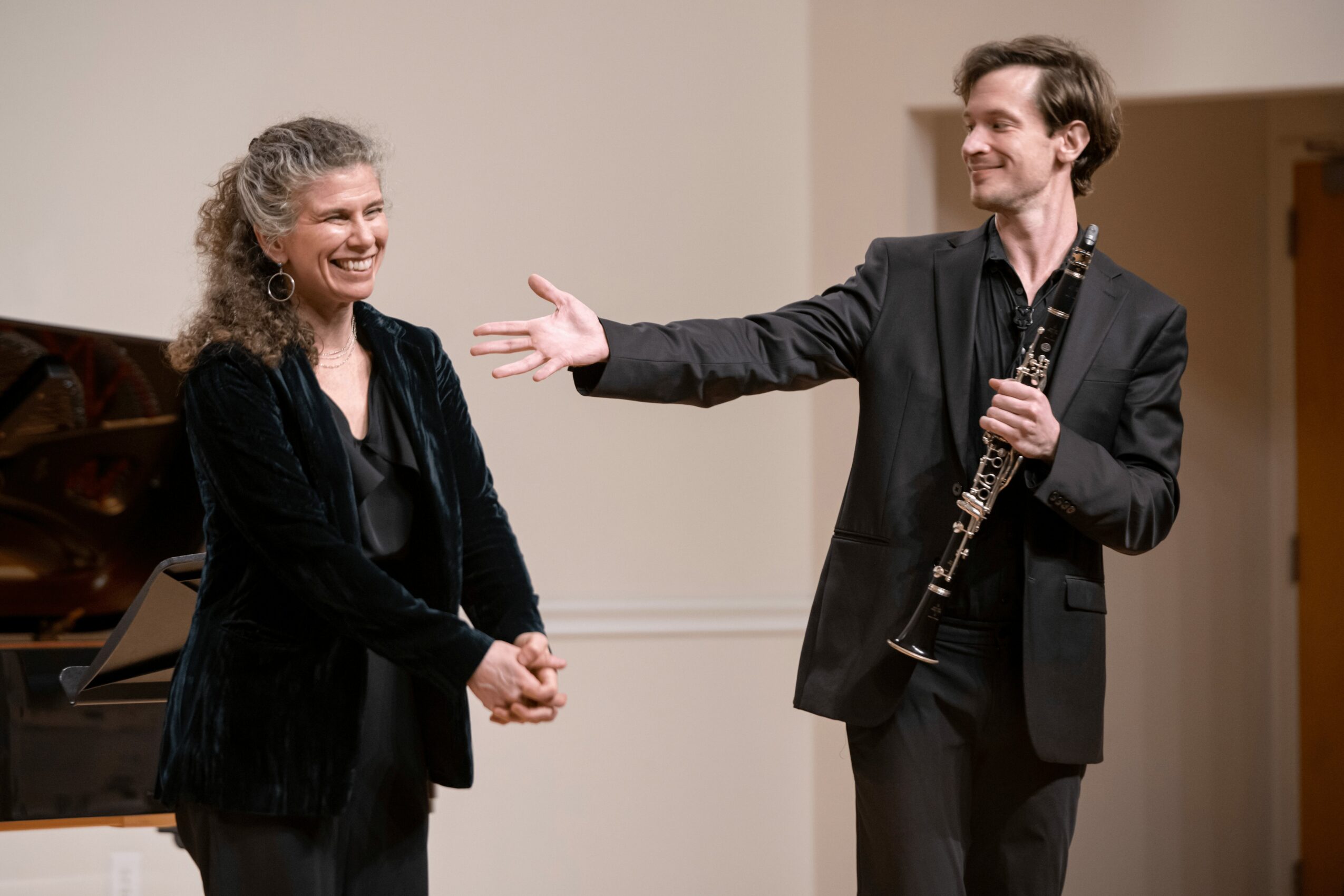
I moved from New York City to Myrtle Beach during the height of the pandemic in August of 2020 to teach at Coastal Carolina University, where I direct the woodwind studios. I began my project, The [Represent]atoire Project, shortly after starting at CCU. Since then, we have had incredible guests on campus, students have secured top TA positions at prestigious graduate schools, and I was even nominated for GRAMMY Music Educator of the Year.
Would you say it’s been a smooth road, and if not what are some of the biggest challenges you’ve faced along the way?
The smartest thing I did when I started at CCU was to found my project, The [Represent]atoire Project, alongside my students. The word repertoire is a fancy word for the music we commonly play and study as musicians, and the project name is a play on this alongside the word representation. When I started here, my students were asking to study pieces by composers from their own communities. We began by interviewing living American composers from many different backgrounds. Next, we acquired the music library of Valerie Coleman (the historic first Black woman ever commissioned by the Metropolitan Opera, The Philadelphia Orchestra, and many more) and we now have the largest collection of her music in the world right here at Coastal Carolina! Next thing you know, we were able to bring her to campus for a week to perform with her, have her work with our students, discuss the importance of representation with the campus and community, and much more. We’ve continued this project by bringing a prolific living American composer to campus every year for a residency with our students. This year, we had Amanda Harberg on campus. She has been commissioned by the Philadelphia Orchestra Association, the New World Symphony, the Juilliard School, and many more. We acquired her entire library, and even commissioned a new piece of music from her this year! I especially love that students have taken the lead on this. My flute student Diamond performed the first ever student degree recital at CCU of all women composers using our new music library. My student Hailey co-published an article with me about the project and went on to receive a full ride for their Master’s Degree at the flagship of Illinois, along with their prestigious teaching assistantship in Musicology. I also direct the Center for Inclusive Excellence at Coastal Carolina University and our student fellows Alondra and Amelia founded a new student organization, “Women and Allies in Music” as a part of their project.
You can read more about the project here:
https://www.ericschultz.com/news/how-i-founded-the-representatoire-project
As you know, we’re big fans of you and your work. For our readers who might not be as familiar what can you tell them about what you do?
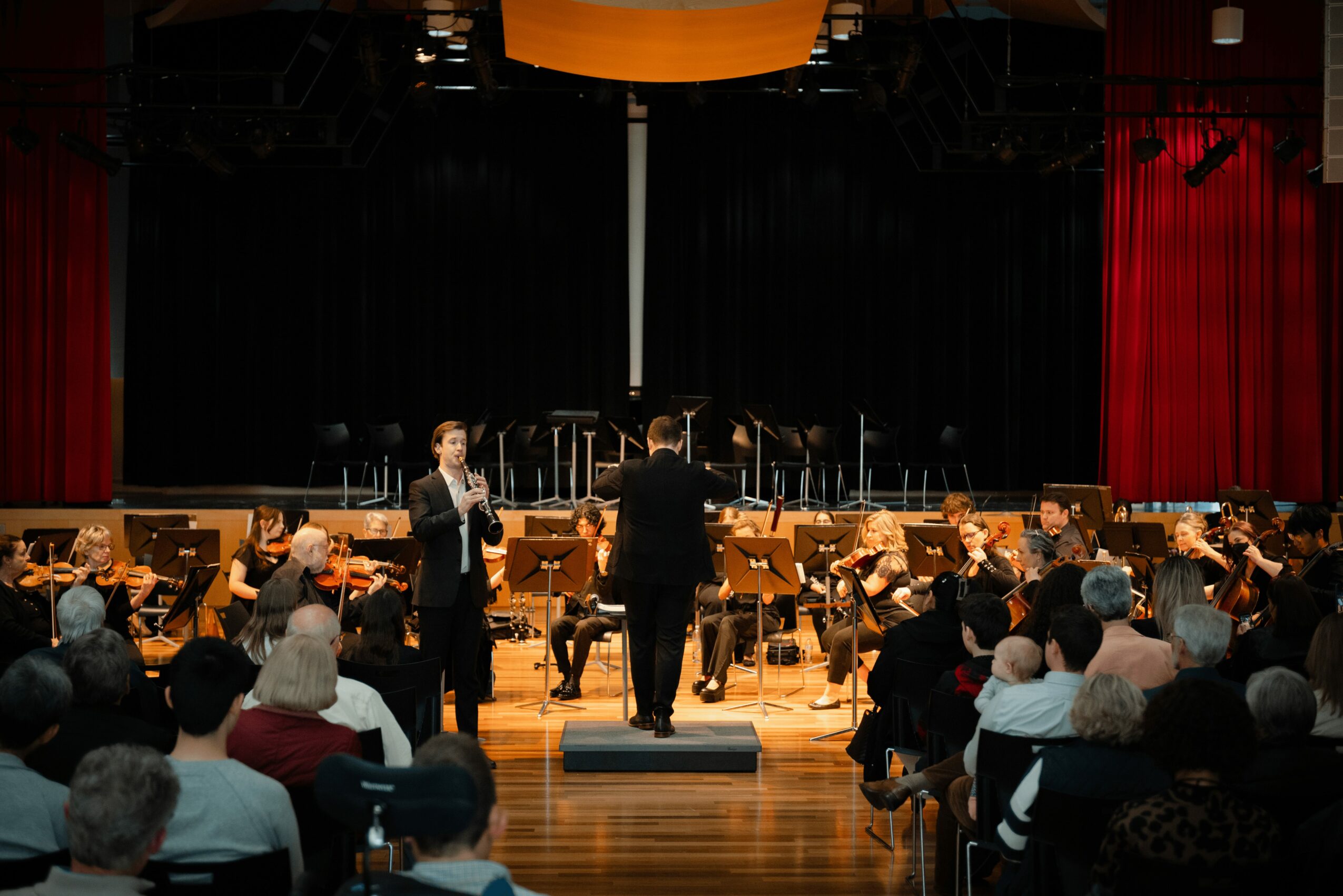
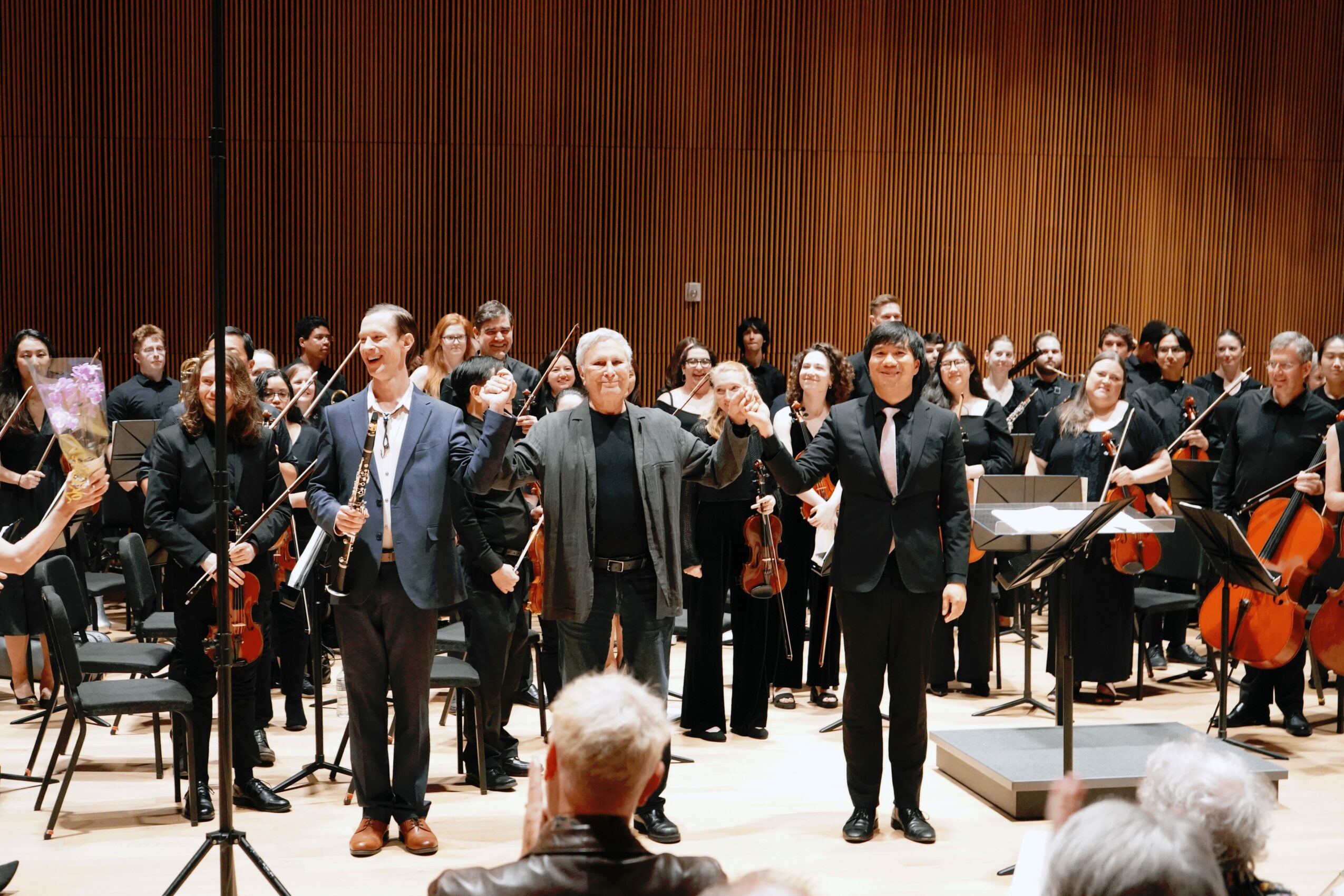
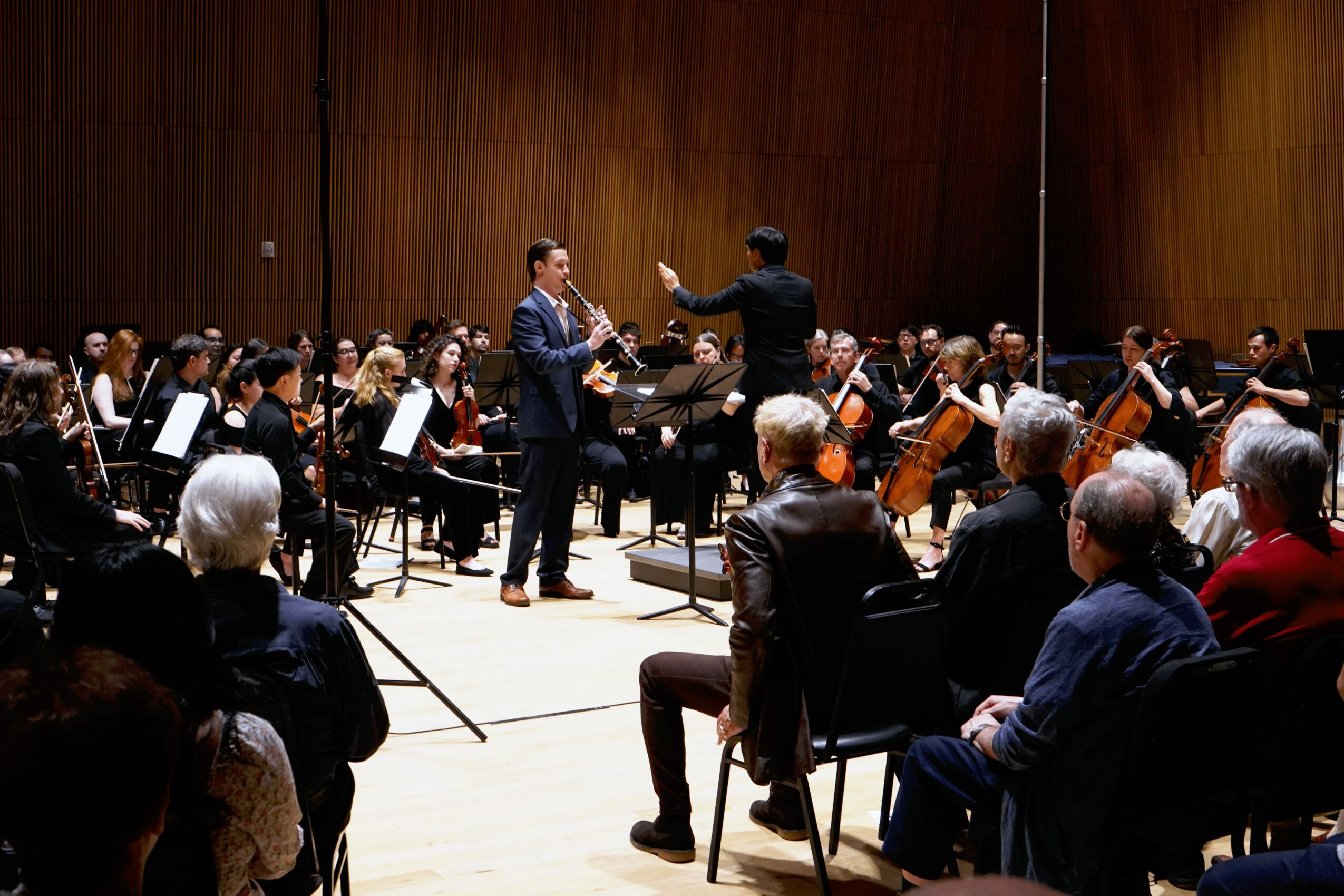
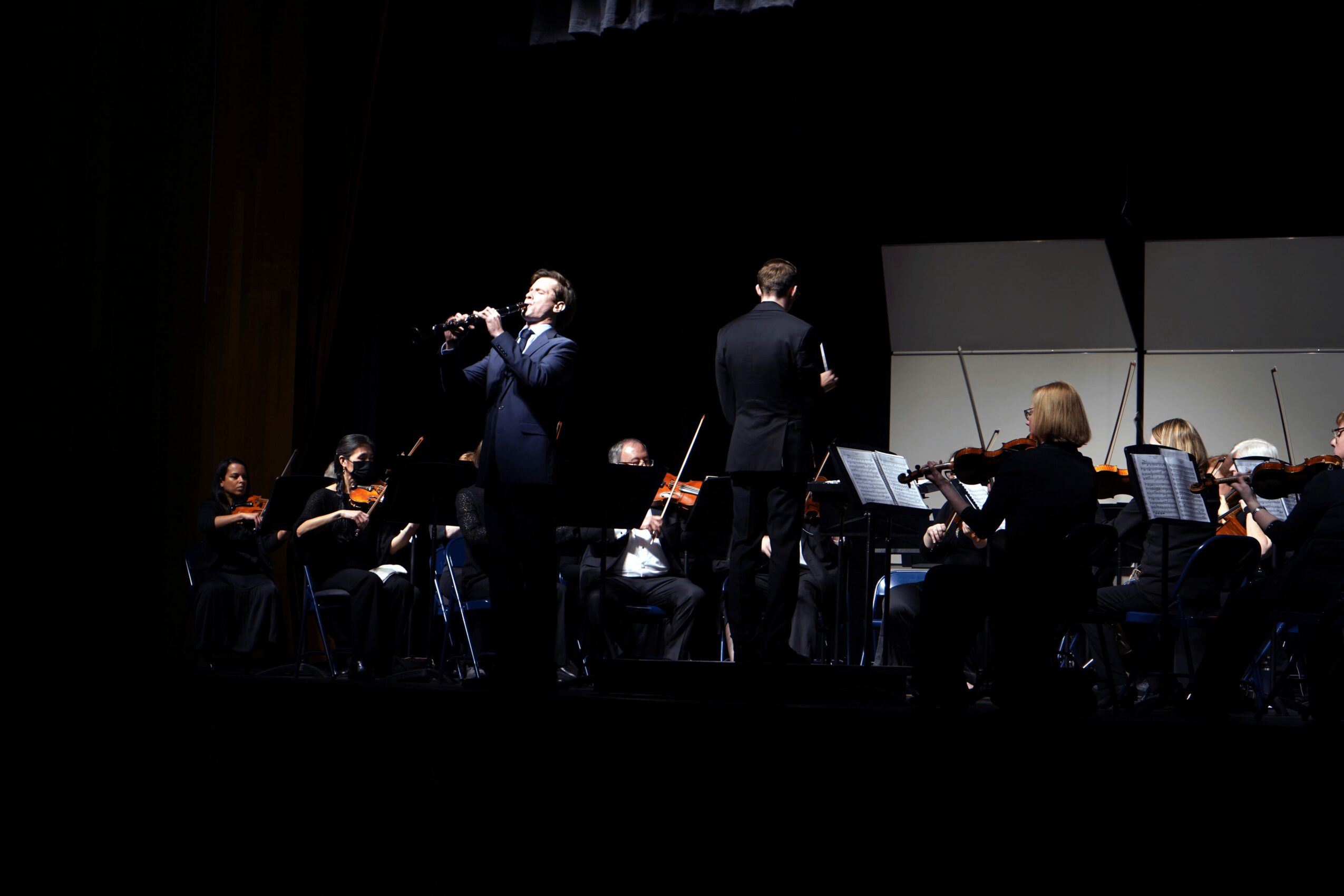
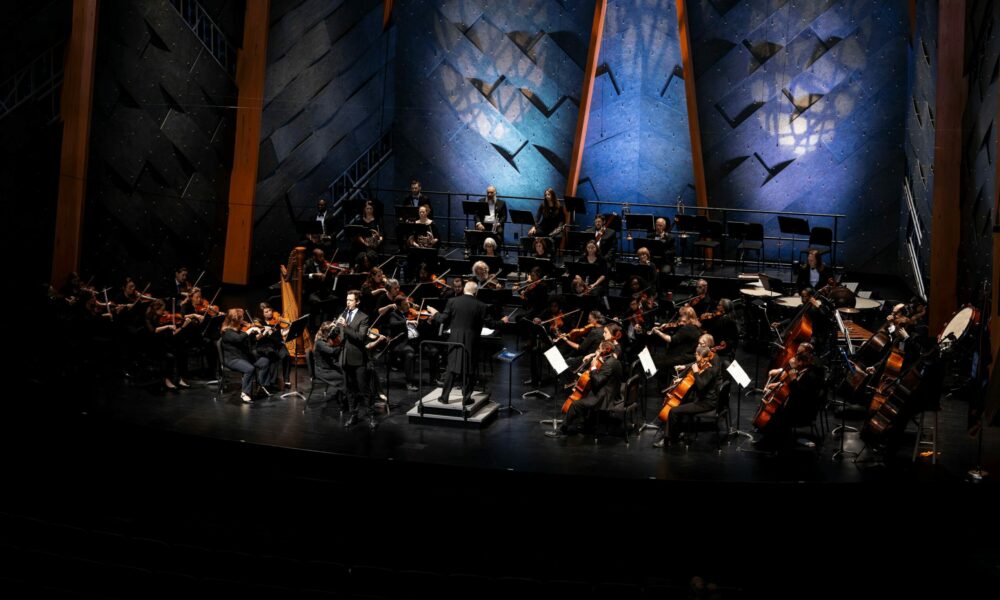
This season, on top of teaching at Coastal Carolina University, I performed six concerti with orchestras across the country. This most recent performance was a highlight of my career. I had the privilege of performing John Corigliano’s Concerto for Clarinet and Orchestra with The Chelsea Symphony in New York City during NYC pride month. Many clarinetists call this concerto the most difficult ever written, and it demands an enormous surround-sound ensemble, so it is a rare opportunity to perform this masterpiece with full orchestra. Corigliano is one of the most celebrated composers alive. As faculty at the Juilliard School, his many accolades include a Pulitzer Prize, a Grawemeyer Award, five Grammy Awards, and an Academy Award. He is best known for his Grammy award-winning First Symphony and his Academy award-winning film score to The Red Violin. Honestly, John Corigliano is one of my musical idols, so to be invited into his home and mentored on his incredible Clarinet Concerto (his first commission from the New York Philharmonic) was really a privilege beyond my wildest dreams. He attended our rehearsals and called the performance “a sensation,” while critic Jeffrey Williams described the performance as “an adrenaline rush, bursting with drama and relentless momentum” (NYCReview).
You can stay up to date with everything I am doing by following me @ericschultzclarinet on all platforms.
What matters most to you? Why?
There are so many things I love about teaching here at CCU. First and foremost, I am a proud product of public schools (every year all the way through my doctorate). It is important to me that I am contributing to a public institution because I want to make sure that the next generation can receive the same great public education that I did. I am also a first-generation college graduate, and I am so proud to contribute to an institution that serves many first-gen students and takes seriously the needs of these students. Finally, my students come from all over the country (and beyond), and they all have very unique goals, so I am never bored! I wouldn’t have it any other way. Honestly, my teaching at CCU is a dream, but my favorite part of my job at CCU is directing the Edwards Center for Inclusive Excellence. The Edwards Center is a research center that focuses on interdisciplinary collaborative projects in the humanities, arts, and beyond. Every year, projects center around a theme, such as “Narratives of Democracy” or last year, “Representation Matters,” with projects like “Black American Music in the Classroom,” led by Dr. David Carter, “Public Portrait Monuments as Narratives of Power,” led by Dr. Elizabeth Baltes, and “Coastal Connections: News, Democracy, and Inclusion” led by Dr. Wendy Weinhold. The special thing about this center is that faculty and students work together as equals on their creative research projects. Our alum are often accepted to top grad school programs with financial support, some publish in their respective academic journals or present at conferences, and many projects are covered in state and local news. Students who graduate after being student research fellows often comment that their time in the Center was the highlight of their college career, and the relationships they created with fellow students and faculty are some of their most meaningful. Oh, not to mention, we’ve been on some pretty incredible trips in the past few years… Washington, D.C., Richmond, Honolulu, and this past year, New York City!
Everything I am doing today, at CCU and beyond, revolves around my commitment to supporting living composers and expanding repertoire lists toward a more intentionally inclusive and relevant future model. Instead of forcing students to all learn the same pieces from the past, I like to encourage an individualized, project-based and passion-fueled creative approach to music learning that is tailored to each student’s unique needs and goals. I take this same approach with my own performing career.
If you believe in what you are doing, and if you have purpose, that will come across to your audience – in and out of the concert hall.
Contact Info:
- Website: https://www.ericschultz.com/
- Instagram: https://www.instagram.com/ericschultzclarinet
- Facebook: https://www.facebook.com/ericschultzclarinet
- Twitter: https://x.com/clarinetprof
- Youtube: https://www.youtube.com/@ericschultzclarinet
- Other: https://www.tiktok.com/@ericschultzclarinet