
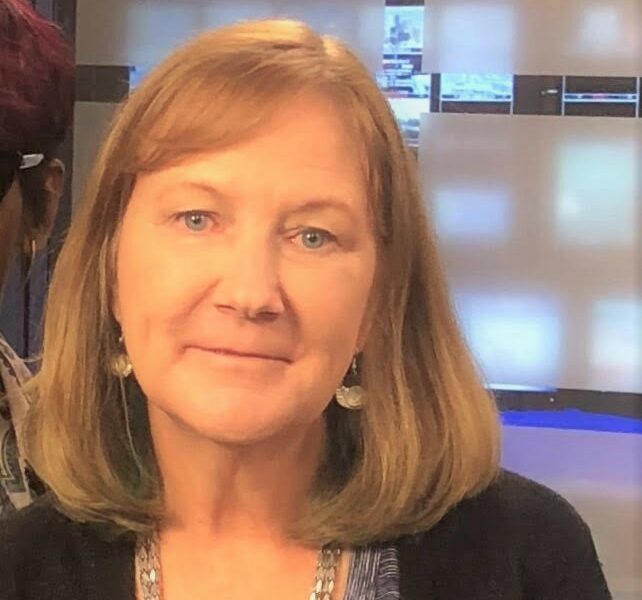
Today we’d like to introduce you to Carla Damron.
Hi Carla, so excited to have you with us today. What can you tell us about your story?
I’ve been a social worker for 30+ years. This is stressful work, and I found an outlet for my stress in writing. My first novel, Keeping Silent, was published in 2001. I had completed three books in the Caleb Knowles mystery series (each dealing with a social issue) and decided to try something different. When I came up with the story for The Stone Necklace, which is upmarket women’s fiction, I soon realized it was too complex for my skill set. This novel sent me back to school. After multiple rewrites, I completed my MFA and finished this novel about grief and recovery. In 2016, it was published by USC Press and was selected as the One Book, One Community Read for Columbia. This was an honor; I appeared at book clubs and libraries all over the Midlands. The novel also won a national award: the Women’s Fiction Writers Assn Star award for best novel. While I’m proud of these awards, what means the most is that it’s touched readers who have dealt with loss, grief, or addiction. This is why I write. My new novel, The Orchid Tattoo, will be published in September. This crime fiction project is set here in Columbia and deals with a complicated subject: sex trafficking. I learned much about this gruesome subject in my social work advocacy work, so writing about it was therapeutic. My goal for it (and for all my works) is to entertain but also educate. I want people to understand how trafficking happens and how we can help prevent it. It’s stunning to know how prevalent and LUCRATIVE this crime is, and South Carolina is far from immune. The Orchid Tattoo shows us what might be happening in our neighborhoods.
Can you talk to us about the challenges and lessons you’ve learned? Looking back, would you say it’s been easy or smooth in retrospect?
Writing is a drama in multiple acts, each with its hurdles.
- Act one: the creative process of putting words on paper. It involves battling self-doubt and writer’s block and conquering the frustration of sagging middles. Our reward is the “high” of a well-honed paragraph or fresh new character when they come to life. And to writers, they are very much alive.
- Act two: The discerning process of editing and revising. This may involve multiple rewrites, figuring out what works and what doesn’t, amping up the tension, diagnosing problem sections, and cutting sections that might be beloved. The painful phrase often quoted: “Kill your darlings.”
- Act three: Querying. And getting rejected and querying some more, hoping to find an agent or publisher. This phase requires a thick skin and a support network to share your pain. And, sometimes, wine.
- Act four: Marketing. When the work has been accepted, you must build an audience. As many writers are introverts, this can be especially challenging.
As you know, we’re big fans of you and your work. For our readers who might need to become more familiar, what can you tell them about what you do?
My two careers as a social worker and writer are hopelessly intertwined. I’m not a social worker and explore social issues in my writing. I worked in mental health for thirty years, and my Caleb Knowles mysteries all deal with mental illness. I also tackle addiction, disability, and homelessness in those books. I’ve been drafting the fourth Caleb novel, which explores the brutal aftermath of a hate crime. In The Orchid Tattoo, my protagonist is a social worker with a mental illness. She’s in recovery, but her symptoms challenge her when she is stressed. She’s very competent and determined and refuses to be defined by her mental health issues. I love that about her, and I want people with a mental illnesses to know they are heroes, too.
Any advice for finding a mentor or networking in general?
I belong to several writing organizations, including Sisters in Crime and the Women’s Fiction Writers Association. I’ve been a mentor through WFWA and developed a network of fellow writers who support each other. Also, I remain friends with people I met while getting my MFA. We often critique each other’s work. It’s critically important to have a writing partner who cares enough to be candid and to point out strengths and weaknesses. That way, I’m always working to improve my writing.
Contact Info:
- Website: www.carladamron.com
- Instagram: carladamron
- Facebook: https://www.facebook.com/carladamronwrites
- Twitter: @carlawritesfic


Image Credits
JIm Hussey