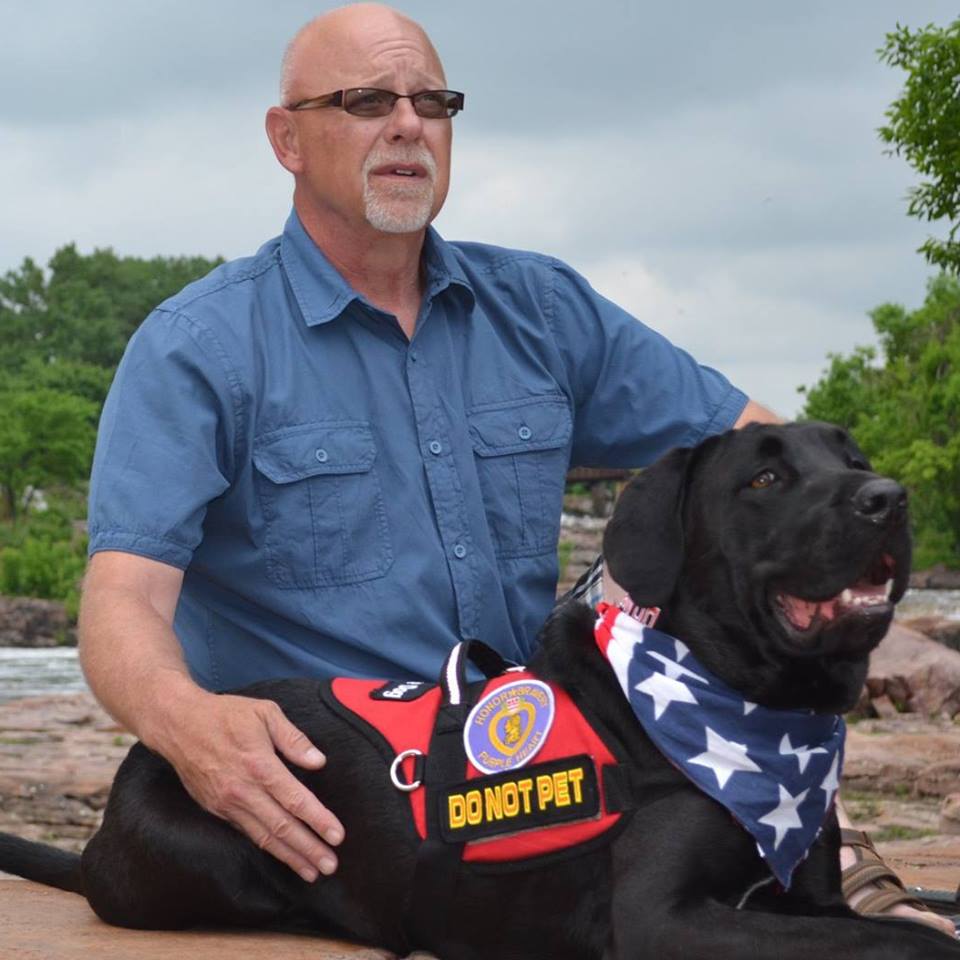
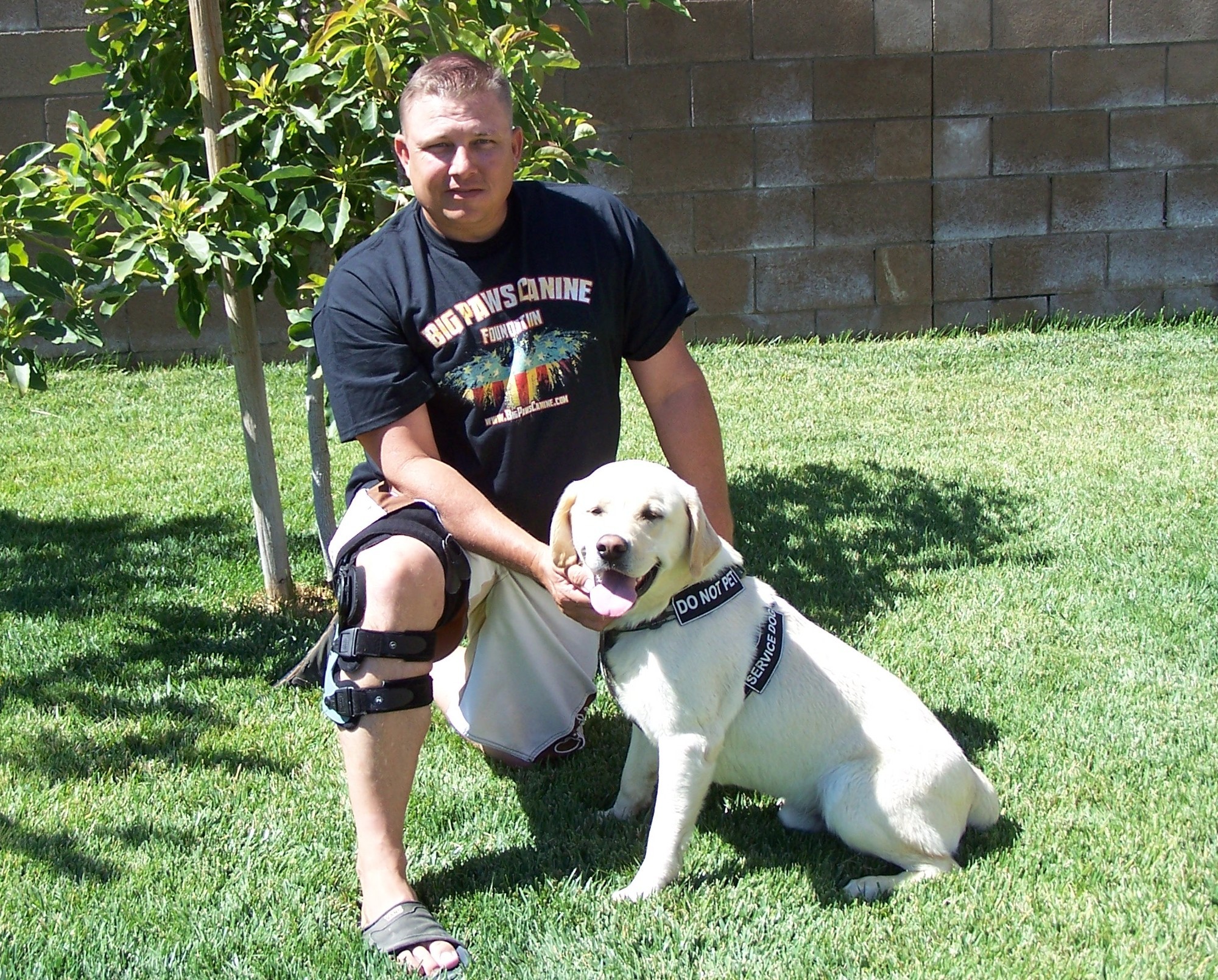
Today we’d like to introduce you to Steve Slavik.
Alright, so thank you so much for sharing your story and insight with our readers. To kick things off, can you tell us a bit about how you got started?
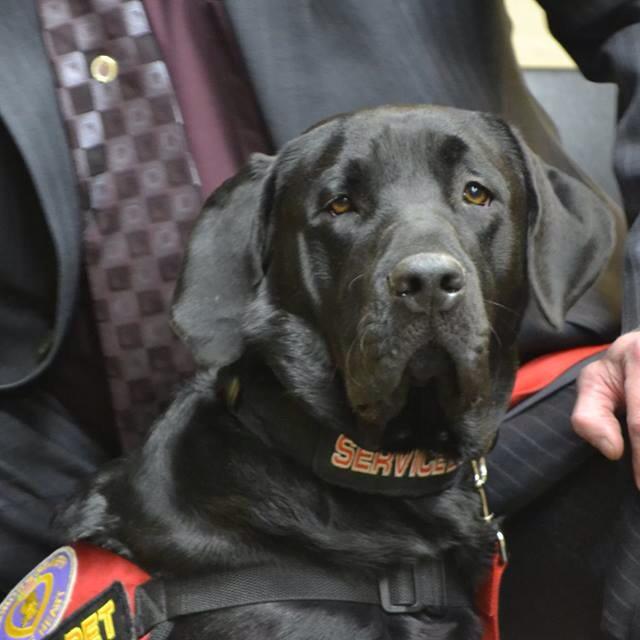
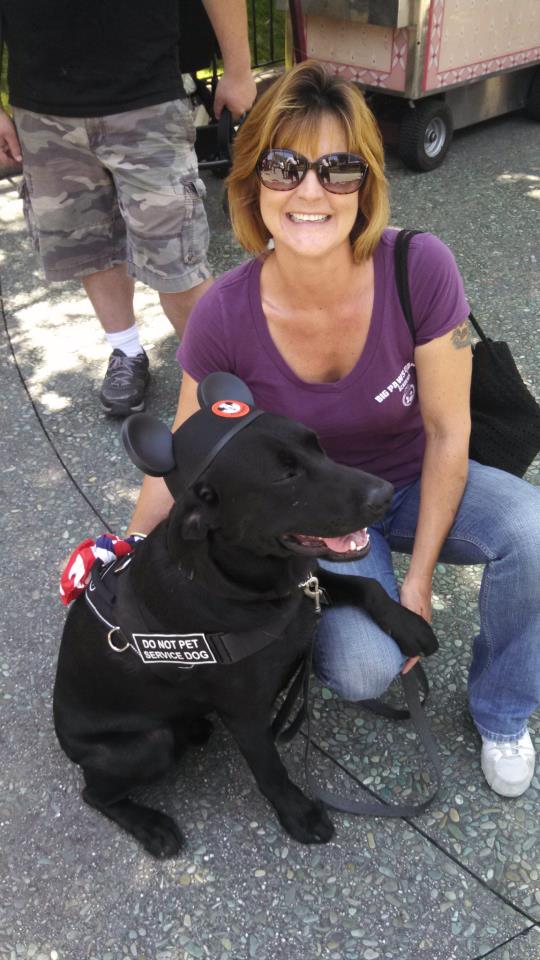
Starting from an idea and passion by our founder, Steve Slavik, Big Paws Canine began with a small group of good friends and business associates. Almost 15 years later, we have trained over 500 Service Dogs with their Veterans or First Responders assisting them in their daily lives.
Big Paws Canine Foundation is a 501(c)3 multi-faceted organization whose primary mission is to provide Service and Companion Dogs to disabled Veterans and former First Responders injured in the line of duty. Every day, a minimum of 23 Veterans commit suicide in the United States. We know from experience that Service Dogs can decrease that number. Our program was developed to help that number be reduced further, in any way that we are able.
We are entirely operated by non-paid Volunteers. Most have a connection to a Veteran or First Responder somehow: spouse, child, grandchild, niece, nephew or just have a passion to give back to our heroes.
Alright, so let’s dig a little deeper into the story – has it been an easy path overall and if not, what were the challenges you’ve had to overcome?
Fundraising for any non-profit is always a challenge. For this reason we created our Community First Project.
Community First Project: Where Hometown Heros and Community Projects come First
Supporting Service Dogs & Strengthening Local Communities
The Community First Project was established as an official fundraising initiative of Big Paws Canine Foundation Inc.
The purpose of the Program is to:
Generate financial support for the Foundation’s Service Dog Program serving Disabled Veterans and Former First Responders injured in the line of duty; and
Reinvest funds directly into the local communities in which fundraising activities occur.
Keeping it Local:
* Fifty percent (50%) to the Foundation’s Service Dog Programs.
* Fifty percent (50%) to be distributed within the local community in which the funds were raised.
* The Community Allocation (50% of Net Profit) shall be used exclusively for charitable purposes within the Local Community.
Eligible uses may include, but are not limited to:
* Veteran support services
* First Responder assistance programs
* Disability accessibility improvements
* Youth or educational initiatives
* Food insecurity programs
* Emergency relief efforts
* Other documented community needs aligned with the Foundation’s values
Community funds may be distributed to:
* Registered nonprofit organizations
* Public schools or educational institutions
* Municipal agencies
* Community-based initiatives with documented charitable purpose
Prohibited uses include:
* Political campaigns or lobbying
* Private personal loans
* Activities inconsistent with the Foundation’s charitable mission
* Religious proselytizing
The Service Dog Allocation (50% of Net Profit) shall support:
* Acquisition and training of Service Dogs
* Veterinary care
* Equipment and handler training
* Placement services
* Post-placement support
We are always looking for Team Members to assist with growing our mission.
Thanks for sharing that. So, maybe next you can tell us a bit more about your work?
Steve Slavik, Co-Founder & CEO, located in the East Coast Region of Big Paws Canine, has over 20 years of service in the United States Marine Corps and Law Enforcement. He has trained hunting dogs and is a certified canine agitator. Steve has been a Small Business Owner and worked as a Sales Manager in the Auto and Business Solutions industries. Steve has also obtained his AKC Canine Good Citizen approved evaluator certification and is a graduate of Animal Behavior College.
Before we go, is there anything else you can share with us?
Everyone involved with Big Paws Canine is a Veteran or First Responder, or connected to one in some way. We are operated entirely by non-paid Volunteers. No one takes a salary. The Founder, Steve Slavik, is a Marine and former Police Officer injured in both lines of duty. Big Paws Canine was created to assist those needing the help that so many organizations were taking advantage of.
Big Paws Canine provides Service Dogs for only $1.00 and trains for the life of the dog for only $1.00 per month. Our Veterans and First Responders have already written a blank check, backed with their own lives, to defend and protect our country and ourselves and our freedoms. We obtain our funding through private donations, corporate sponsorships and grants. We do not require our Heroes to come up with almost $25,000 per dog like some other organizations.
DISABILITIES AND SERVICE DOGS: Big Paws Canine Foundation provides service dogs to veterans and former first responders suffering from Post-Traumatic Stress Disorder (PTSD), Traumatic Brain Injuries (TBI), and respiratory, and mobility disabilities.
While there have been several studies done on mobility trained service dogs, PTSD and TBI service dogs have a much different view from not only the public, but the medical world as well. According to the Dialogues in Clinical Neuroscience1, PTSD is not just a psychological disability it is actually an injury to the brain. Studies have shown people with PTSD have alterations in the brain including the amygdala, hippocampus, and prefrontal cortex as well as neurochemical stress response systems. This causes heightened startled responses, memory loss, numbing/avoidance, and sleep disturbance. It also causes higher depression rates. Oxytocin helps to release the brain and body’s response to social and environmental challenges by reducing stress. According to Psychiatric Annals2, dogs offer a safe, effective, and relatively inexpensive way to increase a brain’s oxytocin in a person suffering from PTSD. A service dog must do more than just help reduce stress, it has to provide specific tasks to be within the regulation of the Americans with Disabilities Act. Warrior Canine Connection (WCC) has been providing soldiers with PTSD and TBIs the ability to train service dogs for other soldiers that have physical impairments as mobility training dogs. Some of the research shown proves to be effective in getting soldiers with PTSD back into a normal life while with the service dog in training. Many soldiers suffering from PTSD will isolate themselves. Part of the service dog training is making sure the dogs are exposed to several different experiences in the public. This requires the soldier to be in public with the dog and when the dog alerts the soldier to when a car backfires or when people are coming around a corner they focus more on the dog than the potential trigger that could cause increased anxieties. This helps the soldier to focus on other things than racing/intrusive thoughts, etc. It also helps the soldier to decrease their startle reflex which can cause severe flashbacks and panic attacks. Dogs are also very sensitive to chemical changes in a person’s body. Service dogs can alert a person to a panic attack before they happen, bring them required medication, or get them to a safe place usually outside if in a crowded area. This is very similar to a diabetes alert service dog or any other medical service dog. Service dogs also learn to keep people from getting too close so they are able to go into public and lead normal lives while the service dog helps to keep the watchful eye so the soldier doesn’t have to be hyper vigilant. They are also trained for the specific needs of each person. Many soldiers coming back have respiratory3 issues and may have to wear CPAPs or BiPAPs at night. Service dogs can be trained to alert the person to leaking masks or wake a person from nightmares to keep them from going into a flashback. Many people suffering from PTSD and/or TBIs have found service dogs get them back into society and improve their lives considerably. It not only provides a companion, but also helps give the person the ability to de-escalate issues attributed to PTSD and TBIs quickly and lets them carry on with their daily activities instead of isolating themselves making for a more productive community as a whole.
Contact Info:
- Website: https://www.BigPawsCanine.com
- Facebook: https://www.facebook.com/BigPawsCanine/