
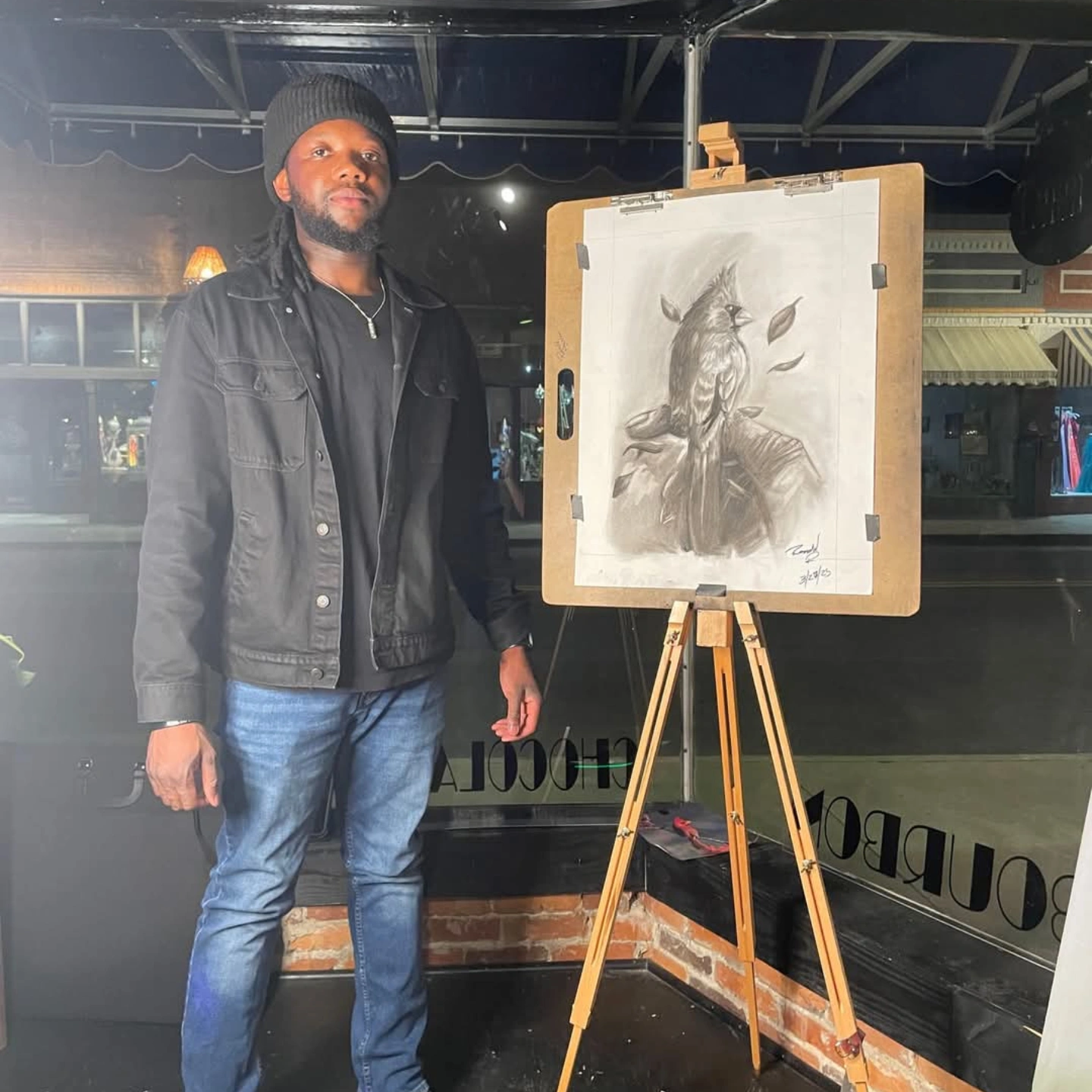
Today we’d like to introduce you to Ronald Register.
Hi Ronald, please kick things off for us with an introduction to yourself and your story.
Art has been a significant aspect of my family’s heritage for multiple generations. At the age of eight, my father instructed me in various drawing techniques, while my sister’s pursuit of higher education inspired me to consider college for myself. My family recognized my passion for art by providing me with my first sketchbook and art supplies, as I frequently utilized printer paper for my creations during childhood. Throughout my early years and into high school, art remained a favored hobby, although I harbored no specific ambitions regarding my future in this domain. Various influences motivated and impeded me, creating an internal conflict regarding my artistic path.
It was during my tenth-grade year when I became actively engaged in the National Art Honor Society (NAHS), which offered me a new perspective on artistry. I had the opportunity to connect with like-minded peers, college educators, and participate in events such as ArtFields in Lake City, South Carolina. The pivotal moment that solidified my resolve to pursue a college education in the arts occurred during my senior year when I enrolled in an Advanced Placement Art course and achieved a score of 4 on the exam. This accomplishment illuminated my potential for artistic advancement.
As an African American, I was determined not to conform to conventional expectations, such as participating in football or basketball; instead, I sought to carve out my own niche in the arts. This journey required considerable deliberation to ensure I made the most informed decision possible during that formative stage of my life. Eventually, I commenced my first semester at Benedict College, a historically Black college and university, majoring in Studio Art. Here, I encountered an array of exceptionally talented artists who shared clarity regarding their aspirations. Witnessing the quality of their work ignited a passion within me to strive for greater heights.
I heeded the counsel of my classmates, upperclassmen, professors, and alumni, which led me to join Alpha Rho Theta, the Fraternity of the Creative and Performing Arts, along with many of my peers. In the fall of 2019, I participated in my inaugural local art exhibition in Columbia, South Carolina, held at Tapp’s gallery alongside numerous talented artists from the region. The event attracted a diverse gathering of artists, dancers, musicians, and art enthusiasts, enhancing my appreciation for the term “artist” more profoundly than ever before.
With the onset of the COVID-19 pandemic, during an extended period away from school, I devoted my time to drawing and painting. This period marked the beginning of my portfolio development, characterized by experimentation with various mediums and concepts. Over time, many of these innovative ideas were displayed in various galleries, breweries, and stores throughout the Carolinas. In 2024, my artwork was recognized as Artist of the Month at the Lake Marion Artisans gallery in Summerton, South Carolina. The event was a resounding success, leading to a subsequent invitation in 2025 to feature my work for the Black History Month program.
A month later, I conversed with a local artist who introduced me to the owner of a renowned charcuterie bar, Tammy’s, located in Lake City, South Carolina. Tammy arranged for me to conduct a live drawing session in March, and in April 2025, I was featured prominently during the ArtFields event in the bar’s window display. As a young African American man, my family consistently emphasized the importance of prayer, reminding me that “God will make a way out of no way” and that He observes all actions. This faith has been a guiding principle throughout my journey. Prior to the pandemic, I recognized a desire to elevate my artistic skills, understanding that each question posed is merely a fragment of a larger inquiry.
The journey thus far is a testament of God’s works, who I give all Thanks to, for my gift and ability. To every person of color who is unsure where to go with their gifts right at this moment; travel, talk and meet new people, don’t let fear take you, always say please and thank you. Ignore the laughs of others who aim to bring you down. For your shine is brighter than the sun in the face of fools. Put God first and you will find a beautiful place. Pray, Act, show Respect to your craft and others crafts, Rest, Repeat.
I’m sure it wasn’t obstacle-free, but would you say the journey has been fairly smooth so far?
As an artist, struggle is almost a rite of passage toward becoming a better artisan, no matter the field. How we respond to that struggle is determined by the choices we make. If there is no hardship, something may be wrong, or perhaps the effort isn’t sufficient. One of my struggles has been the feeling that I might not reach my artistic goals, especially due to the lack of representation of people of color in this field today. However, once I became aware of artists like Jean-Michel Basquiat and the challenges he faced, I realized that a path could be forged.
While studying in college, I met a painter from my hometown of Manning, SC, named Tarleton Blackwell. My conversation with Mr. Blackwell inspired me and uplifted my spirit; it’s a moment I can always return to for motivation. A common theme for all creatives is experiencing artist’s block. I vividly remember having my struggles during this time, which still pains me to recall. I became homeless and had to sleep at a few friends’ houses, and all I could do was work. Holding down jobs at a factory and a retail store consumed hours that I had previously planned for art projects, making it hard for me to focus on finishing them.
As a result, I often showed up to work while masking my depression, burnout, and anxiety. My many sleepless nights spent trying to smile through it all felt disingenuous, and this cost me dearly. Eventually, I ended up getting fired, which gave me more time for my art, but rent was still due, so I had to find another job. Although I began creating more than usual and finished long-overdue projects, I began to see myself as a failure. I felt like I had let myself, my family, my friends, and my goals down. I became mentally miserable, but I continued creating art, which I believed was the only thing that could save me from myself.
After reflecting on my life and leaving that difficult period behind, I rediscovered the joy of living in the world in subtle ways and began to envision a brighter future through my painting.
Thanks – so what else should our readers know about your work and what you’re currently focused on?
I am a traditional African American artist specializing in sketching and painting. My main mediums include graphite, charcoal, oil paint, oil pastels, acrylic, gouache, watercolor, and ink. Throughout high school and college, I was known as the laid-back, free-spirited artist who always carried a sketchbook or canvas down the halls.
Since graduating, it has been a dream of mine to travel and express myself; I believe that this journey reflects life in profound ways. I settled down in a city outside of South Carolina, and I’m proud to say that it pushed me out of my comfort zone, impacting the way I transition from paradise to reality. My artwork flourished in Asheville, NC, and upon returning to Manning, SC, I was able to channel that same drive, which is evident in my current work.
Meeting different artists from various places and conversing with them has been a blessing. I strive to avoid comparing myself to others, recognizing that we all express different colors, lines, shapes, and even our speech as forms of our unique realities. I grew up mastering my skills through years of practice in drawing, and now I aim to help others understand how essential it is to have an outlet for their creativity.
Do you have any advice for those looking to network or find a mentor?
When searching for a mentor, it’s important to look inward and ask yourself some critical questions. For instance, “Is this artist truly the right mentor for me after six months of studying under them? What knowledge will I gain to achieve the results I want? Am I prepared to face failure on occasion and continue persevering despite the challenges? Will I keep learning after each lesson? Even if I don’t have any equipment, can I still work towards my goals?”
As life unfolds, understanding how you learn is the first step. The second step is determining if you can translate your experiences in that field to someone else. This ability can either make or break your progress; it’s up to you to find what works best for you and how your fellow students understand those lessons.
Networking is equally important. Being kind, truthful, and authentic is the best approach in any circle you find yourself. Be consistent in asking questions when you’re uncertain about something; if you can’t find the answers, seek help from someone more experienced. Don’t hesitate to engage with people no matter where you encounter them.
Instead of focusing on what you can gain, concentrate on building the foundations for success so that when your name is called, it is met with blessings and praise.
Contact Info:
- Instagram: @boemore.rnr
- Facebook: Ronel Register
- LinkedIn: Ronald Register
- Twitter: Boemore
- Youtube: Boemore
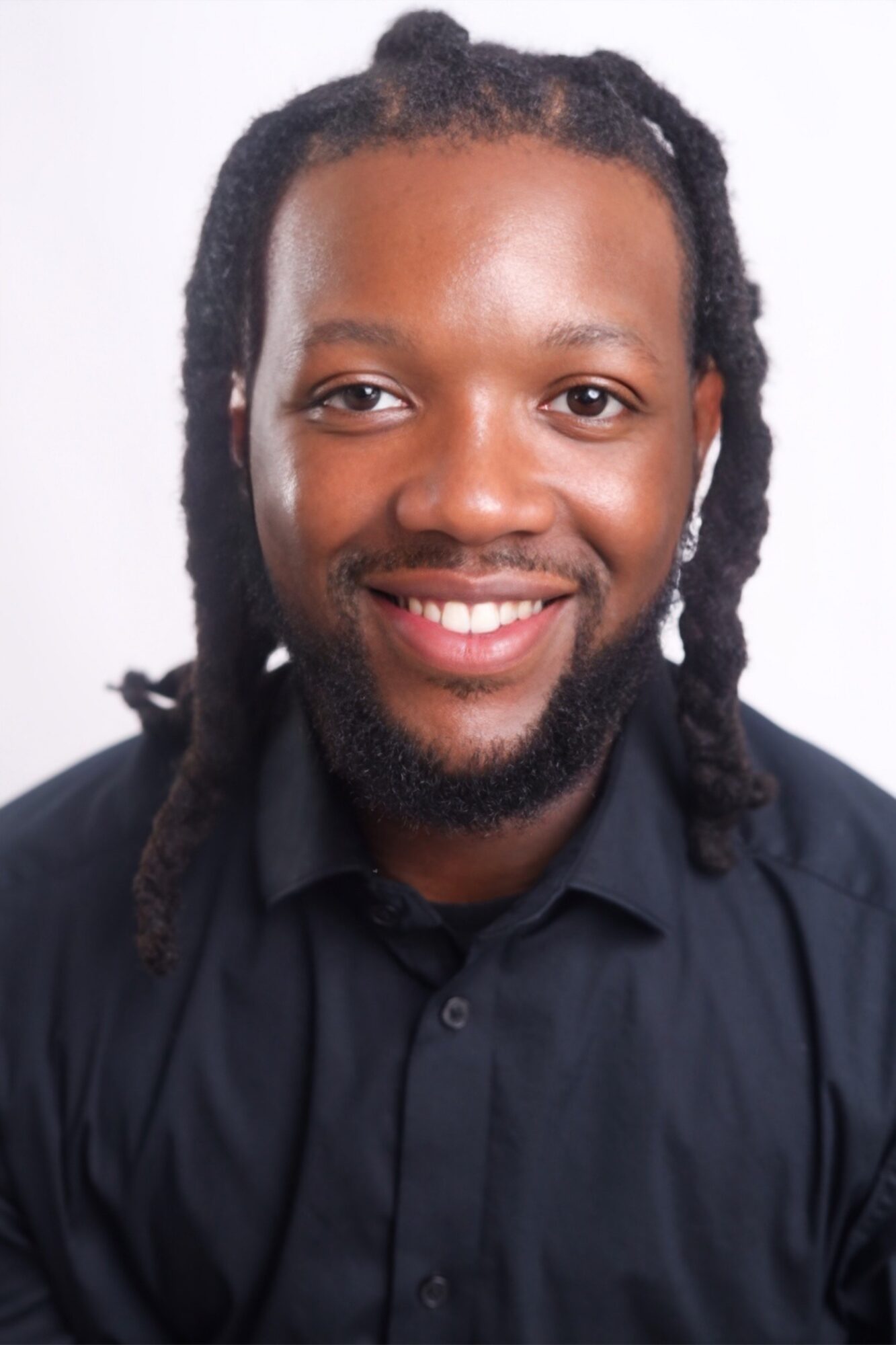
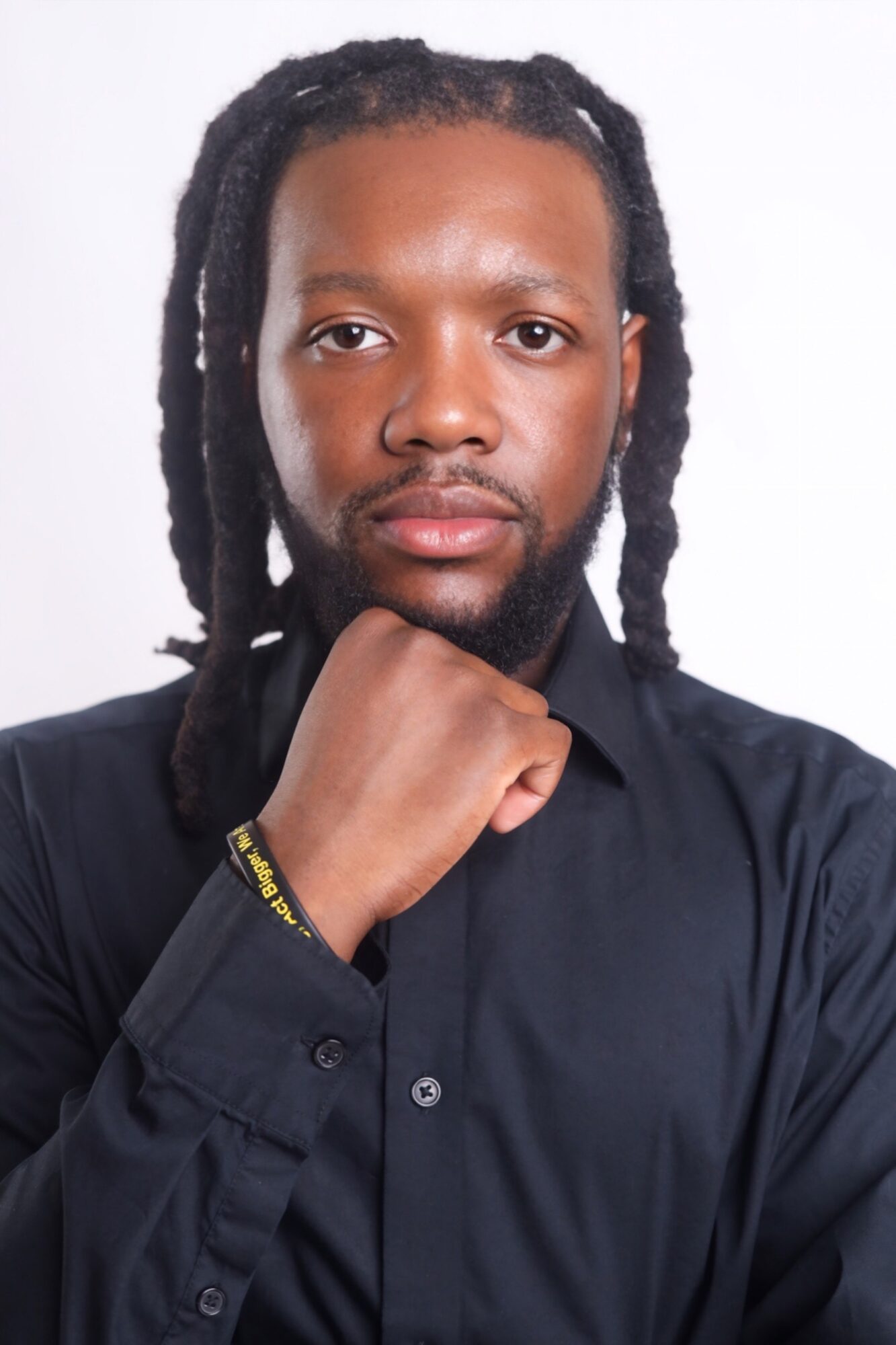
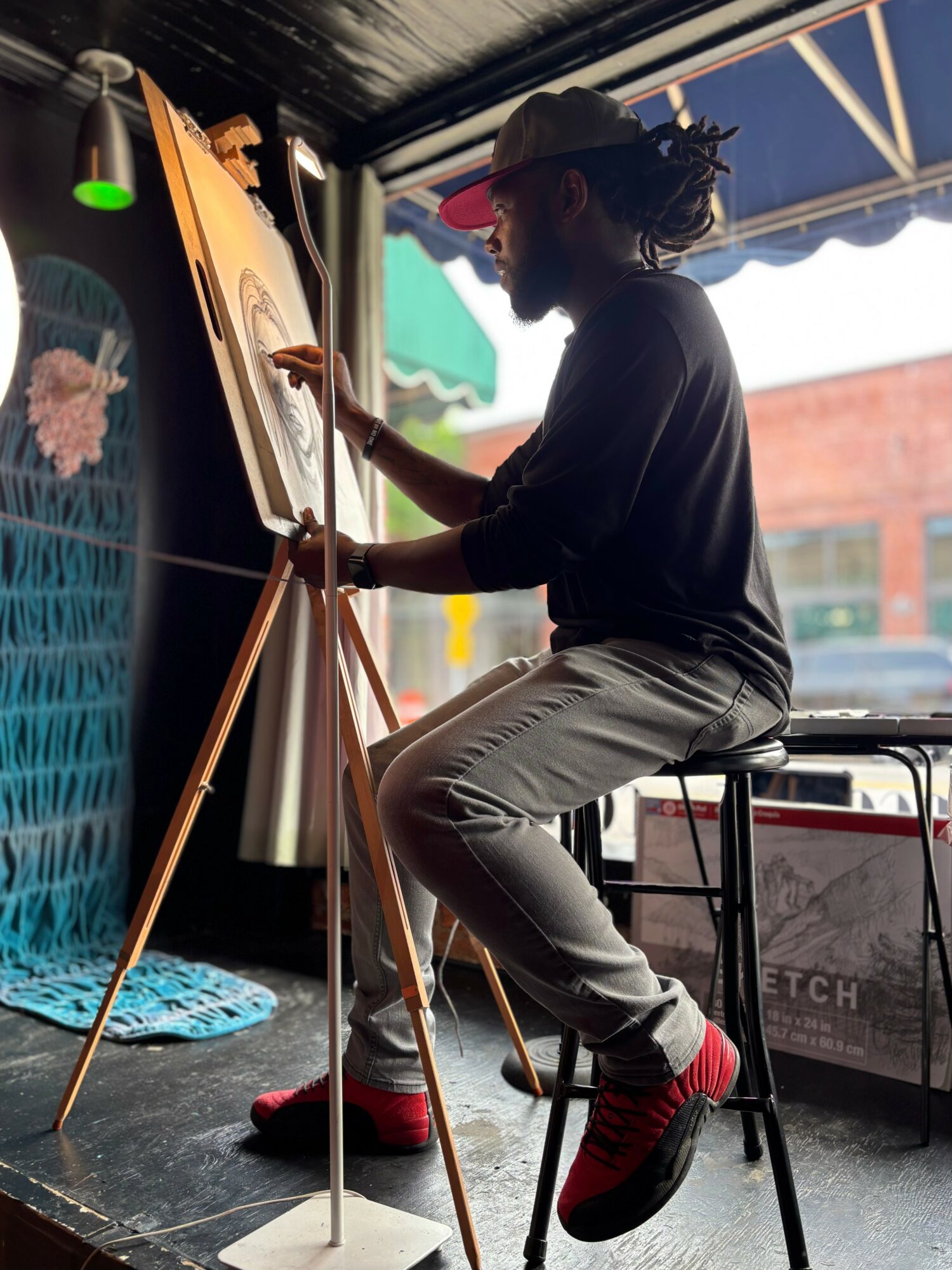
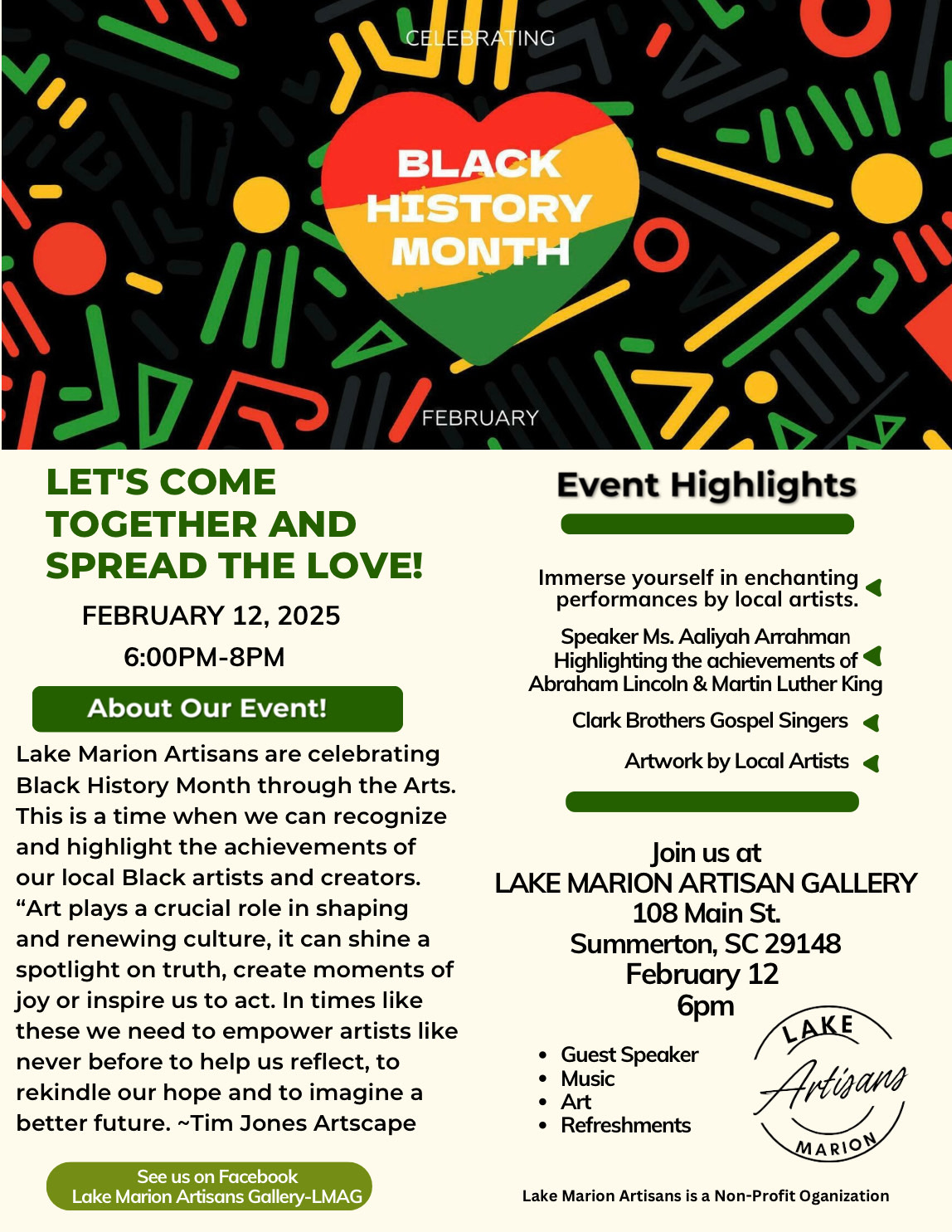
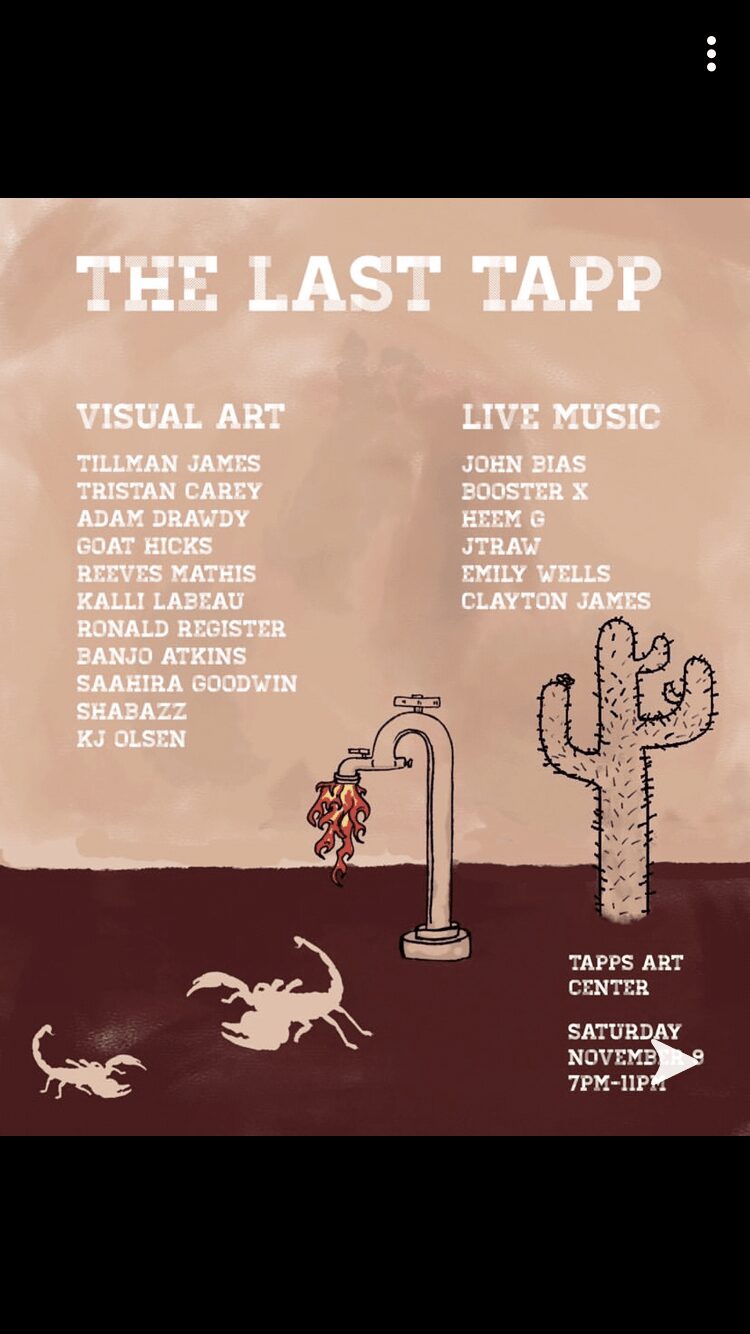
Image Credits
Janay Minor
Veronica Mayrant
Kimberly Quzack