Today we’d like to introduce you to Madeline Penkoff.
Madeline, we appreciate you taking the time to share your story with us today. Where does your story begin?
Beautiful Gate Center is a nonprofit organization created in response to a growing need within our community: access to high-quality care for children with autism and other developmental disabilities. What began as a vision rooted in compassion and service has grown into a trusted resource for families seeking comprehensive, evidence-based therapy services.
With firsthand experience as both a Special Education Teacher and Speech-Language Pathologist, serving as the Clinical Director of Beautiful Gate Center is not just a professional role, it is a profound honor. The owners have devoted their lives to nurturing and expanding the Center, ensuring it remains a place where children are supported, families are valued, and excellence is the standard.
Beautiful Gate Center serves as a true safe haven for our community. Families walk through our doors knowing their children will receive top-tier therapeutic services from a team that is deeply invested, not only in clinical outcomes, but in the overall well-being of each child and their family. Our commitment extends beyond therapy sessions; it is about building trust, fostering growth, and creating lasting impact.
In my role, I work hands-on with both children and their parents or guardians to ensure transparency in treatment, collaborative goal setting, and the highest standards of professionalism delivered with compassion. We believe families deserve to understand the “why” behind what we do, and to feel empowered throughout their child’s journey.
Working with individuals with disabilities is not simply a career, it is a calling. It shapes who I am as a professional and as a person. This work is emotionally, physically, and mentally demanding. Some days are incredibly challenging, and progress can feel slow. Yet other days bring powerful breakthroughs, moments when a child communicates independently for the first time or gains a new skill that transforms daily life. In those moments, the impact on both the child and their family is undeniable.
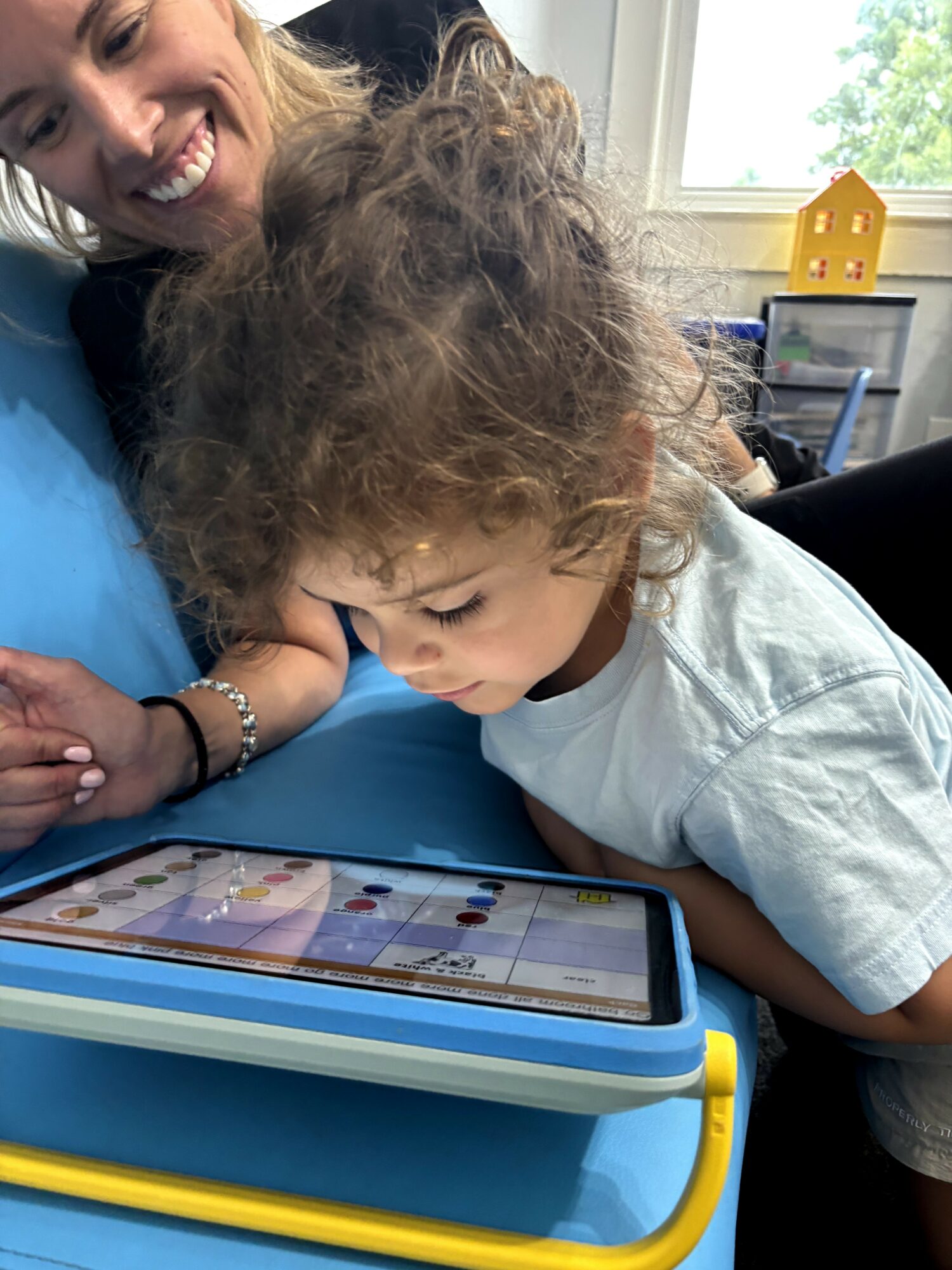
I am deeply passionate about providing evidence-based practices that promote functional communication and meaningful participation in daily life. For children with limited language, access to communication is access to autonomy, connection, and dignity. Ensuring that every child has a reliable and effective means of communication is at the heart of what we do.
At Beautiful Gate Center, our mission is simple but profound: to serve children and families with expertise, integrity, and unwavering dedication, and to help every child reach their fullest potential.
Can you talk to us a bit about the challenges and lessons you’ve learned along the way. Looking back would you say it’s been easy or smooth in retrospect?
It has not always been a smooth road. In fact, there have been many bumps along the way. Just when it feels like we are gaining momentum and picking up speed, another challenge presents itself. At times, it can feel like taking one step forward and twenty steps back.
Working in healthcare , especially with children and families, is incredibly eye-opening. You are invited into some of the most vulnerable parts of people’s lives. It gives you a deep sense of perspective and gratitude for your own blessings, while also strengthening your commitment to serve others with compassion and integrity.
Like any meaningful work, there are obstacles. There will always be challenges, and there are times when people question, criticize, or attempt to diminish the good being done. That can be difficult. But when your mission is clear, you learn to keep your focus on why you started. Staying grounded in purpose helps you push through the hard days, even when it isn’t easy.
Growth rarely happens without resistance. The road may not be smooth, but it is purposeful, and that makes every challenge worth navigating.
Thanks for sharing that. So, maybe next you can tell us a bit more about your work?
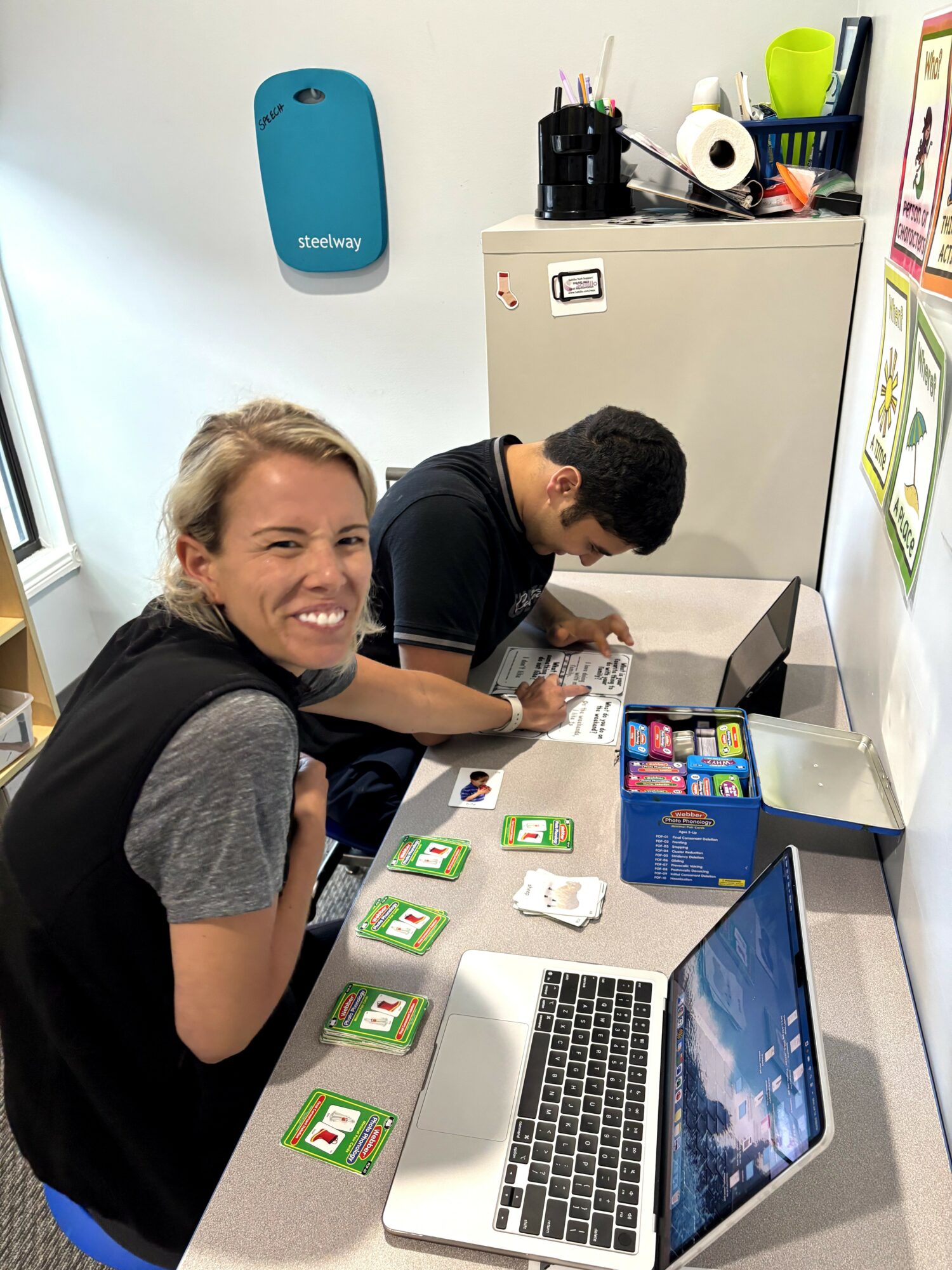
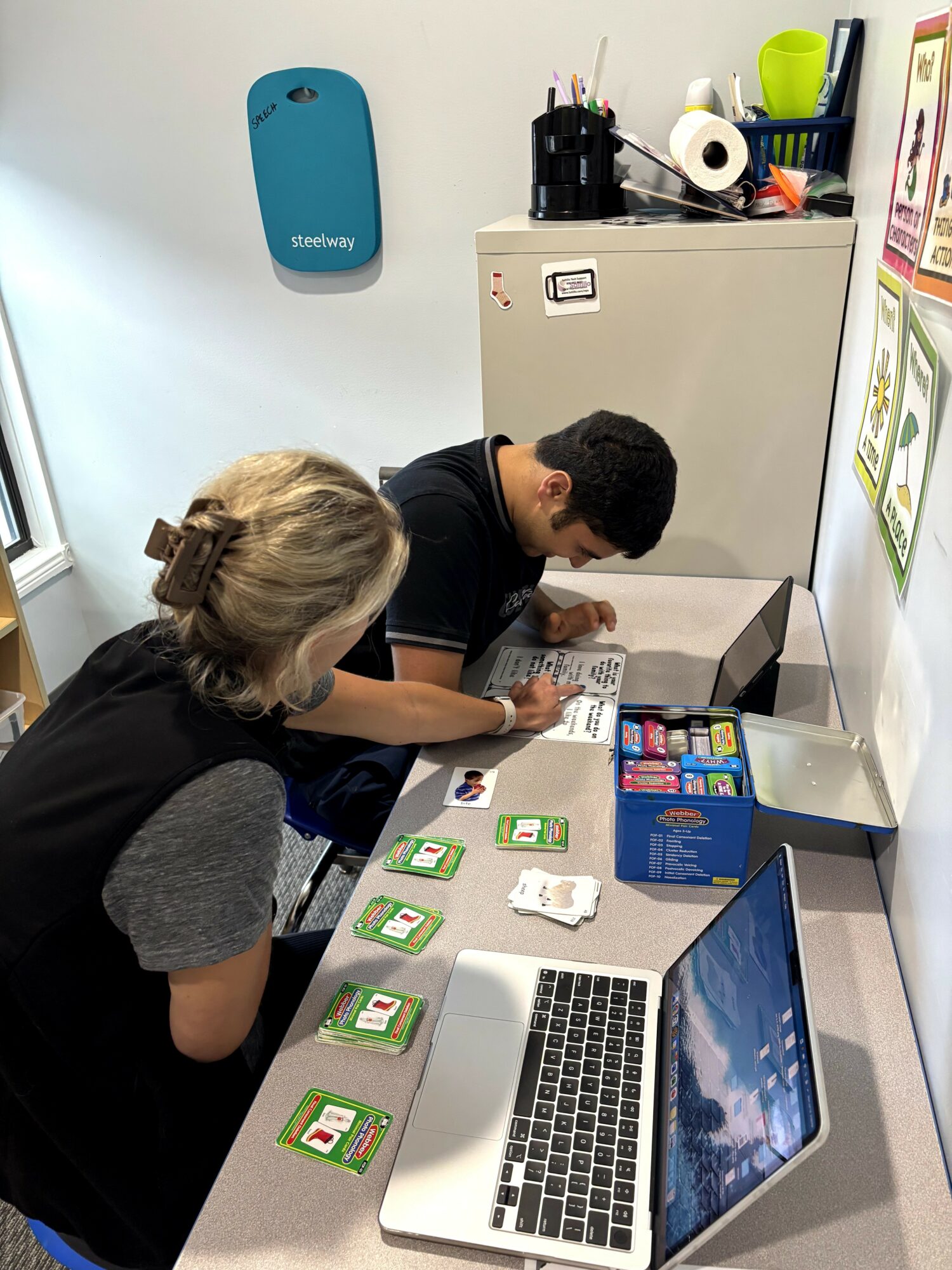
As a Clinical Director and Speech-Language Pathologist, my work centers on providing thoughtful, evidence-based care to individuals with complex communication needs. I specialize in working with children with significant communication impairments, including those with autism and other developmental disabilities, and I also have specialized experience working with adults recovering from stroke. Across both populations, my focus has always been the same: restoring and building functional communication that meaningfully improves quality of life.
I am known for taking a child-led, relationship-based approach to treatment, delivered within natural environments. I strongly believe that communication develops best when it is meaningful, motivating, and embedded in real-life experiences rather than isolated drills. Whether I am supporting a minimally verbal child in accessing AAC or helping a stroke survivor regain expressive language skills, I prioritize functional outcomes, communication that works in everyday life.
For children with significant communication impairments, especially those with limited or unreliable verbal speech, my passion lies in ensuring they have a voice. That may involve augmentative and alternative communication (AAC), total communication approaches, or carefully scaffolded language intervention. I am deeply committed to providing ample opportunities for authentic communication and reducing barriers that prevent children from being understood.
What sets me apart is the balance I strive to maintain between clinical precision and compassion. I hold high standards for evidence-based practice and professional accountability, while also recognizing that families are entrusting us with something incredibly personal. Transparency, collaboration, and integrity are foundational to how I lead and how I practice.
I am most proud of the moments that are not always visible on paper, the first independent request from a previously nonverbal child, a parent expressing relief after finally understanding their child’s communication style, or a stroke patient speaking their loved one’s name again. Those breakthroughs represent dignity, autonomy, and connection.
At its core, this work is not simply about therapy goals; it is about empowering people with the tools to participate fully in their lives. That is both my professional mission and my personal calling.
What makes you happy?
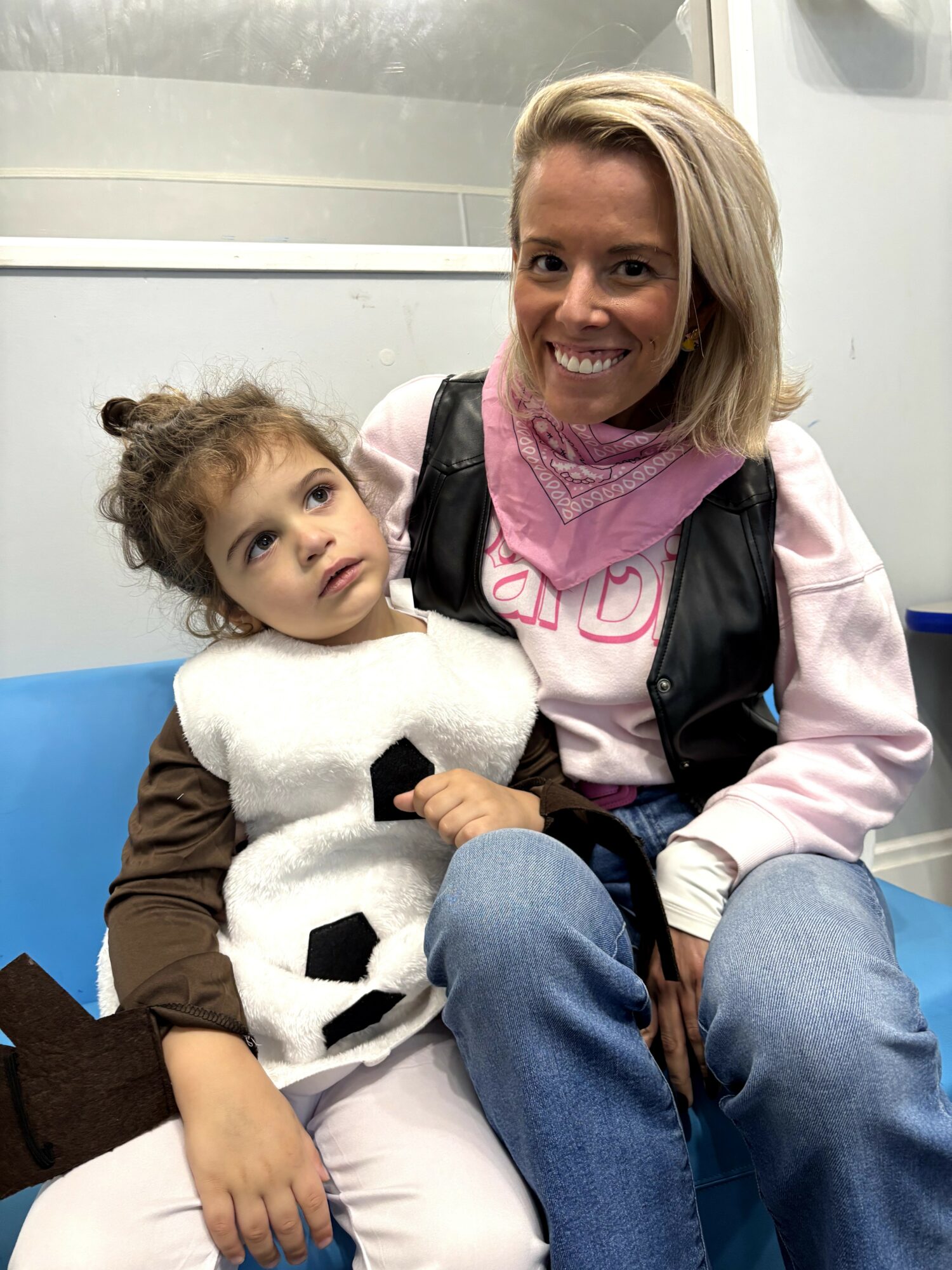
What makes me happy is seeing someone find their voice, sometimes literally. There is nothing more meaningful than witnessing a child who has struggled to communicate independently express a want, a thought, or a feeling for the first time. Those moments are powerful. They represent connection, dignity, and possibility.
I find joy in the small breakthroughs that others might overlook, increased eye contact, a spontaneous interaction, a parent sharing that something we worked on in therapy finally carried over at home. Progress in this field is often incremental, but when you step back and see the growth over time, it is incredibly rewarding.
I am also deeply fulfilled by supporting families. Helping parents feel empowered, informed, and confident in understanding their child brings me immense happiness. When families feel supported and hopeful, it creates a ripple effect that extends far beyond the therapy room.
On a personal level, I am grateful for the perspective this work gives me. Working in healthcare and with individuals with disabilities reminds you daily of resilience, strength, and what truly matters. It grounds me and gives purpose to my work.
Happiness, for me, is found in impact, in knowing that the work we are doing is helping someone communicate, connect, and experience life more fully.
Contact Info:
- Website: https://beautifulgatecenter.org/
- Instagram: https://www.instagram.com/beautifulgatecenter?igsh=NDFnMnpyb2lydG5q