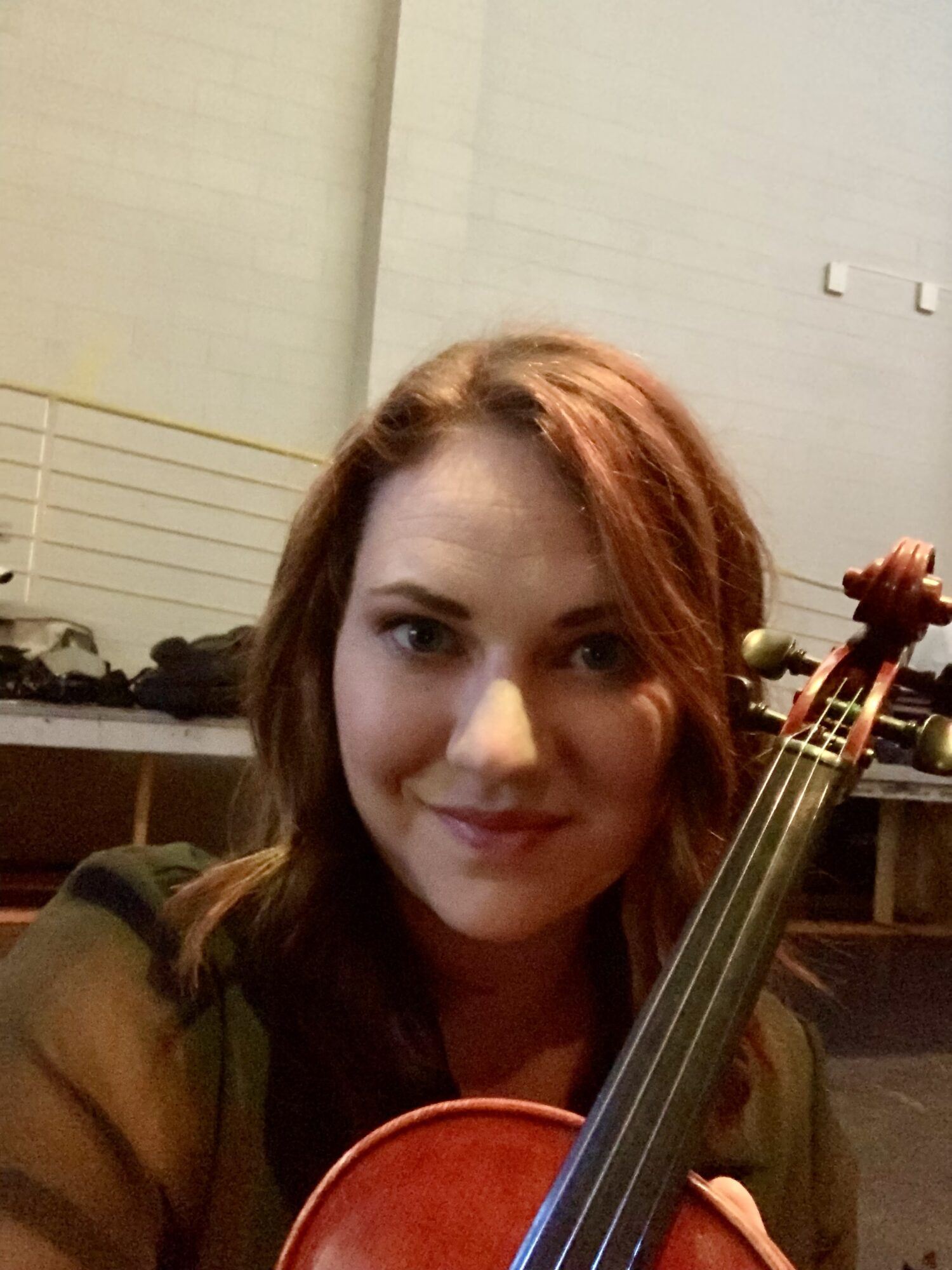
Today we’d like to introduce you to Jessica Rafferty.
Hi Jessica, we’d love for you to start by introducing yourself.
I started as a Suzuki student a little later than many—at age 9—but I immediately fell in love with the violin. By 8th grade, I had decided, “This is what I want to do.” Looking back, it feels a bit naïve, but that early certainty set me on the path I’m still following today.
I attended the South Carolina Governor’s School for the Arts and Humanities for my junior and senior years of high school, which prepared me to study at the Shenandoah Conservatory, where I earned my Bachelor’s degree in Violin Performance.
Knowing I would likely need a “real job” after college, I applied to graduate school and chose to attend East Carolina University, where I studied Suzuki pedagogy with Joanne Bath. On day one, I knew I was exactly where I belonged. I lived and breathed Suzuki during graduate school and got my professional start working with a nonprofit program in Charlotte, North Carolina.
In 2015, an opportunity opened up with the USC Suzuki Strings, and I took it without fully knowing what it would become. My fiancé and I ultimately moved back to my roots in Columbia so I could pursue a more full-time position and he could earn a second bachelor’s degree in Music Education.
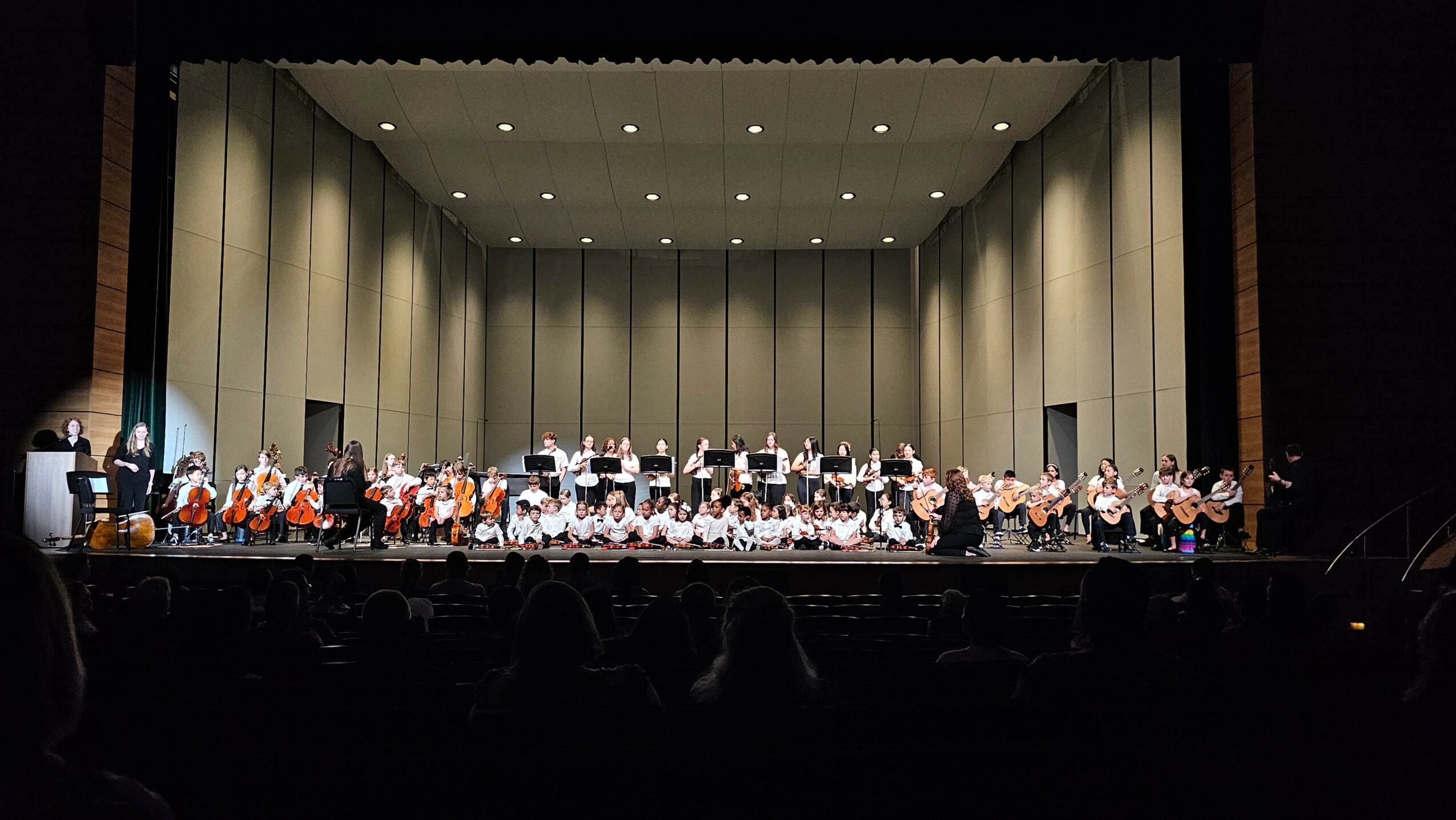
Since then, our program has grown tremendously—we became a nonprofit, moved locations three times, and expanded in ways I never could have imagined. My role has also become so much more than being a violin teacher. I love being an advocate for Suzuki education: sharing the incredible opportunities our program offers, supporting families and practice partners as they build meaningful relationships through music, and helping students grow not only as musicians, but as people.
One of the most meaningful parts of this journey has been becoming a Suzuki parent myself. As a Suzuki mom to a young cellist, I now experience the philosophy from an entirely different perspective—navigating practice, encouragement, and growth as a parent alongside the families I teach. It has deepened my empathy, strengthened my teaching, and given me an even greater appreciation for the parent–child relationship at the heart of Suzuki education.
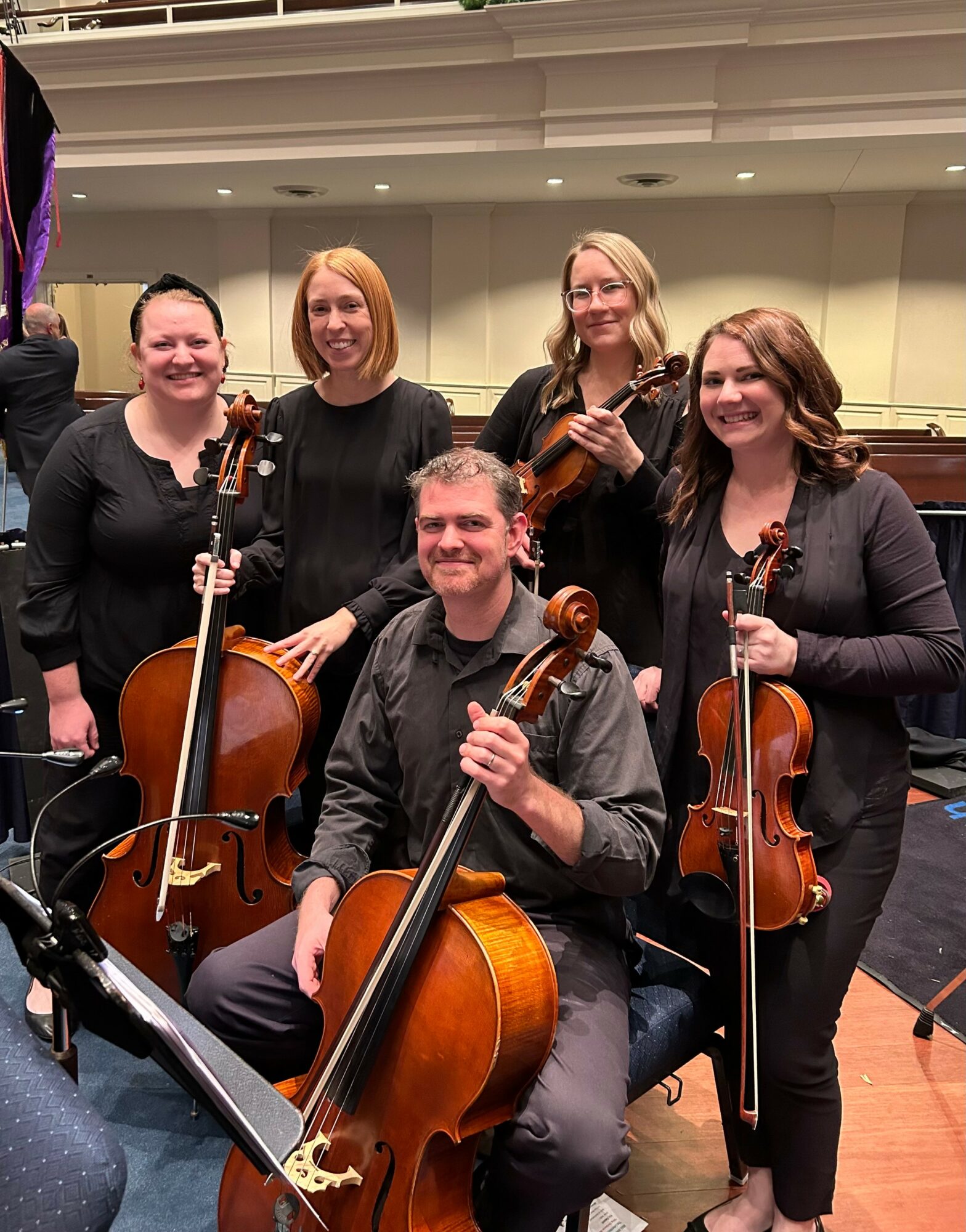
Most importantly, I get to do this work alongside an incredible team of musicians and Suzuki educators who care deeply about the families we serve.
I’m sure it wasn’t obstacle-free, but would you say the journey has been fairly smooth so far?
Oof… no, it definitely has not always been a smooth road. Like many arts organizations, there have been seasons of uncertainty and a lot of learning along the way.
One of the biggest transitions was leaving the university setting and becoming a nonprofit organization. That came with a steep learning curve—navigating new systems, moving locations multiple times (often adapting church spaces into teaching spaces), and figuring out how to build long-term sustainability. We have all had to learn skills we never expected as teachers, from writing grants and seeking sponsorships to thinking strategically about program growth and community partnerships.
Then came the pandemic, which challenged all of us in ways we never could have anticipated. Teaching Suzuki virtually to very young children was something no one had prepared for! It required creativity, flexibility, and a lot of patience from teachers and families alike. But one of the things I’m most proud of is that we kept going. Our families stayed committed, our students continued growing, and in many ways, we found new strengths as a community. Looking back, there were certainly hard moments, but there was also a lot of growth and unexpected success.
As you know, we’re big fans of you and your work. For our readers who might not be as familiar what can you tell them about what you do?
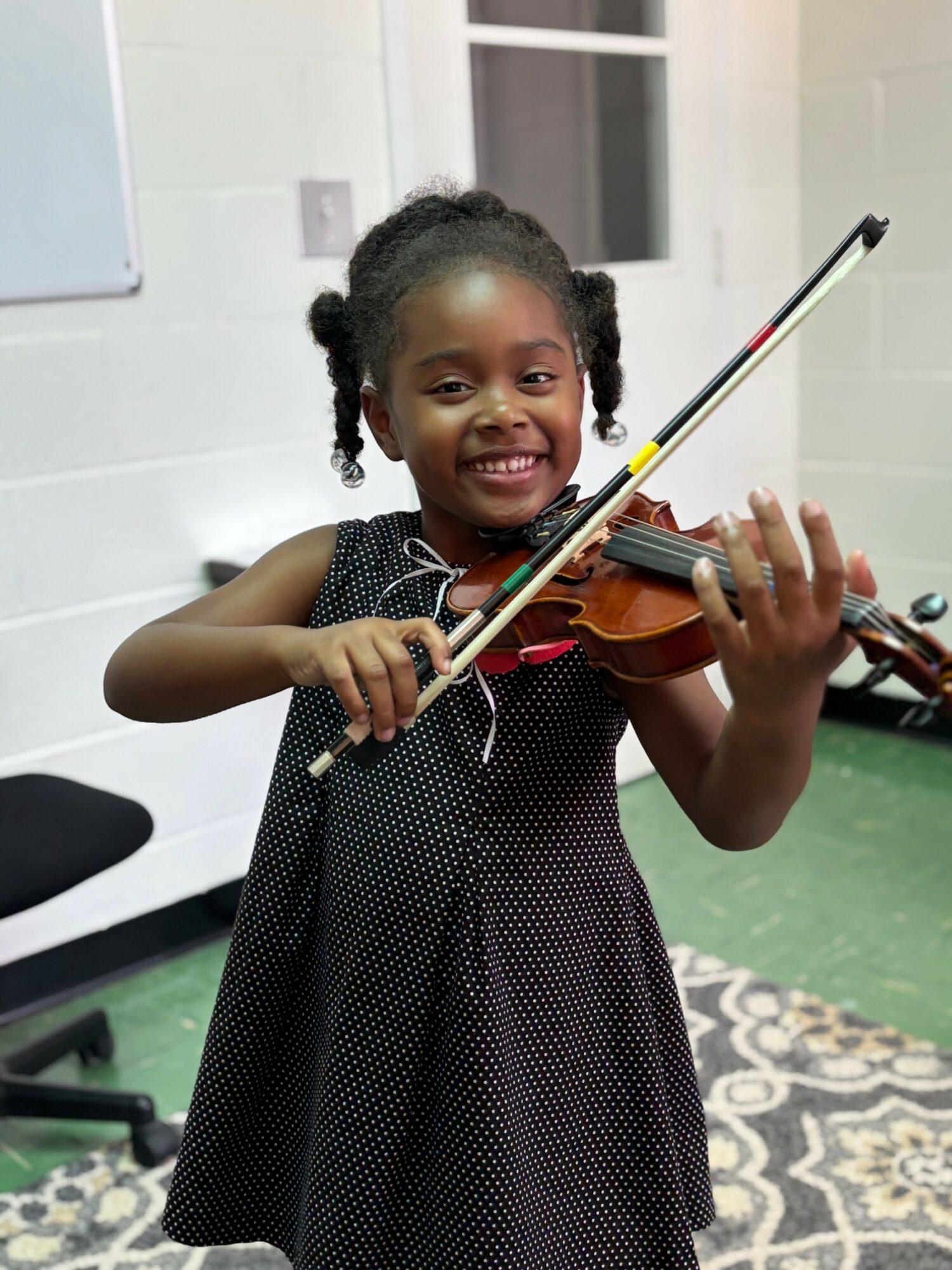
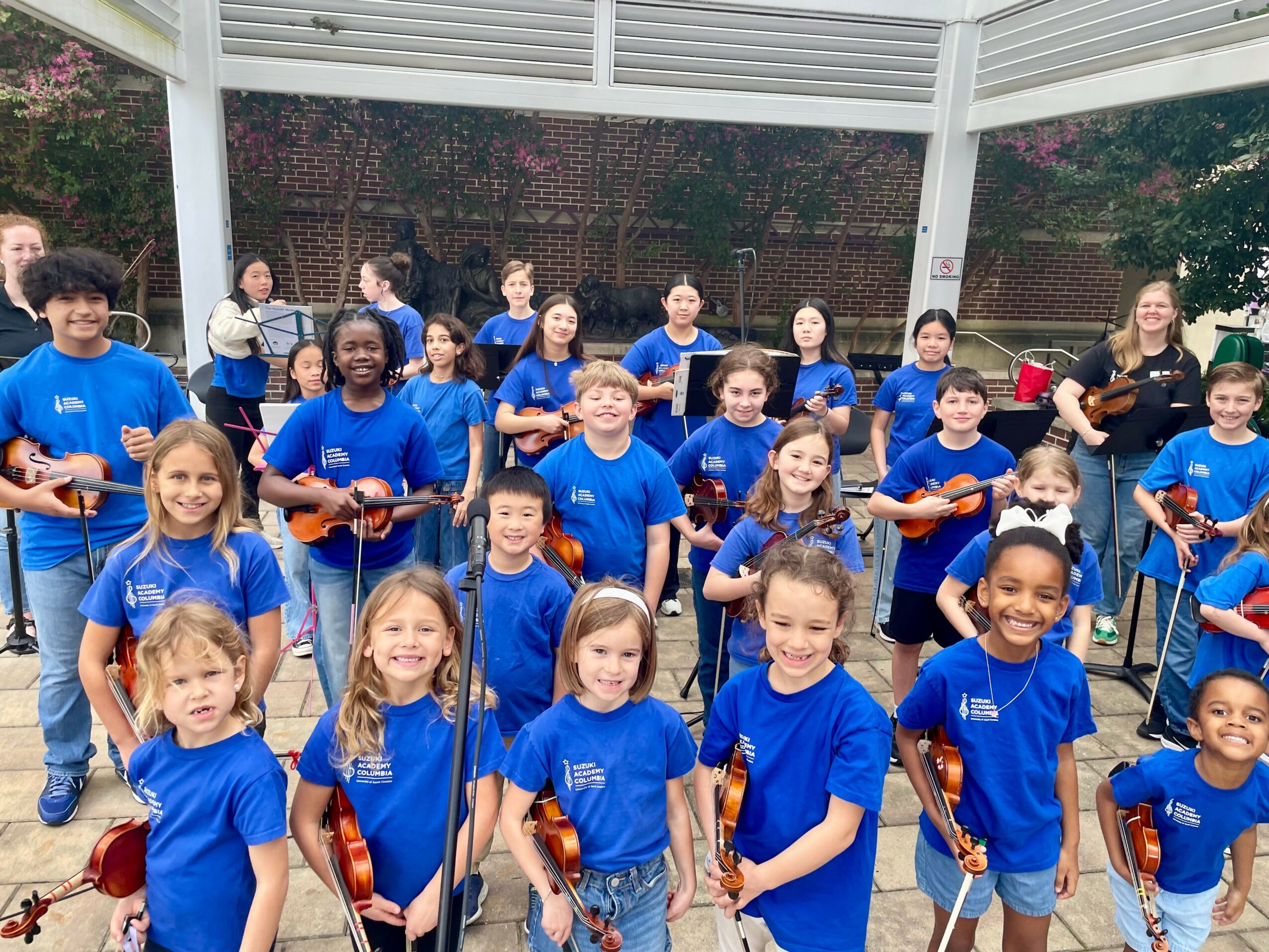
I specialize in Suzuki violin education and serve as the Education Coordinator at the Suzuki Academy of Columbia, a nonprofit music program that serves students of all ages and levels. My work focuses on building strong musical foundations through ear training, tone development, and meaningful family involvement in the learning process.
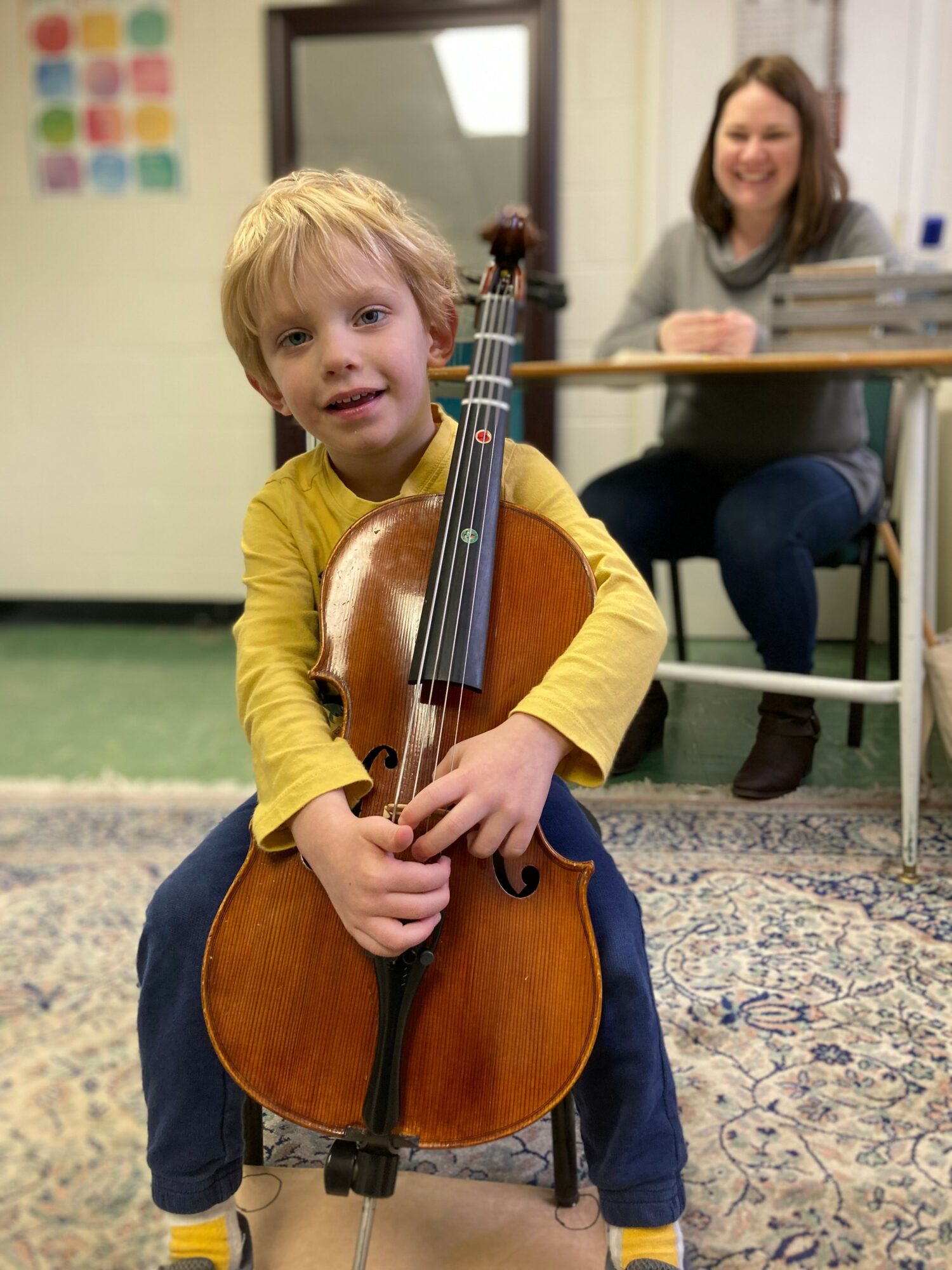
I’m especially known for working closely with families and practice partners to help them understand how to practice effectively at home and how to create a supportive, encouraging learning environment. The practice partner–teacher–student triangle is at the heart of everything we do.
What I’m most proud of is the community we’ve built. It’s not just about students learning violin—it’s about creating a space where children feel seen, supported, and capable, and where families are active participants in that growth. Many of our students stay with us for years and develop not only musical skill, but confidence, discipline, and a lasting love of music.
What sets our program apart is its truly collaborative, family-centered approach. We prioritize relationships—with students, parents, practice partners, and teachers—and view music education as a long-term journey rather than a short-term goal. I also get to work alongside an incredible team of dedicated Suzuki educators, which makes the work both inspiring and deeply meaningful.
Alright so before we go can you talk to us a bit about how people can work with you, collaborate with you or support you?
People can support our work through a variety of meaningful ways at the Suzuki Academy.
Families can join our Suzuki Academy of Columbia programs as students, whether they are beginners or more advanced learners. We also welcome collaborations with schools and community organizations interested in bringing Suzuki education into their programs or exploring in-school or after-school violin instruction.
For musicians and educators, there are opportunities to collaborate through teaching, coaching, workshops, and shared events such as institutes, concerts, and enrichment classes. I’m always excited to connect with other educators who are passionate about child-centered music education.
Supporters can also help us grow through sponsorships, donations, and grants that directly impact student access, scholarships, instruments, and program development. As a nonprofit, community support plays a huge role in allowing us to serve more families and keep high-quality music education accessible. Check out our website, https://www.suzukiacademycolumbia.org/
At its core, collaboration with us is about building community—whether that’s through teaching, learning, or supporting the next generation of young musicians.
Contact Info:
- Website: https://www.suzukiacademycolumbia.org/
- Instagram: https://www.instagram.com/suzukiacademycolumbia
- Facebook: https://www.facebook.com/suzukiacademycolumbia
- Youtube: https://www.youtube.com/@suzukiacademyofcolumbia2490