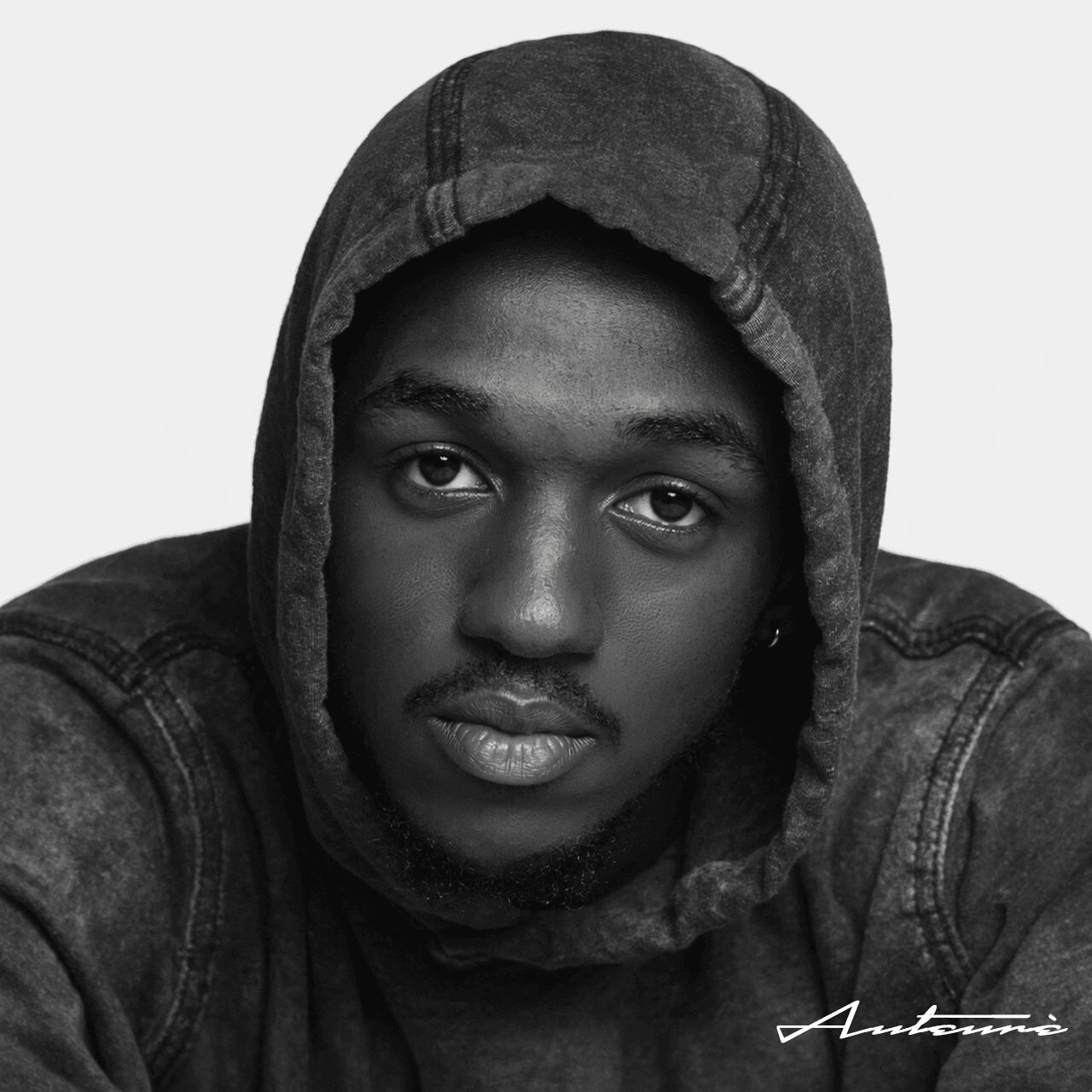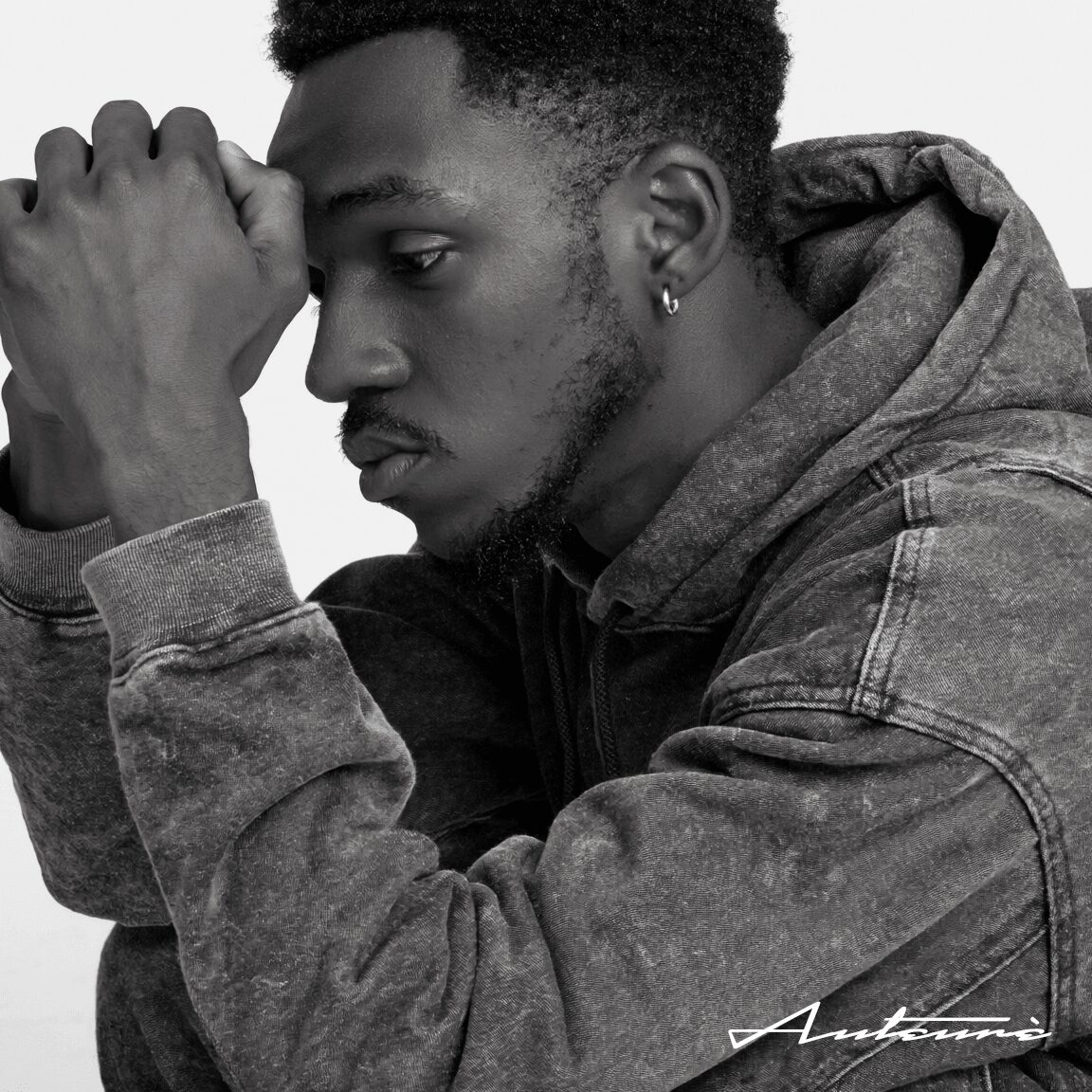
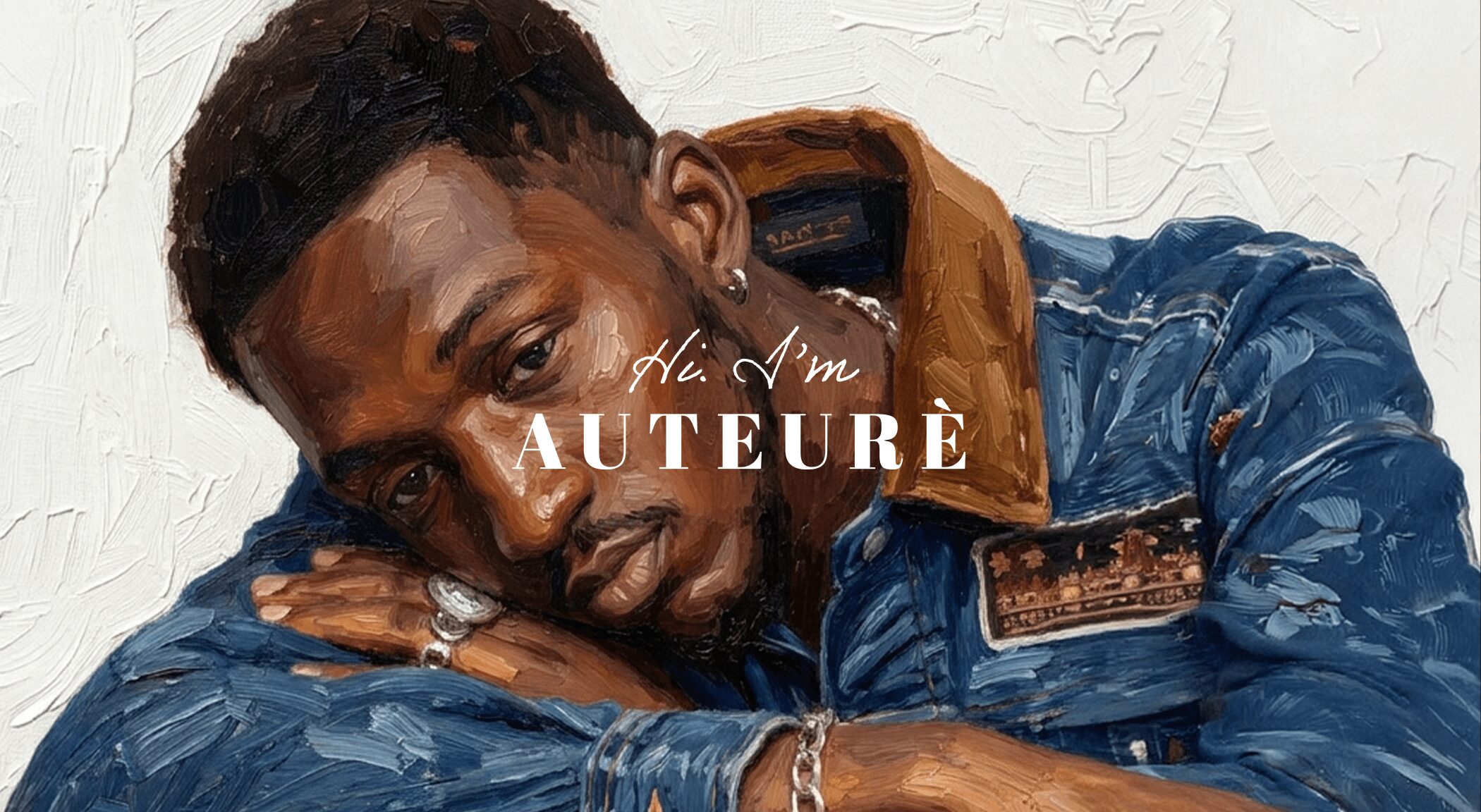
Today we’d like to introduce you to Auteurè (Anthony Cummings Jr.).
Hi Auteurè , thanks for sharing your story with us. To start, maybe you can tell our readers some of your backstory.
My journey into music started long before I ever recorded a song. My mom is a singer, mostly gospel and church music, and growing up people were always talking about how beautiful her voice is. My dad is a DJ, so I grew up surrounded by music from every direction. Whether it was my mom singing or my dad playing parties , music has always been present in my life. Even today, when people ask me about my faith, I often say that music is where I feel closest to God. It’s always been a spiritual experience for me.
The interesting thing is that I never thought I would become an artist. I didn’t have my mom’s gift for singing, but I was always a writer. I loved writing and storytelling. For years, music was something I admired from a distance because I didn’t think I had the ability to create it myself. When technology evolved to the point where I could take my writing and turn it into music, I finally saw a path forward. At first, I didn’t take it seriously. I remember seeing the technology and thinking it wasn’t for me. But around the end of 2025 and the beginning of 2026, I decided to give it a chance, and that decision changed everything.
That’s also where my artist name, Auteuré, comes from. The name is inspired by the French word for “author” because I’ve always considered myself a writer first. Before there is a song, there’s an idea. Before there is a melody, there’s a story. Writing has always been at the center of my creative process.
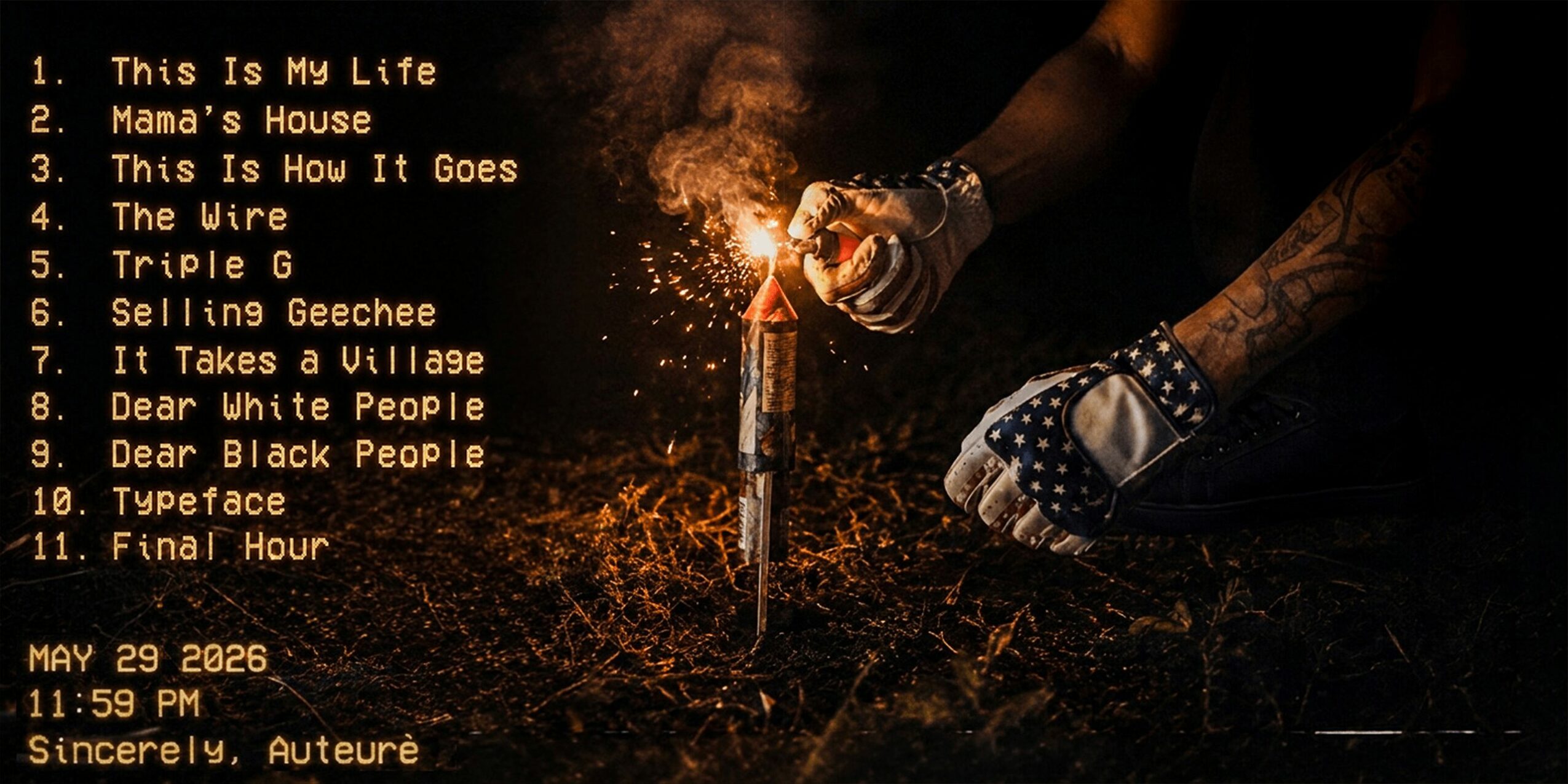
As I started releasing music, I was experimenting with different sounds and styles while trying to figure out who I was as an artist. One of my early breakthrough songs was “Daddy,” which gained significant traction online and introduced people to what would eventually become the Auteuré sound. But the biggest turning point came with a song called “Selling Geechee.”
As someone from the Charleston area, I have watched my community change over the years. I’ve seen families lose heirs’ property, neighborhoods transform, and parts of the culture I grew up around slowly disappear. “Selling Geechee” was my attempt to talk about those realities. Going into it, I didn’t think it would be one of my most impactful songs because it was so specific to my community. Instead, it became one of my most successful releases, reaching tens of thousands of people and starting conversations I didn’t expect. More importantly, it helped me realize what kind of artist I wanted to be.
That experience shifted my focus from simply making music to creating music with purpose. Today, my work centers around culture, community, identity, family, and the issues that affect everyday people. My goal isn’t to preach to anyone. It’s to tell the truth from my perspective and create space for conversations that many people are afraid to have.
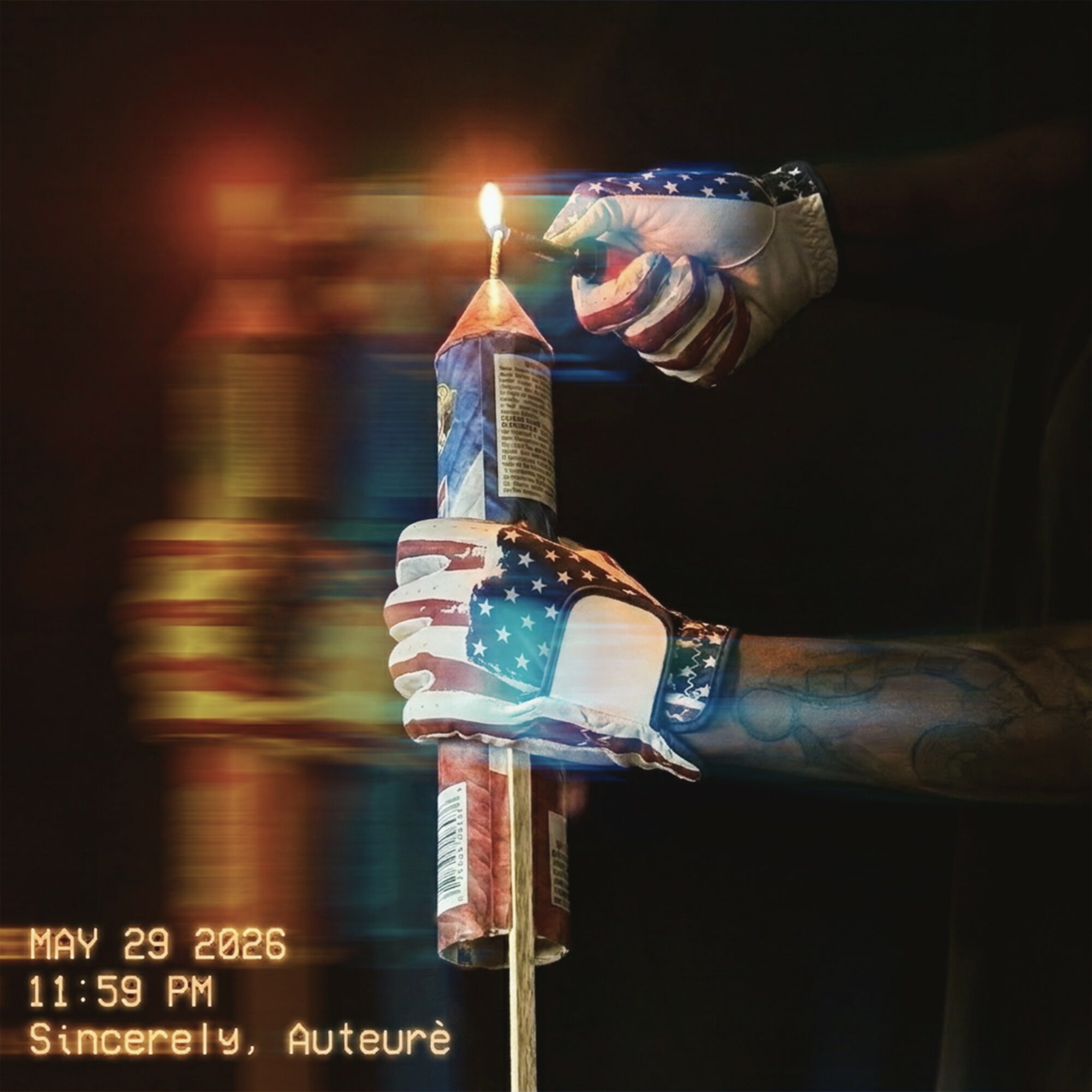
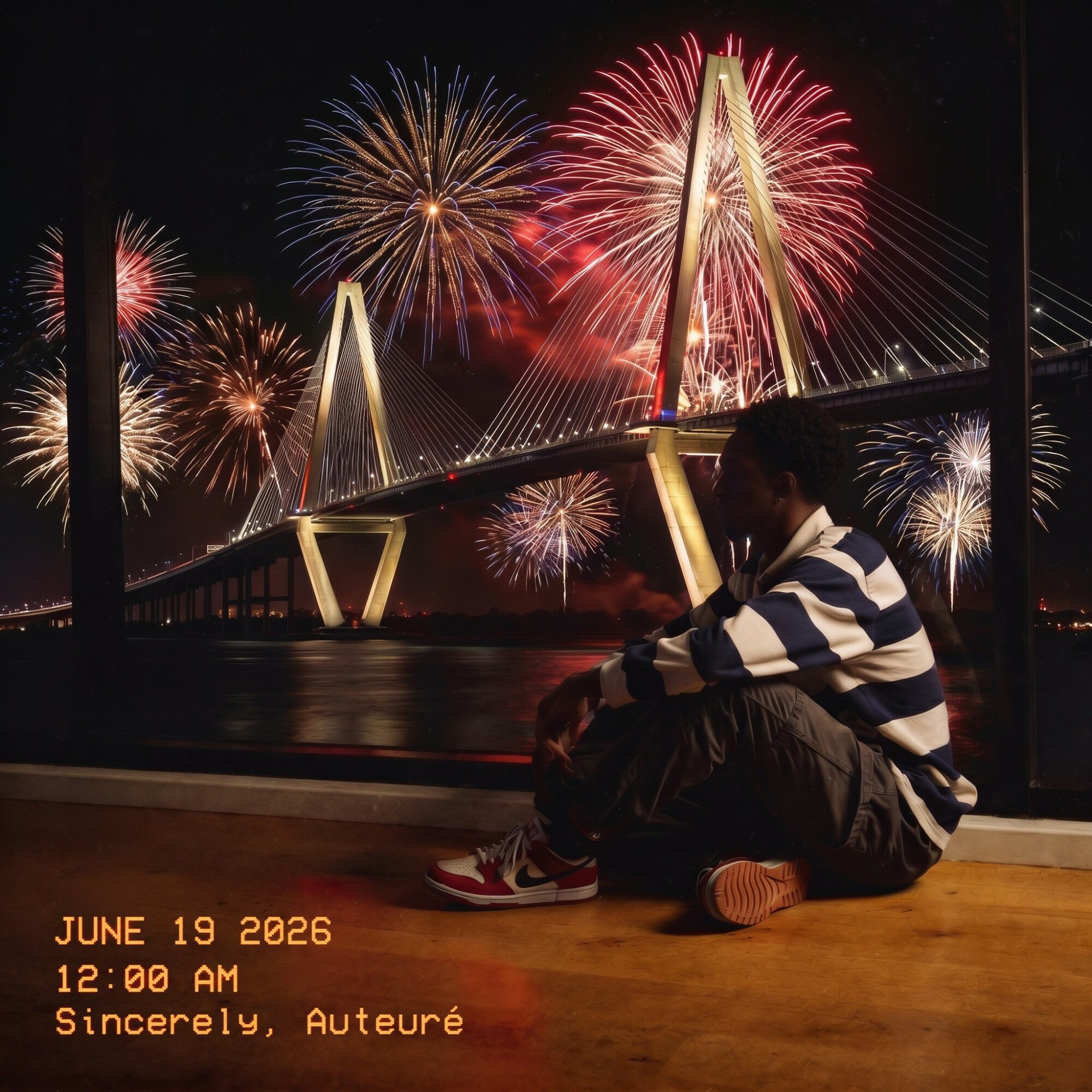
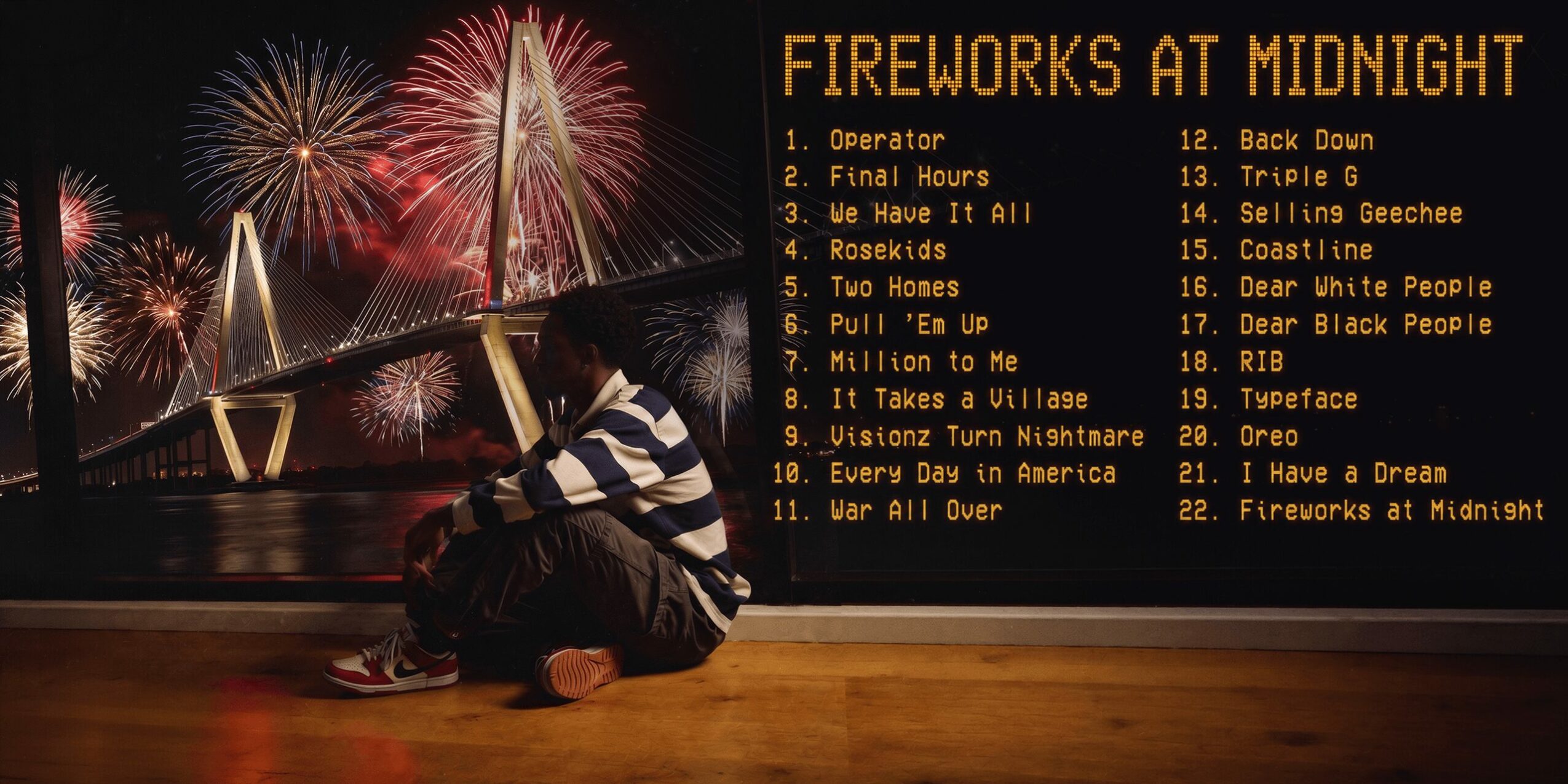
That mission is what inspired my projects 11:59 and Fireworks at Midnight. 11:59 served as a warning and a wake-up call, while Fireworks at Midnight expands the conversation into topics ranging from culture and community to personal responsibility, leadership, and the challenges facing the next generation. At its core, the album is about asking difficult questions and encouraging people to think about where we’re headed.
Looking back, I didn’t set out to become an artist. I started as a writer who loved music. Over time, I discovered that music could become a bridge between generations, between different perspectives, and between where our communities have been and where they’re going. That’s the role I hope my music continues to play.
Would you say it’s been a smooth road, and if not what are some of the biggest challenges you’ve faced along the way?
Oddly enough, music has probably been the smoothest part of my creative journey so far. That’s not because success came overnight, but because by the time I started taking music seriously in 2026, I had already spent more than a decade learning through trial and error.
My creative journey started around age 12 when I created a YouTube channel called Two Real Wrestling. From about 12 to 14 years old, I spent countless hours making stop-motion wrestling videos with action figures in my bedroom. Looking back, it sounds simple, but it was my first introduction to storytelling, editing, and building something from nothing.
Around age 14, I launched a comedy sketch channel called Goat Club. I ran that project until I was about 19 years old, creating sketches and experimenting with content. During that same period, at age 16, I started a streetwear brand called JiggyFit, which I continued building until I was around 20. Neither project became the breakthrough I hoped for, but both taught me valuable lessons about branding, consistency, and creativity.
When I was 18 and attending film school in Los Angeles, I started what would eventually become Portrava. What began as a creative business in my apartment grew into the company that still supports me today. Through photography, videography, design, and branding work, I learned how to work with clients, market services, and build a business from the ground up.
At 19, I also launched Ants Wrld, which became my next major creative chapter. From ages 19 to 24, I continued creating content, building an audience, and sharpening my skills as a storyteller.
The reality is that every venture came with obstacles. Some projects grew slower than I wanted. Some didn’t take off at all. There were plenty of moments where I questioned whether the work was worth it. But every setback taught me something. YouTube taught me content creation. Clothing taught me branding. Business taught me marketing and communication. Film school taught me storytelling. Portrava taught me entrepreneurship.
Because of all of those experiences, when I finally entered music in 2026, I wasn’t starting from zero. I had already spent years learning how to create, market, connect with an audience, and build a brand.
If there’s been a challenge with music, it hasn’t been overcoming failure as much as it has been discovering my voice. Early on, I was experimenting with different sounds and styles, trying to figure out what kind of artist I wanted to be. Once I found that voice through songs like Daddy and Selling Geechee, everything started to click. I realized that my purpose wasn’t simply to make music, it was to tell stories about culture, community, family, identity, and the issues affecting the people around me.
Looking back, I don’t view my previous projects as failures. I view them as preparation. Every creative venture, every setback, and every lesson over the past decade helped build the foundation for the artist I am today.
Thanks – so what else should our readers know about your work and what you’re currently focused on?
What makes my work different is probably the way I think about creating music. I didn’t come from years of recording in traditional studios trying to become a singer or rapper. My background is in filmmaking, storytelling, content creation, and entrepreneurship. I have a degree in Film Production, and because of that, I approach music more like a filmmaker approaches a project than a musician approaches a song.
For me, everything starts with an idea. The writing comes first. The concept comes first. The message comes first. Once I know what I want to say, I build the song around that idea.
A lot of people hear my music and immediately assume it’s AI-generated music, but that’s not really how my process works. Most of my songs begin with me listening through a producer’s catalog of beats until I find one that connects with an idea I’ve already written about. Once I find the right beat, I’ll record my vocals myself using a film-style recording setup, edit the audio, separate the vocals, rebuild the record, and then use modern technology as part of the production process. The technology is involved, but it isn’t creating the story, the lyrics, the perspective, or the message. That’s still coming from me.
That’s also why I still record my vocals. A big part of music lives in the performance itself. The cadence matters. The pauses matter. The way certain words are emphasized matters. The ad-libs matter. The emotion behind a line matters. Sometimes I’ll stretch a word out, change my tone, or deliver a line differently because I want the listener to feel something specific. Those creative decisions happen during the recording process, and they’re a huge part of what makes the final song feel human and personal.
I think a lot of people misunderstand that process because they assume technology is creating the art. In reality, technology is just one tool in a much larger creative workflow. The ideas, the writing, the storytelling, and the direction all come first. Technology simply helps me bring those ideas to life.
What’s interesting is that every generation has had a tool that people considered controversial at first. People debated synthesizers. People debated digital photography. People debated Auto-Tune. Eventually those tools became accepted parts of the creative process. I see modern technology in a similar way. The tool doesn’t create the vision. The creator does.
What I’m most proud of is that I’ve been able to build a sound and a body of work that feels authentic to me. I only started taking music seriously in 2026, but I’ve already seen people connect with the stories in ways I never expected. I’ve had people reach out after hearing songs, tell me they felt seen, tell me a song reminded them of home, or tell me that I put words to something they had been struggling to express themselves.
At the end of the day, I don’t think people connect with a song because of the technology behind it. They connect with it because of the story. My goal is to create music that’s worth thinking about long after the song ends. Whether someone agrees with my perspective or not, I want the conversation to continue after they press play.
In terms of your work and the industry, what are some of the changes you are expecting to see over the next five to ten years?
I may not be the best person to predict where the music industry will be in five or ten years because I’m still relatively new to this chapter of my creative journey. What I can say is that technology will continue to play a larger role in how music is created, distributed, and discovered. We’re already seeing that happen today.
At the same time, I think there’s a danger in becoming too focused on trends. A lot of artists spend so much time trying to adapt to what’s popular that they never fully develop their own voice. In my opinion, the artists who stand the test of time are usually the ones who create something authentic rather than chasing whatever happens to be trending in the moment.
One thing I hope to see over the next decade is more originality. We live in a time where it’s easier than ever to create, but sometimes it feels like there are fewer people willing to take creative risks. There are a lot of artists following formulas, but not enough people focused on building something unique to themselves.
Personally, I’m less focused on predicting where the industry is going and more focused on continuing to grow as an artist. My goal is to keep developing my own sound, telling meaningful stories, and creating work that reflects my perspective. Trends will come and go, but authenticity is what lasts.
Contact Info:
- Website: https://byauteure.store/
- Instagram: https://www.instagram.com/auteure.music/
- Youtube: https://www.youtube.com/@byauteure
- Other: https://linktr.ee/by.auteure