Today we’d like to introduce you to Shannon Curtis.
Alright, so thank you so much for sharing your story and insight with our readers. To kick things off, can you tell us a bit about how you got started?
I actually started sewing when I was 14. My mom bought me my first sewing machine, and I was hooked. At first I was making clothing from paper patterns and store-bought fabrics, but I quickly became fascinated with how clothing was constructed. I started taking thrift store pieces apart just to study how they were made– looking at the seams, the patterns, and the way everything was put together. Eventually, I started reassembling those pieces into something completely different. That’s really when I found my niche and my love for upcycling.
At first, I was just experimenting and making things for myself, and then my friends and family started asking me to make things for them. I made handbags, clothing, and eventually custom pieces. I even did alterations for a while, although I quickly realized that replacing zippers and hemming pants wasn’t nearly as much fun for me as creating something new!
For years, it was really more of a hobby. I was working in the medical field, but I kept making things on the side. Eventually I decided to take a chance and see if other people would be interested in what I was creating. My first big break was at a festival called AppleFest in Franklin, Pennsylvania, in 2017. That was my first real public event, and the response from the local community was incredible. The support I received there gave me the confidence and motivation to think, “Maybe I can actually turn this into a business.”
From there, SThreads started growing. I opened my first brick-and-mortar shop in Franklin, and eventually expanded into a second location in Oil City. I loved having physical stores where people could come in and see the clothing in person, but then COVID changed everything. Because I was considered a non-essential business, I had to close my stores.
During COVID, I ended up taking the skills I already had and using them to make masks for local medical offices as well as individuals in the community. There was such a huge need for them, and it gave me a way to keep working while also helping people. My online business grew tremendously during that time, I had a little fun with it and designed a sequin glamor mask that took off on Etsy. I sold 3600 masks altogether before demand tapered down and I finally got to get back to sewing clothing again. I was able to save money during that time and finally follow my dream of moving south! I took a chance and moved down to Charleston, South Carolina.
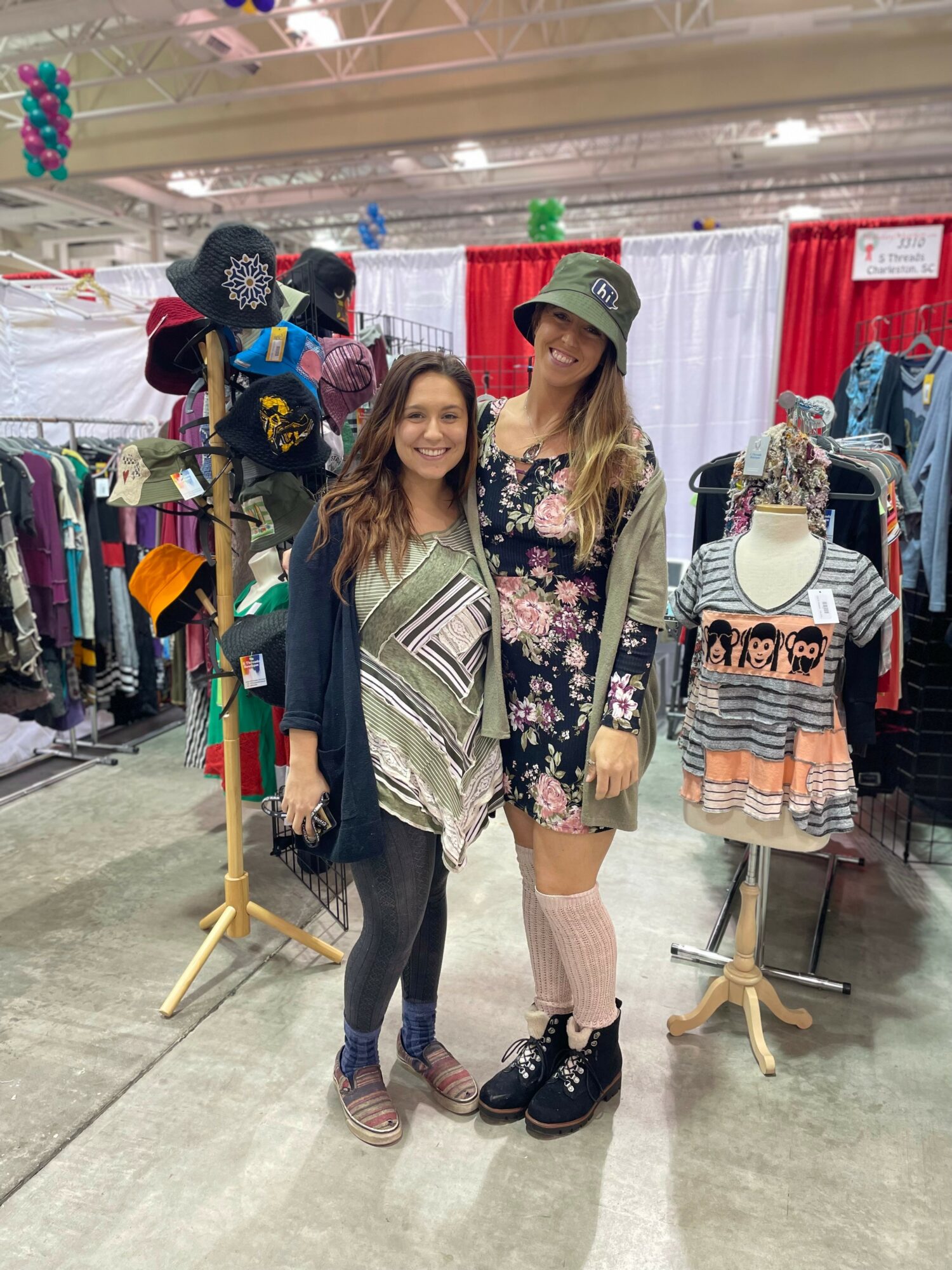
Moving meant starting over in a lot of ways, but I brought SThreads with me. I started getting involved with local markets and festivals here, including the downtown city market, and slowly began building a new customer base. I still travel back to Pennsylvania for the same festival where I got my first real break because it holds special meaning to me. I now have a handful of festivals and events in South Carolina that I participate in as well.
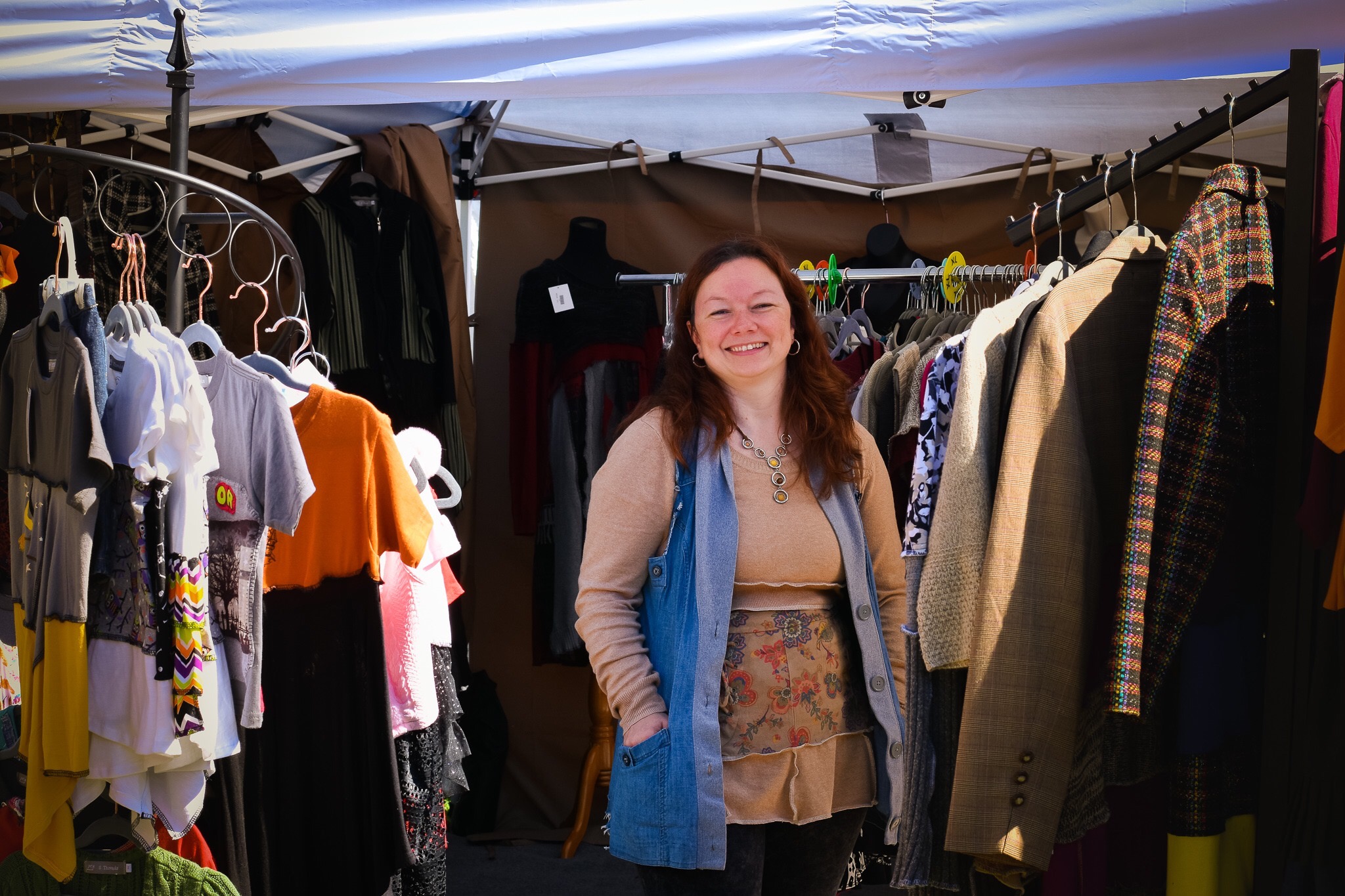
Today, most of my business is online, which has allowed me to reach people far beyond my local area. I still love doing festivals because there’s nothing quite like seeing someone find a piece of clothing that feels like it was made specifically for them. But the heart of SThreads is still the same as when I started– taking something that might have been discarded and turning it into something completely new, useful, and unique.
Would you say it’s been a smooth road, and if not what are some of the biggest challenges you’ve faced along the way?
Definitely not! There have been a lot of ups and downs along the way, and I think some of the hardest parts have also been the experiences that taught me the most.
One of the biggest challenges of course was COVID. I had two brick-and-mortar locations at the same time, and because my business was considered non-essential, I was not allowed to be open to the public. I still had to pay rent and utilities at these locations, as well as where I lived. It was incredibly difficult after putting so much time, money, and energy into remodeling them and building them into desirable shops. I closed down the Oil City shop first to save with overhead costs and worked out of the Franklin one for several months making masks before finally closing it as well.
There was also a point early on when I almost talked myself out of taking the business seriously. My ex-husband saw sewing as a hobby rather than something I could build a career around, and hearing that repeatedly made me question whether I was being unrealistic. I think that was one of the hardest things– not necessarily the financial challenges, but learning to trust my own instincts when someone close to me didn’t see the potential I saw. Eventually, I decided that I had to at least give myself the chance to find out what I was capable of. Looking back, I’m so glad I did.
Another challenge has been learning how to run a business while still being the person actually making the products. When you’re a small handmade business, you’re the designer, seamstress, photographer, marketer, customer service department, packer, shipper– pretty much everything! I’ve had to learn a lot along the way and I’ve definitely made mistakes.
Moving to South Carolina was another huge leap. I was leaving behind a community where I had spent years building relationships and a customer base. Starting over somewhere new meant I had to re-introduce myself and my business. I had to find new markets, festivals, customers, and ways to connect.
Thanks for sharing that. So, maybe next you can tell us a bit more about your work?
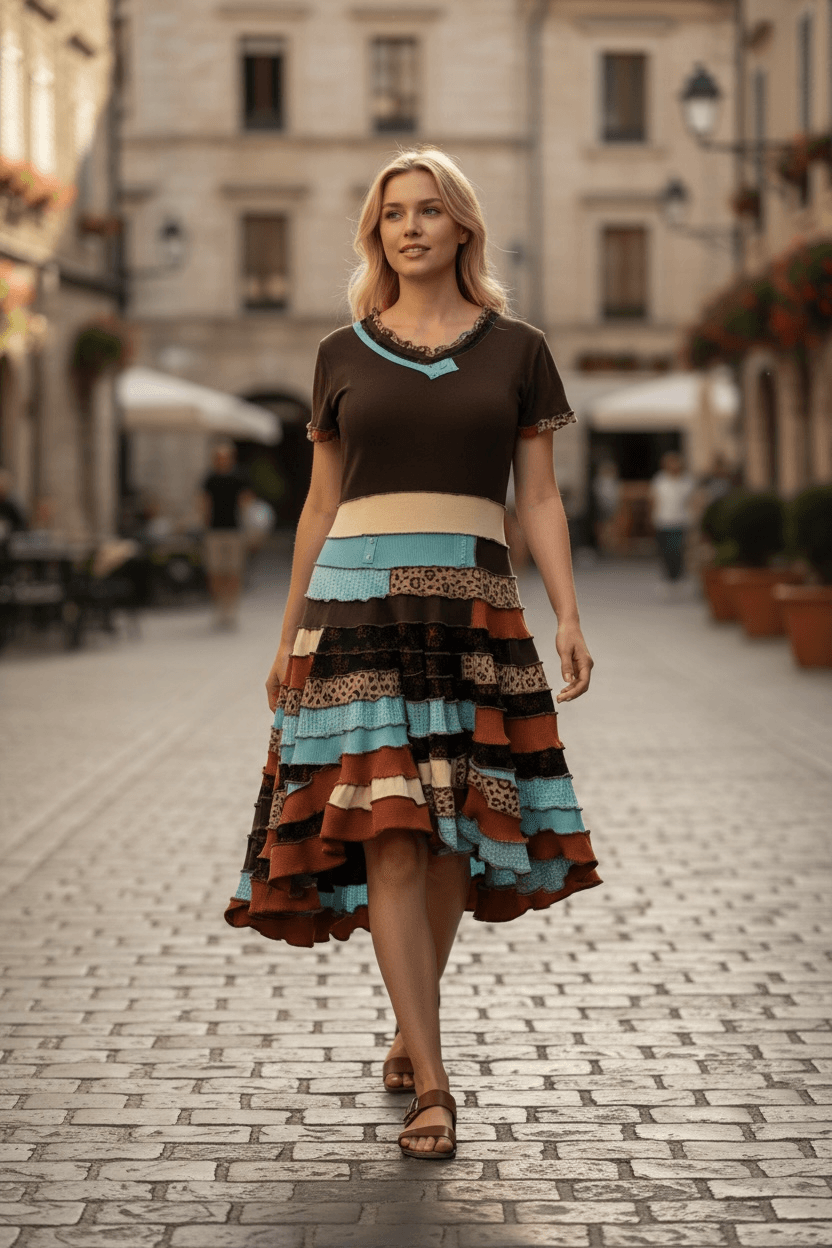
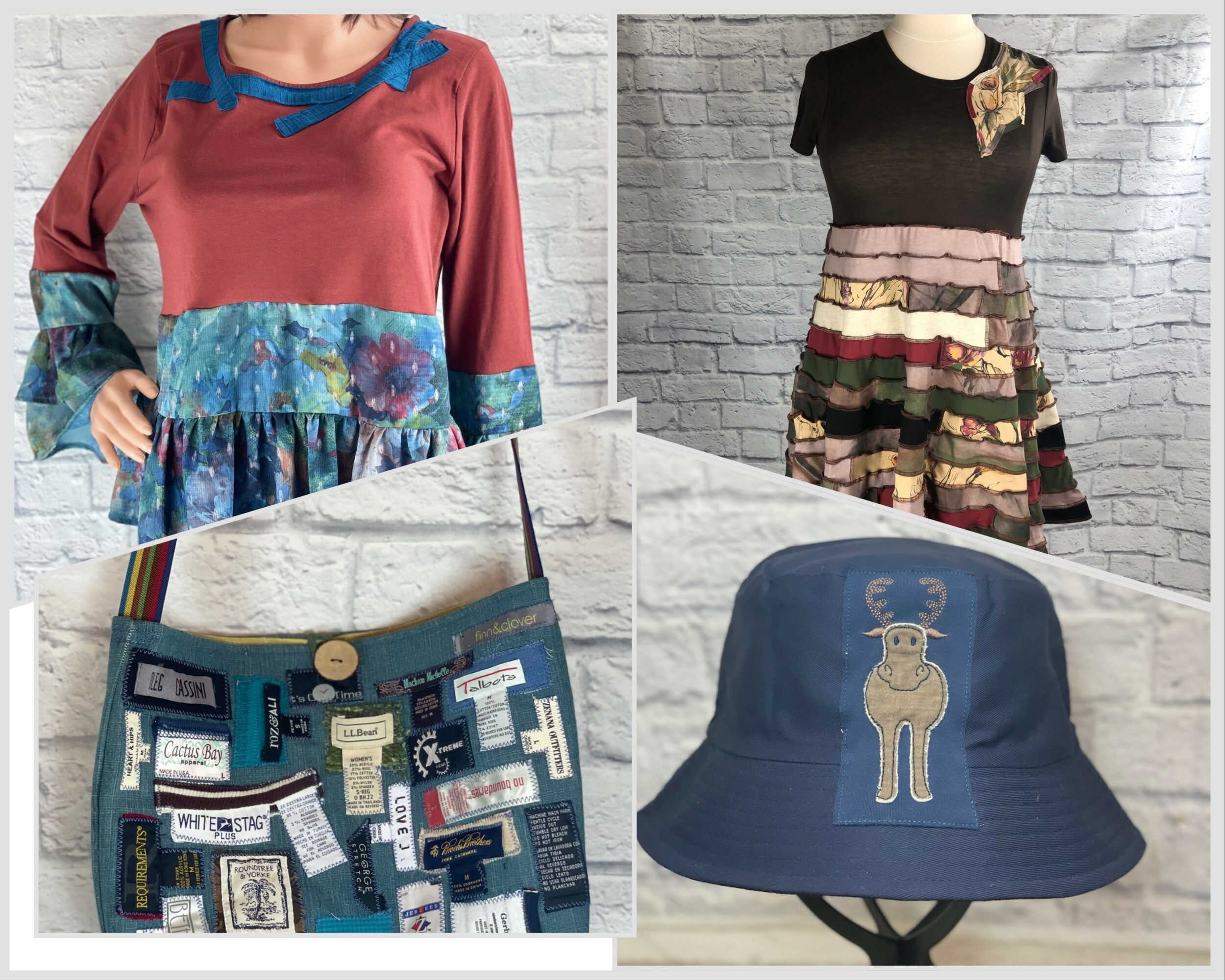
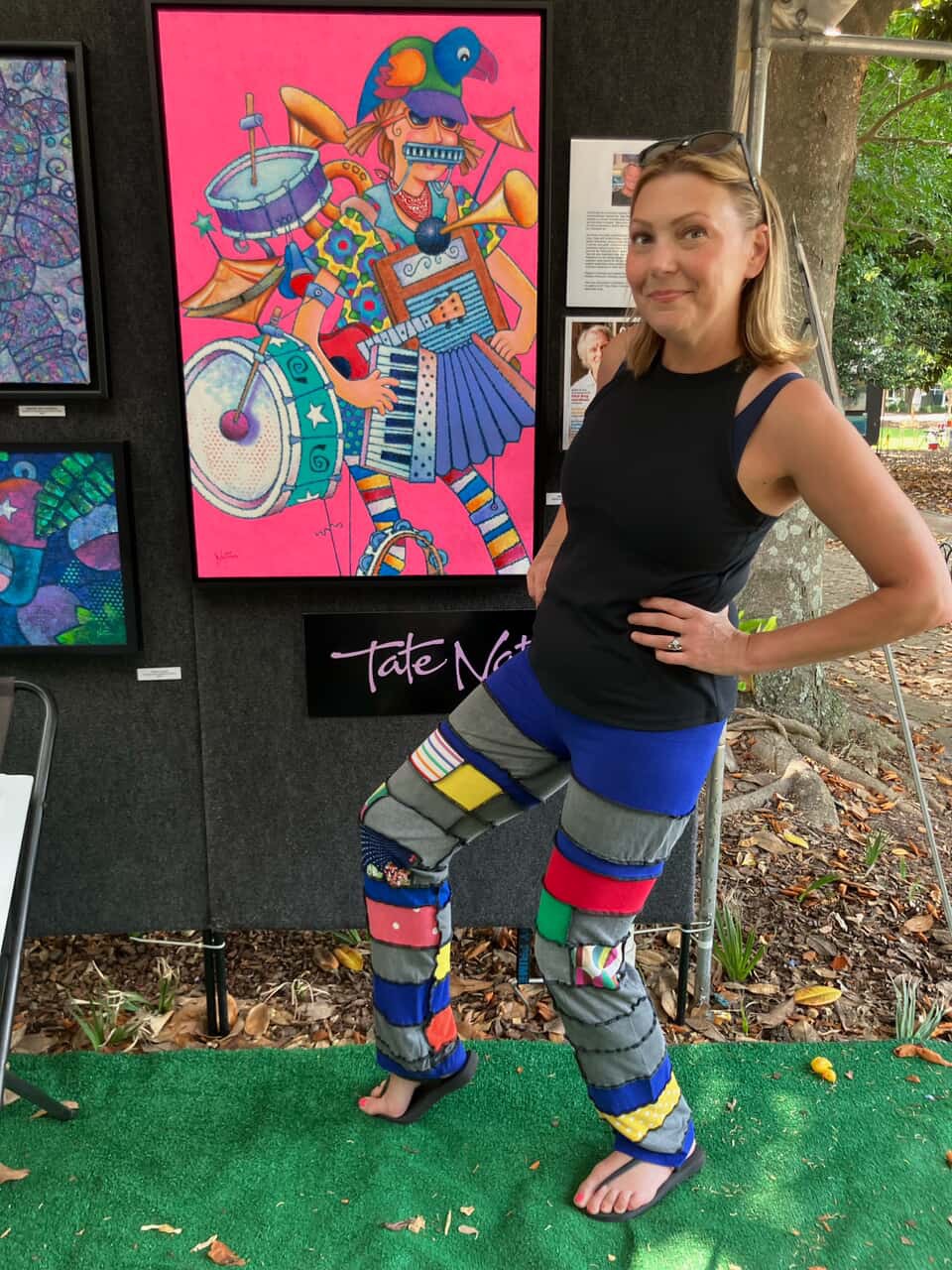
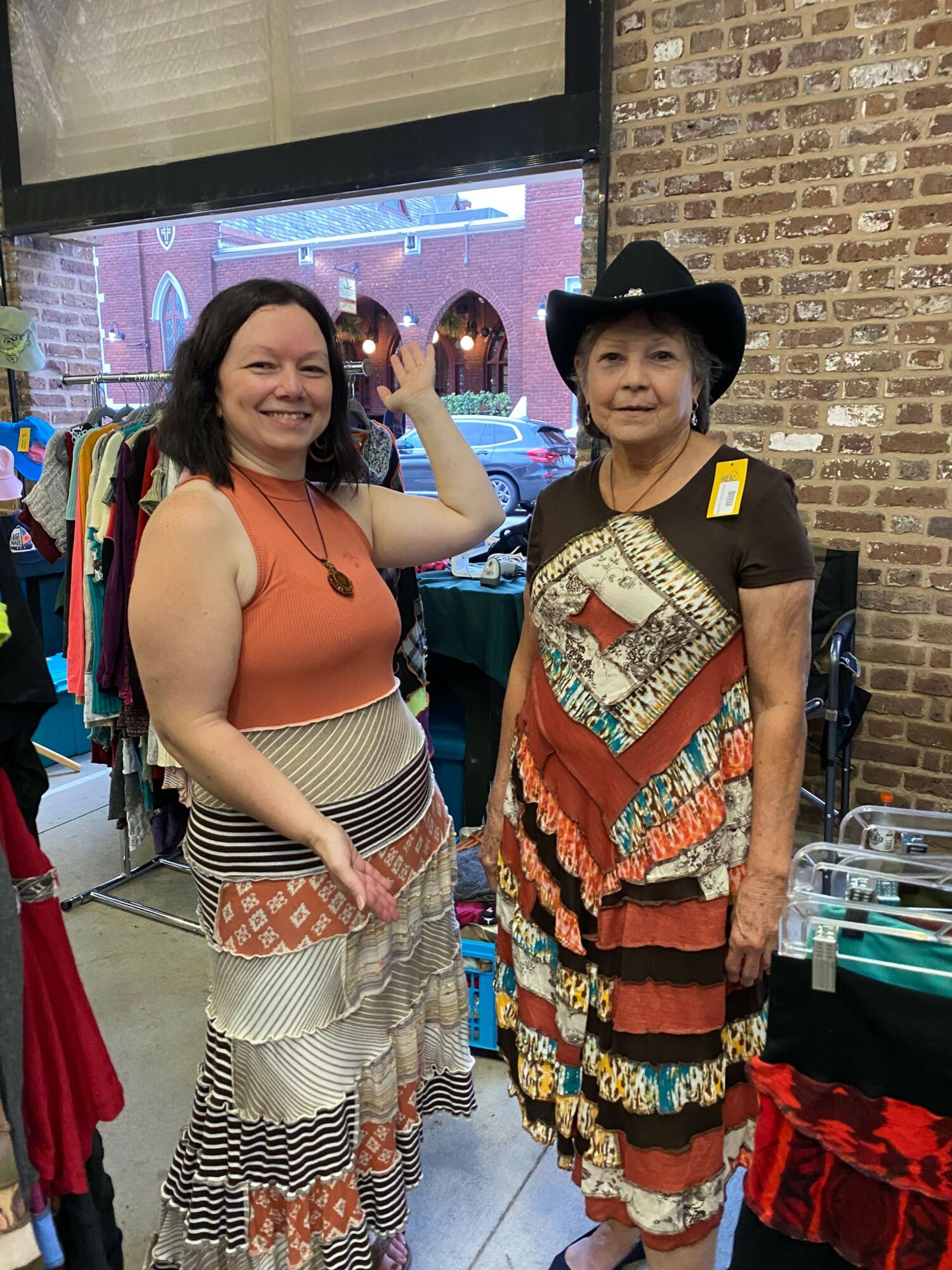
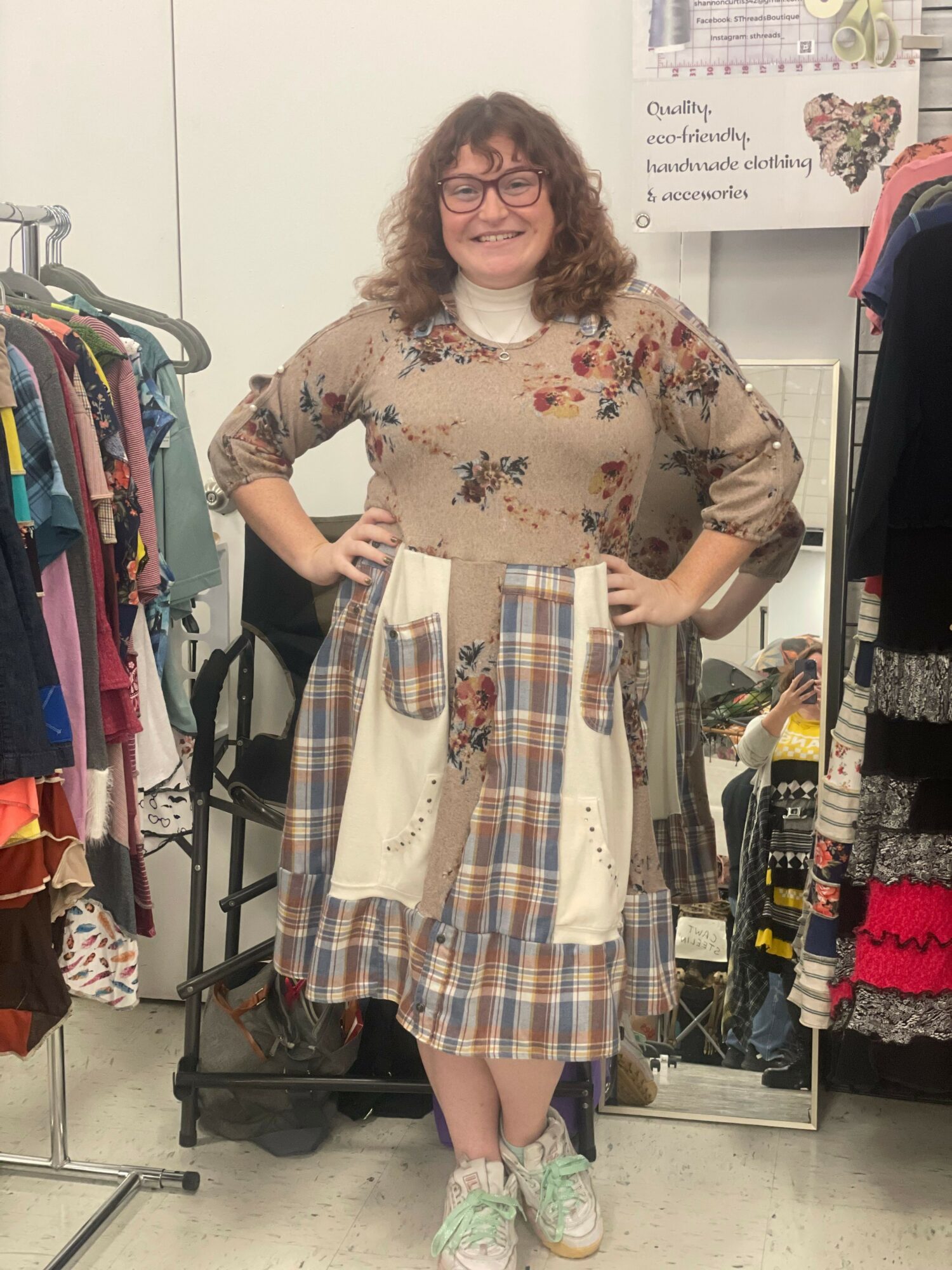
My specialty is taking previously loved or thrifted clothing and materials and transforming them into completely new, one-of-a-kind garments. I love the challenge of looking at a piece of clothing and seeing what it could become rather than what it currently is. No two pieces are exactly alike, and I think that is one of the things people love most about my work.
I am extremely meticulous about the construction of every garment. I want my seams to be clean, strong, and finished properly. I pay attention to the inside of a piece just as much as the outside because I believe a piece should be beautiful and well-made from every angle. I want it to have a professional quality that can stand to being worn and enjoyed for years.
Cleanliness is also very important to me. Every piece of clothing I work with is thoroughly cleaned with my homemade laundry detergent before I begin creating with it, and I maintain a clean, professional workspace, free of scents, pet hair and allergens. When someone purchases something from me, I want them to feel confident about the care that went into it from the beginning.
I don’t simply alter thrifted clothing to add something decorative to an existing piece, I often completely deconstruct and reconstruct them into something that didn’t exist before. I’m essentially giving them an entirely new story. I put a lot of thought into the details of each garment– the fabrics I combine, the way the patterns and colors work together, the fit, the comfort and the finishing touches. I want my clothing to be unique and eye-catching but also something that someone can actually live in and enjoy wearing. I want someone to pull a SThreads piece out of their closet years from now and still love it, wear it, and still appreciate the craftsmanship that went into making it.
What are your plans for the future?
I’m really excited about what the future holds for SThreads. One of my biggest projects right now is creating my own sewing studio, or “she shed” at home. Having a space for SThreads will give me room to spread out, organize my fabrics and materials, and really focus on creating. I just recently re-married and we purchased our forever home on 8.5 acres, but my sewing space is tiny and temporary until we can get finish my dedicated work space.
I’m also putting a lot of energy into growing my online presence. I’m working on becoming more consistent with social media, showing people the process behind my pieces, sharing new designs, and connecting with more customers outside of those I’ve met in person.
I don’t necessarily feel like I need to have a massive company, I really enjoy the personal side of what I do. My goal is to continue to grow SThreads while keeping the creativity, craftsmanship, and individuality that made me fall in love with it in the first place.
I’m especially looking forward to seeing what I can create once my studio is finished and having the freedom to really make SThreads my own space– literally and creatively.
Pricing:
- $30 – $120 average pricing
Contact Info:
- Website: www.SThreads.Boutique
- Instagram: https://www.instagram.com/sthreads_/
- Facebook: https://www.facebook.com/SThreadsBoutique