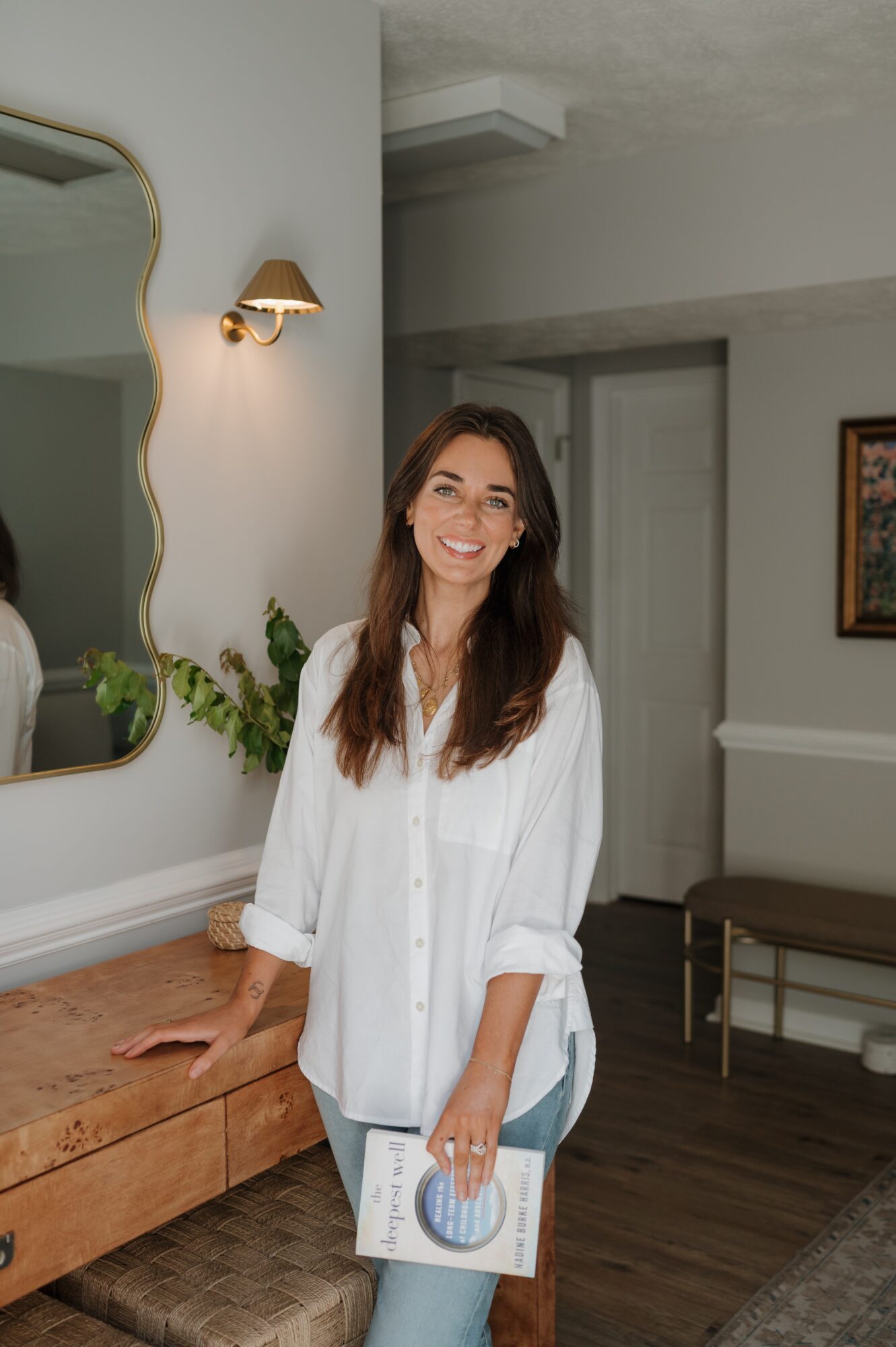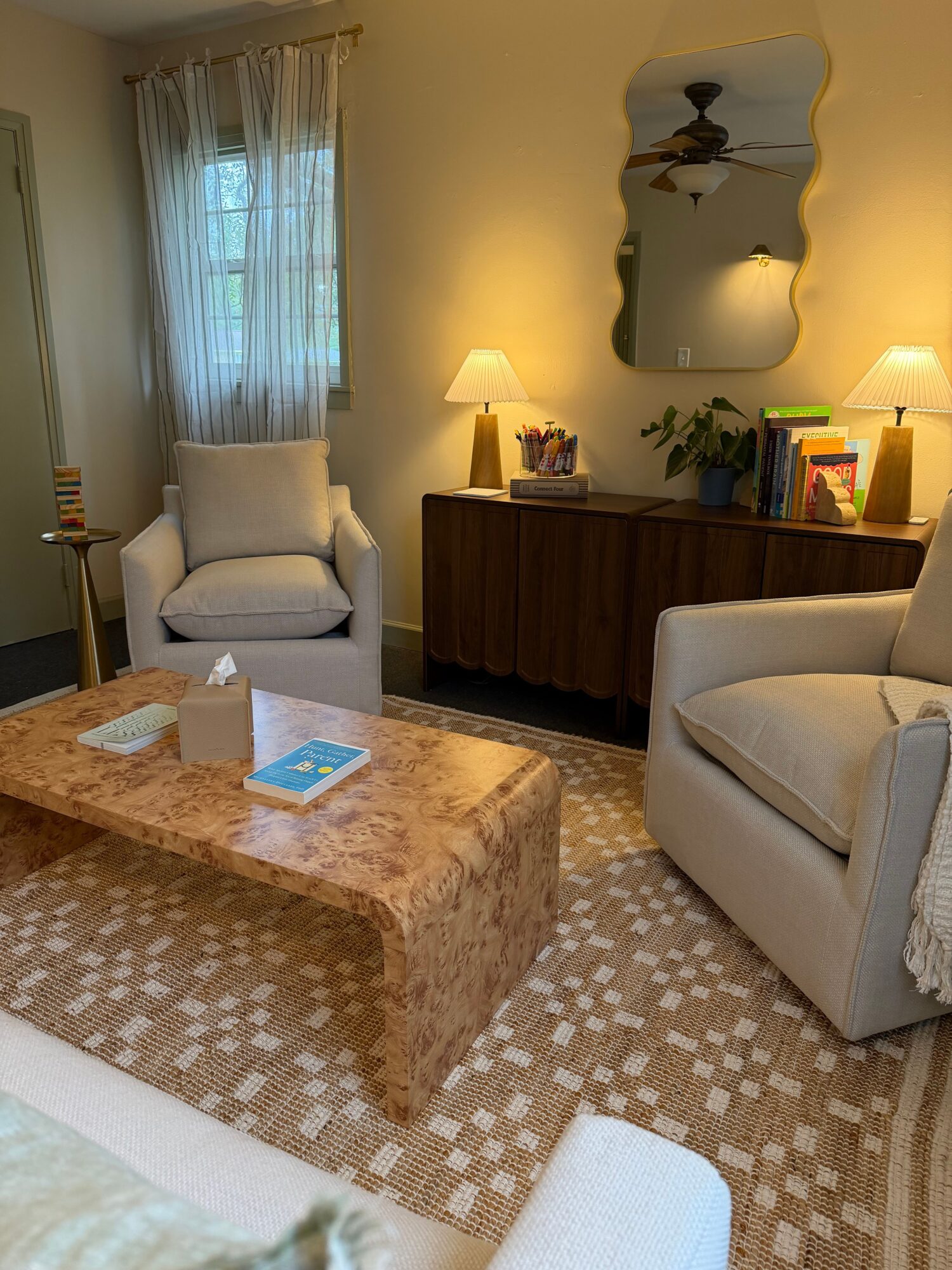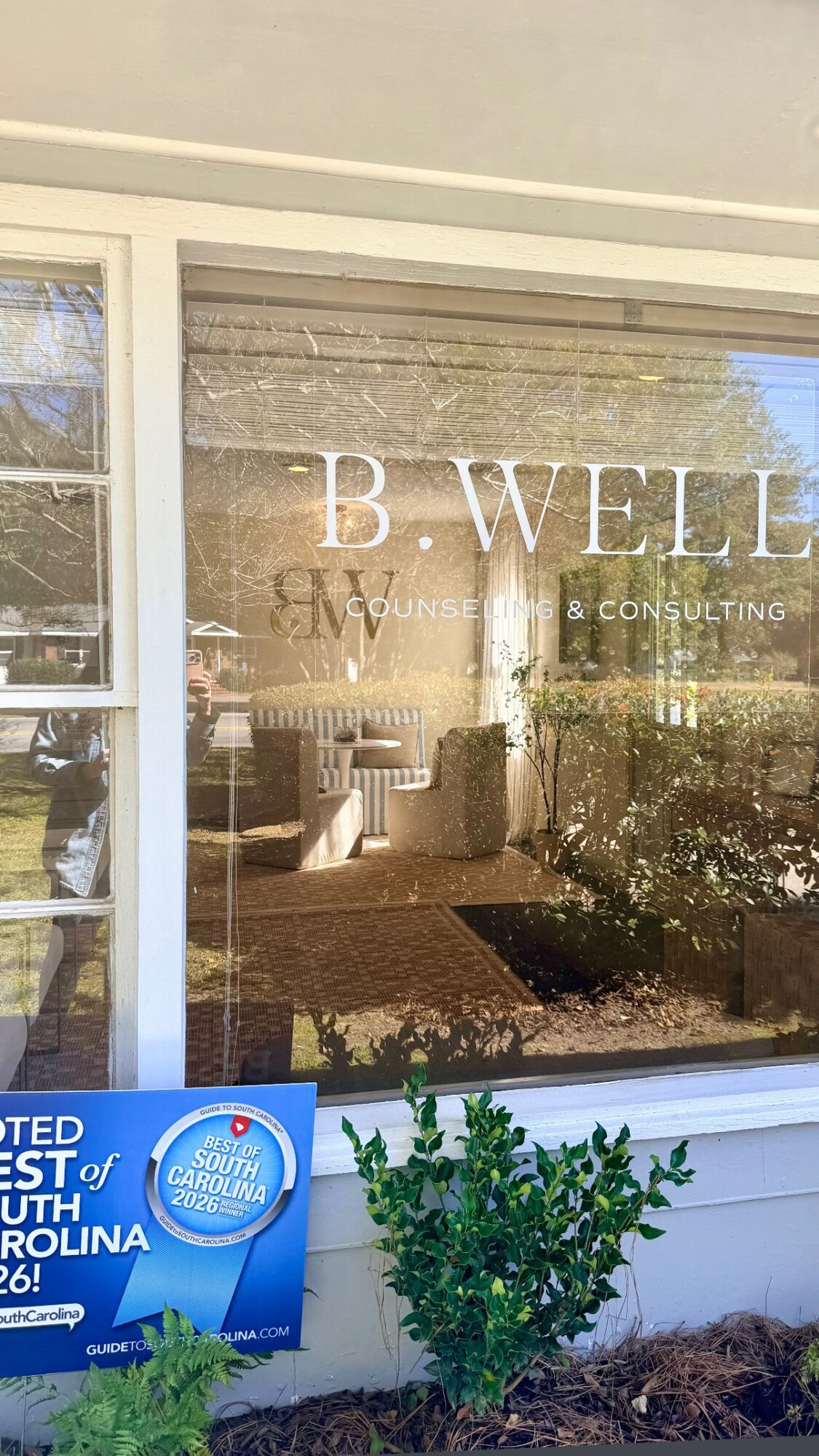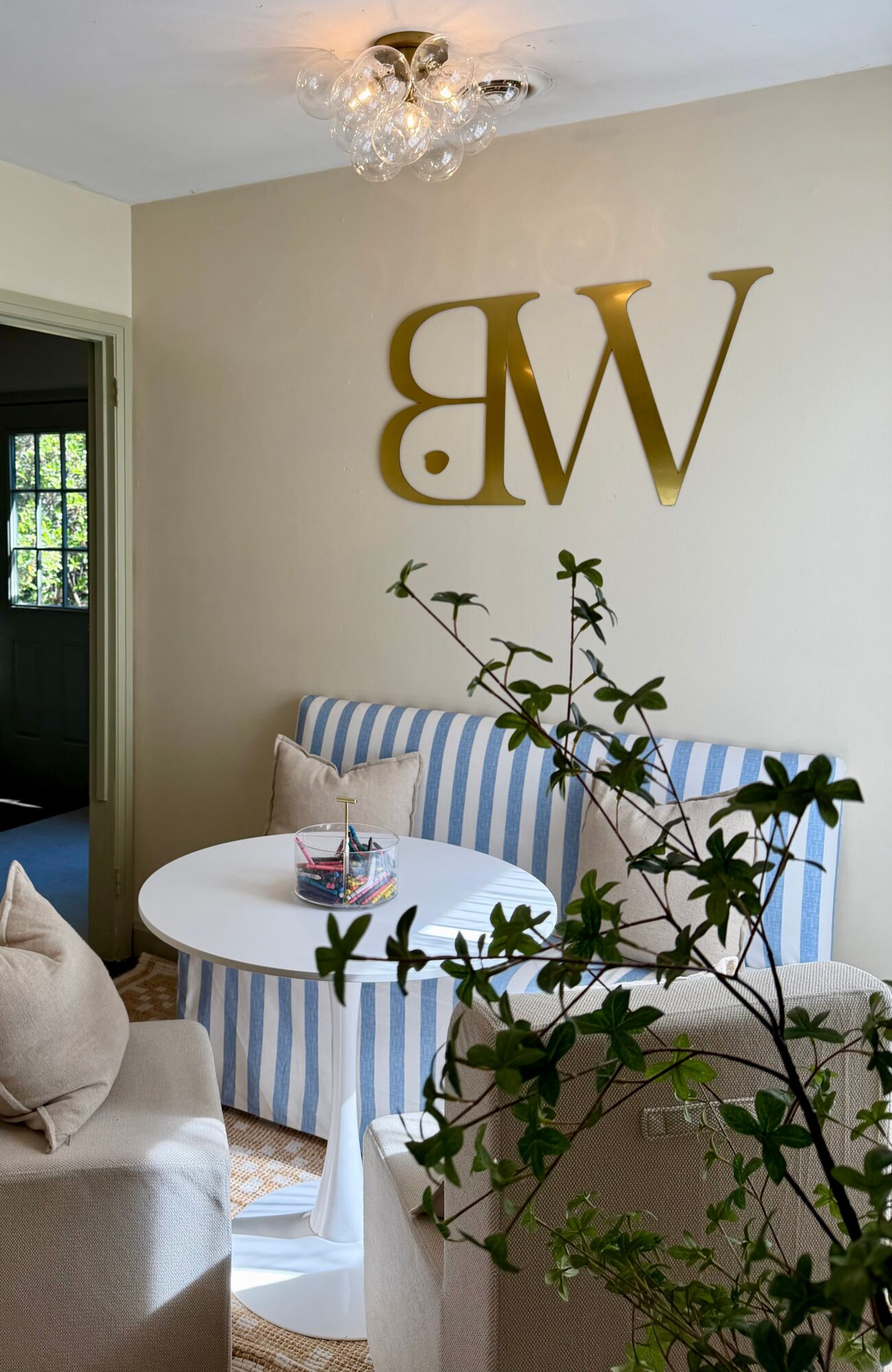
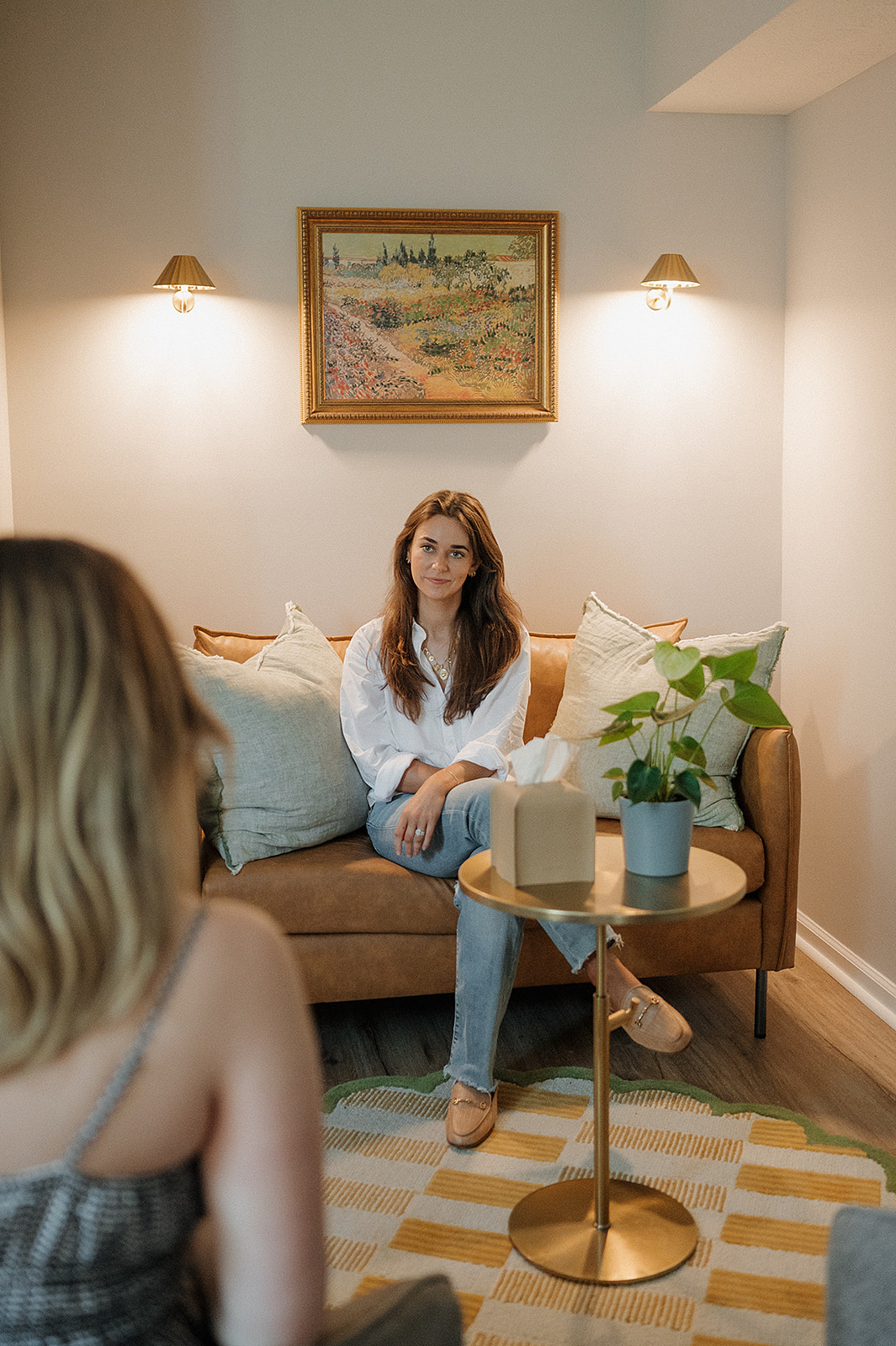
Today we’d like to introduce you to Brooke Davis.
Brooke, we appreciate you taking the time to share your story with us today. Where does your story begin?
B.Well Counseling & Consulting started with one very clear goal: I never wanted to work for another group practice again.
I now own one. The irony is not lost on me.
When I started B.Well, I wanted to create a career that worked with my life, not one that required me to build my entire life around my career. I loved being a therapist, but I also loved being a mom, and I wasn’t interested in sacrificing one to be successful at the other.
My goal was to build a practice that was, for lack of a better term, *mom-proof.*
I wanted to continue doing work I genuinely loved while being as present as possible for my family. I wanted the freedom to be in the carpool line, attend the school events, navigate sick days, take vacations, and actually enjoy the life I was working so hard to build.
And somewhere along the way, I realized I wasn’t the only therapist who wanted that.
I wanted others in the mental health field to know that they had permission to build their careers around their actual lives. To schedule clients around soccer practice, school holidays, and the inevitable phone call from the school nurse. To work three days a week if that’s what worked for their family, or five if that’s what they loved. To choose how many clients they wanted to see, pursue the clinical specialties they were passionate about, and take time off without feeling like they were somehow less dedicated to their profession.
Because being a good therapist shouldn’t require being an absent parent, an exhausted partner, or a shell of a human being by Friday afternoon.
The mental health field has a remarkable way of asking the people who care for everyone else to neglect themselves in the process. Burnout is practically treated like a professional rite of passage, and somewhere between productivity expectations, administrative demands, and the emotional weight of clinical work, incredibly compassionate people can find themselves exhausted, overwhelmed, and more jaded than they ever imagined becoming.
I didn’t want that for myself, I didn’t want to expose clients to it, and I certainly didn’t want to recreate it for anyone working alongside me.
As B.Well grew, so did my vision. I realized that my issue was never really with group practices. It was with the idea that clinicians should have to sacrifice their autonomy, personal lives, or well-being to be part of one.
I wanted to create an environment where clinicians were trusted to be professionals, where their time outside the office was respected, and where success wasn’t measured solely by the number of appointments on a calendar.
A place where you could build a full caseload or a small one. Find your niche or explore different specialties. Take a vacation without guilt. Be an excellent clinician and still make it to the class party at 10 a.m. on a Tuesday.
I built B.Well to fit my life, and then I realized it fit the lives of other people, too.
What started as a personal desire for independence became an opportunity to offer something I believe our profession desperately needs: the freedom to do meaningful work without losing yourself in the process.
I started B.Well because I never wanted to work for another group practice. I grew B.Well because I realized I could build the kind of group practice I always wished I could have worked for.
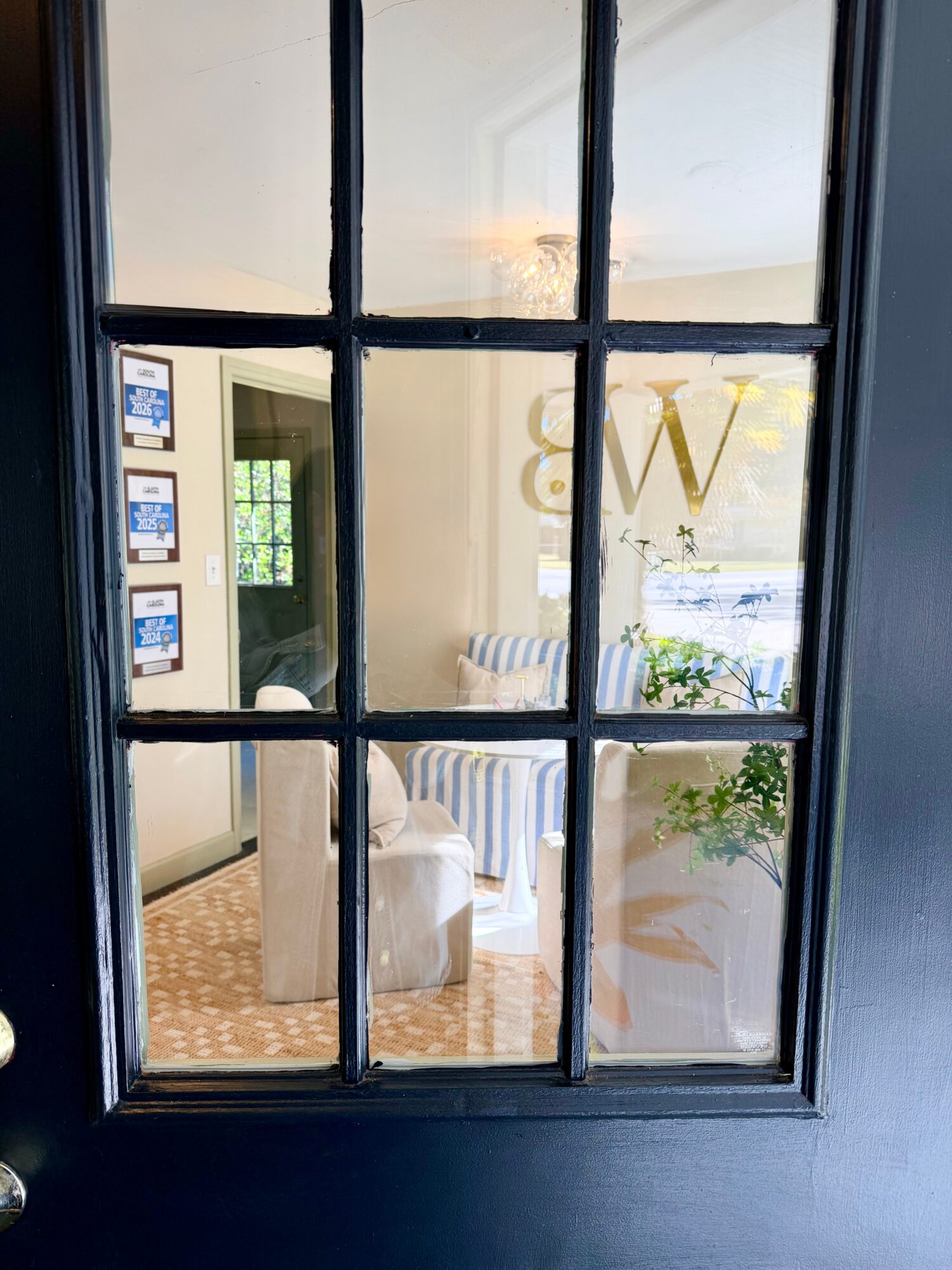
And perhaps the most meaningful part of it all is that B.Well was never intended to be just a name on the door.
I wanted to build something where everyone had the opportunity to genuinely be well. The clients who trust us with their stories. The clinicians who show up for them. The families waiting for those clinicians to come home. My own family. And, somewhere in all of that, myself.
Because I don’t believe we should have to choose between doing work that matters and living a life that matters.
Would you say it’s been a smooth road, and if not what are some of the biggest challenges you’ve faced along the way?
Well, let’s see. The business burned down a year in, and two years in, a pipe burst and flooded our office. So, if we’re measuring success by the number of property disasters survived, I’d say we’re doing exceptionally well.
At this point, I’m beginning to think the universe is testing my commitment to entrepreneurship. For the record, I’m committed. I’d just appreciate a less expensive way of proving it.
In all seriousness, entrepreneurship has been a constant process of learning, unlearning, adapting, and occasionally wondering if it’s all worth it.
There have been challenges I anticipated and plenty I couldn’t have imagined. From navigating the financial realities of owning a business to managing unexpected disasters, growing a team, and figuring out how to lead people while continuing to grow myself, every season has brought something new.
One of the biggest lessons I’ve learned is that being a good therapist and being a good business owner are two entirely different skill sets. And being a good leader requires another set of skills altogether. I’ve had to learn when to trust my instincts, when to ask for help, when to let go of control, and perhaps most importantly, when to recognize that something I’ve always done a certain way doesn’t necessarily mean it’s the best way to do it.
I’ve also had to unlearn the idea that success means everything is running perfectly. Sometimes success looks like growth and exciting opportunities. Other times, it looks like navigating a crisis, making difficult decisions, and keeping things moving when absolutely nothing is going according to plan.
Building a business while raising a family has also taught me that flexibility isn’t just something I wanted to offer my clinicians. It’s something I’ve had to extend to myself.
I don’t think entrepreneurship ever becomes completely smooth, and I’m not sure it’s supposed to. But I do think every challenge has made me a more thoughtful business owner, a more intentional leader, and a little more comfortable with uncertainty.
So no, it hasn’t been a smooth road. But resilience isn’t about avoiding the hard things. It’s about building something you believe in enough to keep showing up for, even when the road looks nothing like you planned.
That said, if we could make it through the next few years without another major property disaster, I certainly wouldn’t complain.
Alright, so let’s switch gears a bit and talk business. What should we know about your work?
I’ve been a therapist for over 10 years now, and in that time, I’ve done a lot, learned a lot, and seen a whole lot. I’ve worked with people through some of the hardest moments of their lives, witnessed incredible resilience, and learned that human beings are far more complicated, capable, and interesting than any textbook could ever prepare you for. I’ve also learned that no matter how long you’ve been doing this work, there’s always something new to learn, and occasionally something you thought you knew that you need to unlearn.
After more than a decade in the mental health field, I can confidently say that I still love being a therapist. I love the relationships, the conversations, the moments when something finally clicks, and the privilege of being trusted with people’s stories. What I haven’t always loved is the system surrounding the work. Somewhere along the way, I realized that I wanted to do more than just be a good therapist. I wanted to help create a better environment for therapy to happen.
That’s really the heart of B.Well Counseling & Consulting.
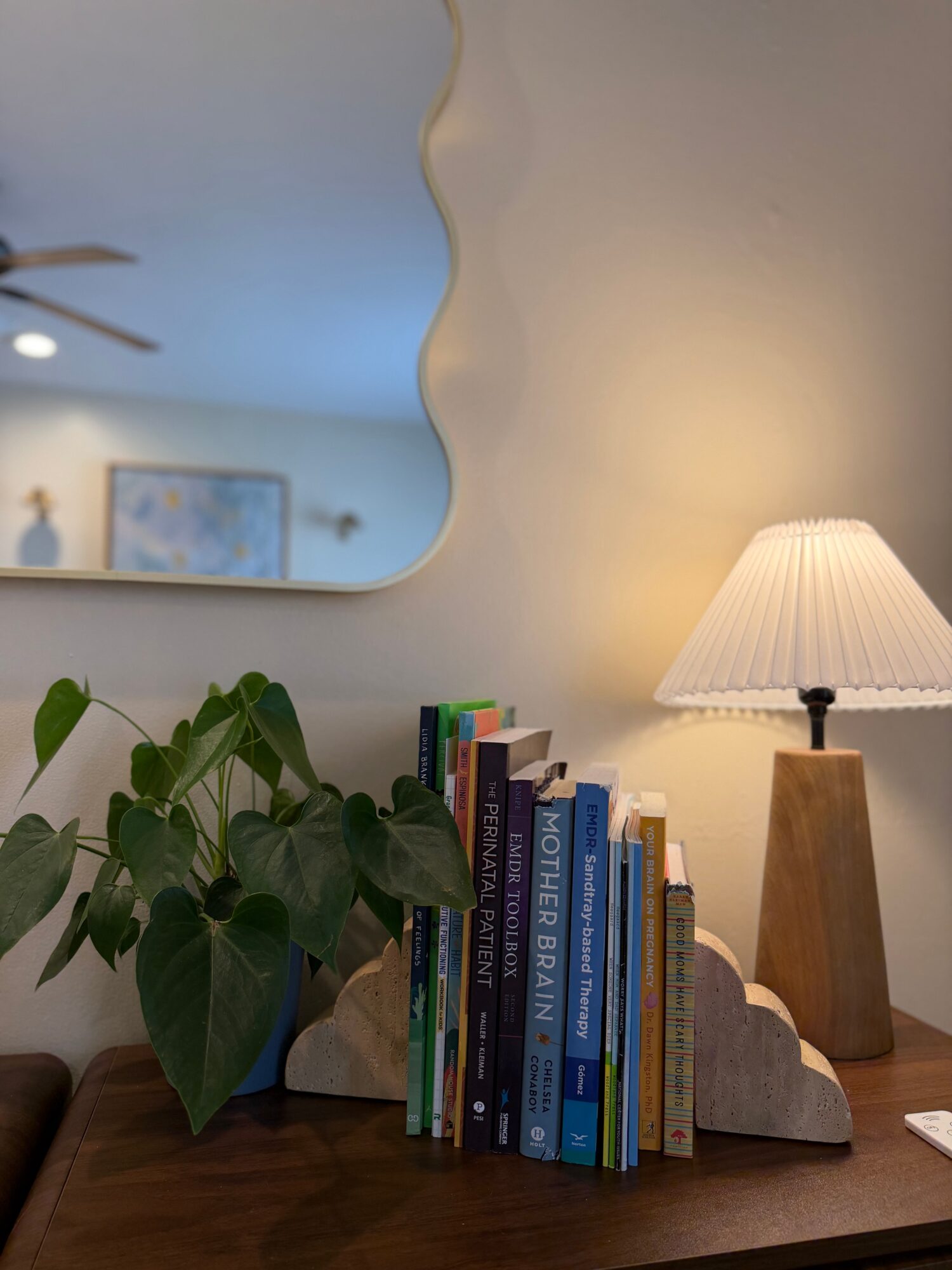
Today, B.Well provides individualized mental health services for children, adolescents, adults, and families. Our clinicians bring different experiences and specialties, including trauma, anxiety, depression, parenting challenges, neurodivergence, attachment, and family relationships. Personally, my clinical work focuses heavily on trauma, EMDR, parenting, and helping individuals and families navigate some of life’s more complicated seasons.
But I think what makes B.Well different has less to do with the list of services we offer and more to do with how we’ve chosen to operate.
I’ve always believed that good therapy starts with genuine human connection. Our clients aren’t diagnoses, appointment slots, or numbers on a productivity report. They’re people with complicated lives, unique experiences, and stories that deserve to be heard. We take our clinical work seriously, but we don’t believe therapy has to feel overly clinical or intimidating to be effective. Sometimes meaningful progress happens through difficult conversations, sometimes through play, and sometimes through a little humor at exactly the right moment.
We also recognize that we may not be the right fit for every individual or family seeking care, and that’s okay. Good therapy isn’t about being everything to everyone. It’s about recognizing where we can genuinely help, being honest about where we can’t, and respecting that the therapeutic relationship needs to be the right fit on both sides.
I also believe that the people providing mental health care deserve to be mentally well themselves. Revolutionary concept, I know.
One of the things I’m most proud of is the culture we’ve built for our clinicians. B.Well wasn’t designed around the idea that success means seeing as many clients as humanly possible. Our clinicians have the freedom to develop their specialties, establish schedules that work for their lives, and build caseloads that feel professionally and personally sustainable.
And I think that philosophy directly impacts the care our clients receive. When clinicians have the space to take care of themselves, they’re better positioned to show up fully for the people who trust them with their mental health.
I’ve also come to recognize that preparing the next generation of therapists is just as important as the clinical work I’m doing today. After more than a decade in this field, I feel a responsibility not only to share what I’ve learned, but to help shape what the next ten years of our profession might look like. That’s why I dedicate part of my time to clinical supervision, consultation, and mentorship.
My hope is to create a space where developing clinicians can learn, laugh, ask questions, make mistakes, and process the realities of this work without feeling like they have to have everything figured out. A space that’s a little less buttoned-up, but still deeply intentional about professional growth, clinical responsibility, and doing right by the people we serve.
I want supervision to be more than a conversation about diagnoses, documentation, and treatment plans. Those things matter, of course, but so does the person sitting across from me trying to figure out how to do this work well without losing themselves in it.
We spend so much time teaching therapists how to care for other people, and sometimes remarkably little time teaching them how to care for themselves while doing it.
I want to invest just as heavily in the people doing the work as we do in the work itself.
If I can help the next generation of therapists become not only skilled and confident clinicians, but also professionals who know their worth, recognize their limits, maintain their humanity, and build sustainable careers, then I consider that time incredibly well spent.
I’m also incredibly proud that we’ve continued to grow without losing sight of why B.Well was created in the first place. Growth is exciting, but I’ve never wanted to build a practice simply for the sake of becoming bigger. I want us to become better. Better clinicians, better collaborators, better advocates for our clients, and better at recognizing when we need to take care of ourselves, too.
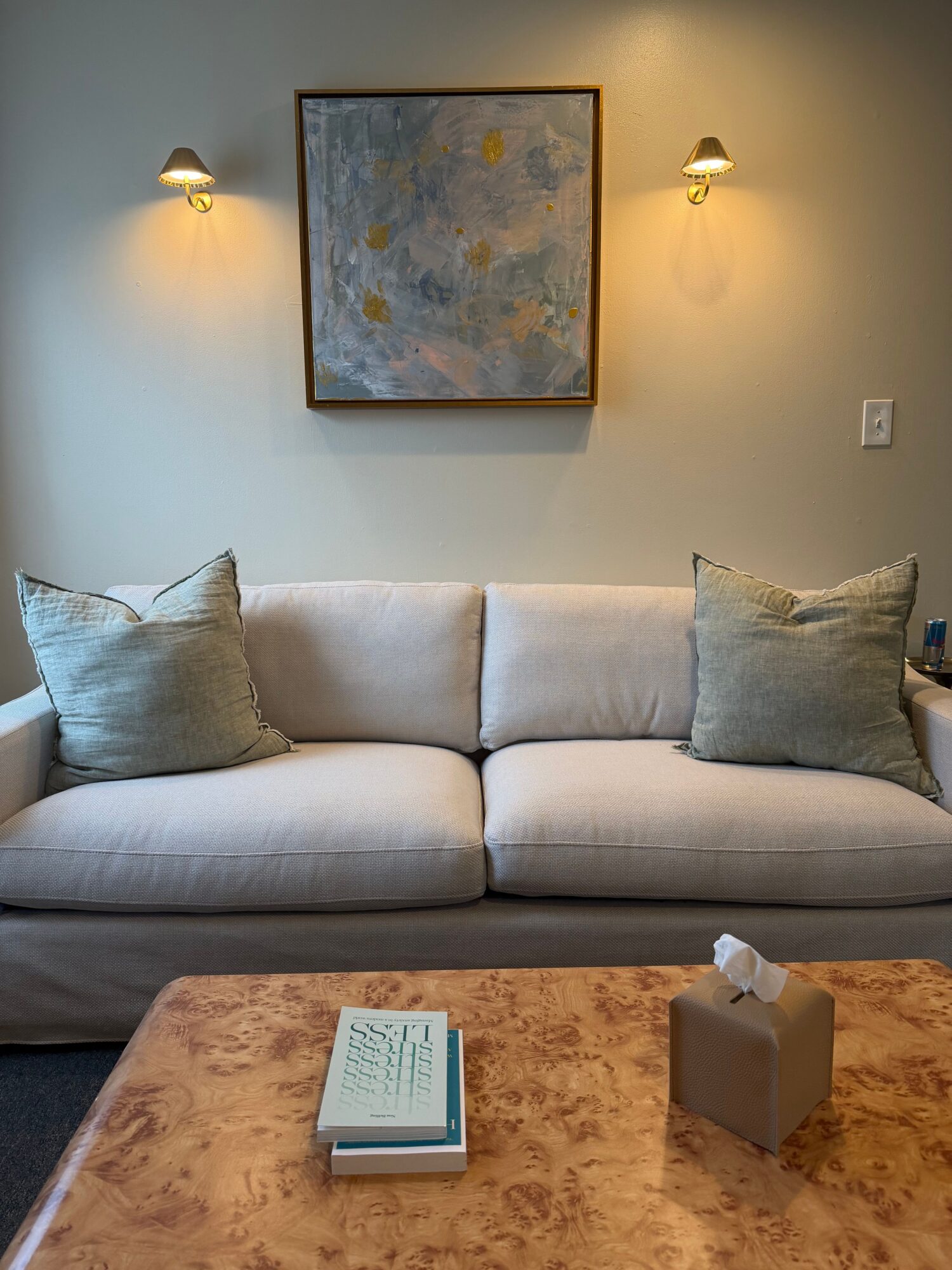
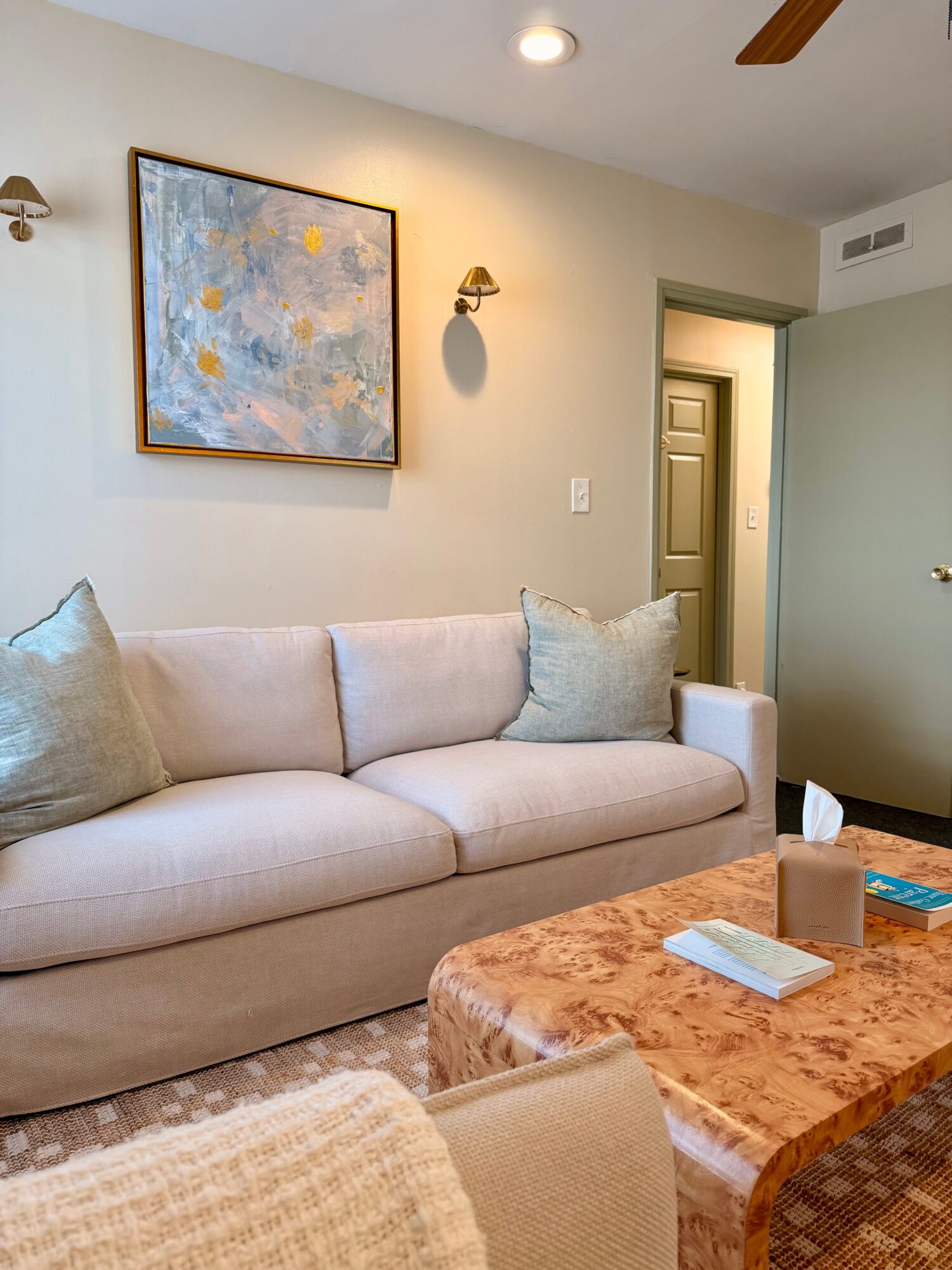
What sets B.Well apart, I hope, is that we’re intentional about both sides of the therapeutic relationship. We care deeply about the people sitting on the couch, but we also care about the people sitting across from them.
At the end of the day, I don’t want B.Well to be known simply as a place where people go to therapy. I want it to be known as a place where people feel genuinely cared for, where clinicians can build careers they love without sacrificing the lives they love, and where we’re practicing what we spend so much time encouraging others to do.
Because it would be pretty ironic to own a business called B.Well and create an environment where nobody actually is.
Contact Info:
- Website: https://www.bwellcounselingandconsulting.com/
- Instagram: https://www.instagram.com/b.wellcc/
- Facebook: https://www.facebook.com/p/B-Well-Counseling-Consulting-61558958918930/