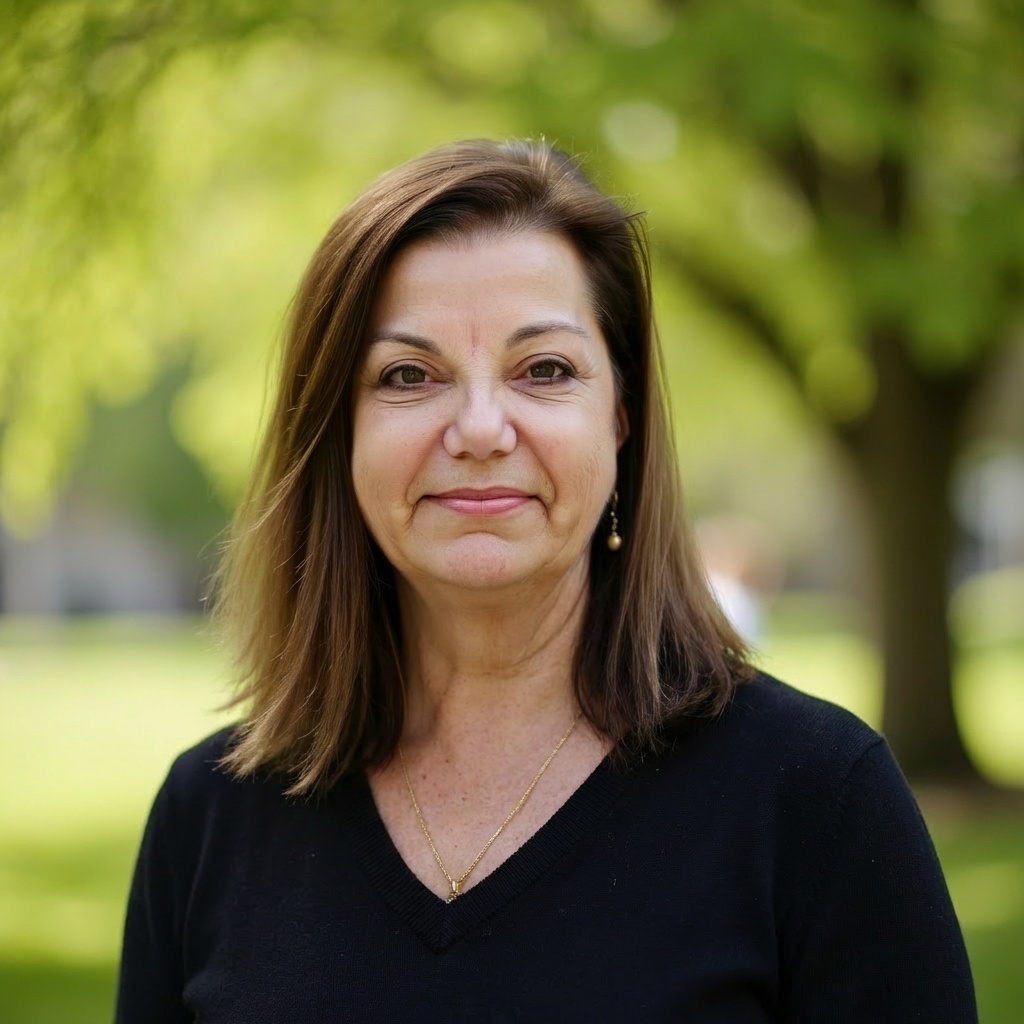
Today we’d like to introduce you to Marie Elana Roland.
Alright, so thank you so much for sharing your story and insight with our readers. To kick things off, can you tell us a bit about how you got started?
My story began not with a grand plan, but with a willingness to show up.
Over a decade ago, I was working closely with veterans and their families, listening to their stories and walking with them through moments of deep crisis. What struck me most wasn’t just the lack of housing or employment—it was how broken and disconnected the systems meant to help them were. People were exhausted from telling their stories over and over, only to be turned away or given short-term solutions that didn’t last.
I founded The Navigation Center out of that frustration and hope—frustration with systems that failed people, and hope that something better was possible. From the very beginning, the mission was rooted in dignity: helping people navigate housing, healthcare, mental health services, and social support in a way that treated them as whole human beings, not case numbers.
The work grew organically. What started with veterans quickly expanded to families, students, and individuals across Charleston County who were facing housing instability. As the need increased, so did our responsibility to think differently. We built an integrated model that brings schools, hospitals, mental health providers, and community partners together—so families don’t fall through the cracks at their most vulnerable moments.
Today, The Navigation Center serves hundreds of people each month and plays a critical role in helping families stabilize before homelessness becomes permanent. One of the most meaningful parts of my journey has been shifting the conversation from crisis response to prevention—especially for children. By addressing housing instability alongside education, health, and behavioral support, we’re not just helping families survive—we’re helping them build a future.
This work has shaped me as much as I’ve shaped it. It has taught me that real change doesn’t happen overnight, and it doesn’t happen alone. It happens when compassion meets persistence, when systems are willing to change, and when someone chooses to walk alongside another person and say, “You’re not navigating this alone.”
That belief continues to guide everything I do.
Would you say it’s been a smooth road, and if not what are some of the biggest challenges you’ve faced along the way?
Not at all. This has never been a smooth road—and I don’t think meaningful work ever is. One of the earliest struggles was realizing that doing the right thing doesn’t always mean doing the easy or popular thing. Early on, we had to say no to quick fixes that didn’t lead to real stability, even when resources were scarce and the need was overwhelming.
Building an integrated model also meant challenging long-standing systems and habits. Collaboration sounds simple in theory, but in practice it requires trust, shared accountability, and a willingness to change how things have always been done. There were moments when pushing for coordination instead of one-off assistance felt isolating, especially when funding structures favored short-term outcomes over long-term impact.
Personally, there were seasons of exhaustion and uncertainty—carrying the weight of families in crisis while trying to build something sustainable with limited resources. Balancing the urgency of immediate needs with the responsibility to create lasting solutions has been one of the hardest parts of the journey.
But those struggles shaped the work. They clarified the mission, strengthened the model, and reinforced why this approach matters. Every challenge reinforced a simple truth: lasting change requires persistence, courage, and a willingness to stay the course—even when the path is uncomfortable.
Thanks for sharing that. So, maybe next you can tell us a bit more about your work?
I lead The Navigation Center, where our work centers on strengthening a coordinated, integrated model of care for individuals and families experiencing homelessness or housing instability. We specialize in bringing housing navigation, medical care, mental health services, peer support, and social work together—so people aren’t left to navigate complex systems alone during moments of crisis.
What I’m most known for is building systems that bridge gaps. Our model continues to grow and strengthen as we deepen partnerships with schools, hospitals, mental health providers, and community organizations. As the work has evolved, we’ve placed particular focus on expanding housing solutions and peer support—areas where long-term stability is often won or lost.
What sets this work apart is the balance between compassion and accountability. We don’t offer one-time fixes; we build pathways. Every decision is guided by both data and dignity, ensuring families receive support that leads to sustainable outcomes, especially for children.
I’m most proud of the foundation that has been laid and the momentum we’re seeing—families stabilizing, students remaining in school, and systems beginning to work together instead of in silos. That progress is the result of patience, persistence, and a commitment to doing the work the right way.
At the heart of everything we do is faith. It shapes how I lead, how we serve, and how we measure success. Faith grounds our work in humility and purpose, reminding us that meaningful change is built step by step, through trust, integrity, and a willingness to keep showing up.
At the heart of it all, this work is my calling: to stand in the gap, build what’s missing, and help ensure no one has to navigate a crisis alone.
Networking and finding a mentor can have such a positive impact on one’s life and career. Any advice?
I’ve learned that mentorship doesn’t always come from formal relationships, and networking doesn’t have to feel transactional. Some of the most meaningful mentors in my life came from simply showing up consistently, doing the work with integrity, and being willing to listen more than I spoke.
What worked best for me was leading with curiosity and service rather than asking for access. I sought out people who were aligned with my values, not just my goals, and I paid attention to how they showed up for others. Over time, trust was built naturally, and guidance followed.
I also believe in being honest about where you are. Asking thoughtful questions, admitting what you don’t know, and being open to feedback creates real connection. Mentors are far more willing to invest when they see humility, follow-through, and a genuine desire to grow.
Faith has shaped this process for me as well. I’ve learned to pray for discernment—both in who I learn from and in how I use the opportunities placed in front of me. Not every door needs to be opened, and not every connection is meant to be permanent.
Ultimately, the strongest networks are built on shared purpose and mutual respect. If you focus on showing up with consistency, integrity, and heart, the right mentors and connections tend to find their way to you.
Contact Info:
- Website: I’ve learned that mentorship doesn’t always come from formal relationships, and networking doesn’t have to feel transactional. Some of the most meaningful mentors in my life came from simply showing up consistently, doing the work with integrity, and being willing to listen more than I spoke. What worked best for me was leading with curiosity and service rather than asking for access. I sought out people who were aligned with my values, not just my goals, and I paid attention to how they showed up for others. Over time, trust was built naturally, and guidance followed. I also believe in being honest about where you are. Asking thoughtful questions, admitting what you don’t know, and being open to feedback creates real connection. Mentors are far more willing to invest when they see humility, follow-through, and a genuine desire to grow. Faith has shaped this process for me as well. I’ve learned to pray for discernment—both in who I learn from and in how I use the opportunities placed in front of me. Not every door needs to be opened, and not every connection is meant to be permanent. Ultimately, the strongest networks are built on shared purpose and mutual respect. If you focus on showing up with consistency, integrity, and heart, the right mentors and connections tend to find their way to you.
Contact Info:
- Instagram: https://www.instagram.com/thenavctr/
- Facebook: https://www.facebook.com/thenavigationcentersc/about/