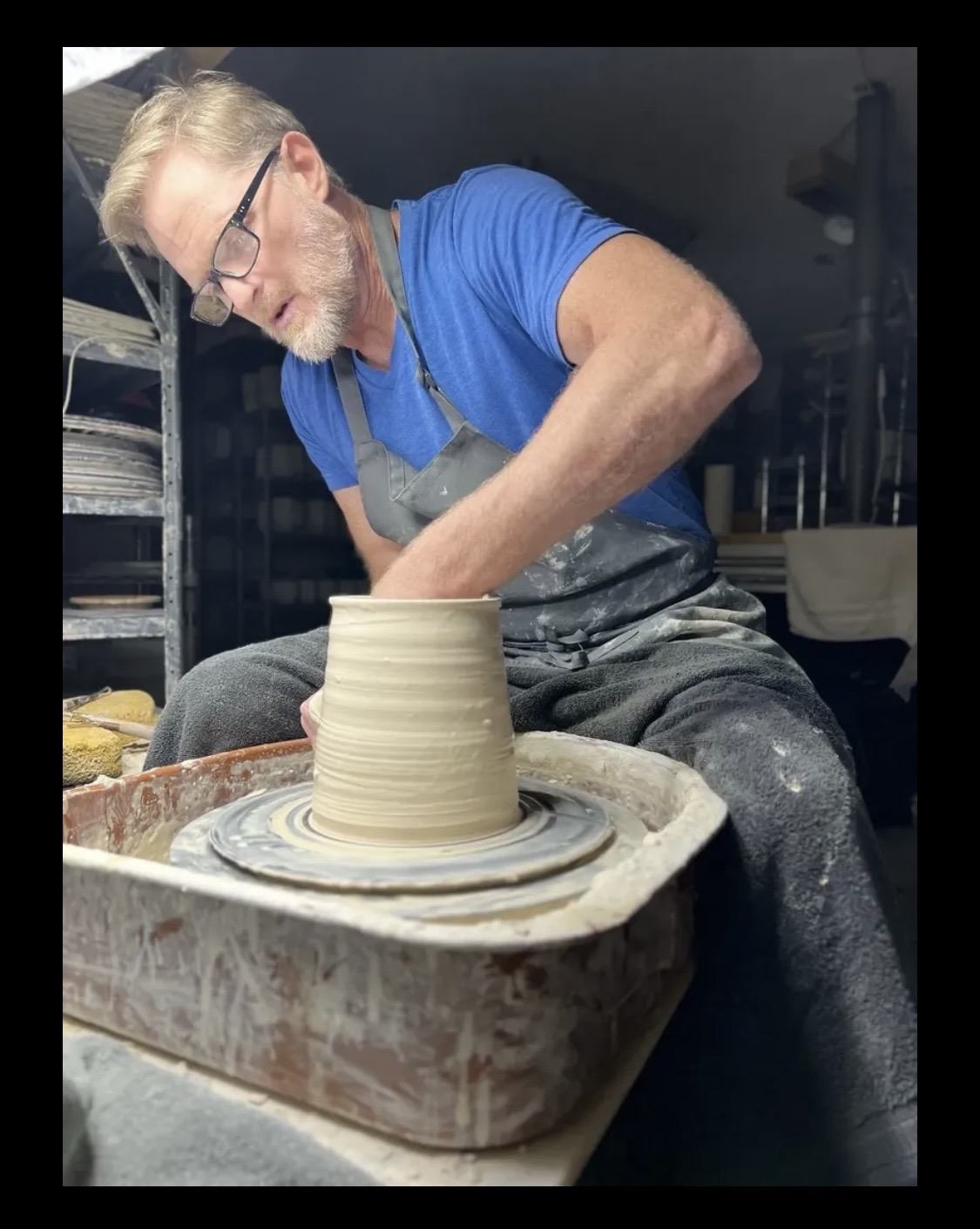
Today we’d like to introduce you to Kyle Smith.
Hi Kyle, so excited to have you with us today. What can you tell us about your story?
I started working with clay in high school and continued studying ceramics and art through college. After graduating, I became an art teacher in South Carolina and taught for about 11 years while building my pottery business on the side.
I officially started Kyle Smith Pottery in 2008 while teaching art full time. For nearly a decade, I balanced teaching during the day with making pottery at night, on weekends, and whenever I could fit it in. In 2017, I made the transition to pottery full time, and the business has continued growing steadily ever since.
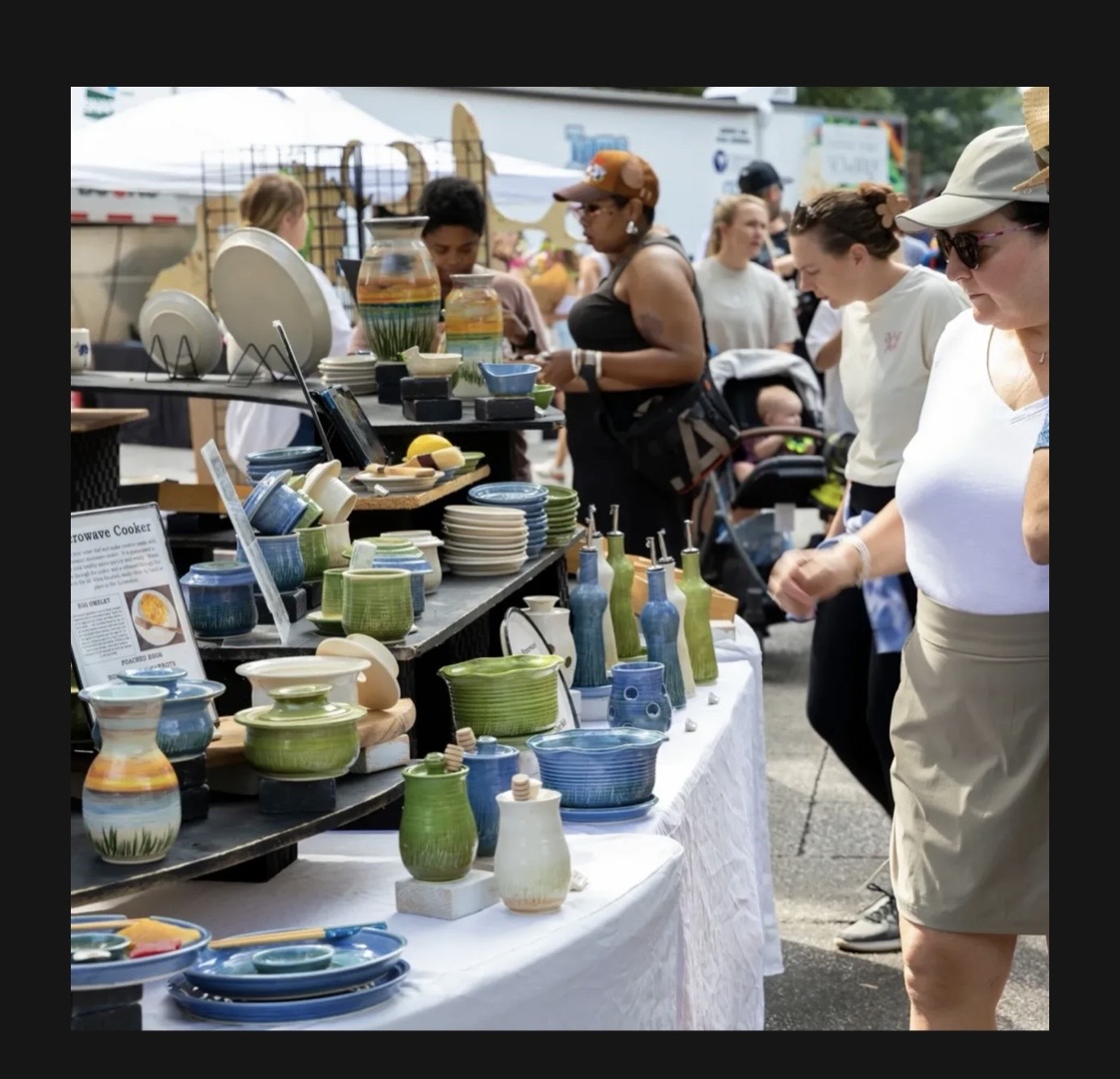
A huge part of that growth has come through Soda City Market in Columbia, which has been an incredible platform for connecting with both locals and visitors. The market and other in person events account for the majority of my business, along with online sales and a smaller wholesale component.
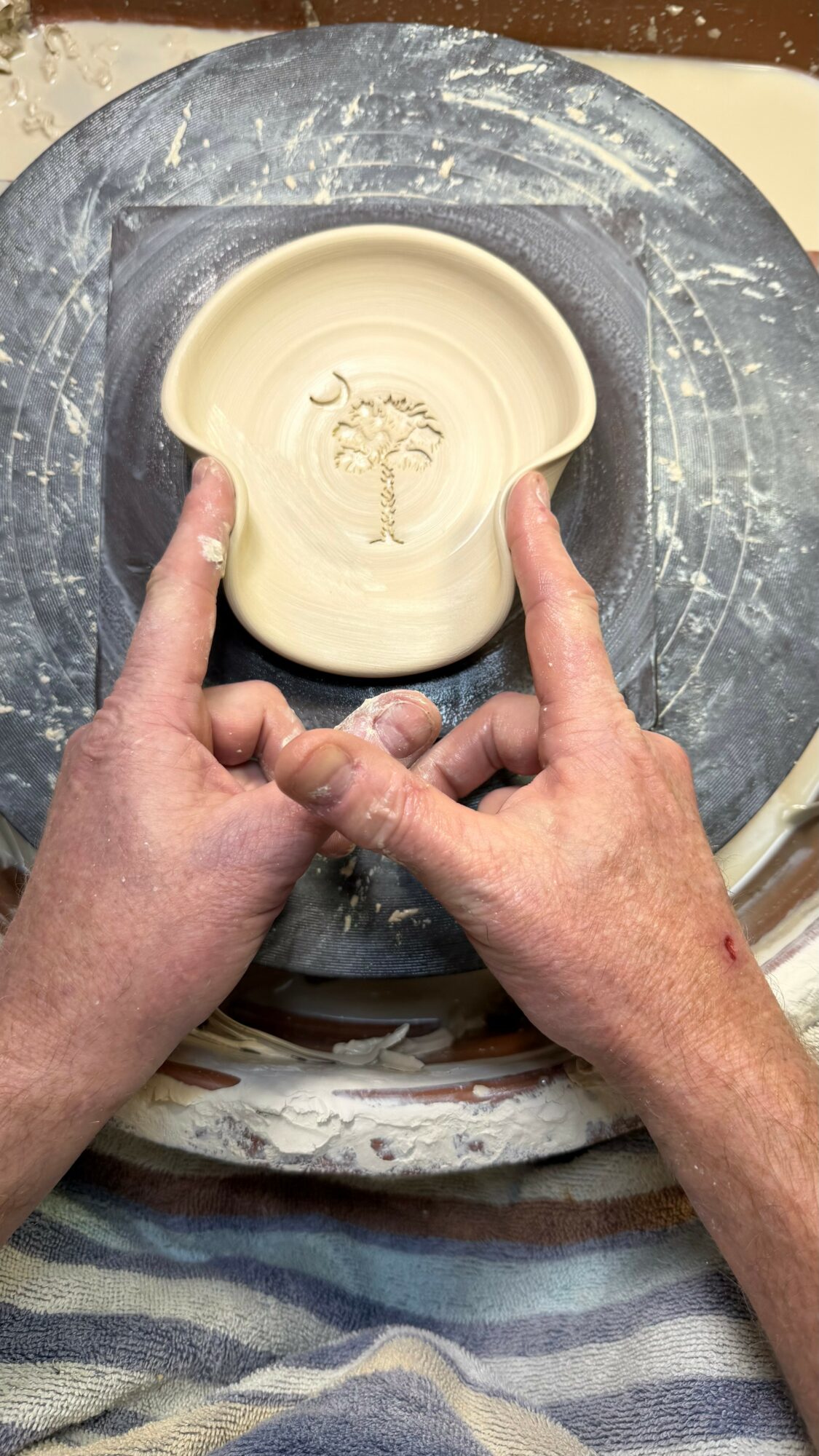
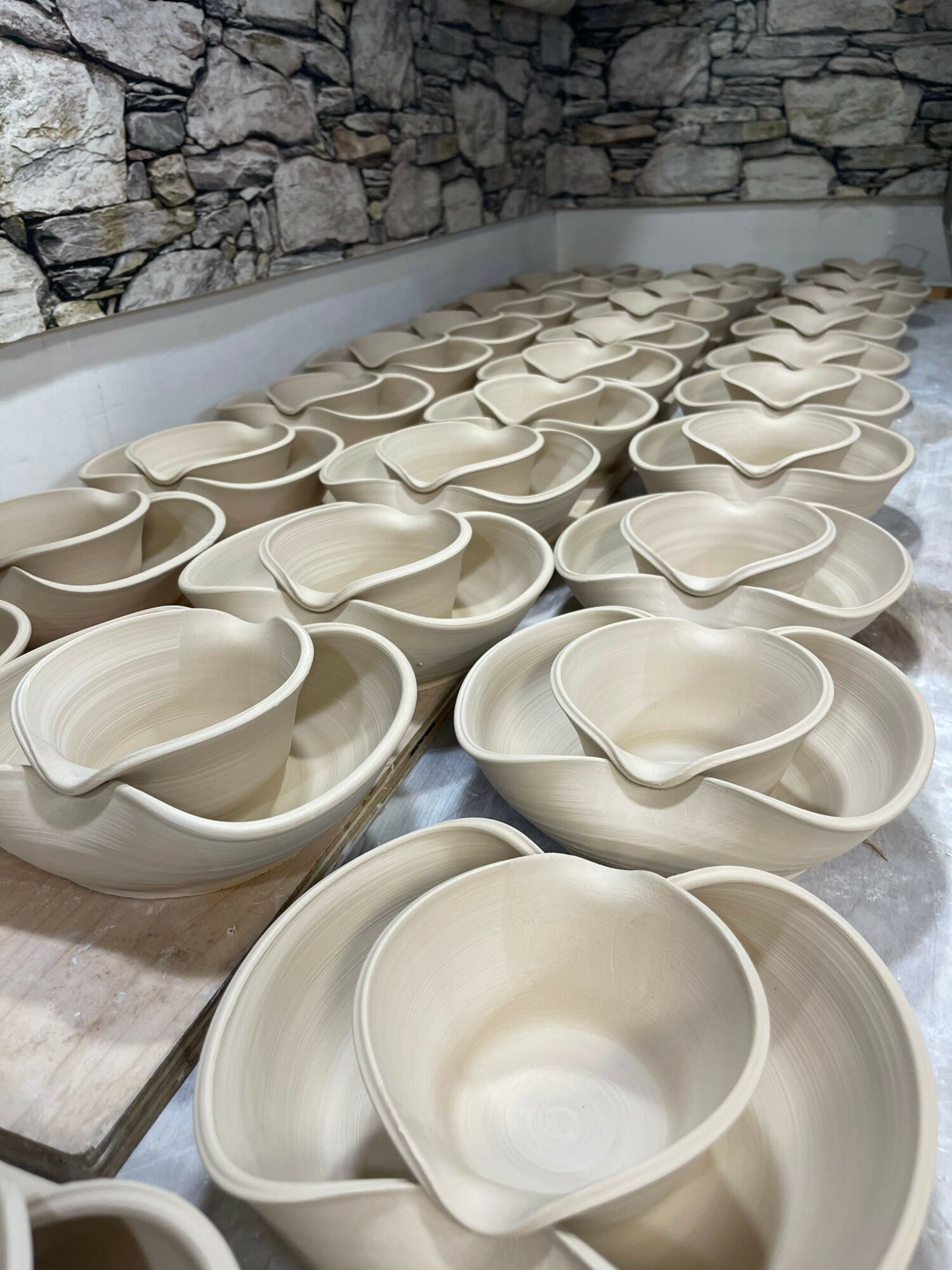
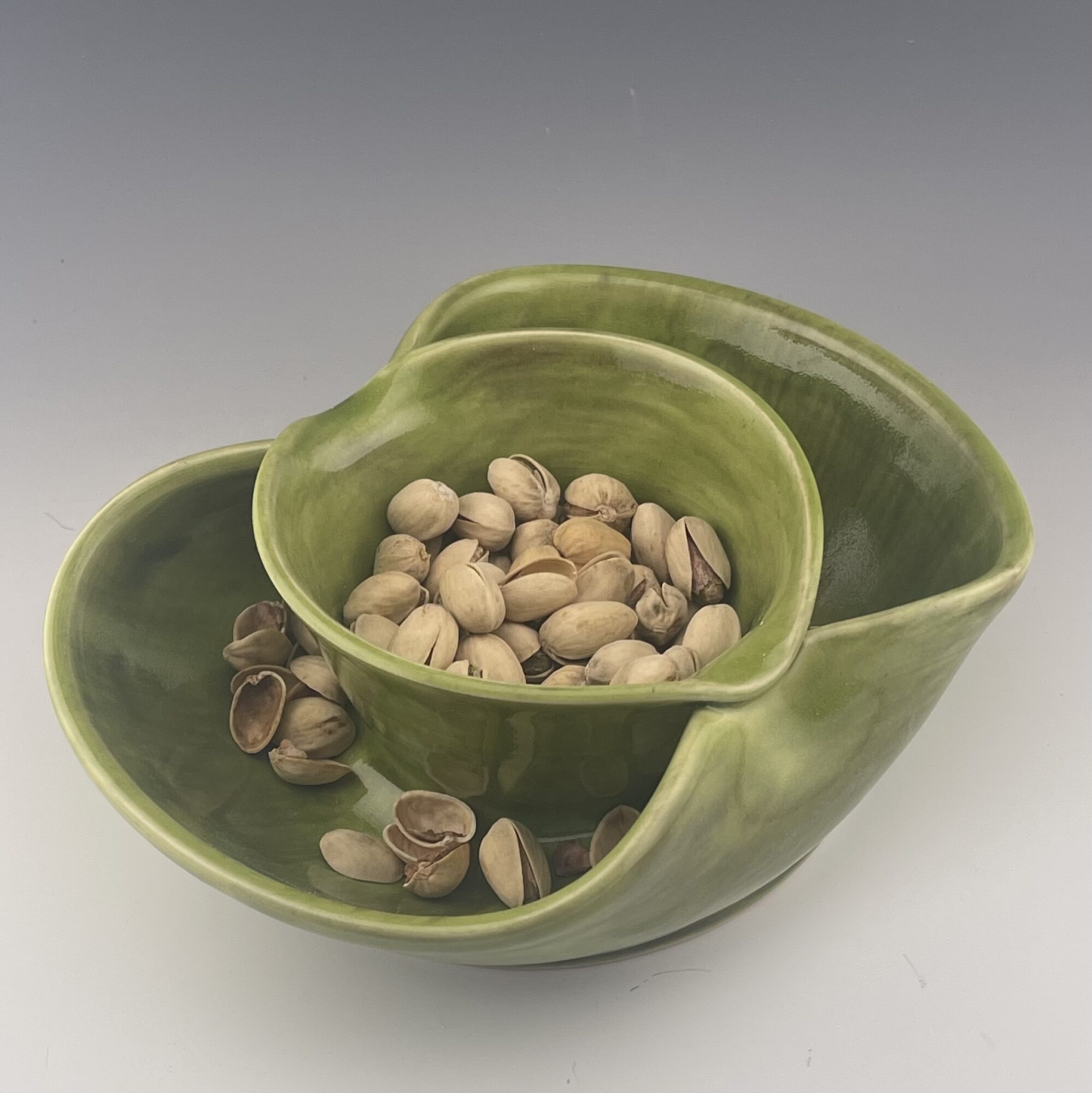
Most of my work is wheel thrown functional pottery designed for everyday use. I focus on forms that are comfortable, durable, and meant to become part of people’s routines rather than just sit on a shelf. Over time, many of my products have evolved through customer feedback, daily use, and years of refining proportions, function, and glaze combinations.
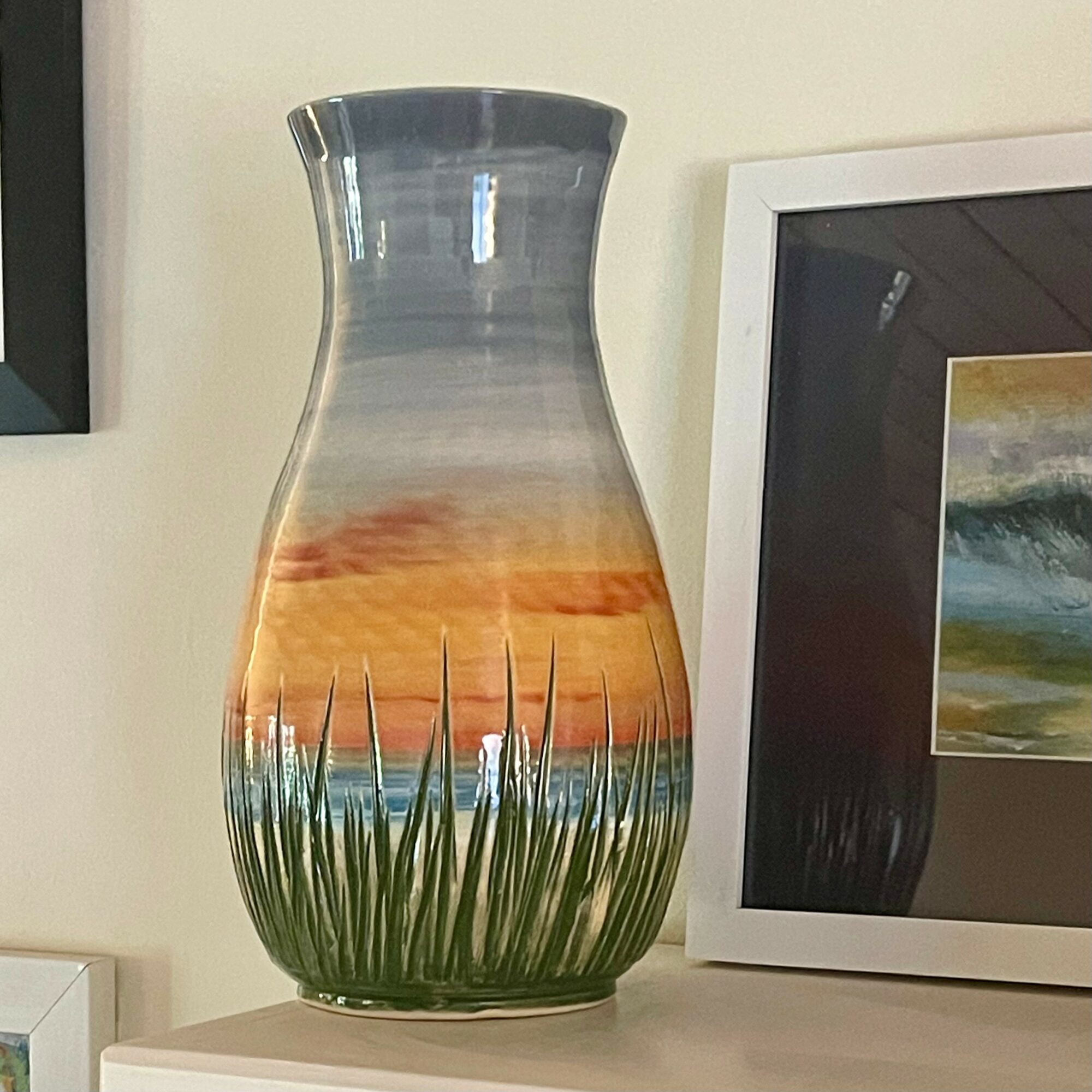
A lot of my inspiration comes from the South Carolina coast and the calming colors and landscapes tied to the beach, sunrise, sunset, water, and shoreline textures. Even as the business grows, I still enjoy making the larger coastal landscape pieces because that’s the work that keeps me centered creatively.
Today I work with a small part time team that helps with certain areas of production and operations, but all of the wheel throwing, design work, and technical aspects of the pottery are still done by me personally.
Can you talk to us a bit about the challenges and lessons you’ve learned along the way. Looking back would you say it’s been easy or smooth in retrospect?
It definitely has not been a completely smooth road. One of the biggest challenges was balancing a full time teaching career while trying to build a business at the same time. For years, pottery was something I worked on early in the mornings, late at night, and on weekends while still teaching full time.
One of the biggest learning experiences over the years has been understanding where to focus my time and energy. Early on, I wanted to say yes to every idea and custom request simply because I loved making pottery and wanted to grow the business. Over time, I learned the importance of refining my product line, improving efficiency, and focusing on the forms and processes that best align with my strengths and long term vision for the business.
That shift helped me become more production focused while still maintaining the craftsmanship and handmade quality that built the business in the first place.
Pottery also has a long learning curve, and there are a lot of technical variables involved with clay, glaze, firing, production, and inventory management. A lot of what I know now came through years of trial and error, refining processes, and staying committed to improving little details over time.
As the business has grown, another challenge has been learning how to scale production while still maintaining the quality and handmade feel that people connect with. I’ve had to learn how to organize systems, manage inventory, teach assistants certain processes, and keep production moving without losing the craftsmanship that built the business in the first place.
There’s also the unpredictability that comes with running a creative business. Weather affects outdoor markets, kiln firings can fail, online algorithms change, and customer trends shift over time. You learn pretty quickly that consistency and adaptability matter just as much as creativity.
Alright, so let’s switch gears a bit and talk business. What should we know about your work?
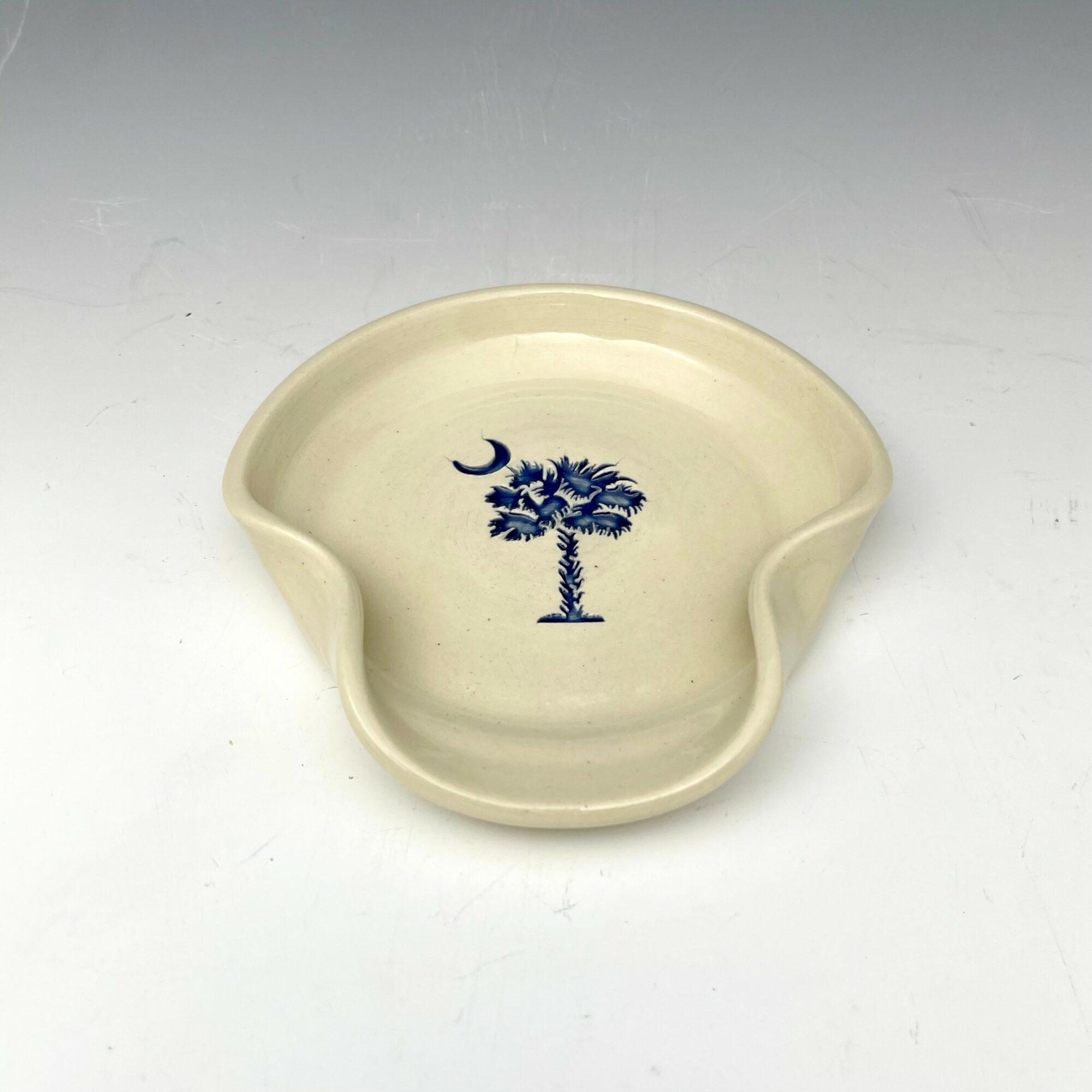
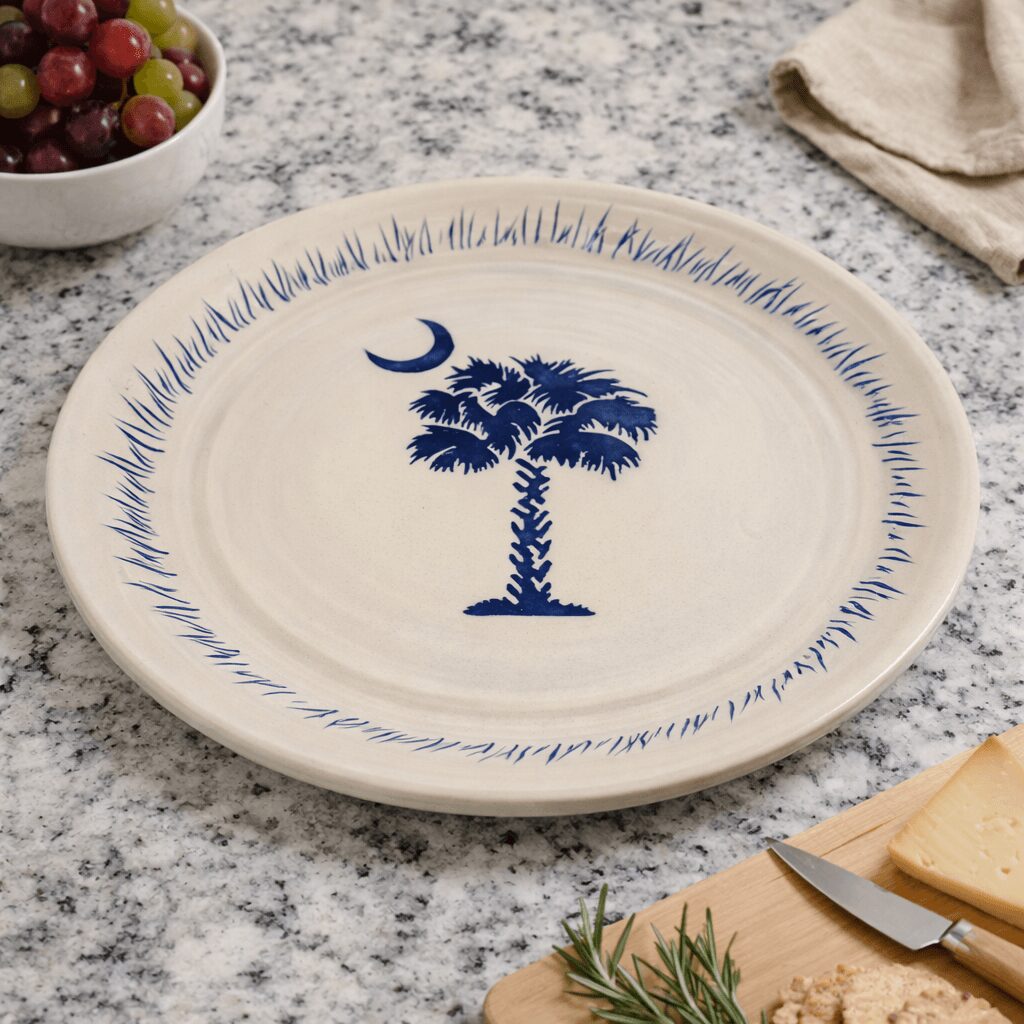
I create wheel thrown functional pottery designed for everyday use. My work ranges from mugs, bowls, oil pourers, utensil crocks, and serving pieces to larger coastal landscape vases inspired by the South Carolina shoreline.
What sets my work apart is the balance between craftsmanship, functionality, and refinement. I spend a lot of time thinking about how a piece feels in the hand, how it pours, how it stacks, how durable it is, and how it fits naturally into someone’s daily routine. Many of my forms have evolved over years of making the same pieces repeatedly and improving small details through use and customer feedback.
I’m also very production focused. Even though I work with some part time help, all of the wheel throwing and technical pottery work is still done by me personally. That consistency allows me to maintain a recognizable style and level of quality across a large body of work.
Visually, a lot of my work is inspired by coastal colors, sunrise and sunset tones, water, and South Carolina landscape elements. I try to create pottery that feels calming, grounded, and meant to be lived with rather than simply displayed.
What I’m probably most proud of is building the business steadily over time through repetition, discipline, and direct connection with customers. The work has evolved naturally over the years through markets, conversations, observation, and continually refining both the product and the process.
If you had to, what characteristic of yours would you give the most credit to?
Consistency has probably been the most important quality in my success. Pottery is really a long game. It takes years of repetition, refining skills, solving problems, and continuing to improve little details over time.
I also think adaptability has been extremely important. Running a creative business requires wearing a lot of different hats. You have to constantly adjust production, inventory, marketing, scheduling, and systems while still staying creative and maintaining quality.
My background in education has also helped a lot. Teaching art taught me patience, communication, and how to break processes down into teachable steps, which has been valuable as I’ve started working with assistants and building more structure into the business.
At the end of the day, though, I think the biggest factor has simply been showing up consistently and continuing to refine the work year after year.
Pricing:
- Functional pottery pieces generally range from about $20 to $75 depending on size and complexity
- Larger statement and coastal landscape pieces range from approximately $150 to several hundred dollars
- Custom orders and wholesale pricing are available on select work
Contact Info:
- Website: https://kylesmithpottery.com
- Instagram: kylesmithpottery
- Facebook: Kyle Smith Pottery
- Other: https://www.etsy.com/shop/KyleSmithPottery