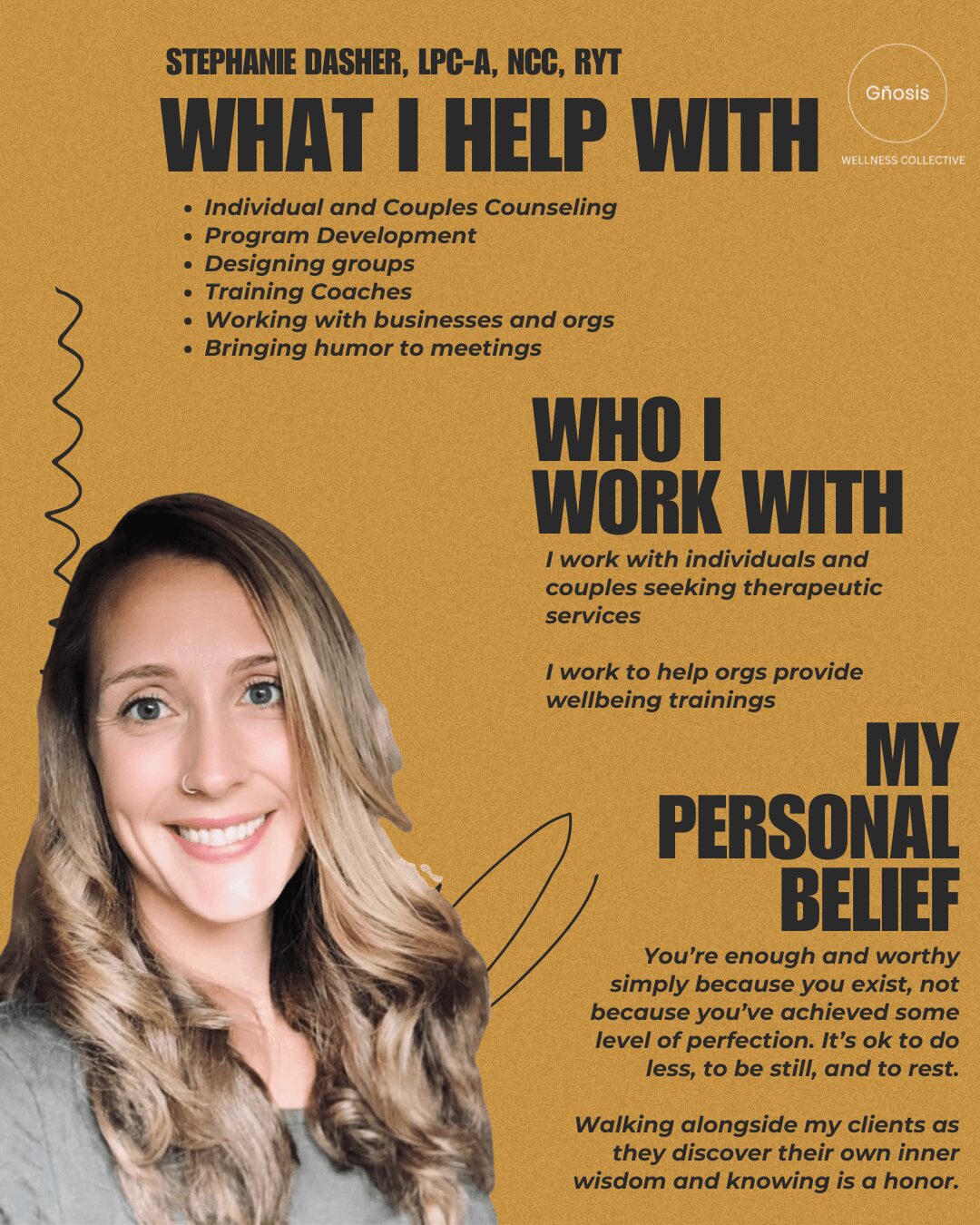
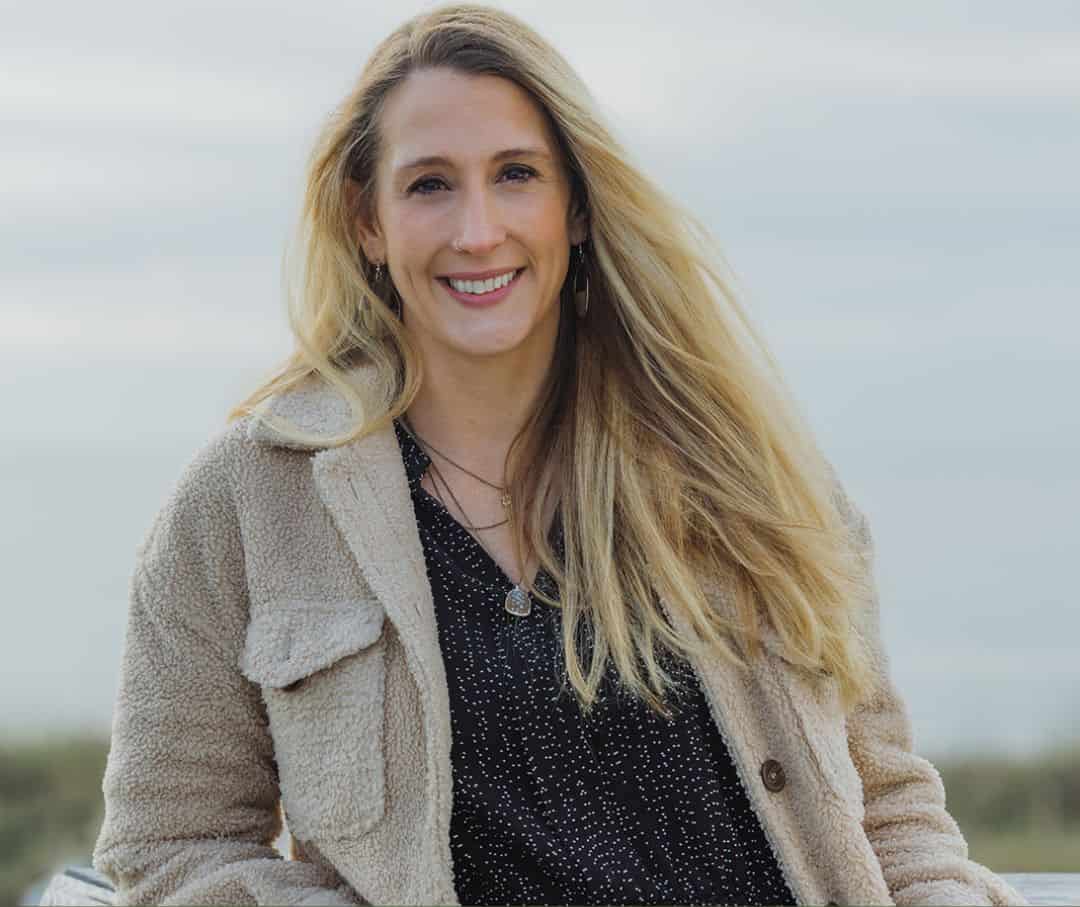
Today we’d like to introduce you to Stephanie Dasher, LPC-A, NCC, RYT.
Hi Stephanie, it’s an honor to have you on the platform. Thanks for taking the time to share your story with us – to start maybe you can share some of your backstory with our readers?
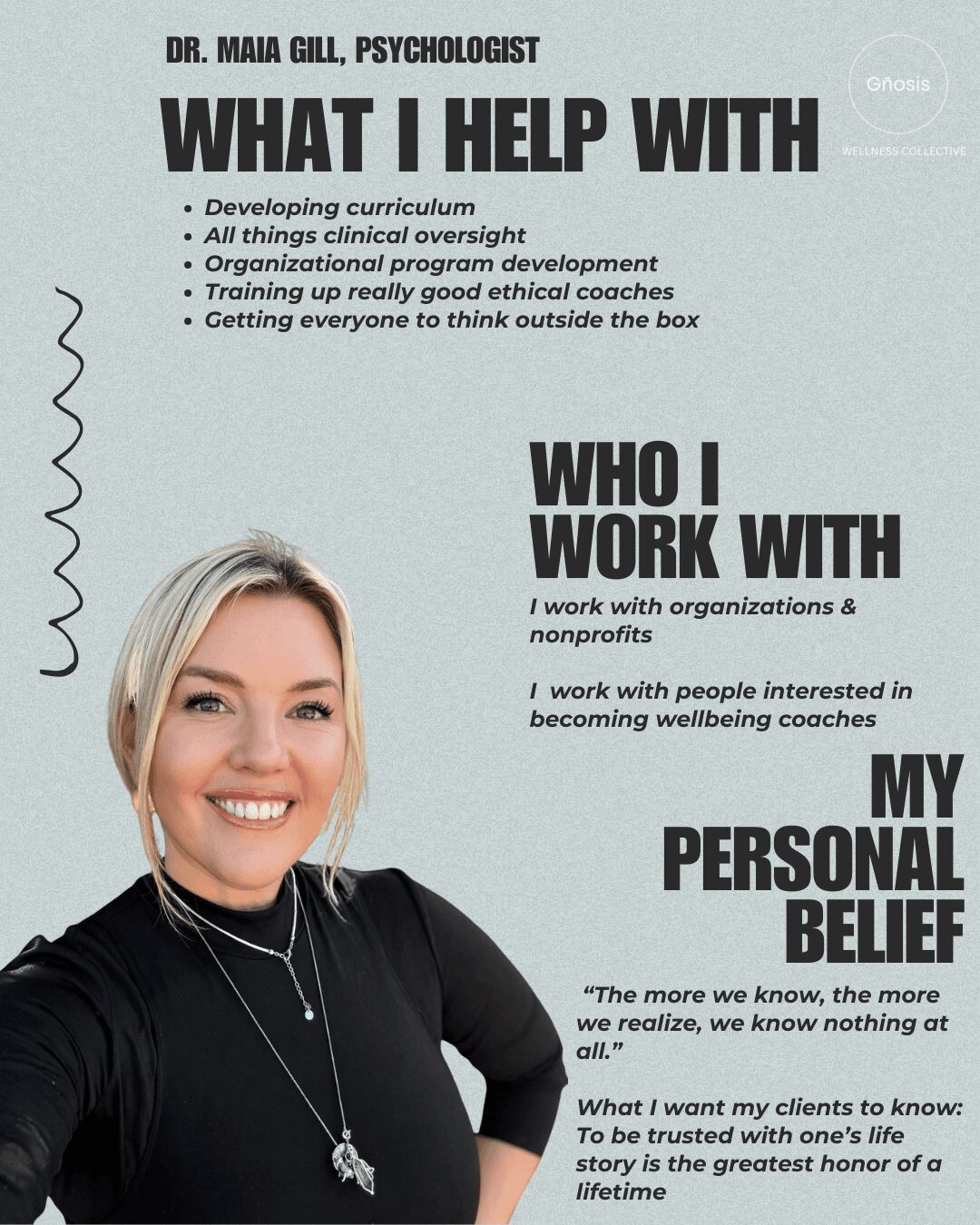
Dr. Maia Gill and I began our collaboration in 2018 through Warrior Surf Foundation, where I served as Director of Operations and later as Executive Director. Together, we implemented the ADAPT™ (Gill, 2009-2026) program, a model Maia originally developed for culturally diverse populations, particularly individuals immigrating to the United States who faced cultural barriers to accessing mental health care, on top of navigating high levels of systemic loss. ADAPT™ works by centering on the client’s cultural experience, as the “glue” for making purpose interventions “stick” in a real-world setting. Participants are encouraged to transform ADAPT wellbeing skills to fit within one’s weekly and daily rituals. This “influence your own adventure” approach to using science based – lifelong skills can empower people to find a sense of belonging within a healing ecosystem. Clients learn how to prioritize important areas in life, to skillfully shift from exploration to engagement as life’s obstacles and paths unveil overtime.
For Veterans, this was a natural fit. Veterans often encounter unique social and cultural challenges when seeking mental health support, including stigma, deeply held beliefs, and cultural norms, which can all stand in the way. ADAPT™ also pairs experiential activities with evidence-based interventions, helping clients embody the skills they learn rather than understand them intellectually. At Warrior Surf, that translated beautifully alongside our surf therapy program, which uses surfing to cultivate mastery, direction, and purpose.
Over several years, we witnessed Veterans experiencing life-changing and, in some cases, life-saving results. But we also began receiving requests from other community groups seeking access to similar services. Because Warrior Surf’s mission is focused specifically on the physical and emotional well-being of Veterans and their families, we had to decline.
Those invitations stayed with us. So did the lessons we were still absorbing from our work beyond Warrior Surf. Maia had spent years taking significant life events, such as witnessing the aftermath of a suicide bombing in Israel – and wanting to melt away the “Us versus Them” humanistic dynamic. Where after tragedy, a societal “great divide” was present; Where once Palestinians and Jews were interacting daily in the same spaces – now stood closed circles with doors shut. She looked to Evolutionary Psychology and Applied Anthropology for answers and found how creating an environment where feuding groups can interreact together on the same team – with a shared purpose, can reduce bias and create new bonds; flipping “‘Us versus Them” to “We”. She brought this purpose into practice – developing innovative interventions that add well-being factors into life for her clients – treating both clinical symptoms and improvement in psychosocial benefits. After working 17+ years in the healthcare field as a Clinical Psychologist, she specialized in trauma therapies for Veterans navigating PTSD, moral injury, and the particular kind of disconnection that can follow service work – that deepened her understanding of how cultures, identities, and having meaningful relationships can shape whether people can access healing at all. My path was equally personal: raised by a Veteran and married to one, I spent six years at Warrior Surf growing from Director of Operations to Executive Director, eventually speaking at TEDx Charleston and presenting alongside Maia at Columbia University on the power of experiential, community-based care.
What both of those experiences kept teaching us was the same thing: culture, environment, and community either open people up or shut them down. And if you want to reach people, any people, you have to meet them in their world – knowing they are their own expert. We are guides beside as clients point the flashlight to lead the way. That realization didn’t just apply to Veterans. It applied to everyone. And that’s what ultimately pointed us toward something bigger.
That insight is at the heart of everything we do at Gnōsis.
Over time, these experiences shaped a shared vision: to bring these same transformative opportunities to the broader public. That vision became Gnōsis Wellness Collective.
The name itself reflects our philosophy. Gnōsis is a Greek word meaning profound, intuitive inner knowing, the kind of understanding that goes beyond facts or intellectual knowledge. It speaks to something we believe deeply: that the wisdom people need to heal and grow is already within them. Our role is to help them access it.
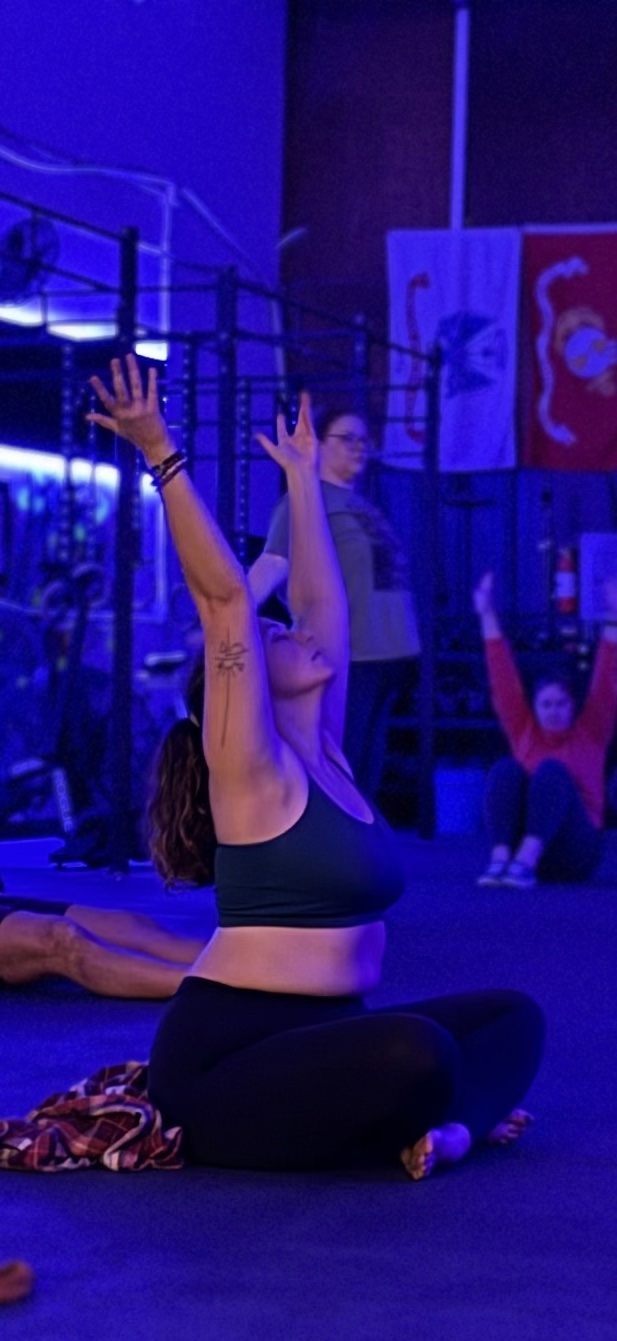
Together, Maia and I bring complementary lenses to that work. As a Clinical Psychologist, Maia grounds our approach in evidence-based frameworks, including evolutionary psychology, positive psychology, and purpose-driven research. As a Certified Integrative Somatic Trauma Therapy Practitioner and 200-hour yoga teacher, I focus on how the mind, nervous system, breath, and body are constantly in conversation, and how inviting all of them into the healing process creates more lasting change. That partnership gave rise to our ADAPT & Attune coaching curriculum, which weaves together evidence-informed skill-building with somatic, embodied practice.
Today, Gnōsis serves individuals, groups, and organizations across Charleston, South Carolina, and beyond, offering counseling, coaching, yoga, breathwork, and corporate wellness and leadership programs. Whether someone is navigating a life transition, burnout, relationship strain, or simply feeling stuck, we meet them where they are and invite them to reconnect with the wisdom that was always there.
Alright, so let’s dig a little deeper into the story – has it been an easy path overall and if not, what were the challenges you’ve had to overcome?
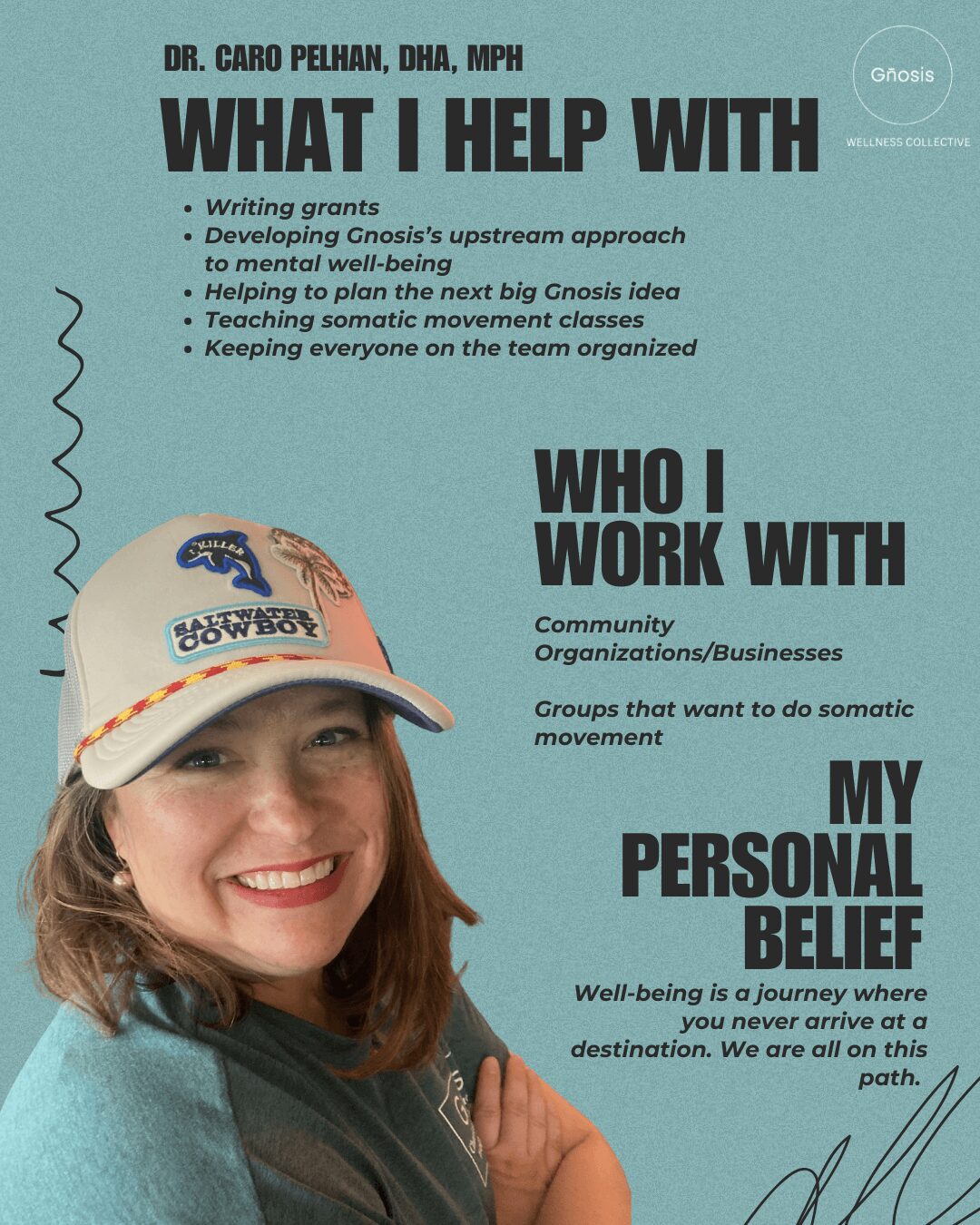
Gnōsis Wellness Collective is working to change the way our community thinks about mental health. One of our biggest challenges is that traditional mental health service is still seen as something people turn to only in moments of crisis. That stigma can make seeking support feel uninviting or even intimidating. It’s for this reason that we focus on upstream mental health: Helping people build resilience, emotional health skills, and well-being long before stress or trauma takes hold. Reaching people early requires a shift in public understanding and that’s a hurdle we’re actively working to overcome.
Another challenge is that our team is made up of therapists, coaches, and scientists, not marketers or MBA’s. We hold ourselves to exceptionally high ethical and research standards as we develop and test our own programs. That level of care takes time. We spent years piloting our approach before Gnosis ever opened its doors. The pilot study of that work showed clinically significant improvements in participants psychological well-being and reduction of clinical symptoms. These are the kind of results that matter to us and inform everything we build. While we are experts in human behavior and healing learning how to promote our work in a way that feels authentic, accessible, and community-centered is an ongoing effort. Even so, our commitment remains the same to offer evidence-informed compassionate support that helps people thrive in daily living, not just survive their lived experiences.
Then there’s the financial reality. We’ve never wanted Gnosis to be something only certain people could afford but figuring out how to keep the doors open to everyone is something we work on every single day. We use the Green Bottle method — a sliding scale approach developed by Alex J. Cunningfolk. It is built on a simple idea: those who have more contribute more, so that those with less can still access care. For us, it’s less of a pricing strategy and more of a values statement. Healing is for everyone; it shouldn’t be a luxury. That’s the challenge we wake up to every day – and honestly, it’s also what keeps us deeply motivated.
Great, so let’s talk business. Can you tell our readers more about what you do and what you think sets you apart from others?
Gnōsis (pronounced “know-sis,”) is a Greek word for deep, intuitive inner knowing. Gnōsis Wellness Collective is Charleston’s integrative counseling and coaching collective. We offer licensed counseling alongside coaching, movement, and community programming because we believe healing happens on multiple levels, and people deserve support that meets them at all of those levels.
At the heart of what we do is a simple belief: the mind, nervous system, breath, and body are constantly in conversation, and real healing invites all of them into the process. Our work is trauma-informed, evidence-based, and deeply human. We offer somatic and trauma-informed counseling, life and leadership coaching, yoga, breathwork, community groups, and organizational programs for teams and leaders, as well as coaching training, and we bring the same level of rigor and care to all of it.
What makes Gnōsis different is how we work. If you’ve felt misplaced, misunderstood, or like the support available to you was designed for someone else, you will find a place here. We don’t ask people to fit a mold. We meet them where they are, adapt to their needs, and trust that the wisdom to move forward is already within them.
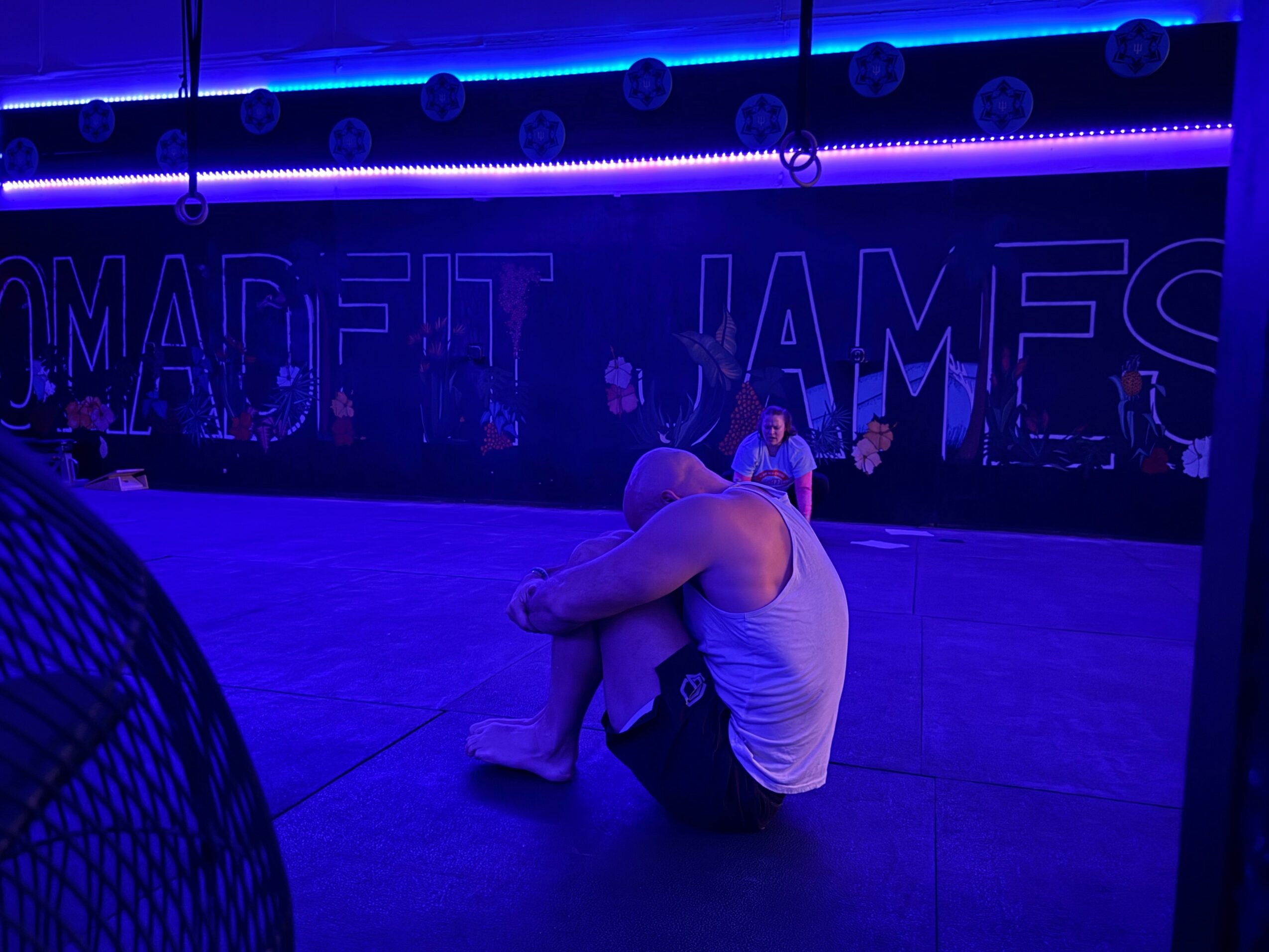
We’re most proud of the community we’re building, one where healing feels accessible, not intimidating, and where people leave with tools they can actually use in their everyday lives. For example, folks can find like-minded people by joining us at The Rickhouse at Canon Distillery on the 1st and 3rd Thursdays of the month for Thankful Thursdays, 4:30-6:00 PM, or by joining our Somatic Movement classes.
Whether someone is looking for one-on-one clinical support, a community group, or an organizational wellness program, there’s a place for them at Gnōsis. You can learn more and book a consultation at gnosiswellnessco.com.
That’s what we’re here to help people find: the wisdom that was already within them all along.
In terms of your work and the industry, what are some of the changes you are expecting to see over the next five to ten years?
Over the next decade, we believe mental health will shift away from crisis response and toward prevention, resilience, and whole‑person care. Gnosis hopes to help lead that change. In the near term, we plan to expand our somatic movement offerings, providing people with practical tools to reconnect with their bodies, build nervous system resilience, and stay grounded in daily life. Within the broader wellness community, we envision deeper collaboration with acupuncturists, massage therapists, functional medicine practitioners, and other holistic providers, ideally within shared spaces that make care more coordinated and accessible.
Looking further ahead, we envision a three‑part future that brings upstream mental health into the corporate workforce, higher education, and whole‑health care. As burnout, turnover, and disengagement continue to rise, we see a growing need for programs that support employees before they reach a breaking point. Our team is developing research‑based, scalable models that can be integrated into onboarding, leadership development, and ongoing professional support, helping organizations strengthen culture, retention, and overall well‑being.
We also expect upstream mental health to become a key part of workforce development at the state and national levels, especially in sectors facing chronic staffing shortages and high stress. In higher education, we hope to expand programs that support nontraditional and minority students, who often face unique barriers and higher attrition rates.
As the field evolves, our goal remains simple: to help build healthier, more resilient communities by offering support long before people reach crisis.
Contact Info:
- Website: https://www.gnosiswellnessco.com
- Instagram: https://www.instagram.com/gnosiswellnessco
- Facebook: https://www.facebook.com/profile.php?id=61584544992320
- LinkedIn: https://www.linkedin.com/in/stephaniedasher12345/