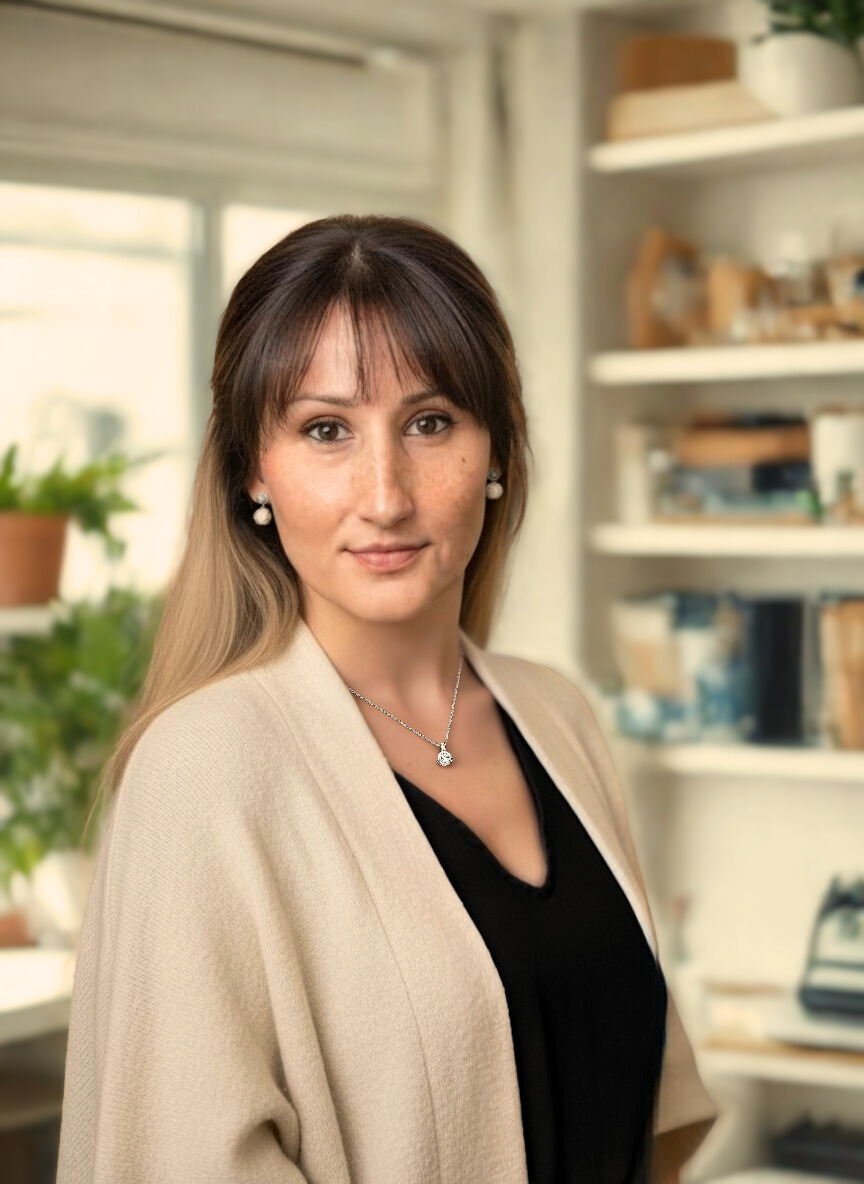
Today we’d like to introduce you to Jennifer French.
Hi Jennifer , we’d love for you to start by introducing yourself.
My story really starts in those uncomfortably comfortable places, the ones you don’t always have language for yet, but you know you’re living in them.
Growing up, I was navigating undiagnosed ADHD, and a lot of my world was spent observing, reading, and trying to piece together how to be in a relationship with others. I didn’t quite fit, and I didn’t understand why. We moved a lot, and alongside that, I was quietly trying to manage my own mental health. I learned early how to adapt, how to watch, and how to push through even when things didn’t fully make sense.
That pattern followed me into my early career. I started as a correctional officer in Colorado, thinking I wanted to help people through the criminal justice system. And I did, but what I found myself drawn to wasn’t just what people were doing, it was why. Why these patterns? Why these behaviors? What’s underneath all of this that we don’t talk about? Spending close to a decade there really put me face-to-face with the parts of people and systems that are often easier to avoid. Trauma, addiction, family dynamics, survival patterns… the things that live in those harder, more uncomfortable conversations. And instead of turning away, I got more curious. I started studying addiction, and that eventually led me into marriage and family therapy. At the same time, I was raising three kids who, like me, were navigating their own neurodivergent experiences. So I wasn’t just learning this academically; I was living it. The overstimulation, the mis-attunements, the repair, the growth. All of it. And if I’m honest, there were plenty of moments where I had to face my own patterns overextending, overpromising, trying to make things work in ways that weren’t sustainable. Those uncomfortably comfortable places again. The ones where awareness is there, but change takes intention, accountability, and small, consistent shifts. That’s really shaped who I am today, both personally and professionally.
My work now is rooted in helping people gently move toward those same spaces— the ones that feel familiar but aren’t always serving them. Whether it’s teens, adults, couples, or families, especially those navigating ADHD, autism, and looking to grow and change, I’m passionate about helping people understand their patterns without shame and then figure out what it looks like to do something different.
When my family and I moved to South Carolina, it felt like a landing point. I feel really connected to the need for more open, honest conversations around the things we often avoid: neurodivergence, relational struggles, parenting challenges, and the everyday realities that don’t always get talked about. Beyond the therapy room, I care deeply about creating space in the community for education, for connection, and for people to feel less alone in the harder parts of their story. Because at the end of the day, my work— and really my story— is about learning how to sit in those uncomfortably comfortable places… and helping others do the same, with a little more support, awareness, and compassion.
Alright, so let’s dig a little deeper into the story – has it been an easy path overall and if not, what were the challenges you’ve had to overcome?
I firmly believe that this is the most crucial aspect of my story— the parts that aren’t always easy to express but hold immense significance. There wasn’t a clear roadmap, and much of what I learned came from independently navigating challenges. I constantly battled the feeling that I could achieve more than what my templates and world were offering me. To make matters worse, I had undiagnosed ADHD, frequently moved, and was trying to understand my own mental health. Consequently, I spent a significant portion of my early life in survival mode, constantly figuring things out as I went along.
I vividly recall making a decision during one of those uncomfortably comfortable moments when I resolved not to become another statistic. Especially as a minority, a neurodivergent individual, and surrounded by narratives that dictated this was how my story was supposed to unfold, those patterns felt familiar. However, I knew I wanted something different, even if I didn’t fully comprehend how to achieve it yet. And it wasn’t easy.
When I started my bachelor’s degree, I knew I was capable though I knew it was going to come with challenges. I was looking up every other word at first, trying to keep up, questioning if I truly belonged there. There were many moments when it would have been easier to stop, to believe what people said I couldn’t do. But I didn’t. I kept going one step at a time, even when it was uncomfortable, even when it felt slow. That’s been a recurring theme in my life—walking straight into the places that feel both familiar and challenging, and choosing to stay with it long enough to create something different. Over time, that persistence turned into something I’m truly proud of. I graduated with distinction and honors and made my mark in the field, but more than that, I built a life that didn’t exist in the examples I was given growing up. I know what it’s like to want something different and not have a clear path. And I also know that change doesn’t happen all at once; it happens in small, consistent steps, in those moments where you choose something different even when it’s hard. If my story does anything, I hope it shows that even when those patterns and places feel familiar, when they feel like where you’re supposed to stay, it’s still possible to move forward. Not perfectly, not easily. But one step at a time… and that can take you further than you ever thought possible.
Thanks for sharing that. So, maybe next you can tell us a bit more about your business?
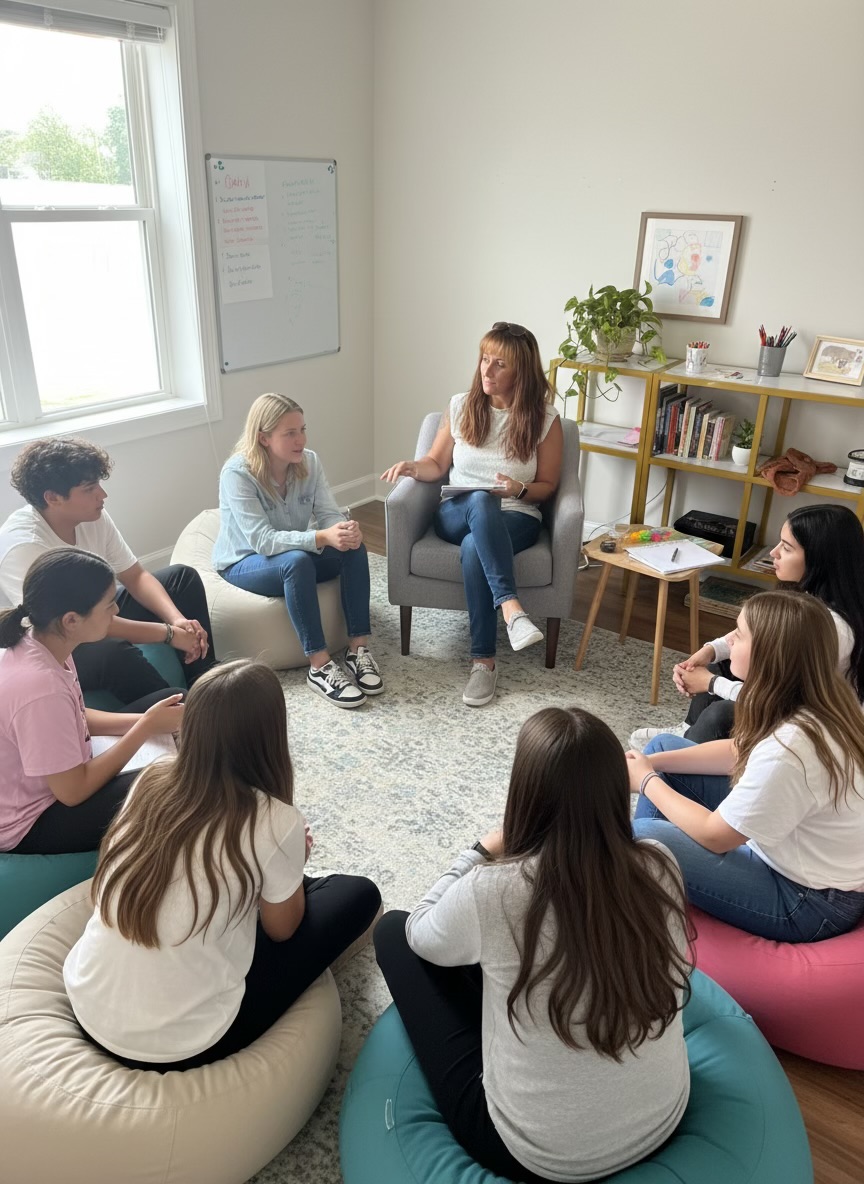
The heart of my practice, Uncomfortably Comfy Couch, really comes from my story. And I know what it takes to choose something different no matter how hard it is. I see that in my clients. At Uncomfortably Comfy Couch LLC, what I’m known for, and what truly sets my work apart is my willingness to go into the conversations that people often avoid. The hard topics. The patterns that feel stuck. The parts of ourselves we’ve learned to protect or hide. I don’t believe in surface-level work, because real change doesn’t happen there. It happens when we can gently step into those familiar but uncomfortable spaces and start doing something different with support, not shame.
My approach is deeply relational, experiential, and grounded in real life. I’m not just teaching skills; I’m helping people understand how their patterns show up in their relationships, their parenting, and their day-to-day lives, and then walking alongside them as they begin to shift those patterns in ways that are actually sustainable. What I’m most proud of is that this space is real. It’s not curated to look perfect; it’s built to feel safe enough to be honest and even a little messy. Whether it’s in the therapy room or through the content I share on social media, blogs, and community education, my goal is to make information accessible, relatable, and usable. I want people to see themselves in the work and feel less alone in what they’re navigating.
And this is just the beginning. I have a clear vision for expanding Uncomfortably Comfy Couch LLC. I intend to recruit more clinicians and provide interns with opportunities to learn and grow in an environment that values authenticity and is not afraid to address challenging topics. I recently completed my AAMFT-approved supervisor training, which has equipped me with the ability to grow for the community. Additionally, I plan to continue building a community where individuals feel supported not only during sessions but also beyond them. My goal is to assist teachers, schools, and the community in having diverse discussions about mental health and exploring the various brain types to identify strengths in each person, regardless of their wiring.
I firmly believe that we are constantly growing, and how we do that is by learning and embracing places that no longer serve us, whether they are protective, habitual, communicative, or patterned behaviors that keep us living a comfortable life. By pushing those limits, we can expand to be our best selves. For me, this work has never just been about what happens on the couch. It’s about creating connections, increasing understanding, and offering people a different way forward, even when it starts in those uncomfortably comfortable places.
Risk taking is a topic that people have widely differing views on – we’d love to hear your thoughts.
When I think about risk, I don’t think about big, dramatic leaps. I think about the quieter moments when something feels familiar but no longer works, and you make the choice to do something different anyway. To me, that’s where risk really lives. Not in change itself, but in the willingness to step out of what’s known, even when it’s uncomfortable.
There was a point in my life where I was sitting with a reality that came with a lot of expectations about how my story was “supposed” to go. I remember asking myself, “What do I do with this?” That question became an anchor for me. It shifted my perspective from feeling defined by circumstances to becoming curious about them. Instead of asking “Why is this happening?” I started asking, “What can I learn from this?” and “What can I build from here?”
That mindset really carried me when I went back to school. I believed in my potential, but I also had to face the reality that I was behind in some ways. I was looking up words constantly, trying to keep up, and there were moments I questioned whether I belonged in those spaces. It was uncomfortable, and at times discouraging. But I stayed with it. And what I learned wasn’t just academic; it was how to tolerate discomfort, how to keep showing up when things feel uncertain, and how growth often looks messy before it becomes meaningful.
Later, making the shift from criminal justice into therapy was another moment of intentional risk. I had already built a foundation in one field, and choosing a new direction meant stepping into the unknown again. But there was a pull I couldn’t ignore: a deeper curiosity about people, about behavior, about the layers underneath what we see on the surface. So I followed that same question: What is this here to teach me?
Over time, I’ve come to understand that risk isn’t always something we choose in a clear or empowered way. Sometimes it comes from a lack of options, support, or guidance. And sometimes, those experiences are painful. We all make choices that don’t work out. We all have moments where we fall. But what matters is what we do with those moments. Do we avoid them, repeat them, or take the time to reflect on them?
That reflection, that gentle, honest attention to our experiences, is where growth actually happens.
So now, both in my life and in my work, I see risk as intent.
Contact Info:
- Website: https://uncomfortablycomfy.com/
- Instagram: https://www.instagram.com/uncomfortablycomfycouch/
- Facebook: https://www.facebook.com/UncomfortablyComfy/