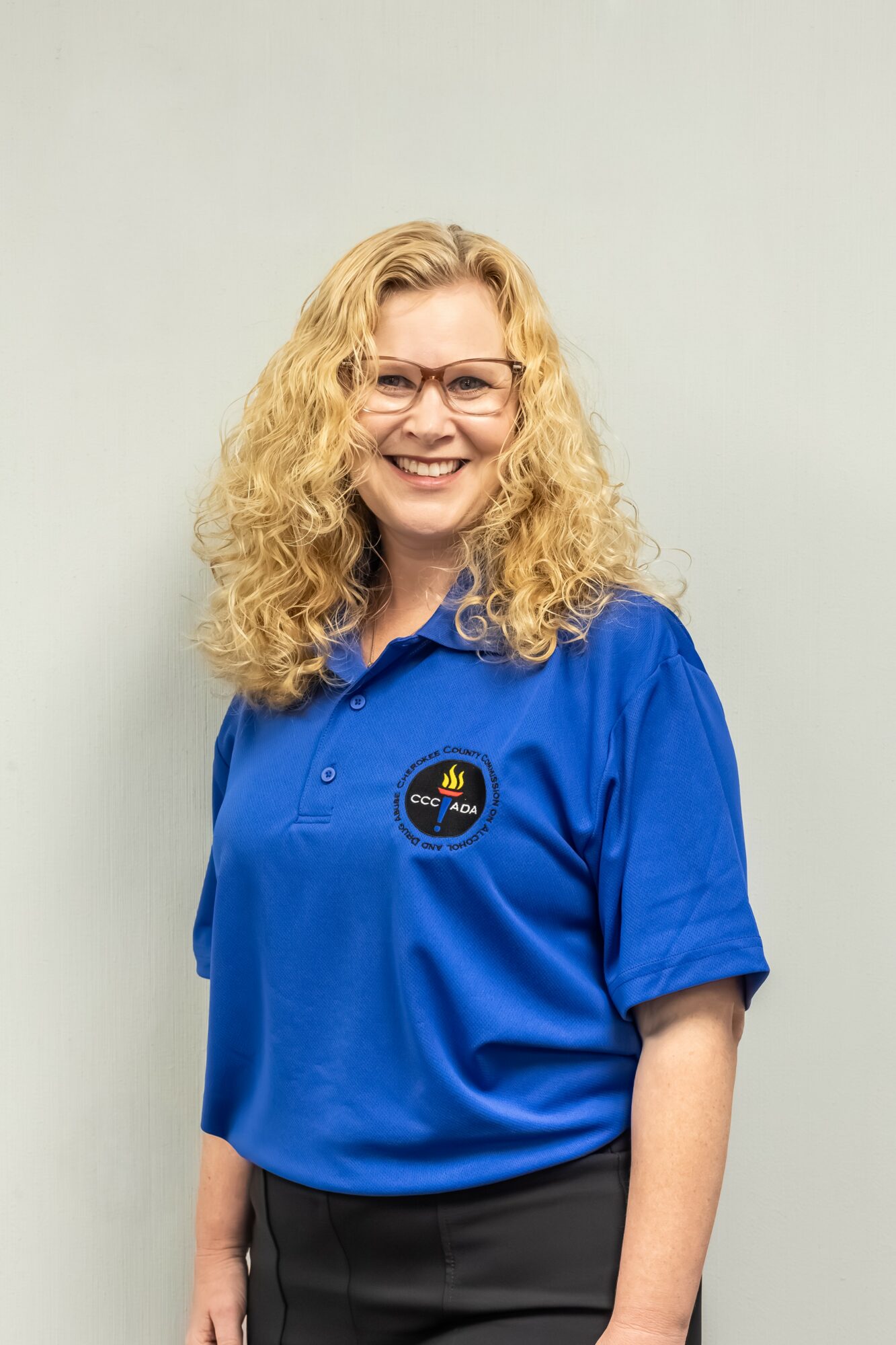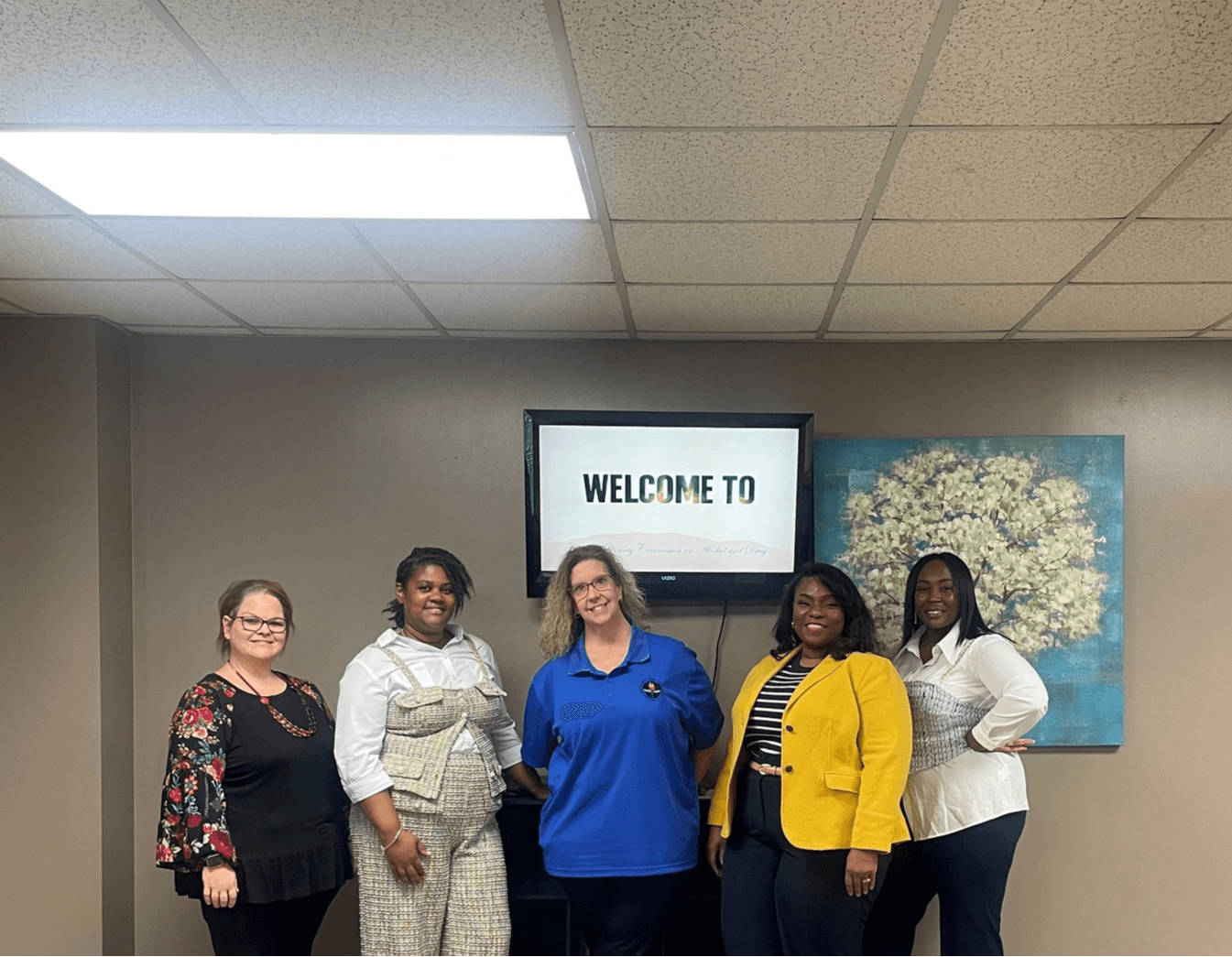
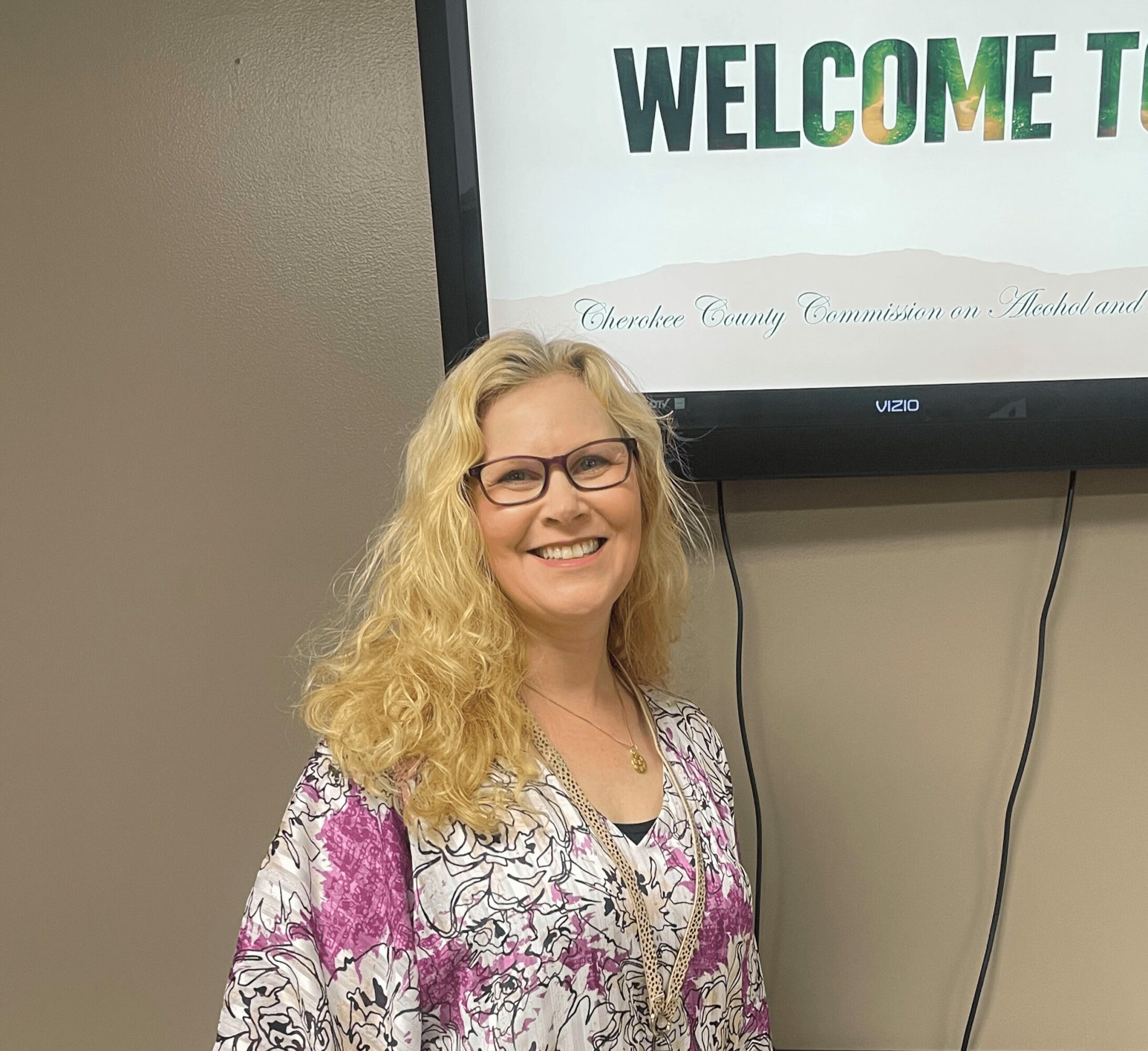
Today we’d like to introduce you to Hollinger Stevens.
Hi Hollinger, so excited to have you with us today. What can you tell us about your story?
Growing up, I always knew it was God’s will for me to help people. In December of 2002, I began working with the Department of Social Services in Cherokee County in Child Protective Services diversion. For almost twenty years, I saw firsthand how trauma, substance use, and mental health challenges don’t just affect one person — they affect families, friends, and really the entire community.
In September of 2022, I made the decision to transition into a clinical counselor role with Cherokee County Alcohol and Drug so I could work one-on-one with individuals struggling with substance use. That role gave me a very different perspective. People often felt more comfortable opening up to me as a counselor than they had in my role at DSS, and I was able to see recovery through a more personal lens.
In December of 2025, when the Executive Director of CCCADA announced her retirement, I felt called to step into that role because I wanted to make an even greater impact. From my years at DSS, I knew how critical strong community partnerships are. As Director, I’ve had the opportunity to re-engage with partners I’ve worked with for years and build new relationships as well.
I truly believe it’s not one organization that makes a difference, but an entire community working together. My role now allows me to be part of that bigger picture. I’m also passionate about changing the narrative around recovery — there should be no shame in getting help. Recovery is strength, and I’m grateful to be in a position where I can help strengthen programs and support people on that journey.
Would you say it’s been a smooth road, and if not what are some of the biggest challenges you’ve faced along the way?
One of the biggest struggles has been balancing limited resources and funding with the growing needs in the community. We’re often working within very tight budgets while trying to expand or strengthen services, and there’s always more we want to do. Sometimes progress takes longer than you’d like. Leading through change can be difficult, especially when you’re trying to strengthen programs, meet the needs of the community and support staff at the same time.
Another challenge has been changing perceptions — both around substance use and recovery, and around what effective treatment and prevention should look like. Shifting that culture doesn’t happen overnight. It takes patience, consistency, and ongoing education, but it’s an important part of the work.
As you know, we’re big fans of Cherokee County Commission on Alcohol and Drug Abuse. For our readers who might not be as familiar what can you tell them about the brand?
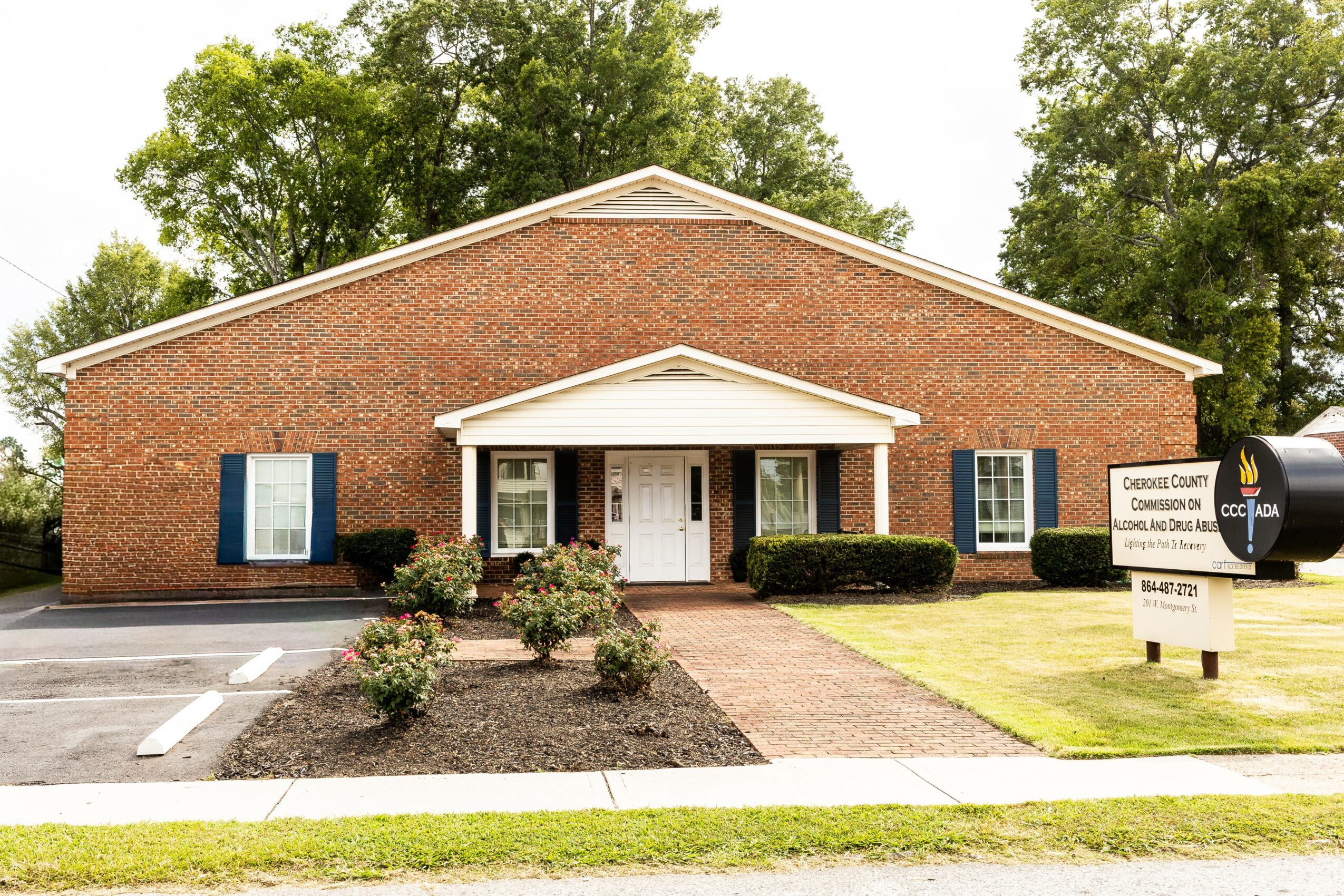
Cherokee County Alcohol and Drug Abuse (CCCADA) is the county-designated provider of substance use prevention, treatment, and recovery support services for Cherokee County and is part of South Carolina’s 301 system established by Act 301 of 1973. Cherokee County Council appoints our board members and provides our facility, while CCCADA operates locally to meet the needs of the community.
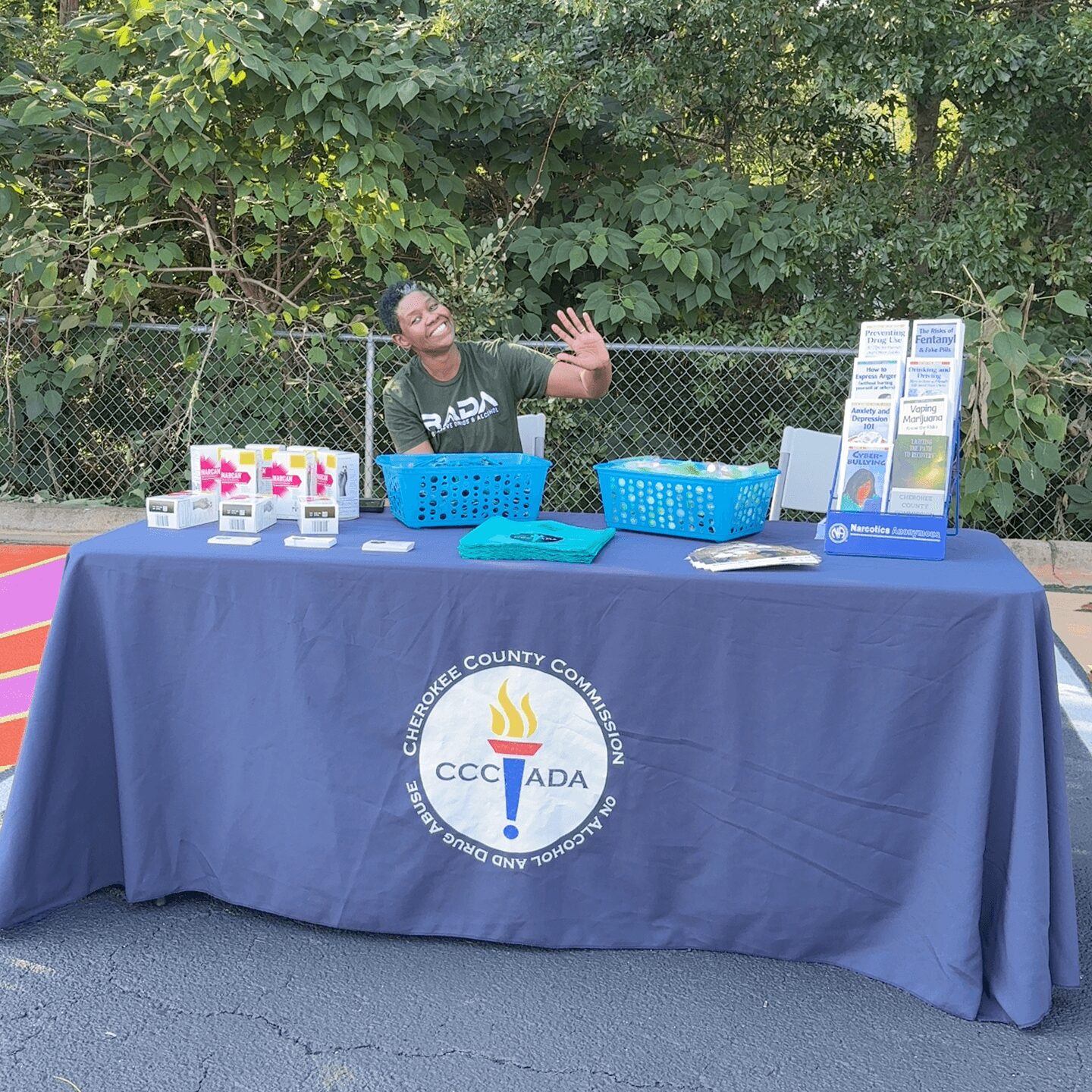
We offer a wide range of services, including prevention programs, outpatient and intensive outpatient treatment, medication-assisted treatment (MAT), recovery support services, gambling counseling, administration of ADSAP for DUI offenders, and anger management and domestic violence classes. Our services are designed to meet people where they are and remove barriers to getting help.
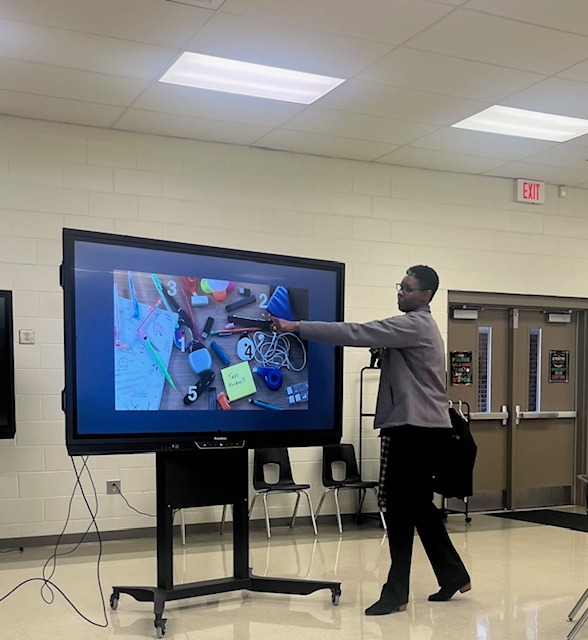
One area I’m especially proud of is our prevention work. Our prevention team is willing to go anywhere they are needed — churches, PTO meetings, college campuses, schools, and community gatherings — to provide education on the substances causing harm in our community. All someone has to do is reach out to Tierney Rollins, and she will make it happen.
I’m also especially proud of our transportation services. Through SCORF funding, we are now able to provide transportation for individuals who would otherwise face barriers getting to treatment at CCCADA. In a county without public transportation, this has allowed us to meet a real need and remove a major obstacle for people seeking help.
What truly sets us apart is our culture. There is no stigma at CCCADA. People are treated with dignity and respect, and recovery is viewed as strength, not failure.
What I want readers to know is that CCCADA is here for the whole community. You don’t have to be in crisis to reach out. Prevention, treatment, accountability, and recovery all matter, and real change happens when the community works together.
Is there anything else you’d like to share with our readers?
I’d like readers to know that this work is deeply rooted in listening. Some of the best progress happens when people feel heard and supported, whether they’re seeking help themselves or trying to support someone they love. Creating space for those conversations is just as important as any program we offer.
Contact Info:
- Website: https://cherokeerecovery.com/
- Facebook: https://www.facebook.com/?react=AQDBewt3F54bkY_KXzk