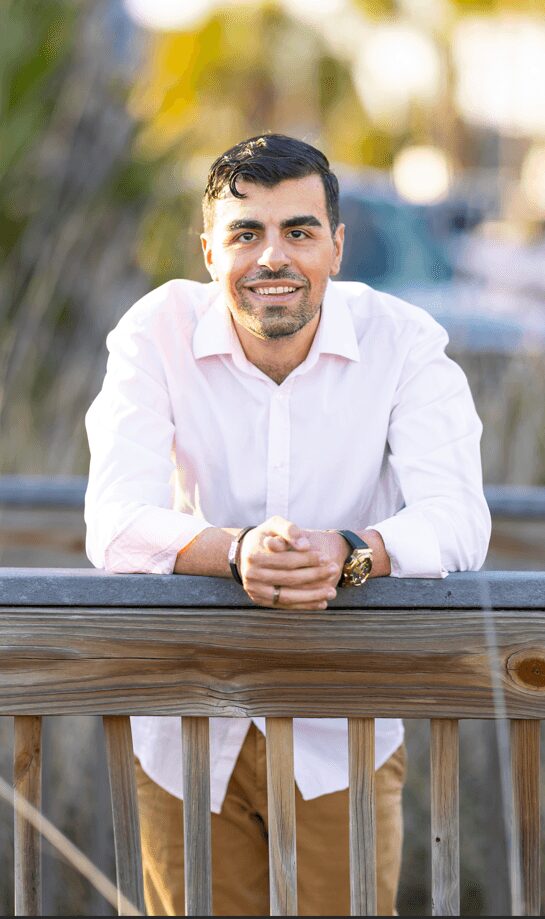
Today we’d like to introduce you to Eden Alon.
Hi Eden, thanks for sharing your story with us. To start, maybe you can tell our readers some of your backstory.
There are many ways I could answer this question. I could talk about my childhood, my time in high school, my obsession with dragons or Indiana Jones, and the struggles I went through in college. All of my decisions have led me to this point in my life. A way I like to start my story is this: I was born and raised in Myrtle Beach, and throughout most of my life I never knew that I was autistic. That lack of knowledge affected how I viewed myself in terms of self-esteem, my social skills, and my understanding that supports existed for me. I struggled with making new friends, and I felt like there was not a group out there that supported me in a way that made me feel comfortable being my true self.
While my family supported me throughout my life and still does today, I felt that what I needed was a group of people I could call my peers, people who wanted to spend time with me. This became easier as I went through a kind of metamorphosis during my years in college, going from being shy to more social. It was also during that time, while I was doing my bachelor’s degree at Coastal Carolina University, that I discovered I was autistic. That changed my whole perspective on how I viewed myself. I became more involved in learning about autism, as well as the issues that we as a community face.
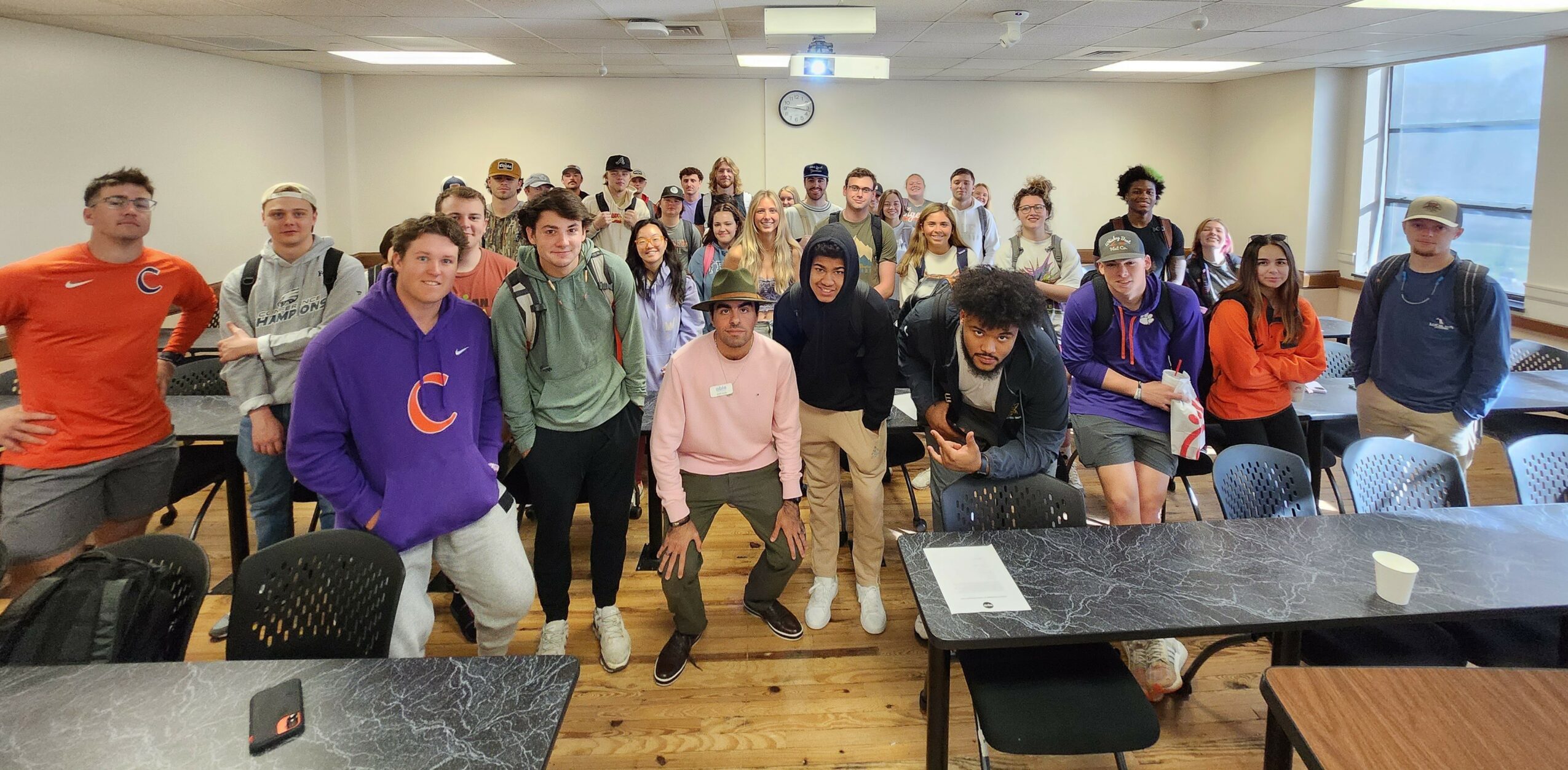
After I finished at Coastal Carolina, I went to Clemson to pursue my master’s in communication. That is when I began to focus more on the broader movement of disability advocacy. My time at Clemson was both the best and the worst of times. It helped me grow as a person, but I also encountered significant hardships. Those hardships did not end after I graduated. I struggled to find a job and get hired. I felt stuck due to being ghosted, interviews that went nowhere, and being told by a hiring manager that there were candidates who were “better” than me. All of that, especially the last part, hurt my self-confidence and my sense of worth.
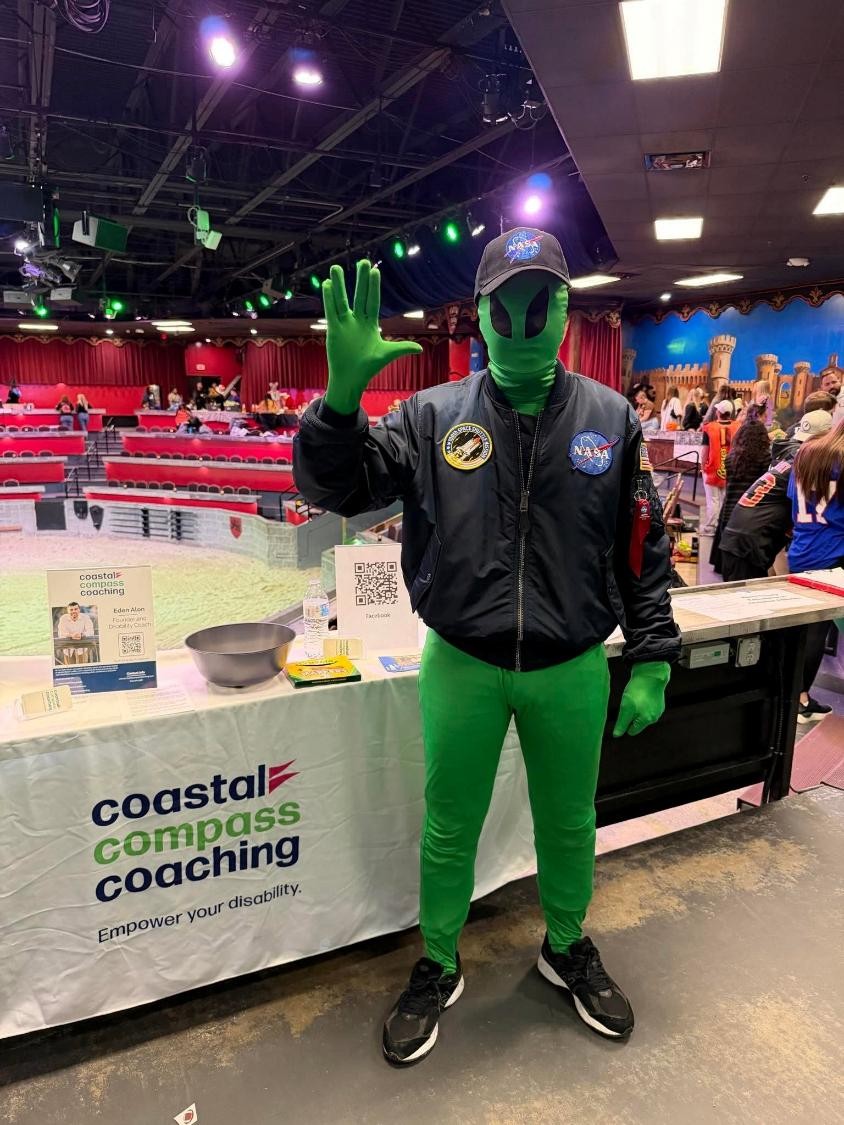
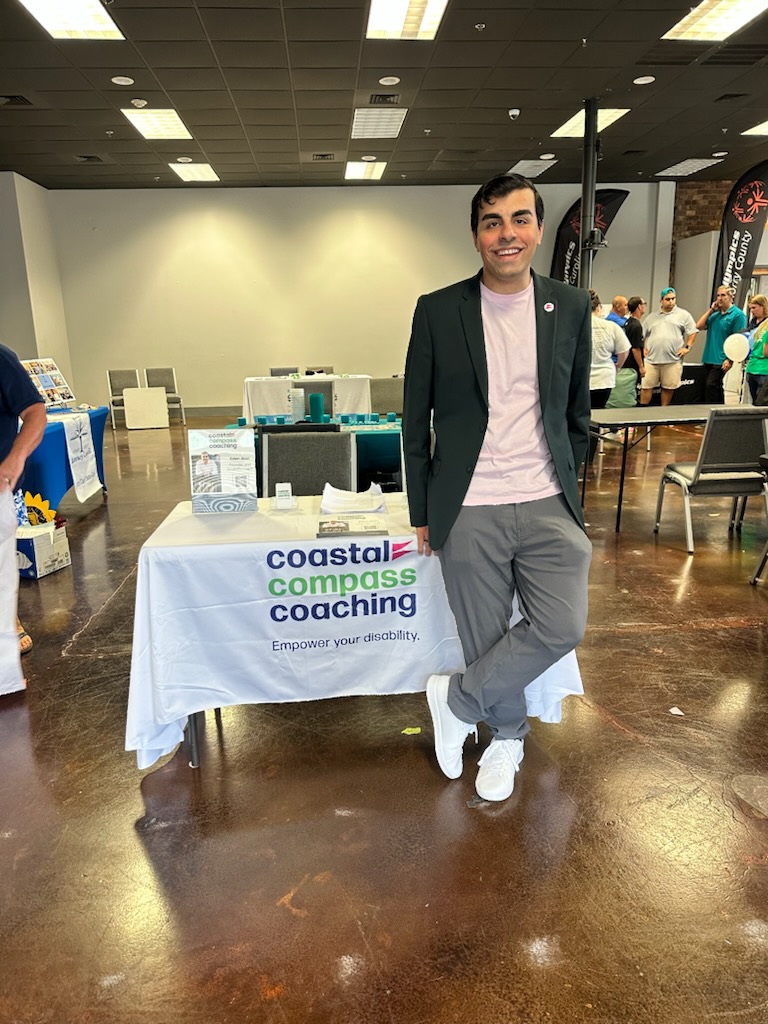
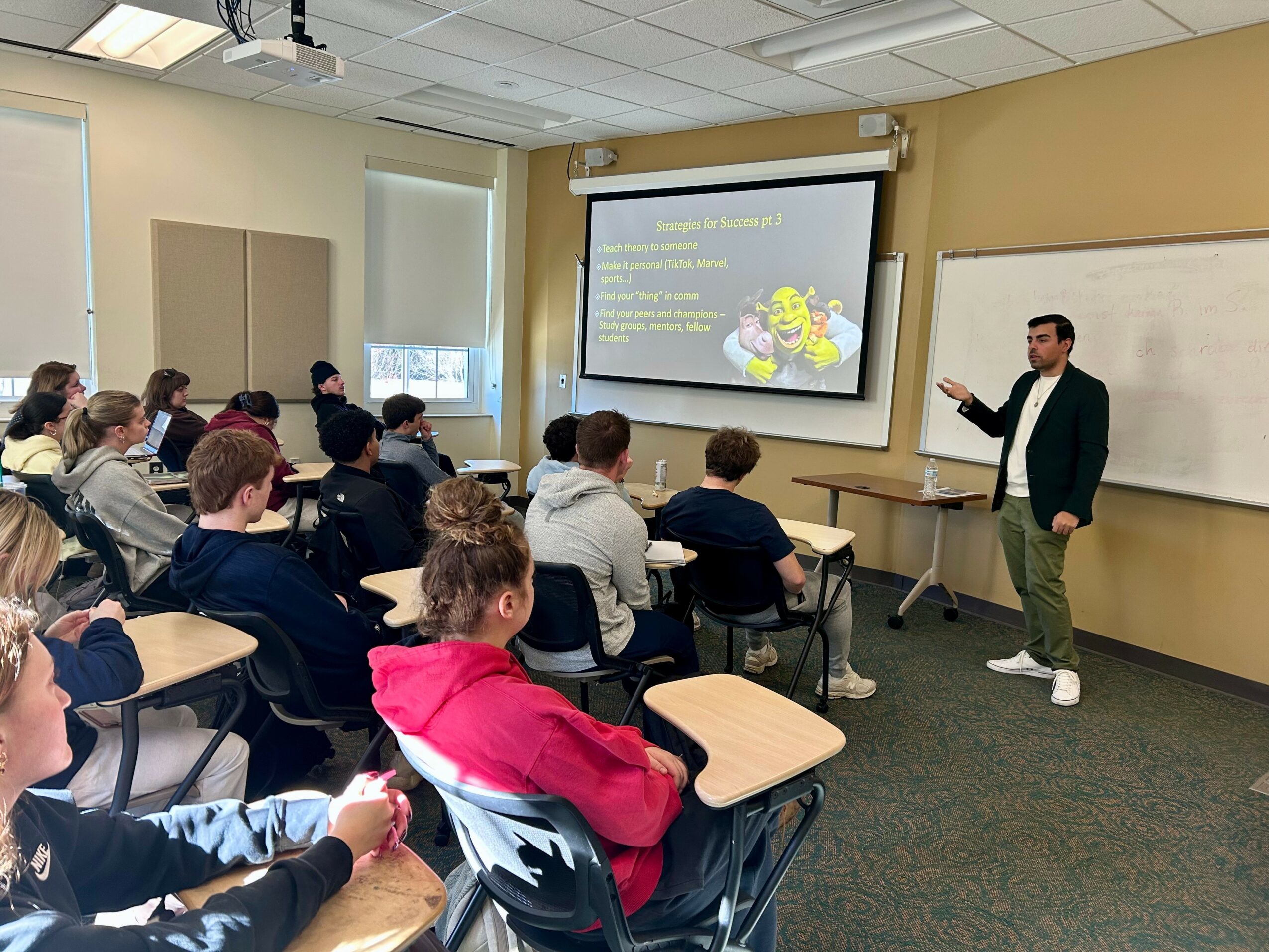
Eventually, I decided I had enough and chose to open my own business, Coastal Compass Coaching. I provide tailored one-on-one support for young adults and teenagers with disabilities in self-advocacy, career readiness, and independent living skills. It is the kind of service I wish I had when I was younger. Today, I work as a coach helping people with disabilities gain confidence in themselves. I am also a speaker, training staff and faculty on disability and how to best support disabled people, and I organize events that encourage social interaction and peer-to-peer connection.
In hindsight, I am glad I have been through many road bumps in my life. Without them, I would not have been pushed to step outside my comfort zone and support peers who have not yet recognized their value. The life you live today is the life you will live tomorrow. I choose to live a life that my younger self would be proud of.
I’m sure it wasn’t obstacle-free, but would you say the journey has been fairly smooth so far?
For my business, the struggles and challenges I’ve experienced are similar to what I went through in college and in life in general. Imposter syndrome, stressing over my future and whether I will succeed, and trying to get out of my comfort zone. That’s the thing about being an entrepreneur. You have to be willing to step outside of what feels comfortable.
There are also times when you meet with people, follow up about your services, and don’t hear back. And there will be moments where you struggle and start wondering if you’re doing something wrong compared to everyone else. I feel like every business owner goes through a period of self-doubt.
I can guarantee you that every business owner who seems to be doing well on the surface has their own share of challenges they are dealing with behind the scenes. Whether that’s trying to hire the right people, working through difficult client situations, or figuring out how to cover their cost of living that month.
Look at it this way, and this took me a while to understand. You are doing a lot better than you were yesterday as long as you keep making progress toward your goals. Don’t give up too easily. It takes persistence and time.
Great, so let’s talk business. Can you tell our readers more about what you do and what you think sets you apart from others?
Coastal Compass Coaching is a service I started to support teens and young adults with disabilities as they figure out their next steps in life. A lot of the people I work with are trying to build confidence, become more independent, and learn how to advocate for themselves in real-world situations like college, work, and relationships.
What I do is a mix of one-on-one coaching and speaking. On the coaching side, I work directly with clients to help them set meaningful goals, improve communication, and navigate challenges in a way that fits who they are. I used a strength-based approach while incorporating the the Independent Living Philosophy. It’s my belief that people with disabilities are the best experts on their needs and I focus on community integration for them. On the speaking side, I partner with schools, counseling centers, and nonprofits to provide workshops and trainings that help teams better understand disability and how to support the people they serve.
What sets me apart is that my work is grounded in both lived experience and professional experience. I don’t just teach concepts. I focus on making things practical, clear, and actually useful in everyday life. I also try to reduce the overwhelm that people often feel by breaking things down in a way that makes sense. I want to provide a type of service that I wish I had access to when I was younger.
Brand-wise, I’m most proud that Coastal Compass Coaching feels real and relatable. At the end of the day, the product I’m offering is me. My services reflect how I show up in my day-to-day life, including the genuine joy I have in being an autistic person.
It’s not about talking at people or making things overly complicated. It’s about meeting people where they are and helping them move forward in a way that feels possible for them.
At the end of the day, what I want people to know is that my work is about helping individuals and organizations feel more confident, more informed, and more prepared to navigate disability in a way that is respectful, practical, and empowering.
Any big plans?
My current future plans are to soon move from Myrtle Beach to Charleston. That’s the first step. I’ve been in Myrtle Beach for most of my life, and I feel like it’s time for a change. You don’t make progress by sitting around doing nothing, as I always say.
Another plan I’m working on right now is hosting a social event for young adults with disabilities. The goal is to create a low-pressure space where people can connect, build friendships, and just show up as themselves. It’s something I’ve been wanting to do for a while, and I’m excited to bring it to life.
The event will take place in April, which is Autism Acceptance Month. I believe it’s important now more than ever that we focus on accepting autistic people as part of everyday life. Autistic people have long been excluded and misrepresented in media, pop culture, and the workplace. We already have awareness of autism. Now it’s time to move beyond that and practice real acceptance.
Contact Info:
- Website: https://www.coastalcompasscoaching.com/
- Facebook: https://www.facebook.com/share/1MoyzZaiyD/
- LinkedIn: https://www.linkedin.com/in/edenalon