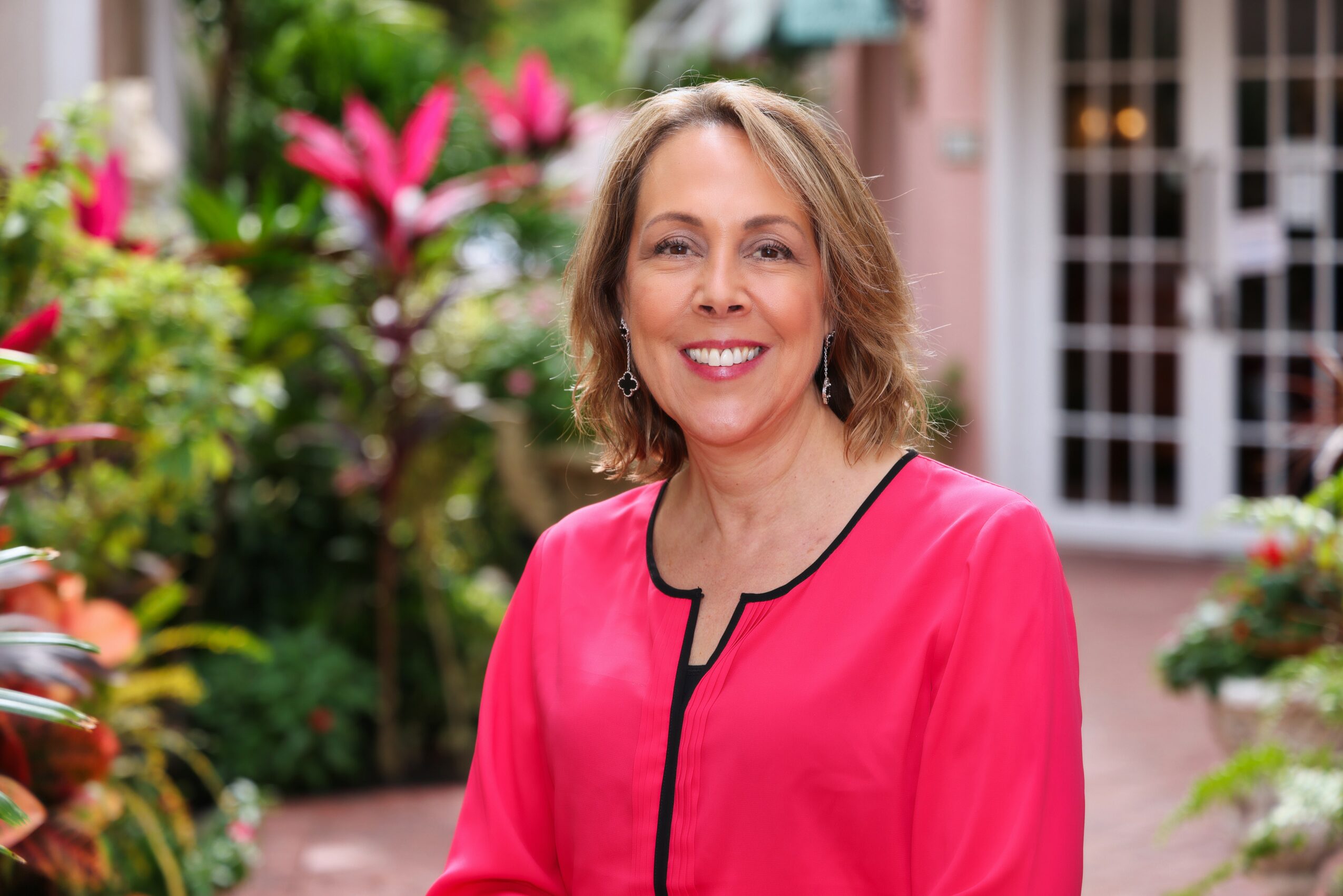
Today we’d like to introduce you to Kim Finger, Ph.D..
Alright, so thank you so much for sharing your story and insight with our readers. To kick things off, can you tell us a bit about how you got started?
My story has really been shaped by one consistent theme: helping people build something better.
I began my career in the ABA field more than two decades ago, and from the beginning, I was drawn not only to the clinical impact of ABA, but also to the systems that make quality care possible. I’ve had the opportunity to serve in leadership roles across the industry, including as COO of Autism Spectrum Therapies and later as COO and CEO of CodeMetro, where we developed the first practice management platforms built specifically for ABA providers.
Over time, I saw the same challenge again and again. There were incredibly talented clinicians who wanted to provide excellent care, but they were often overwhelmed by the business side of running an ABA organization — contracting, billing, compliance, staffing, operations, and growth. I founded ABA Building Blocks to help bridge that gap. Our goal has always been to help ABA providers build strong, ethical, sustainable businesses without losing sight of why they started in the first place: helping children and families thrive.
That mission has now come full circle with The Buddy Center.
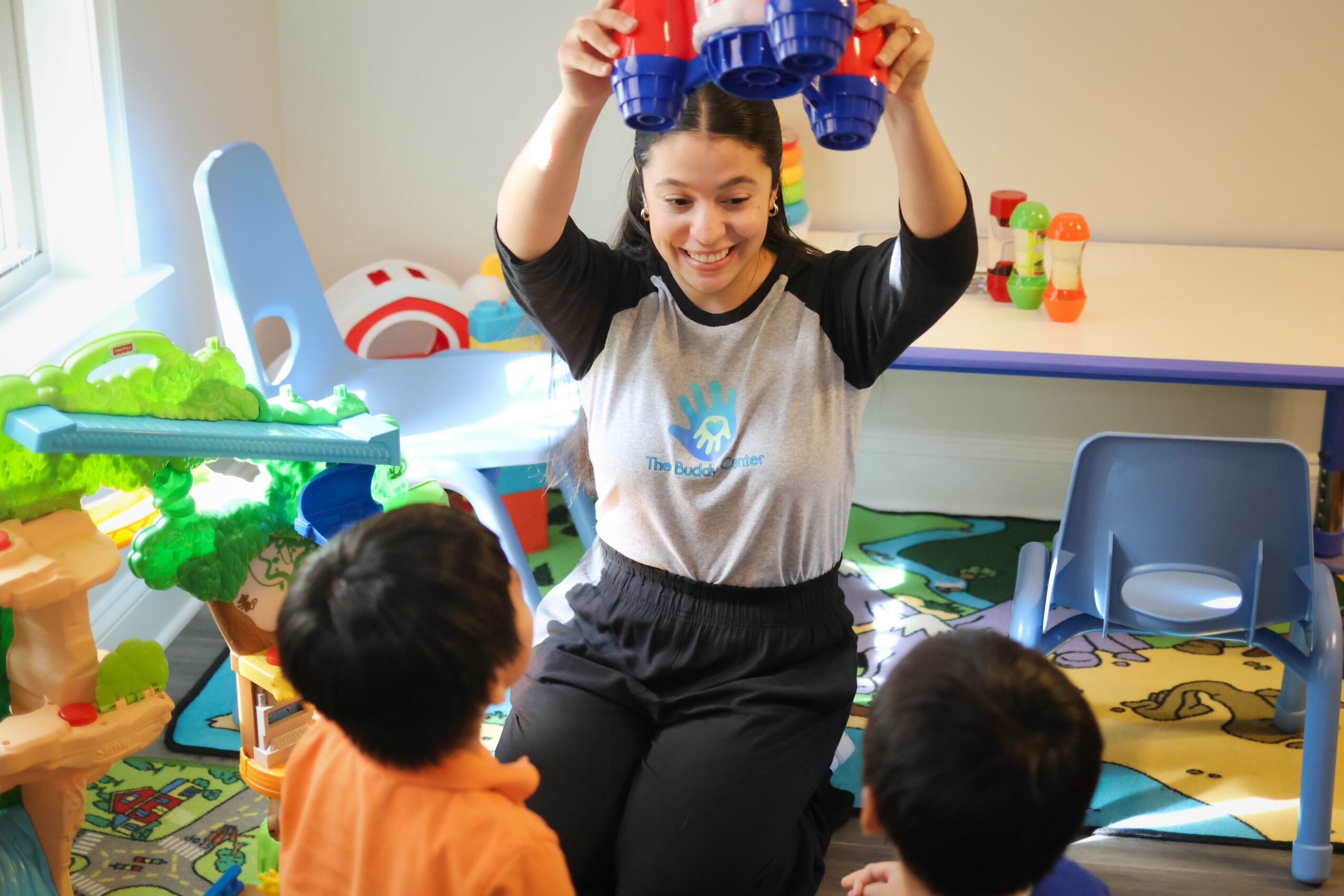
The Buddy Center is deeply personal to me because it represents the kind of ABA environment I believe families and clinicians deserve. We provide services in homes, schools and the community and are thrilled that our Greenville center is opening June 1st. Our mission is to provide compassionate, collaborative, and clinically excellent care to all who need it including children and teens. It is not just about providing therapy hours. It is about building relationships with families, supporting caregivers, collaborating with other professionals, and creating a place where children feel safe, understood, and celebrated.
What excites me most is that The Buddy Center allows us to bring together everything I’ve learned over the years — strong operations, compliance, thoughtful clinical leadership, family-centered care, and a culture where clinicians feel supported. I believe children make the most meaningful progress when the adults around them are aligned, encouraged, and equipped. That includes parents, caregivers, teachers, therapists, and the clinical team.
Opening The Buddy Center in Greenville is also about community. I recently relocated to South Carolina, and I have been inspired by the opportunity to create something that feels both highly professional and deeply local. We want families to walk in and feel that they are not just entering a therapy clinic, but joining a community that sees their child’s strengths, understands their challenges, and walks alongside them.
At this stage of my career, I feel incredibly fortunate to be able to combine experience with purpose. I still love helping ABA business owners succeed through ABA Building Blocks, but The Buddy Center gives me the opportunity to build something from the ground up that reflects the values I care most about: compassion, quality, collaboration, and joy.
If there is one message I would want readers to take away, it is that families deserve care that feels both expert and human. That is what we are building at The Buddy Center.
Can you talk to us a bit about the challenges and lessons you’ve learned along the way. Looking back would you say it’s been easy or smooth in retrospect?
No, it definitely has not always been a smooth road — but I think that is true of most meaningful work.
One of the biggest challenges in this field is that the need for services is so great, but the systems around care can be incredibly complicated. Families are often trying to navigate insurance, diagnoses, waitlists, school systems, and treatment options at a time when they are already overwhelmed. Providers, on the other hand, are trying to deliver high-quality care while also managing staffing, compliance, billing, authorization requirements, and ever-changing payer rules.
I have spent much of my career working in that space between clinical care and business operations, and I have seen how difficult it can be for even the most well-intentioned providers to build sustainable organizations. That is part of what led me to create ABA Building Blocks — to help providers strengthen the business side of their practices so they can stay focused on delivering excellent care.
With The Buddy Center, the challenges have been different but equally real. Opening a new center means making hundreds of decisions before the first family ever walks through the door — finding the right space, building the right team, creating policies and systems, working through insurance contracting, designing a clinic environment, and making sure every choice reflects the kind of care we want to provide.
There have certainly been moments that felt stressful or uncertain. But I also think those challenges have made the mission clearer. Every obstacle has reinforced why we are doing this: families need access to compassionate, high-quality ABA services, and clinicians need an environment where they feel supported, trusted, and able to do their best work.
So, no — it has not been perfectly smooth. But it has been meaningful, and I would not trade that. The bumps along the way have helped shape The Buddy Center into something more thoughtful, more intentional, and more grounded in what families and clinicians truly need.
As you know, we’re big fans of The Buddy Center. For our readers who might not be as familiar what can you tell them about the brand?
The Buddy Center is a warm, family-centered ABA therapy practice serving children and teens with autism in Greenville and the surrounding communities. We provide Applied Behavior Analysis services in a way that is compassionate, collaborative, and highly individualized. Our goal is not simply to provide therapy hours, but to help children build meaningful skills, support caregivers, and create a care team that feels connected and aligned.
We specialize in ABA therapy for children and teens with autism, with a focus on practical, everyday skills that improve quality of life. That may include communication, social skills, emotional regulation, daily living skills, school readiness, independence, and reducing behaviors that may be interfering with learning or family life. Every child is different, so every treatment plan should be different too.
What sets The Buddy Center apart is our commitment to doing ABA in a way that feels both clinically excellent and deeply human. We believe families should feel heard, respected, and supported throughout the process. We also believe children should feel safe, valued, and celebrated for who they are, not treated like a checklist of goals.
Collaboration is a major part of who we are. We want to work closely with caregivers, teachers, speech therapists, occupational therapists, physicians, and other important people in a child’s life. When everyone is working together, children have a much stronger foundation for success. We are also building caregiver support into the heart of our model through education, training, and opportunities for families to connect with one another.
Brand-wise, I am most proud that The Buddy Center feels approachable and joyful while still being highly professional. From our name to our colors to the way we speak with families, we want people to feel a sense of warmth, trust, and possibility. The word “Buddy” really matters to us. It reflects the idea that no family should feel like they are walking this journey alone.
I would want readers to know that The Buddy Center was built with intention. We are not trying to be the biggest ABA provider. We are trying to be one of the most thoughtful. We want to create a place where families feel supported, clinicians feel valued, and children are given the opportunity to grow, learn, and thrive in a way that honors their individuality.
At the heart of our brand is a simple belief: children do best when the people around them are compassionate, well-trained, collaborative, and truly invested. That is what we are building at The Buddy Center.
Can you talk to us a bit about happiness and what makes you happy?
What makes me happiest is seeing people feel supported enough to grow — and, honestly, that extends to both people and animals.
In my work, that can look like a child communicating something for the first time, a caregiver feeling less alone, a clinician gaining confidence, or a business owner realizing they can build something sustainable without sacrificing quality. Those moments are incredibly meaningful to me because they represent progress — not just clinically or professionally, but personally.
Animals are also a huge source of happiness for me. Animal rescue has always been my second passion, and I love the way pets bring comfort, connection, and joy without needing many words. That is one of the reasons I am so excited that we are incorporating therapy dogs into The Buddy Center. For many children, animals can create a sense of calm, safety, and connection that opens the door to learning and engagement in a really beautiful way.
I am also happiest when I am building something with purpose. I have always been energized by taking an idea, a problem, or even a messy situation and helping turn it into something clearer, stronger, and more useful. That is part of what I love about both ABA Building Blocks and The Buddy Center. They allow me to combine experience, creativity, strategy, and heart.
At this stage of my life and career, happiness is less about one big milestone and more about alignment. I feel happiest when the work I am doing reflects my values: compassion, integrity, collaboration, and service. When I can help families, support clinicians, mentor business owners, create spaces where people feel seen and encouraged, and bring the calming joy of animals into that work, I feel like I am exactly where I am supposed to be.
And on a very personal level, joy comes from the little things too — being with people I love, laughing, connecting, spending time with my dogs and cats, creating a welcoming space, and seeing something I have poured my heart into begin to take shape. The Buddy Center is one of those things, and watching it come to life — including the therapy dog component — has been one of the most meaningful and happy chapters for me.
Contact Info:
- Website: https://www.thebuddycenter.com
- Instagram: thebuddycenterllc
- Facebook: https://www.facebook.com/TheBuddyCenter
- LinkedIn: https://www.linkedin.com/company/the-buddy-center