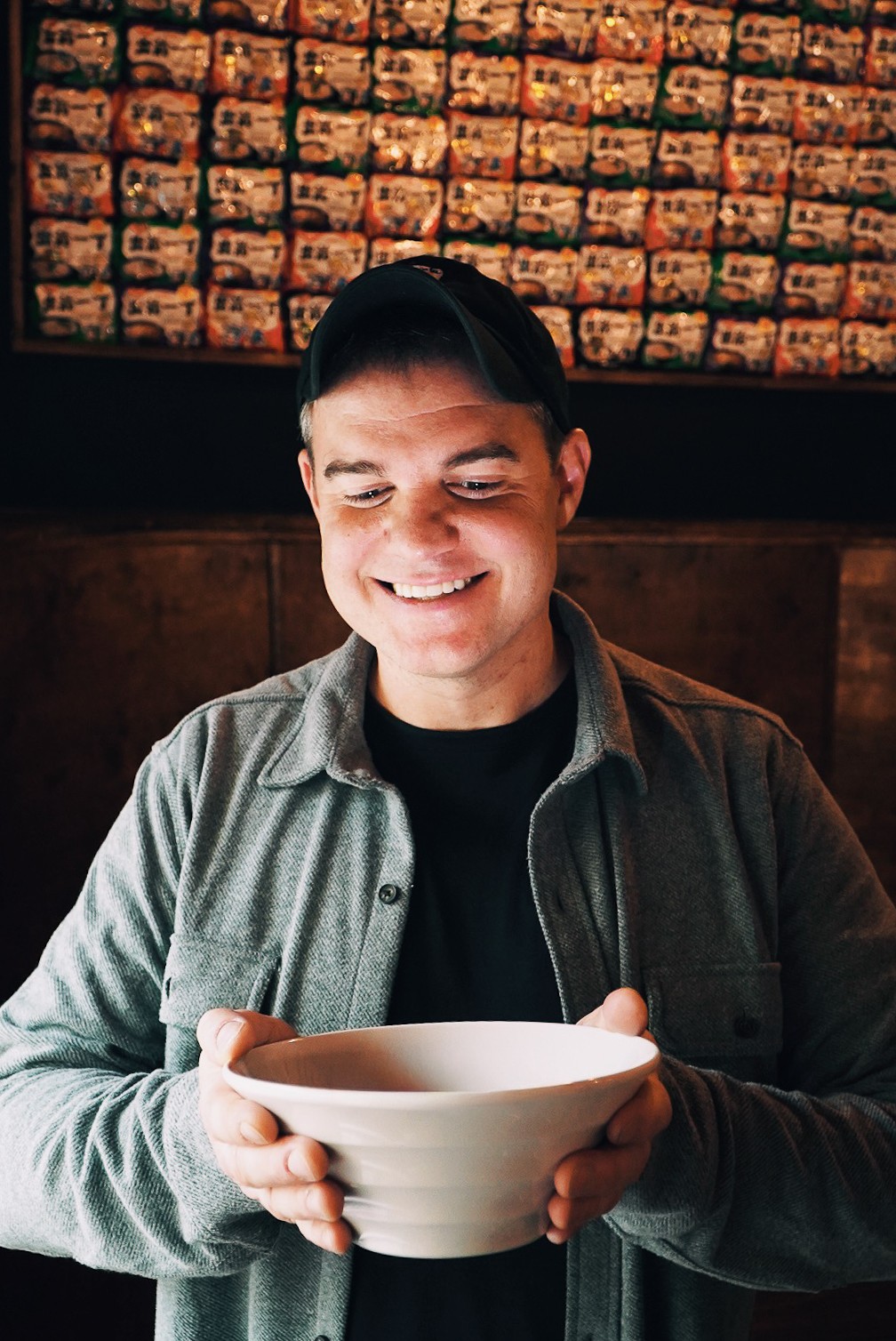
Today we’d like to introduce you to Joe Nierstedt.
Hi Joe, so excited to have you on the platform. So before we get into questions about your work-life, maybe you can bring our readers up to speed on your story and how you got to where you are today?
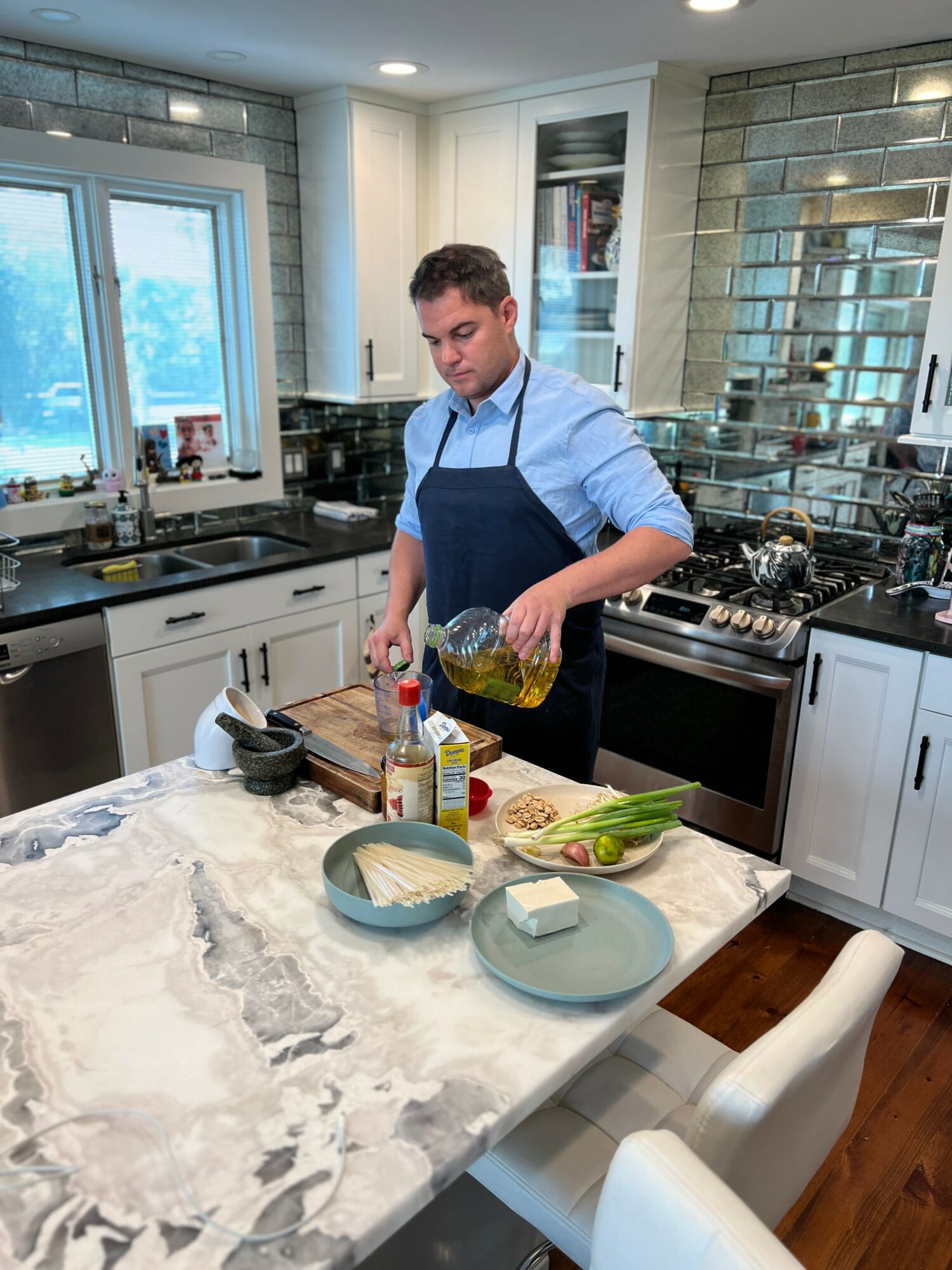
I grew up in Charleston on James Island—my dad worked at the Navy Yard—and food was always part of the backdrop. After the Navy Yard closed, we moved to Beaufort, but Charleston always felt like home. I went to Johnson & Wales for hospitality management and, right out of school, decided to chase the best kitchens I could learn from. That took me to England, where I worked at Waterside Inn and other Michelin-starred restaurants, then on to places like Per Se in New York, Mugaritz in Spain, Meadowood in Napa, and The Fat Duck. I also spent years as a private chef, cooking everywhere from New York to Europe, which gave me a different perspective on food—more personal, more intuitive.
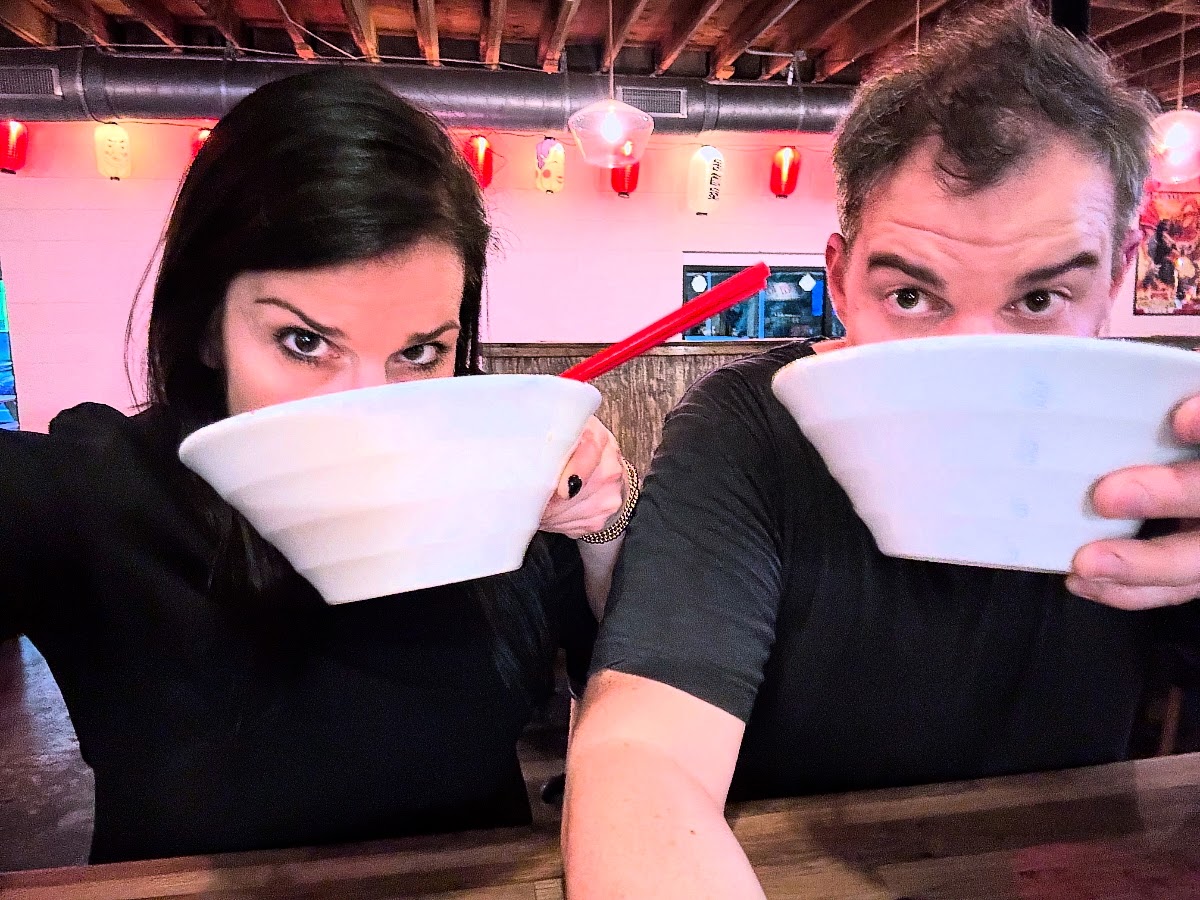
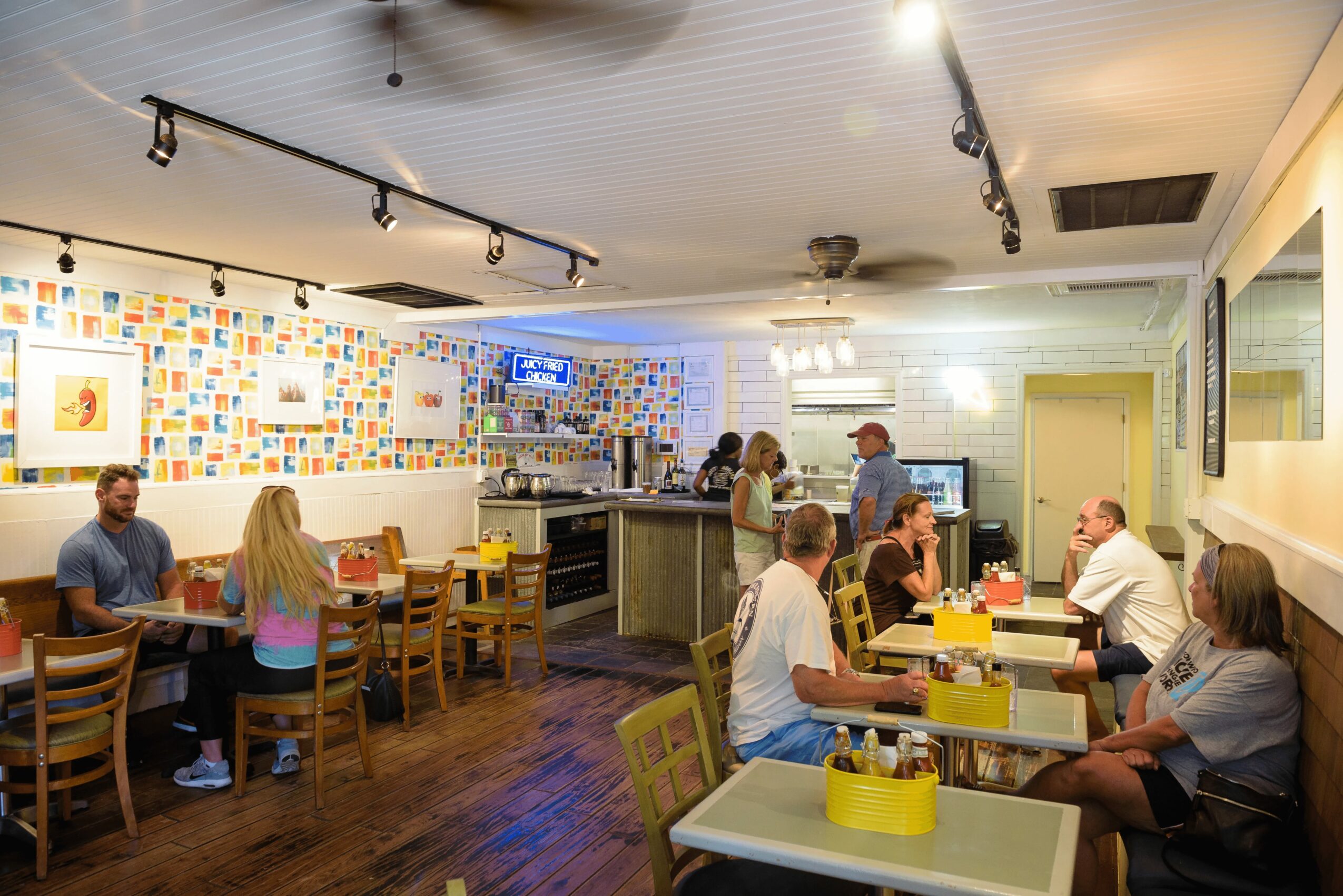
Eventually, I felt the pull to come home. In 2018, my brother Kevin and I opened KinFolk on James Island, where I focused on Southern food through the lens of everything I’d learned abroad—using high-end technique without losing the soul. Later, during downtime, I started a ramen pop-up that turned into something bigger. In 2025, my partner Abby and I opened Katsubō in Park Circle. It’s the culmination of my path: disciplined kitchens, comfort food, Japanese influences, and a belief that great food should feel welcoming, not precious.
We all face challenges, but looking back would you describe it as a relatively smooth road?
Definitely not smooth.
I came up in brutal kitchens with insane standards, long hours, and no margin for mistakes. I moved constantly, started over more times than I can count, and learned quickly that talent alone doesn’t carry you very far.
Owning restaurants brought a different kind of pressure—staffing shortages, rising costs, unpredictable timing, and hard calls like closing KinFolk when the lease ended. That part tests you in ways cooking never does.
There were plenty of moments where the safer move would’ve been to stop or pivot away from restaurants altogether. Instead, I kept refining what mattered. Katsubō is the result of all of that—experience, mistakes, and figuring it out the hard way.
Alright, so let’s switch gears a bit and talk business. What should we know?
**Katsubō** is a Japanese-inspired neighborhood restaurant built around one idea: **crave-worthy food without the pretense**.
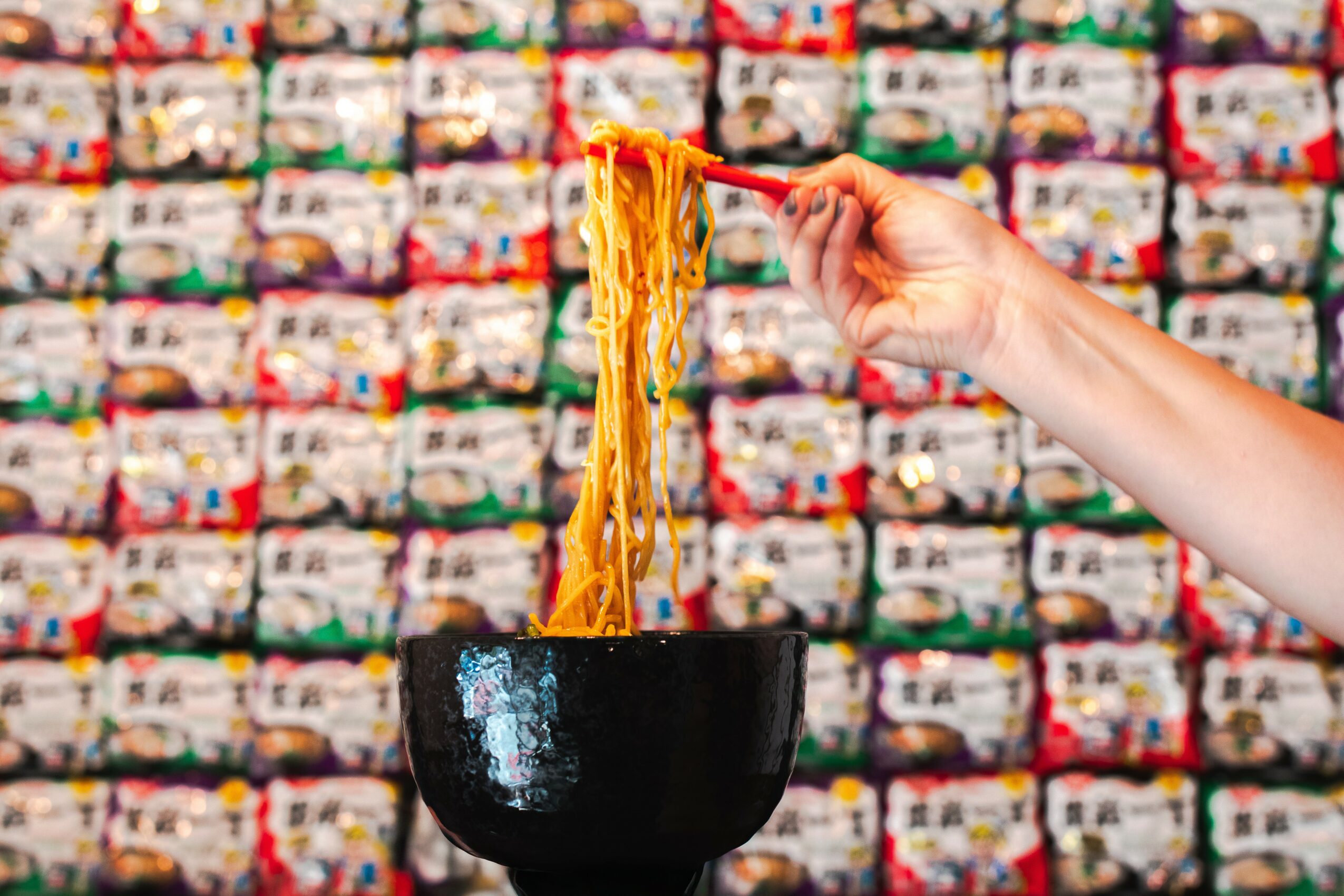
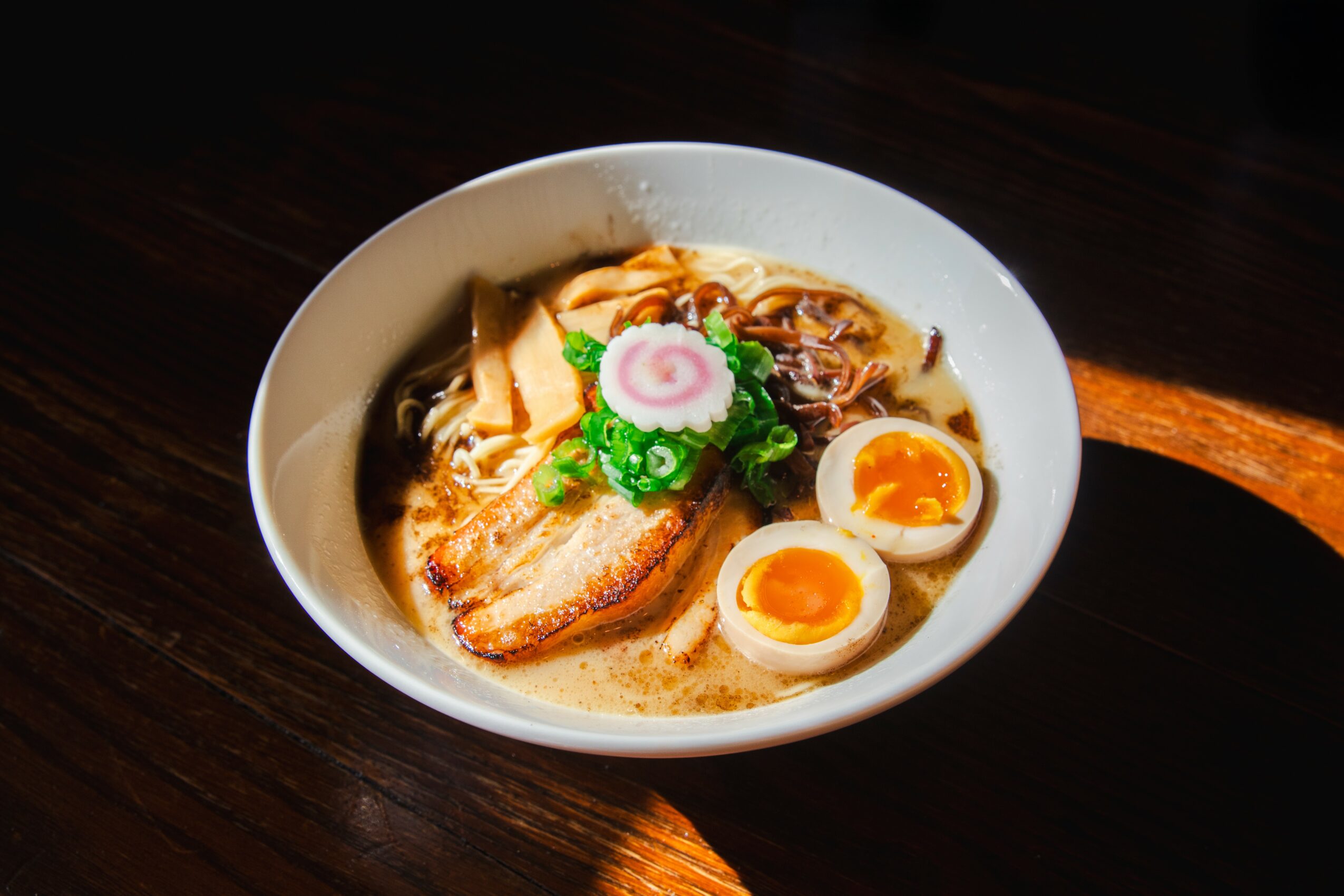
We specialize in ramen, fried chicken, and Japanese comfort dishes done with serious technique but zero stiffness. Our broths take 12–14 hours, our flavors are intentional, and nothing is rushed or shortcut—but the vibe is casual, loud, and welcoming. You don’t need to “get” food culture to eat here. You just need to be hungry.
What sets Katsubō apart is that it sits at the intersection of high-level kitchen discipline and everyday approachability. I’ve cooked in some of the most demanding restaurants in the world, but this brand isn’t about chasing stars—it’s about making food people actually want to come back for.
Brand-wise, I’m most proud that Katsubō feels honest. No forced concepts, no trend chasing, no exclusivity. Mostly walk-ins, good energy, and food that sticks with you after you leave. Katsubō literally means “craving,” and that’s the north star—great food, great vibes, done right.
In terms of your work and the industry, what are some of the changes you are expecting to see over the next five to ten years?
1. Experience over formality.
People want good food in a good vibe, not expensive tasting menus with etiquette rules. Comfort meets craft—think ramen that’s technically serious but doesn’t come with three pages of descriptions.
2. Labor & staffing will keep shaping everything.
Crew shortages and burnout aren’t going away. Restaurants that figure out sustainable schedules, fair pay, and real career paths will win. The old “work everyone to exhaustion” model is dying.
3. Supply & cost volatility stays real.
Global inflation, ingredient scarcity, and changing supply chains mean menus have to be flexible and creative. Seasonal, local sourcing isn’t just trendy—it’s survival.
4. Tech becomes table stakes.
Ordering apps, reservations, inventory systems, and back-of-house automation will keep leveling up. Restaurants that use tech smartly (not just for show) will have a real edge.
5. Community & authenticity over hype.
People are sniffing out brands that feel real—rooted in culture and community. Flashy gimmicks get short lifespans; restaurants that serve neighbors first build longevity.
6. Sustainability matters more—profitably.
Not just buzzwords—reducing waste, composting, smarter portions, repurposing ingredients without killing margins. The winners balance eco-sense and economics.
7. Hybrid revenue streams grow.
Off-hours revenue (merch, pantry items, delivery-friendly products, popups, collabs) will be standard, not optional. Restaurants won’t live entirely on dinner rushes anymore.
Big picture: The industry is moving from “fine dining = prestige” to accessible excellence with purpose. Not everyone will survive—but the ones that adapt creatively, treat staff well, and give people food they actually crave will thrive.
Contact Info:
- Website: https://katsuboeats.com
- Instagram: https://www.instagram.com/katsuboeats/?hl=en
- Yelp: https://www.yelp.com/biz/katsub%C5%8D-north-charleston