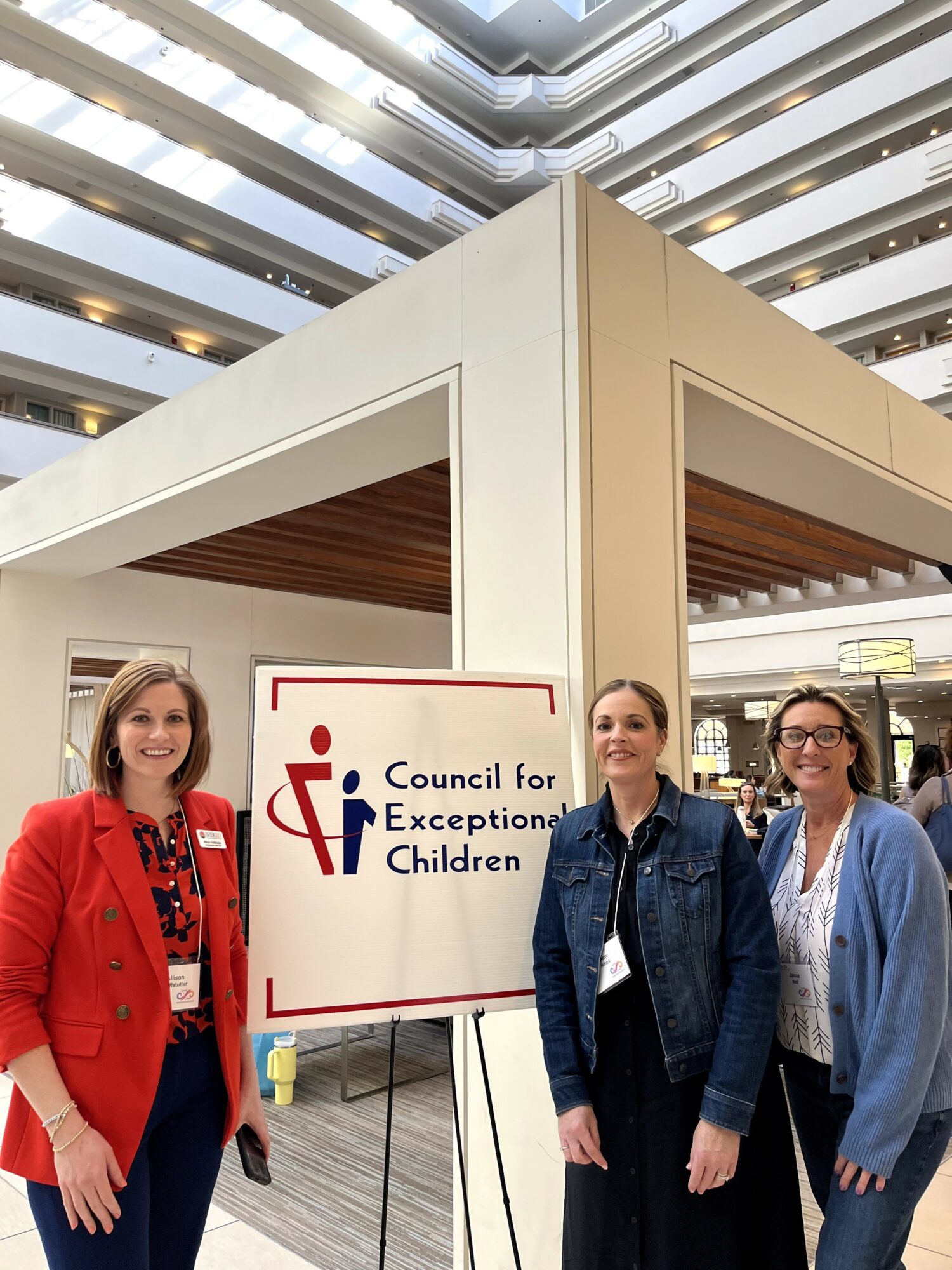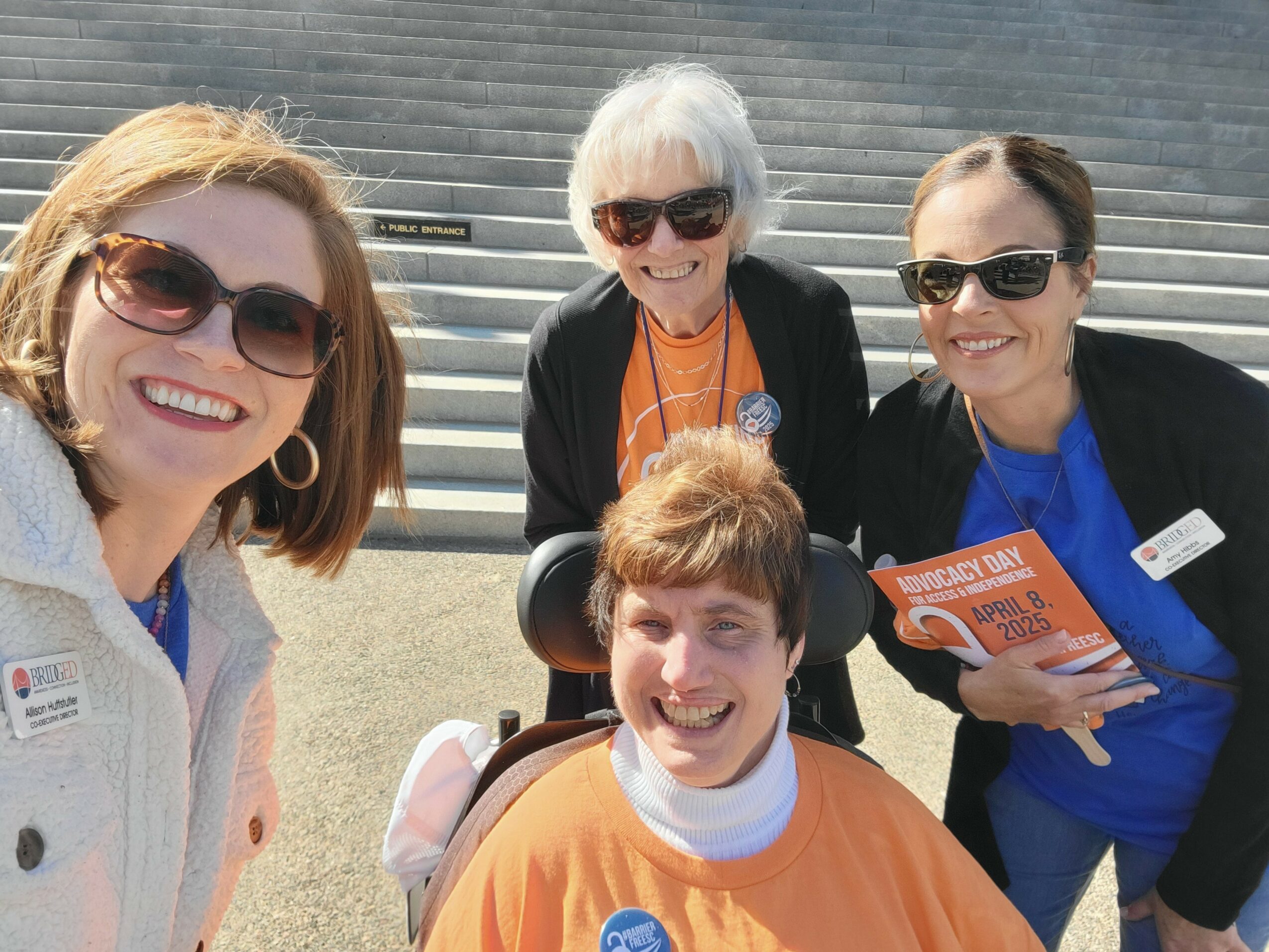

Today we’d like to introduce you to Amy Hibbs And Allison Huffstutler.
Alright, so thank you so much for sharing your story and insight with our readers. To kick things off, can you tell us a bit about how you got started?
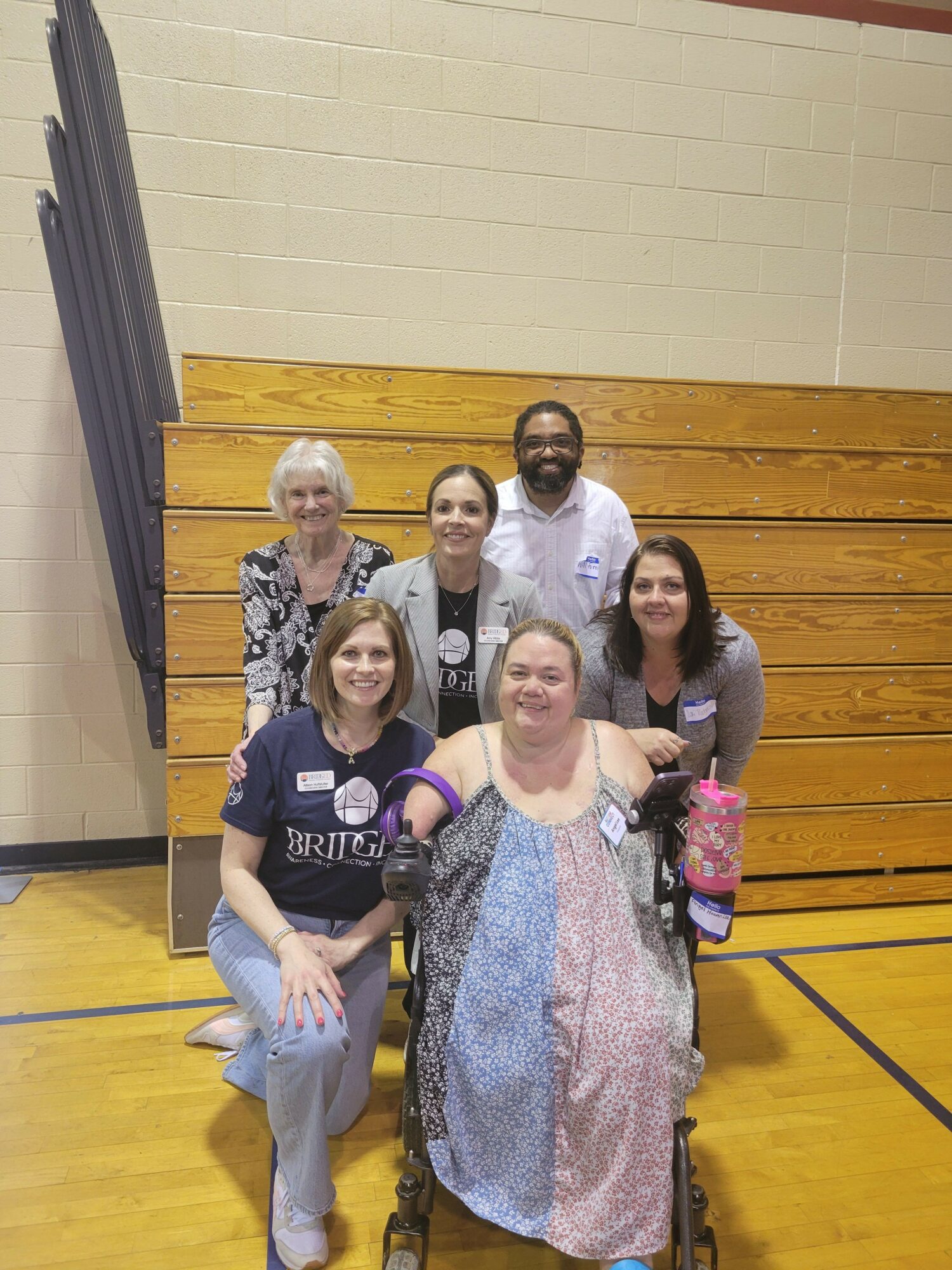
BRIDGED is a 501(c)(3) nonprofit founded by Amy Hibbs and Allison Huffstutler in 2021. The mission of BRIDGED was crafted from experiences in both their personal lives and professional lives. Below is the story of how their experiences ignited a passion and provided unique insight to create change in their communities for individuals with disabilities and their families.
Amy is an Occupational Therapist and has a disability. Her middle son, Caleb, has cerebral palsy and a rare genetic disorder, called Cabezas Syndrome, and Amy’s youngest son, Luke, has Autism. In 2019, Caleb started attending a local public elementary school. Amy was excited that Caleb was going to have opportunities to learn and practice social skills with his peers. However, Amy soon realized that Caleb’s experience in public school was going to be very different than she had imagined.
The first time Amy saw the sign for Caleb’s classroom, it didn’t say “Mrs. Smith’s Class, 3rd Grade.” Instead, the sign simply said “ID (Intellectual Disability) – Moderate.” On another day, Amy was walking through the school and noticed her son’s art hanging in the hall. Again the art was not labeled with the teacher’s name; it was labeled “Art by ID Moderate Students.” Amy realized that in school, Caleb, and his classmates were defined and referred to by their disability . . . and not by their names.
During morning drop off, when Amy opened the door to her minivan, both teachers and students quickly backed away and waited for a special education teacher to assist Caleb out of the car. When Amy asked about recess, she was told that for “safety” reasons the students in Caleb’s class (the students with disabilities) went to recess alone. Then, one day, Amy visited Caleb at lunch. She noticed Caleb’s class sat alone at a separate table. She also noticed the way the other students looked at Caleb and his classmates and occasionally laughed at them.
At that moment, Amy believed there had to be a way for students with disabilities to not just attend local schools, but they also needed to be seen as valuable, invited and participating in their schools. Students and teachers alike needed education about disability, models for how to talk about disability and opportunities to interact with individuals with disabilities.
For Allison, her story started differently. Allison’s daughter, Haley, was born with Rett Syndrome and Autism. Before the birth of Haley, Allison did not have a lot of education or experience with disability, despite being a public school educator. After Haley’s diagnoses, Allison and her husband wanted to be effective advocates so they educated themselves about disability by learning from and listening to voices in the disability community.
When Allison’s oldest, Tyler, was in 3rd grade, he told her that he didn’t know how to talk to his friends about Haley. She started “Googling” and looking for resources on how to talk to kids about disability, but she found very few options so she had to figure it out on her own.
Allison also reached out to Tyler’s teacher and asked to visit Tyler’s class to teach a lesson about disability. Tyler’s teacher was very supportive and agreed. Allison and Tyler’s teacher decided on a date in March 2020. As luck would have it, all schools were shut down (due to Covid) the day before Allison was scheduled to teach that lesson.
However, that is not where the story ends. While Allison was writing and preparing that lesson, she grew more aware of the need for education about disability and became passionate about it. Even though Allison had to put that lesson on the back burner for a little while, she kept going back to the idea that someday she wanted to educate others about disability to reduce any stigma or fear often related to disability.
Finally, in 2021, Amy and Allison merged their passions together and co-founded BRIDGED with a mission to provide education, resources and innovative solutions to promote and advocate for the awareness, connection and inclusion of people with disabilities in their communities. Initially, they sought to address the following needs in schools and communities: (1) active participation and inclusion of individuals with disabilities in their schools and communities, (2) awareness and education about disability for adults and students without disabilities, (3) opportunities for disabled children to develop relationships with non-disabled peers, (4) social studies curriculum to include disability history and the Disabilities Right Movement and (5) literature representing disabled people and their stories. Since then, they have identified other needs within their communities and have expanded their programs and events to address those needs.
Can you talk to us a bit about the challenges and lessons you’ve learned along the way. Looking back would you say it’s been easy or smooth in retrospect?
When your goal is to create systemic change, the road can be bumpy and have a lot of potholes. We have several examples, but here are a few that we will always remember and have changed us.
During a professional development training for teachers, a teacher approached us after the session to make some comments. She proceeded to explain that her child with a physical disability was not like our children who are “mentally retarded” and pointed at her temple while using this terminology. The use of that term is incredibly offensive and as two individuals who teach the value of all individuals, we were shocked!
We created a lot of change at our own kids’ schools, however, as soon as our kids left those schools and moved up to middle and high school, the administrations reversed the policies that we had advocated for. It was frustrating to see the changes only occurring during our tenure, rather than true heart change towards inclusion.
Our children experience discrimination and segregation on a regular basis within their own schools. However, we have to maintain collaborative and positive relationships with the individuals in our children’s schools since we have numerous IEP meetings with the same individuals. In addition, we work hard to not “burn the bridge” so that we can continue to be invited to sit at the table to advocate for systemic change at the district and state level. Many times, we are in meetings with individuals that have been unkind and offensive. We are always supporting one another to be kind and find common ground with those who disagree with our advocacy efforts.
This type of work is sometimes slow and takes time. It can be discouraging and exhausting to live this day to day while also advocating for systemic change on a broader scale. We have to constantly remind each other that this is a marathon not a sprint. The effects of our work may take years to be seen; it may never even come to fruition in our lifetime. However, our goal has never been to create change just for our children. Our goal is to create systemic change for individuals with disabilities long after our time on earth is over.
Thanks – so what else should our readers know about BRIDGED?
BRIDGED currently has four focus areas:
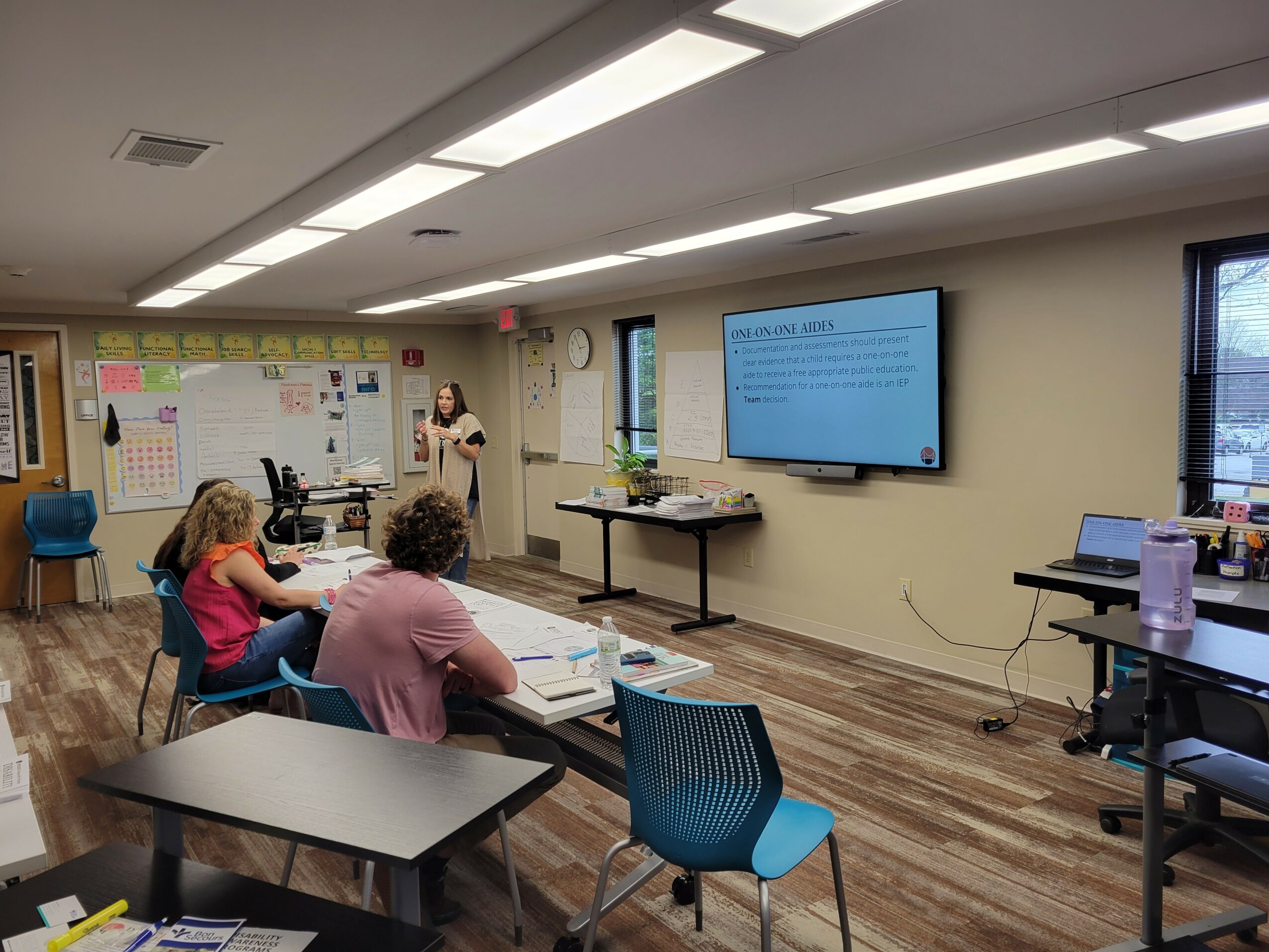
1. IEP Training – Training designed to support and equip parents, educators and professionals that support students with disabilities as they navigate IEPs and the education system.
2. Community Advocacy – Through collaboration with other parents, community members and organizations, BRIDGED strategically organizes and participates in advocacy efforts in the community to create systemic change for individuals with disabilities and their families. Most recently, BRIDGED has actively advocated for systemic change in our local school district. We have provided public comment on numerous occasions at the monthly Board of Trustees meetings, been interviewed by several media outlets and have hosted monthly calls with dozens of local parents, teachers, professionals and community members. Most recently, we have been part of writing draft legislation for the establishment of local special education advisory councils in every district. The legislation was introduced at the State House this past Spring.
3. Disability Awareness Programs – Disability Awareness Programs are available for students in K-12th grade in both public and private schools. For elementary students, we offer a week-long schoolwide curriculum for students in both general education and self-contained settings. For middle and high school students, we offer a leadership development program. We are one of three organizations in the country that offer this type of programming/curriculum for public schools. We are the ONLY organization in the entire country that offers this type of programming/curriculum for private Christian schools. Why are these programs important? Research shows that by age three, children notice physical disabilities and, by age four, they become fearful of differences. Since one in seven students are disabled, education about disability is critical. Disability awareness programs decrease bullying, fear and stigma and increase self-esteem and pride of students with disabilities. Also, studies show that disability awareness programs benefit all students and positively impact relationships between students with and without disabilities.
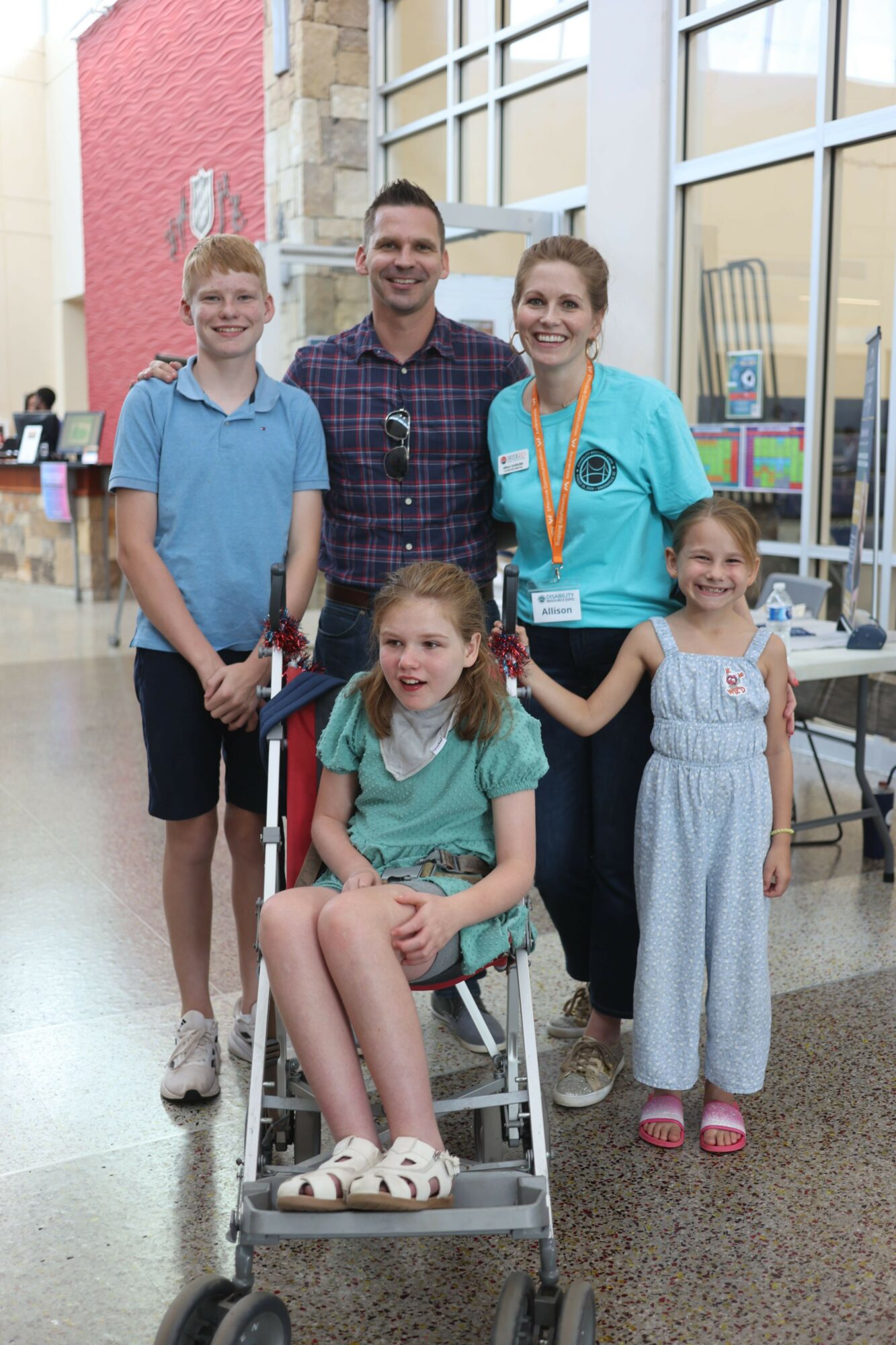
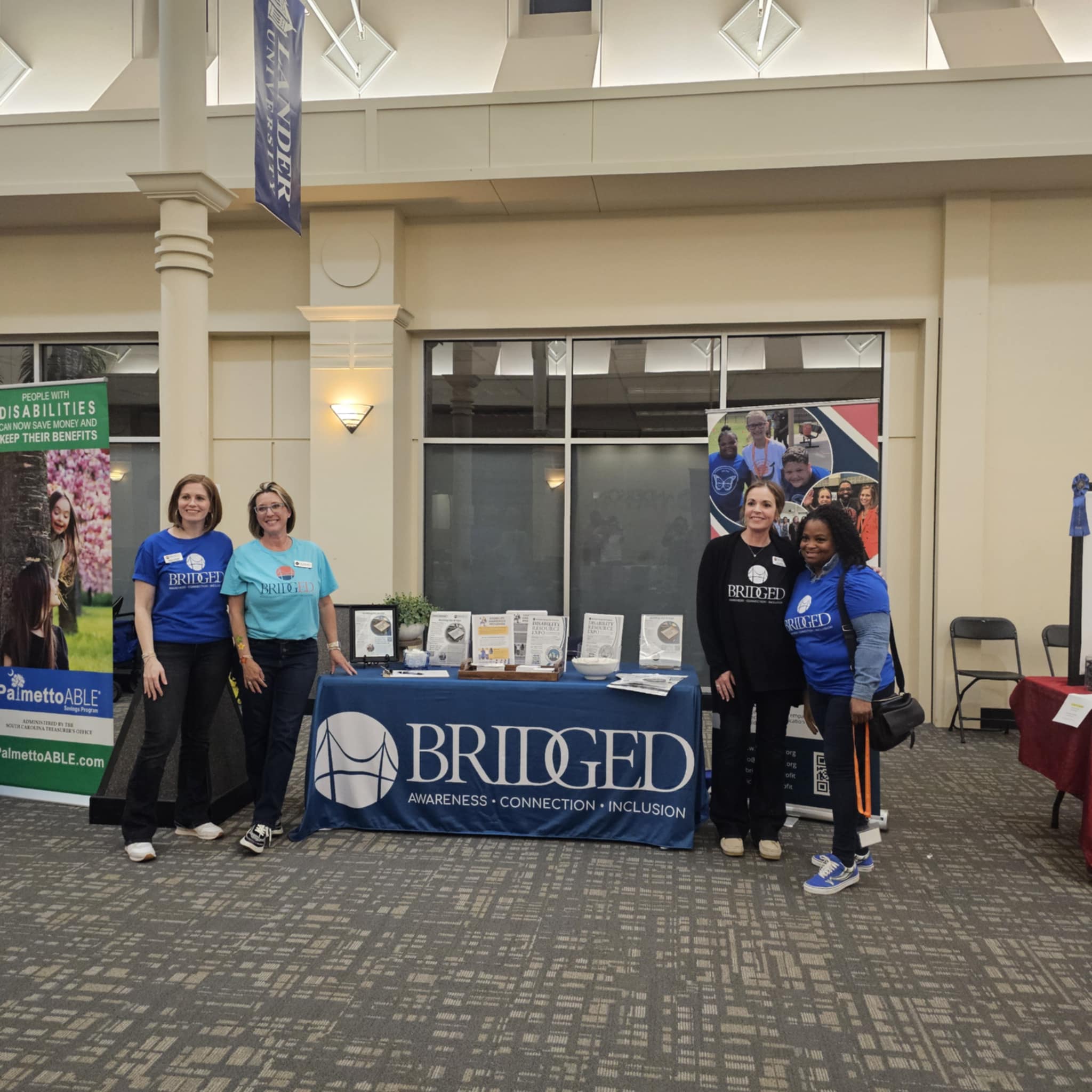
4. Disability Resource Expo – This annual FREE event connects attendees with local service providers, state disability agencies and valuable resources and information for the lifespan of disability. This Expo is unique in that it provides information and resources to all ages, diagnoses, and stages of the disability journey. Currently, the Upstate does not offer an event where individuals with disabilities can gather information and connect with the various organizations and state agencies that serve people with disabilities. Since most state agencies are located in Columbia, individuals with disabilities in the Upstate are often unaware of these services or they do not have access to them. Additionally, the needs of individuals with disabilities often change (due to age, new diagnosis, location of home, etc.), so our goal is to host this event annually. As individuals with disabilities walk through life’s journey, they rely on this event as a mainstay resource of information every year.
Can you talk to us a bit about happiness and what makes you happy?
We get so excited for all the wins:
when we get to share our story with a new person
when we see a change in a policy in our school district that benefits students with disabilities
when we help a parent make a connection with their child’s IEP and they send us an email sharing their win
when we are able to connect individuals to one another and to help them realize that they are not alone.
Why? It is knowing that all the late nights and “no’s” we have heard have resulted in small systemic changes for individuals with disabilities!
Contact Info:
- Website: https://www.bridgedsc.org
- Instagram: @bridgednonprofit (https://www.instagram.com/bridgednonprofit/)
- Facebook: Bridged Nonprofit (https://www.facebook.com/bridgednonprofit)