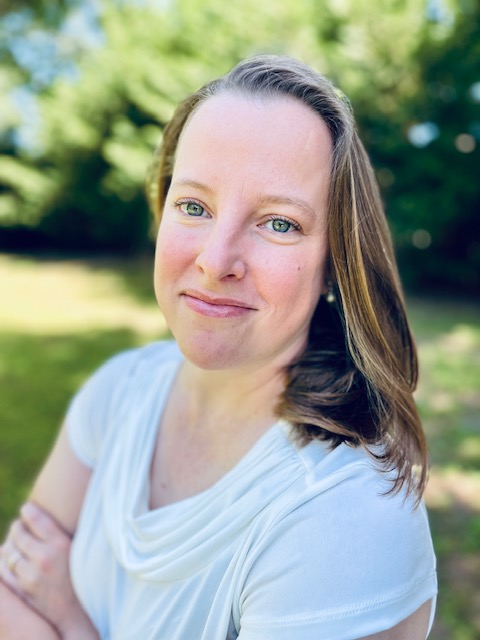
Today we’d like to introduce you to Rebecca.
Hi Rebecca, please kick things off for us with an introduction to yourself and your story.
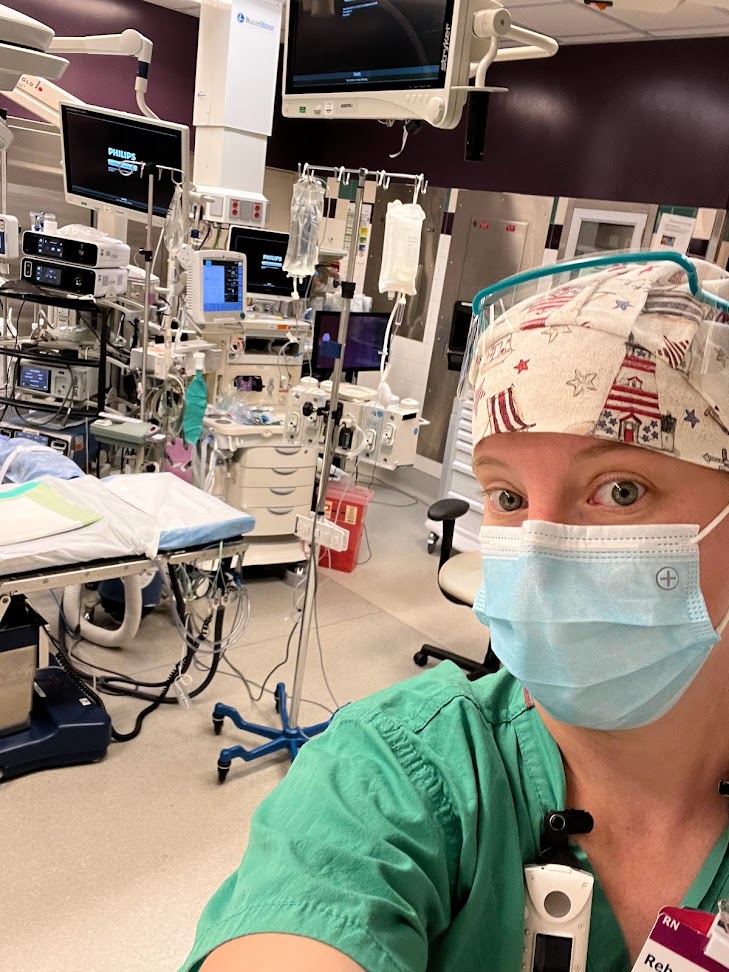
After being homeschooled from elementary school through high school, I began attending Greenville Technical College during my senior year. I graduated in 2010 with my associate degree in nursing and completed my bachelor’s degree several years later. I began my career as a registered nurse more than 15 years ago, primarily in perioperative departments, and eventually transitioned into trauma surgery, where I currently work at Prisma Health.
Throughout my career, I have served as an operating room circulator, scrub nurse, charge nurse, and operating room manager. Those years shaped me professionally. They taught me how complex systems function under pressure, how critical preparation and communication truly are, and how even minor deviations from the standard of care can result in life-altering consequences.
At the same time, my personal story was unfolding in the background. I was raised in a highly controlling religious environment and did not leave until my early 30s. Breaking free required rebuilding my identity, learning to trust my own judgment, and finding my voice. That experience profoundly shaped how I view power, accountability, and advocacy—both in healthcare and beyond.
As my nursing career progressed, I became increasingly aware of the gap between what should happen in healthcare and what sometimes does happen, particularly when systems fail, standards are overlooked, or individuals are not adequately protected. I found myself naturally drawn to reviewing medical records, reconstructing timelines, identifying breakdowns in care, and translating complex medical issues into clear, objective explanations.
That realization led me to legal nurse consulting.
I founded Nappi Consulting, LLC to bridge the gap between medicine and the law. My work focuses on medical chronologies, record analysis, and perioperative standard-of-care evaluation for attorneys handling personal injury, medical malpractice, mass tort, and product liability cases. My operating room background prepared me for this work by instilling strong skills in time management, communication, critical thinking, and adherence to nursing policies and standards of care, all of which are essential to keeping individuals safe.
Today, I balance multiple roles. I continue to work clinically in the operating room, consult independently through my firm, and support large-scale litigation as a legal nurse consultant for a national law firm. Each role informs the other. Staying clinically active keeps my analysis grounded in real-world practice, while my legal work allows me to advocate for accountability on both sides of the law.
At its core, my business and my story are about translation and advocacy: translating complex medical records into clear legal insight, and advocating for truth, safety, and accountability. Everything I have lived through, personally and professionally, shapes the way I work. I do not just analyze records; I understand the human, systemic, and ethical layers behind them.
I built this business by trusting my experience, honoring my voice, and refusing to stay silent, whether in healthcare, in the legal arena, or in my own life.
We all face challenges, but looking back would you describe it as a relatively smooth road?
It has not been a smooth road, and in many ways, that is what shaped both me and my business.
For many years, I worked full-time in the operating room, often long hours in high-acuity environments. I loved the work, but it came at a cost. I was missing milestones with my children, running on exhaustion, and constantly trying to balance a demanding career with being present for my family. That tension intensified during COVID. Like many healthcare workers, I was stretched emotionally, physically, and mentally, while the expectations never slowed down.
The pandemic forced me to confront a hard truth: the way I was working was no longer sustainable for my family or for me. I needed a path that allowed me to continue using my clinical expertise without sacrificing my well-being or the people I loved most.
Transitioning out of full-time OR nursing was not easy. Legal nurse consulting was not something I fell into; it was something I built. There was no clear roadmap. I spent countless hours educating myself, learning how the legal world operates, studying standards of care through a different lens, and figuring out how to translate medical knowledge into legal value. I invested in courses, sought out mentors, read relentlessly, and asked questions even when it felt uncomfortable to do so.
There were moments of doubt, especially early on. I was stepping into a space where I had to advocate for my own expertise, introduce myself to attorneys, and trust that my experience truly mattered. Networking did not come naturally at first, but I showed up anyway. I took meetings, followed up, and kept going even when progress felt slow.
What carried me through was persistence and belief in my work ethic. I knew the operating room inside and out. I understood systems, documentation, workflow, and how deviations from the standard of care occur in real life, not just in theory. I trusted that if I stayed consistent, delivered high-quality work, and continued learning, the right opportunities would follow.
They did, but not overnight.
Today, I look back on that transition as one of the most challenging and most rewarding chapters of my life. The challenges forced me to build something aligned with both my professional strengths and my personal values. I did not take the easy road, but I built a sustainable one on my own terms, for my family, and with integrity at the center of my work. Now, I get to enjoy working from home with flexible hours and feel respected by the attorneys that I assist.
Great, so let’s talk business. Can you tell our readers more about what you do and what you think sets you apart from others?
Nappi Consulting, LLC exists at the intersection of medicine, law, and accountability.
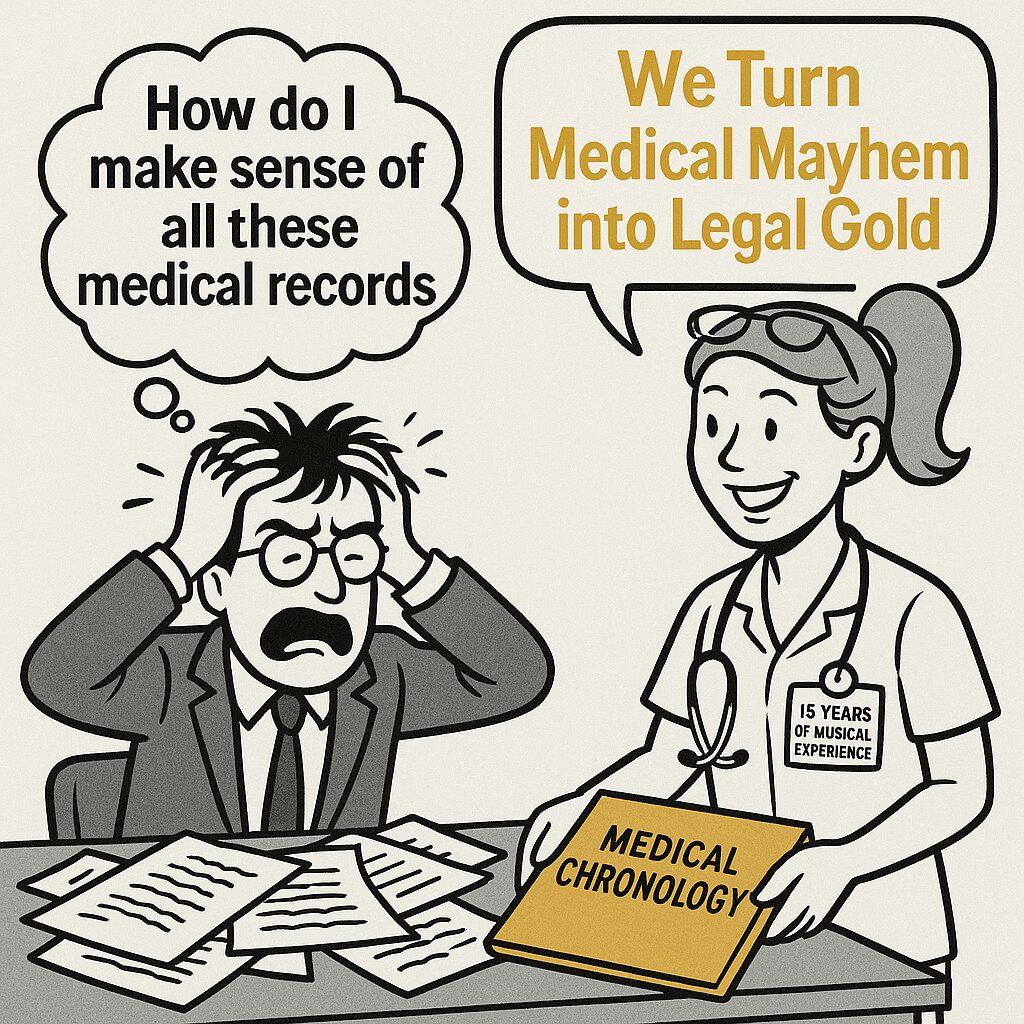
At its core, my business helps attorneys make sense of complex medical records and clinical events so they can evaluate cases accurately, efficiently, and ethically. I specialize in medical chronologies, record analysis, perioperative and surgical standard-of-care evaluation, and case development support for personal injury, medical malpractice, mass tort, and product liability litigation.
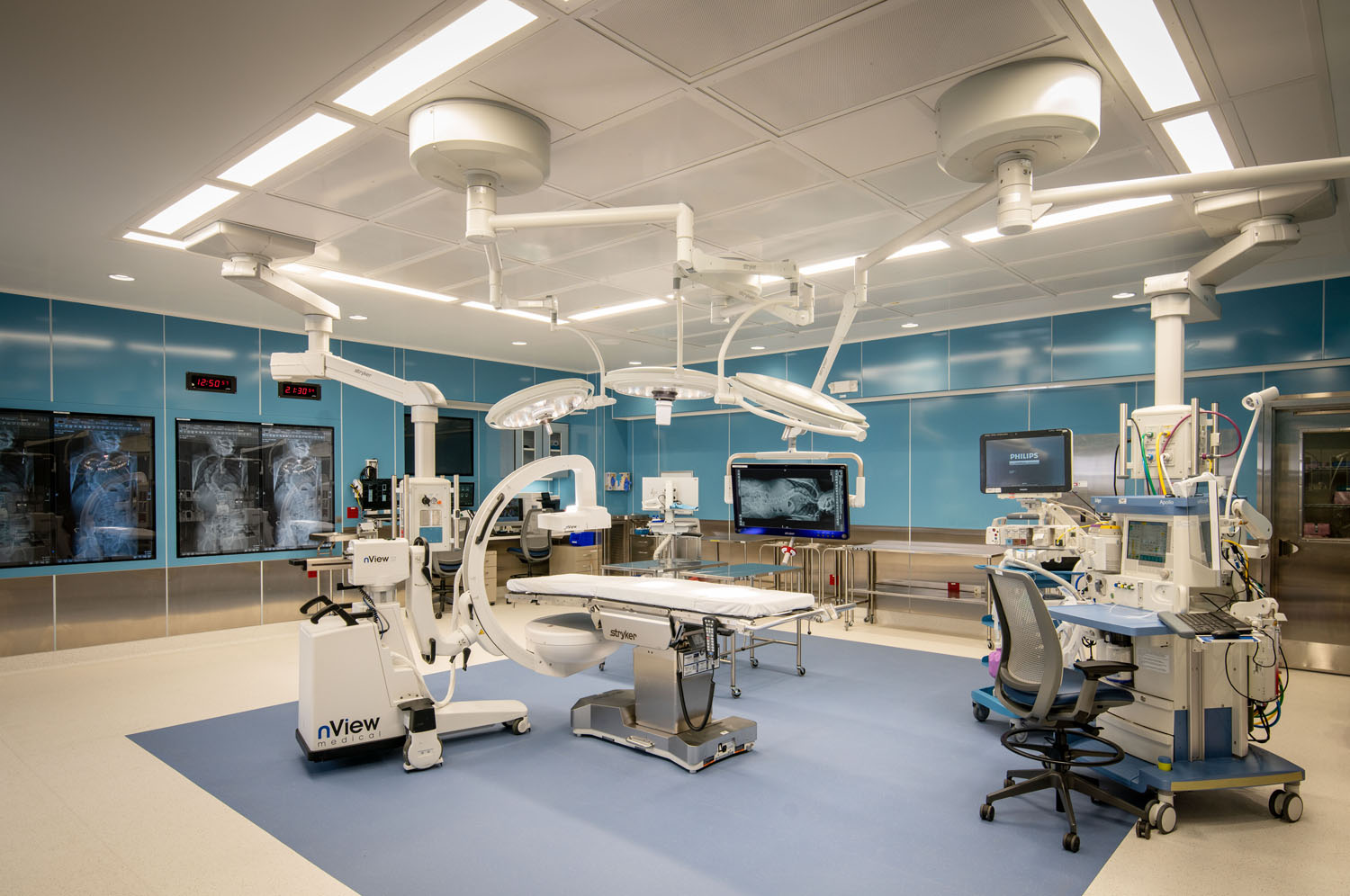
What sets my work apart is my deep, real-world operating room experience. I am not reviewing records from a distance or from a purely academic standpoint. I have spent more than 15 years inside high-acuity operating rooms and trauma settings. I understand how surgeries actually unfold, how teams communicate under pressure, how documentation is created in real time, and where breakdowns most commonly occur. That practical insight allows me to identify deviations, omissions, and red flags that someone without hands-on OR experience may overlook.
I am also known for clarity. Attorneys come to me when they need complex medical information translated into organized, defensible, and easy-to-understand analysis. My chronologies and reports are designed to tell a clear story, grounded in medical standards, supported by documentation, and structured to support litigation strategy.
Brand-wise, I am most proud of the integrity behind the work. I do not approach cases with a predetermined outcome. My role is to analyze the medicine objectively and thoroughly, whether or not it supports a case. That commitment to honesty and precision has become the foundation of my reputation and the reason attorneys continue to trust my work.
Another defining element of my brand is that I remain clinically active. I continue to work in the operating room, which keeps my knowledge current and my analysis grounded in modern practice, evolving standards, and real-world workflow. That dual perspective, active clinician and legal consultant, adds a level of credibility and relevance that is difficult to replicate.
I want readers to know that Nappi Consulting is built on experience, rigor, and advocacy. This is not just a consulting service; it is a practice rooted in patient safety, professional accountability, and respect for both medicine and the legal process. Every case I touch is approached with the same mindset I had as a nurse in the operating room: be prepared, be precise, and protect the people who rely on you to get it right.
Where do you see things going in the next 5-10 years?
Over the next five to ten years, I see significant and inevitable shifts in both healthcare and the legal landscape, particularly at the intersection where my work exists.
First, the population itself is changing. Younger generations are more informed, more vocal, and far more aware of their rights than generations before them. They are comfortable researching medical care, questioning decisions, and understanding when something does not feel right. They also have greater access to legal education, advocacy resources, and information about how to pursue legal action. As a result, healthcare systems and legal teams alike will face increased demand for transparency, accountability, and precise documentation. This shift will require stronger, more precise medical analysis and more transparent communication between medicine and the law.
At the same time, artificial intelligence will play a massive role in how medical records are reviewed, organized, and analyzed. AI has the potential to improve efficiency, identify patterns, and assist with large-scale data review in ways that were not previously possible. However, learning how to use AI responsibly while rigorously protecting patient information will be critical. Privacy, data security, and ethical boundaries cannot be afterthoughts; they must be foundational.
That said, AI will never replace real clinical experience. It cannot replicate the judgment that comes from standing at the operating room table, managing a complication in real time, or holding the hand of someone who has placed their life in yours. Medicine is not just data; it is human, dynamic, and deeply contextual. AI is a tool, not a decision-maker.
The future of this industry will belong to professionals who can combine technology with lived experience, ethical advocacy, and firm boundaries. AI requires guidance. It requires clinicians and consultants who understand both the medicine and the responsibility that comes with interpreting it. Without that, efficiency comes at the expense of accuracy and trust.
In legal nurse consulting and related fields, I believe we will see increased demand for hybrid professionals—those who remain clinically grounded while also embracing innovation. The most effective voices will be those who can leverage technology without losing sight of the people behind the records.
Ultimately, the industry is moving toward greater accountability, more innovative tools, and more informed individuals. The challenge and the opportunity will be ensuring that progress never outpaces ethics, experience, or compassion.
Contact Info:
- Website: https://www.nappiconsultingllc.com
- Instagram: https://www.instagram.com/nappiconsulting/
- Facebook: https://www.facebook.com/nappiconsulting/
- LinkedIn: https://linkedin.com/in/rebecca-nappi-048036223