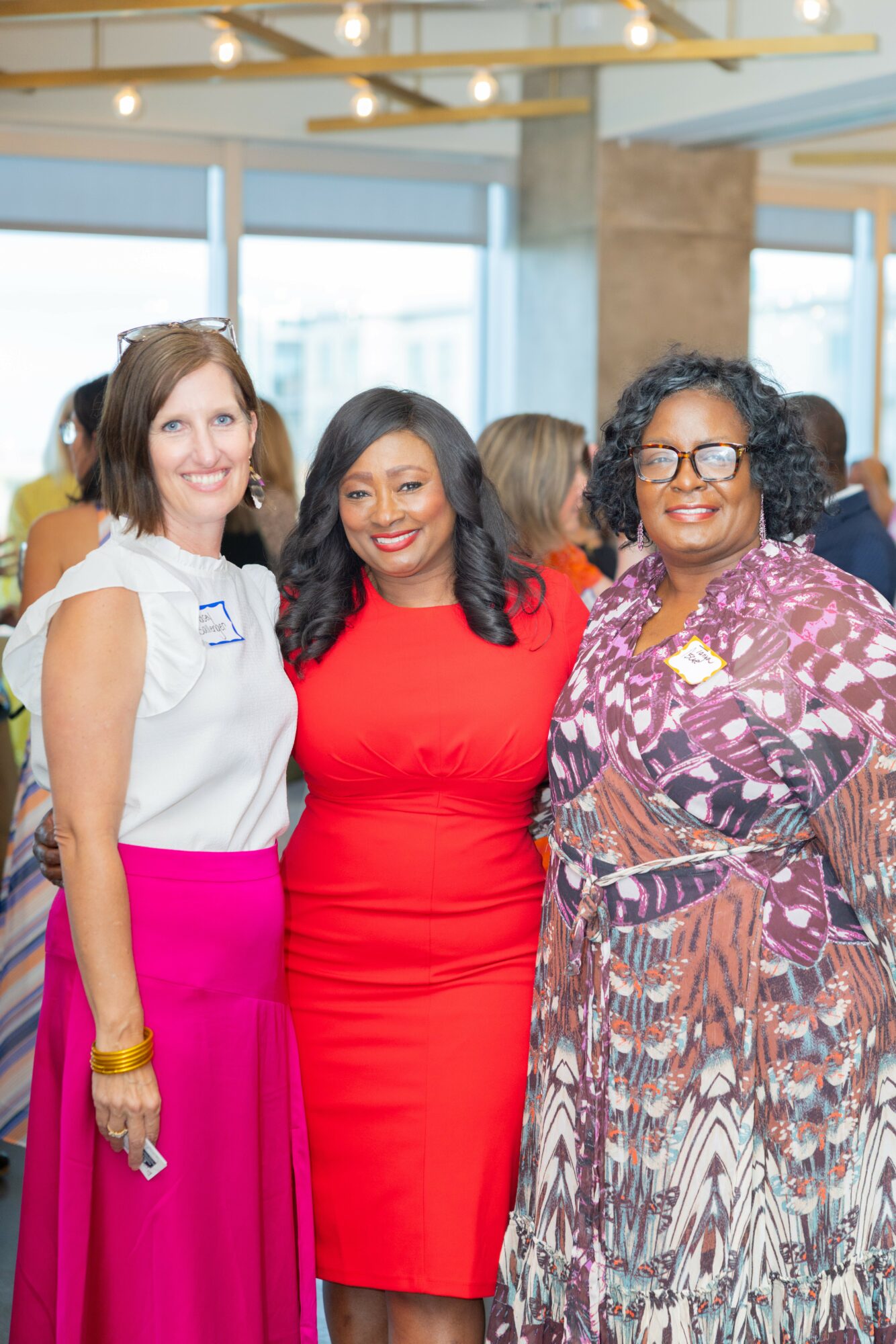
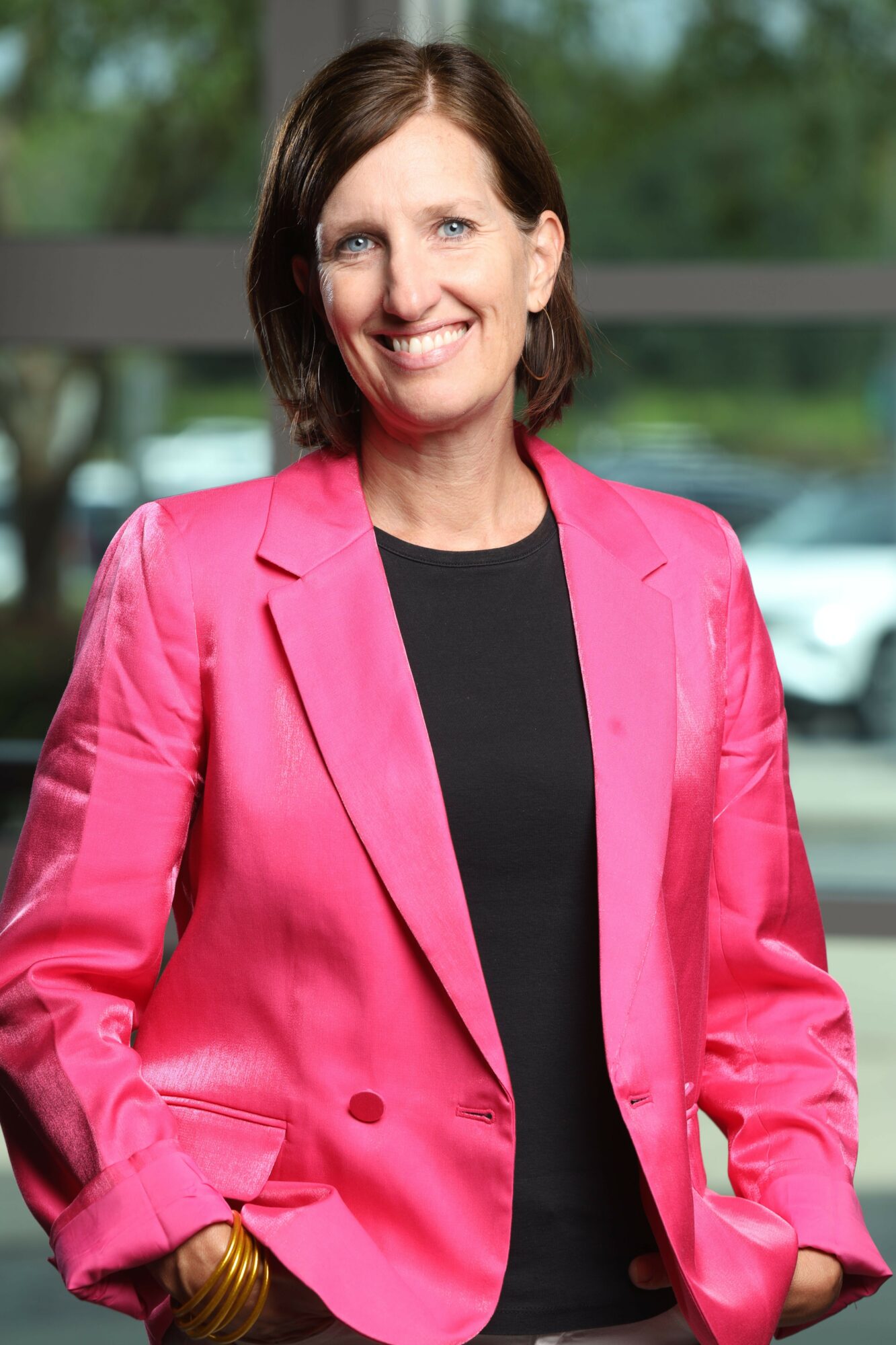
Today we’d like to introduce you to Lindsey Ballenger.
Hi Lindsey, can you start by introducing yourself? We’d love to learn more about how you got to where you are today?
I’ve spent the last 25 years working in the nonprofit sector here in Charleston, primarily in administrative leadership and fundraising roles. My work has always sat at the intersection of mission, sustainability, and community—helping organizations build the infrastructure and support they need to create lasting impact.
Alongside that work, for 18 years my husband and I owned and operated a small business, The Charleston Shucker Company. Running a business together taught us grit, adaptability, and what it truly means to build something from the ground up—serving customers, managing operations, and weathering uncertainty. That experience deeply shaped how I lead today, especially when it comes to stewarding resources responsibly and thinking long-term.
But the most defining chapter of my work began at home.
As a mother, I began advocating for my own daughters when it became clear that the way reading was being taught wasn’t working for them. Like so many families, we were searching for answers—trying to understand why bright, capable children were struggling and why the support they needed wasn’t readily available in schools.
That journey led me to train in Orton-Gillingham, a structured, evidence-based approach to teaching reading that finally aligned with what the brain actually needs to learn to read. It was transformational—not just for my children, but for me.
What I quickly realized was this:
Access to effective literacy instruction should not depend on a family’s ability to pay or advocate endlessly.
That realization pushed me onto a new path—one where my nonprofit experience, entrepreneurial background, and personal advocacy came together. I forged relationships with other educators and parents and began working to elevate Orton-Gillingham instruction in Charleston by supporting and training teachers, partnering with schools, and building a nonprofit model focused on systems change—not one-off solutions.
Today, our work is about ensuring that teachers have the tools they’ve been asking for and that every child—regardless of zip code—has access to instruction that works. It’s professional for me, yes—but it’s also deeply personal. We are building the system I wish had existed when my own children needed it.
Would you say it’s been a smooth road, and if not what are some of the biggest challenges you’ve faced along the way?
No—definitely not a smooth road. But I believe every experience has equipped me for the next one.
Building something meaningful rarely happens in neat, linear ways, and there were (and are still) times when the load felt (feels) heavy.
What I’ve learned most is that system change is hard work. It requires showing up consistently, saying hard things, and being willing to go against the grain—especially when the status quo feels comfortable but isn’t serving children well.
I’ve also learned that when you’re building a movement, it’s ultimately about relationships and people. Real change doesn’t happen in isolation. It happens by bringing together people who care deeply about the issue and are willing to work toward a shared vision. That takes time. It takes trust. And it takes a long-term commitment to listening, learning, and leading with integrity.
Thanks – so what else should our readers know about Lowcountry Literacy Project?
The Lowcountry Literacy Project is a Charleston-based nonprofit focused on transforming literacy outcomes by investing in teachers.
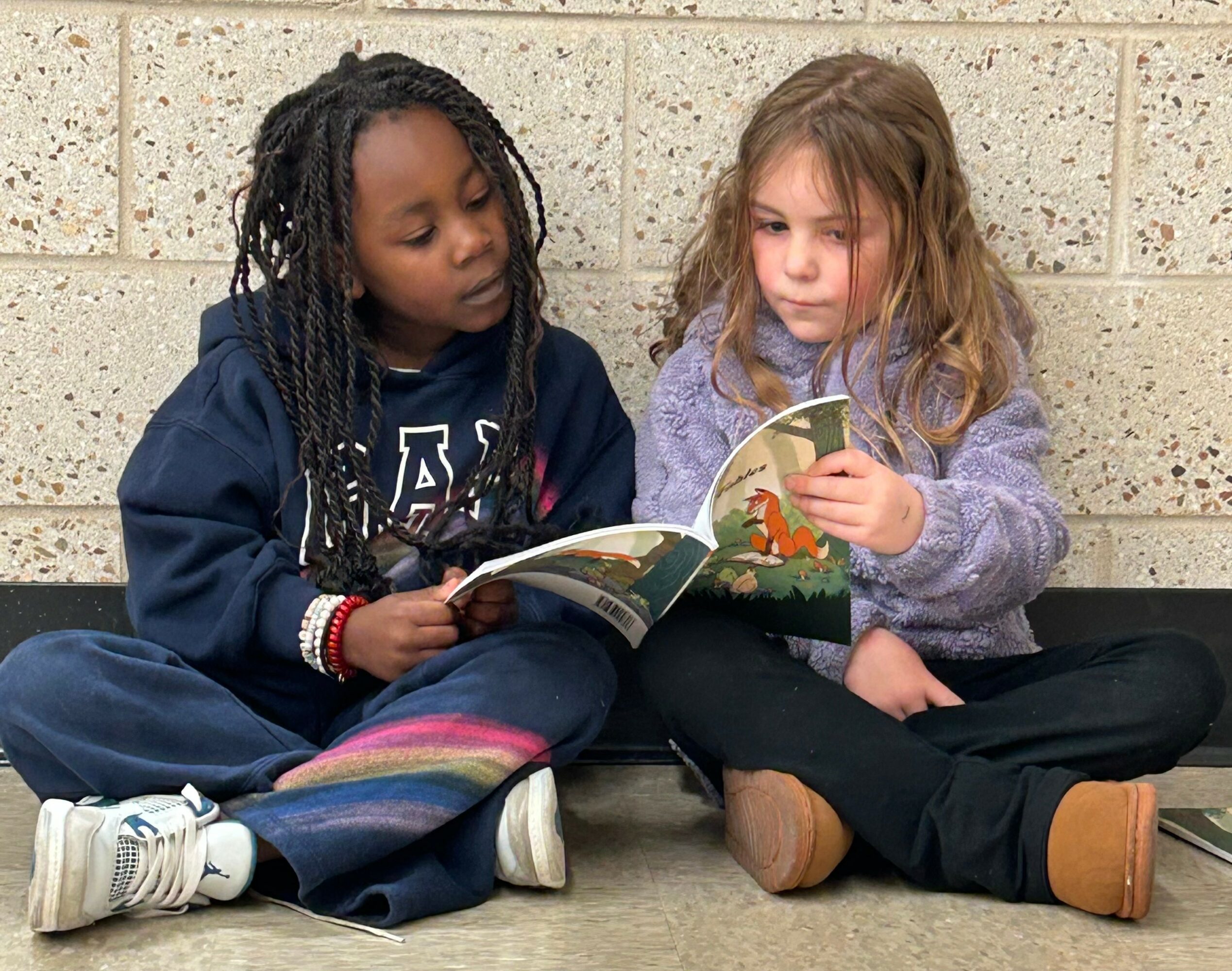
We address the literacy crisis head-on. In South Carolina, two out of every three fourth graders are not proficient readers, and we don’t believe that is acceptable.
We specialize in evidence-based reading instruction, particularly structured literacy and the Orton-Gillingham approach, and we partner directly with schools & districts to provide high-quality training, coaching, and ongoing implementation support.
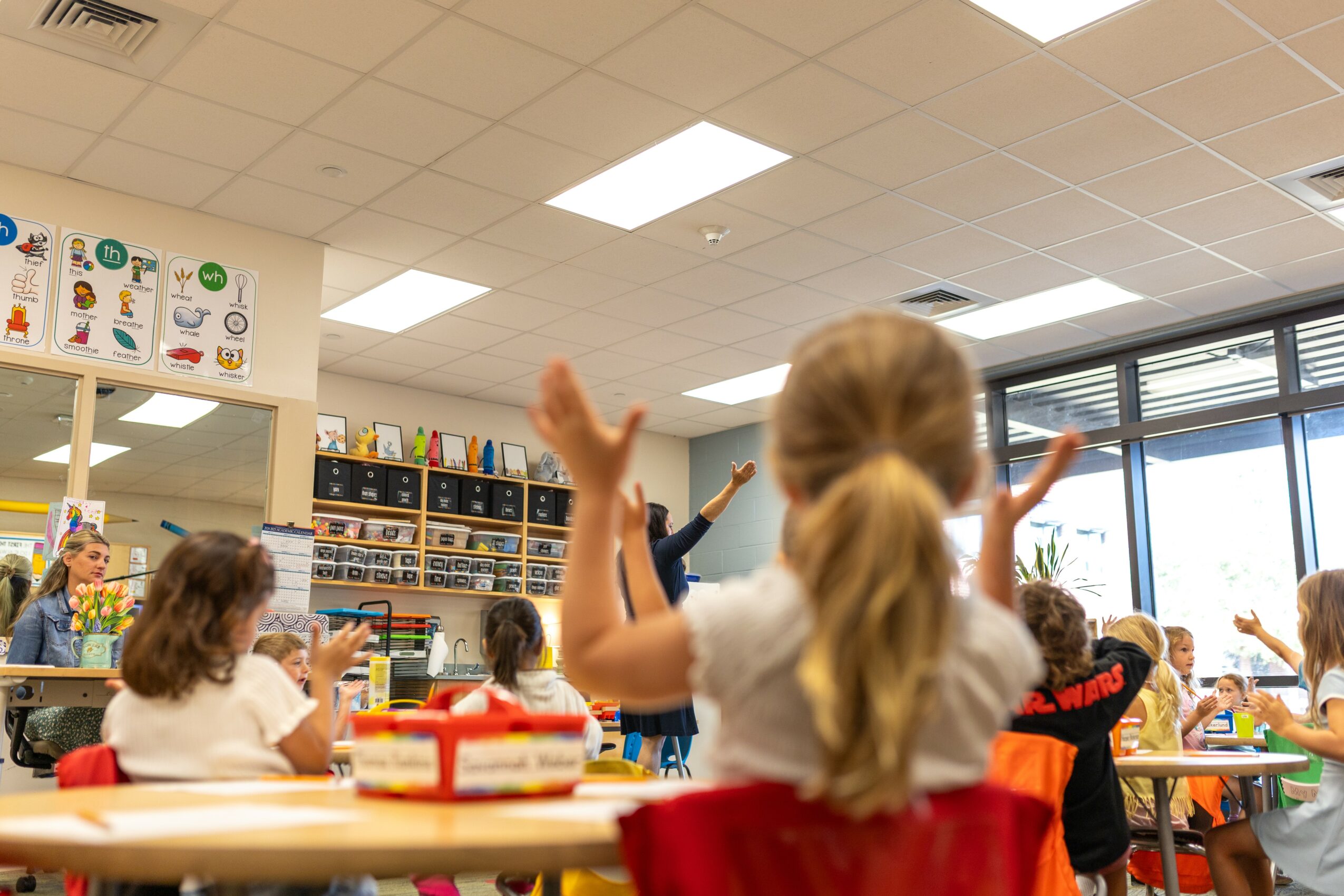
What sets our work apart is that we don’t offer one-off workshops or surface-level solutions. We work inside classrooms, alongside teachers, over time—strengthening core instruction so that all students benefit, not just a select few. When nearly half of students are struggling to read, this isn’t simply an intervention problem; it’s an instruction problem. Teachers are asking for better tools, and our role is to equip them with the knowledge, systems, and support they need to meet the needs of today’s learners.
Our work is transforming school communities and closing long-standing achievement gaps. We are known for being teacher-centered, data-driven, and deeply relational. We measure impact, track student growth, and use data to guide decisions—but we also prioritize trust, collaboration, and partnership. Sustainable system change only happens when educators feel supported rather than blamed.
We bring together educators, families, funders, and community partners who share a commitment to equity and opportunity. Our work ensures that access to effective reading instruction is not dependent on a family’s ability to pay or advocate.
At its core, our mission is about more than literacy. It’s about dignity, opportunity, and long-term change. When a child learns to read, it changes the trajectory of their life—and when we invest in teachers, we create impact that lasts far beyond a single classroom or school year.
Is there a quality that you most attribute to your success?
Being fully committed and obsessed with continuous improvement. I lead with a willingness to learn, adapt, and get better every step of the way.
Contact Info:
- Website: https://lowcountryliteracyproject.org
- Instagram: LowcountryLiteracyProject
- Facebook: LowcountryLiteracyProject
- LinkedIn: Lindseypballenger