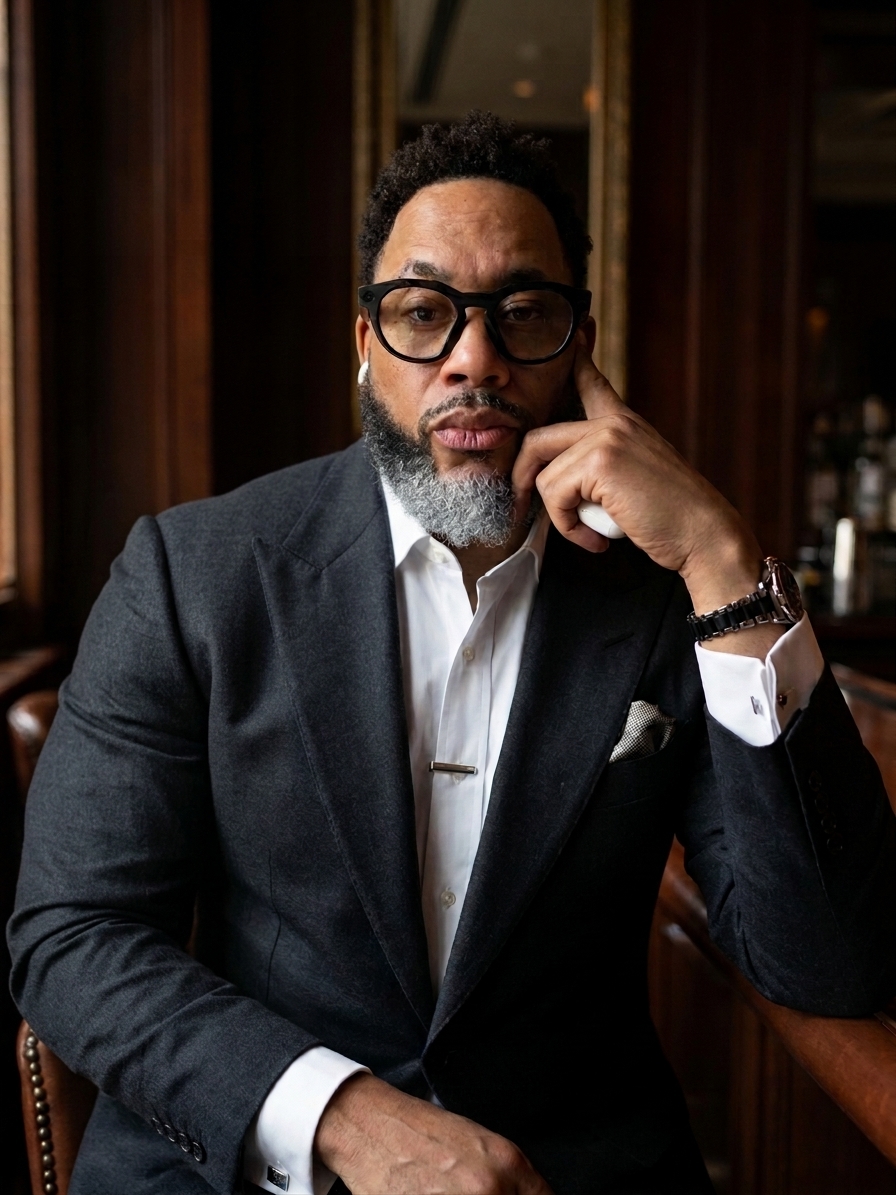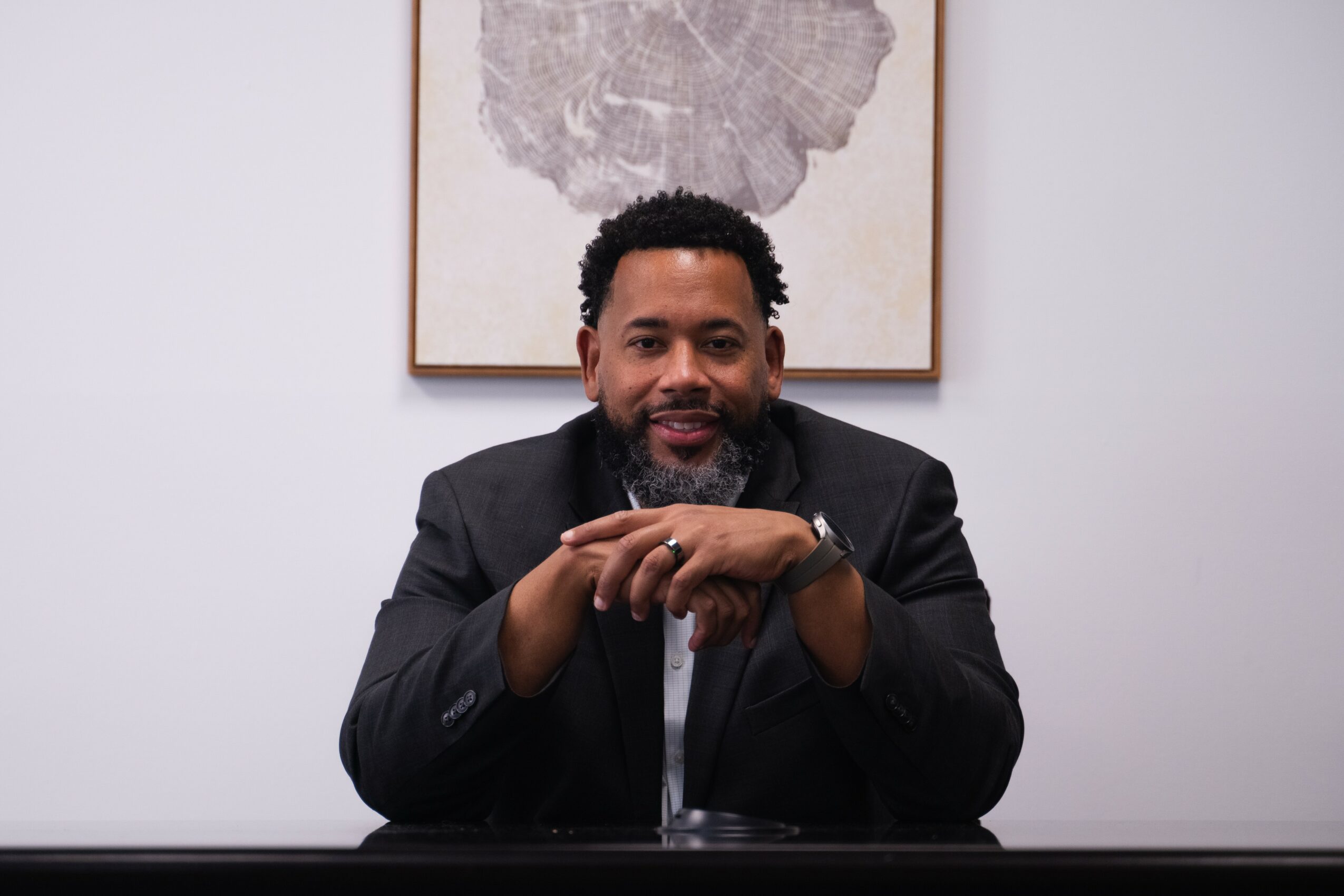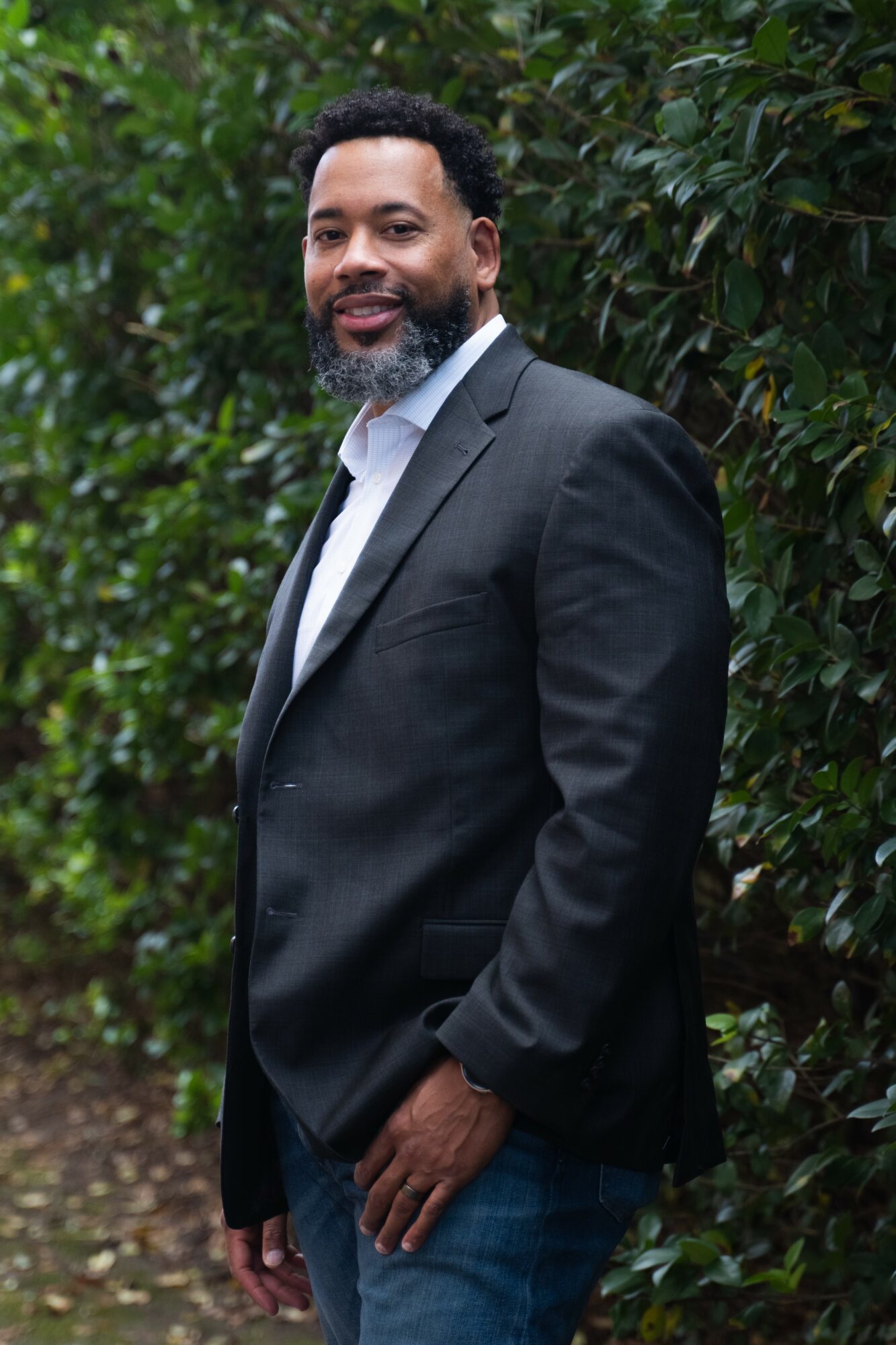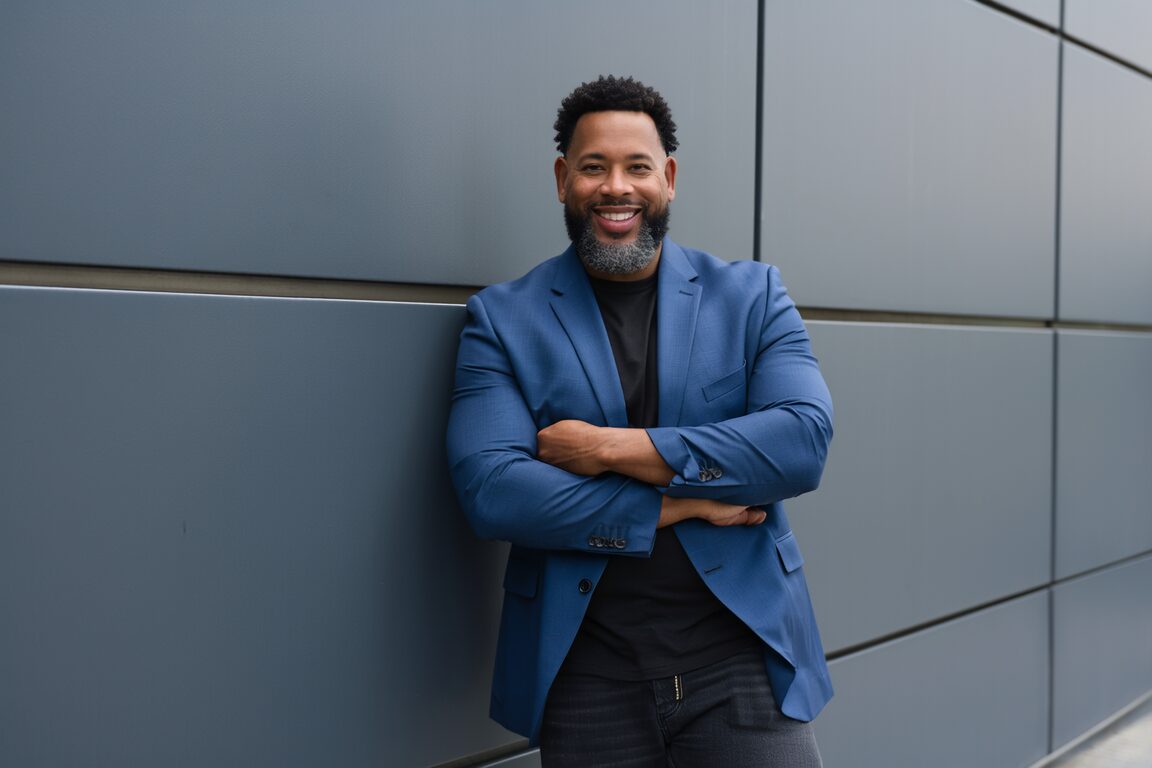
Today we’d like to introduce you to Don DuBose M.D..
Hi Don, can you start by introducing yourself? We’d love to learn more about how you got to where you are today?
I want to tell you about a funeral.
Early in my career, I lost a patient to suicide. He was a man — a son, a husband, a father. And I went to his memorial because I needed to be there. Not as his doctor. Just as someone who cared.
His mother found me.
And she looked at me — this grieving woman who had just buried her child — and she said something I will carry for the rest of my life: *”Please do your best to make sure this doesn’t happen to someone else’s son, husband, or father.”*
I couldn’t speak. I just nodded.
And I drove home a completely different doctor than the one who had driven there.
Up until that moment, I was practicing the way most psychiatrists practice. Seeing patients across the full spectrum of diagnoses. Managing anxiety, ADHD, mood disorders, depression — the whole menu. I was competent. I was caring. And I was *average.*
And average wasn’t good enough. That mother’s words made that undeniable.
So I asked myself a question that changed everything: *Why be average at treating many things when I could be the best in the world at treating one?*
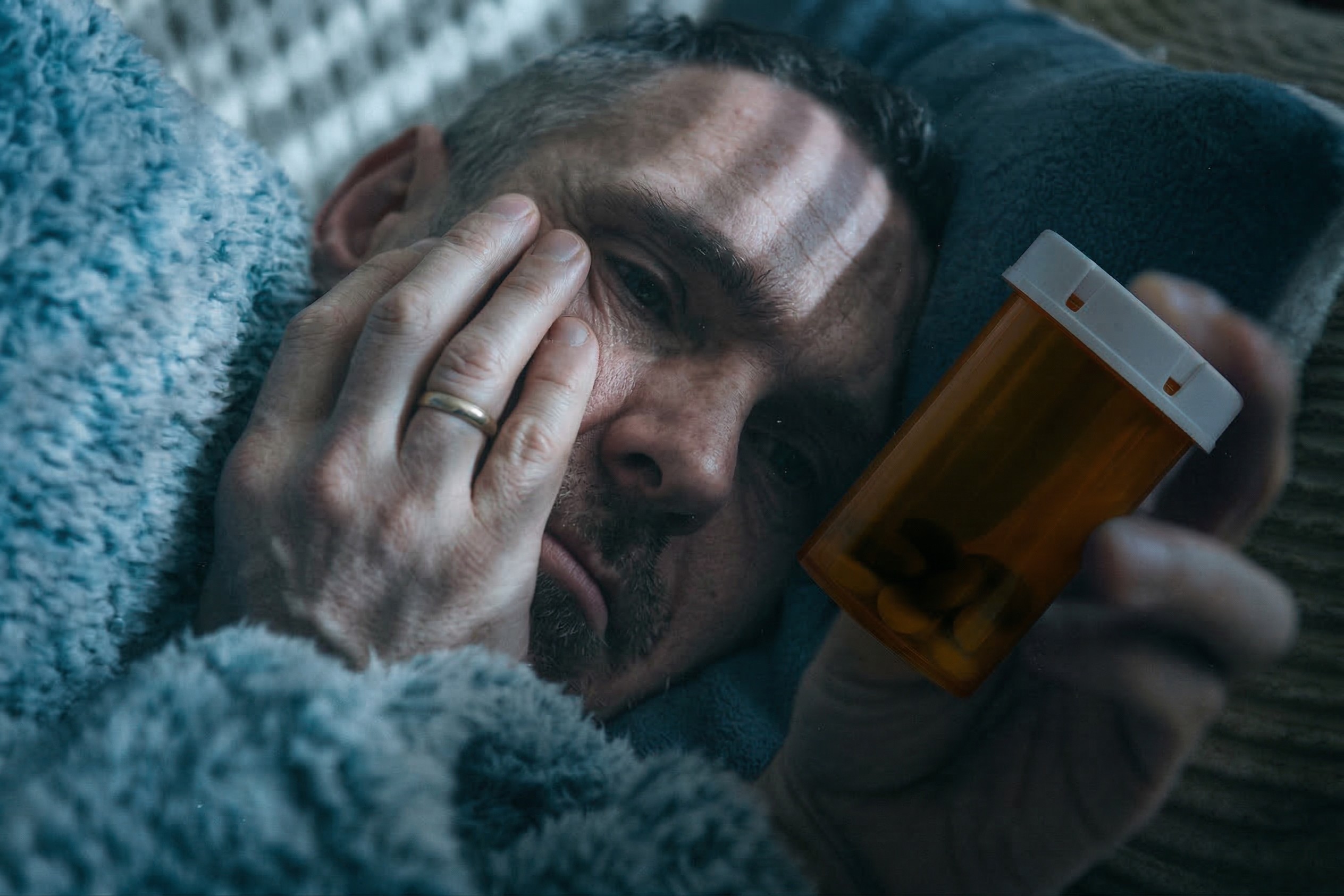
The answer was depression. Because depression was what killed her son. Depression is what was silently destroying men who looked fine on the outside. Depression was the thing the entire field of psychiatry kept treating the same way — with the same pills, the same algorithms, the same tired protocols — while patients kept suffering and families kept burying people they loved.
I decided I was done being part of that.
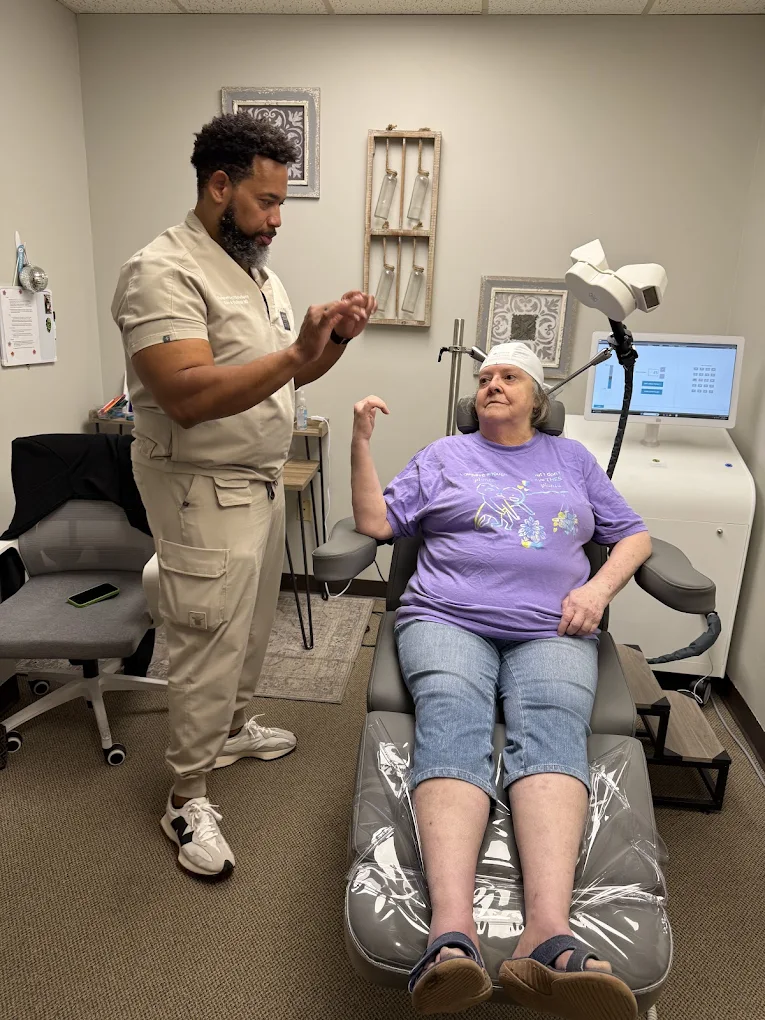
I started looking outside the box. Way outside. I found TMS — Transcranial Magnetic Stimulation — when most of my colleagues had barely heard of it. I went deep. I trained. I built. And then I found ketamine. And then in 2019, I opened the first Spravato clinic in the state of South Carolina — a brand new FDA-approved treatment that was transforming outcomes for people with treatment-resistant depression, and I was the first physician in this entire state willing to bet on it.
That’s not arrogance. That’s a man trying to keep a promise.
Because from the beginning, I knew what this practice was supposed to be. It wasn’t just a clinic. It was a *ministry.* A place where God’s grace would show up in the form of science — where the very tools He allowed human beings to discover would be used to pull people back from the edge. My faith isn’t something I check at the door when I put on my white coat. It’s the *reason* the white coat goes on every morning.
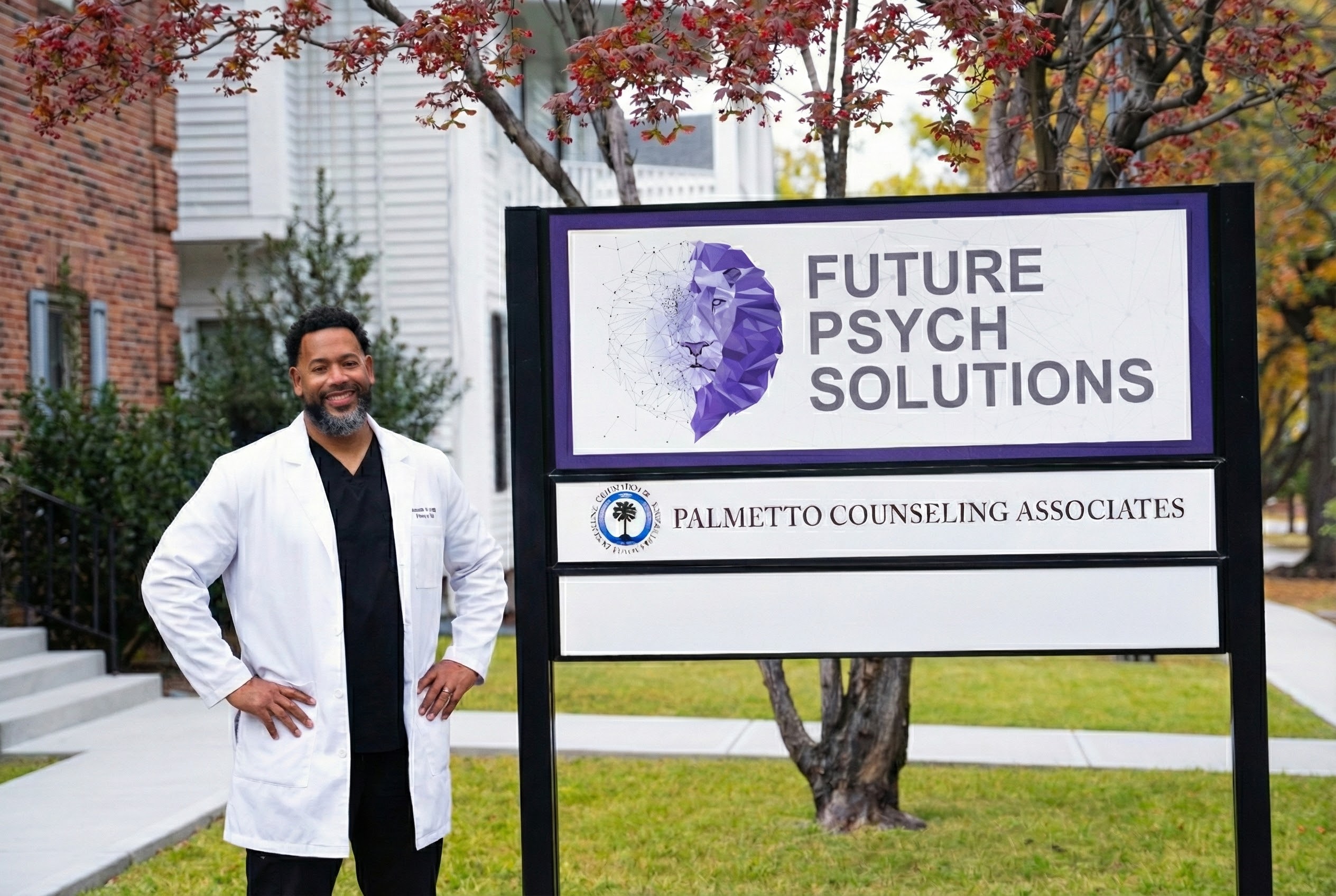
Future Psych Solutions was built to be two things simultaneously: a place of clinical excellence, and an act of worship. Every patient who walks through our doors and gets their life back — every husband who goes home present instead of empty, every father who shows up for his kids, every son who doesn’t become another funeral — that’s me honoring what that mother asked me to do.
We have now performed over 15,000 TMS treatments. We operate multiple locations. Patients come to us from across the region — sometimes across the country — because they have tried everything else and nothing has worked. And I am not board-certified, by choice, because I decided my energy belongs in the treatment room, not in a credentialing process. I know what I’m capable of. I am one of the best depression experts in this nation.
And I say that not to impress you.
I say it because a mother at her son’s memorial asked me to be.
We all face challenges, but looking back would you describe it as a relatively smooth road?
Too many to count, actually. We have endured resentment from colleagues and unfair reimbursement, vandalism, roof collapses, financial crises, you name it, we’ve been through it.
Great, so let’s talk business. Can you tell our readers more about what you do and what you think sets you apart from others?
Future Psych Solutions is South Carolina’s first and only comprehensive treatment center built *exclusively* around depression care. Not general psychiatry. Not a little bit of everything. Depression — specifically the kind that hasn’t responded to traditional treatment — is all we do. And we do it better than anyone in this state.
That focus was intentional from the beginning. When God broke me open at that memorial and I made a promise to a grieving mother, I didn’t go back to practicing the same way with a new attitude. I *rebuilt* from the ground up around a single question: what does it look like to be the absolute best in the world at treating depression? Every hire, every technology investment, every protocol, every square foot of our clinics exists to answer that question.
We were South Carolina’s first Spravato clinic. We brought TMS to this region when it was still unfamiliar to most local providers. We offer IV and IM ketamine. We don’t just offer these treatments — we *specialize* in them, which means our patients aren’t getting a doctor who learned about interventional psychiatry at a weekend seminar. They’re getting a physician who has staked his entire career on mastering this one lane.
**What are we known for?**
Three things people always say about us: we are *nurturing*, we are *forward-thinking*, and we are *different* in a way they can’t quite put into words at first — but eventually they figure out what it is.
It’s Jesus.
I am not owned by a hospital system. I am not answerable to a corporate board. I am not constrained by the bureaucratic anxiety that silences most physicians on anything that might be considered controversial or personal. Future Psych Solutions is an independent, private practice — and that autonomy is one of the most precious things I protect about it. Because it means that when a patient sits across from me and they are broken and desperate and out of options, I can speak *freely.* I can pray with them if they want. I can tell them that their suffering is not a punishment, that God sees them, that there is real neurological and spiritual hope available to them simultaneously.
That kind of conversation doesn’t happen in a corporate clinic. It happens here.
And I have watched it produce transformations that go far beyond clinical outcomes. People don’t just get better at Future Psych Solutions. They get *restored.* Marriages that were collapsing. Fathers who were emotionally absent for years suddenly showing up. People who had written their own obituaries in their heads finally imagining a future. That’s what comprehensive depression care looks like when it’s done inside a framework of faith and clinical excellence at the same time.
**What am I most proud of?**
Honestly? The fact that I have built a place where I can share Jesus Christ openly with the people who need hope the most — and that it’s *working.* Not as a gimmick. Not as a tagline. As a lived reality inside our walls every single week.
But I’m also deeply proud of something that doesn’t get talked about enough in mental health spaces: our commitment to the men and women who served this country.
We proudly accept TRICARE. We serve military families. And veterans who come to us with a referral from the VA receive care *for free.* Full stop. These are people who carried weight most of us will never understand, who came home changed in ways nobody prepared them for, and who too often fall through the cracks of a VA system that is overwhelmed and under-resourced. We built a lane specifically for them. Because honoring that mother’s son means honoring *every* son and daughter who put on a uniform and came home carrying invisible wounds.
Future Psych Solutions is a place where people can heal. That’s not a marketing line. That’s the architecture of everything we’ve built — the team, the treatments, the culture, the faith, the autonomy to do this the right way.
**And there’s a second lane.**
Everything I’ve learned building one of the highest-volume interventional psychiatry practices in the country — the operational systems, the patient acquisition strategies, the treatment protocols, the business model, the faith integration — I didn’t keep it to myself. I built Paradise Practice Coaching & Consulting to pour all of it into fellow physicians who are ready to stop surviving and start building something they’re actually proud of.
Because the mission doesn’t end with my patients. It extends to every physician I can equip to build their own version of this — their own place where people can heal.
That’s the brand. That’s the calling. That’s what we’re building.
And we’re just getting started.
Networking and finding a mentor can have such a positive impact on one’s life and career. Any advice?
I want to say something that might make some of my colleagues uncomfortable:
I have spent more money on my own education *after* medical school than I spent on all of my formal training combined. Every dollar of it was worth it.
Let me explain what I mean.
I had the privilege of training at some exceptional institutions. University of South Carolina for medical school. Morehouse School of Medicine for my adult psychiatry training — one of the most formative experiences of my life. Back to USC for my child psychiatry fellowship. I sat under brilliant educators. I was shaped by rigorous training. I am deeply grateful for all of it.
And it still wasn’t enough to prepare me for the world I was actually walking into.
Medical school teaches you to be a clinician. It does not teach you to be a *leader.* It does not teach you to build a team, run a business, market your practice, manage cash flow, develop a brand, or carry the weight of being the person everyone else is looking to for direction. And if you go into private practice — which I believe is the most powerful vehicle a physician has for actually serving patients the way they deserve to be served — you will need all of those things on day one.
Nobody told me that. I had to find out the hard way.
**So here’s what I learned about mentorship:**
There is simply not enough time in one lifetime to learn everything through your own trial and error. The cost of that approach — in money, in years, in stress, in missed opportunities — is catastrophic. The smartest thing you can do is find someone who has already paid that price and let them hand you the map.
Hire coaches. Hire consultants. Invest in masterminds, in rooms where you’re the least experienced person there, in programs that stretch you beyond your comfort zone. I have done all of it. And every time I wrote that check — even when it made me nervous — it returned more than I put in.
The best investment you will ever make is in yourself. Not in equipment. Not in real estate. Not in your next marketing campaign. *In yourself.* Because when you grow, everything you touch grows with it.
**But here’s something people underestimate:**
You don’t have to have direct access to a mentor for them to shape you profoundly.
Books and YouTube changed my life. I’m not being hyperbolic. Myron Golden taught me how to think about value, offers, and wealth in ways that rewired how I approach my entire practice. Daniel Priestley showed me what it means to become a Key Person of Influence in your industry. Jim Rohn handed me a philosophy of personal development that I still return to. Eric Thomas gave me a standard for hunger and discipline that I carry into everything I do.
None of these men know my name. But they have all shaped who I am as an entrepreneur — not just as a medical expert. And that distinction matters enormously. Because the physicians who are struggling right now are almost always clinically excellent and entrepreneurially underdeveloped. I was one of them. These mentors — accessed through a book, a YouTube video, a podcast — began correcting that imbalance in me.
Read voraciously. Watch intentionally. Curate whose voice gets into your head, because those voices become your inner advisory board whether you realize it or not.
**And then there’s the mentor that supersedes all of them.**
I would be telling an incomplete story if I didn’t say this plainly: studying the Word of God has had more impact on me as a physician, as a business owner, and as a family man than any course, any coach, any book, or any formal education I have ever received.
The Bible is the most sophisticated leadership manual, the most honest psychological text, and the most practical guide to human flourishing ever written. When I am confused about a business decision, I go there. When I am struggling as a husband to Lily, I go there. When I am sitting with a patient who has lost all hope and I need to find words that carry real weight — I go there.
God has been my primary mentor. Everything else is downstream of that relationship.
**So practically speaking — here’s my advice:**
Find someone who is five to ten years ahead of where you want to be and get as close to them as you can afford to. Pay for the access. Don’t wait until you feel ready — you never will. And while you’re building that direct relationship, fill every margin of your life with the voices of people who think bigger than you currently do. Books. Podcasts. YouTube. The greatest minds in history are available to you for free or nearly free. There is no excuse for a small mindset in the information age.
And above all — open your Bible. Not as a religious obligation. As a *student.* Because the wisdom you’ll find there will outlast every business trend, every coaching methodology, and every strategy that’s working right now.
Your greatest competitive advantage isn’t your degrees. It isn’t your technology. It isn’t even your network.
It’s who you are becoming.
Invest there first. Everything else will follow.
Contact Info:
- Website: https://www.futurepsychsolutions.com
- Instagram: https://www.instagram.com/dr_don_dubose/
- Facebook: https://www.facebook.com/don.dubose.50
- LinkedIn: https://www.linkedin.com/in/dondubose/
- Other: www.ratemydepression.scoreapp.com