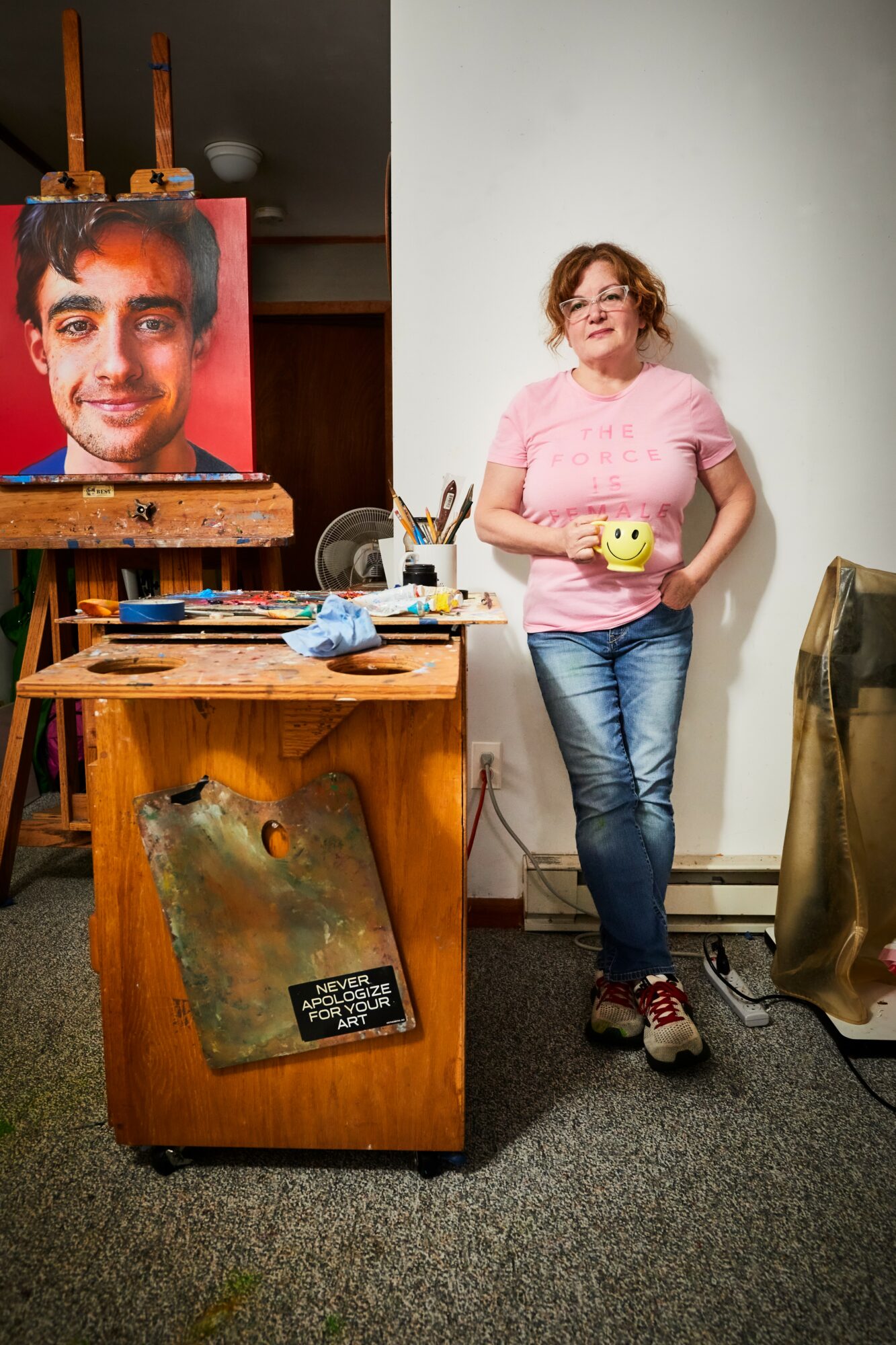
Today we’d like to introduce you to Nadine Robbins.
Hi Nadine, can you start by introducing yourself? We’d love to learn more about how you got to where you are today?
I grew up on the Isle of Palms, and honestly, that’s where all of it starts. My father loved oysters. He’d load us onto his boat and take us out to find them. My mother was an artist, and when I was five she left two books on the coffee table, Renoir’s Girl with a Watering Can and Dalí’s The Persistence of Memory. I went straight for the melting clocks. In fourth grade I was voted best artist at my school, and I still have that little trophy in my studio to remind me that becoming an artist was my destiny. I spent part of my childhood in the south of France, too, where art, food and pleasure are all one conversation, and that never left me.
I wanted to be a fine artist. But I had a teacher who told me that portraiture and realism weren’t art, and I believed him. So I listened to my father instead and went into graphic design, which became the foundation of my art today. I got my BFA, worked in-house at Citibank and Chase, discovered I was unfit for corporate America, and started freelancing, which eventually grew into my own studio. I ran it for twenty years, building brand identities and annual reports for companies like Canon and Shell.
Then 2008 arrived. So much of my business was in the financial industry that most of it vanished overnight. I was already running on fumes, and closing the studio was the hardest thing I’ve ever done. It was also my way out. It handed me back the thing I’d wanted since I was five. I started painting again, and two years later I had my first solo show, eight large portraits of couples I called 8 Portrait Peaces, spelled that way on purpose. I sent one to the Royal Society of Portrait Painters’ open exhibition in London and it got in. Sent another the next year, and that one got in too. That’s when I decided to become a fine artist. I was mostly self-taught, so I went and studied with a master painter near me, Paul McCormack, who taught me how to paint skin tones and many other techniques. My work changed dramatically.
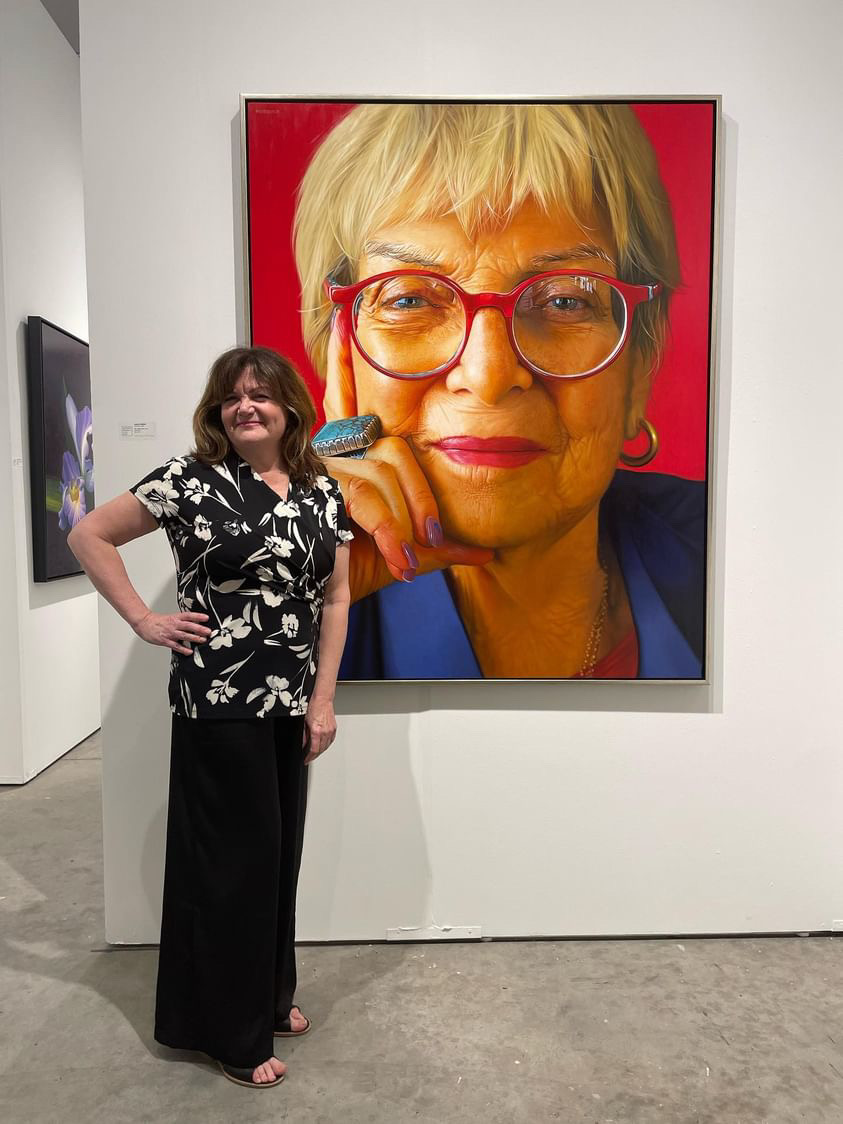
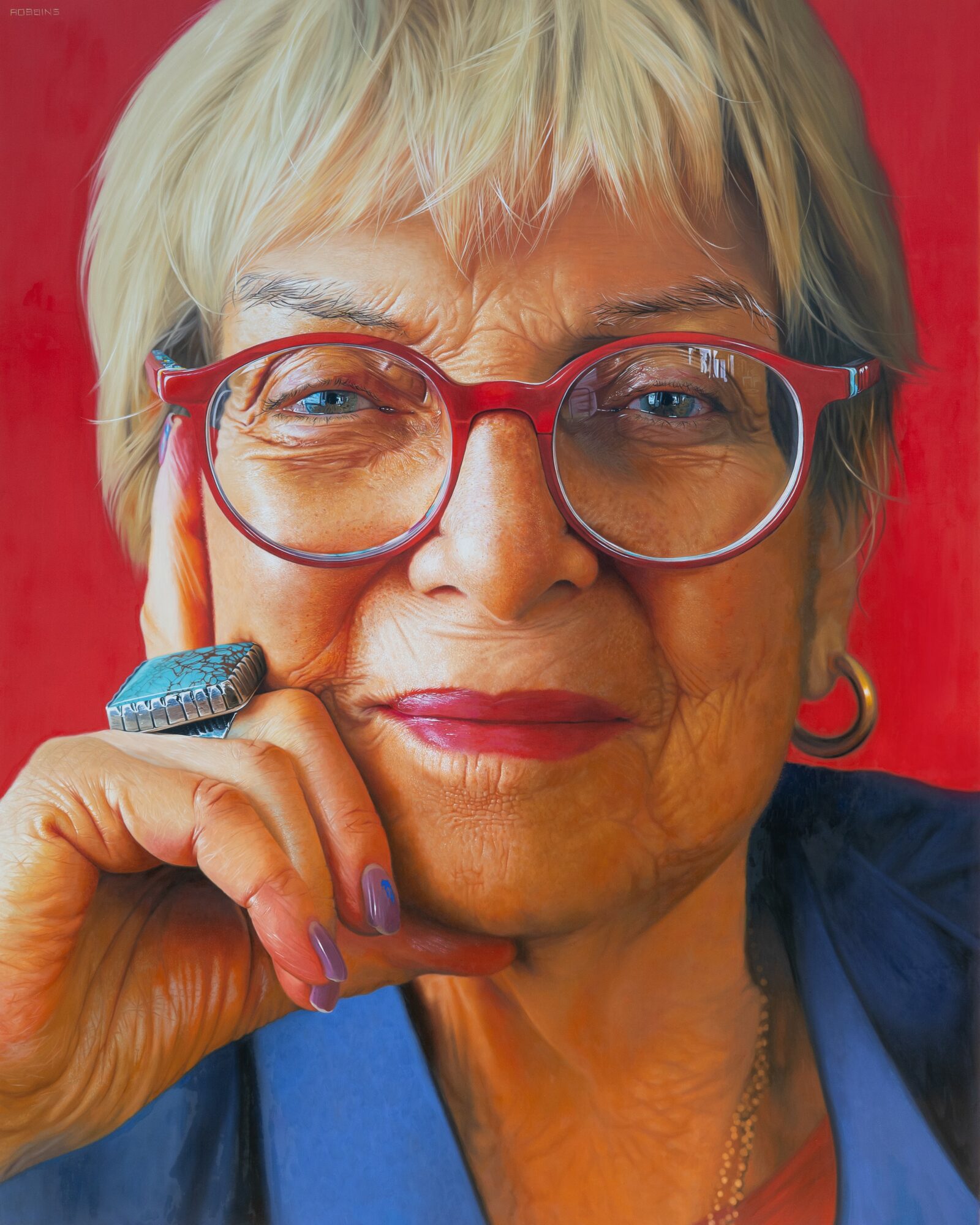
That was eighteen years ago. The work has moved from oysters to portraits to full figures, and lately I’m painting closer in, simplifying, sometimes down to a single part of the body or a large detail of the reflections in an oyster. From the outside it can look like I’m all over the place, but it’s really one long conversation with the feminine, and I’ve never left it. Along the way the paintings have gone to MEAM in Barcelona, to Art Miami, to the Arnot and the Rockwell in NY, and even to the moon with NASA’s Lunar Codex. In February of this year my portrait of Audrey Flack ended up on the cover of Fine Art Connoisseur.
These days I live in New York’s Hudson Valley, and I take commissions for both portraits and oysters internationally.
Can you talk to us a bit about the challenges and lessons you’ve learned along the way. Looking back would you say it’s been easy or smooth in retrospect?
Has anyone’s road been smooth? Mine started with a teacher telling me that portraiture and realism weren’t art. Then the 2008 financial crisis took my business away, and when I finally had the time to paint full time I had to face the fact that I was self-taught and my skills needed improvement.
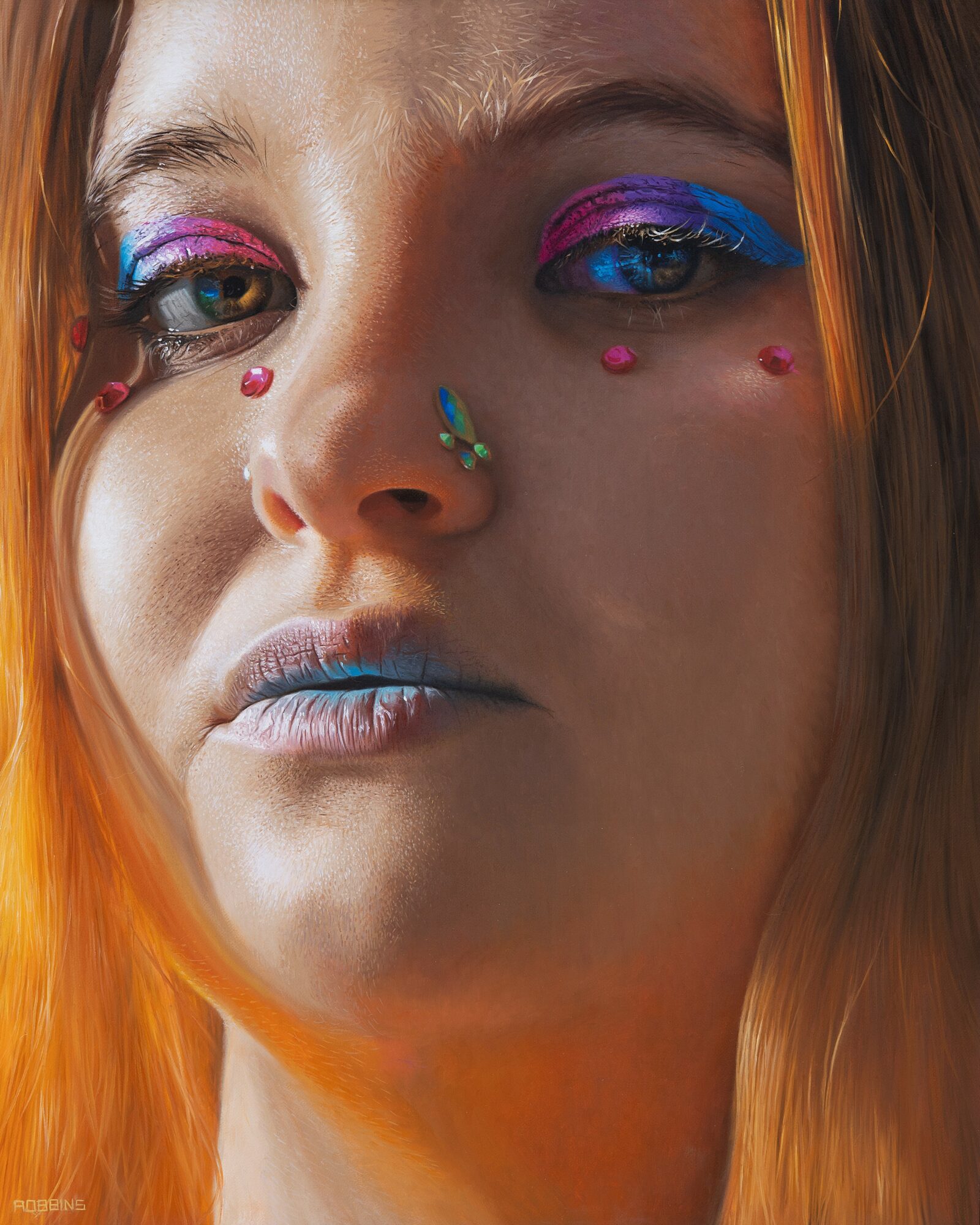
The hardest one came in 2018. I was diagnosed with optic neuritis and lost the vision in my right eye. Looking is my whole job. After a few months I finally went back into my studio, and I discovered that my lack of depth perception meant my brush was hitting the canvas before I wanted it to. That’s where the dots came from. Instead of feeling defeated, I started playing around with them. Then a friend suggested I read The Obstacle Is the Way by Ryan Holiday, and everything changed. I decided to fully embrace my limitations, jumped into the new technique, and my art has never been better.
I consider this a major breakthrough. Plenty of people don’t like the dots and they tell me so, which is fine. What matters is that my voice got louder instead of quieter. That’s been the pattern the whole way through. The teacher, the crash, the eye. Every one of them shut a door and sent me looking for a window.
Can you tell our readers more about what you do and what you think sets you apart from others?
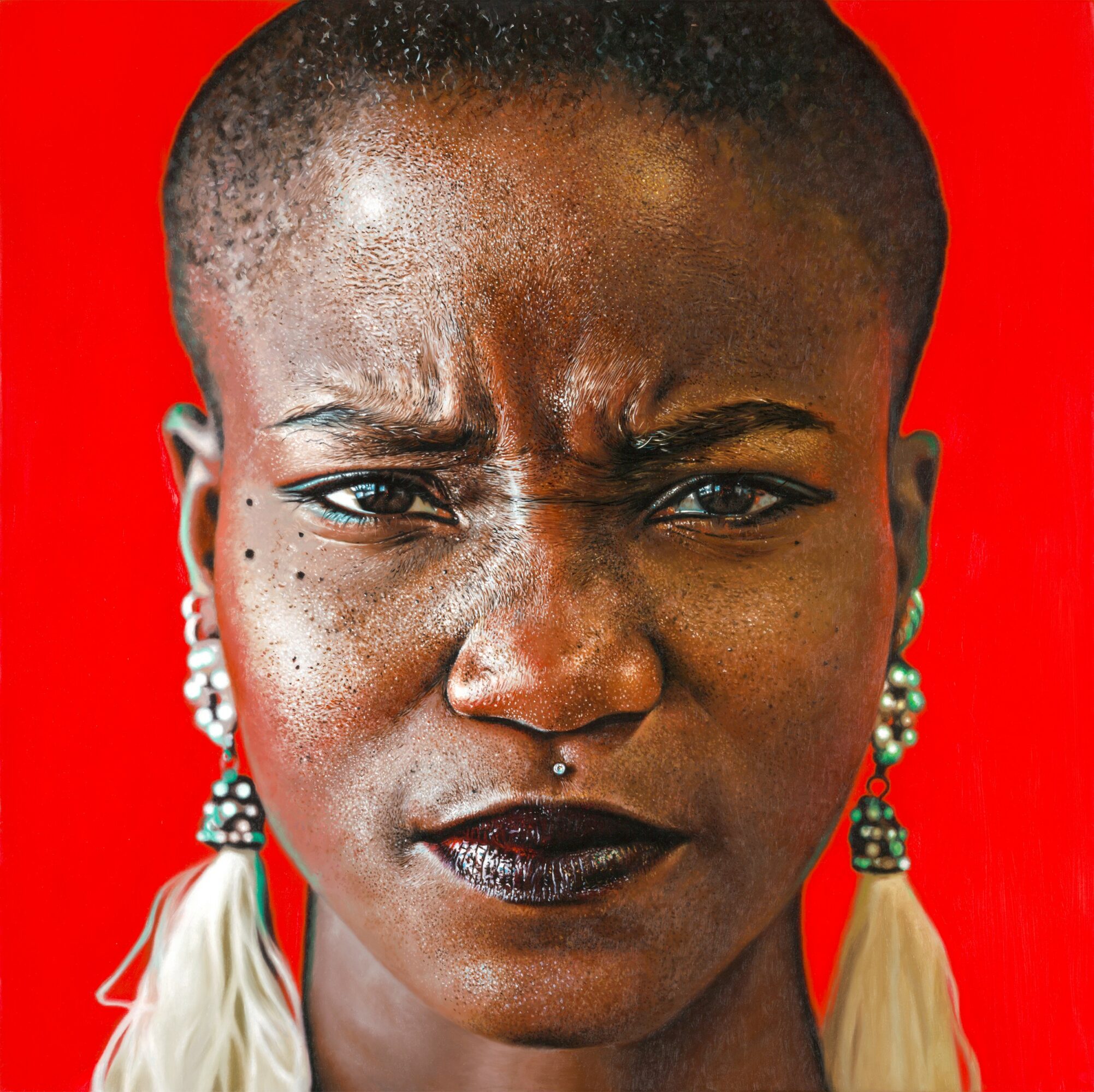
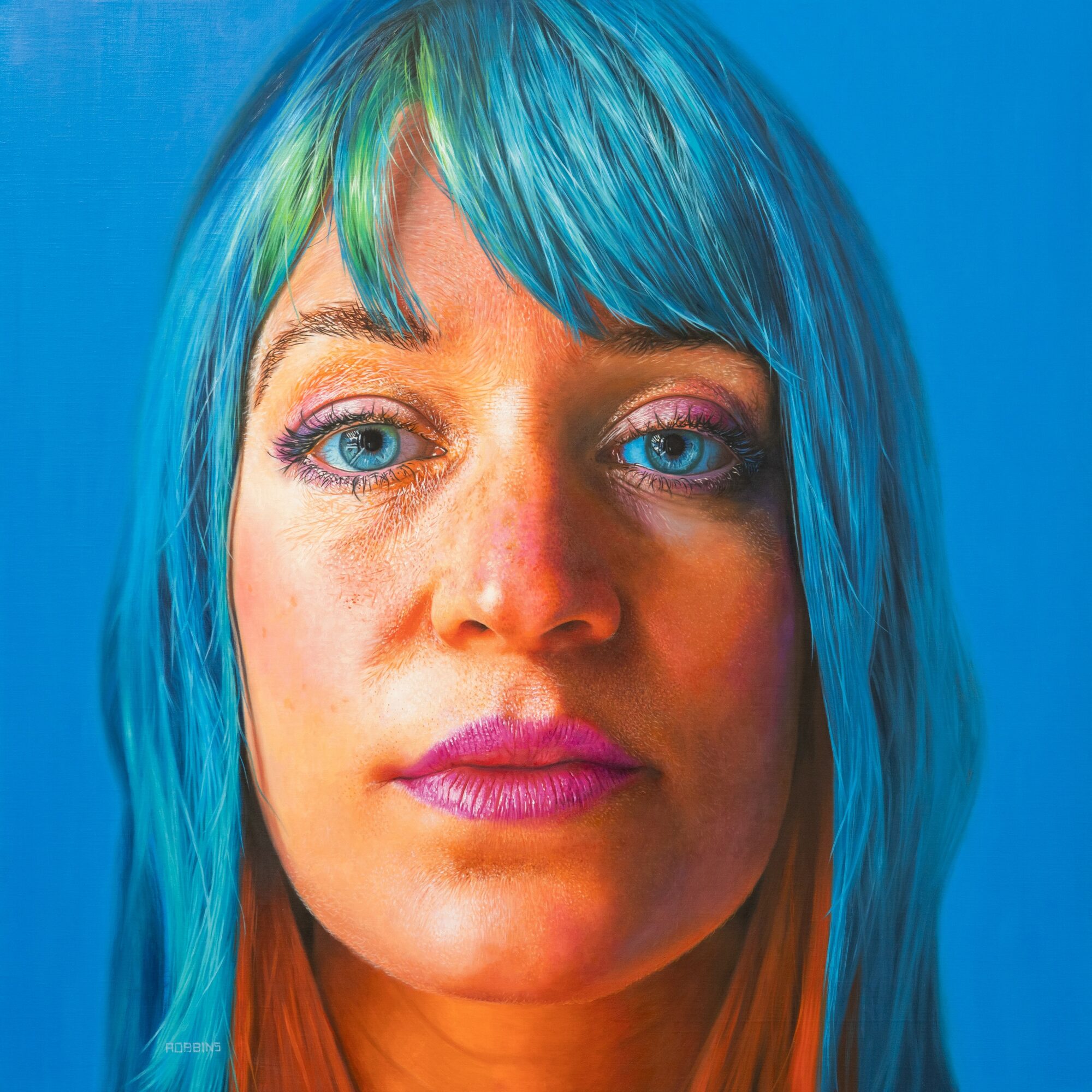
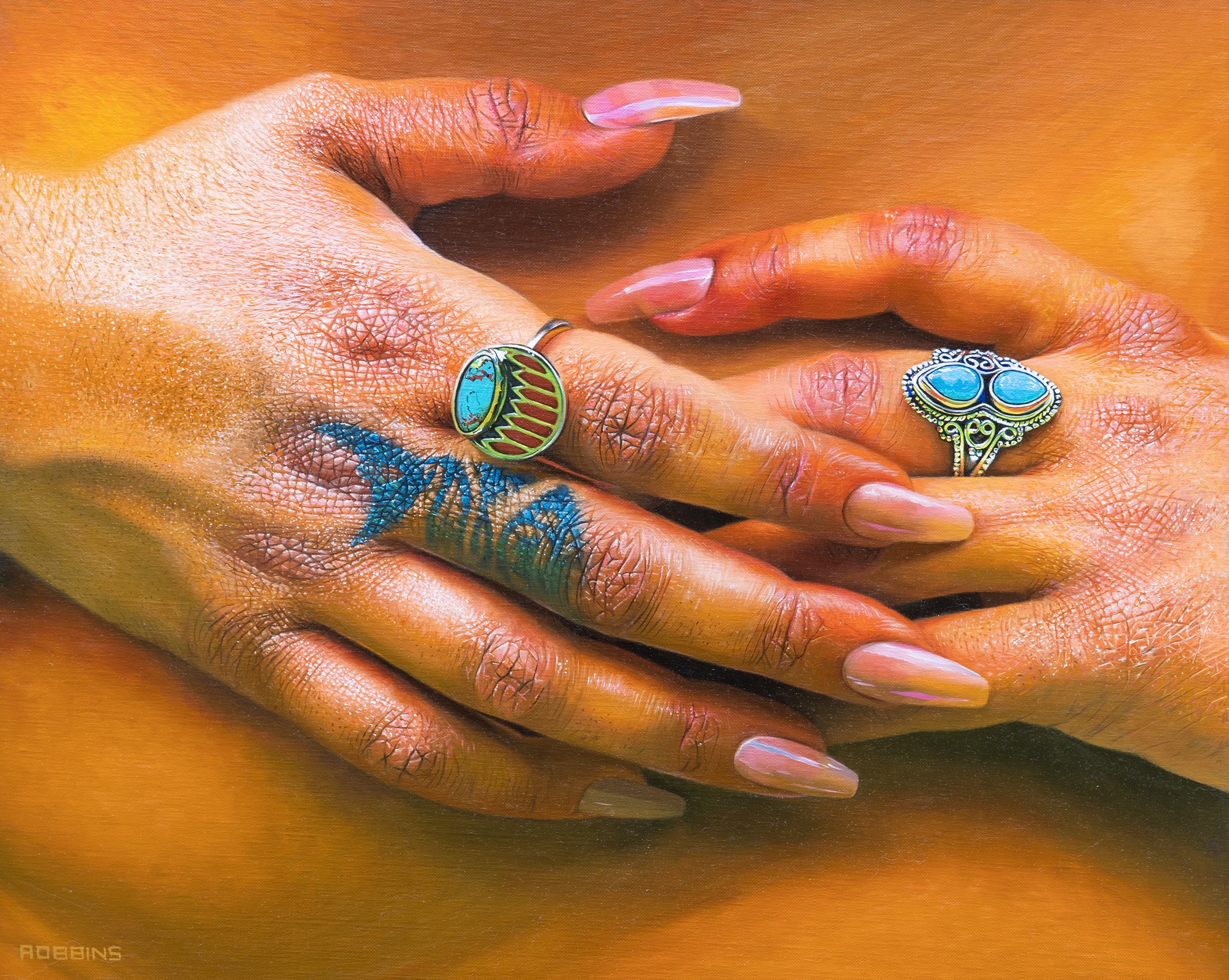
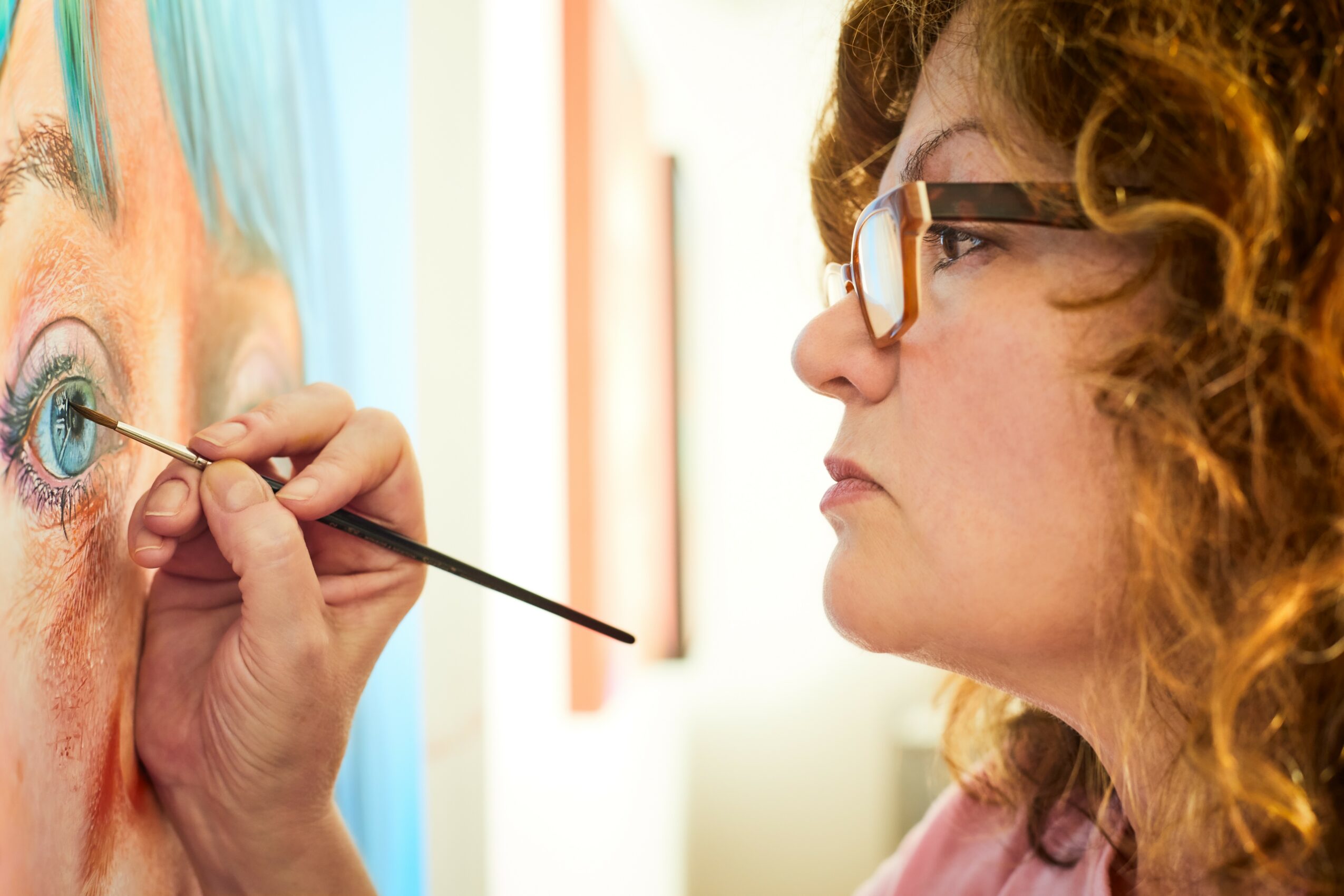
I’m a fine artist working in oil, and I’m known for two things: realistic portraits of people, and still lifes of oysters. Everything starts with my own photographs as reference. I build the painting in layers, starting with loose strokes of thinned paint, each layer after that thicker, and thousands of tiny dots of color on top to create luminescent hyperreal forms.
What I’m after is emotional weight. Copying a photograph is a skill, and it isn’t enough. The harder thing is a painting that holds a room. Honesty and authenticity are the whole point of the work, and they’re what set it apart. Long before photography, a family commissioned a painting to mark a birth, a marriage, or a legacy, and that’s still what a portrait does. A photograph catches a second. A portrait is hundreds of hours of one person looking hard at another, and you can feel the difference standing in front of it. Currently, I’m taking commissions worldwide, for portraits and for oysters, and after many requests, I’ve created a series of limited editions of some of my work.
What I’m proudest of is that I keep finding windows. Every time a door closed, I found another way through, and my art got better. I’m also proud of the portrait I made of Audrey Flack, the matriarch of photorealism, which sold at Art Miami and later ran on the cover of Fine Art Connoisseur. Recently, I’m adding oysters back onto my easel. They’re where I started, and I’m not finished with them.
What quality or characteristic do you feel is most important to your success?
Not quitting. Every obstacle in my life took the floor out from under me, and each time I found another way to move forward, better than ever. I’m proud of that.
Pricing:
- $3000 for a 12”x 9” portrait oil painting of one head
- $800 for an 11”x14” pencil sketch of one head.
- $2000 for an 8″x8″ oil painting of an oyster
- For larger paintings, a head and shoulders, 3/4 body, full figure, extra figures, or complex details, like fabrics or jewelry, a dozen oysters, shipping, packing, and taxes will all require a custom estimate. For more details on the process, visit https://www.nadinerobbinsart.com/commissions
- Prints start at $100 for a 16×20 open edition print.
Contact Info:
- Website: https://www.nadinerobbinsart.com
- Instagram: https://www.instagram.com/nadinerobbinsartist/
- LinkedIn: https://www.linkedin.com/in/nadinerobbins/
- Youtube: https://www.youtube.com/@nadinerobbins
- Other: https://www.tiktok.com/@nadinerobbinsart