Today we’d like to introduce you to Marta Zakharchuk And Isaac Morehead
Hi Marta Zakharchuk and Isaac Morehead, thanks for sharing your story with us. To start, maybe you can tell our readers some of your backstory.
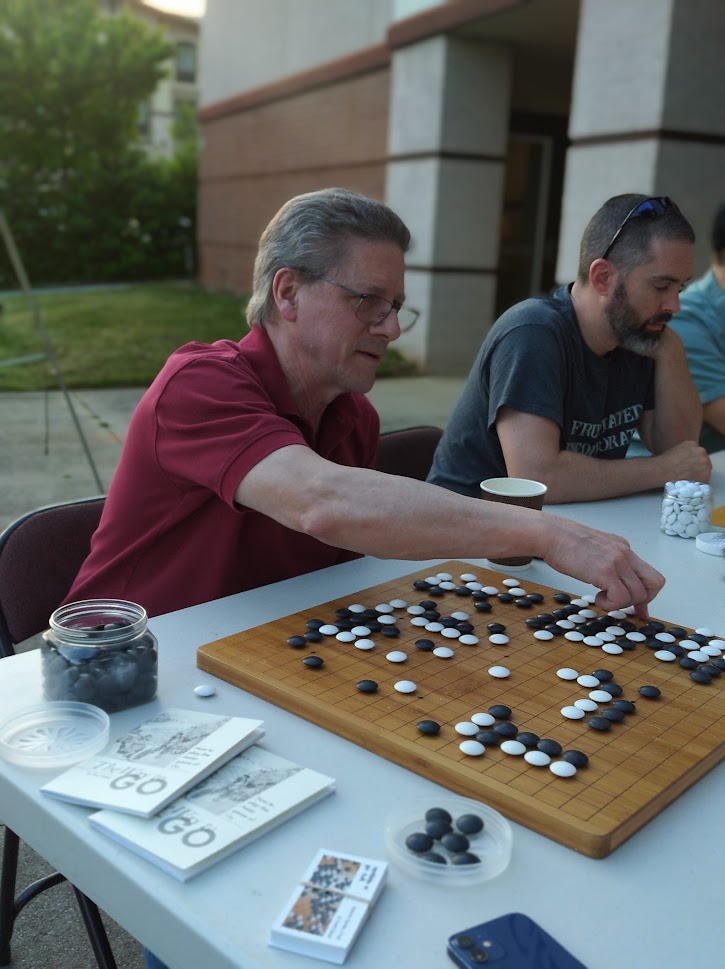
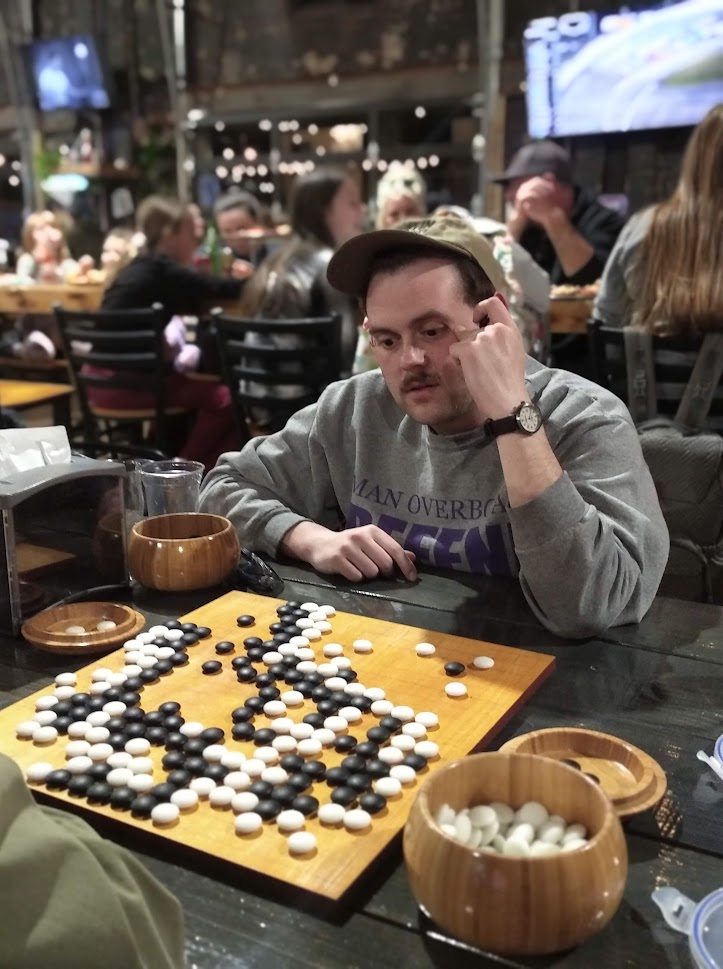
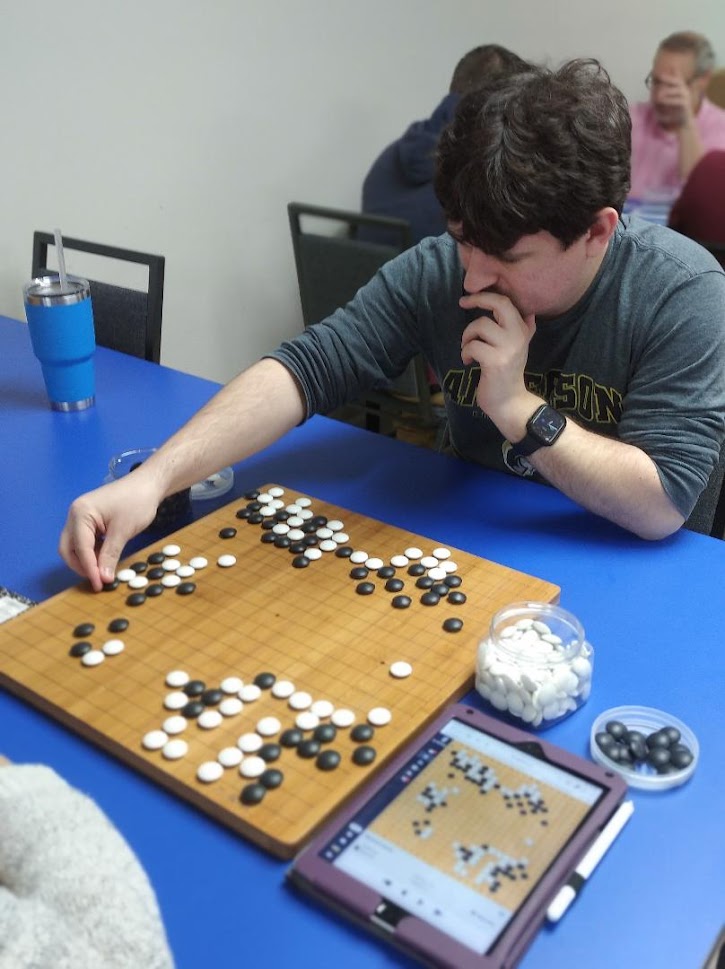
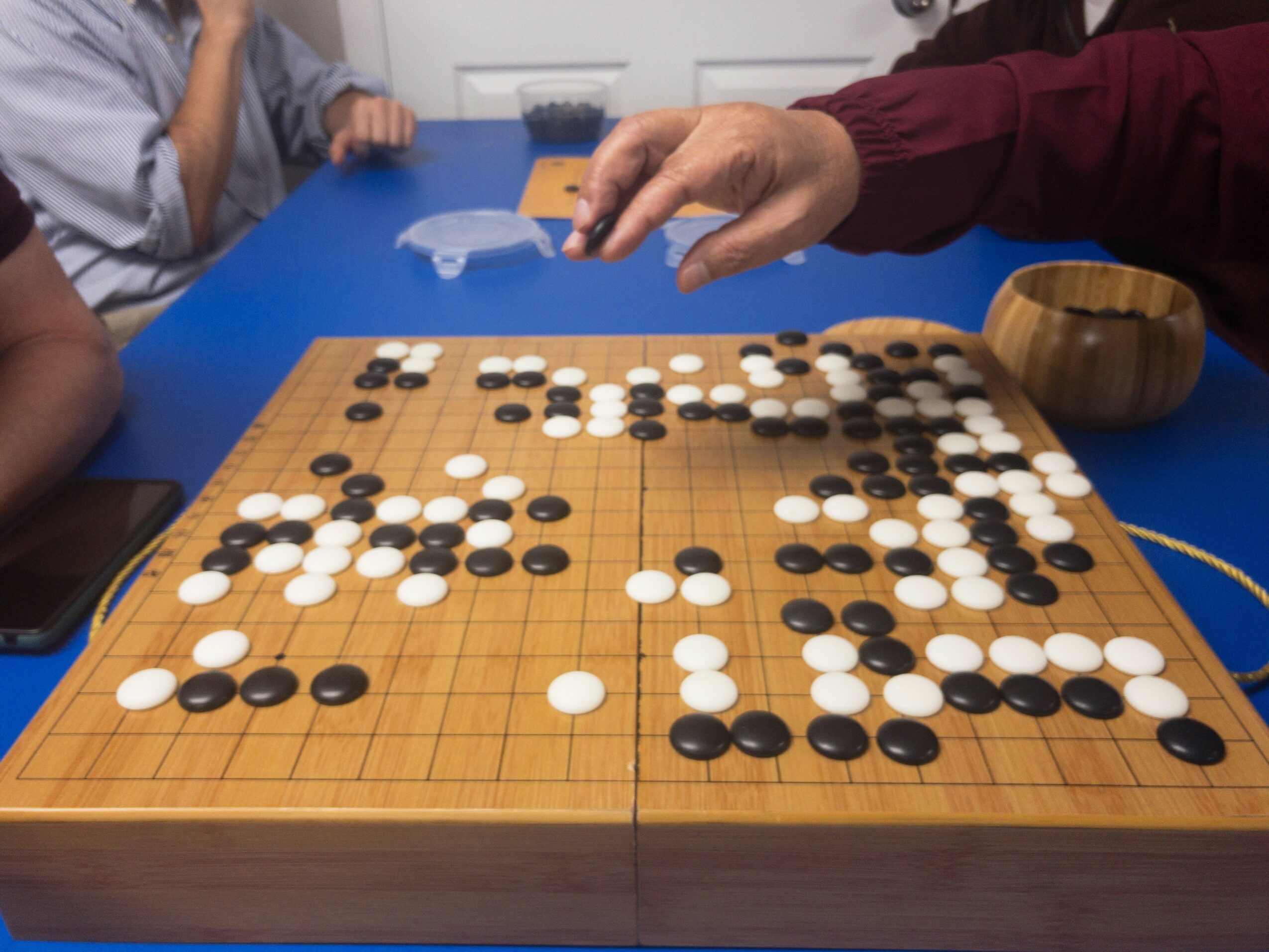
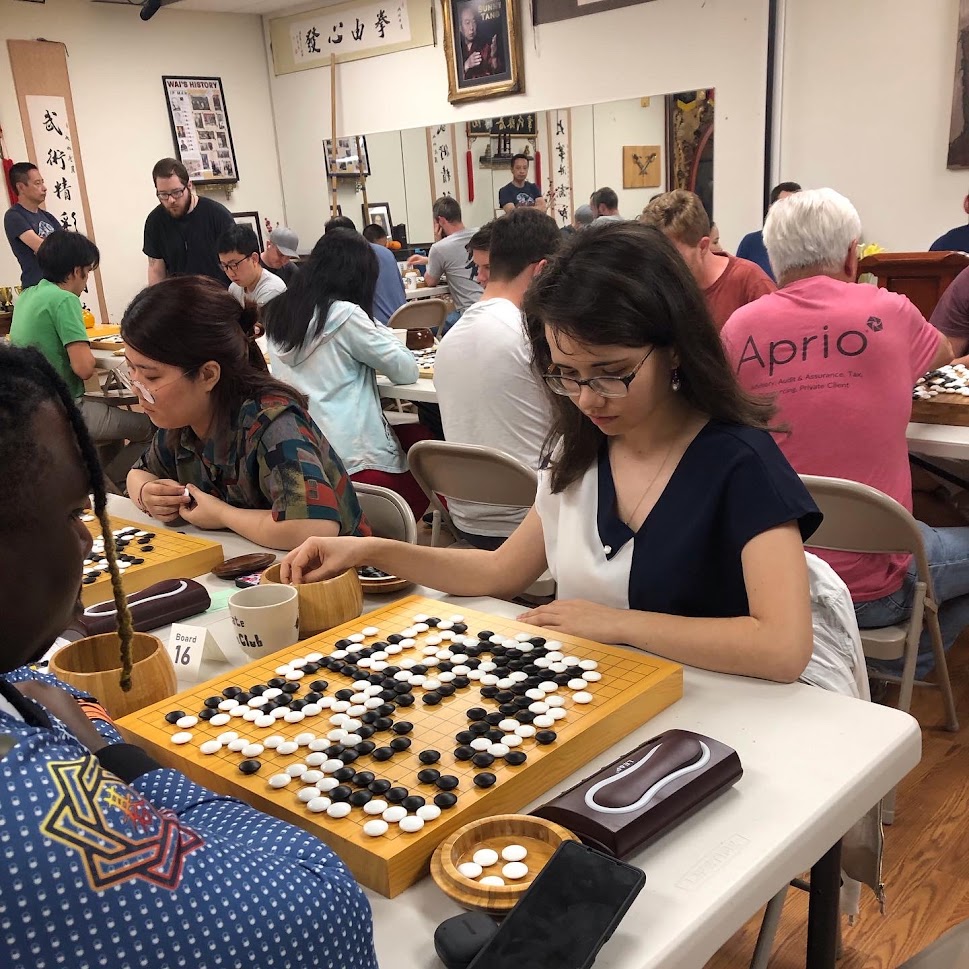
Isaac and I first met at our city’s chess club, and during a conversation, we discovered that we both knew about Go. Naturally, we started playing together, and before long we thought, why not start a club?
At first, it was just the two of us, but I made flyers and posted them around town, inviting anyone interested to join us at the local library. Slowly, people started showing up. As our group grew, we realized we needed a better location, so we moved our meetings to Empire Games, a game shop just a block away, which had later hours and a more relaxed atmosphere.
Word of mouth was a big part of our club’s growth, but social media (Facebook and Instagram) became our main way of reaching new players. Many of our first members were personal connections: friends, coworkers, and even players from old Go clubs that had disappeared during COVID. In fact, our Greenville branch is actually a revival of one of those groups. Then, something shifted: people we didn’t know started finding us through our website or the American Go Association website, and eventually, we had a core group of dedicated players.
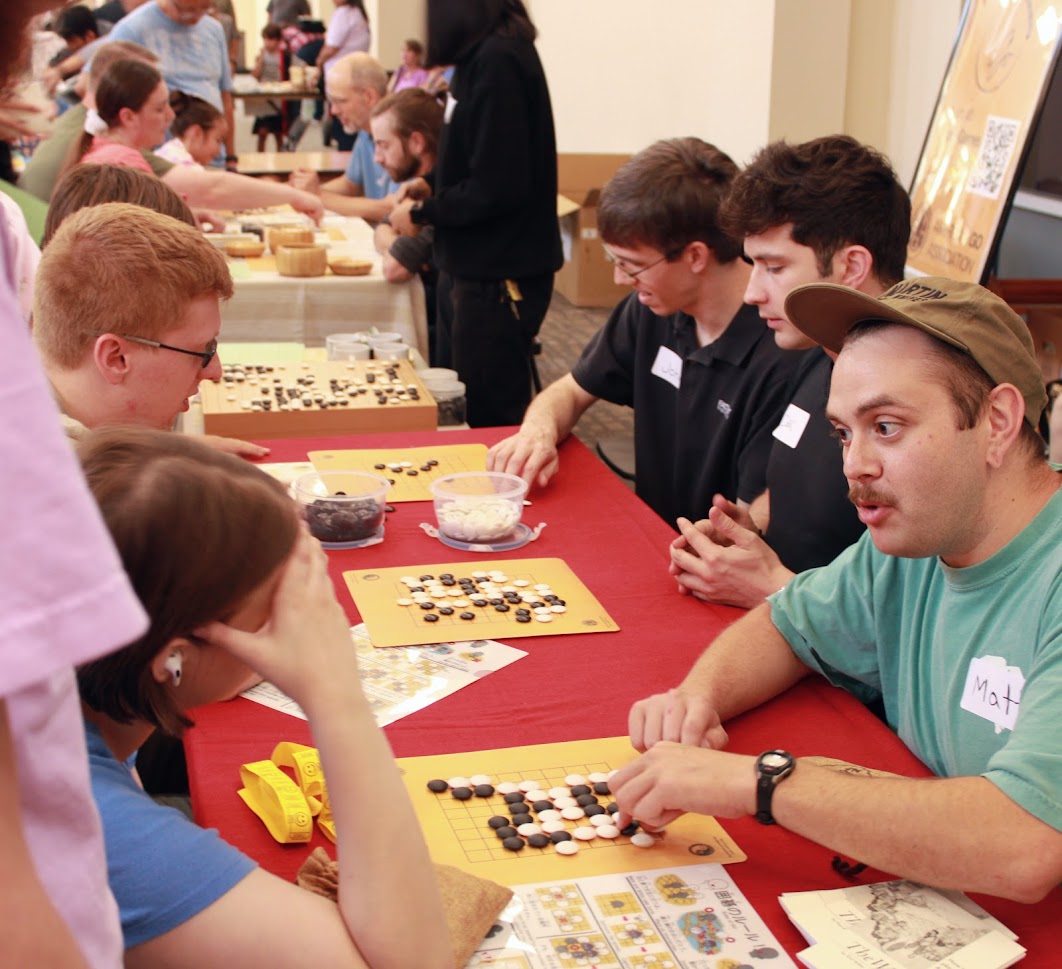
With a solid foundation, we started looking for ways to share Go with the broader community. We played in public spaces, starting with something simple: dining at a local restaurant and playing Go afterward (Bradbury Bistro, Magnetic South Brewery). From there, we got a big opportunity: participating in the Japan-American Association’s Bon Dance Festival in August, where we set up a booth and introduced the game to completely new audiences.
Now, just two years after starting with a simple idea, our club has grown so much that we’re preparing to host the first-ever statewide Go tournament this spring. It’s been an incredible journey, and we’re excited to keep growing and sharing this game with even more people!
Would you say it’s been a smooth road, and if not what are some of the biggest challenges you’ve faced along the way?
It definitely hasn’t been a smooth road–Go is still relatively unknown in the West, which means our biggest challenge has been simply getting people to give it a try. Despite being older than chess, Go only reached Europe in the late 19th century, so many Americans have never even heard of it. Unlike chess, which is ingrained in Western culture, Go is something people often stumble upon by chance. Some discover it through its cultural roots–since the game originated in China over 4,000 years ago, many Asian players are already familiar with it. Others, like me, first encountered it through pop culture; I was introduced to Go by the anime Hikaru no Go. More recently, AlphaGo’s victory over the world’s top player in 2016 sparked curiosity, particularly among programmers and AI enthusiasts.
But despite these occasional bursts of interest, Go still has a reputation problem. Some assume it’s too complicated or that it’s only for a niche group — smart men, serious strategists, or those deeply into strategy board games. In reality, Go is one of the most accessible games out there. The rules are actually simpler than chess.
Can you tell our readers more about what you do and what you think sets you apart from others?
I’m currently self-employed. I’m an online ESL teacher for adults.
Isaac works for an Arthrex Medical manufacturer as a CNC operator.
If we knew you growing up, how would we have described you?
Marta: Growing up in Ukraine, I was involved in just about everything: dancing, playing piano, singing in choir, swimming, painting, and, of course, keeping up with school. I loved exploring different activities, and I’m grateful for that experience because I still enjoy all of them today. I was a calm and curious child, eager to learn new things. When I moved to the U.S. at the age of 10, my focus was learning English. At the same time, I was placed in Spanish classes, so I had to juggle both languages at once. But rather than feeling overwhelmed, I came to appreciate the value of languages. That mindset has stayed with me–I’m multilingual now and currently learning my fifth language, Japanese.
Isaac: I seemed to be a creative who benefited from some structure to grow upon. One of my earliest memories is of an old upright piano I would play on as a small child. I was kind of a rambunctious kid otherwise, always outside climbing trees or making my way questing through the woodlands around my home. I really enjoyed playing with building blocks, but I admit I rarely followed the instructions. In school, I seemed to be a good problem solver, but my attention was often drawn in many directions, and I would find myself with difficulty focusing. Because of this, I wasn’t bad in school but not too persistent for the all-A honor roll. Music would come back to me in middle school as I joined the marching band as a trumpeter.
Contact Info:
- Website: https://upstatescgo.wixsite.com/club
- Instagram: https://www.instagram.com/upstatescgoclub/
- Facebook: https://www.facebook.com/profile.php?id=100090699901362
- Other: https://www.facebook.com/groups/1524337047868211