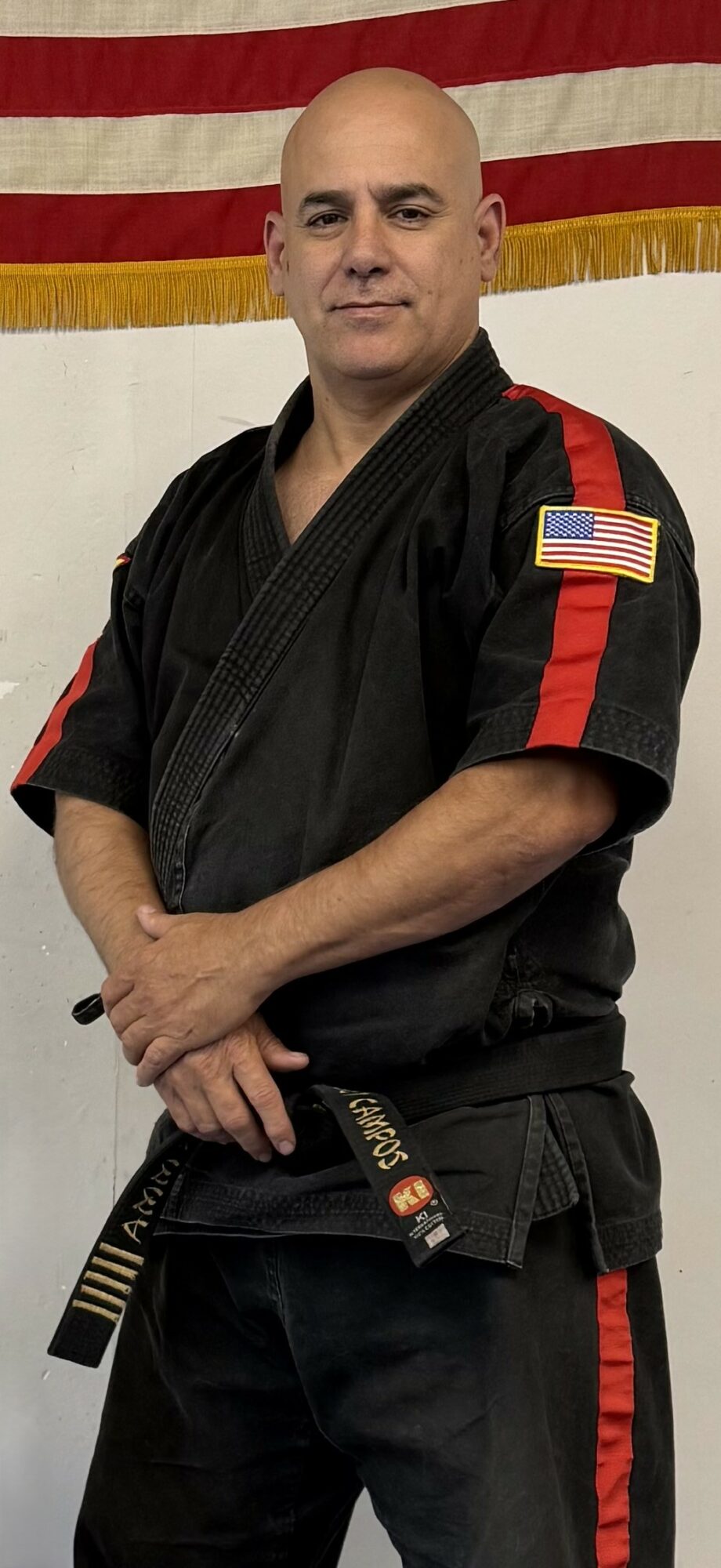
Today we’d like to introduce you to Luis Campos.
Hi Luis, so excited to have you with us today. What can you tell us about your story?
I was just five years old when I began my martial arts journey. Bursting with energy and lacking self-control, my mom enrolled me in Brazilian Jiu-Jitsu to help me channel my energy more constructively. That first step onto the mat changed my life.
At the age of 13, I moved to the United States and started training at Tiger Schulman’s Karate, a Kyokushin-based style. It was there that I truly fell in love—not just with practicing martial arts, but with teaching it. I earned my black belt at 15 and began teaching classes regularly, often running them entirely on my own. I balanced school, soccer, and training—racing to the dojo every day, including weekends.
At 21, I officially became a Sensei and ran my own school under the Tiger Schulman’s organization. After the events of 9/11, I felt a strong calling to serve and decided to join the U.S. Army. I was deployed in 2003, and even while overseas, I continued my martial arts training—sometimes with fellow black belts, and one of the most unforgettable experiences was training with the Israeli Army for several months.
After returning home, I opened my own dojo: the Universal School of Karate. I successfully ran that school for six years, but another deployment forced me to close it. Over the years, with multiple deployments, I kept my training alive—either on my own or alongside other black belts in the military. I also attended the Army Combatives Course and became a certified instructor, teaching martial arts within the military.
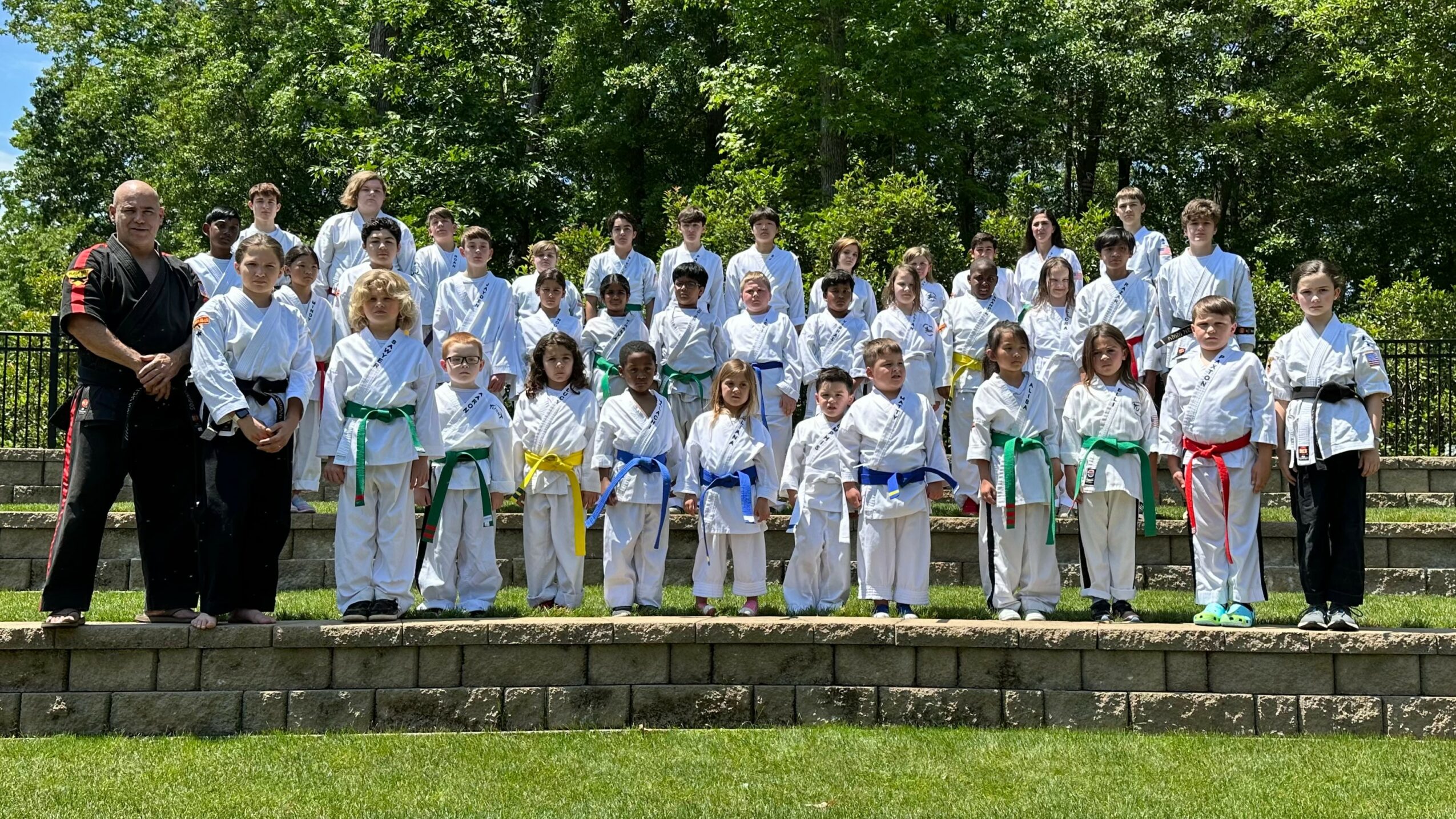
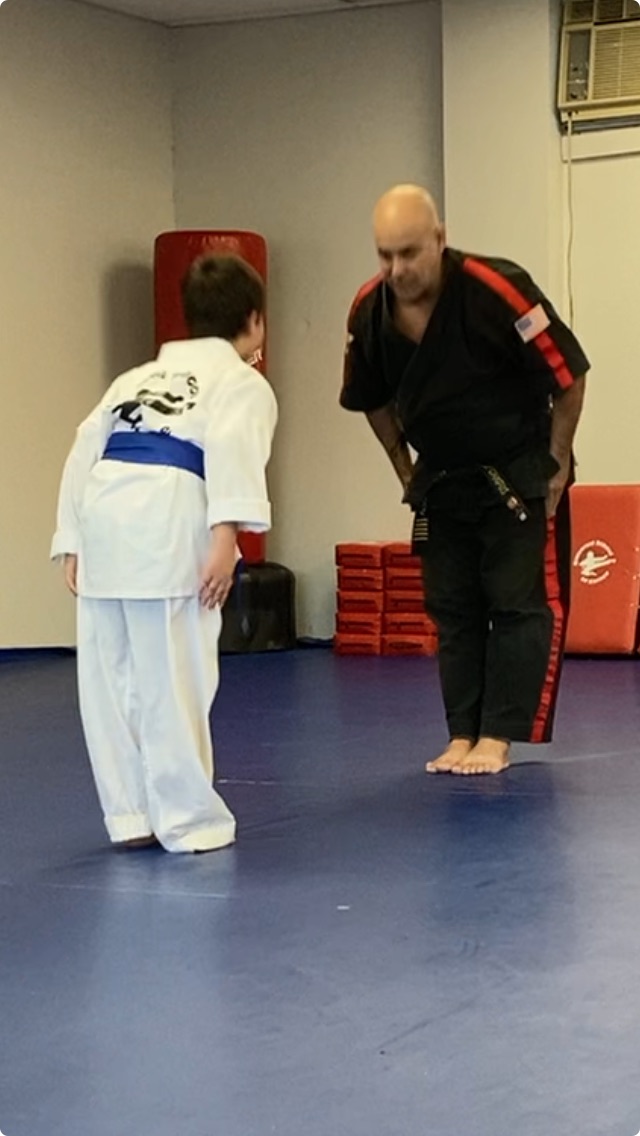
When I retired from active duty, I returned to what I love most—teaching. I reopened the Universal School of Karate, this time in Irmo, South Carolina, where I’ve been proudly serving my students ever since.
Karate has been my constant—through childhood, immigration, military service, and beyond. It taught me control, focus, resilience, and above all, the importance of never giving up.
Would you say it’s been a smooth road, and if not what are some of the biggest challenges you’ve faced along the way?
The deployments were some of the hardest times for me—not just personally, but for my family and my students as well. When I had to leave, I left behind a school full of students I had trained for years. I had black belts on the mat, kids I watched grow up—and then I had to walk away. For a while, I honestly thought I might never teach again. It truly broke my heart.
Eventually, I got through it and reopened my school—but only after I retired from the military. Just when I thought the hardest times were behind me, the pandemic hit. That was, without question, one of the most difficult obstacles I’ve faced. We had to close our doors for a long time, which meant no income—but the bills didn’t stop. Rent kept coming, and many students stopped training. We lost so many that we eventually had to move to a smaller, more affordable location just to survive.
I don’t run my school to make money. Honestly, I barely make enough to cover the bills and the gas for my commute. I live in Batesburg and drive almost 45 minutes each way to the dojo, but I do it because I love it.
Still, the hardest challenge of all is losing students—no matter the reason. The kids who come through my doors aren’t just students; they become family. I build real bonds with them. So when one of them leaves, it’s like losing a piece of myself. It hurts, every time.
Where do you see things going in the next 5-10 years?
The martial arts industry is definitely improving, but it’s been through a tough time. COVID-19 hit us hard. Across the country, martial arts schools saw significant drops in enrollment. In fact, industry reports showed that over 30% of martial arts studios temporarily or permanently closed between 2020 and 2021. For many families, karate was seen as expendable—the first activity to go when finances got tight.
But what a lot of people don’t realize is that martial arts isn’t just an extracurricular—it’s a life builder. It teaches kids discipline, confidence, and the mindset to never give up. It gets them moving, gets them off their devices, and builds real-world character. I wouldn’t be where I am today without the training I received. The confidence, self-control, and discipline I developed through martial arts shaped my entire life.
At my school, we’ve always taken a different approach. We’re intentionally small. We cap our student count at 50, and that’s by design. Any more than that, and I might lose the personal connection I’ve built with each kid. I know my students. I know what they’re capable of, and I know how much better they can become. I push each one individually—and that kind of attention is only possible if we keep the school small.
Even as the industry grows again—with projections showing a $171 billion global market by 2028—I’m not chasing size. I’m chasing impact. And that means staying true to what works: quality over quantity, connection over scale, and character over belt color.
Contact Info:
- Website: https://uskmma.com/
- Facebook: https://www.facebook.com/USK2018