
Today we’d like to introduce you to Lakoia Turner.
Hi Lakoia, thanks for joining us today. We’d love for you to start by introducing yourself.
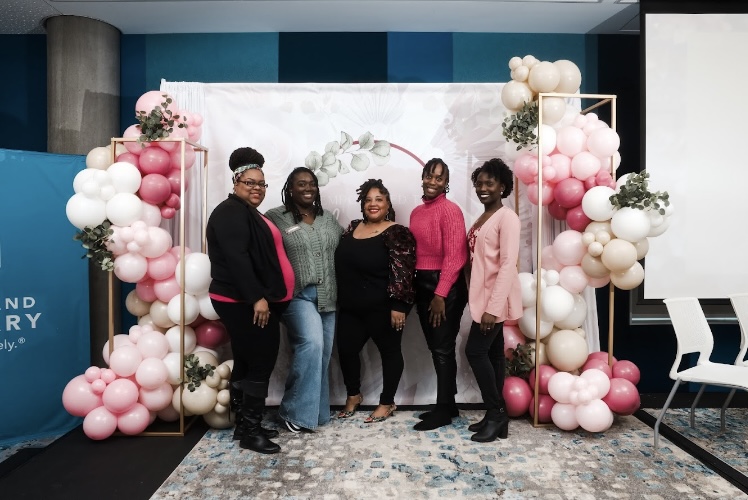
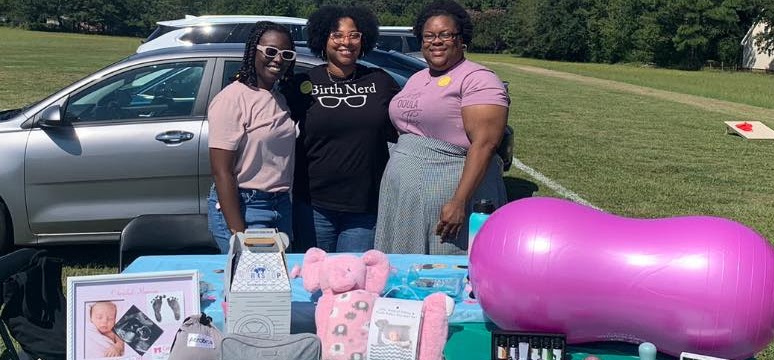
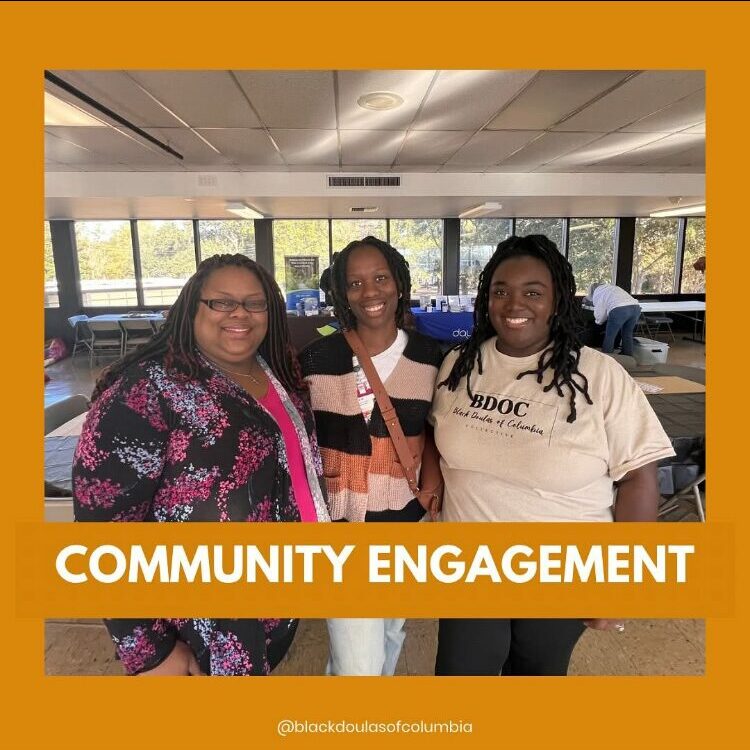
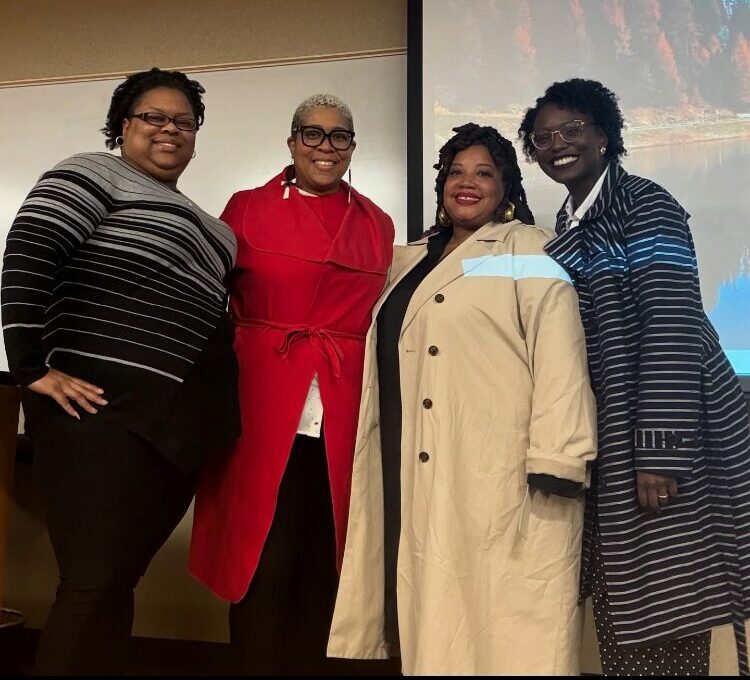
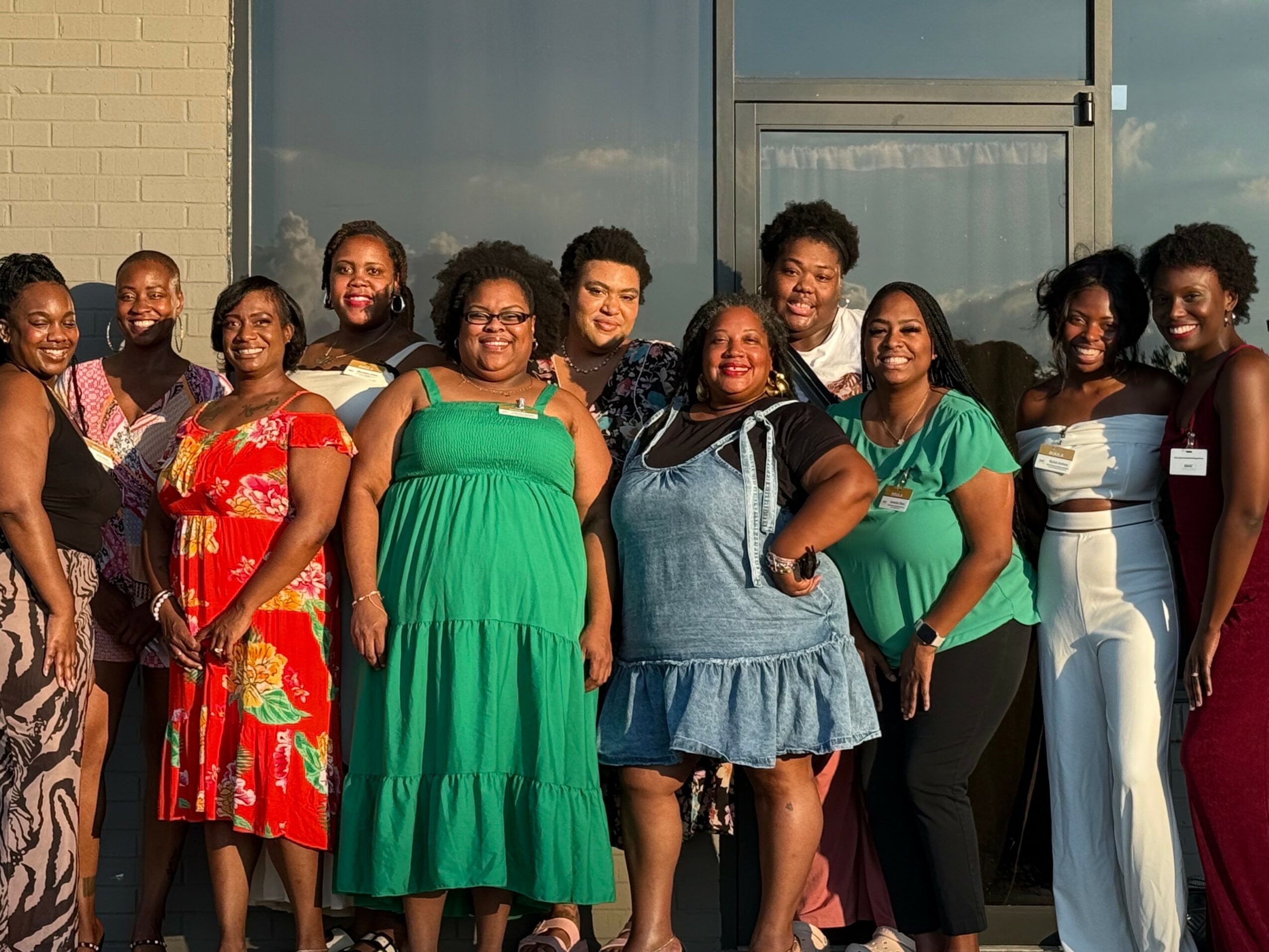
Even though, birth work can be an isolating profession three doulas (Kristie McCollum, Ebonie Garnett and Lakoia Turner) founded Black Doulas of Columbia Collective. After encountering one another at community events, we decided to come together and vendor at a community event. At this event we found out that we all shared the same vision for our community and that we should come together as a group or collective because we could be stronger together than separately. So from that day on we started the work to make the collective official and here we are today.
We all face challenges, but looking back would you describe it as a relatively smooth road?
Being a doula can be deeply rewarding, but it also comes with real challenges. Here are some common ones:
Unpredictable Schedule
* On-call life means you might be called at any hour, even in the middle of the night.
* Births can last many hours—or even days—requiring physical and mental endurance.
Inconsistent Income
* Many doulas are self-employed, and client flow can vary month to month.
* Some clients may not be able to pay full rates, especially in underserved communities.
* Insurance rarely covers doula services, although this is slowly changing in some states.
Tension with Medical Staff
* Some hospital staff may not understand or value the role of a doula.
* Doulas must advocate without overstepping or creating conflict with medical providers.
* Navigating policies and restrictions (e.g. limited support people during COVID) can be challenging.
Emotional Toll
* Supporting families through birth, loss, or trauma can be emotionally heavy.
* Holding space for clients while managing your own emotional well-being takes balance.
* It can be especially hard when outcomes don’t go as hoped.
Other Challenges
* Lack of recognition or professional status in some regions
* Cultural or systemic barriers to accessing clients, especially for doulas of color
* Vicarious trauma from witnessing difficult births or systemic mistreatment
Despite these challenges, many doulas find the work incredibly meaningful and empowering—for both themselves and the families they serve.
Appreciate you sharing that. What else should we know about what you do?
The Black Doulas of Columbia Collective are a group of doulas. A doula is a trained professional who provides emotional, physical, and informational support to a person before, during, and after childbirth. Doulas do not provide medical care like doctors or midwives, but they play a vital role in supporting the birthing person and their family.
There are different types of doulas, some are: birth doulas, postpartum doulas and full spectrum doulas.
Birth Doulas
* Supports during pregnancy and labor
* Helps with comfort measures like breathing, positioning, massage
* Provides information and advocacy
Postpartum Doula
* Supports the family in the early weeks after birth
* Assists with newborn care, feeding (breast/chest or bottle), and sleep
* Helps with light household tasks and emotional support
* Supports the birthing person’s recovery and adjustment
Full-Spectrum Doula (may include all phases)
* Offers support across the reproductive journey, including abortion, miscarriage, adoption, fertility, and loss
We’d love to hear about how you think about risk taking?
Doulas face several risks physical, emotional, professional, and others legal and/or financial. While doulas don’t provide medical care, so they’re not liable in the same way as doctors or midwives, their work still comes with real vulnerabilities.
Physical Risks
* Sleep deprivation from long births or irregular hours.
* Exhaustion and physical strain (helping with labor positions, standing for hours, driving long distances).
* Risk of exposure to illness (especially in hospitals or during flu/COVID seasons).
Emotional & Mental Health Risks
* Compassion fatigue or burnout from holding space for intense emotions (birth trauma, loss, complicated births).
* Vicarious trauma, especially when supporting clients through racial disparities, stillbirth, or obstetric violence.
* Feeling responsible or guilty when outcomes don’t go as planned.
* Navigating difficult choices, such as whether to stay silent or speak up when you witness disrespect or mistreatment in clinical settings.
Legal and Liability Risks
* Not being covered by insurance unless they carry liability insurance.
* Risk of unintentionally giving medical advice, which is outside a doula’s scope and can lead to legal issues.
Financial Risks
* Unstable or inconsistent income, especially when starting out or working with low-income clients.
* Clients may cancel, delay, or have emergencies that affect payment schedules.
* No employer benefits like health insurance, sick leave, or paid time off.
Contact Info:
- Website: https://www.blackdoulasofcolumbia.org/
- Instagram: https://www.instagram.com/blackdoulasofcolumbiasc/
- Facebook: https://www.facebook.com/share/ovMC6xW2w8ubezE8/
- Other: info@blackdoulasofcolumbia.org