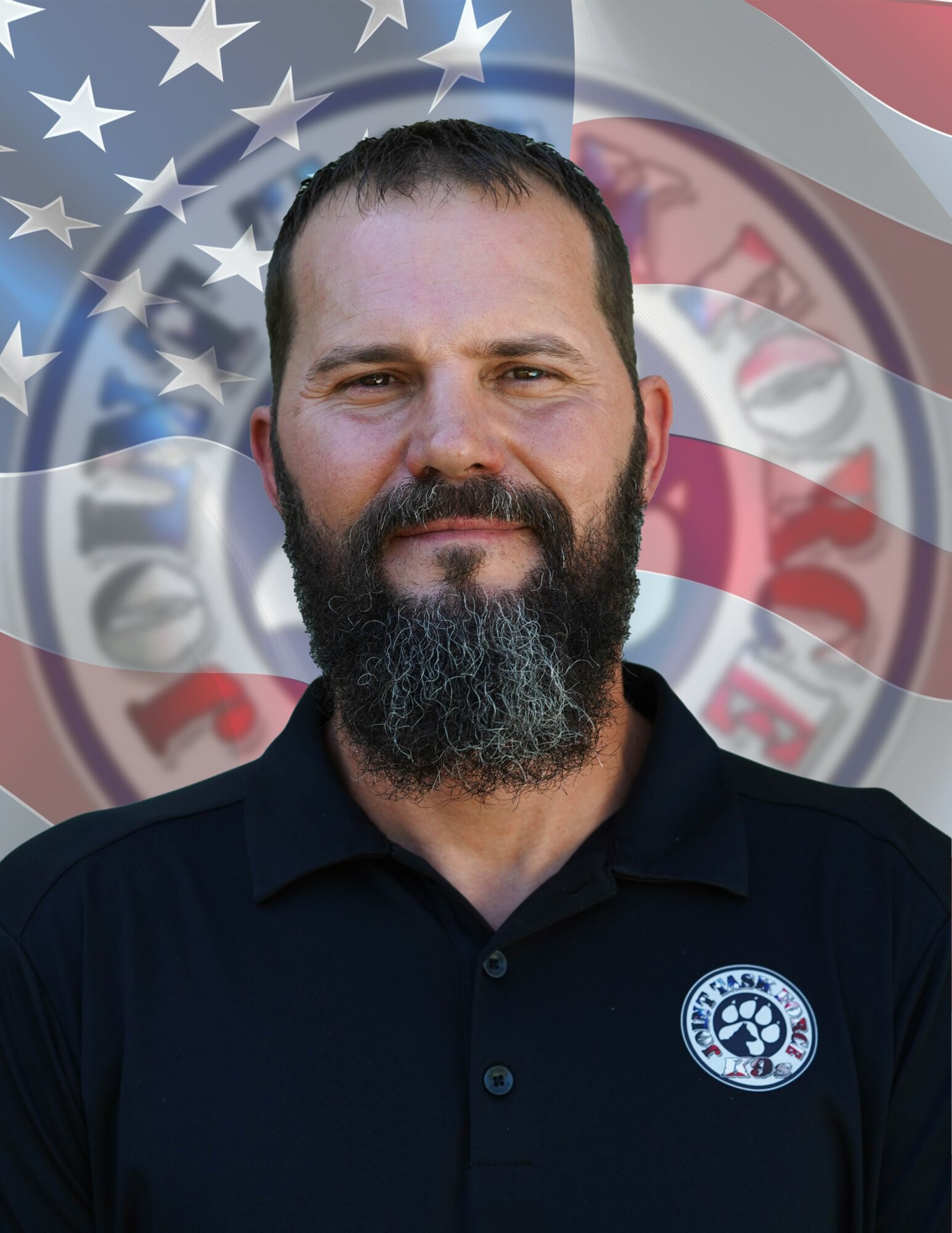
Today we’d like to introduce you to Keith Holland II.
Hi Keith, so excited to have you with us today. What can you tell us about your story?
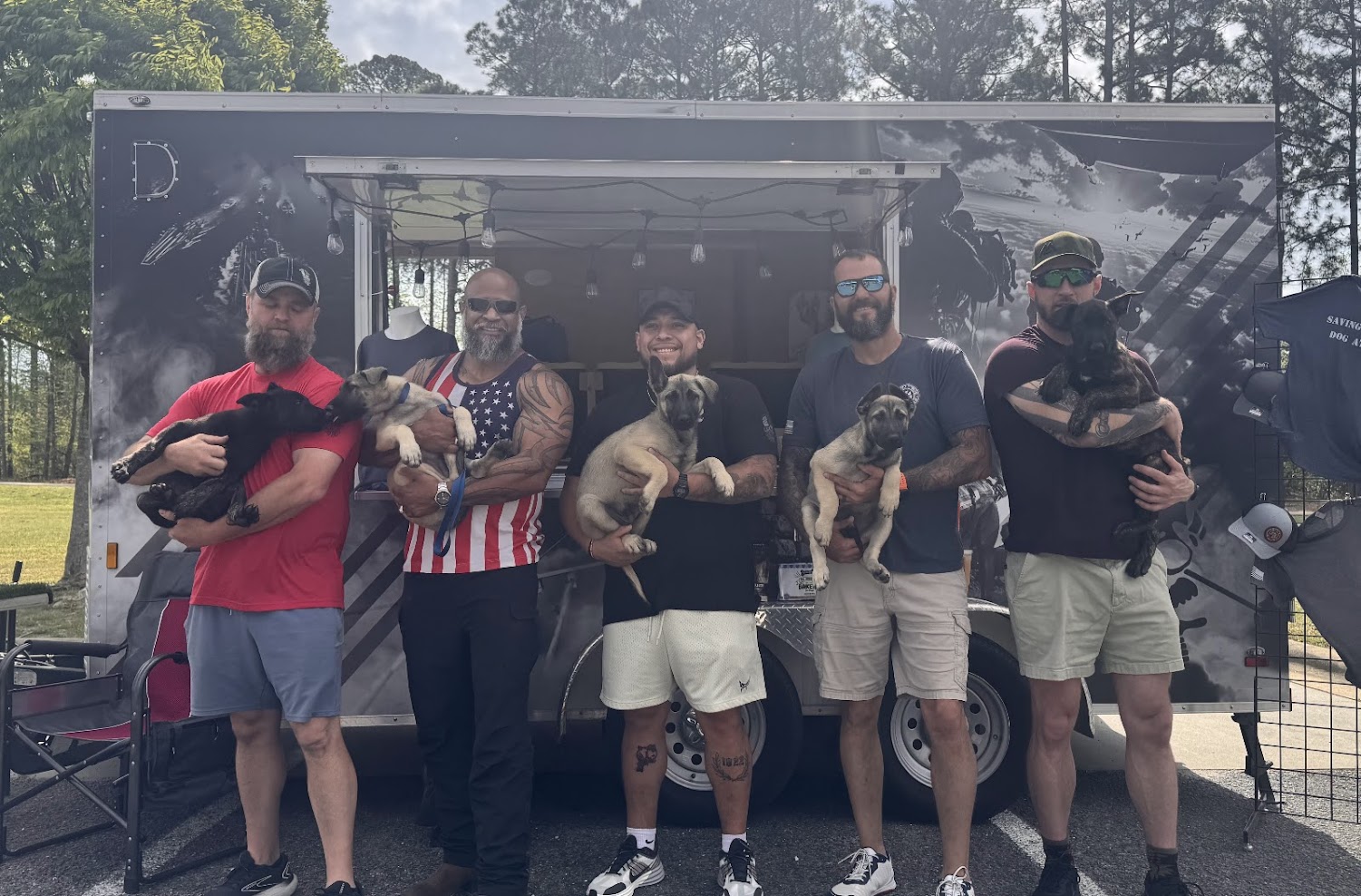
You’re Keith Holland II — CEO, Founder, and Head Trainer at Joint Task Force K9s, a 501(c)(3) faith-based nonprofit based in Myrtle Beach, SC.
My road here was forged in service. Started with the NC Army National Guard as a Military Police officer in 1998, went active duty with the 988th MP Company at Fort Benning, and supported Operation Noble Eagle at the Pentagon in 2001–2002. Earned my Green Beret in 2005 and served with 2nd Battalion, 3rd Special Forces Group (Airborne) as a Special Forces Weapons Sergeant. Seven deployments — two tours to Afghanistan with an ODA, three to Iraq with the Combatant Commanders In-extremis Force Company, and later two CNT tours to Tajikistan after you reclassified as a Special Forces Engineer Sergeant. I also served as an instructor at the Special Forces Qualification Course. Medically retired after 18½ years.
After retirement, I continued to fight through PTSD and TBI. In October 2018, my service dog Quill saved my life — and that became the seed of my mission. As a fourth-generation Veteran, I now lead Joint Task Force K9s alongside my wife Lori
Can you talk to us a bit about the challenges and lessons you’ve learned along the way. Looking back would you say it’s been easy or smooth in retrospect?
Because we are a faith based nonprofit. We have allowed God to control of all aspects. We have been provided with everything we have needed when needed. Running the business side of things has been the largest challenge to me. Its been a learning process. one thing I’ve done is to make sure i put a subject matter expert in place when needed. Instead of me trying to figure everything out. The business has grown in a manner of crawl, walk, run. This has helped us not to out run our headlights.
Alright, so let’s switch gears a bit and talk business. What should we know about your work?
Communication Style
Keith favors direct, clear communication and explicitly identifies this as a core value. He does not operate well in bureaucratic ambiguity. Meetings and administrative friction are classified as active irritants to his productivity. He will cut through noise to get to the mission-relevant point.
Keith may clash with traditional nonprofit administrative culture. He will attempt to impose military-grade operational clarity onto civilian structures. This is both his greatest organizational asset and a potential friction point with board members, volunteers, or funders who prefer slower institutional processes.
Learning & Adaptation
Self-taught across most domains. Learns by doing. This is consistent with Special Forces culture, where operators are expected to acquire skills in the field under pressure. He does not wait for permission or a credential before attempting a new task.
May underestimate complexity of domains outside his expertise (fundraising mechanics, nonprofit law, donor stewardship cycles). He has paired with board members and other volunteers who can operationalize his vision without slowing his decision tempo.
Keith knows he needs a public presence. He has learn he needs to consistently work on building a grass roots present and support system. This is not laziness — this is a values conflict. Special Forces operators are trained to be invisible. Effectiveness was measured by operational silence, not public profile. He is now in an environment where visibility = survival for the mission, and his nervous system hasn’t fully accepted the new rules of engagement.
Do you have any memories from childhood that you can share with us?
Due to TBIs i don’t have many memories of childhood but i can tell you being with the family was one of the most important thing to me.
Contact Info:
- Website: http://jtfk9s.org
- Instagram: https://www.instagram.com/jtfk9s/
- Facebook: https://www.facebook.com/profile.php?id=100084753136756
- Youtube: https://www.youtube.com/channel/UCgM-t99sNxXxzBHzJfHofUw