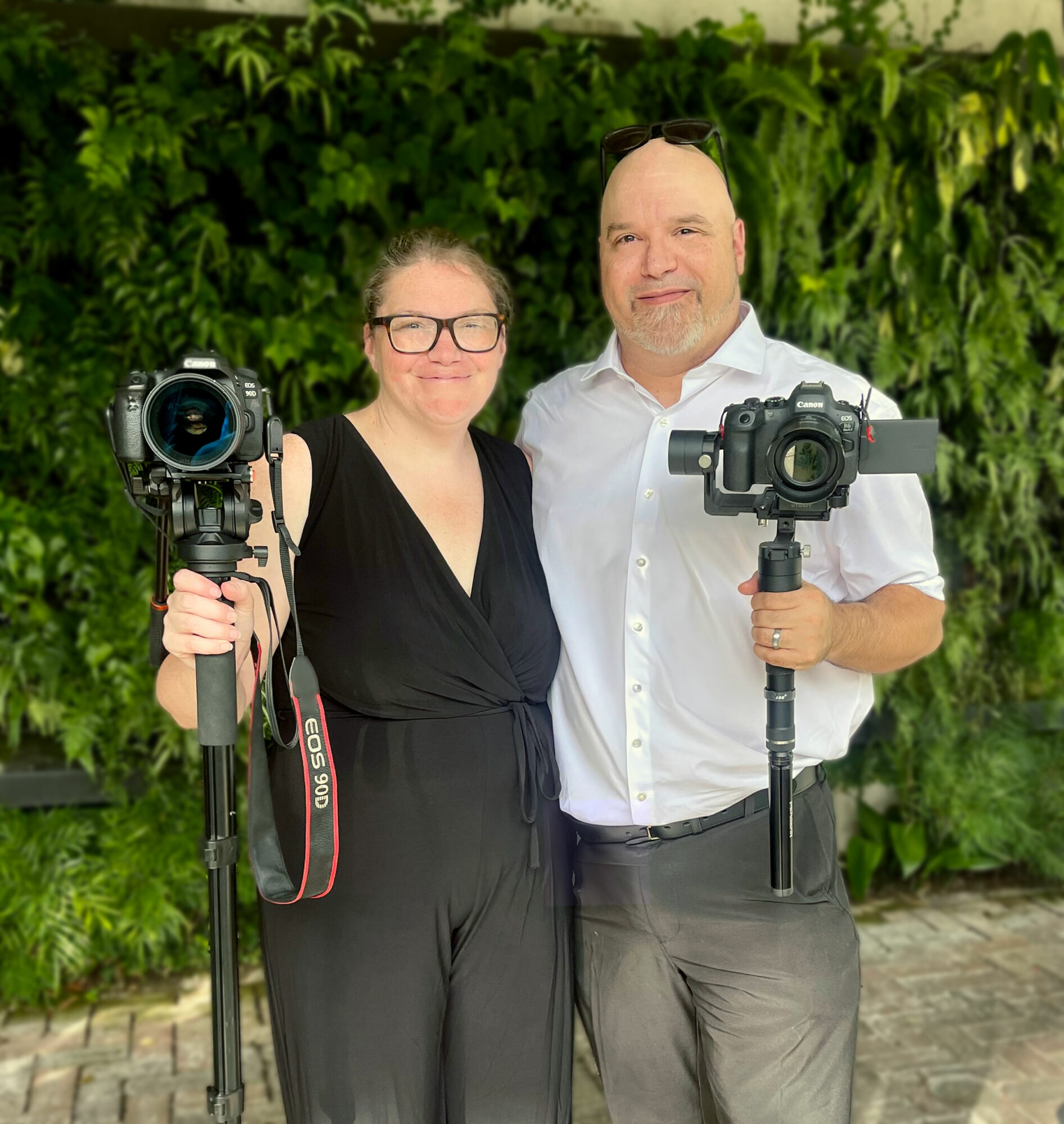

Today we’d like to introduce you to Todd Widdows.
Hi Todd, we’re thrilled to have a chance to learn your story today. So, before we get into specifics, maybe you can briefly walk us through how you got to where you are today?
Before the cameras, before the weddings, before the reels of Super 8 film — it was just me, a phone, and the determination to learn everything the hard way. I actually started our business with a cell phone and a small gimbal that let me manually control frame rate, shutter speed, and ISO, which wasn’t something most phones could do back in 2016. The sensors were terrible, so I had to figure out how to make it work — using ND filters, learning lighting, and doing a lot of trial and error. I filmed whatever I could — small events, recaps, and local projects — until I finally saved enough to buy my first DSLR.
At the same time, I was working full-time running commercial printing presses, something I’d been doing since studying Graphic Arts back in the late ’90s. Most of the print shops I worked in were small operations with presses from the 1950s and ’60s. That meant learning the old-school way — kerning, setting type by hand, and working with film separations. Everything programs like Photoshop, Illustrator, and InDesign can do now, I had to do manually back then. That background gave me a strong eye for detail, color, and composition — all skills that naturally carried over into how I shoot and edit today.
The film side of what I do now actually takes me back to those days. In high school, I had a co-op job developing and printing photos in a darkroom — dodging, burning, and making prints by hand. Everything was about patience and precision, which is probably why shooting on Super 8 and 35 mm film feels so natural to me now. It’s the same tactile craft, just with a camera instead of a press.
Askem Studios (now askem films & photo) started in 2016 in Richmond, Virginia. At first, it was a social media and graphic design company, but I quickly realized most of my clients needed video work. Around 2018, we started shooting weddings — and that’s actually where Kelley stepped in for the first time. My first two weddings happened on the same day: one in the morning wrapping up around noon, and the other a freebie in the afternoon that was supposed to help me get my foot in the door. Kelley came along that day just to help — to hold gear, assist, and learn alongside me — but it didn’t take long for her to see the same spark that I did.
What started as her helping turned into something much more. We grew together, shooting side by side, each of us finding our rhythm and strengths. Over time, she developed an incredible instinct for composition and emotion — a natural storyteller through stills — while I focused on motion, light, and sound. Those two creative perspectives evolved into a partnership that defines who we are now.
For a few years, I was still running commercial printing presses full-time while we were growing the business on weekends. It eventually got to the point where I was basically working two full-time jobs — third shift at the print shop during the week, then weddings and editing during every bit of off-time. Eventually, I had to make a choice, and I took a leap of faith to go full-time into videography.
When we moved to Greenville, South Carolina in 2021, we had to start all over again — new city, new network, new audience. Up until about four years ago, askem films & photo was dedicated to digital work. But as film started calling back to me, we began integrating hybrid film and digital packages for video. That eventually grew into a dedicated Super 8, 8 mm, and 16 mm side under askem8 Wedding Films. Today, both brands run full time — one and one-A — blending digital precision with analog texture.
We added photography about three years ago, but only after we both knew we could handle full wedding coverage independently. Kelley’s eye for authentic connection and my attention to light, sound, and flow complement each other perfectly. Now we can each shoot solo — fully manual, fully confident — yet everything we create still carries the same cohesive vision.
Kelley will even admit she didn’t think the film side would take off, but couples connected with it immediately. There’s just something about the raw emotion and nostalgia of real film that can’t be duplicated. “askem” is actually an acronym for our five kids — and now our oldest, AJ, the “A” in askem, works with us while attending college here in Greenville.
What we’ve built comes from a lot of long nights, faith, and trial and error — not a film-school background, just decades of learning, creating, and never losing the love for the craft itself.
Would you say it’s been a smooth road, and if not what are some of the biggest challenges you’ve faced along the way?
The move from Richmond to Greenville was a major turning point for us. We had built a solid reputation in Virginia, but starting fresh in a new city meant rebuilding everything — new vendors, new couples, and new community connections. Nothing carried over automatically, so we had to reintroduce who we were and what we did, one relationship at a time.
At the same time, the work itself became more demanding. Couples in Virginia continued to refer us to their friends, which has been a huge blessing, but it also means we’re traveling back there often — and now with inquiries coming in from Florida, New York, and beyond, the travel side of what we do has become another full-time layer. Balancing that growth with family life has definitely been one of the hardest parts.
We’ve got five kids — two already in college, one graduating high school this year, and another right behind her — so being intentional with time matters more than ever. We both work full-time in the business, but family always has to come first. It’s a balance between staying ahead creatively and being present at home. Honestly, I probably work more now than I ever have, but it’s with purpose — to build something that lasts and still stay grounded in our priorities.
On the technical side, when we brought real film back into our workflow, I had to relearn everything — not just shooting, but how to service and repair the cameras themselves. These aren’t plug-and-play tools; they require hands-on knowledge and constant attention. Over the years, I’ve learned the inner workings of these cameras like the back of my hand. That depth of understanding has become one of the reasons people seek us out. We’re not just using film because it looks nostalgic — we understand it, inside and out.
Every season brings its own challenges, but we’ve learned how to adapt and stay focused. It takes discipline to balance business, travel, and family — but that’s also what keeps us sharp. Those long nights and learning curves are what shaped our process, our patience, and ultimately, the way we approach every couple’s story today.
Can you tell our readers more about what you do and what you think sets you apart from others?
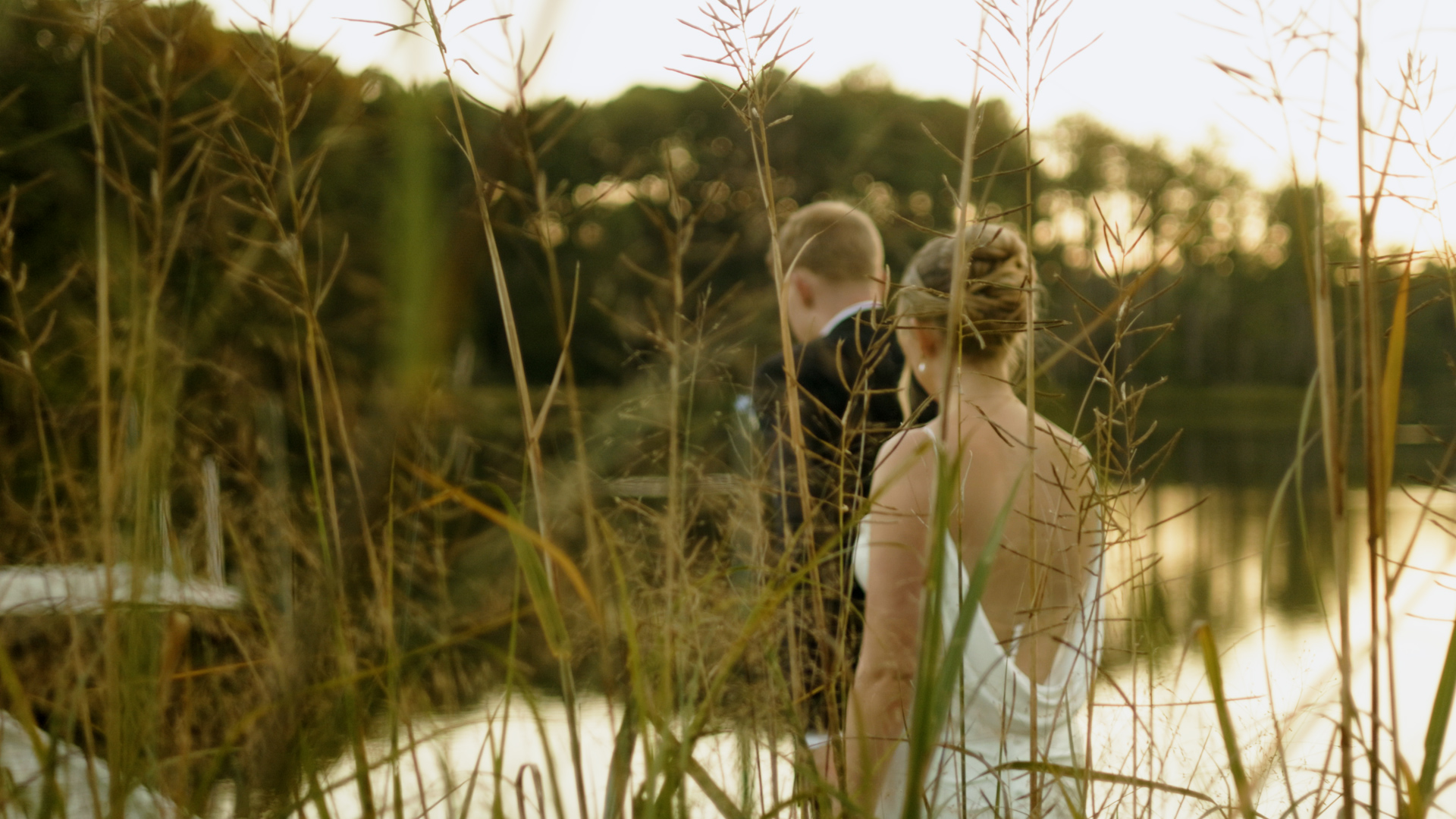
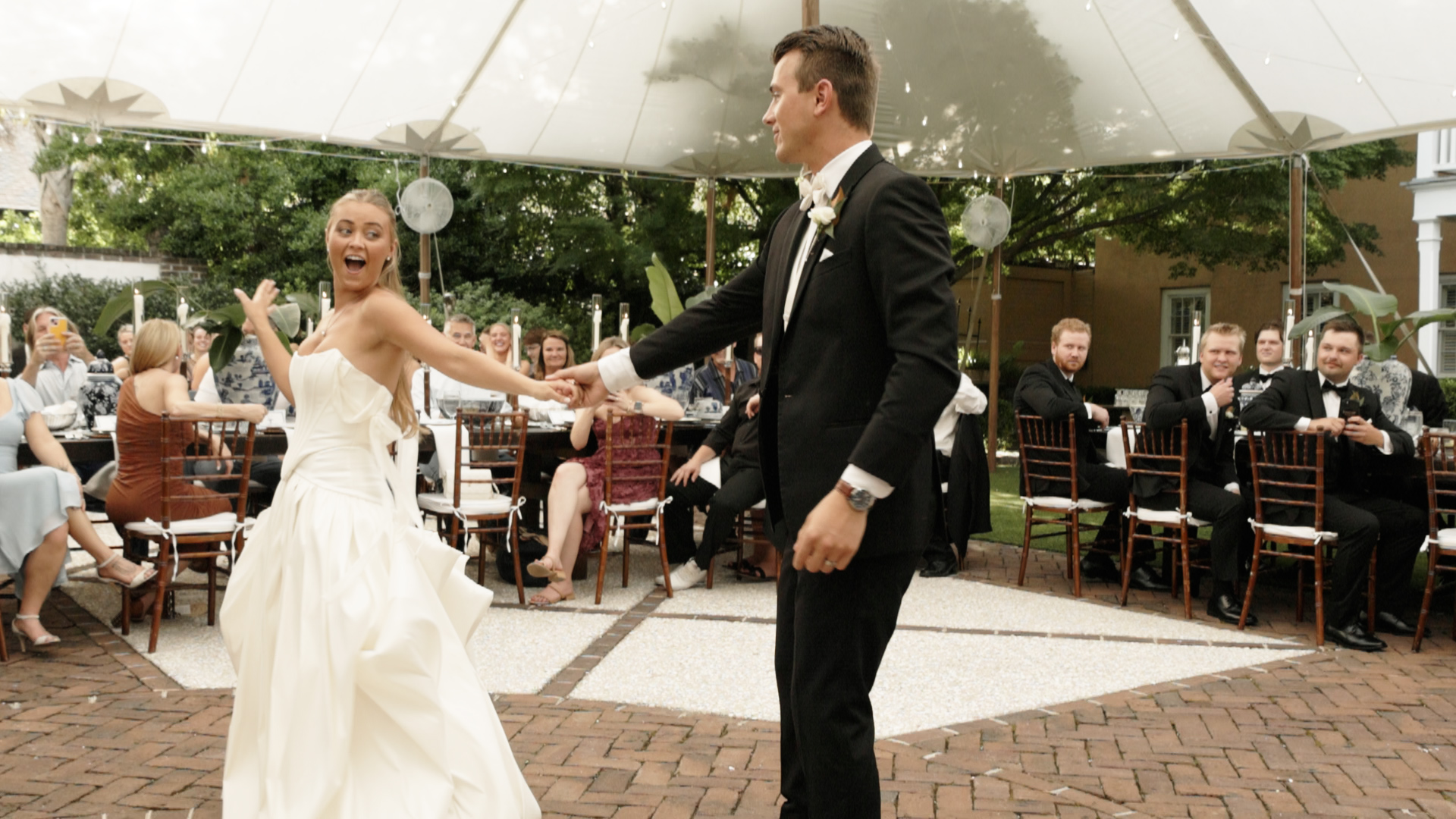
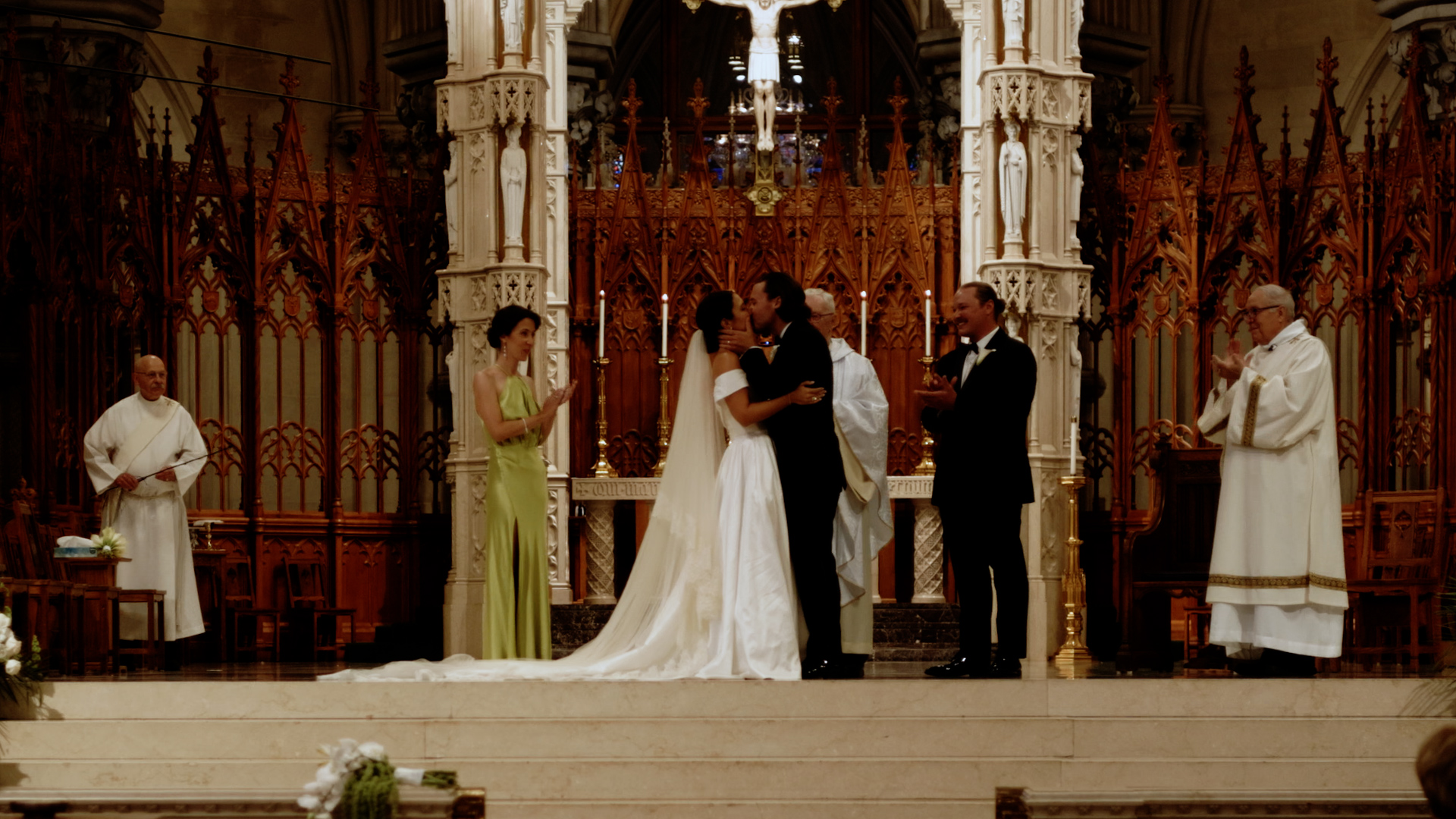
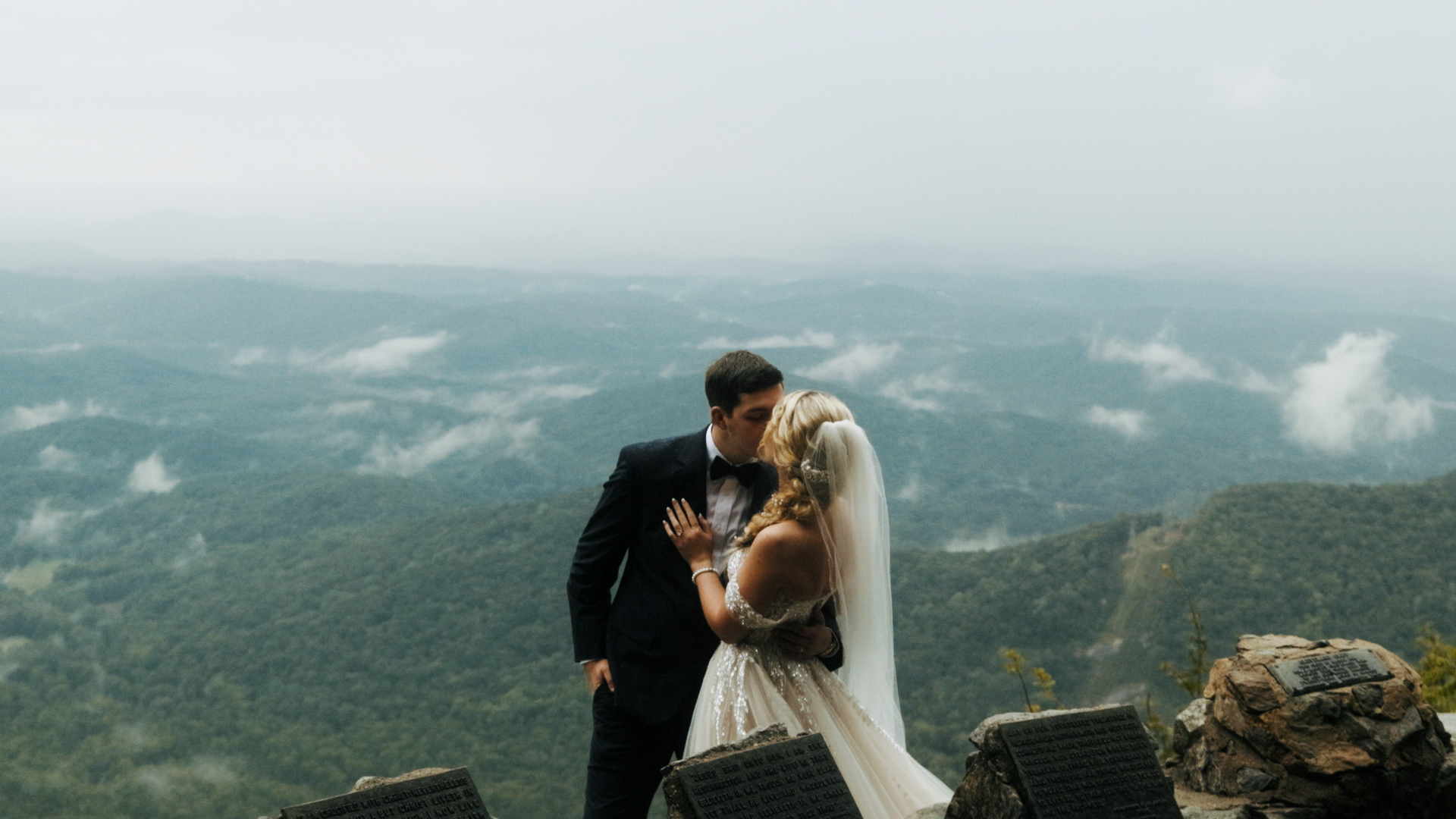
We specialize in creating authentic, story-driven wedding films and photographs that blend digital precision with the timeless texture of real film. Our approach lives between documentary and fine art — cinematic, but never staged. We believe the best moments happen naturally, and our job is to preserve them without turning the day into a production. Everything we capture is done with intention, not interruption.
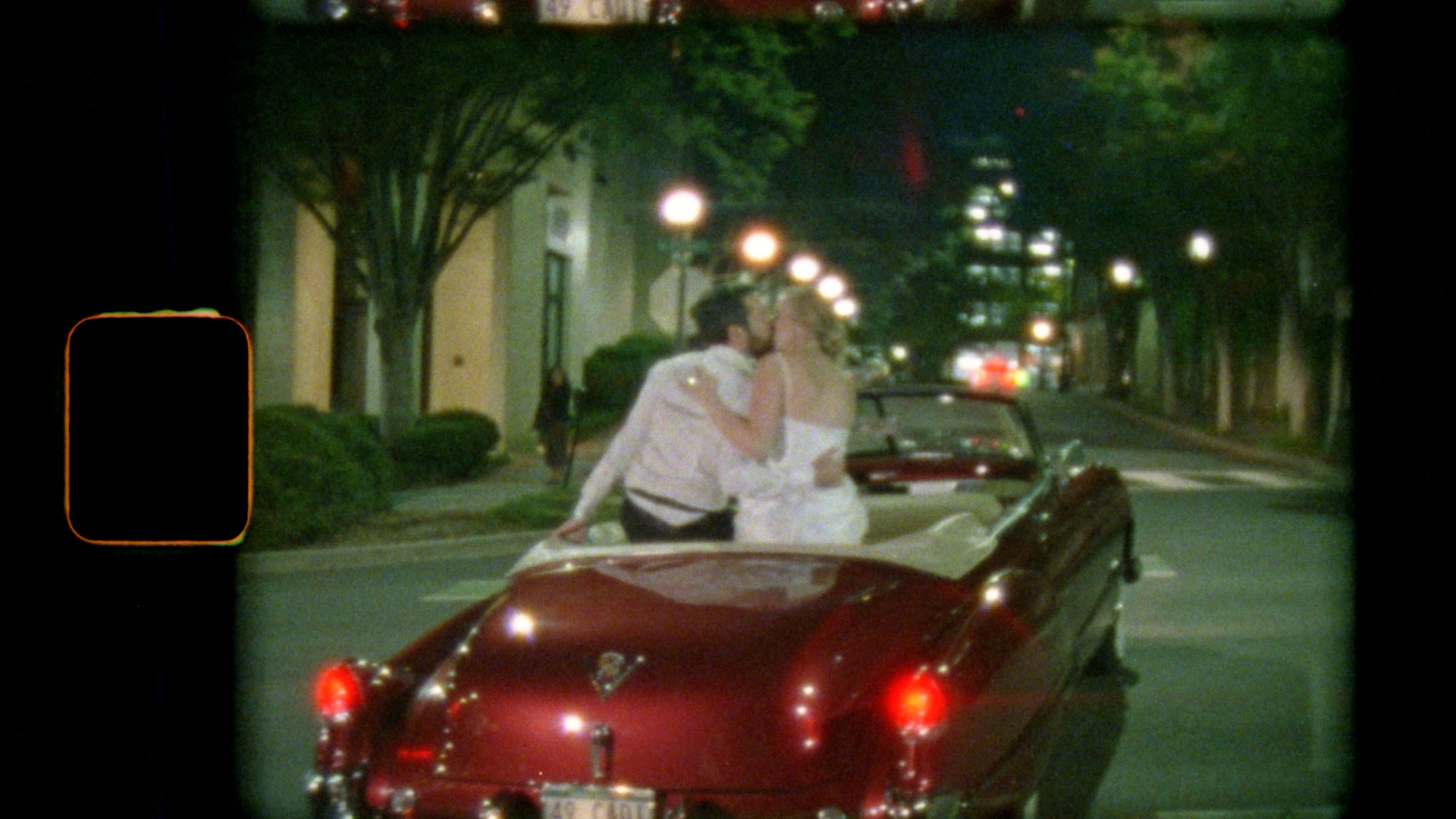
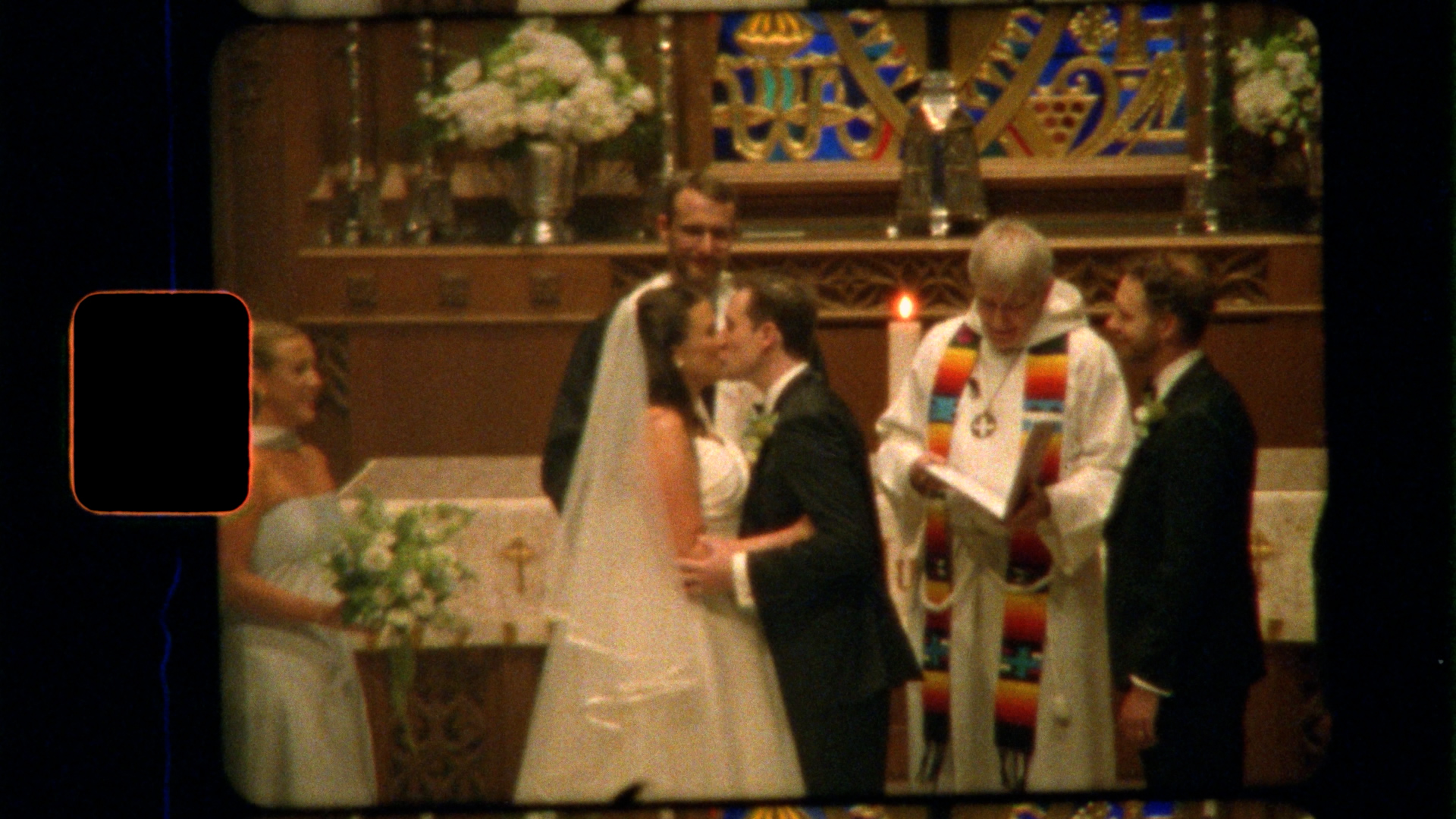
Long before film started trending again, we were already integrating it into our workflow — one of the first studios in the Southeast, and still one of the most experienced today, offering true motion-picture film for weddings. We provide both digital and genuine analog coverage, including Super 8, 8 mm, 16 mm, and 35 mm film. We shoot Kodak stocks and import rare film directly from Germany, like Wolfen Color and WittnerChrome. Film isn’t just an aesthetic for us — it’s a discipline. I know these cameras inside and out, from exposure to repair, which lets us use them the way they were meant to be used — with purpose and craftsmanship.
That same intentionality extends to our digital work, where storytelling and sound design play just as important a role as visuals. Every wedding film is built around emotion first — using real audio, natural ambiance, and layered soundscapes that bring each story to life. We weave in vows, laughter, and music so the film feels like the day itself — honest, unforced, and alive.
Beyond our full-service work, we make film experiences accessible through Super 8 camera rentals, honeymoon film kits, and branded disposable cameras. Inspired by the Milton Hershey model, our goal is to offer luxury craftsmanship at an affordable level — giving couples access to heirloom-quality art without inflated pricing.
We’re not interested in trends or production for show. What we do is authentic, not faked, and not overpriced. Couples come to us because they want something real — stories told with care, sound, and soul. Kelley’s candid, documentary-style photography complements my approach to motion, and together we capture days that unfold naturally, not performances.
Everything we’ve built has come from years of patience, faith, and craft — creating honest, heirloom work that stands the test of time in both sight and sound.
What would you say have been one of the most important lessons you’ve learned?
The biggest lesson we’ve learned is that slow and steady really does win the race. We live in a world that values speed, but meaningful work — whether it’s digital, Super 8 film, or 35 mm stills — takes time. When Kelley or I step onto the grounds of a wedding day, we both carry that same mindset: be patient, be present, and never lose sight of what truly matters. Some of the cameras we use date back to the 1930s and ’40s, and they’ve taught us what modern tools can sometimes make easy to forget — patience, intention, and respect for the process.
Everything we do is done in-house. When a couple invests in us, we invest back — we don’t send their story overseas to be edited by someone who wasn’t there. From the way we color and edit our digital work to how we mix audio so a vow or a laugh feels alive again, every detail is handled by us with the same care we’d want if it were our own. That’s what it means to truly serve each couple.
We’re not trying to offend anyone, but we just have a different life perspective. In the past three years, we’ve lost three loved ones very close to our hearts, and it’s completely changed how we see this work. When we step onto the grounds of a wedding day — where everyone a couple loves is gathered in one place — we don’t want to miss those moments chasing trends or trying to one-up anyone with flashy shots.
Whether it’s the sound of a father’s laugh captured through our microphones, a candid photo of a grandmother’s reaction, or a short Super 8 clip that feels like memory itself — those are the heirlooms that truly matter. A couple of months after the wedding when delivered, each film is built from the ground up with the couple and their loved ones at the core.
I still think about one wedding where we filmed a newborn being greeted by her great-great-grandmother for the first time — she had traveled just to be there. That moment, in its simplicity, was everything. It’s moments like that which remind us why we do this — because one day, that clip might be the last living connection between generations.
When a couple just wants a quick highlight or doesn’t see the value in what we bring, that’s completely okay — we know everyone is at a different place in how they view storytelling. There are many talented creators who can deliver exactly what they’re looking for. But what we’ve learned is that what a couple values today may not be the same thing they cherish 40 years from now. That’s why we build our collections for the long term — not the short. We want their memories to hold up over decades, not just in the first few months after the wedding.
Those sensory moments of sight and sound are meant to resonate not just today, but 50 years down the road — when time has changed everything except how that moment felt. While we’re confident in what we need technically, the most important thing we’ve learned is to approach every wedding as if it’s the last documentation of that family gathered together — to handle it with care, reverence, and gratitude.
It’s taken us time to accept that we’re not for everyone — and that’s okay. The couples who connect with us understand that authenticity isn’t about perfection or production; it’s about truth, balance, and heart. Whether through digital, film, or sound — patience really is a virtue, and when we lead with that, everything else falls into place.
Contact Info:
- Website: https://www.askemstudios.com
- Instagram: https://www.instagram.com/askemstudiosweddingfilms
- Facebook: https://www.facebook.com/askemstudios
- Youtube: https://www.youtube.com/@askemstudios
- Other: https://www.askem8films.com