
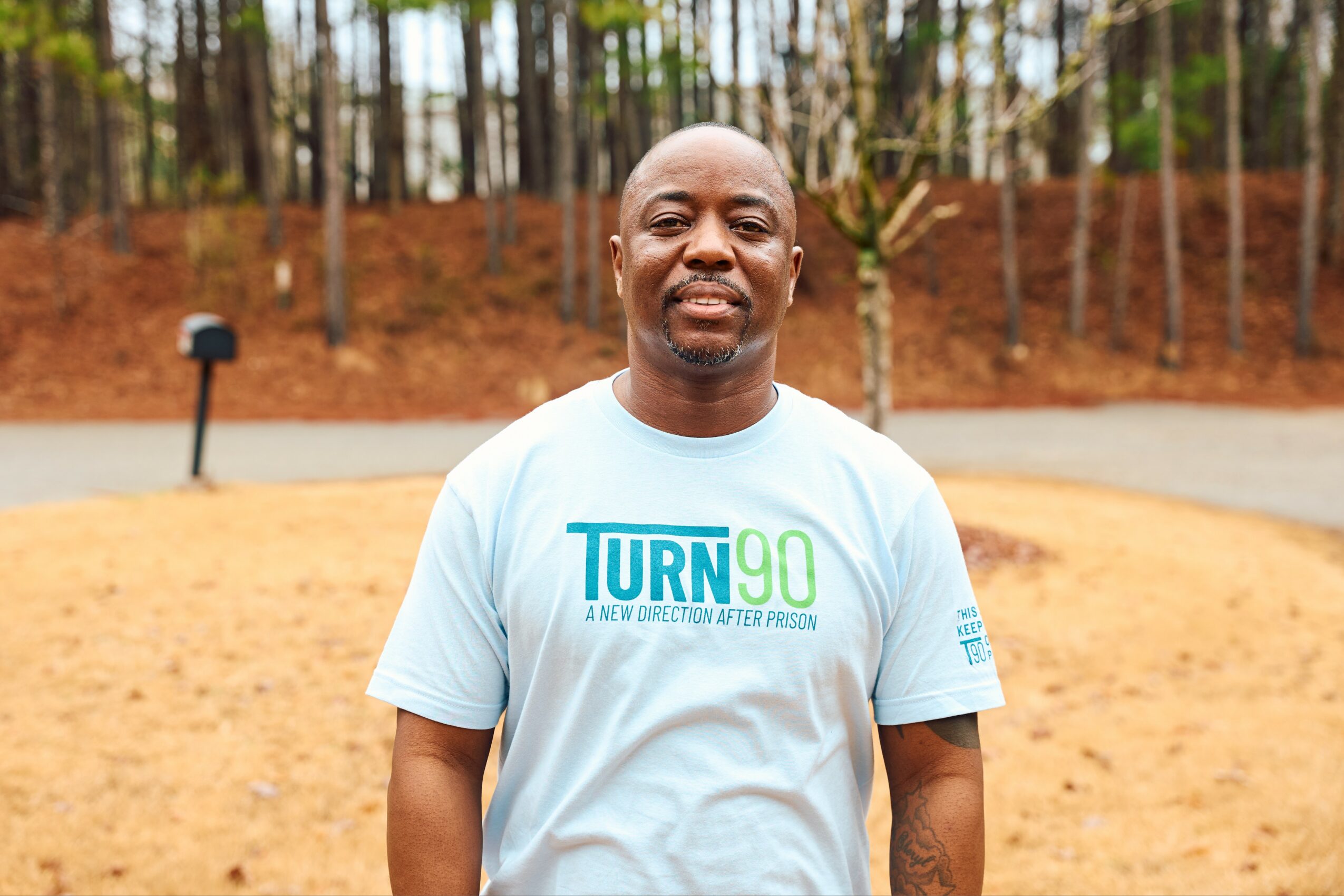
Today we’d like to introduce you to Terrance Ferrell.
Alright, so thank you so much for sharing your story and insight with our readers. To kick things off, can you tell us a bit about how you got started?
After being released from prison on October 1, 2019, I found myself trying to figure out how to navigate a society that doesn’t always make room for people coming home from incarceration.
Jobs were difficult to land. Opportunities felt limited. And when you can’t see a clear path forward, past familiarity can start looking like an option again.
A friend reminded me about a letter I had received while I was incarcerated from an organization called Turn90. After several failed attempts at finding employment on my own, I reached out and enrolled in their program, a program designed not just to help men find jobs, but to change the way we think.
That program literally changed my life.
It was the turning point.
Through cognitive behavioral training, accountability, structure, and real employment, I began to see that change wasn’t just possible, it was expected. I completed the program and was hired by a company in North Charleston where I worked as a craftsman building light fixtures. I stayed there for 18 months and found real success. For the first time, I wasn’t just surviving, I was building something.
Then I was offered the opportunity to come back and work for Turn90, the same organization that helped change my life.
I saw it as an opportunity to give back. To stand in front of men who had made a lot of bad decisions like I had and show them that change is possible.
I started as a print shop floor supervisor.
I later moved to Columbia and became a Print Shop Manager.
About 24 months later, I was promoted to Director of Production and joined the leadership team.
And about 18 months after that, I was promoted again to Center Director of our Columbia, South Carolina location.
I didn’t get here by accident.
I got here through dedication and determination.
By working hard even when no one was watching.
By accepting criticism without getting defensive.
By being willing to grow and make changes when necessary.
I learned the power of hard work, a good attitude, and investing in yourself.
Today, I have the privilege of helping other men do what I once thought was impossible: build a new life after prison.
And that’s how I got here.
Alright, so let’s dig a little deeper into the story – has it been an easy path overall and if not, what were the challenges you’ve had to overcome?
No, it has not been a smooth road.
Coming home from prison is overwhelming. You’re trying to rebuild your life while carrying the weight of your past. The rejection alone can be discouraging—filling out job applications, going to interviews, and knowing that one checkbox can disqualify you.
There were moments of doubt. Moments where I questioned whether change would really pay off. It’s easy to say you want something different, but it’s hard to stay committed when progress feels slow.
One of the biggest struggles wasn’t external, it was internal. Learning how to accept corrections without getting defensive. Learning how to communicate professionally. Learning how to lead when I had spent years just surviving.
As I moved into leadership, the challenges changed. Now I wasn’t just responsible for myself, I was responsible for other men, for production, for results. I had to grow quickly. I had to develop discipline, patience, and emotional control.
There were days I felt stretched. Days I had to choose humility over pride. Days I had to remind myself why I started.
But every struggle forced growth. Every challenge sharpened me.
It wasn’t smooth, but it was worth it.
Can you tell our readers more about what you do and what you think sets you apart from others?
I’ll speak more about my professional growth and leadership journey.
When I returned to Turn90 as a print shop floor supervisor, I understood the technical side of the work like production, quality, and meeting deadlines. But I quickly realized leadership required something different.
As I was promoted to Print Shop Manager, then Director of Production, and now Center Director in Columbia, my role shifted from managing tasks to developing people.
That transition required intentional growth.
I had to learn how to lead men who reminded me of myself. I had to balance accountability with empathy. I had to make decisions that affected production goals, financial sustainability, and most importantly, the lives of the men in our program.
Professionally, I’ve grown in strategic thinking, team development, conflict resolution, and operational leadership. I’ve learned how to build systems, hold standards, and create a culture where excellence is expected.
But more than titles, what defines my professional life is responsibility. I now carry responsibility for outcomes, for performance, for culture, and for helping men see that change is possible.
My career has been built step by step through consistency, discipline, and a commitment to personal growth. Each promotion wasn’t just a new title; it was a new level of accountability.
And today, as Center Director, my focus is not just on running a successful operation — it’s on building leaders and helping other men rewrite their stories the way I was able to rewrite mine.
If you had to, what characteristic of yours would you give the most credit to?
If I had to name one quality that has been most important to my success, it would be coachability.
The willingness to accept corrections without getting offended. The willingness to look at myself honestly and admit when I need to grow.
When I first came home, I didn’t know what I didn’t know. I had to learn how to communicate differently, think differently, work differently. And at every level, from floor supervisor to Center Director. I’ve had people pour into me, challenge me, and correct me.
If I had allowed pride to get in the way, I wouldn’t be where I am today.
Coachability allowed me to improve.
It allowed me to build trust.
It allowed me to grow into leadership.
Hard work matters. Discipline matters. A good attitude matters.
But none of that works if you’re not willing to be taught.
And I’ve learned that growth requires humility.
Contact Info:
- Website: https://www.turnninety.com
- Instagram: https://www.instagram.com/turnninety/
- Facebook: https://www.facebook.com/TurnNinety
- LinkedIn: https://www.linkedin.com/company/turn-90/
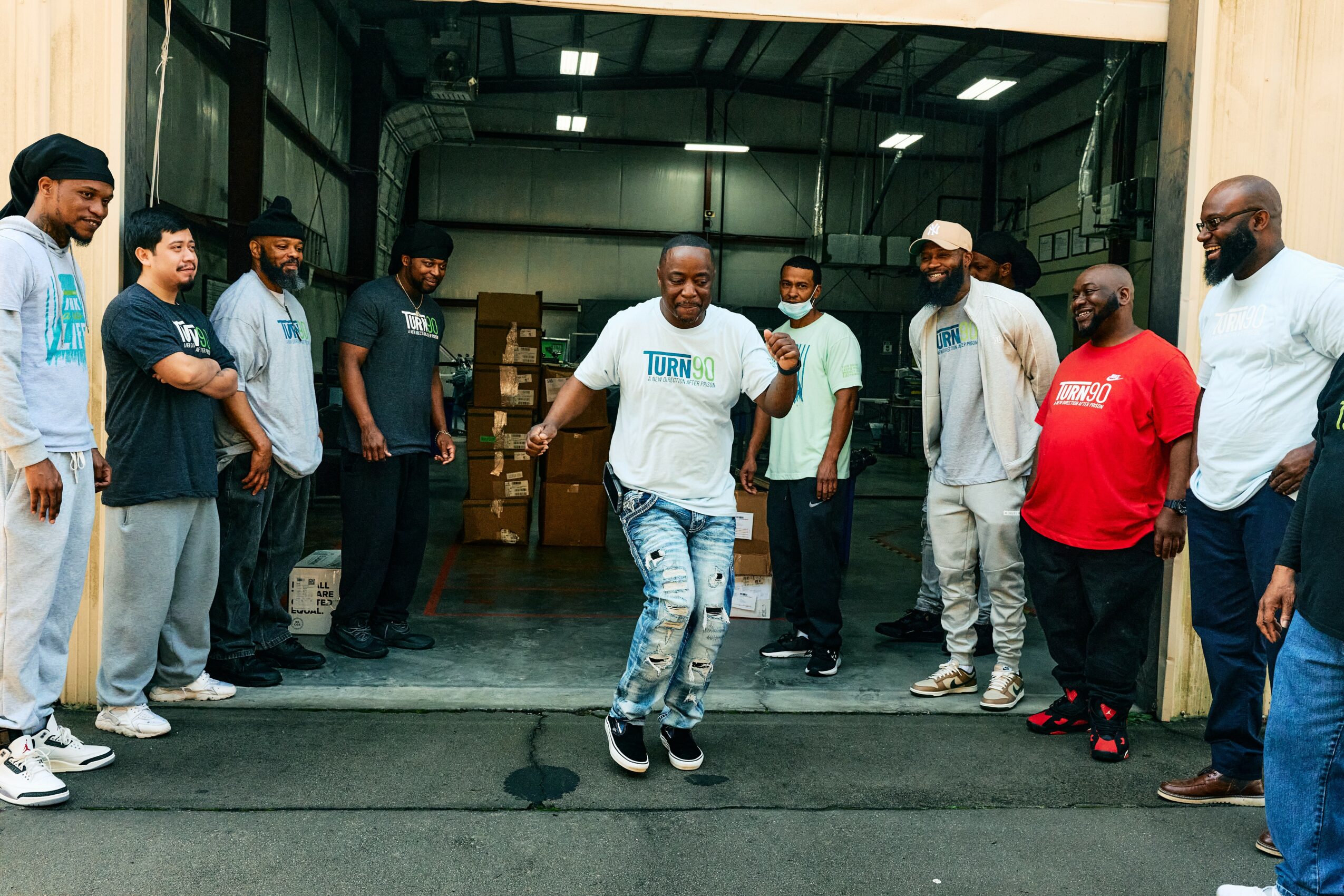
Image Credits
Ryan Belk