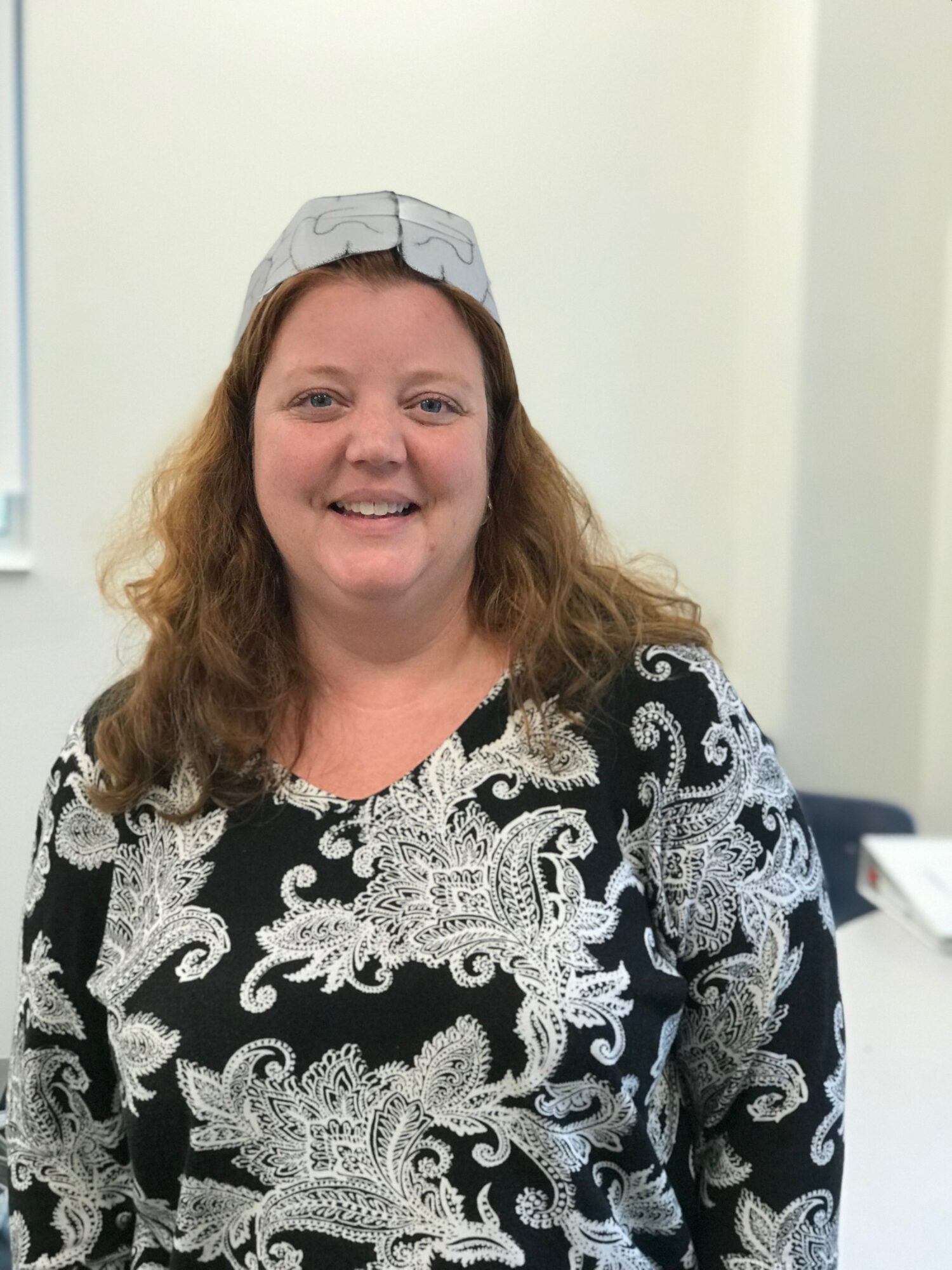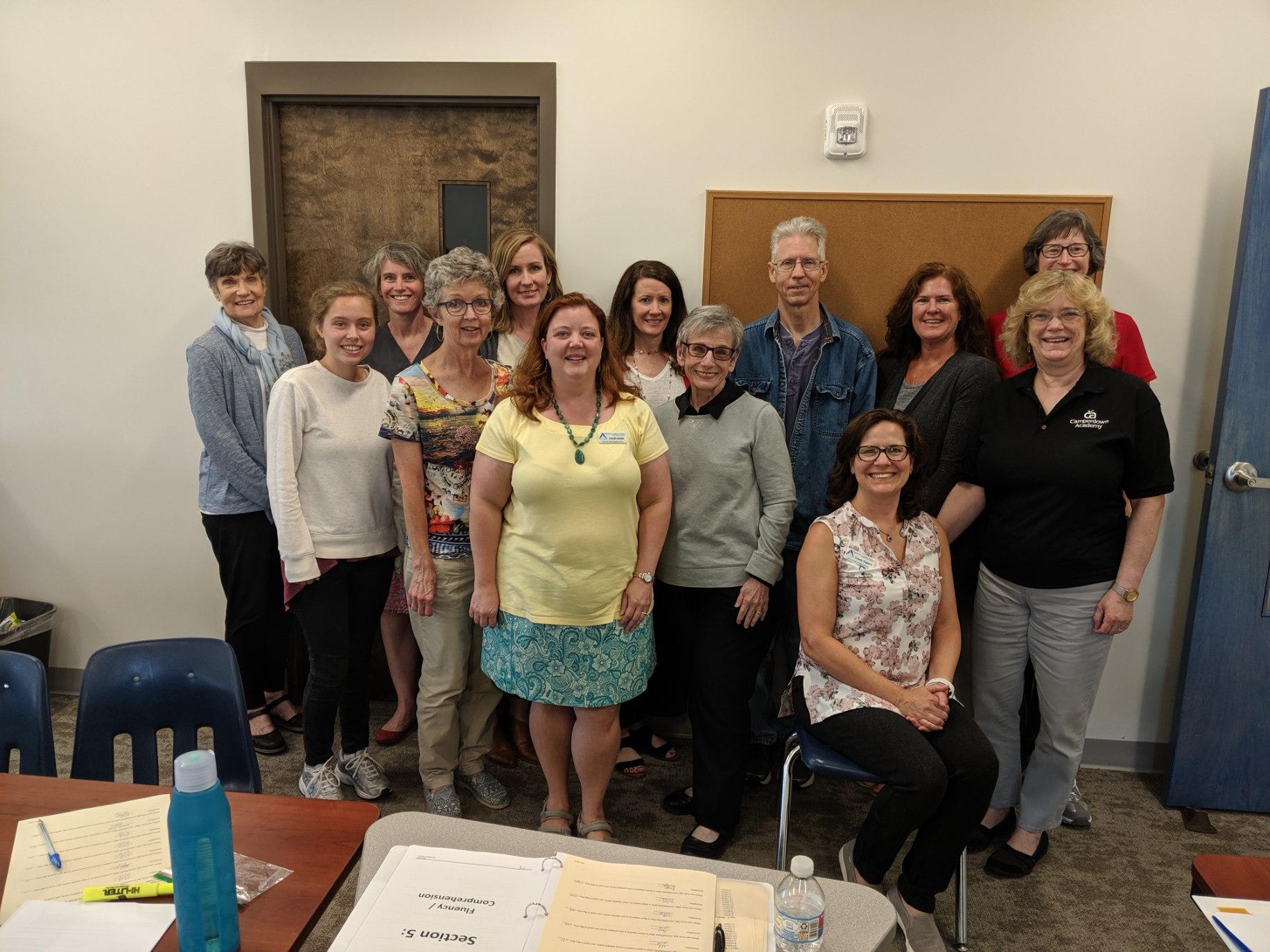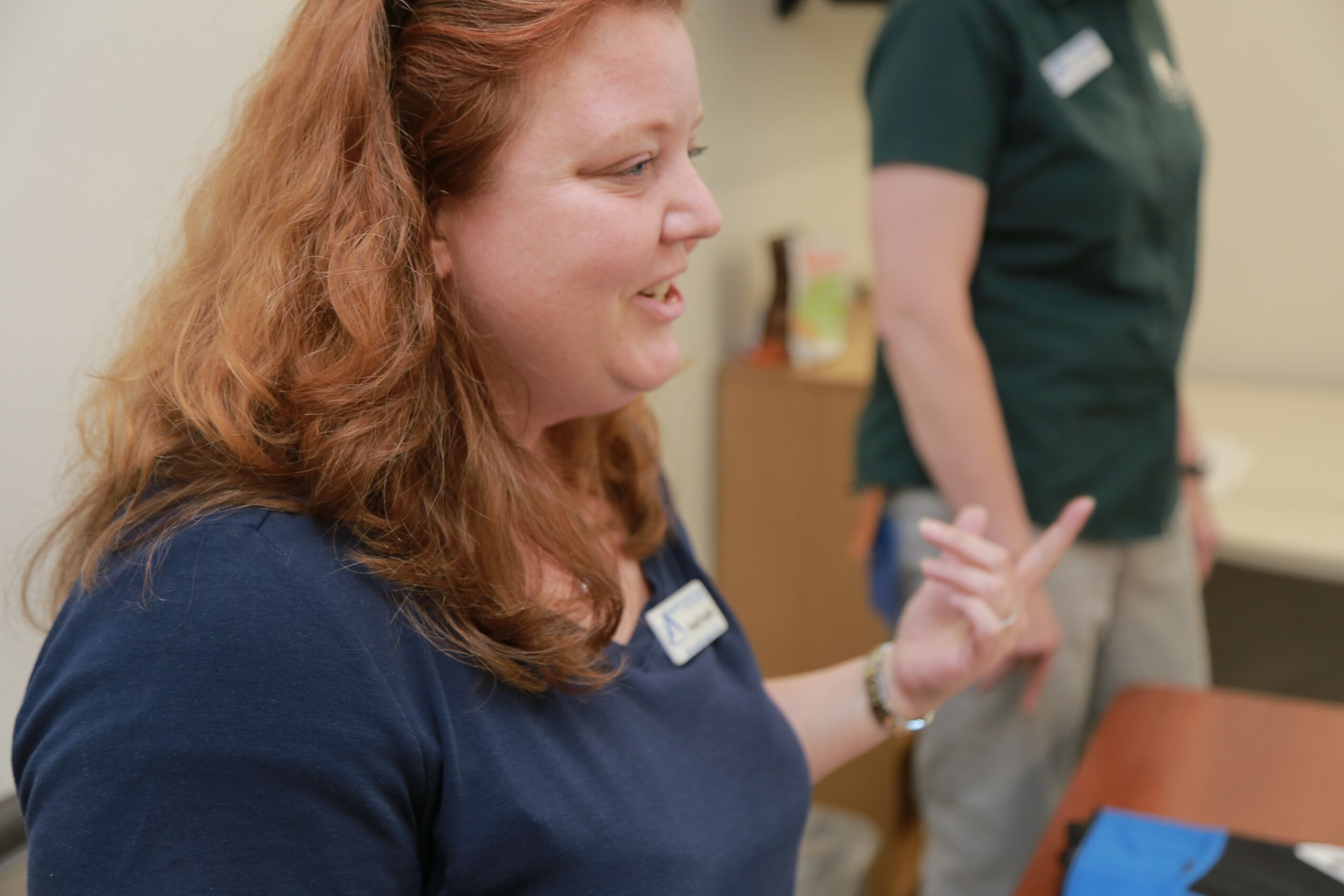
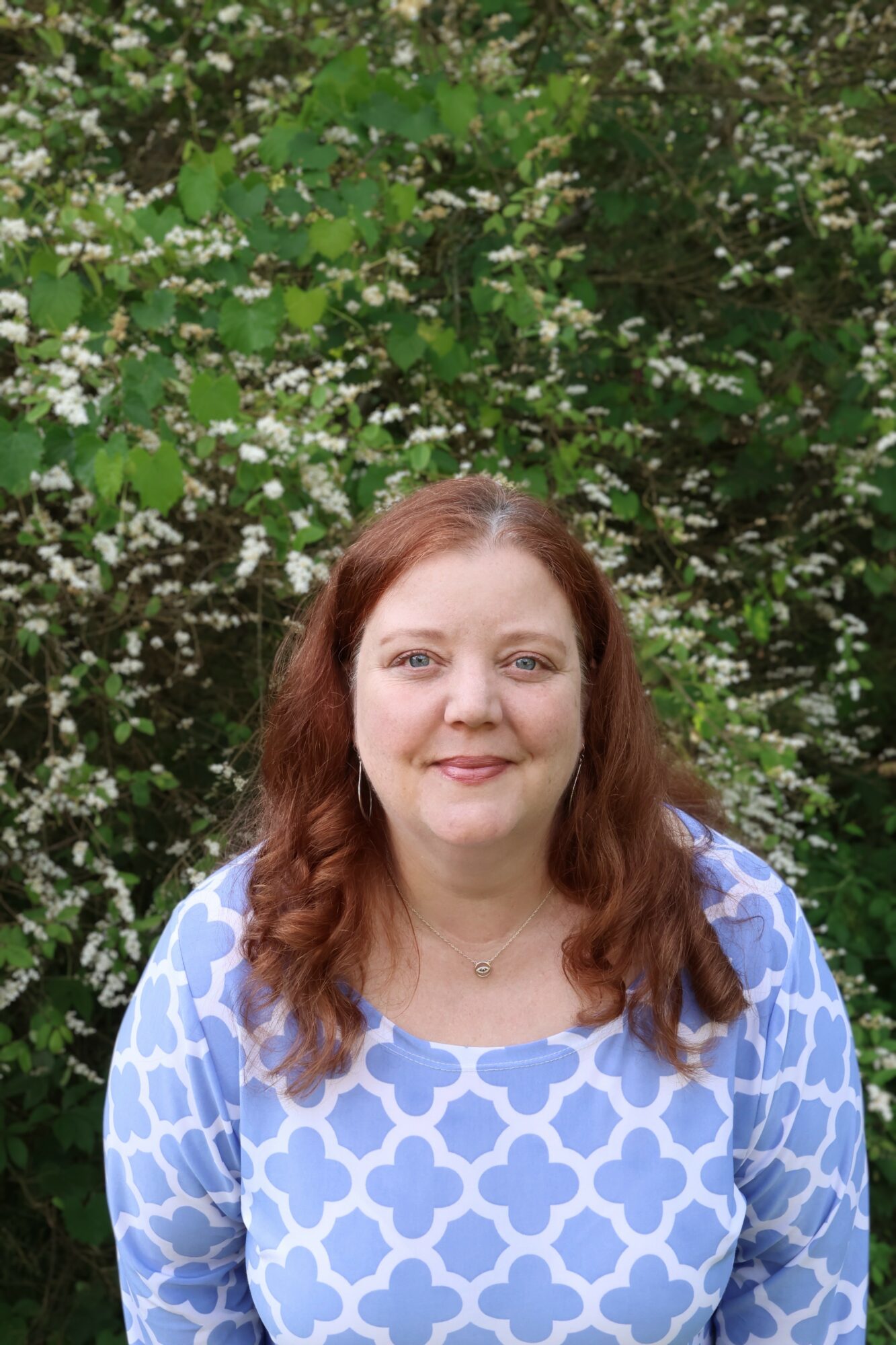
Today we’d like to introduce you to Sandi Smith.
Hi Sandi, thanks for sharing your story with us. To start, maybe you can tell our readers some of your backstory.
I never imagined I’d find myself learning how to teach a child to read. My professional background was in business. I earned an MBA and built a career as a project manager and executive consultant at IBM. When I became a stay-at-home mom, I thought my biggest challenges would be playdates and meal planning. But as my children started school, I faced something I hadn’t anticipated my bright, articulate, funny, and outgoing daughter couldn’t read. Her older sister had been reading fluently since kindergarten, so I couldn’t understand why Emily was struggling. We had the same bedtime stories, the same teachers, the same routines. I worried, I fretted, and we read together constantly, but nothing seemed to help.
I reached out to her teachers, attended every parent-teacher conference, and always heard the same thing: “Emily is so sweet, a good friend, a class leader.” But when I asked about her reading, the responses were always vague. She was a “late bloomer,” “so creative,” and “sure to catch up.” Deep down, I knew something more was going on.
We all face challenges, but looking back would you describe it as a relatively smooth road?
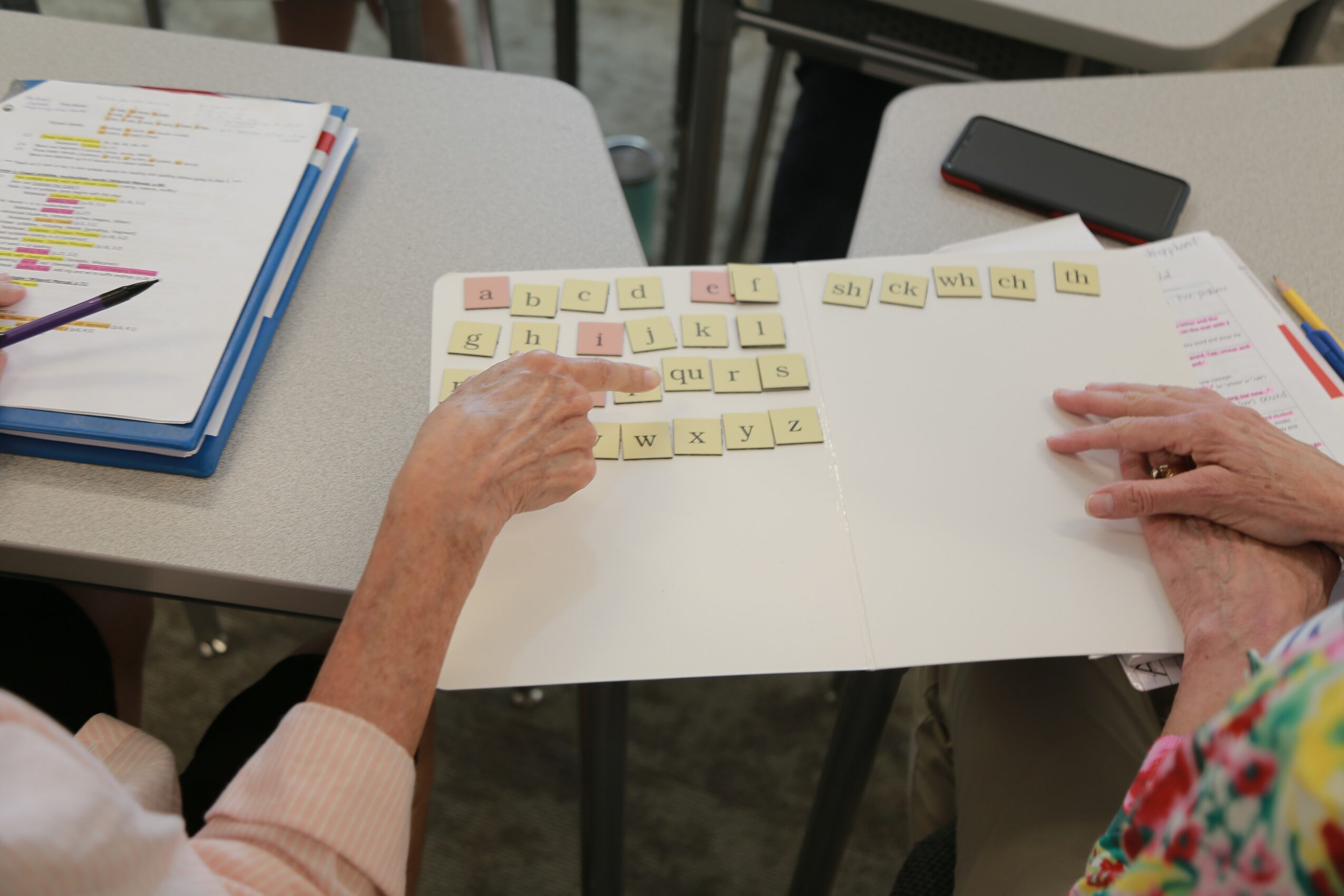
Before Emily’s diagnosis, my understanding of dyslexia was limited to common misconceptions, kids who flip their b’s and d’s, or stories about celebrities like Tom Cruise needing someone to read scripts to them. When we finally received a diagnosis, I realized how much I had to learn. They say a worried mother does better research than the FBI, and I dove into understanding what my daughter needed. Once we knew the challenge, we started structured, phonics-based, multisensory reading instruction – the kind proven to help dyslexic learners. Emily began to flourish.
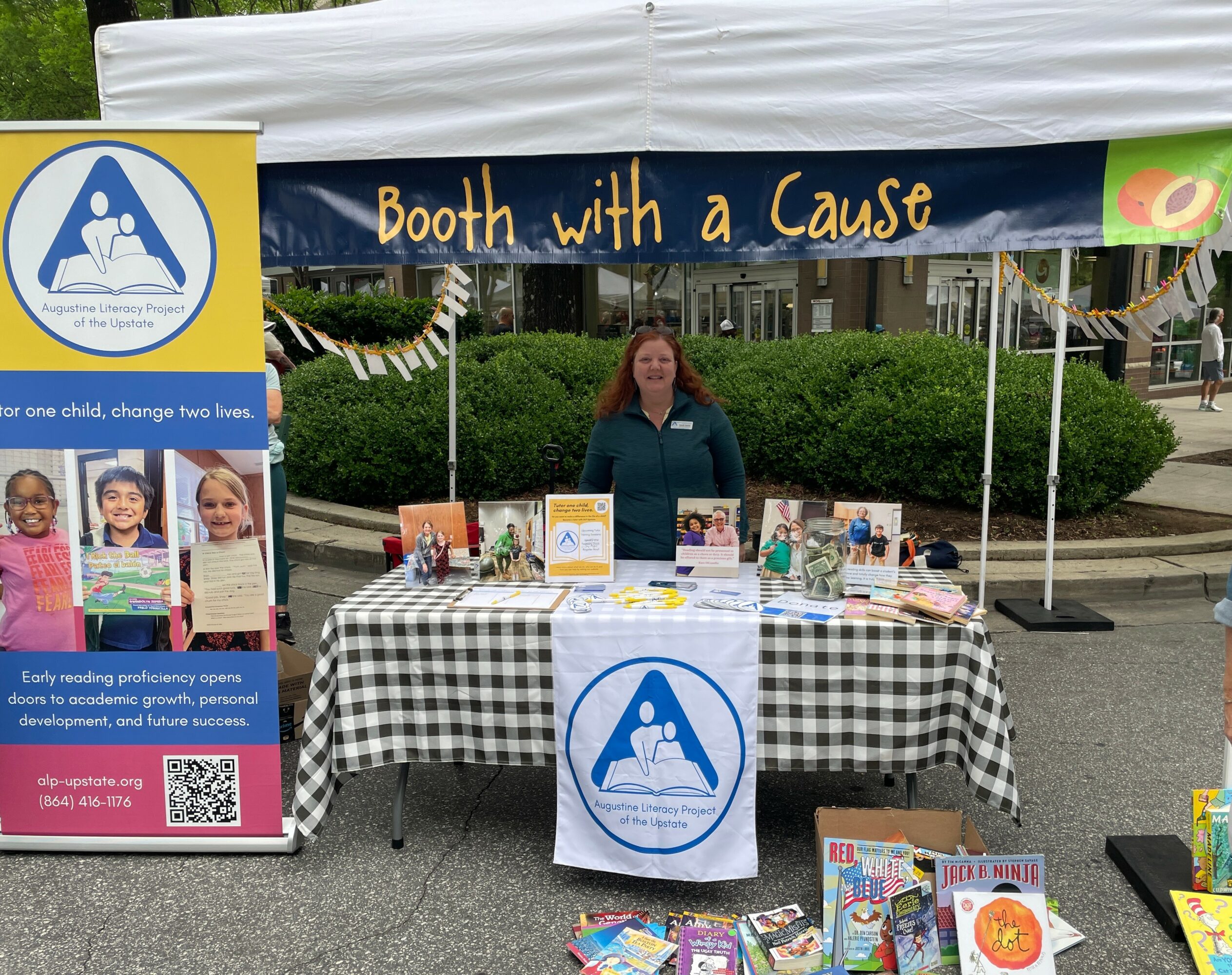
We were incredibly fortunate, Emily was accepted into a specialized private school for students with dyslexia, and with scholarships and help from grandparents, we made it work. But I couldn’t stop thinking about families who didn’t have those resources. That’s when I found the Augustine Literacy Project of the Upstate, an organization dedicated to helping children from low-income families who struggle with reading, writing, and spelling by providing trained, volunteer tutors. Their mission to break the cycle of reading failure and poverty and give every child the chance to succeed, regardless of their family’s financial situation, became my mission.
Thanks for sharing that. So, maybe next you can tell us a bit more about your work?
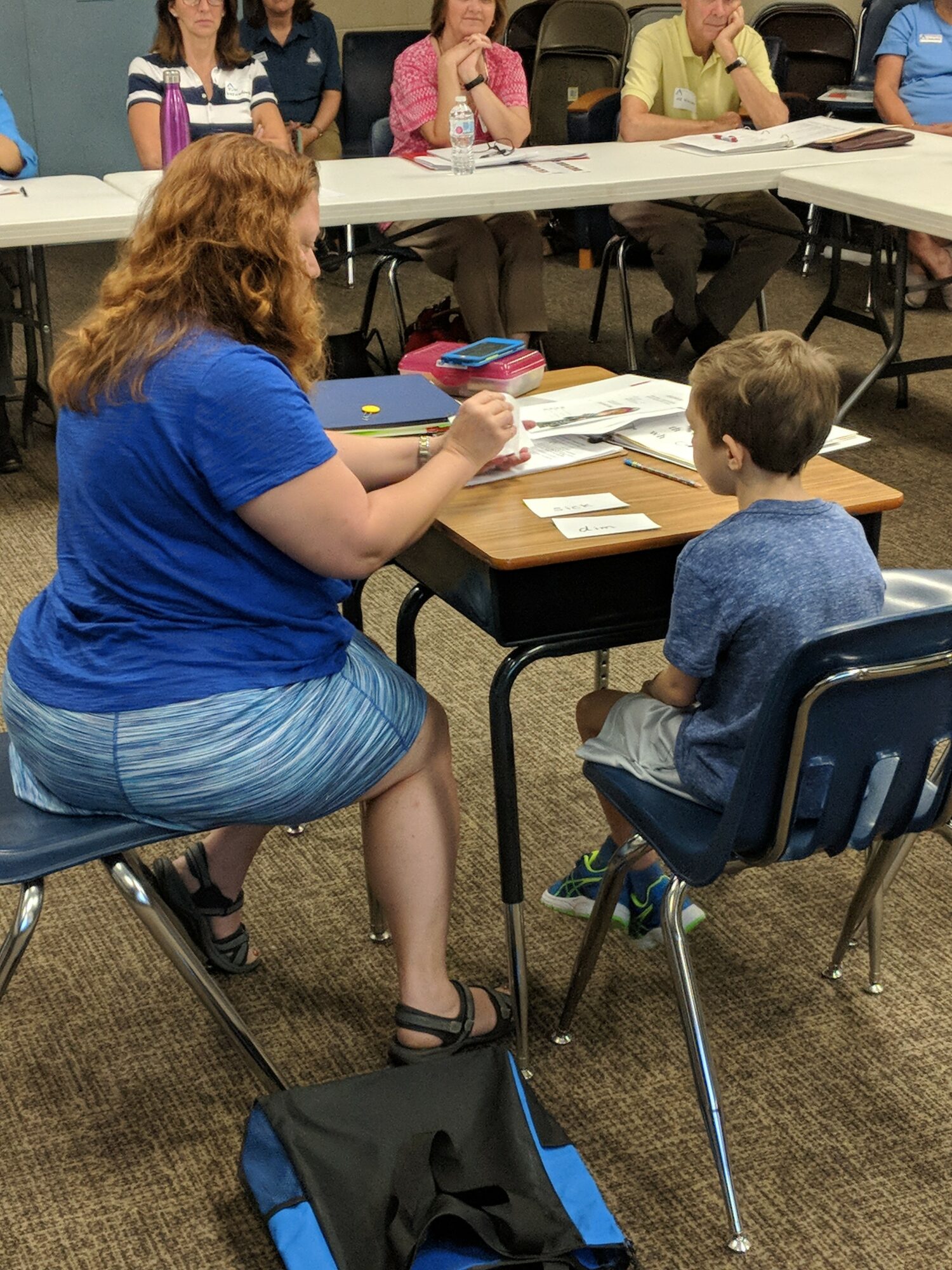
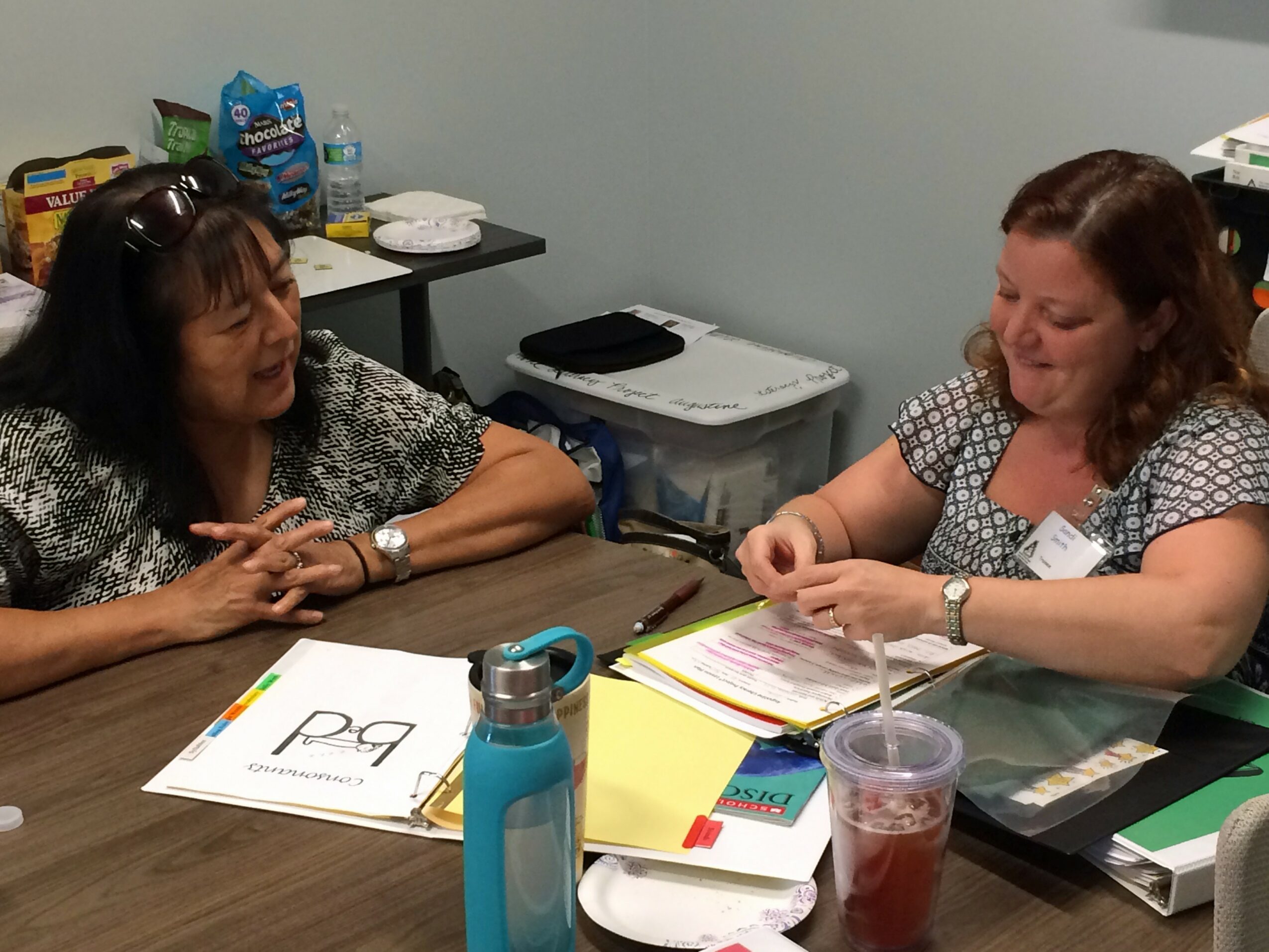
I began my journey with the Augustine Literacy Project of the Upstate in 2016, when I trained as a volunteer literacy tutor. Working one-on-one with students who struggled with reading gave me a deep understanding of the profound impact that evidence-based, multisensory instruction can have on a child’s confidence and future. Driven by a desire to expand that impact, I joined the board of directors in 2018 and became co-director in 2019. In July 2024, I was honored to be hired as the organization’s executive director.
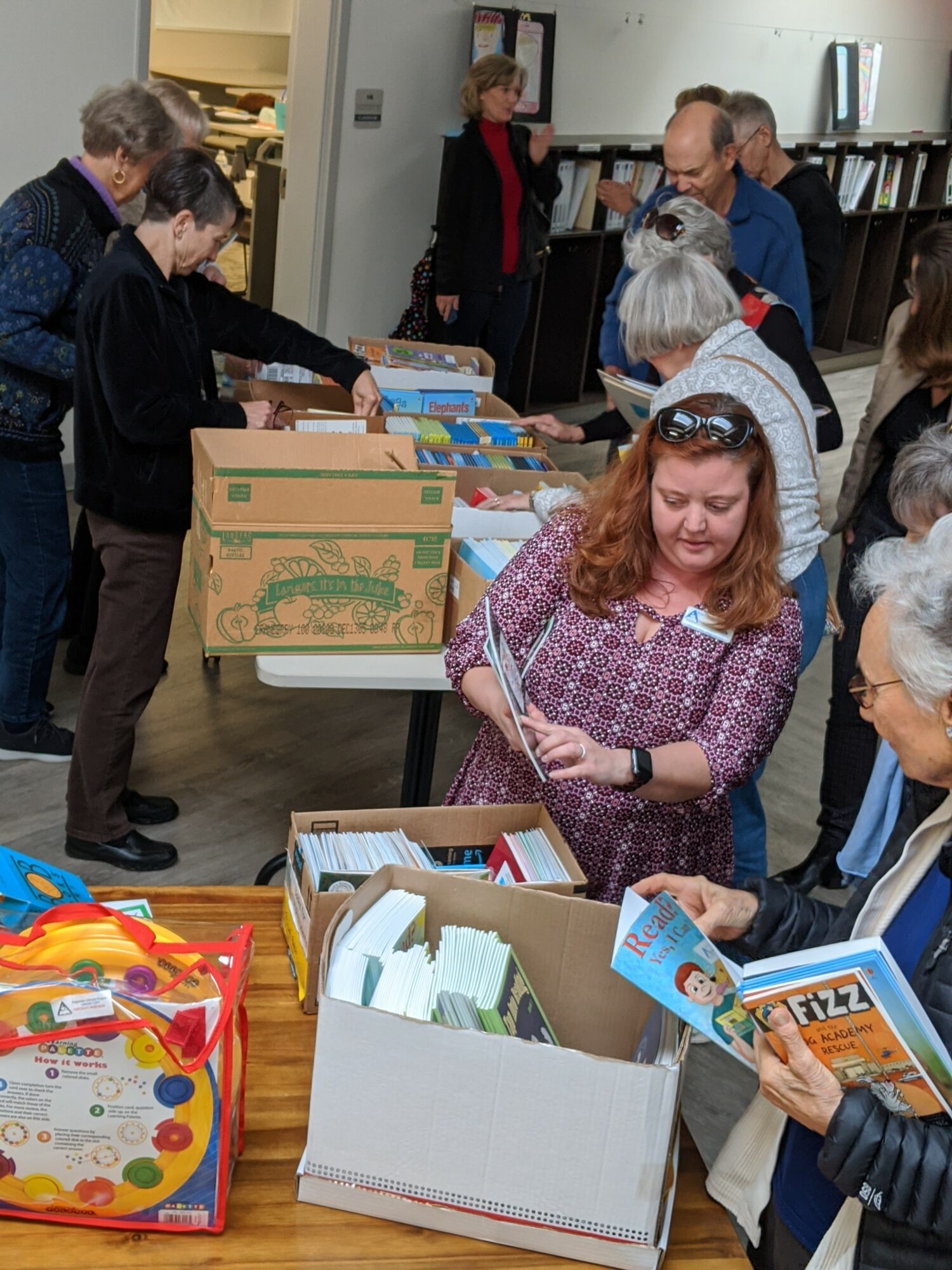
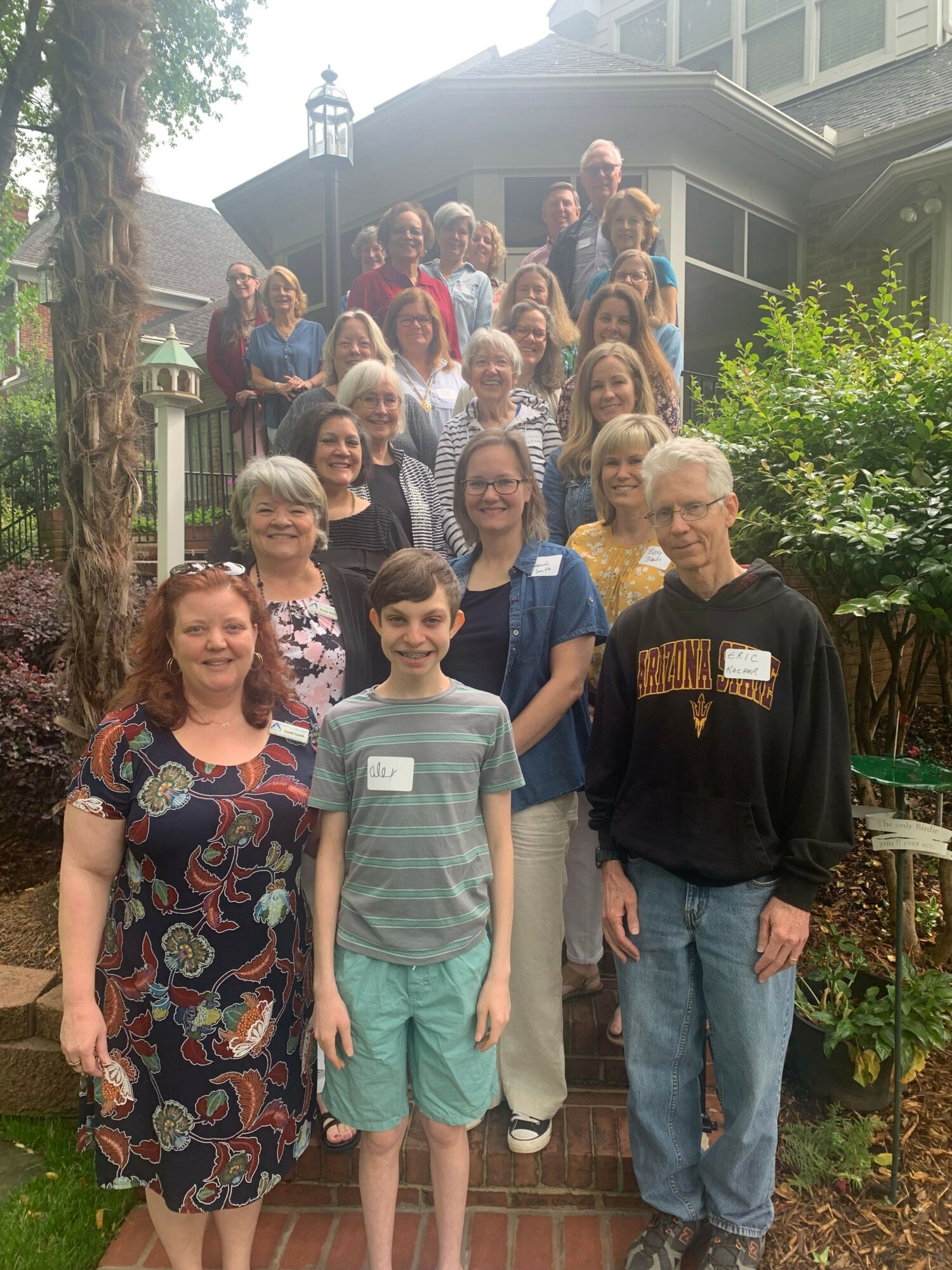
As executive director, I lead our team in advancing our mission through strategic planning, program development, and community partnerships. My responsibilities include overseeing daily operations, recruiting and supporting volunteers, managing fundraising efforts, and ensuring the quality and effectiveness of our tutoring program. I work closely with our board, staff, and community stakeholders to build organizational capacity and sustainability, all while keeping our focus on the students and families we serve.
In addition to my work with the Augustine Literacy Project, I serve as a board member at large for The Reading League of South Carolina, where I help advance the awareness and implementation of evidence-based reading instruction across the state.
I am passionate about advocating for literacy and educational equity across the Upstate. Whether I am training new tutors, developing partnerships with local schools, or sharing our story with donors and community leaders, I am constantly inspired by the resilience of our students and the dedication of our volunteers. Every day, I am reminded that literacy changes lives and I am grateful to be part of an organization that opens doors for children who need it most.
What makes you happy?
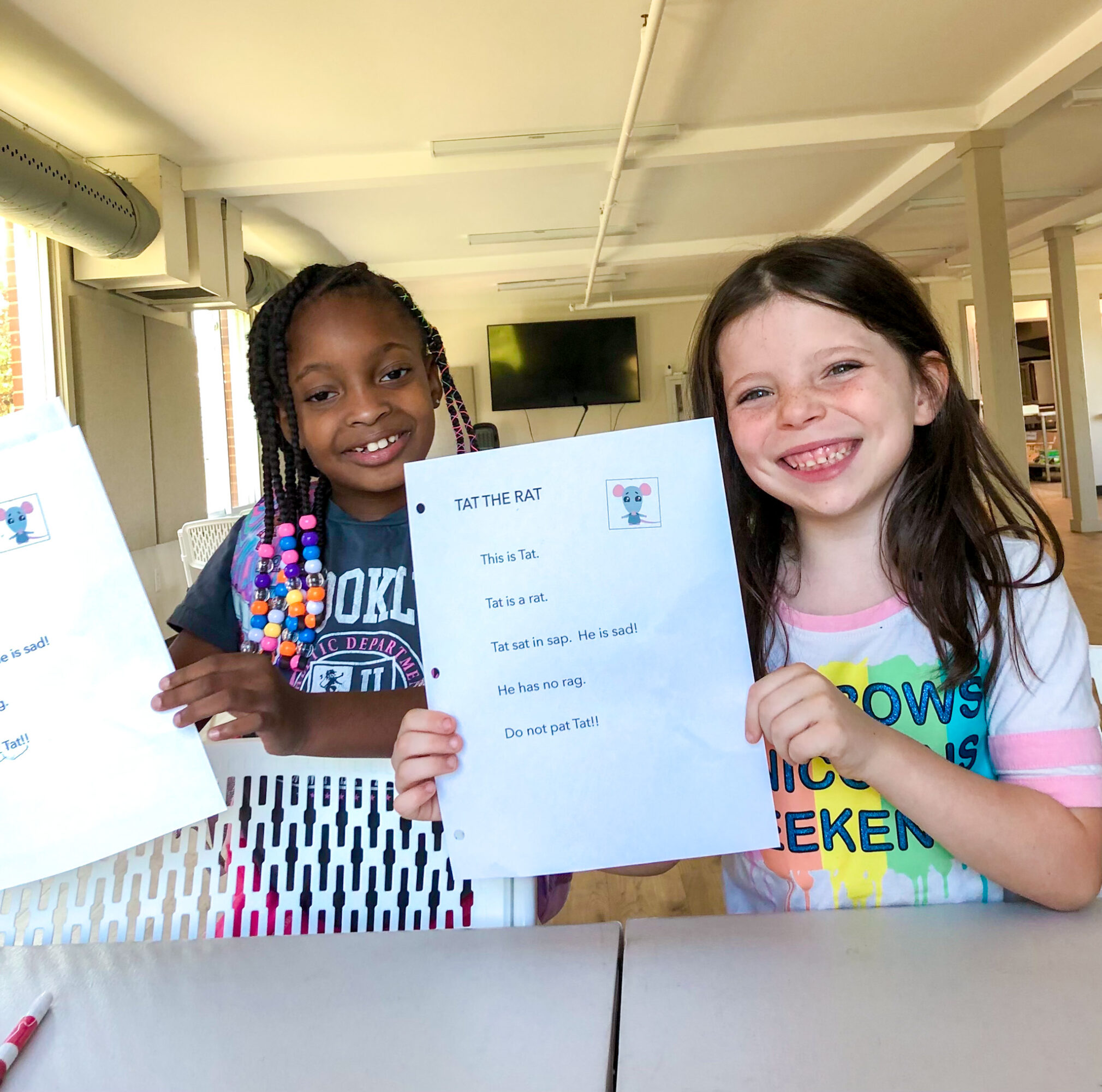
Our motto, “Tutor one child, change two lives,” truly captures the joy and fulfillment of this work. There is profound happiness in witnessing those magical “aha moments” when a concept finally clicks. It’s almost as if a lightbulb goes on over a student’s head. Those smiles of understanding and the pride that shines on a child’s face when they can read a book to you, all on their own, without needing help are the heart of what I do.
As we near the end of the school year, it’s incredibly rewarding to see the testing results that reflect real student achievement, and to hear the heartfelt stories from volunteer tutors about the newfound confidence their students carry with them. These moments remind me why this work matters so much, not just for the children we serve, but for all of us whose lives are changed in the process.
Contact Info:
- Website: https://alp-upstate.org/
- Instagram: https://www.instagram.com/alp.upstate/
- Facebook: https://www.facebook.com/ALP.Upstate/
- LinkedIn: https://www.linkedin.com/in/sandi-smith-310307a/