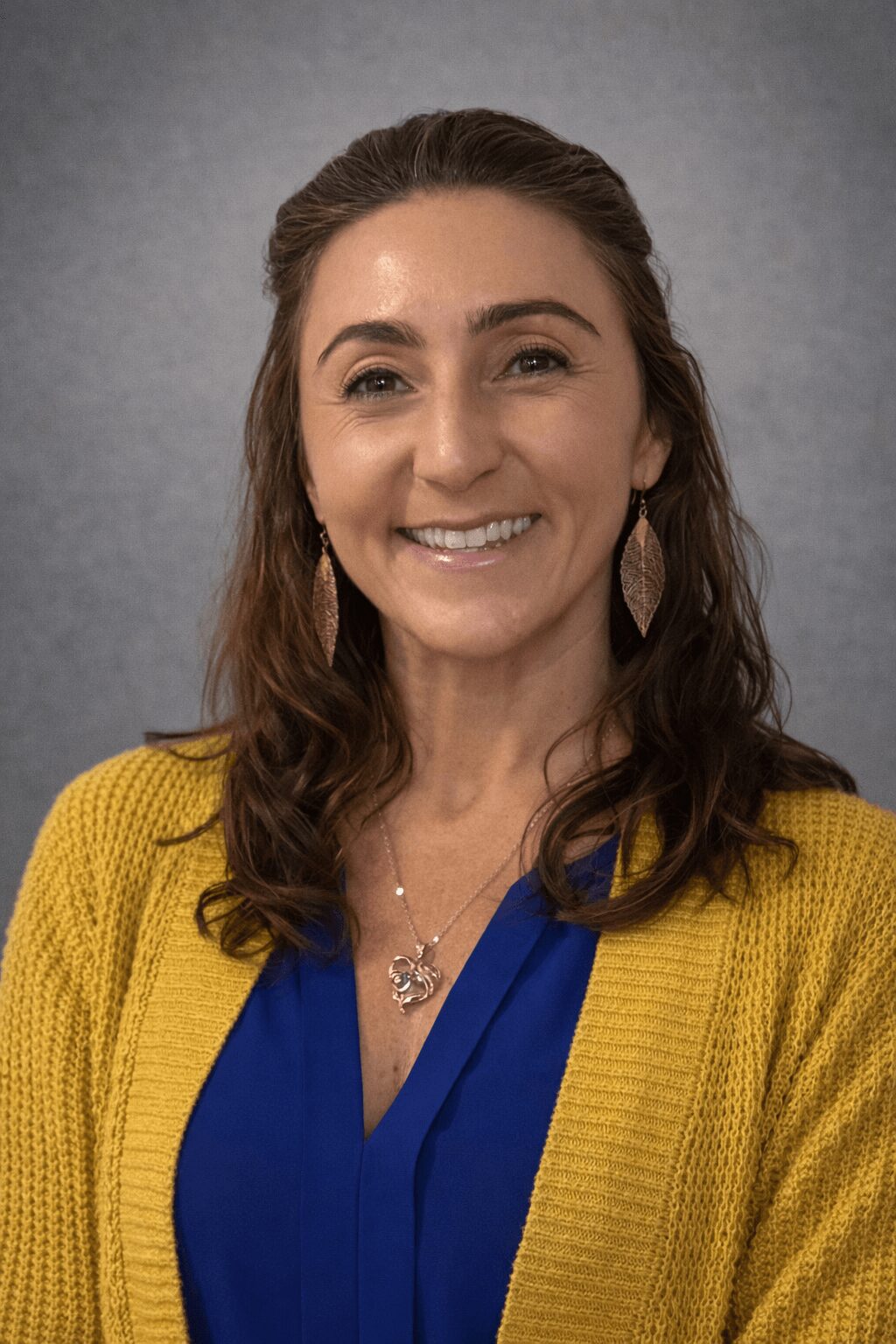
Today we’d like to introduce you to Nicole M. Arcuri Sanders.
Hi Nicole M. Arcuri, thanks for joining us today. We’d love for you to start by introducing yourself.
My professional journey began in education. Early in my career, I worked as a middle school teacher, where I quickly learned that teaching extends far beyond academics. Many students were navigating complex emotional, family, and social challenges, and I found myself drawn to supporting them in ways that went beyond the classroom. That experience sparked my interest in counseling and mental health.
I eventually pursued advanced training in counseling and began working directly with individuals and families navigating trauma, loss, and major life transitions. Through that clinical work, I saw firsthand that healing rarely happens in a straight line. Much like the tides of the ocean, people move through rhythms of ebb and flow; times when life feels overwhelming and times when strength and clarity return.
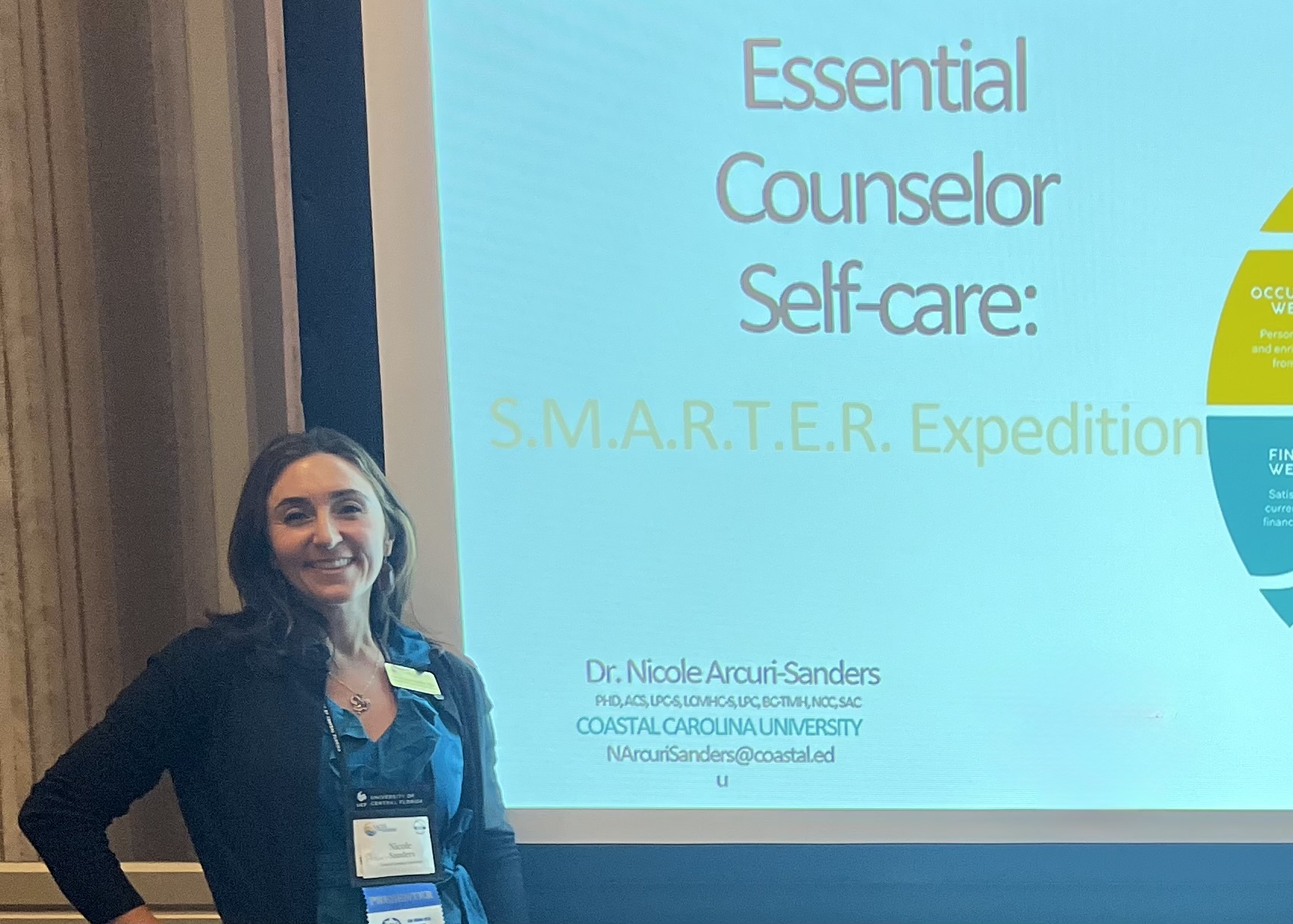
Over time, my work expanded into counselor education and supervision. Today I serve as an Associate Professor of Counseling at Coastal Carolina University and Program Coordinator for both the Clinical Mental Health Counseling and School Counseling concentrations. In this role, I teach graduate counseling students, supervise clinicians-in-training, and work with faculty and community partners to prepare the next generation of counselors to support individuals, families, and schools across our region. In addition to my university role, I also serve as the administrator for our NBCC Approved Continuing Education Provider (ACEP) program, where we develop and offer continuing education opportunities for counselors. Through this work, I strive to reach clinicians and supervisors not only locally, but across the nation, supporting their ongoing growth, ethical practice, and professional sustainability.
Alongside my academic role, I remain actively connected to the clinical side of the profession as a licensed counselor and clinical supervisor. Much of my work has focused on military-connected individuals and families, supporting them as they navigate transitions, identity shifts, and resilience after service.
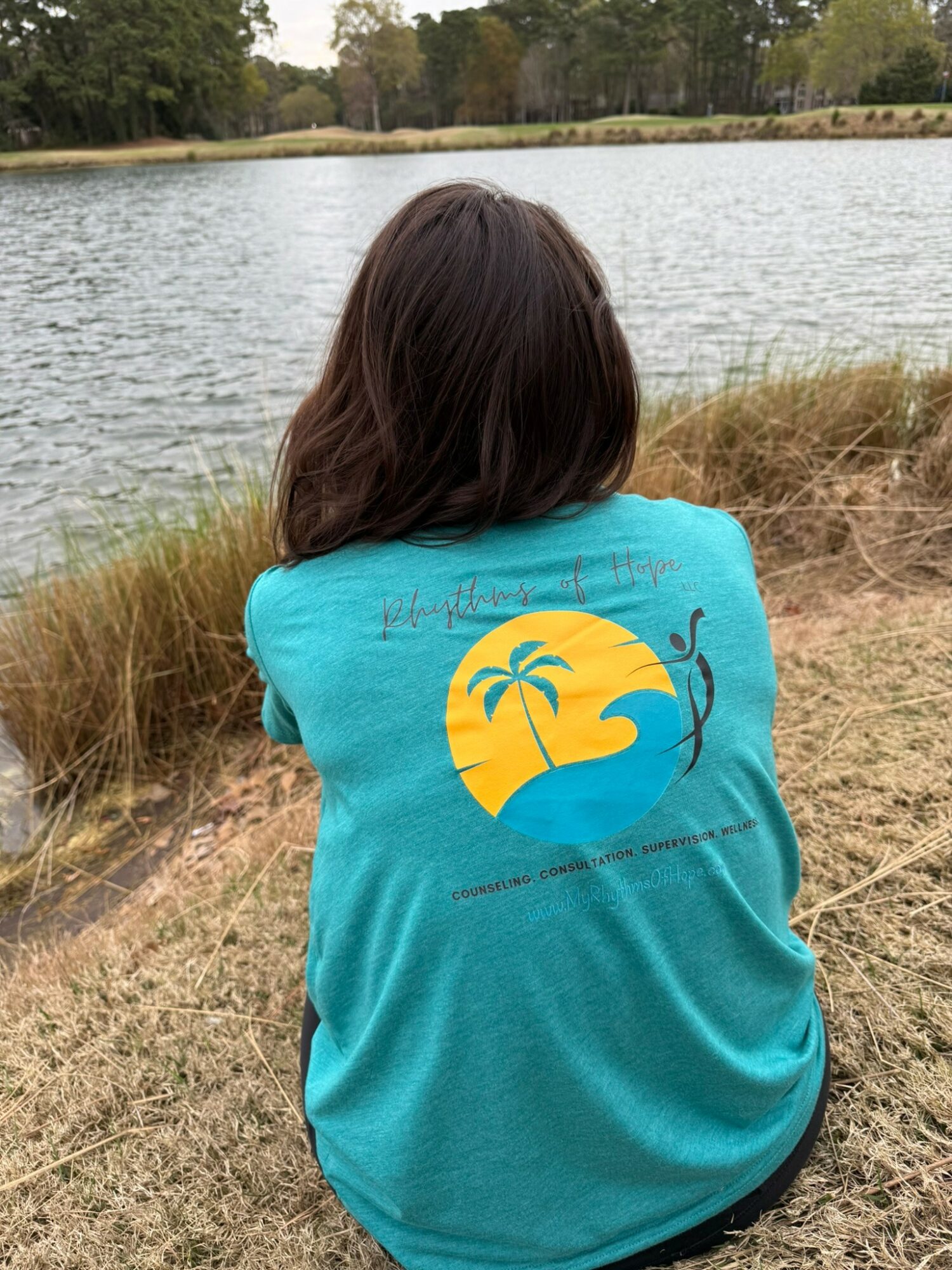
I also founded Rhythms of Hope, LLC, an initiative centered on expanding access to mental health education and wellness resources. The concept first began while I was living along the coast of North Carolina, where the rhythms of the ocean became a powerful metaphor for the cycles people experience in their lives. Now living and working along the South Carolina coast, that connection feels even more meaningful as I continue working with students, clients, and communities navigating their own seasons of change and growth.
Across my roles as teacher, counselor, and counselor educator, my goal has remained the same: helping people recognize their resilience and capacity for growth.
Can you talk to us a bit about the challenges and lessons you’ve learned along the way. Looking back would you say it’s been easy or smooth in retrospect?
Like many careers in helping professions, the journey has included both meaningful rewards and significant challenges. Mental health professionals often work within systems that are still evolving to meet the needs of individuals and communities.
One challenge I have encountered in my research and professional work involves service members transitioning from military service into counseling careers. Many service members develop a passion for helping others through their lived experiences, yet structural barriers sometimes make that transition into the counseling profession difficult. Part of my scholarship has explored how counselor education programs can better support these individuals and recognize the valuable strengths they bring to the field.
Another challenge has been balancing the many roles that come with this work. Counselor educators often serve simultaneously as teachers, clinical supervisors, researchers, clinicians, and community advocates. Each role carries responsibility, but each also enriches the others. Maintaining active clinical engagement and supervision is especially important to me. I believe that best practice for students and clients alike is to have counselor educators and supervisors who remain well-versed in clinical skills and responsive to the evolving needs of the profession. By continuing to work in clinical settings and providing supervision to developing counselors, I aim to ensure that what we teach in the classroom reflects the realities of practice and the changing landscape of mental health care.
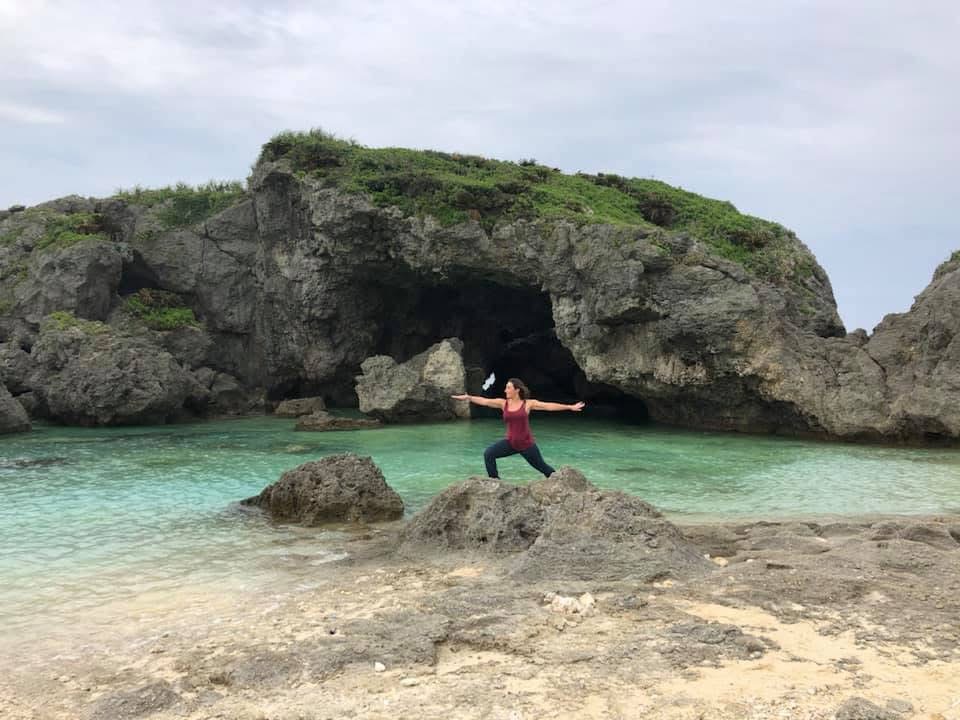
Living along the South Carolina coast has also shaped the way I think about resilience. I have found a deep sense of peace in the presence of the ocean, but I have also learned that it is a force to be reckoned with. Some days the water is calm enough to float quietly on a mat, soaking in the sun and stillness. Other days remind us to prepare, brace for storms, and adjust when a hurricane approaches. In many ways, life moves in those same rhythms.
Can you tell our readers more about what you do and what you think sets you apart from others?
My work sits at the intersection of clinical practice, counselor education, and community mental health advocacy.
As a counselor educator and supervisor at Coastal Carolina University, I focus on preparing future counselors to work ethically, compassionately, and effectively with diverse populations. My teaching emphasizes strong clinical skill development alongside deep self-awareness, because effective counselors must understand both theory and the human experience.
In my role as Program Coordinator for both the Clinical Mental Health Counseling and School Counseling concentrations, I work closely with students, faculty, and community partners to strengthen counselor preparation and ensure graduates are ready to support individuals, families, and schools across South Carolina.
I also remain actively engaged in clinical work and supervision. As a licensed counselor, clinical supervisor, nationally certified counselor, and board-certified telemental health provider, I believe it is important for counselor educators to remain connected to evolving best practices so that students are learning skills grounded in the realities of contemporary clinical care.
What I am most proud of is helping bridge the gap between clinical knowledge and accessibility. Mental health care should not feel mysterious, intimidating, or out of reach. Through teaching, research, writing, and community engagement, I aim to make mental health education more understandable and accessible for the communities we serve.
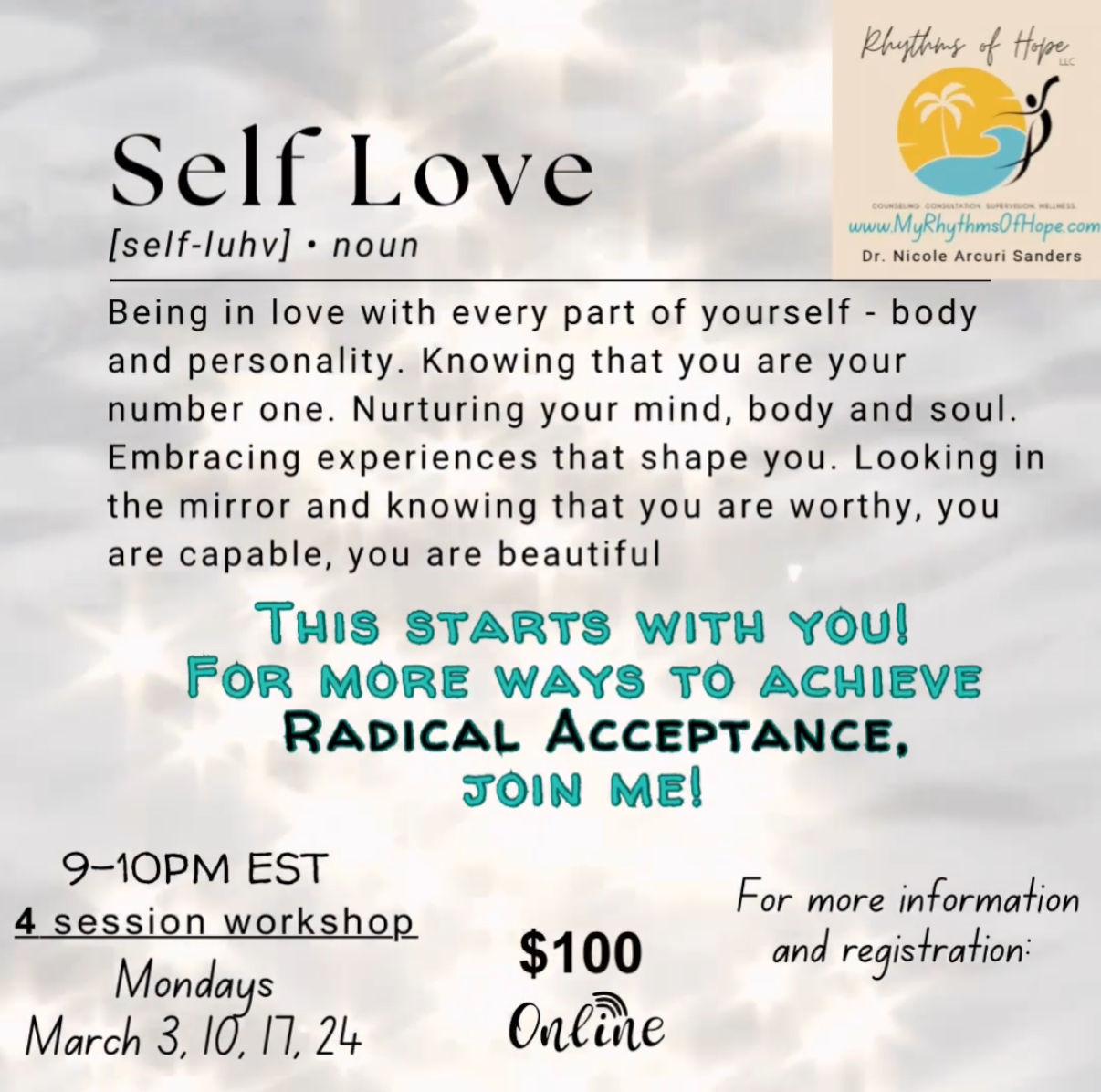
One way I have worked toward that goal is through the development of wellness courses designed to make evidence-based mental health knowledge available to a broader audience. These courses were created to help reduce stigma around mental health while also offering practical tools people can use in their everyday lives. Whether someone is navigating a diagnosed mental health concern or simply seeking additional support to move through a challenging season, my goal is to provide resources that empower individuals to better understand themselves and enhance their overall quality of life.
The name Rhythms of Hope reflects that philosophy. Just as the ocean follows rhythms of ebb and return, people also move through cycles of challenge, healing, and renewal. My work is about helping individuals, and the counselors I train, recognize those rhythms so they can navigate life’s tides with resilience and reconnect with hope.
What matters most to you?
What matters most to me is helping people reconnect with their sense of possibility.
In both counseling and education, I have seen how powerful it can be when someone begins to understand that their experiences, no matter how difficult, do not define them. Instead, those experiences can become places where resilience, courage, and growth begin to take shape. That belief shapes the way I approach my work with counseling students, with clients, and with the communities I serve.
In many ways, my work is about reminding people that while the tides of life will always rise and fall, hope has a rhythm of its own, and with the right support, people can learn to move with those rhythms rather than feel overwhelmed by them.
Empowering others to become empowered in their own lives is a gift I am grateful for every day.
Pricing:
- Weathering the Storm (Free)
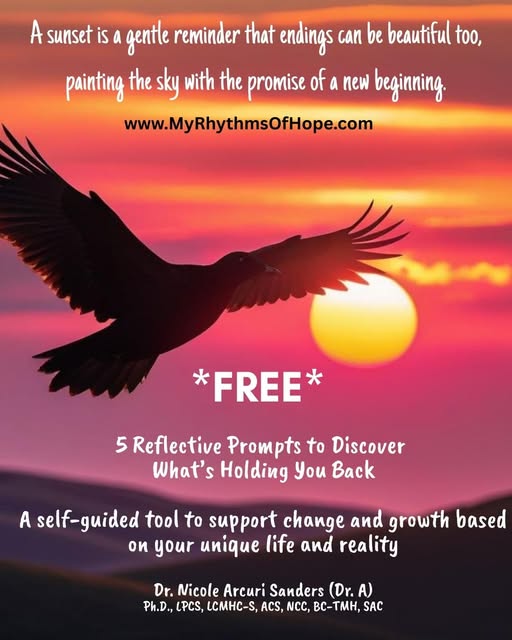
- 5 Reflective Prompts to Discover What’s Holding You Back (Free)
- Coping with Anxiety in Everyday Life: Practical Strategies to Support Wellbeing (Free)
- Change & Growth while Facing Reality ($5.00)
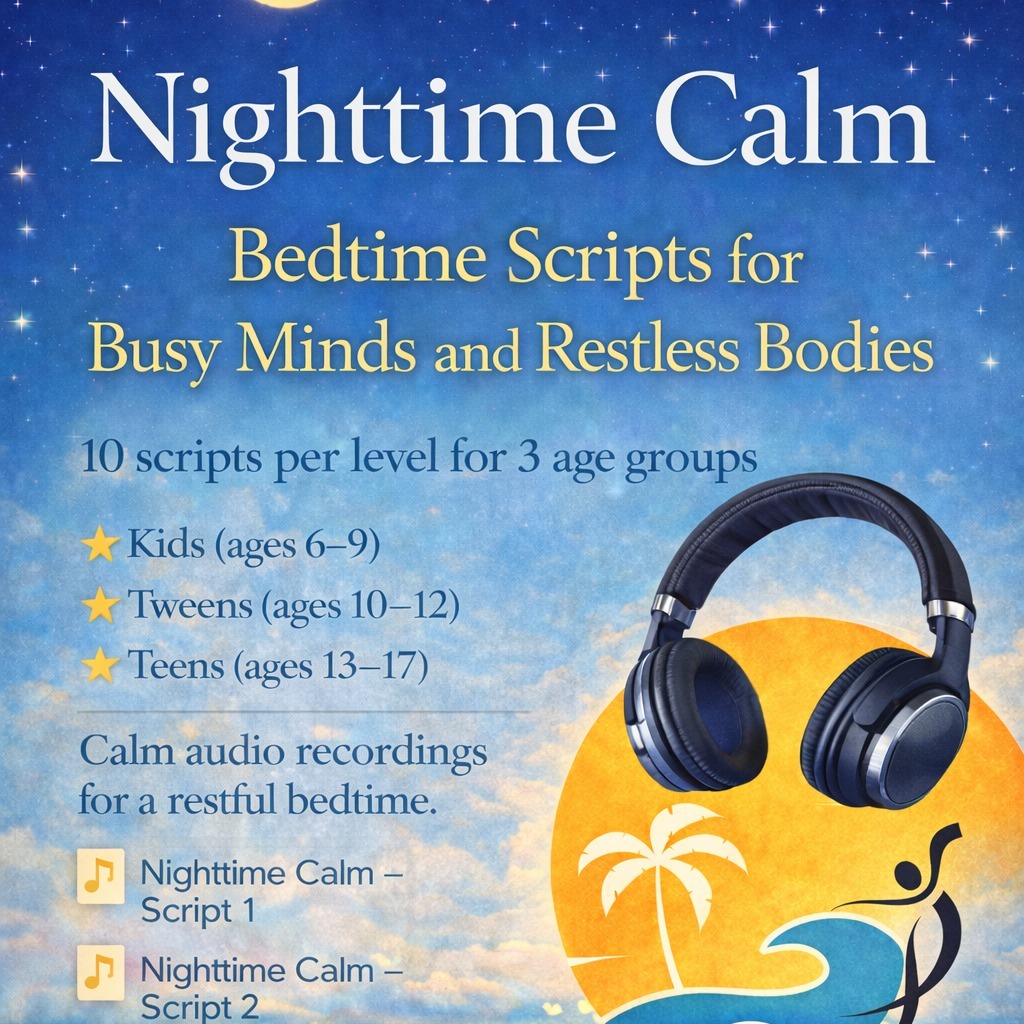
- Nighttime Calm: Bedtime Scripts for Busy Minds and Restless Bodies ($24)
Contact Info:
- Website: https://www.myrhythmsofhope.com/
- Instagram: @rhythmsofhope
- Facebook: https://www.facebook.com/RhythmsofHope
- Youtube: https://www.youtube.com/@myrhythmsofhope
- Other: https://myrhythmsofhope.etsy.com