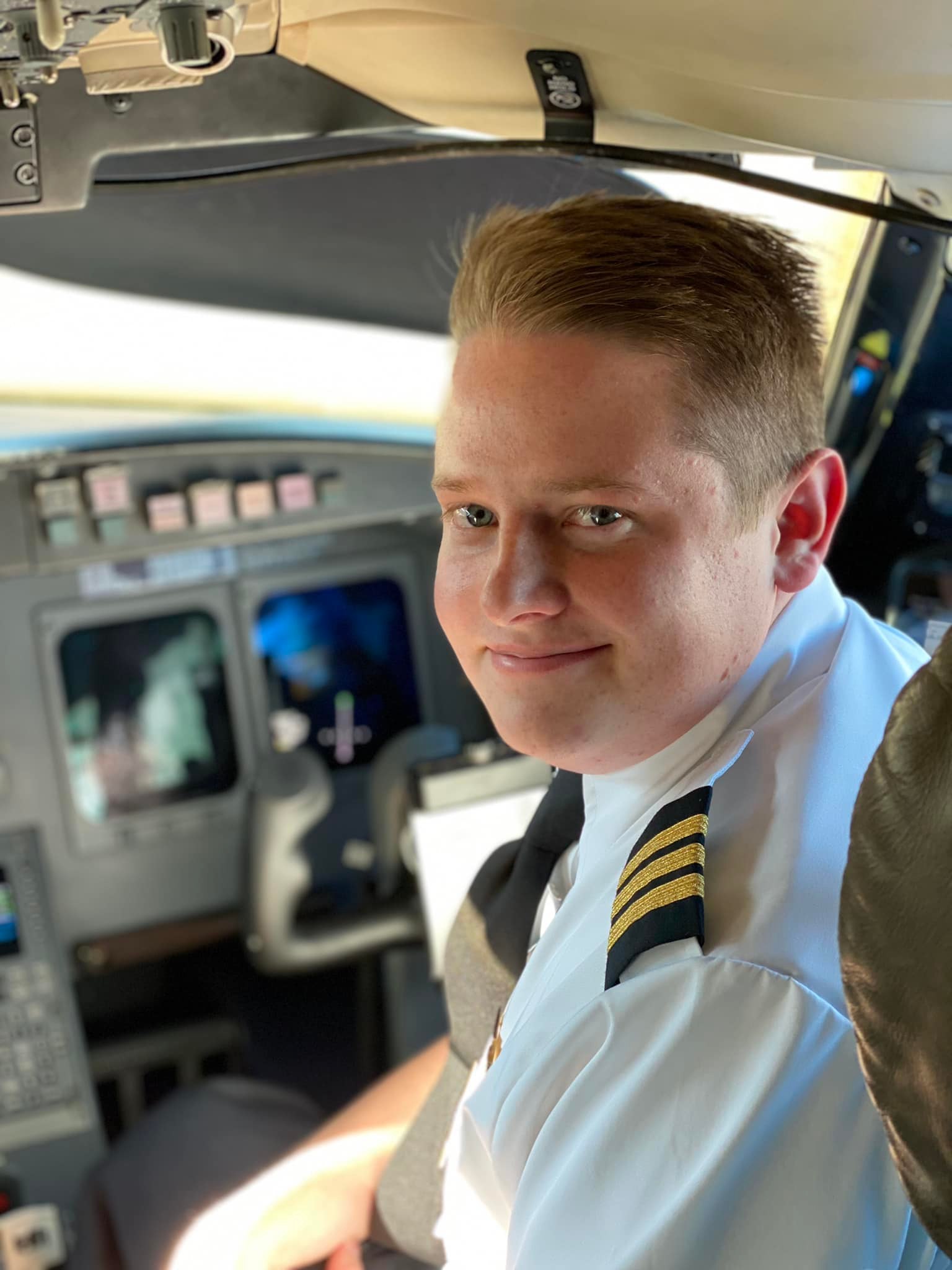
Today we’d like to introduce you to Michael Forseth.
Hi Michael, so excited to have you with us today. What can you tell us about your story?
When I was 15, I wanted to be a software developer. I was self-taught and already doing small side jobs. Around that time, I stumbled across a YouTube video of someone building an ultralight airplane. That video changed everything.
I decided I was going to build an airplane too. My dad quickly told me, “Not unless you learn to fly first.” So instead of building one, we bought a Cessna 150 together. I soloed at 16, earned my private pilot certificate at 17, became a commercial pilot at 18, and then a flight instructor shortly after.
While flying, I was finishing online high school, completing dual-credit courses at Tarrant County College, and later transferring to Liberty University’s online aviation
program.
In 2018, after becoming a flight instructor, I had several job offers. I chose a local flight school, but it became clear that their priority was volume over quality. I tried to suggest improvements that would elevate training while still serving students well. The response was simply: if I wanted to do it differently, I could start my own school.
So I did.
Pilot Rise Flight School was founded in 2019 with four core priorities: quality, mentorship, safety, and value.
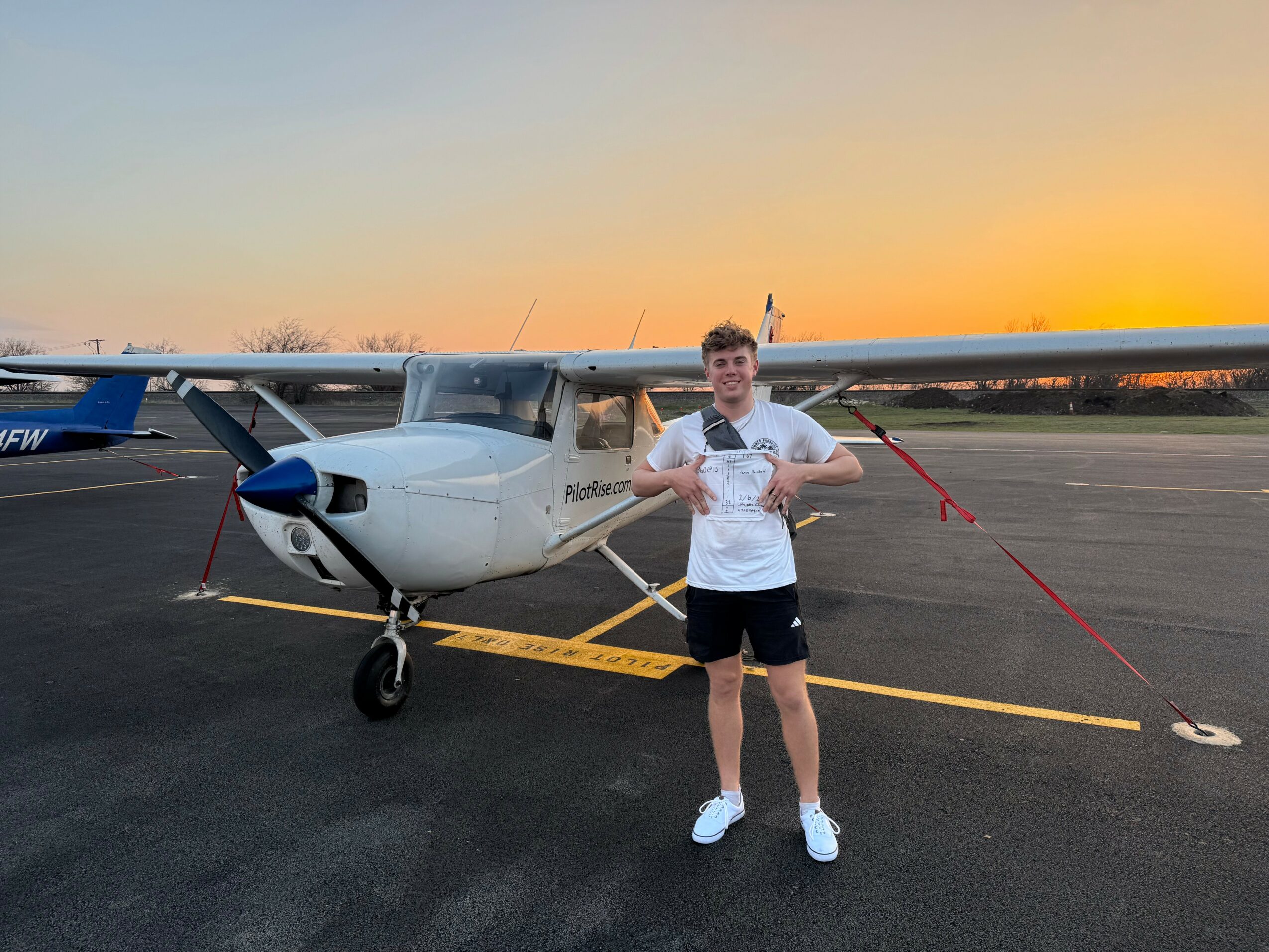
We had sold our original Cessna 150, so I needed an airplane. Banks would not finance a brand-new school. I convinced a friend to lease us a Cessna 150, then took that lease agreement back to the bank to secure financing for a second aircraft. We launched at Hicks Airport with two Cessna 150s and a clear mission.
Demand for quality training was stronger than I expected, and we grew quickly. Then COVID hit. We were forced to pause operations and rethink parts of our business model. It was a defining season. We survived, rebuilt, and came back stronger.
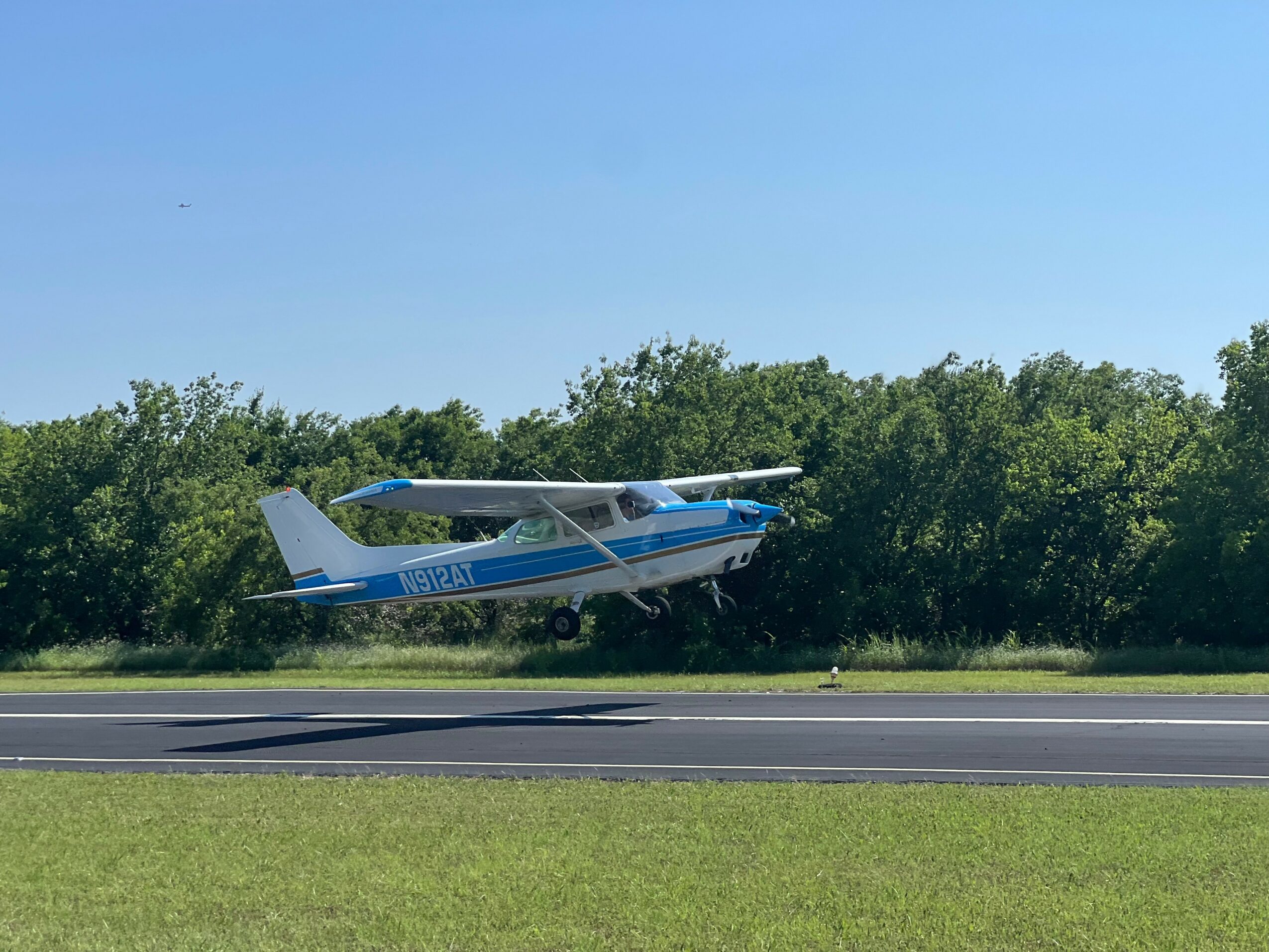
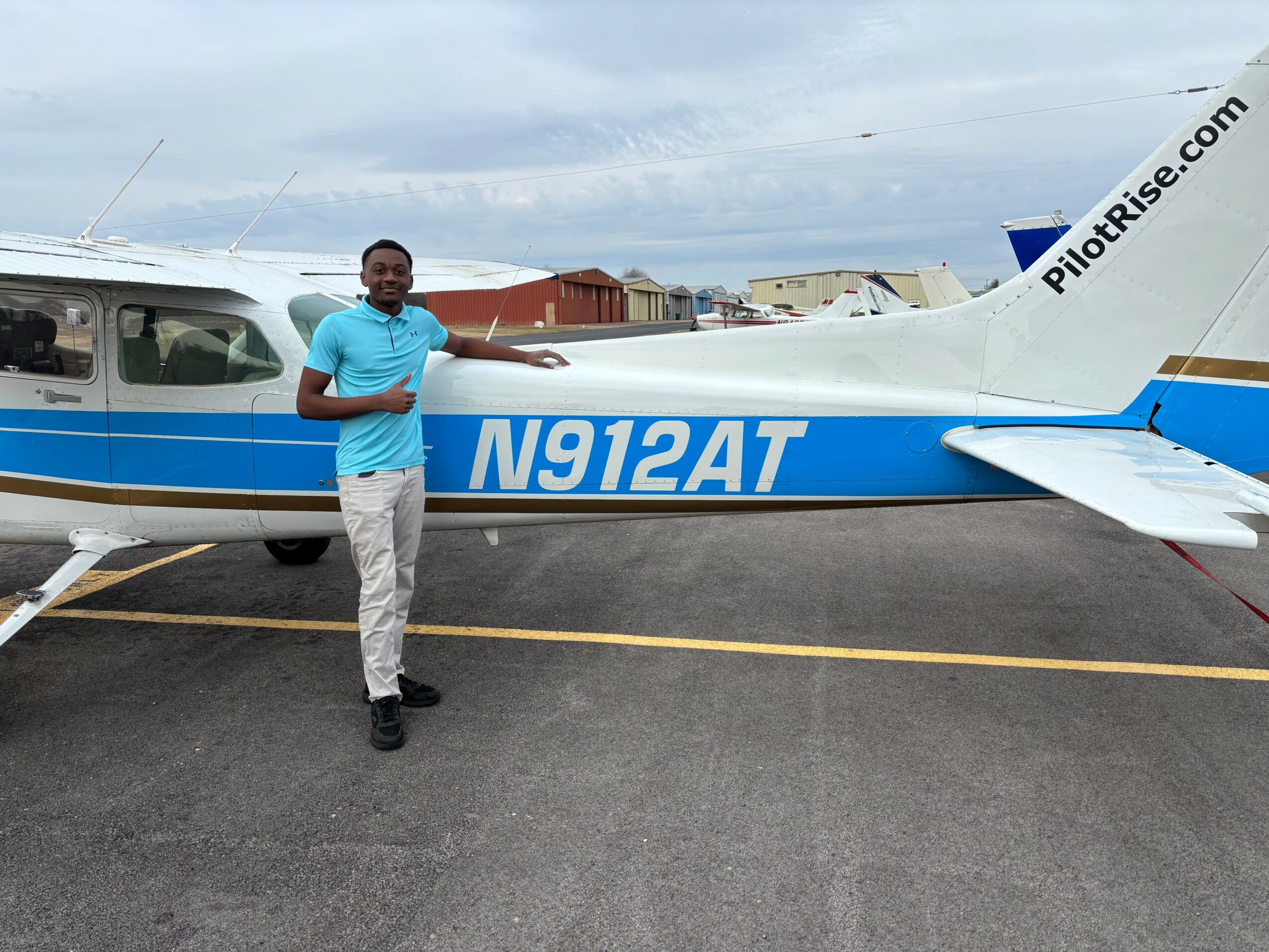
Today, Pilot Rise operates six aircraft with eleven instructors and has been recognized by AOPA as a Distinguished Flight School for 2025 and 2026.
What sets us apart is not marketing. It is substance.
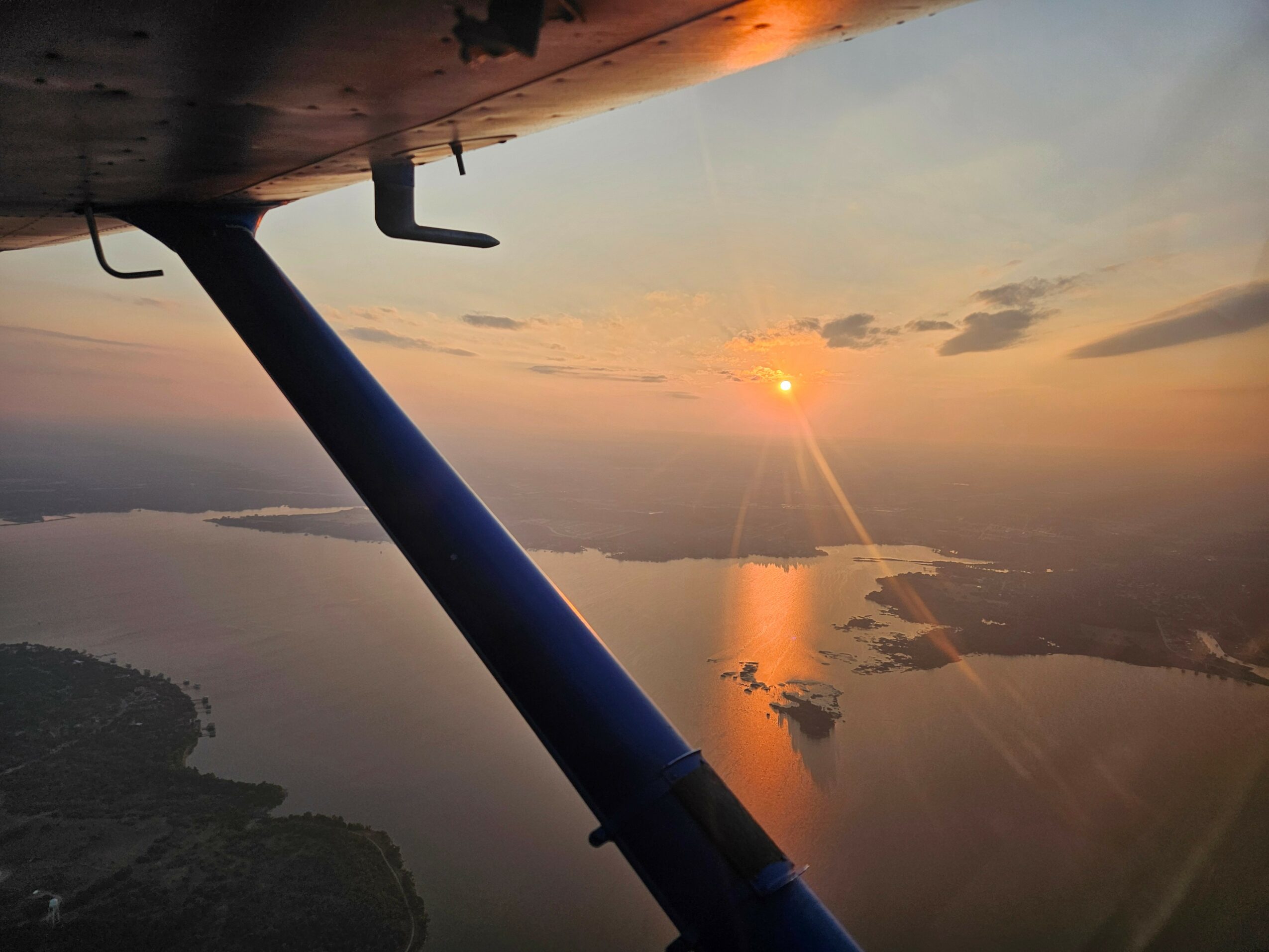
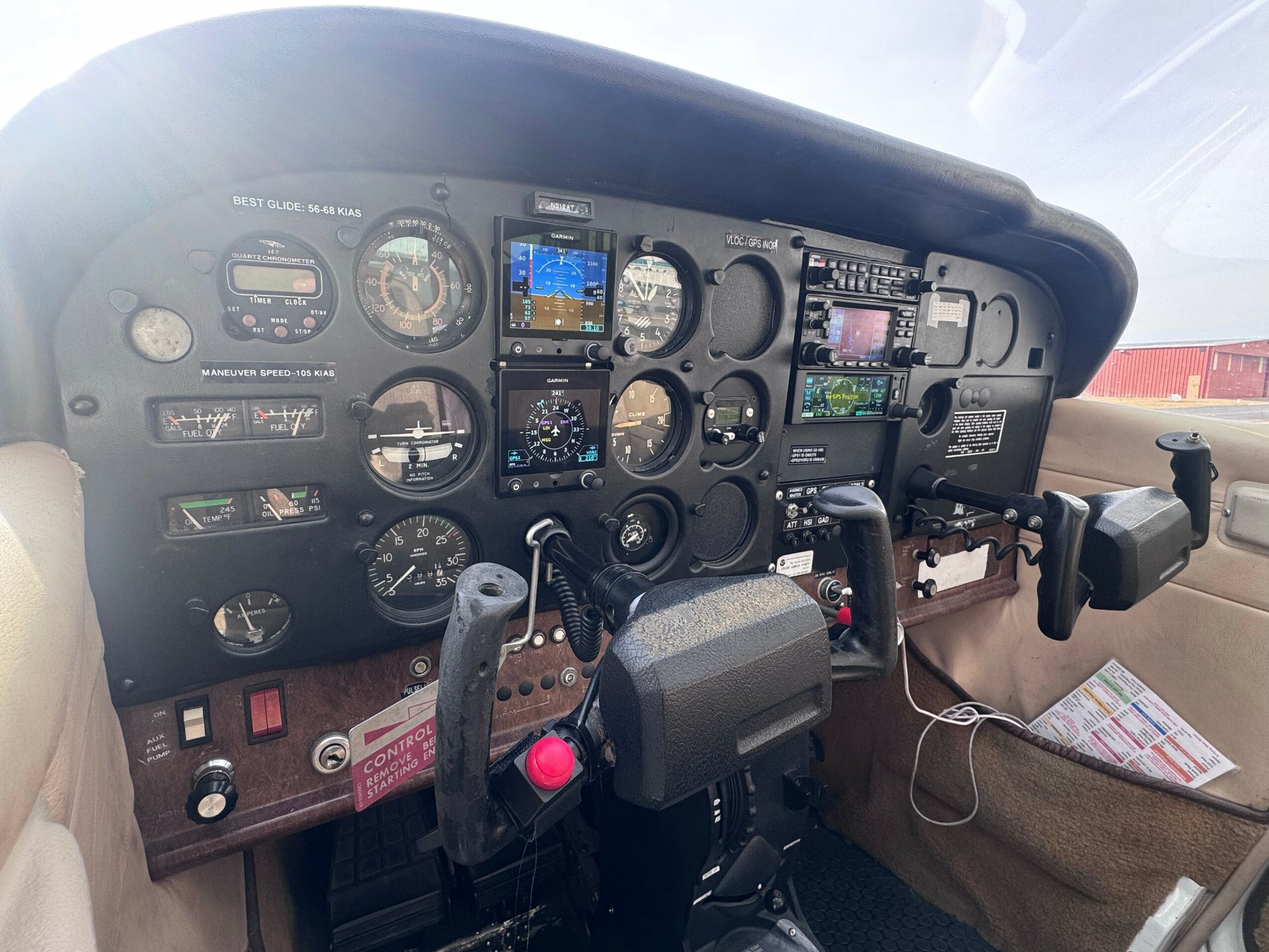
We train on real grass strips, not just pavement, because real-world experience matters. We exceed minimum FAA night requirements because additional night training produces safer pilots. We teach emergency scenarios beyond the bare minimum. We provide a BATD simulator free to our students so they can practice procedures without financial pressure.
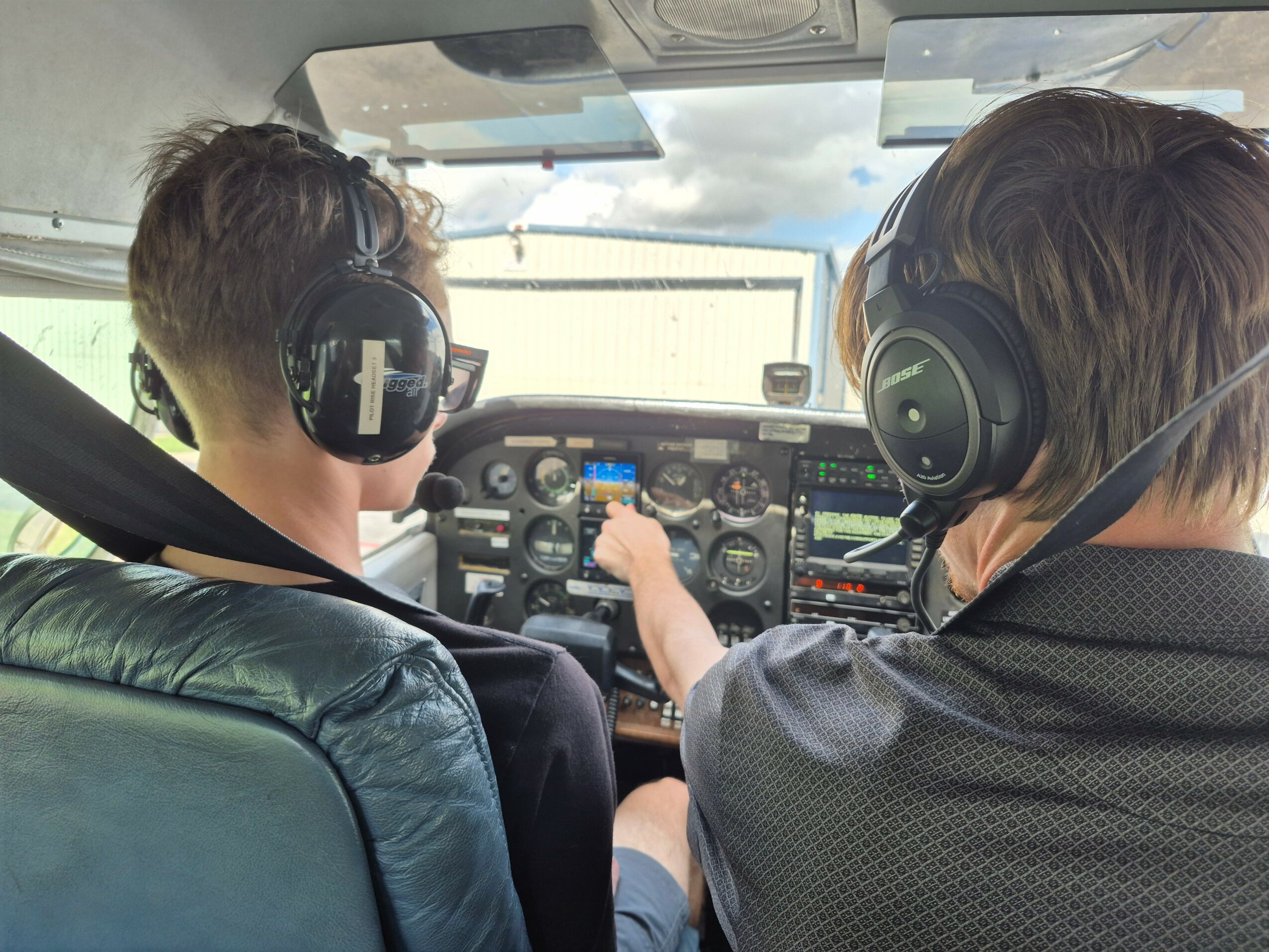
Most importantly, we are intentional about instructors. We hire carefully and prioritize people who care deeply about student success. Being a good pilot is not enough. Teaching is a skill. Our instructors are trained to apply Thorndike’s Laws of Learning in a practical way, adapting lessons intelligently when weather or circumstances change. Instead of canceling unnecessarily, we pivot and maximize training value.
My background in software development has also shaped Pilot Rise. I built an internal training record system that is element-based rather than lesson-based. Instead of rigid Lesson 1, 2, 3 sequencing, instructors grade specific skills and knowledge areas. This allows personalized, flexible training that adapts to weather and student progress.
Students can clearly see their strengths, weaknesses, and trends. Instructors can instantly understand where a student stands, which makes transitions between instructors seamless. We also integrated AI to generate lesson summaries and study recommendations based on instructor feedback and FAA materials.
During these years, I completed my degree at Liberty University, married my wife Emory, flew for SkyWest, then Spirit Airlines, and now serve as a First Officer at United Airlines.
Last year, Emory and I welcomed twin girls. They were born three months early and spent five months in the NICU. We were advised more than once to consider discontinuing care for one of them due to serious medical complications. We chose to fight. We watched miracle after miracle unfold as Isla defied expectations. She still has a long road and a lot of challenges ahead of her, but we will keep pushing forward.
That season changed us.
Building a flight school through financial hurdles, surviving COVID, growing a team, flying professionally, and going through the NICU with our daughters has shaped how I lead: with resilience, adaptability, and a relentless focus on quality.
Pilot Rise was never about building the biggest school. It was about building the right one.
We all face challenges, but looking back would you describe it as a relatively smooth road?
It has definitely not been a smooth road.
From the beginning, there was real risk. When I started Pilot Rise, I took on a significant airplane loan without any guaranteed income. The flight school was going to be my job. If it failed, I had no fallback. Because of that, I did extensive research before launching and went deep into learning how to market and spread the word.
Marketing was one of the steepest learning curves. I knew nothing about it at the start. We didn’t struggle with student retention; once people flew with us, they stayed. The problem was visibility. No one knew who we were. I tried everything: door-to-door outreach, door hangers, bumper stickers, online advertising, social media. It was a long trial-and-error phase. Over time, I became effective at it out of necessity. It is not something I naturally enjoy, but it is a skill that had to be developed.
Age was another challenge. I started Pilot Rise at 19. Convincing a bank to take me seriously was the first hurdle. Vendors and business contacts often dismissed me at first glance. I learned to combat that by being overprepared. More documentation, more data, more professionalism. If credibility was questioned, I made sure preparation eliminated doubt.
Even earlier, the education system itself was a challenge. Traditional systems tend to put people in a box. I would not be where I am today without flexibility and the ability to move faster. Transferring to an online high school, iUniversity Prep, allowed me to work ahead aggressively. I completed nearly an entire semester in weeks, which freed up time for flight training and side projects like building pilotapproach.com, an online instrument approach simulator. That flexibility changed my trajectory.
The cost of training and college was another major obstacle. Flight training is expensive, and I paid for it out of pocket. I worked as a software developer and even spent several years writing Minecraft mods for a young Twitch streamer alongside two other developers. I also worked at a restaurant at Hicks Airport. I started at Tarrant County College to keep costs down and eventually chose Liberty University’s online aviation program because they credited my flight experience. It allowed me to complete my degree faster and at a lower cost.
Financial risk did not stop after launch. Five months before COVID, I purchased a Cessna 172 with a heavy loan. The airplane was performing well, but I had a persistent feeling that something was not right. I listed it for sale, and it sold in under three days at a profit. Less than a week later, COVID was declared a pandemic and operations shut down. Had I kept that aircraft, there is a high probability Pilot Rise would not have survived.
A few years later, we faced a surprise engine replacement on one of our Cessna 150s, Blue Jay. The replacement ended up costing around $60,000, nearly double expectations. Instead of pausing operations, we replaced the engine immediately. Safety always comes first, even when it is expensive.
Growth created logistical problems too. Six airplanes in one hangar meant constant “airplane Tetris.” To get one airplane out, several had to be moved. There was no ramp space available. Eventually, we secured a long-term lease on a grass tie-down area and invested in improving it with asphalt. Now we have dedicated ramp space for seven airplanes, which dramatically improved efficiency.
Last year, our main hangar building was within two weeks of foreclosure. We faced the possibility of losing our location or being forced into unsustainable rent. Just before foreclosure, we were able to purchase the building. That moment secured Pilot Rise’s permanent home.
Running the school while flying for the airlines introduced another layer of complexity. Leading remotely required years of trial and adjustment. Today, we have a strong management structure, and our chief instructor oversees daily operations. I focus on growth, strategy, and maintaining quality. But getting there took refinement.
One of my early mistakes was trying to handle accounting myself. After taking a single accounting class, I believed I understood it well enough. I did my own books for the first two years. That was a mistake. Eventually, I hired a professional accounting firm to clean everything up. It was a humbling lesson: pay professionals for professional work.
None of it has been smooth. It has required risk, humility, adaptation, financial pressure, and perseverance. But each challenge strengthened the foundation of the business and shaped how I lead today.
Thanks for sharing that. So, maybe next you can tell us a bit more about your business?
Pilot Rise Flight School is a Part 61 flight school based at Hicks Airfield in North Fort Worth. We train students from their very first discovery flight all the way through Certified Flight Instructor and beyond. Some of our students are pursuing aviation as a hobby. Many are building careers at the airlines. We specialize in building confident, competent pilots who are prepared for the real world, not just the checkride.
Our focus has always been quality over volume. We are not interested in pushing students through a conveyor belt. We design training around mastery. That shows up in the details. We exceed FAA minimum night requirements because the minimum is rarely optimal. We train emergency scenarios beyond the standard syllabus because real life does not follow a script. And we do all of this without increasing costs. It comes down to how we structure and conduct the training.
The training environment is structured but flexible. Our element-based training record system allows instructors to grade specific skills rather than just check off lessons. That means a windy day becomes crosswind training, not a cancellation. A grounded airplane becomes simulator work, not lost momentum. Students can see exactly where they stand, and instructors can step in seamlessly if a schedule changes.
We also invest heavily in instructor development. Being an airline-bound time builder is not enough. Teaching is a craft. Our instructors are trained to understand how people actually learn, to adjust on the fly, and to care deeply about outcomes. Culture matters here. Students feel it.
Operationally, we run six aircraft and a BATD simulator, and we have been recognized by AOPA as a Distinguished Flight School for 2025 and 2026. But awards are not what I am most proud of.
I am most proud of the people.
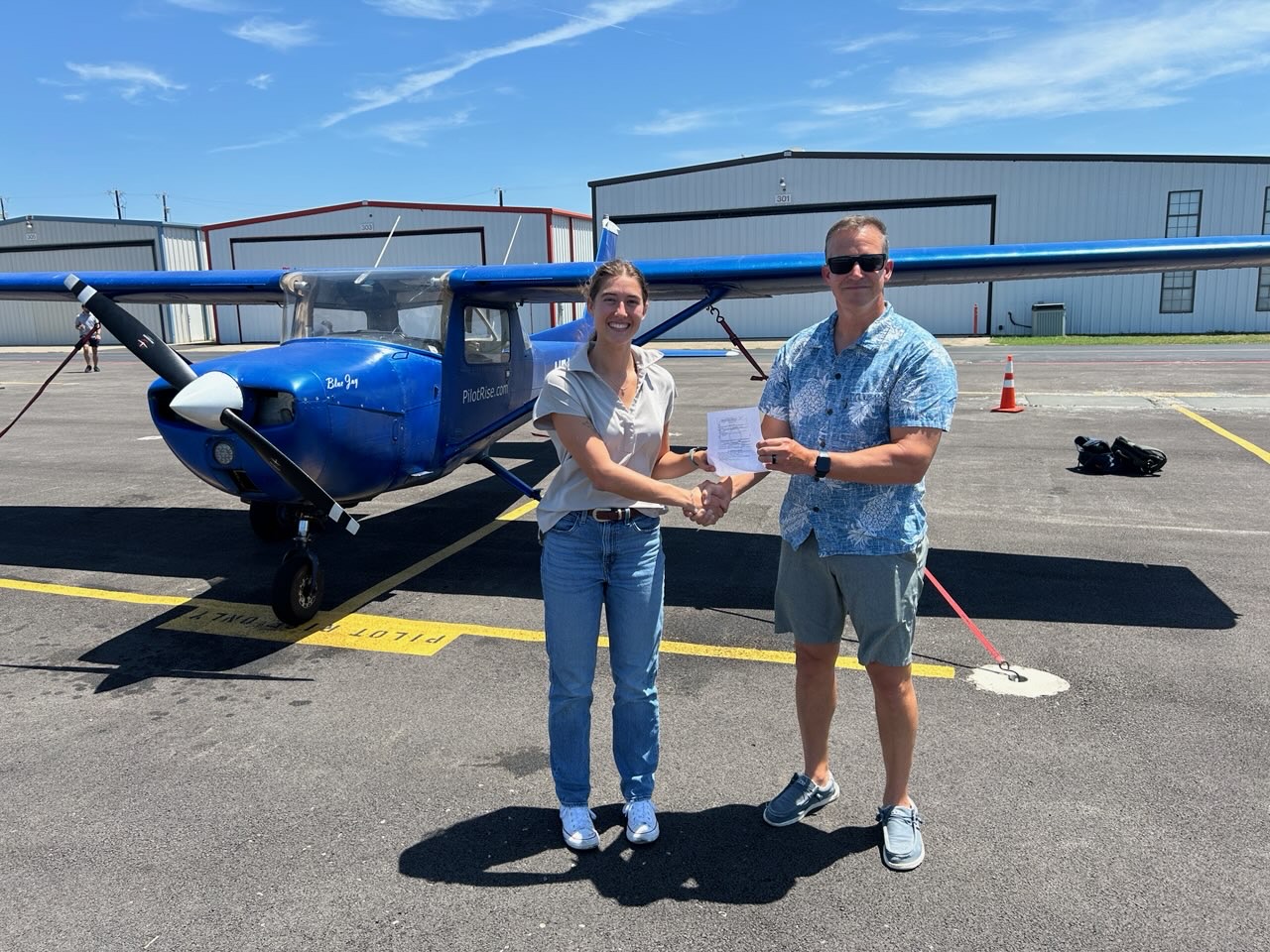
I am proud of students like Karl Tabler. I personally trained Karl from his first hours all the way through his ratings. Today he flies for Frontier Airlines. Watching students move from nervous first solo to professional flight deck never gets old. That is the real reward.
Is there a quality that you most attribute to your success?
Adaptability.
If I had to choose one quality that has mattered most, it would be the ability to adapt quickly without losing direction.
Aviation teaches this well. Weather changes. Aircraft require maintenance. Plans fall apart. You can either freeze, complain, or adjust and move forward. That mindset carried directly into business and life.
When marketing strategies failed early on, I adjusted. When COVID forced operations to pause, we restructured. When I began flying for the airlines, I had to adapt our leadership structure so the school could run smoothly without me being physically present.
Adaptability does not mean being reactive or impulsive. It means holding firm to your mission while being flexible in how you get there.
Even in our personal life, with our daughters’ unexpected medical challenges, adaptability became essential. Plans changed. Expectations changed. What did not change was commitment.
Success rarely comes from perfect conditions. It comes from the ability to adjust intelligently, stay steady under pressure, and keep moving forward when the path shifts.
Pricing:
- $150 for 30 minute discovery flight
- About $400 per lesson
- Cessna 150: $115 / hr wet
- Cessna 172: $155 / hr wet
- Instructor Rate: $70 / hr
Contact Info:
- Website: https://pilotrise.com/
- Instagram: https://www.instagram.com/thepilotrise/
- Facebook: https://www.facebook.com/pilotrise