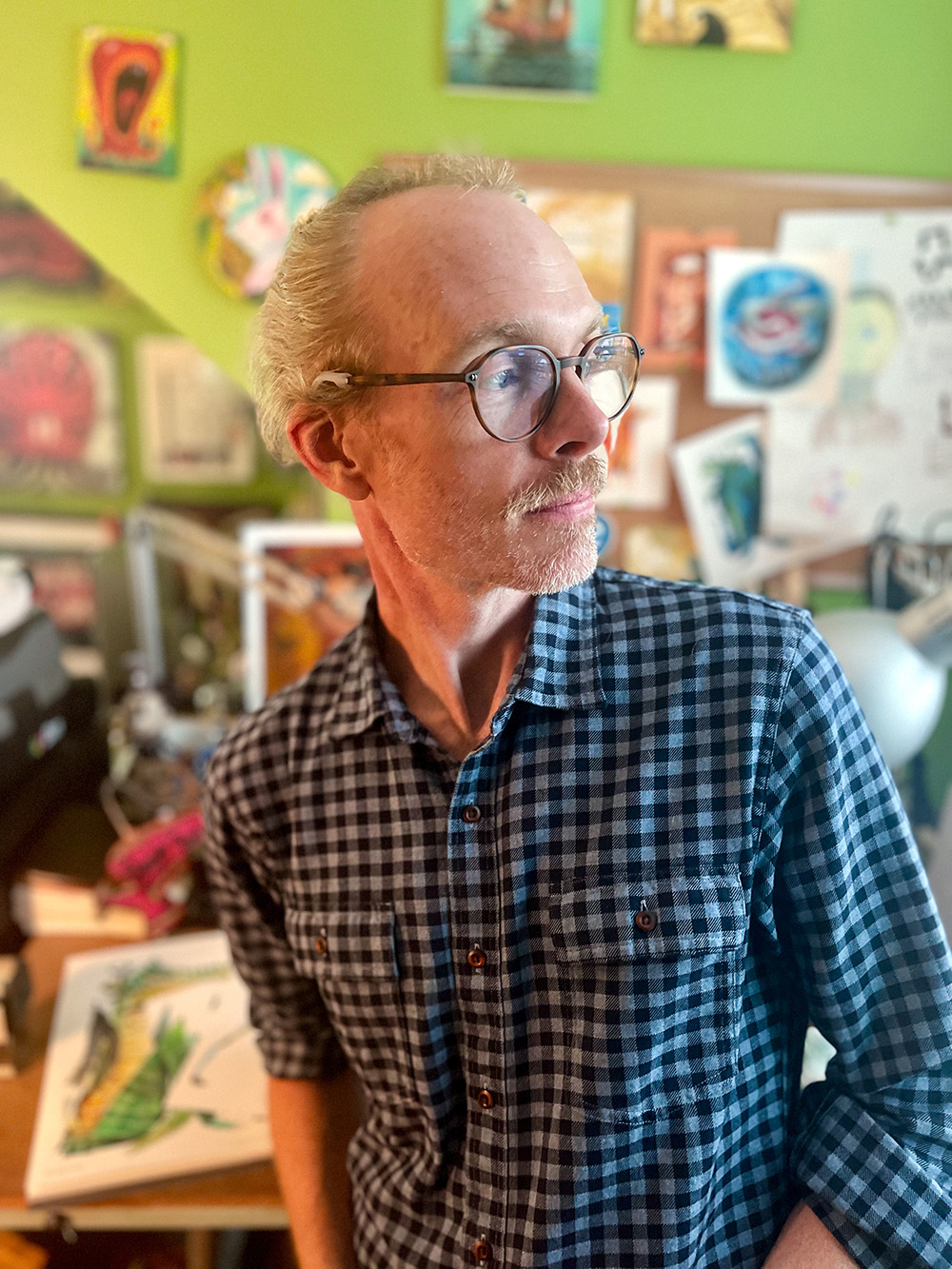
Today we’d like to introduce you to Timothy Banks.
Hi Timothy, so excited to have you with us today. What can you tell us about your story?
I have drawn for as long as I can remember, but I didn’t initially know illustration could become a career. I studied painting as an undergraduate and later earned my MFA in Illustration from the Savannah College of Art and Design. That combination still shapes how I work today: I approach illustration with the visual concerns of a painter, but also with a strong interest in storytelling, communication, and reaching an audience.
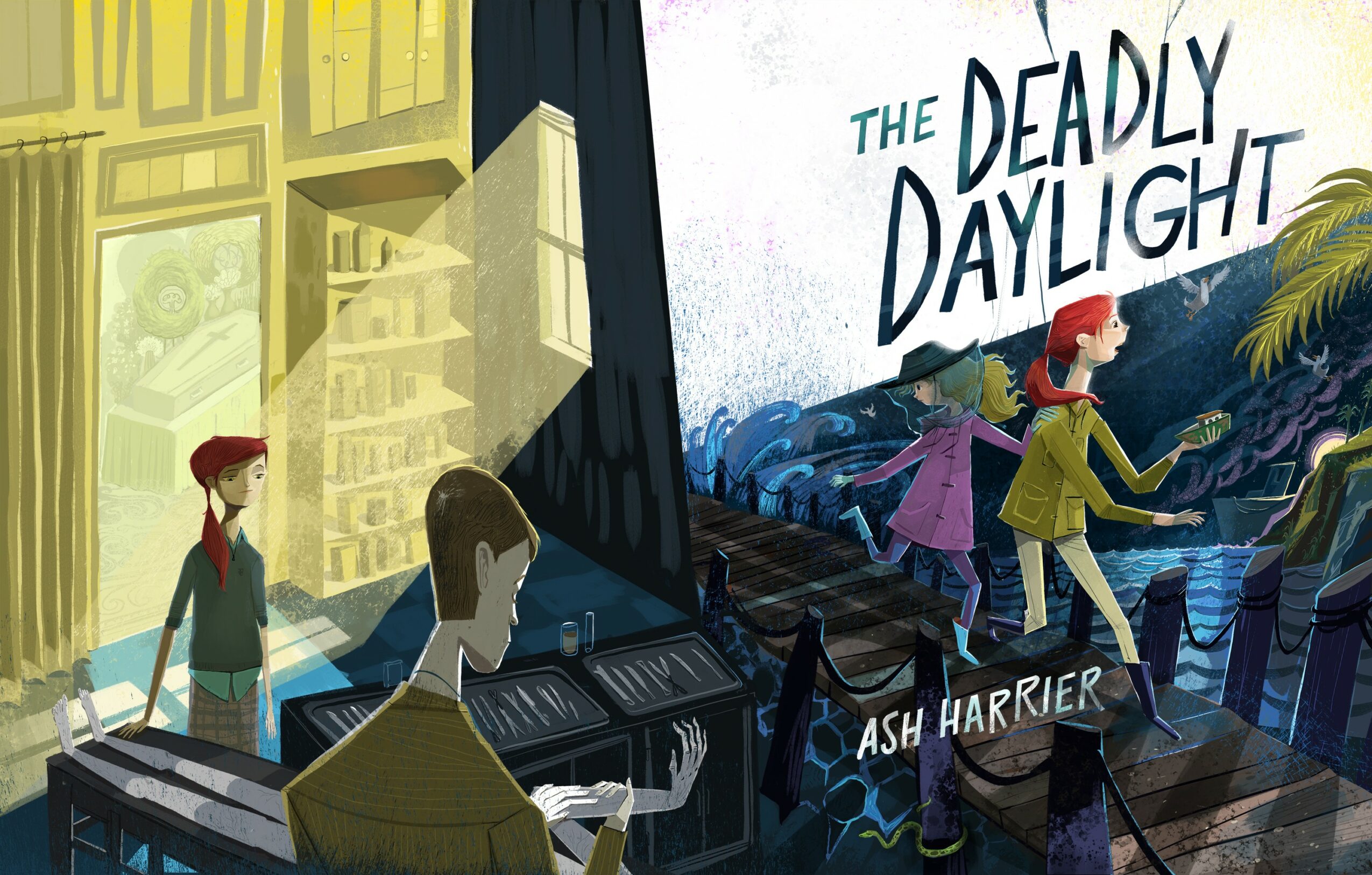
Over the past two decades, I have built a career as a freelance illustrator, creating work for children’s books, publishing, advertising, and entertainment. My clients have included Nike, Cartoon Network, Nickelodeon, Faber & Faber, Holiday House, and many others. Along the way, my work has been recognized by organizations and publications including the Society of Illustrators of Los Angeles, 3×3, Spectrum, and Creative Quarterly. I have illustrated books ranging from humorous and imaginative stories to nonfiction, including The Deadly Daylight, written by the excellent Ash Harrier, which was named one of the Bank Street College of Education’s Best Children’s Books of the Year.
Charleston has been home for much of that journey and has played an important role in my life and work. It is where I built my studio practice, raised my family, and became part of a creative community that has supported my growth as an artist. My personal work frequently draws from the strange, theatrical, historic, and occasionally monstrous side of the Lowcountry.
Teaching gradually became another important part of my career. I discovered that I enjoy helping emerging illustrators connect strong ideas with the practical skills needed to build sustainable creative lives. I recently joined the University of Central Florida as a professor of illustration, where I am teaching while continuing my professional studio practice. It feels less like leaving one career for another and more like bringing the different parts of my experience together: making images, telling stories, working with clients, and helping the next generation of artists find their own way into the field.
Can you talk to us a bit about the challenges and lessons you’ve learned along the way. Looking back would you say it’s been easy or smooth in retrospect?
It has definitely not been a smooth road. A freelance illustration career rarely moves in a straight line. There have been years when projects arrived steadily and others when the phone seemed to stop ringing without explanation. The publishing and advertising industries have changed enormously during my career, and every few years there seems to be a new technology, platform, or economic shift that requires artists to rethink how they work and where they fit.
One of the hardest parts is that creative work is deeply personal, but it also has to function as a business. You experience rejection, projects that disappear, budgets that shrink, and periods when work you believe in does not immediately connect with an audience. Even after establishing a career, there can be a persistent feeling that you need to prove yourself again with every assignment. Learning not to let those fluctuations determine my sense of worth has been an ongoing process.
I have also had to balance the demands of freelance work with raising a family and maintaining a sustainable life. Artists are often encouraged to say yes to everything, but constantly working is not the same as building a meaningful career. I am still learning when to pursue an opportunity, when to protect my time, and when to make work simply because I believe it needs to exist.
My work has evolved considerably along the way. There were periods when I felt caught between what clients expected from me and where I wanted to grow creatively. Moving into teaching has brought another major transition, particularly while continuing to illustrate professionally. It has required me to reconsider my time, priorities, and definition of success.
The struggles have not disappeared, but I understand them differently now. A long creative career is less about reaching a point where everything becomes easy and more about remaining curious, adaptable, and willing to begin again. That may be the real work.
Alright, so let’s switch gears a bit and talk business. What should we know about your work?
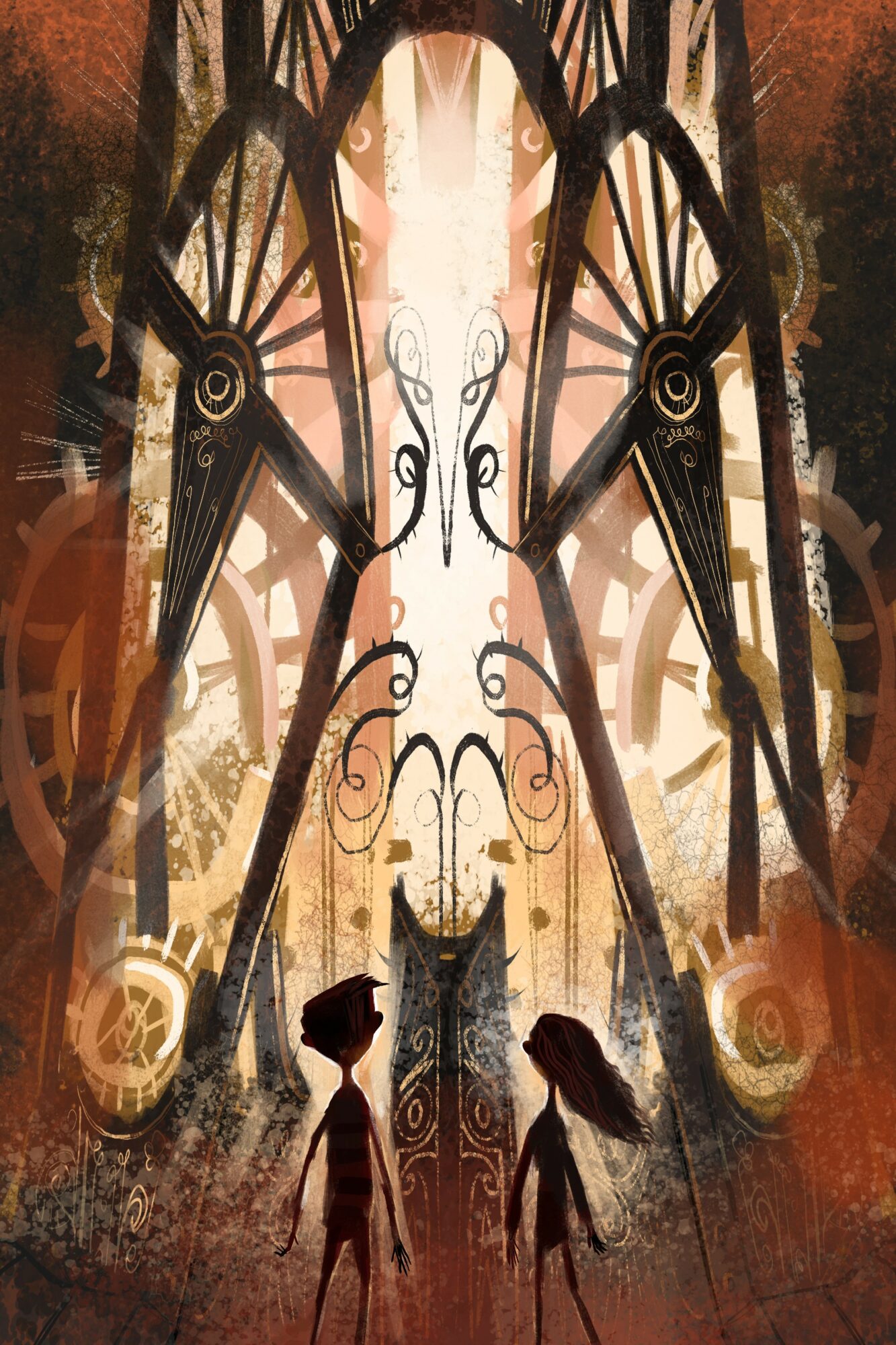
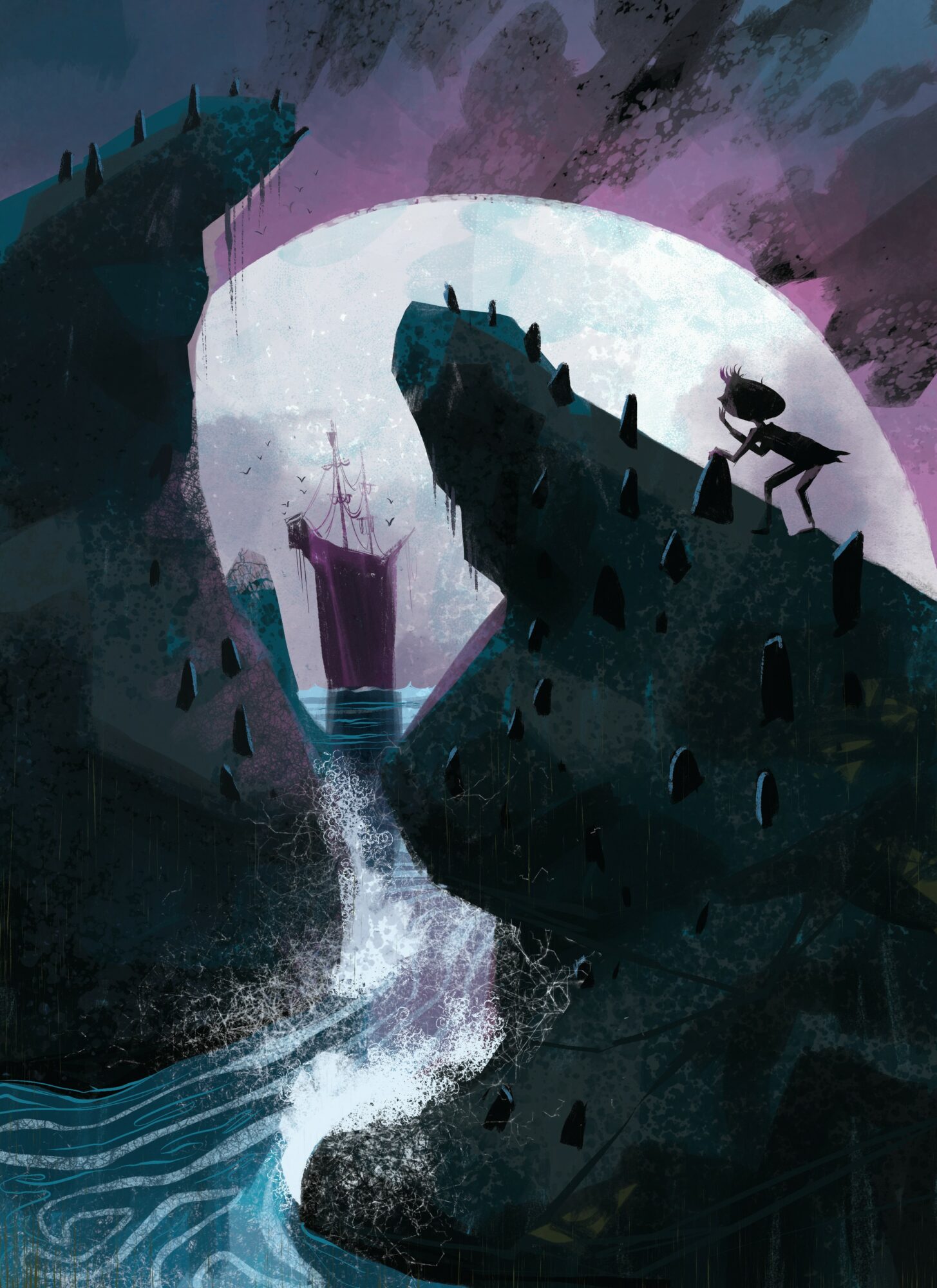
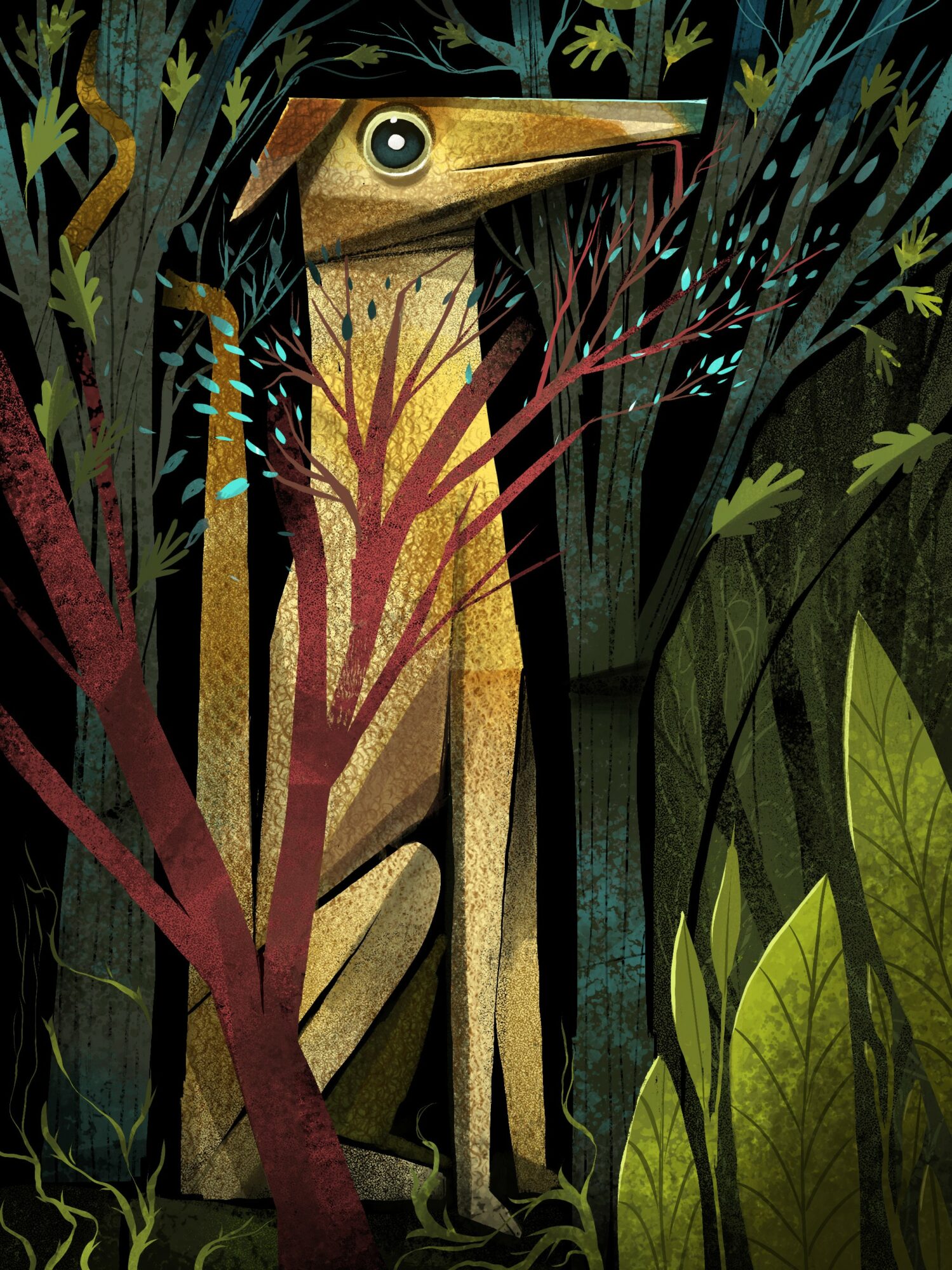
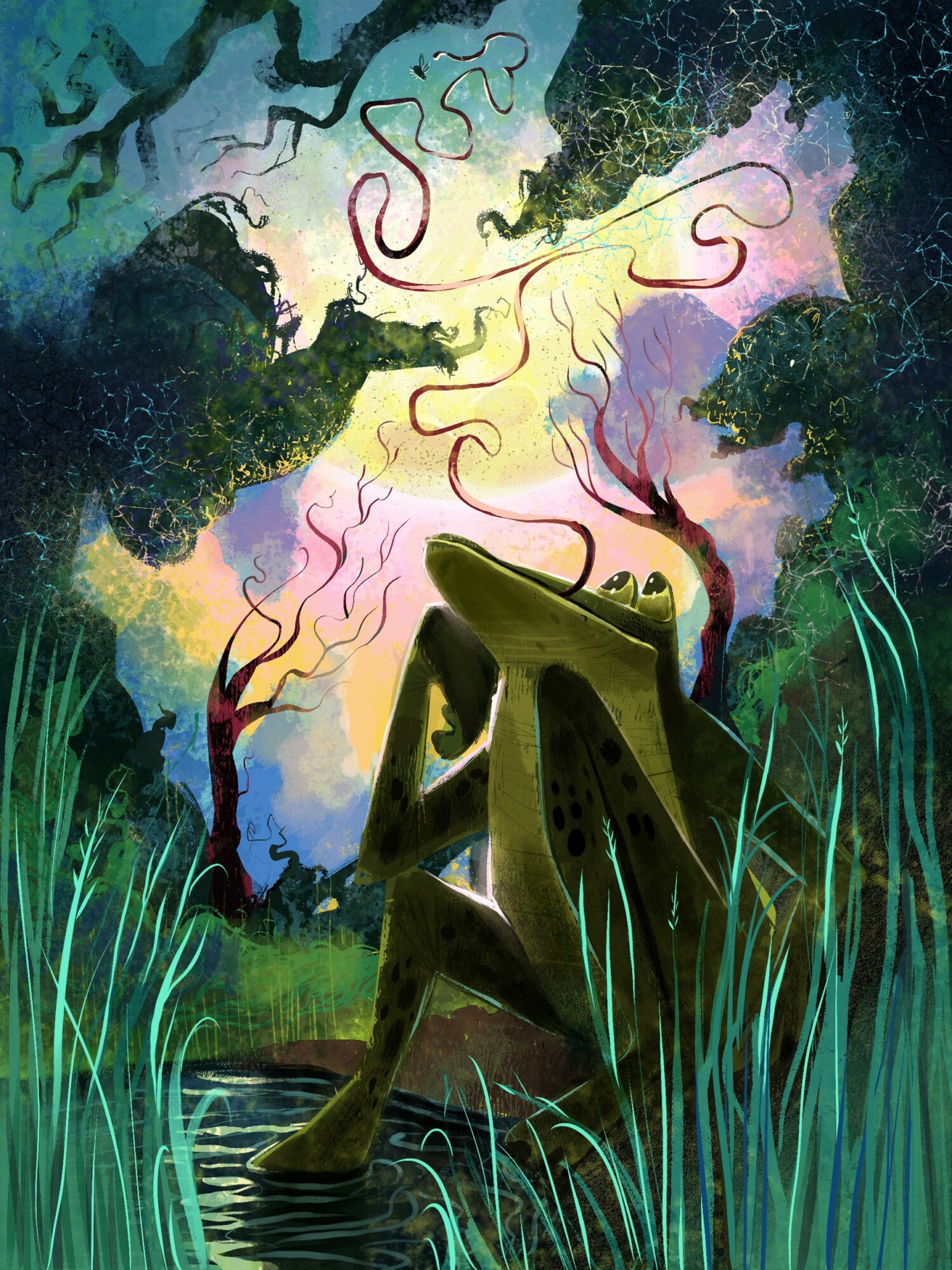
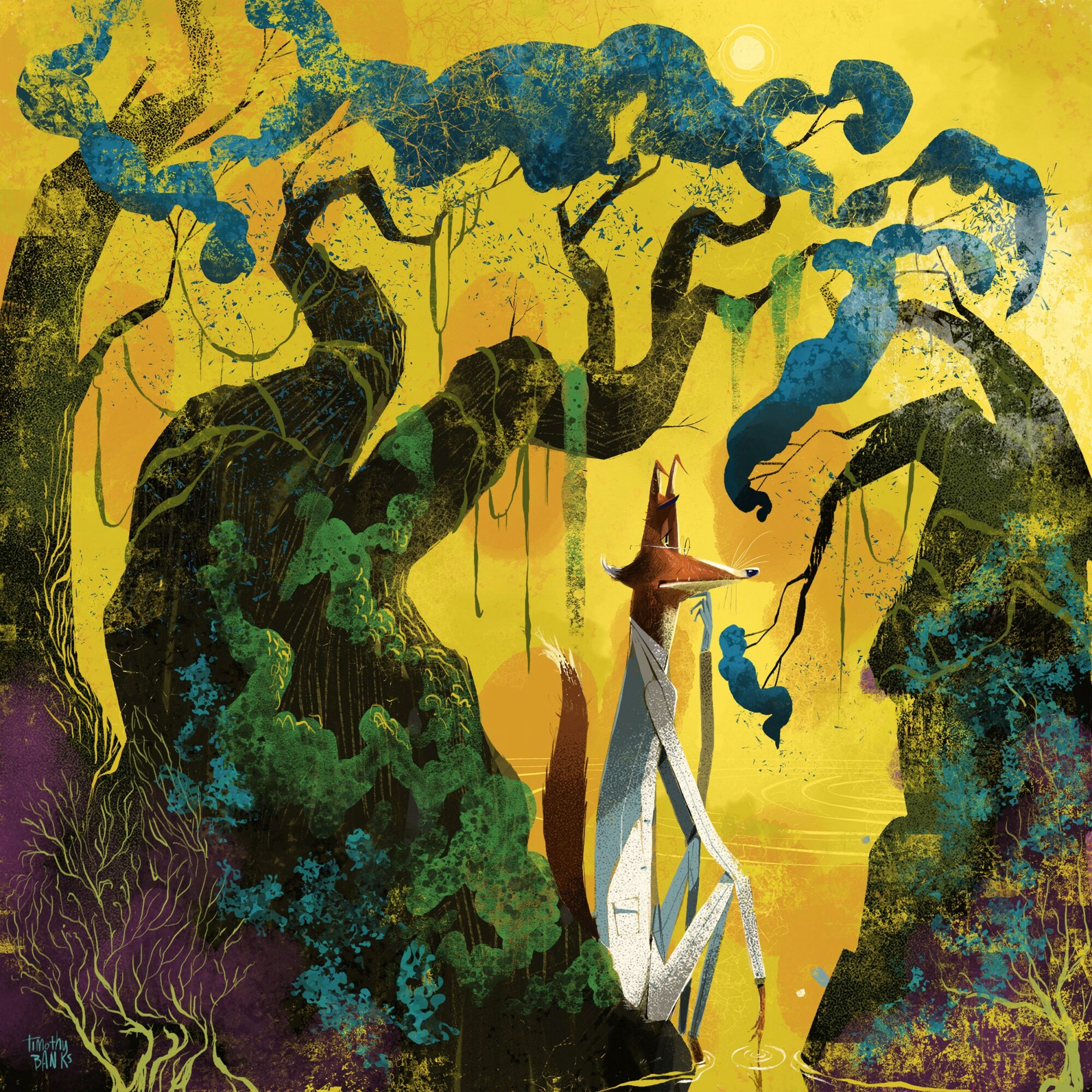
My work is primarily narrative illustration for children’s publishing, book covers, editorial projects, and entertainment. I enjoy creating images that feel like moments taken from larger stories, with expressive characters, strong atmosphere, and details that reward a second look. My work often mixes humor, mystery, and a slightly strange or macabre sensibility. Monsters, mythical beasts, theatrical settings, and characters caught in complicated situations tend to find their way into my pictures.
Although I work digitally, my approach is rooted in painting and drawing. I want the finished work to retain texture, energy, and evidence of the artist’s hand. I am especially interested in composition and visual storytelling: deciding where the viewer looks first, how the eye moves through an image, and how pose, lighting, color, and setting can communicate more than words.
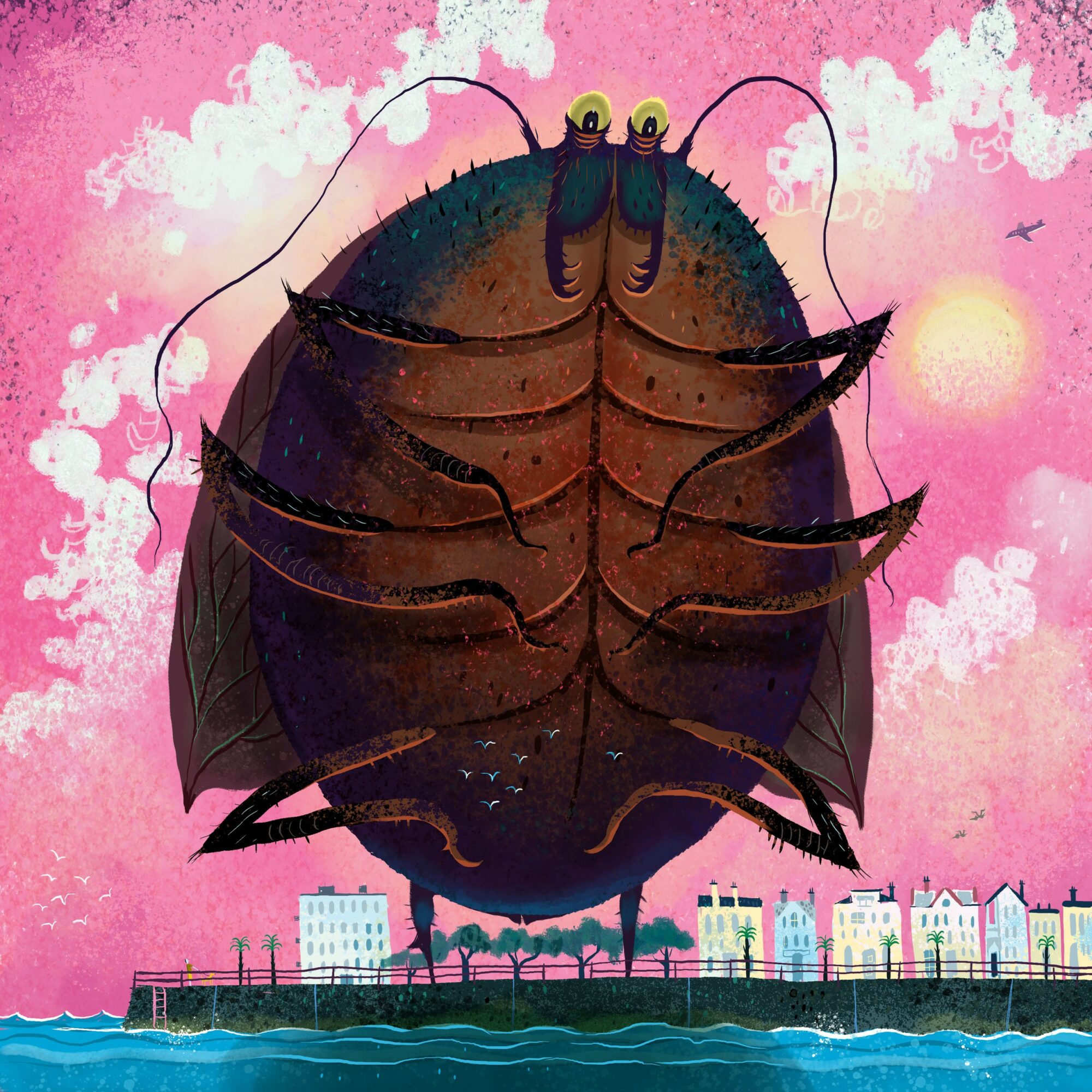
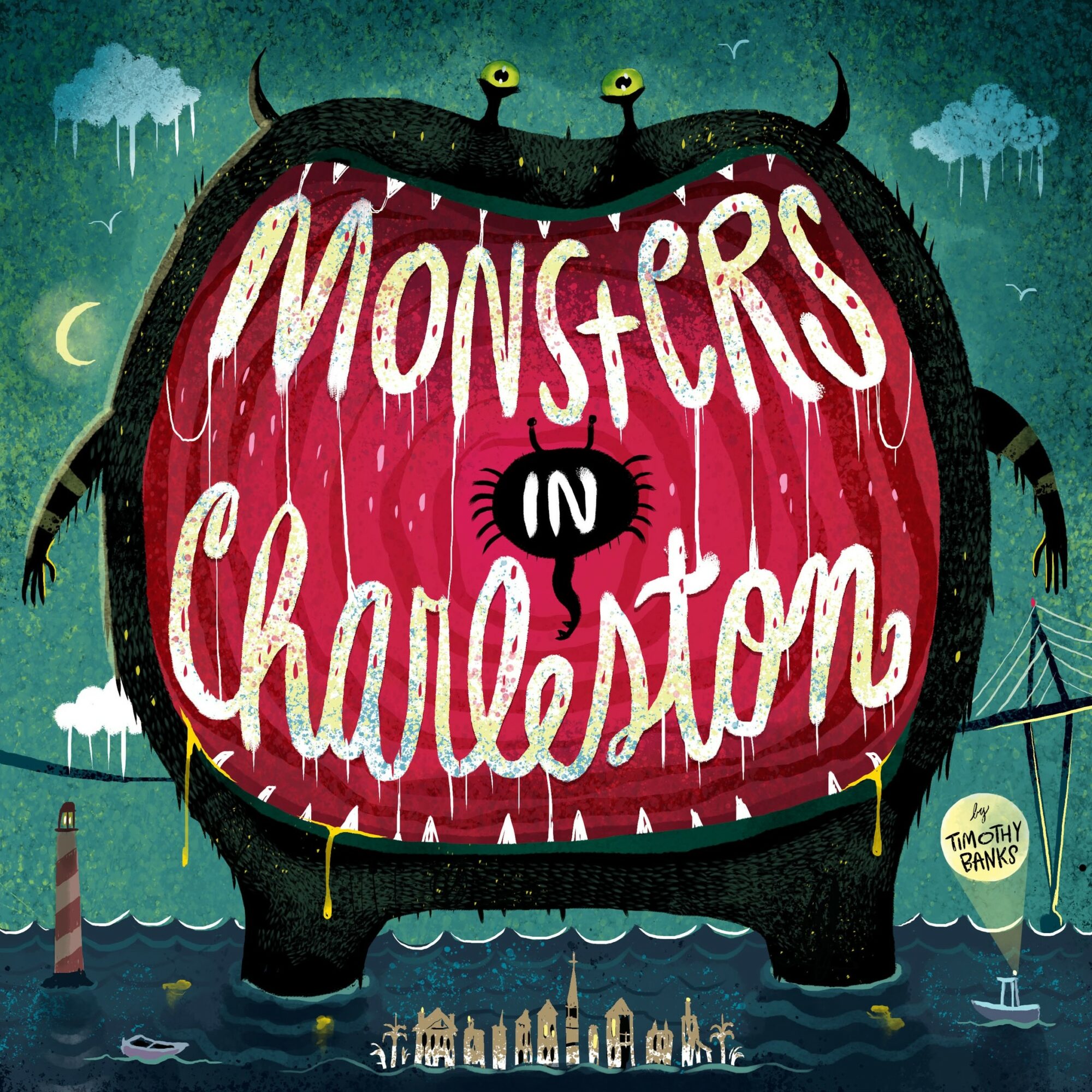
One of the projects I am proudest of is Monsters in Charleston, which I wrote and illustrated. The book allowed me to combine my love of monsters and storytelling with Charleston’s distinctive history, architecture, and personality. It received several honors, including two awards from AIGA South Carolina, one of which was the Special Judges’ Award. It remains especially meaningful because it is such a personal expression of both my visual voice and my connection to Charleston.
I have also been illustrating the Dutch Billy Bones series, including the newest book, De Wraak van de Zamelaar, which will be released in the Netherlands next week. Working with stories and publishers outside the United States has been a rewarding reminder that visual storytelling can travel across languages and cultures.
What sets my work apart is probably its combination of narrative clarity and visual personality. An image needs to communicate, but it should also have atmosphere, surprise, and a strong point of view. I want people to recognize my sensibility in the work while still feeling that every project belongs fully to its own world.
Is there a quality that you most attribute to your success?
Adaptability has probably been the most important quality in my career, but I do not mean simply changing to follow every trend. For me, it means remaining curious, continuing to learn, and being willing to reconsider how I work while holding on to the qualities that make the work recognizably mine.
Illustration has changed considerably since I began. Technology, publishing, client expectations, and the ways artists find an audience continue to shift. I have moved between traditional and digital processes, worked across several areas of the industry, and more recently added teaching to my professional life. Each transition has required me to become a beginner again in some way.
Persistence matters too, because creative careers include rejection, uncertainty, and stretches when progress is difficult to see. But persistence without adaptability can become stubbornness. I think my success has come from knowing what is essential to my voice while remaining open to new subjects, tools, opportunities, and ways of telling stories.
Contact Info:
- Website: https://timothybanks.com
- Instagram: https://instagram.com/timbanks
- Facebook: https://facebook.com/timothy.banks.illustration