Today we’d like to introduce you to Shakira Olivera-Bautista.
Hi Shakira, can you start by introducing yourself? We’d love to learn more about how you got to where you are today?
My journey as an artist started long before I ever stepped foot into a formal studio. Growing up right here in Greenville, South Carolina, I was always drawn to making things, capturing details, and exploring visual storytelling. That early curiosity naturally deepened into a dedicated academic path, leading me to attend Legacy Early College High School from a young age through my graduation in 2021, and eventually earning my Bachelor of Arts in Studio Art from Furman University, where I completed my coursework in December 2025.
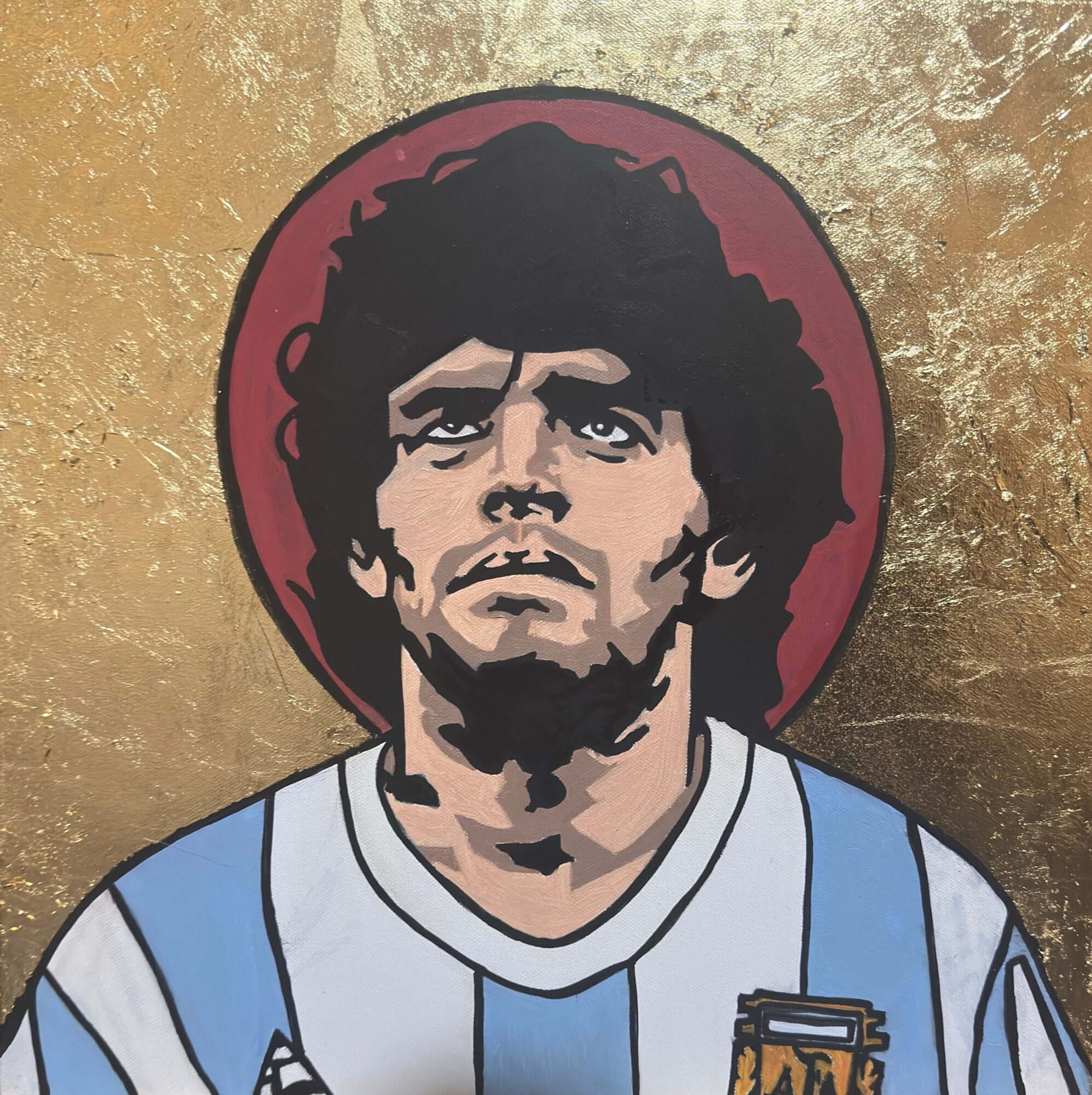
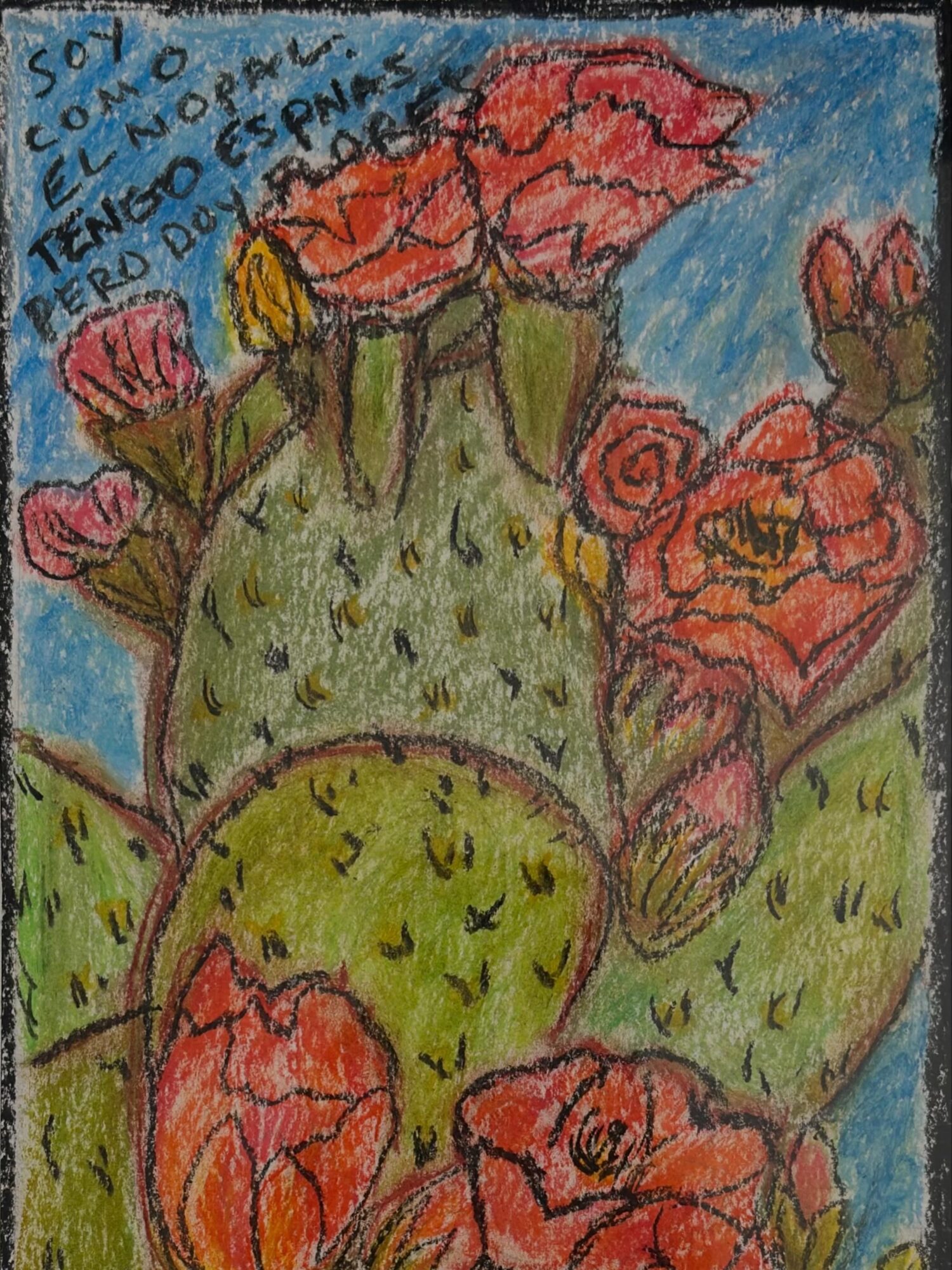
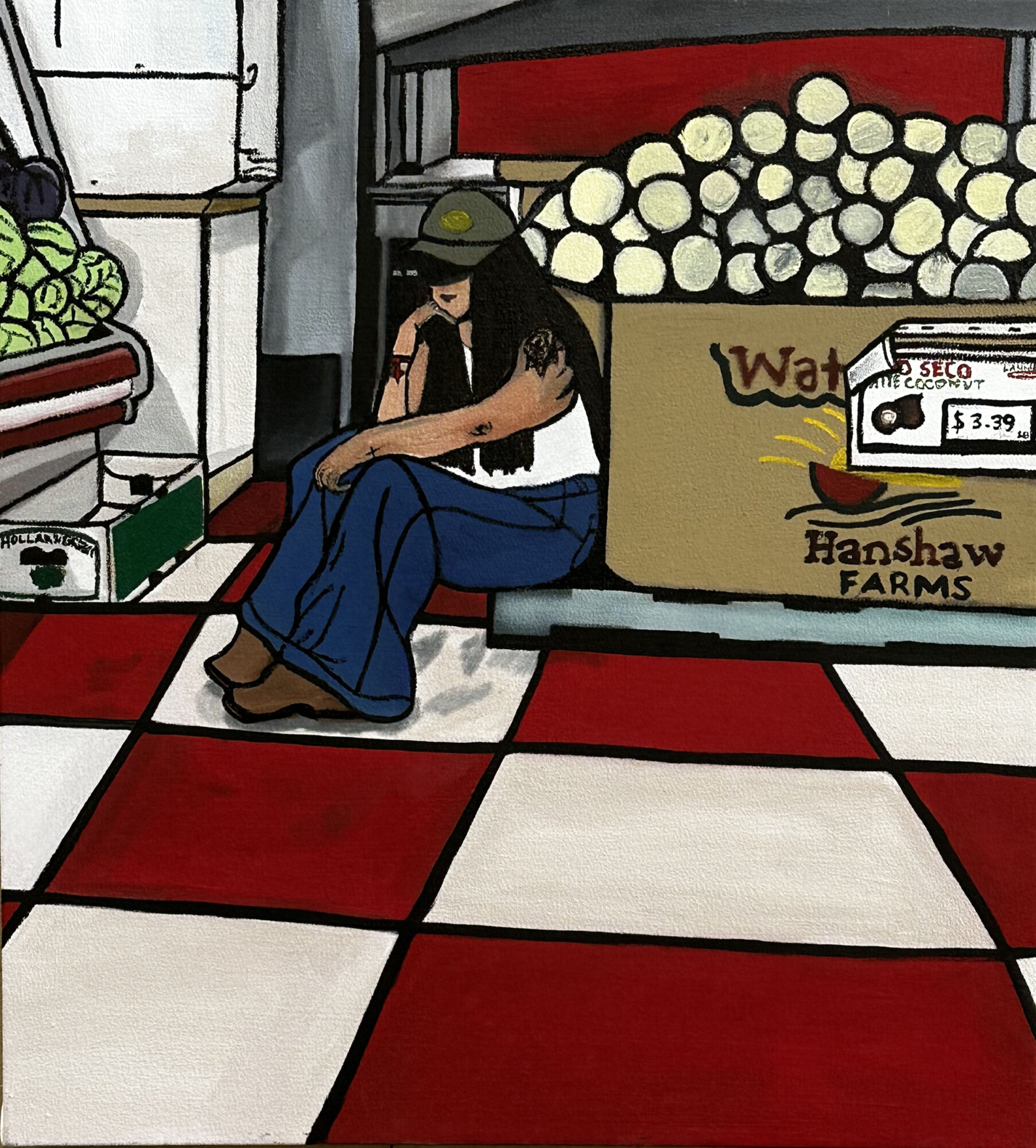
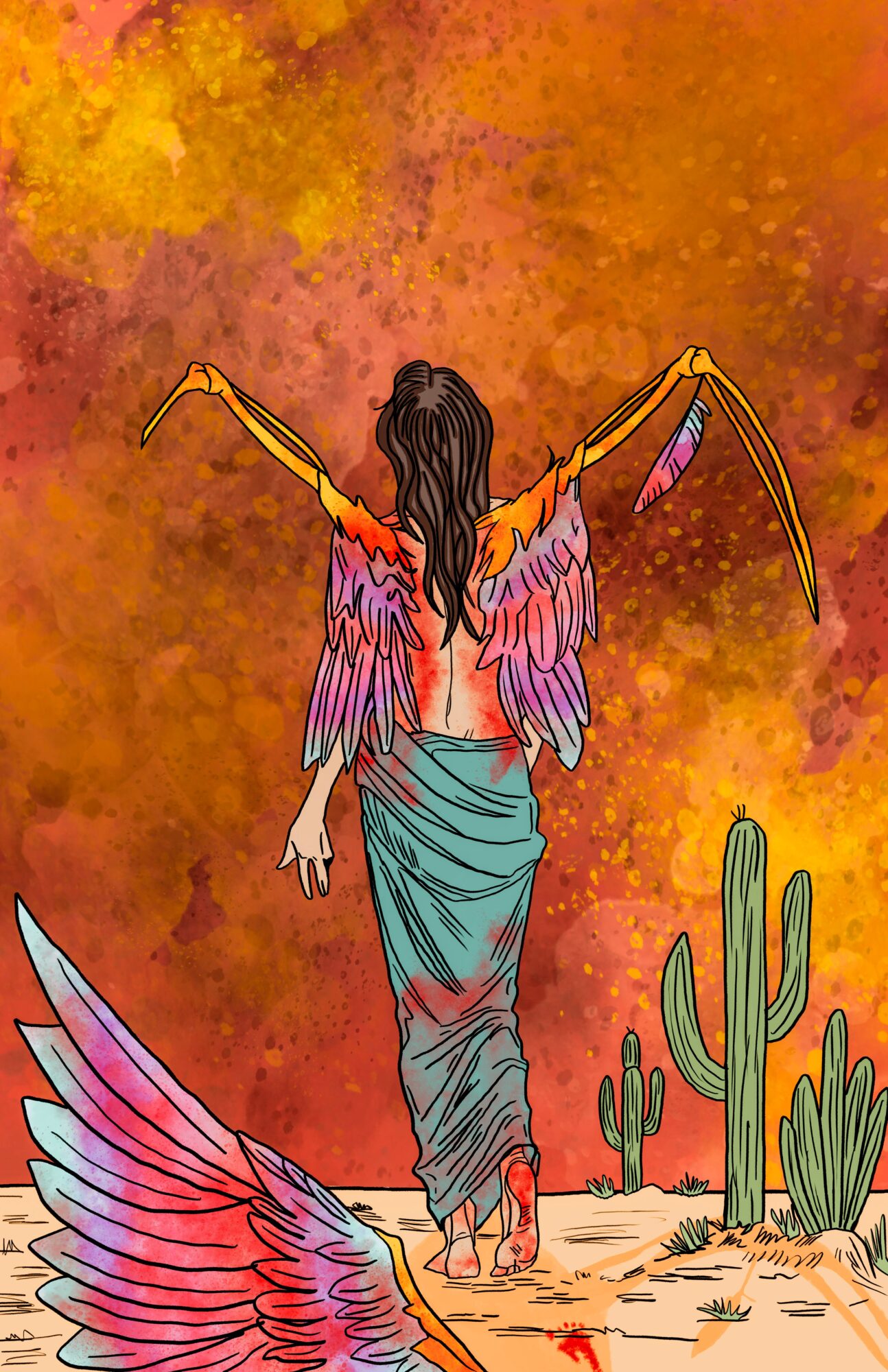
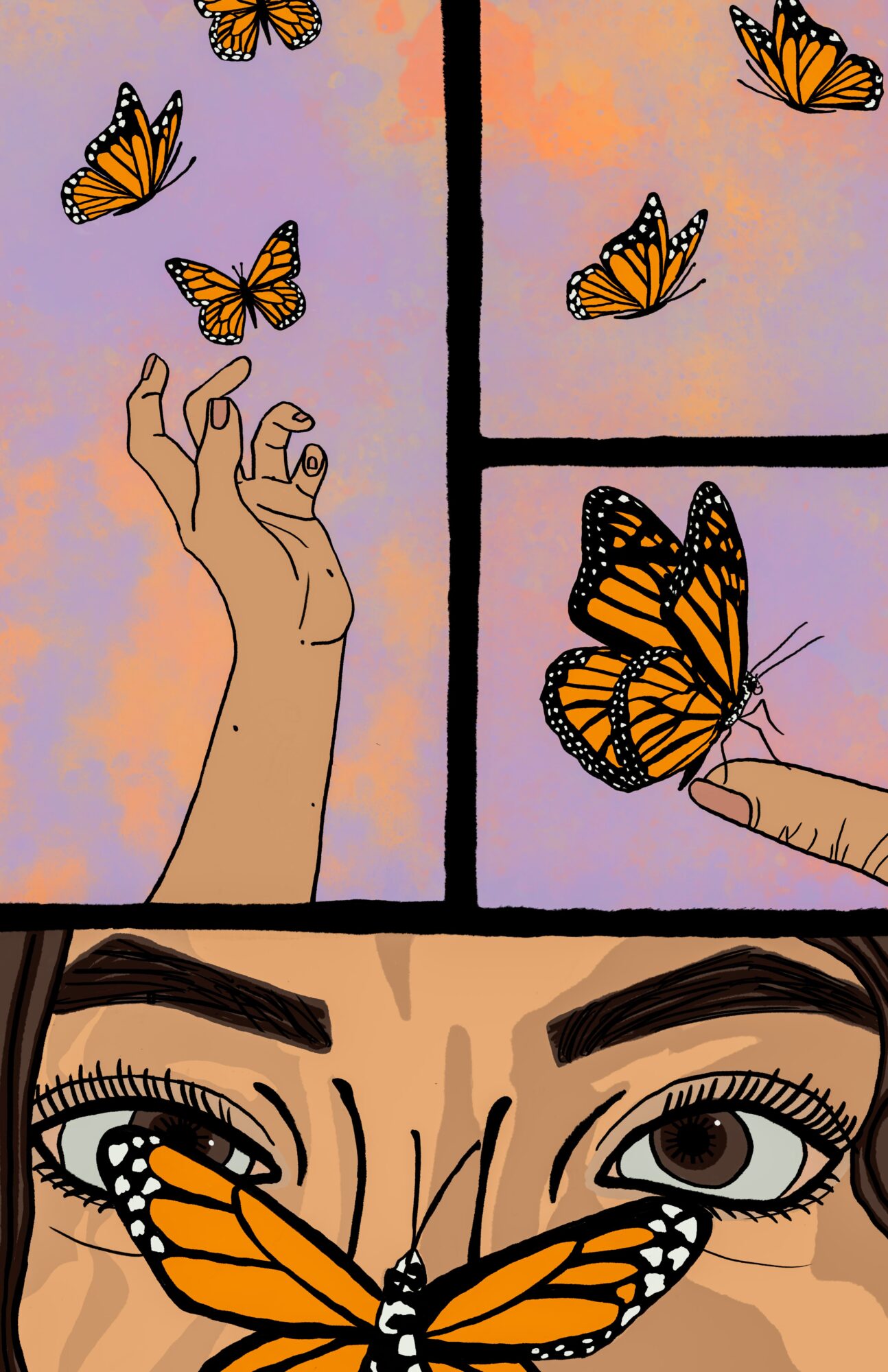
During my time at Furman—culminating in 2025—my practice truly took shape. I explored a wide range of mediums—from photography and digital illustration to mixed media—though oil painting eventually became my primary focus and anchor. My senior capstone series presented in 2025, Navigating Dualities, was a pivotal milestone that allowed me to deeply examine themes of personal narrative, cultural memory, identity, and heritage. Along the way, I was honored to receive recognition such as the Thomas E. Flowers Award at Furman and exhibit my work locally, including my first solo showcase at the Oconee History Museum in September 2025.
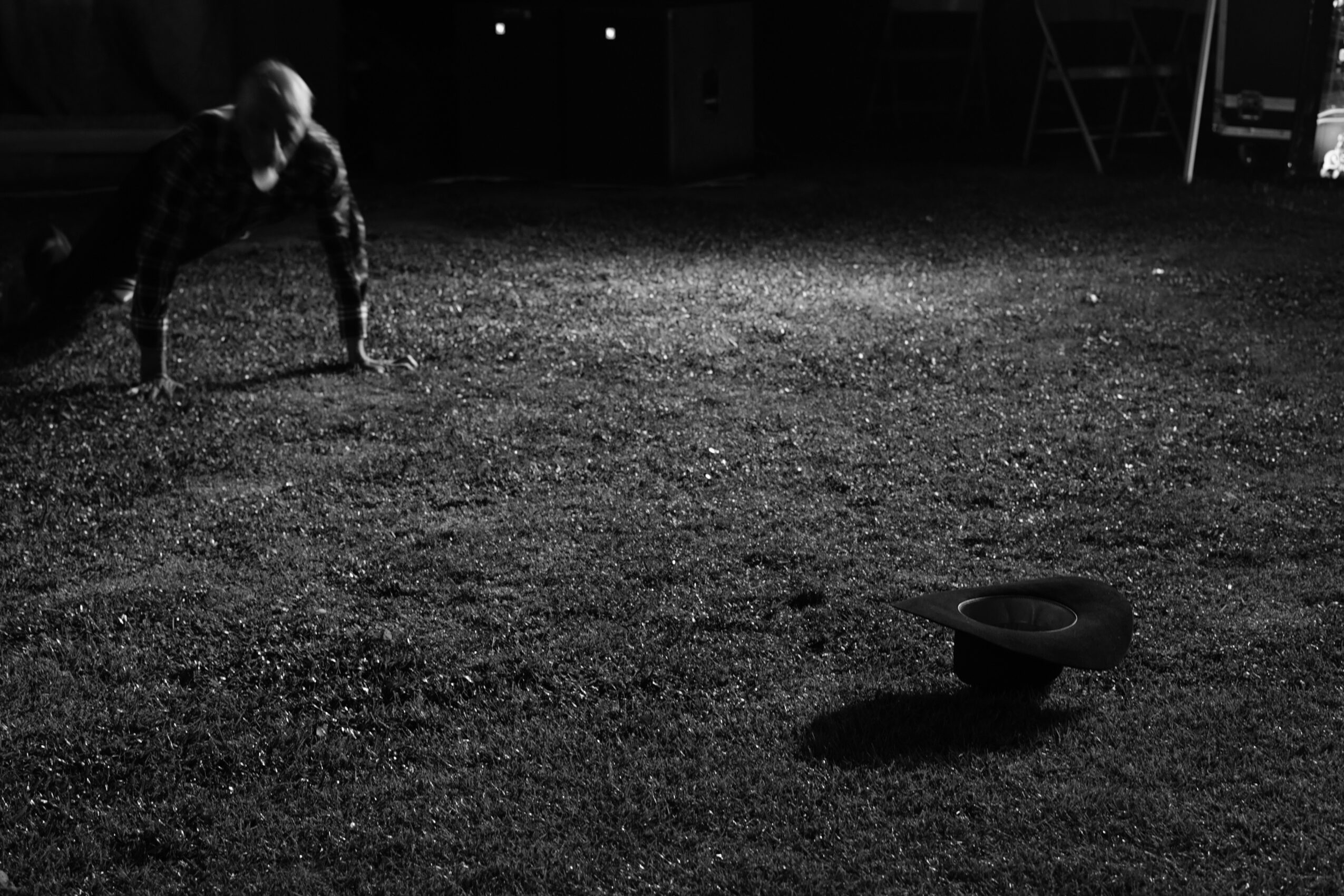
Since graduating, that momentum has only accelerated. In April 2026, I received a Merit Award for my photography piece Ofrenda de Luz in the juried exhibition MIRROR: Visual Arts as Social Commentary at The Warehouse Theatre. Later this year, I expanded my exhibition footprint into North Carolina, exhibiting in the Americanos: Across the Americas group exhibition with Casa Azul at the Greensboro Cultural Center.
A major chapter of my recent journey involved navigating institutional challenges within the local arts ecosystem. After an independent panel recommended me for funding through the South Carolina Arts Commission (SCAC), the grant decision was unexpectedly overturned. That setback, however, opened up a powerful new avenue of support: Palmetto Luna Arts stepped in to defend Latinx artistic expression, naming me the inaugural recipient of their Latina Emerging Artist Award. The award replaced the lost $1,800 grant and provided platform opportunities, along with a scheduled 2027 solo exhibition.
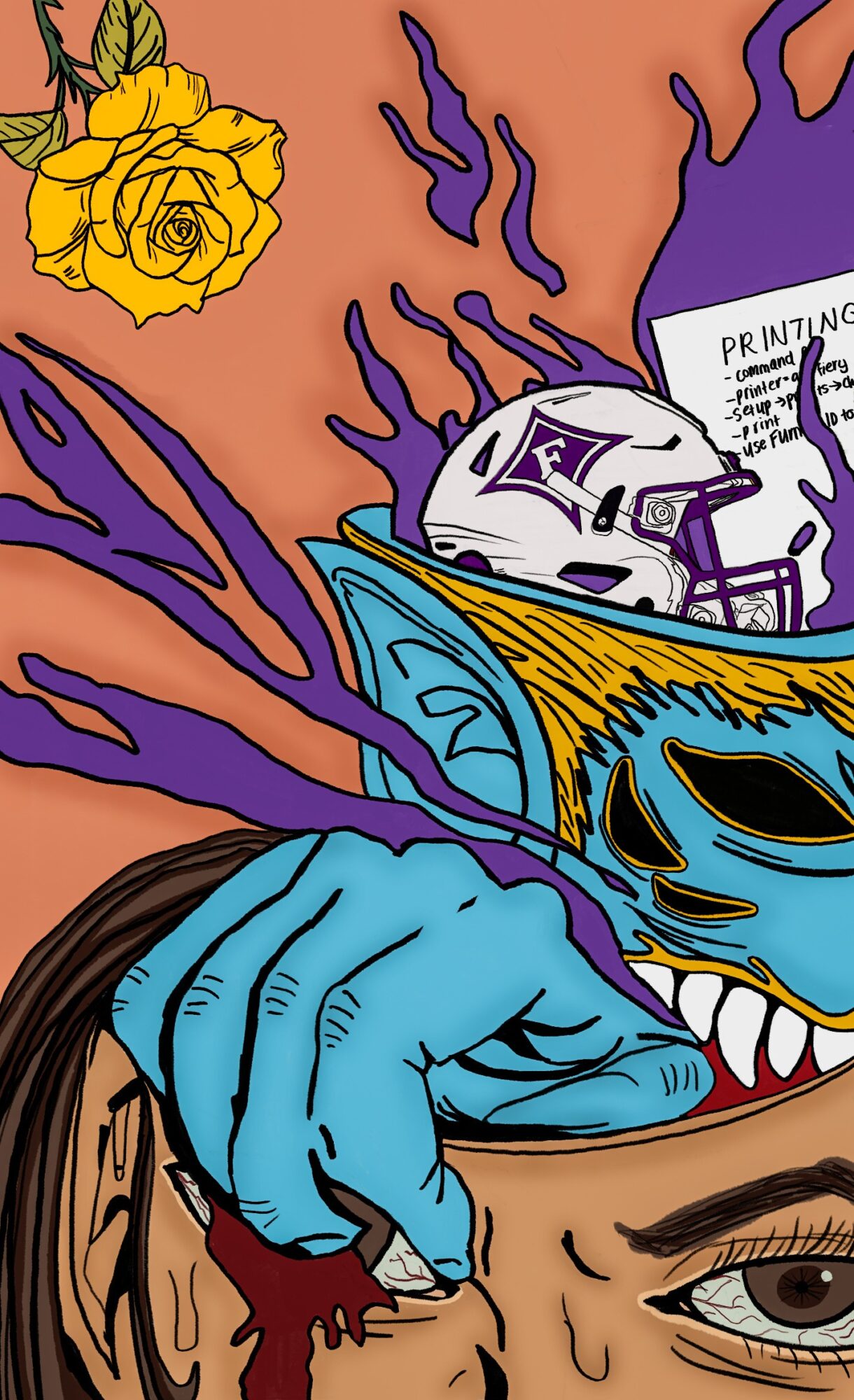
Building on this support, I am currently working on a proposal for a new grant project—a series that critically examines the impact of ICE enforcement within the local Latino community, reinterpreting these lived experiences through the symbolic lens of the Seven Deadly Sins to illuminate systemic injustice, grief, and resilience.
Today, as a 2026–2027 Brandon Fellow at the Greenville Center for Creative Arts working out of Studio H, I am fully immersed in building my studio practice—developing larger-scale oil paintings and exploring new avenues in community workshops and arts education. Every step, from those early creative sparks at Furman to navigating grant challenges and creating in the studio, has reinforced my commitment to connecting heritage, personal history, and community into a continuous visual language.
Alright, so let’s dig a little deeper into the story – has it been an easy path overall and if not, what were the challenges you’ve had to overcome?
It has definitely not been a smooth road, but the struggles along the way have ended up shaping the purpose and resilience behind my work.
One of the biggest ongoing challenges has been navigating institutional censorship and double standards within the arts ecosystem. A defining moment occurred when an independent panel recommended me for funding through the South Carolina Arts Commission (SCAC), only for the decision to be unexpectedly overturned. The commission dismissed my concept as “political ideology”—misunderstanding the work simply because it reflects the raw, real realities of my community rather than presenting a sanitized, palatable narrative. While institutions often favor more comfortably “positive” themes, my focus remains on truth. Facing that rejection was deeply frustrating, but it also galvanized vital community support: Palmetto Luna Arts stepped in to defend Latinx artistic expression, awarding me the inaugural Latina Emerging Artist Award to replace the lost grant and providing a platform for a 2027 solo exhibition.
Another struggle is tackling heavy, vulnerable subject matter that carries real tension. Developing concepts like my grant series examining the impact of ICE enforcement on Latino families through the lens of the Seven Deadly Sins requires balancing artistic vulnerability with systemic injustice, grief, and fear. Bringing these unvarnished truths into traditional art spaces takes emotional labor and persistence.
Finally, like many emerging artists, balancing retail work and the financial hustle of securing supplies with holding space to create large-scale oil paintings in the studio is a constant balancing act. But overcoming these institutional barriers has only strengthened my commitment to using my platform for raw visual equity and authentic storytelling.
Can you tell our readers more about what you do and what you think sets you apart from others?
It has definitely not been a smooth road, but the struggles along the way have ended up shaping the purpose and resilience behind my work.
One of the biggest ongoing challenges has been navigating institutional censorship, double standards, and shifting guidelines within the arts ecosystem. A defining moment occurred when an independent panel recommended me for funding through the South Carolina Arts Commission (SCAC), only for the decision to be unexpectedly overturned. The commission altered its stance on what grant funds could and could not be used for, dismissing my concept as “political ideology”—misunderstanding the work simply because it reflects the raw, real realities of my community rather than presenting a sanitized narrative. While institutions often shift policy to favor more comfortably “positive” themes, my focus remains on truth. Facing that rejection was deeply frustrating, but it also galvanized vital community support: Palmetto Luna Arts stepped in to defend Latinx artistic expression, awarding me the inaugural Latina Emerging Artist Award to replace the lost grant and providing a platform for a 2027 solo exhibition.
Another struggle is tackling heavy, vulnerable subject matter that carries real tension. Developing concepts like my grant series examining the impact of ICE enforcement on Latino families through the lens of the Seven Deadly Sins requires balancing artistic vulnerability with systemic injustice, grief, and fear. Bringing these unvarnished truths into traditional art spaces takes emotional labor and persistence.
Finally, like many emerging artists, balancing retail work and the financial hustle of securing supplies with holding space to create large-scale oil paintings in the studio is a constant balancing act. But overcoming these institutional barriers and changing policy restrictions has only strengthened my commitment to using my platform for raw visual equity and authentic storytelling.
Risk taking is a topic that people have widely differing views on – we’d love to hear your thoughts.
My Perspective on Risk
To me, taking a risk as an artist doesn’t mean acting recklessly—it means having the conviction to stand by the truth when staying silent would be far more comfortable. Real creative risk is about refusing to sanitize your voice or compromise your community’s lived reality just to fit into safe, institutional boxes. It’s about stepping forward when you know you have done nothing wrong, even when institutions try to rewrite the rules around you.
The Major Risk: Standing Firm Against Institutional Overreach
The most significant risk I’ve taken was choosing not to back down when my grant funding from the South Carolina Arts Commission (SCAC) was overturned. I had thoroughly followed every grant guideline and state law, and an independent panel had officially recommended my work for approval. Yet, the decision was revoked under the claim that my work constituted “political ideology” and violated shifting rules on allowable funding.
The “safe” path as an emerging artist would have been to accept the denial quietly, change my subject matter, or produce less challenging work to secure future state funding. Instead, I chose to take a stand. I spoke out against this double standard and am currently working with the ACLU to address the situation directly.
Advocating for the Next Artist
Taking this stand was never just about my own project—it became about advocacy and accountability. If an institution can retroactively change its guidelines to suppress authentic narratives of systemic injustice and ICE enforcement in the Latino community, it can happen to any artist. I am taking this risk so that future creatives—especially emerging artists from marginalized backgrounds—don’t have to face the same institutional censorship or fear that documenting their community’s reality will disqualify them from support.
For me, risk is an act of advocacy. Creating work that tackles heavy, unvarnished truths and defending that work legally and publicly ensures that traditional art spaces remain accountable, transparent, and open to true visual equity.
Contact Info:
- LinkedIn: https://www.linkedin.com/in/shakira-olivera-bautista-101b9622a
- Youtube: https://youtube.com/@shakiraolivera-bautista