
Today we’d like to introduce you to Mariah Bintliff
Hi Mariah, we’re thrilled to have a chance to learn your story today. So, before we get into specifics, maybe you can briefly walk us through how you got to where you are today?
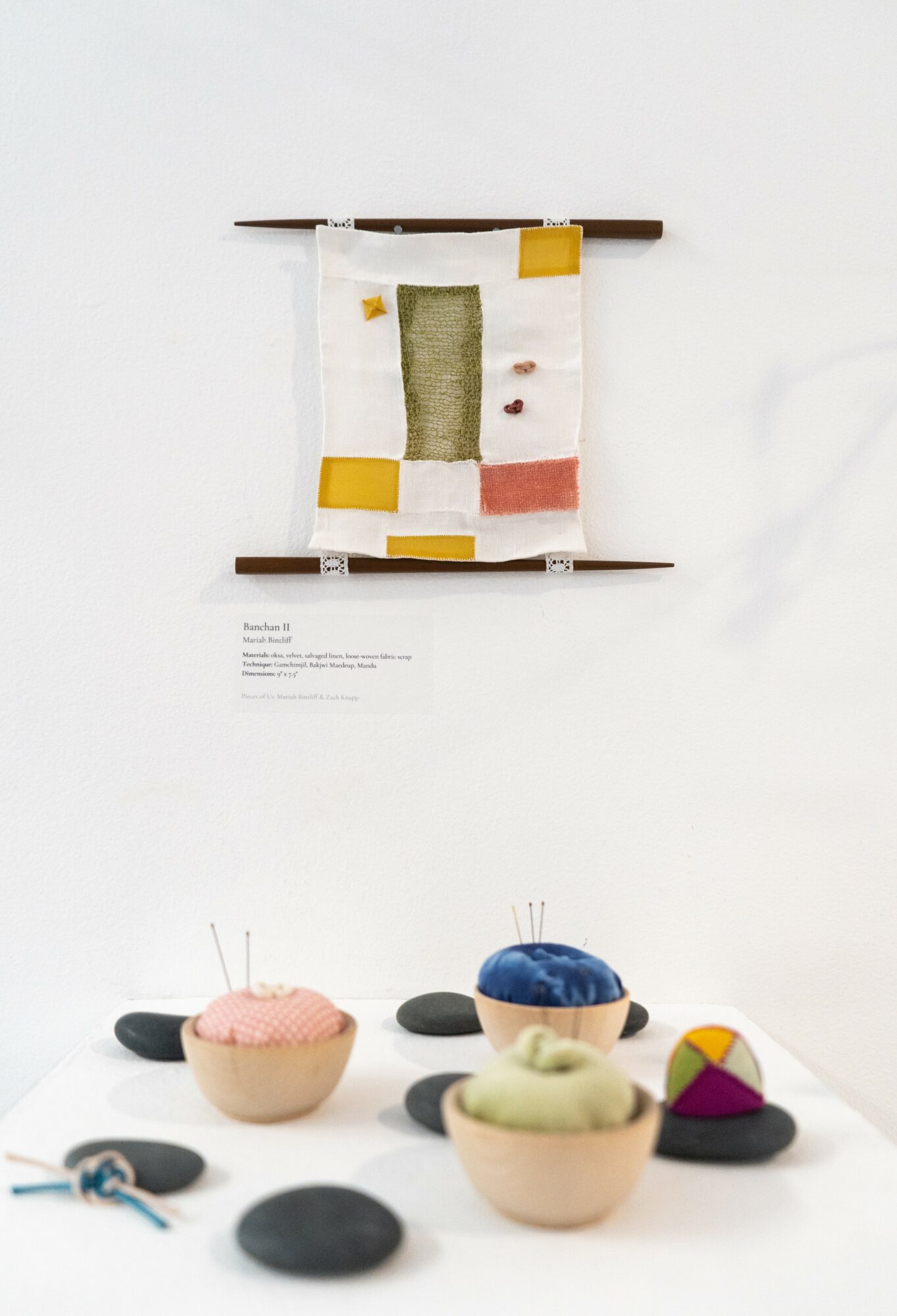
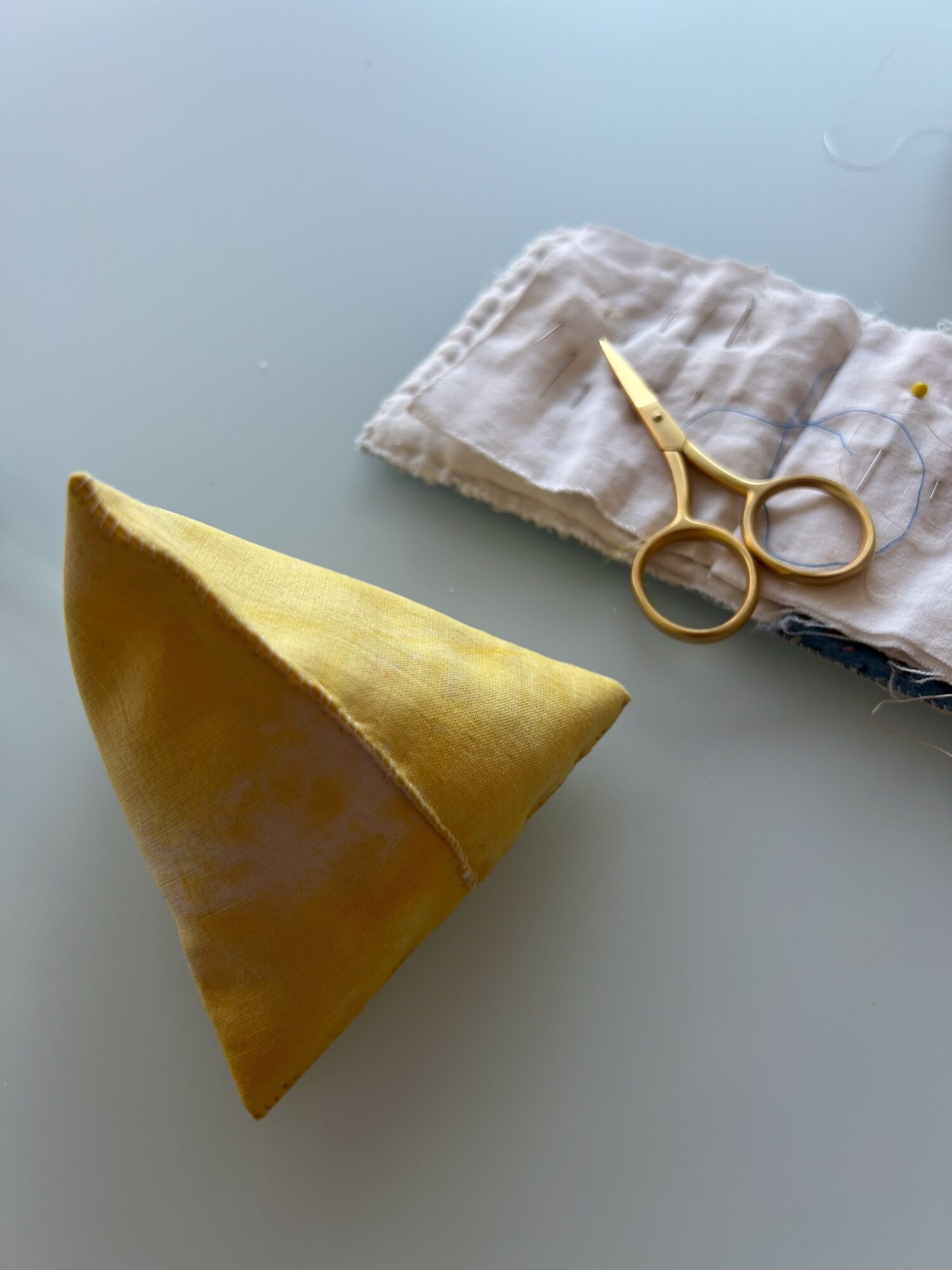
I started collecting scraps of fabric from hand-me-down clothing, antique linens, and my mother’s tattered scarf that lay hidden in a box of memories. When collecting these, I didn’t have a plan, I just couldn’t bear to get rid of them. Each piece had its own sentiment and a story that I knew I would one day share.
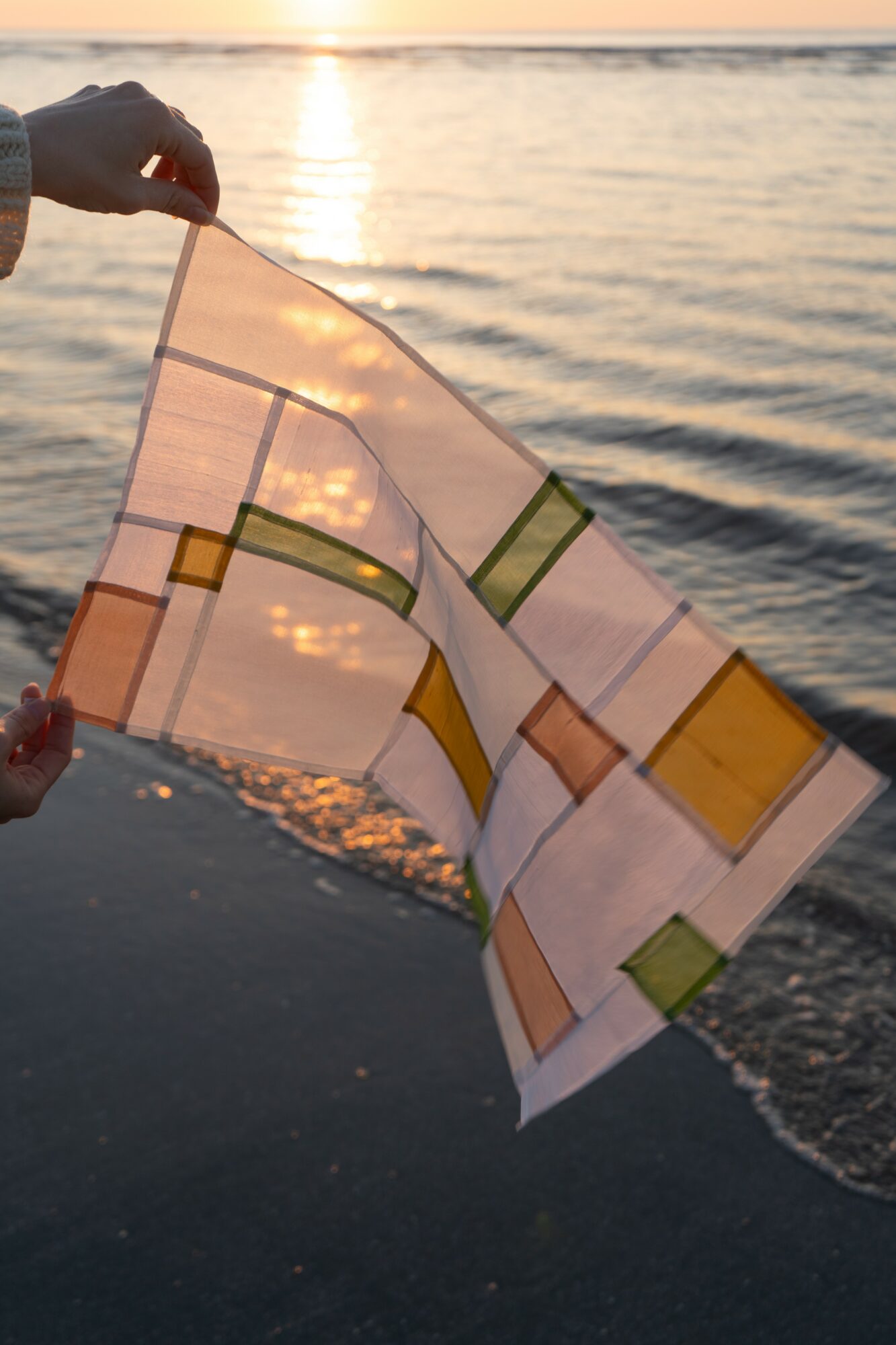
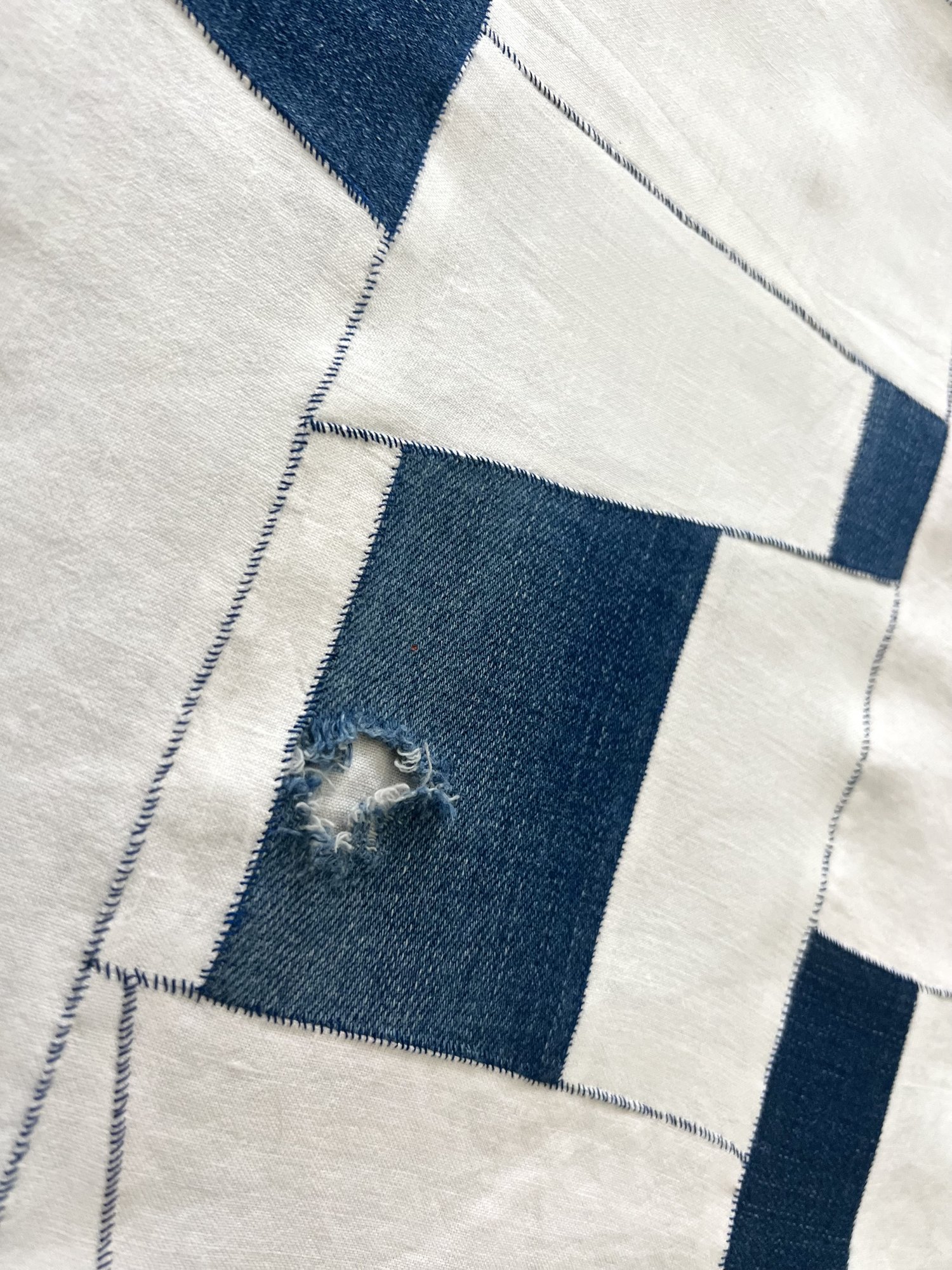
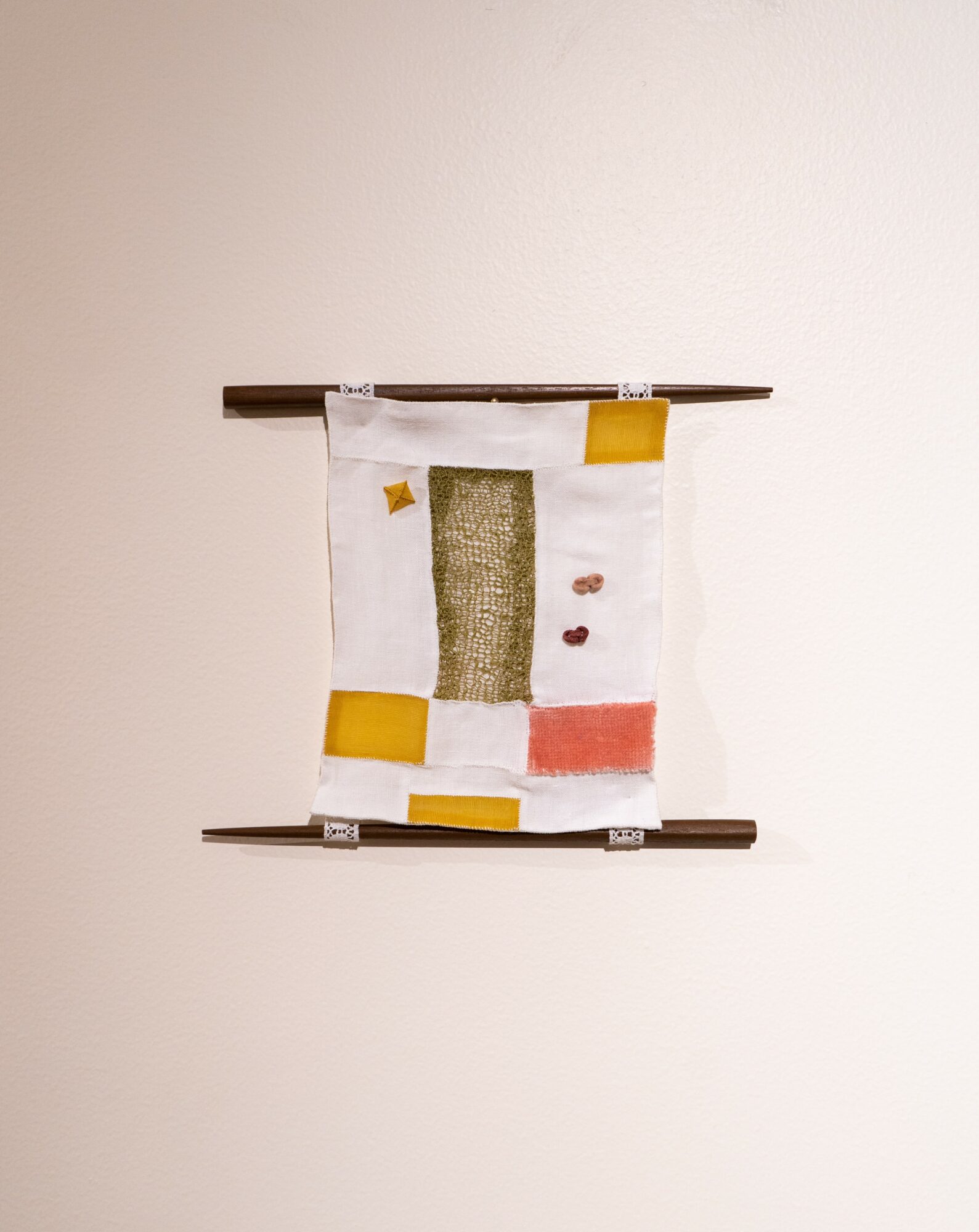
A new life for these remnants were realized when I discovered Bojagi. I immediately resonated with this traditional art form, because it was a clear expression of Korean heritage, sustainability, and most of all, storytelling.
We all face challenges, but looking back would you describe it as a relatively smooth road?
I’ve found that when something is meant to be in life, it all falls into place. As my dad always says, ‘Quit trying to fit a square peg into a round hole.’ I spent many years trying to force things to happen when it came to my creative endeavors. It wasn’t until I discovered Bojagi that things started to flow naturally. It’s not to say that you don’t have to work hard, but the hard work feels easier and more worthwhile because you’re enjoying the process too.
My biggest challenge these days is learning more about the business side of my art practice. While I’d love to spend all of my time sewing and experimenting, I also have to find creative and impactful ways to market myself, apply for exhibits, grants, and residencies, and sell my pieces.
Can you tell our readers more about what you do and what you think sets you apart from others?
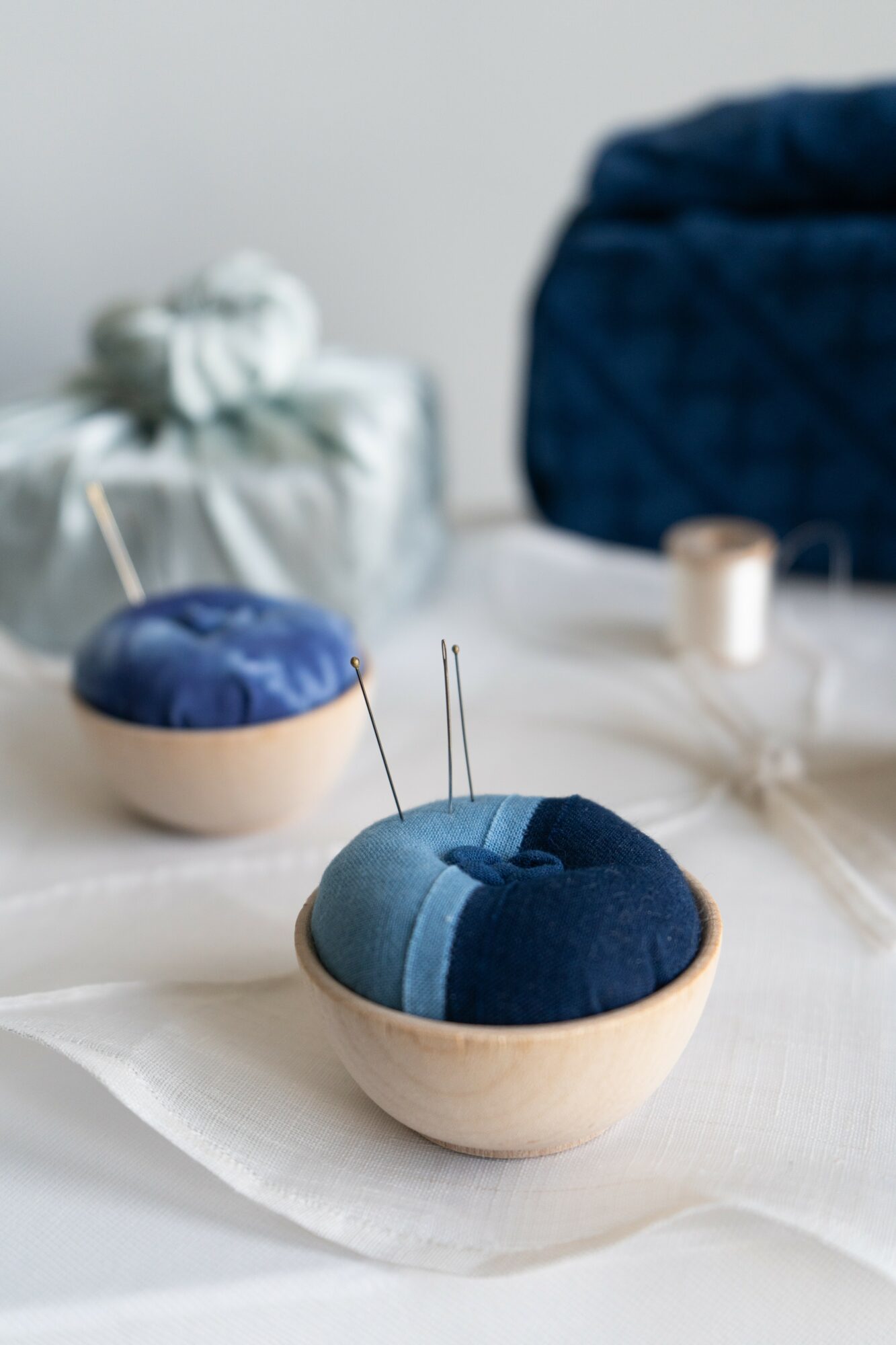
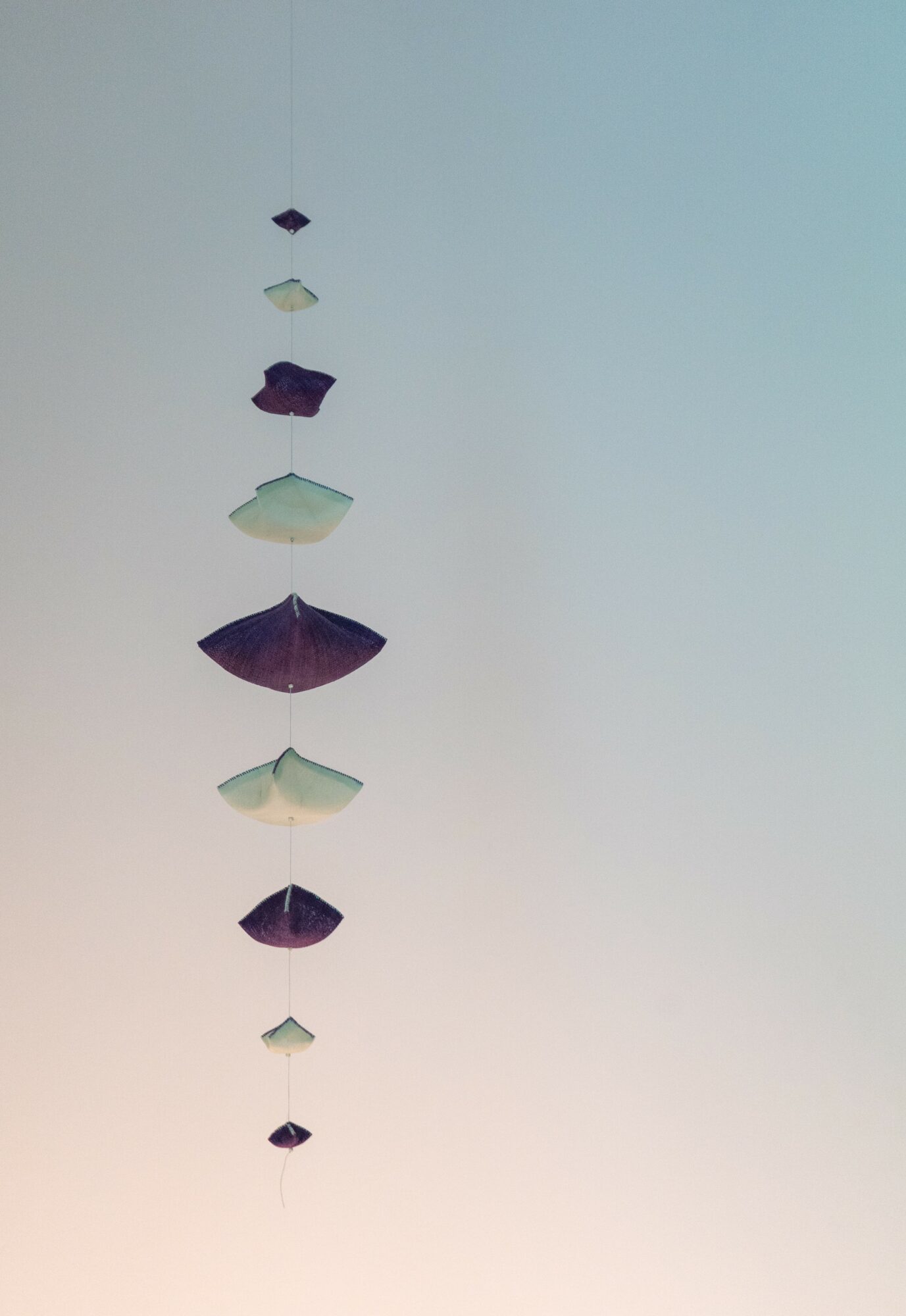
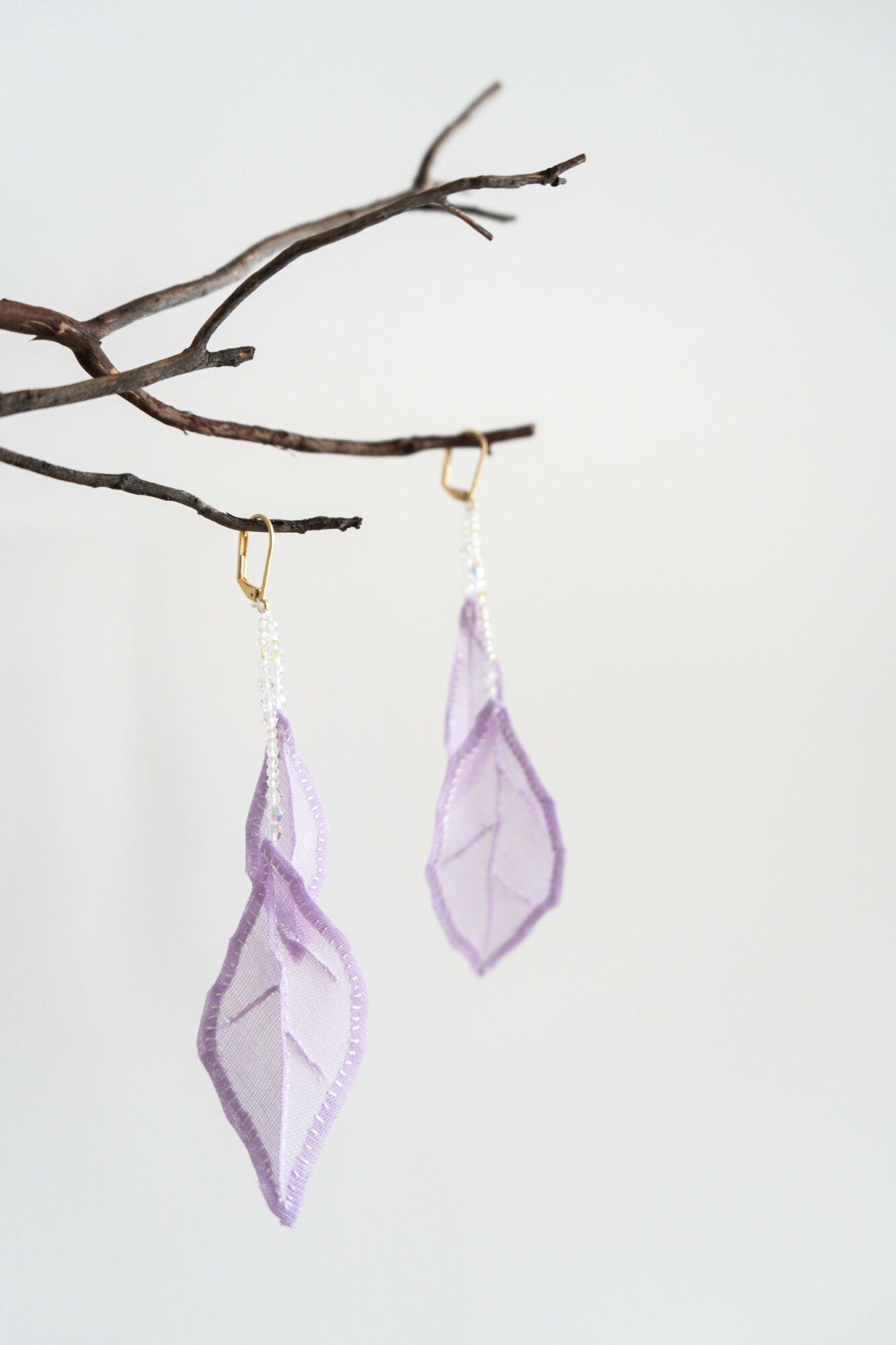
I work with second-hand textiles and notions to connect to my Korean heritage, practice sustainable living, and share stories through creative exploration. I believe there is a fine balance between tradition and innovation. When done thoughtfully, artists can honor traditional practices, while also breathing new life into them by sharing their unique narratives in the process. As I’ve continued to gain knowledge and experience of the traditional art form of Bojagi, I have also expanded on my practice and made it my own through various unconventional techniques and applications. When people see my work, I want it to be more of an experience than anything else. I do so by incorporating elements like movement, light/shadow, and sound. My hope is that by doing so, I can shed a light on this historic art practice and introduce new audiences to Korean culture.
Risk taking is a topic that people have widely differing views on – we’d love to hear your thoughts.
I believe that you have to take risks in life in order to create real change. Sometimes the outcome of those risks isn’t what I expected, but I learn from them nonetheless.
Contact Info:
- Website: https://www.bojagiblues.studio
- Instagram: https://www.instagram.com/bojagiblues/