Today we’d like to introduce you to Dr. Samuel “Kaipo” Sotelo III
Dr. Samuel, we appreciate you taking the time to share your story with us today. Where does your story begin?
My name is Dr. Samuel “Kaipo” Sotelo III, and I’m a performance physical therapist and entrepreneur based in Greenville, South Carolina. Though my journey has brought me here, it began far from this place. I was born in the Philippines and raised on the island of Guam, and through every chapter of my life, the theme of movement has been constant. Movement has shaped who I am, how I see the world, and today, it’s my passion to help others move better and live fuller lives.
Much of this drive comes from my upbringing. My father moved our family from the Philippines to Guam with only $200, determined to create opportunities for my brother and me. His resilience and work ethic showed me the importance of perseverance, no matter the odds. He used to say, “Whether you think you can or you think you can’t, you’re right,” and that simple phrase became a guiding principle in my life. My mother, on the other hand, taught me patience and gratitude. In 2005, she was diagnosed with scleroderma, a rare disease that slowly took away her ability to move. Despite her limitations, she remained a source of light and strength. She passed away in 2020, and the lessons she left behind—especially her enduring grace—continue to shape me today.
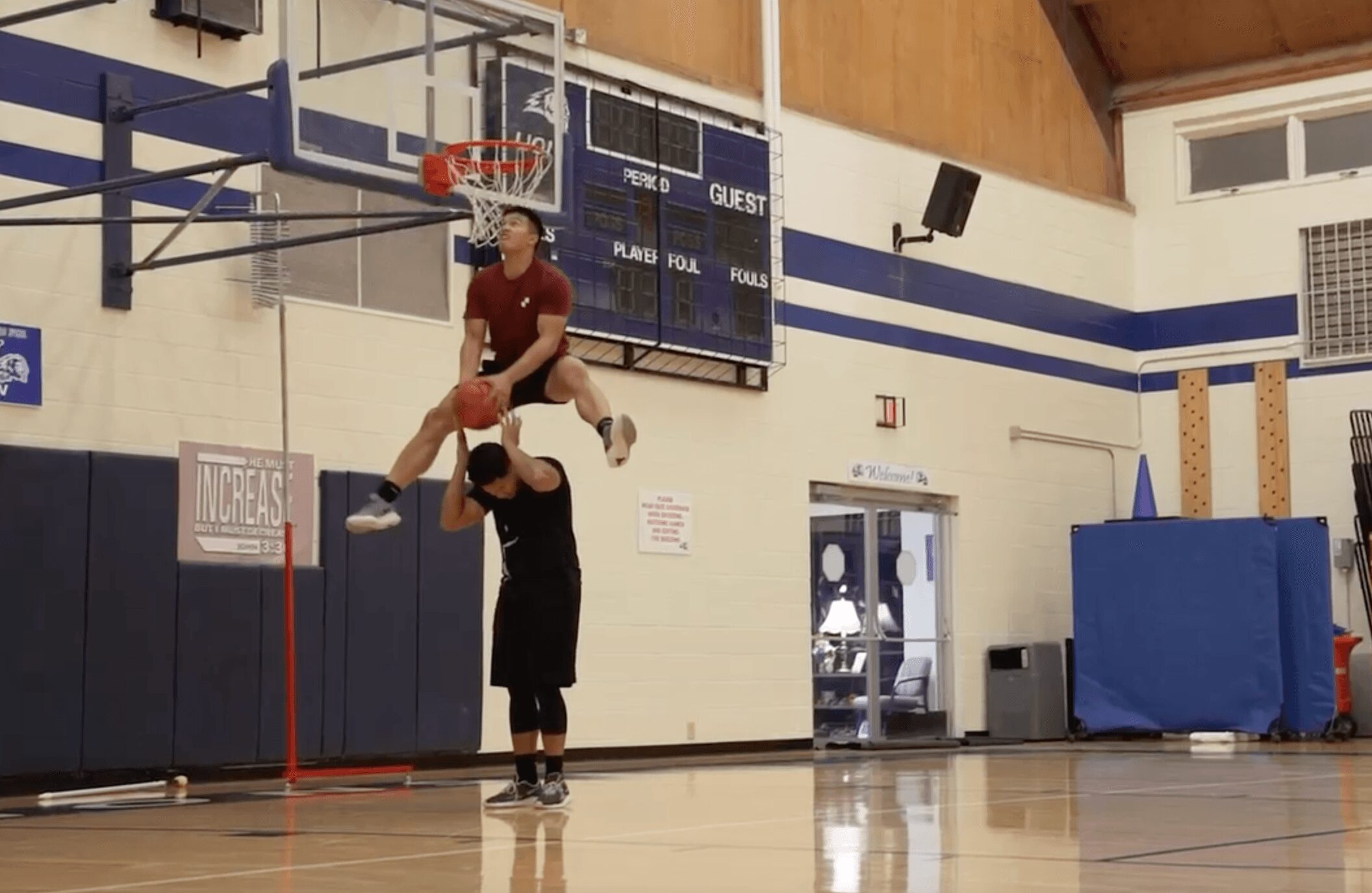
In high school, I set what felt like an impossible goal: to dunk a basketball. As a 5’9″ Filipino, this was no easy feat. But through daily training and persistent effort, I inched closer to achieving it. Dunking wasn’t just a physical milestone—it became a metaphor for how I approach life’s challenges. It taught me patience, discipline, and the value of consistent progress. Over time, people noticed, and I became known for my vertical jump improvement. It reinforced my belief that anyone can reach their potential with the right mindset and effort.
This passion for movement and understanding the body led me to pursue a Doctorate of Physical Therapy at MUSC in Charleston. My mother’s battle with scleroderma inspired my decision, as I witnessed firsthand how critical physical mobility is to living fully. My time at MUSC not only deepened my knowledge but also strengthened my desire to help others move better. It was also during this period that I met my future wife, Holly, whose support has been invaluable in my journey.
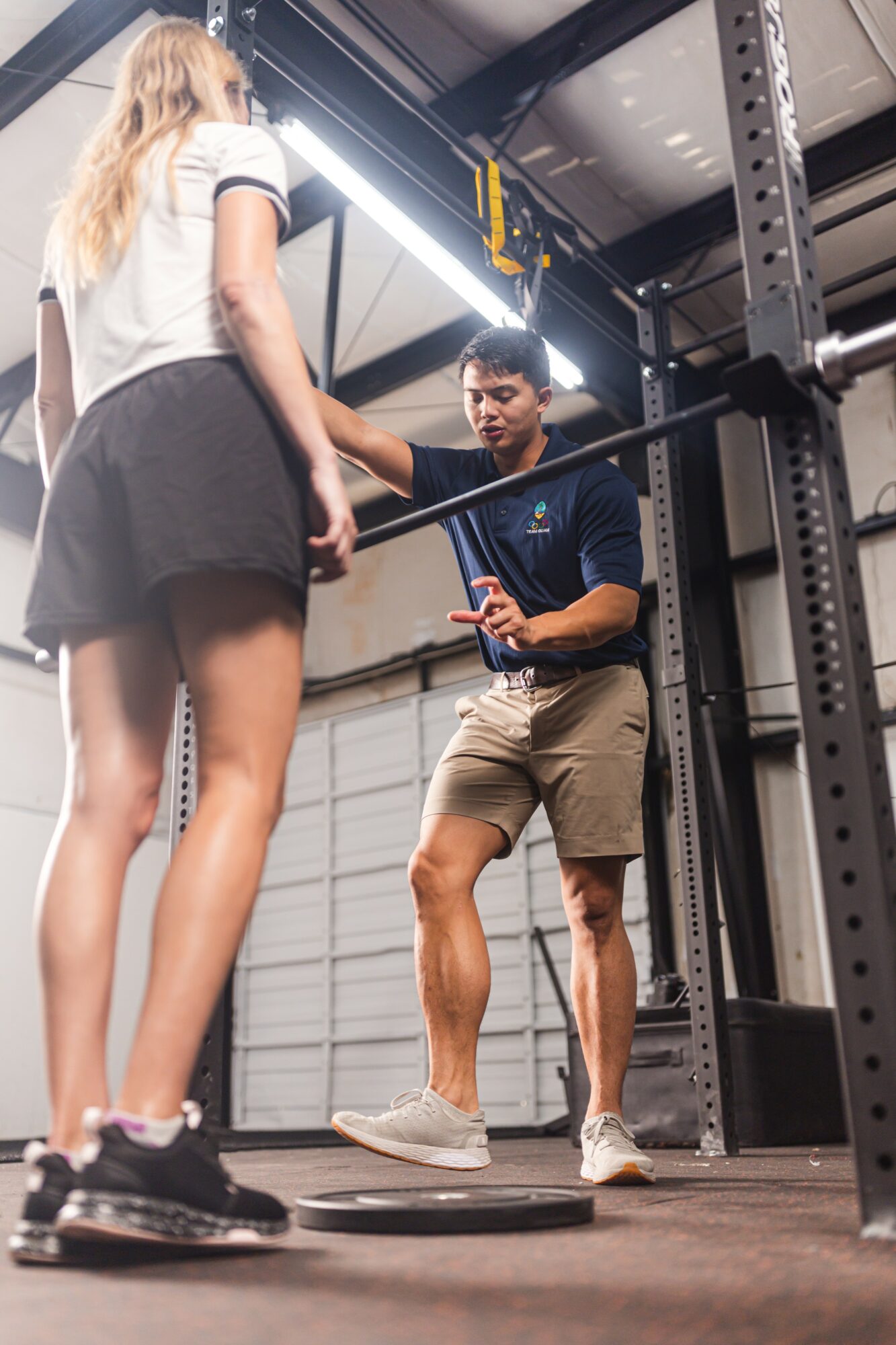
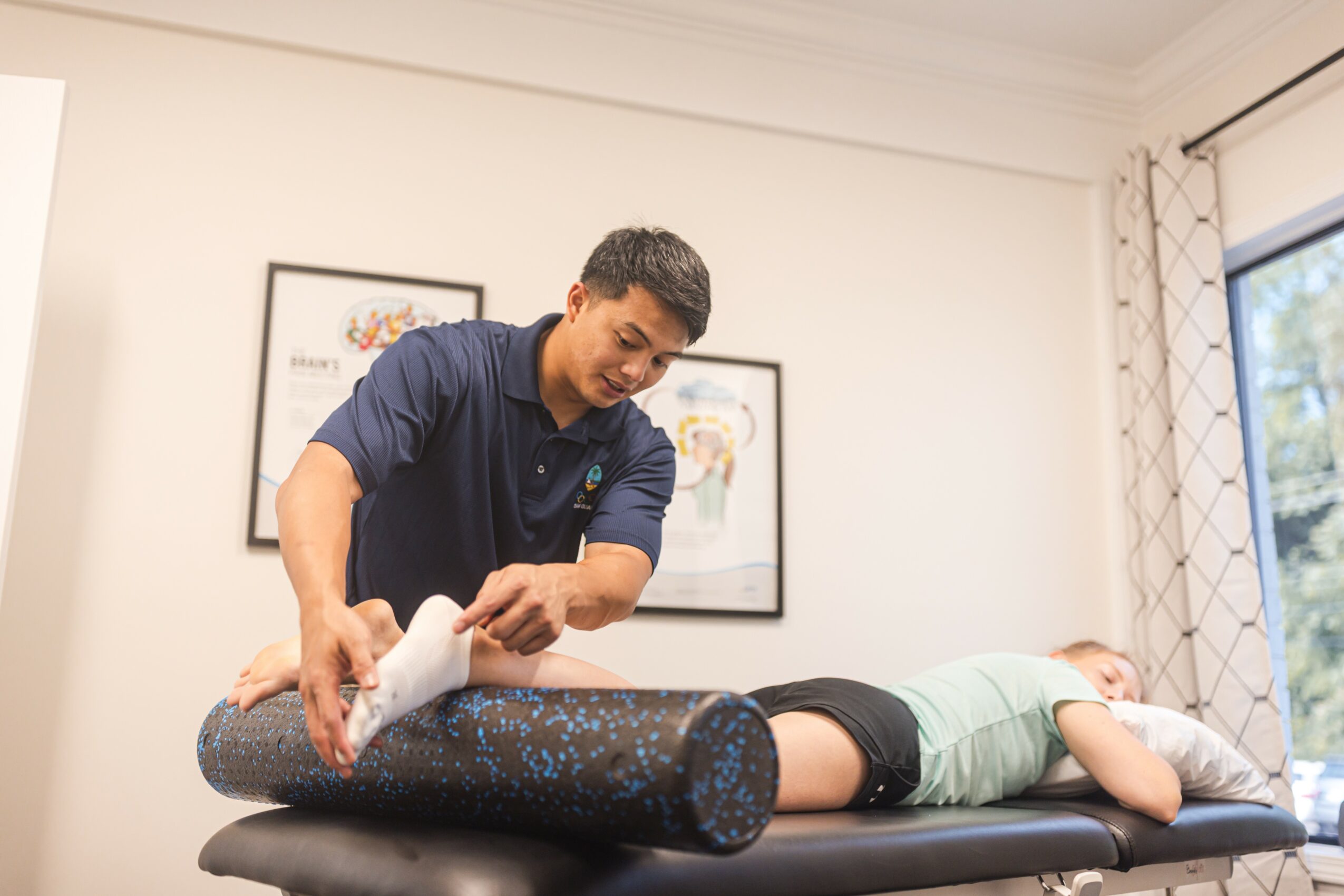
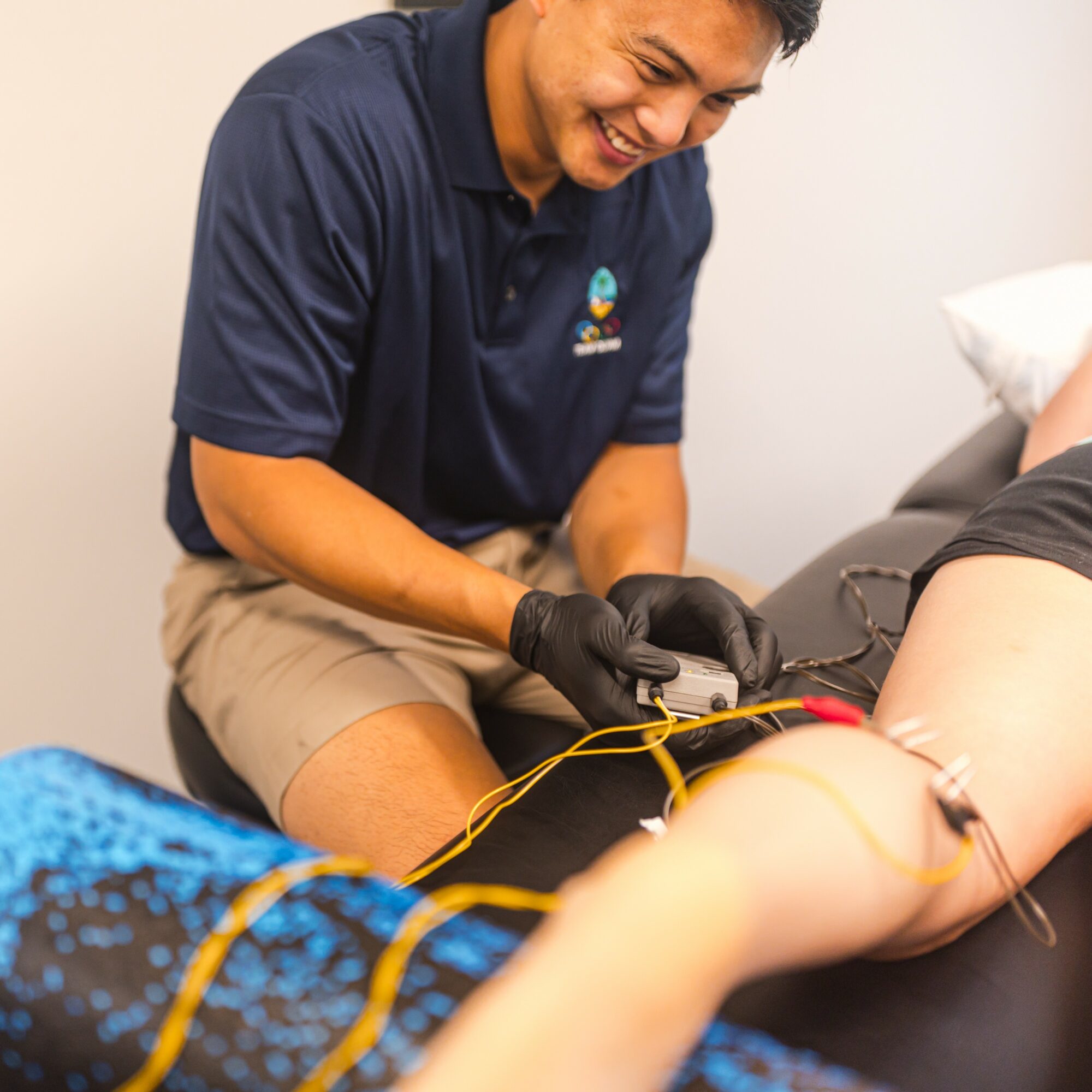
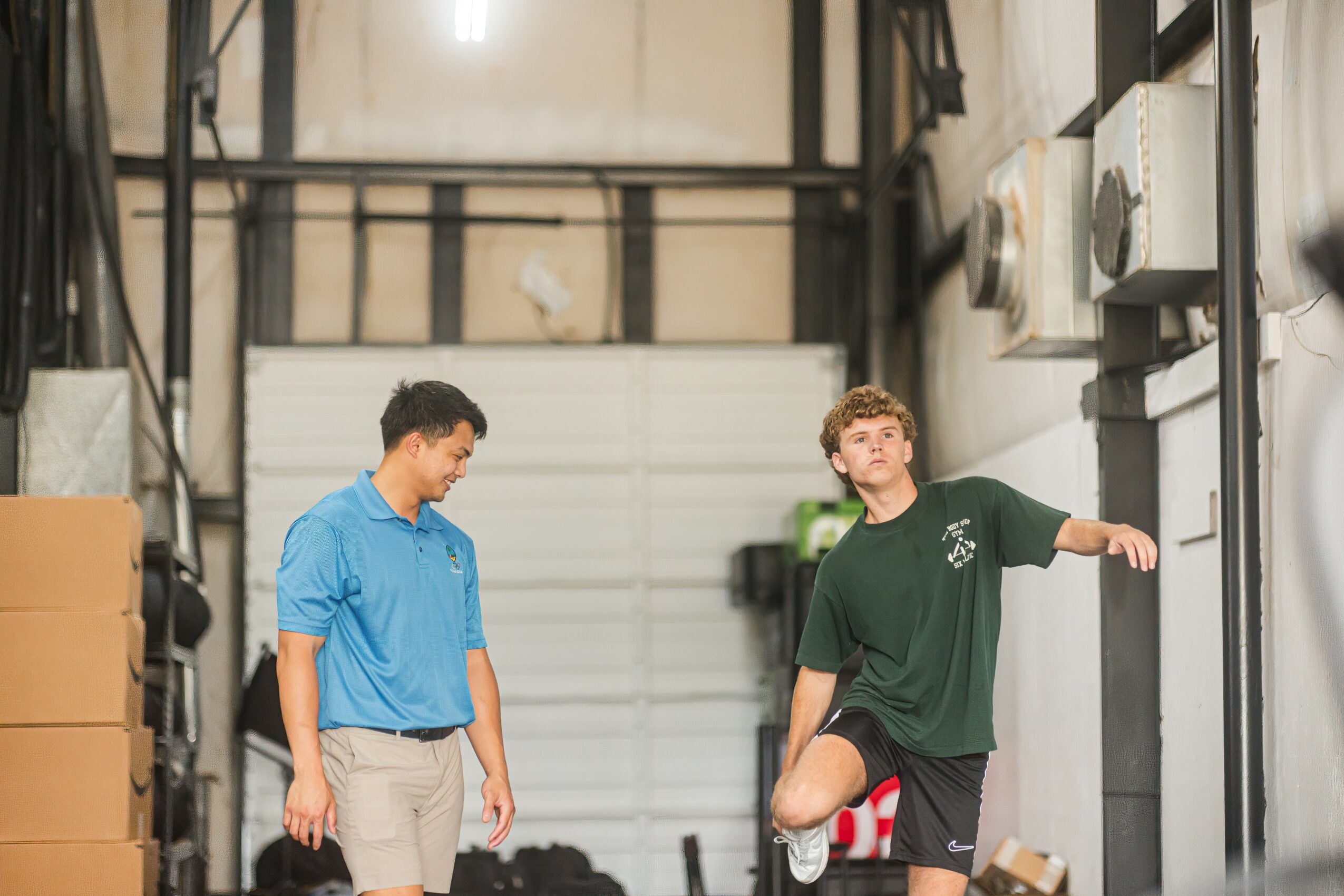
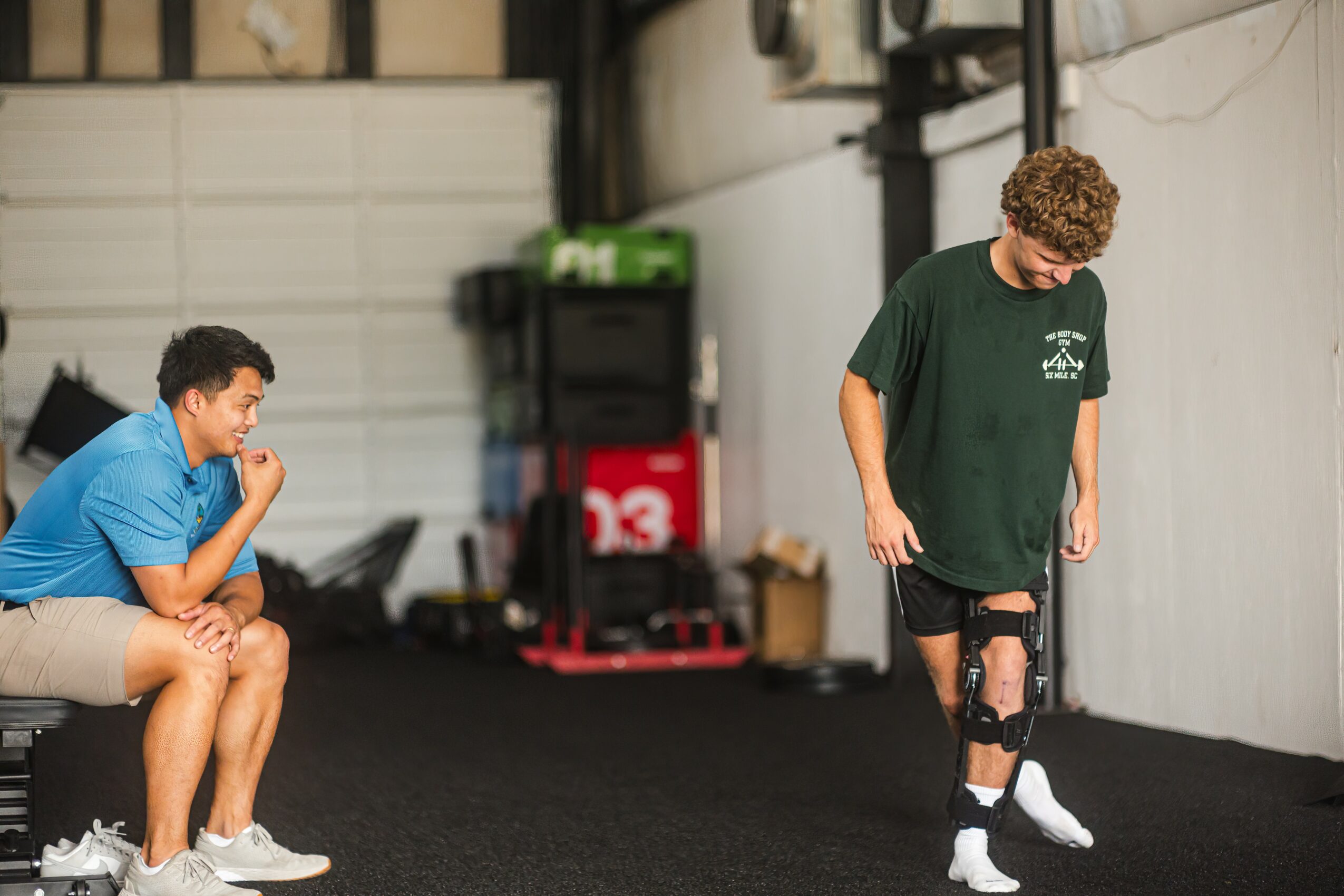
After earning my DPT, I began working as a performance physical therapist, specializing in post-operative knee injuries like ACL reconstructions, meniscus repairs, and jumper’s knee—common but challenging injuries for athletes. I’ve had the privilege of working with Olympians, collegiate athletes, and professionals, helping them recover and get back to peak performance. One of my proudest roles has been serving as a DPT for the Guam National Olympic Committee, where I’ve supported athletes representing our island on the global stage.
However, my journey hasn’t been without challenges. In 2021, I was diagnosed with Guillain-Barré Syndrome, a neurological disorder that causes weakness and fatigue. It was a difficult time, but I relied on the same principles I learned from my journey to dunk—taking small steps and staying focused on long-term progress. Then, in August 2024, I tore my ACL during a basketball game and underwent surgery. Unexpectedly, I developed Malignant Hyperthermia, a life-threatening reaction to anesthesia, and spent four days in the CVICU. Now, I’m working on rebuilding my strength with the goal of one day dunking again. The journey continues.
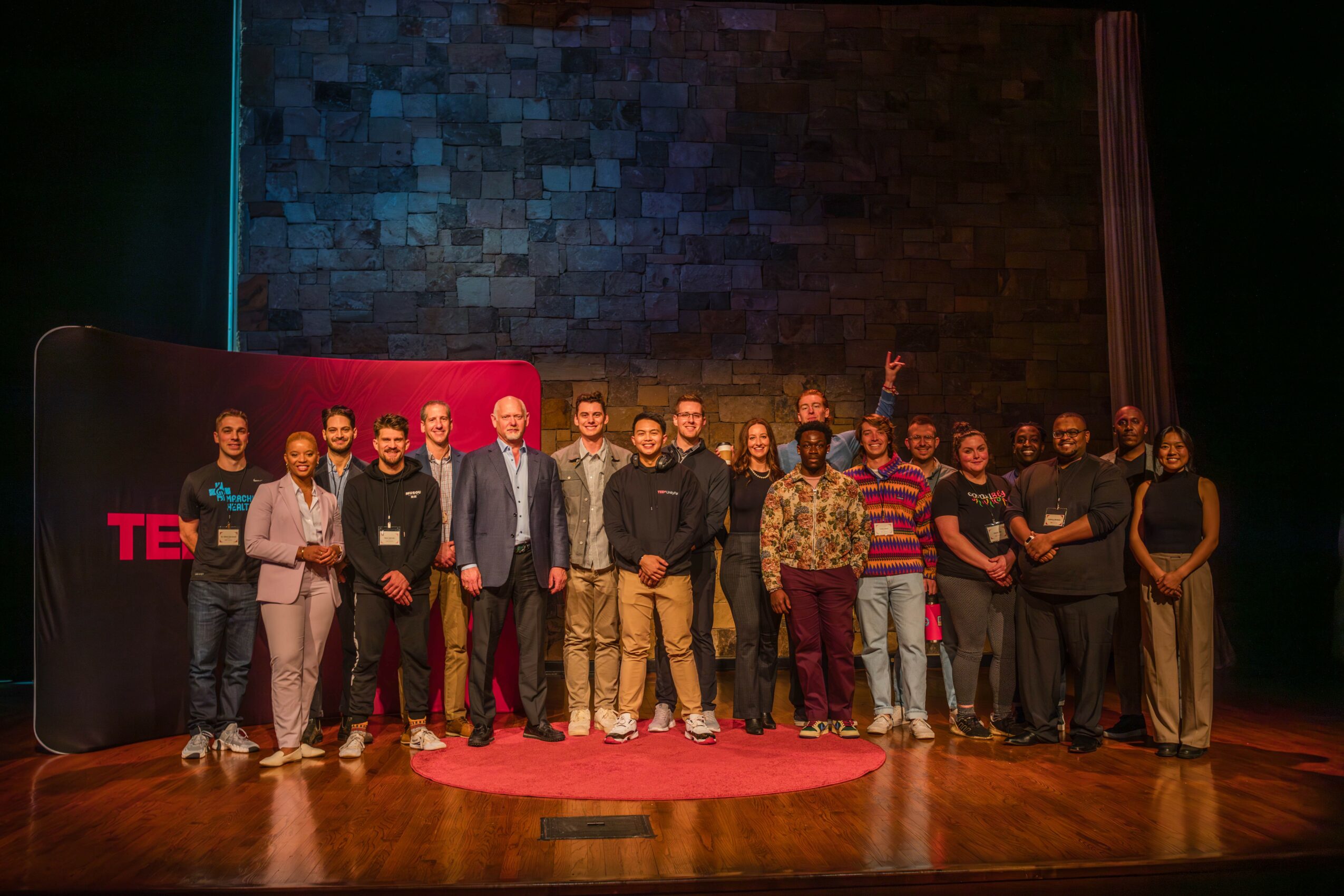
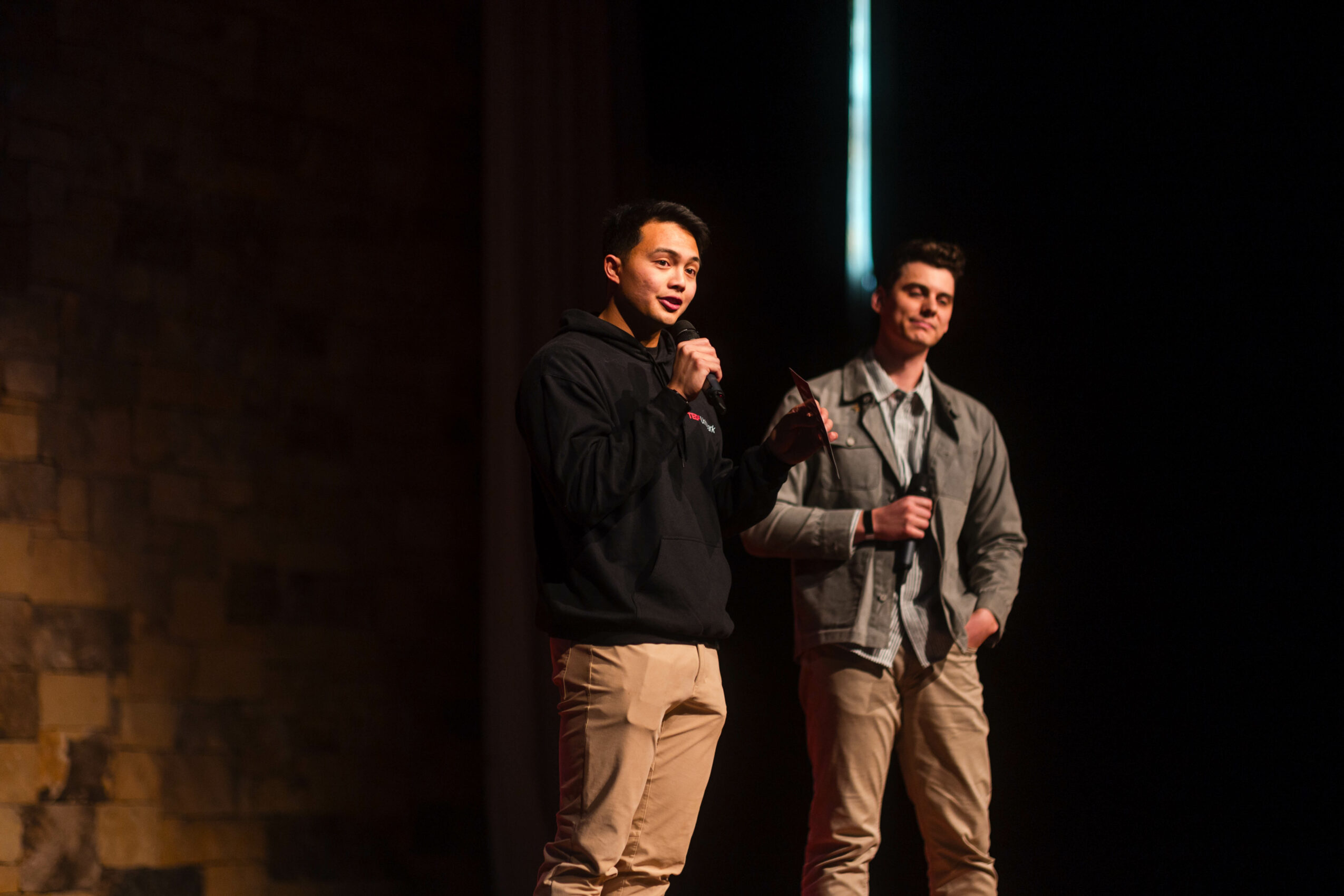
Beyond physical therapy, I’ve always been passionate about entrepreneurship and community-building. In February, I co-organized TEDxUnityPark in Greenville alongside my partner, Evan Rogers. The event sold out, and it was incredibly fulfilling to see the community engage with powerful ideas. Two of our speakers, Finn Sheridan and Khailing Neoh, had their talks featured on the TEDx YouTube page, reaching a global audience. Seeing their stories inspire so many others reaffirmed my belief in the power of shared ideas to move communities forward.
All of these experiences—my personal challenges, professional growth, and community involvement—have culminated in my current project, MyTrain. MyTrain is a software platform designed to help athletes reach their full potential by providing personalized training programs tailored to their individual goals and abilities. It’s the culmination of everything I’ve learned about movement, both through my own journey and through working with others. MyTrain’s mission is simple: to help athletes achieve their own version of “dunking,” whatever that goal may be. It’s not about doing the impossible—it’s about giving people the tools and support they need to reach what once seemed out of reach.
Through MyTrain, I aim to make what I’ve learned about human movement accessible to athletes of all levels. I believe that with the right guidance and effort, people can redefine their potential. Whether it’s helping someone recover from injury, training athletes to perform at their best, or pushing through my own recovery, movement has always been the driving force in my life. My goal is to keep moving forward and, in doing so, help others do the same.
I’m sure it wasn’t obstacle-free, but would you say the journey has been fairly smooth so far?
It definitely hasn’t been a smooth road. There have been plenty of challenges along the way, both personally and professionally. One of the hardest struggles I’ve faced was losing my mother in 2020. She was diagnosed with scleroderma in 2005, and over the years, I watched as this rare disease slowly took away her ability to move. Despite her condition, she never let it define her, and her strength and resilience were a constant source of inspiration for me. When she passed, it was incredibly difficult for our family. Not only were we grieving the loss of someone who meant the world to us, but there were also the typical family struggles that come with losing a loved one—navigating the emotional and practical challenges, supporting each other through the grief, and figuring out how to move forward without her.
At the same time, I was dealing with my own health struggles. In 2021, not long after my mother’s passing, I was diagnosed with Guillain-Barré Syndrome, a neurological disorder that caused weakness and fatigue. It was a difficult period, both physically and emotionally, but I leaned on the lessons I had learned from my mother—how to stay strong and grateful even when things seem overwhelming.
Then, in August 2024, I faced another major setback when I tore my ACL while playing basketball. What should have been a routine surgery turned into a life-threatening ordeal when I developed Malignant Hyperthermia, a rare and dangerous reaction to anesthesia. I spent four days in the CVICU, and since then, I’ve been working to rebuild my strength and relearn how to move.
Through it all, my journey hasn’t been easy, but each of these struggles has shaped me into who I am today. Losing my mother, my own health battles, and the challenges of family dynamics have taught me resilience, patience, and the importance of moving forward, no matter the obstacles. These experiences have also deepened my commitment to helping others improve their movement and their lives—whether through my physical therapy work or my platform, MyTrain. Each step forward, no matter how small, is a victory, and I try to carry that mindset into everything I do.
Thanks for sharing that. So, maybe next you can tell us a bit more about your work?
I’m a performance physical therapist and entrepreneur, and my work revolves around one central theme: movement. My passion is to help people move better, whether they’re recovering from an injury or looking to reach their full athletic potential. As a Doctor of Physical Therapy (DPT), I specialize in treating post-operative knee injuries like ACL reconstructions, meniscus repairs, and jumper’s knee. These are some of the most common and challenging injuries athletes face, and my goal is to not only help them recover but to return stronger and more resilient than before. Working through these recovery processes has allowed me to develop a deep understanding of how the body works under pressure and how we can rebuild strength and function through personalized care.
In addition to my clinical work, I’m the founder of MyTrain, a software platform designed to help athletes reach their potential. MyTrain is built on everything I’ve learned about human movement, both in my personal journey and in my professional career. The platform provides customized training programs based on each athlete’s goals, abilities, and resources, ensuring that they have the right tools to reach the next level in their sport. What sets MyTrain apart is the attention to individualization—it’s about meeting athletes where they are and helping them unlock their full potential with programs that adapt to their specific needs. We’re currently expanding to serve teams and sports programs, and I’m incredibly proud of the impact we’re making.
Another aspect of my work that I’m passionate about is organizing TEDxUnityPark in Greenville, South Carolina. This community-driven event highlights innovative ideas and powerful stories that are moving the Upstate forward. TEDxUnityPark is about more than just sharing ideas—it’s about fostering community, connection, and inspiration. It’s been an honor to bring people together and create a space where we can all learn from one another.
What sets me apart from others in my field is the combination of my clinical expertise and my broader mission to help people move better in all aspects of life. Whether I’m treating a patient post-surgery or helping an athlete jump higher, my focus is always on empowering others to reach their full potential. Movement is about more than just physical fitness—it’s about unlocking the freedom to live fully, and that’s what I strive to deliver in everything I do.
Before we let you go, we’ve got to ask if you have any advice for those who are just starting out?
If I had to offer advice to anyone just starting out, it would be to focus on moving forward a little bit at a time, but always with intention. It’s easy to get caught up in wanting to make big leaps, but in reality, progress is often about taking small, deliberate steps. The key is making sure those steps are aligned with where you want to go, and that’s where clarity comes in—knowing your direction and sticking to it.
One idea that has really resonated with me, and something I wish I had embraced earlier, is Naval Ravikant’s concept of “specific knowledge.” It’s about recognizing that each of us has a unique combination of skills, experiences, and perspectives that no one else has. You don’t need to be the best at everything—in fact, you probably won’t be—but what you can be is the best at the intersection of those unique skills. It’s about figuring out what you naturally gravitate towards, what excites you, and where you can make the most impact. Your specific knowledge is your own unique advantage, and once you tap into it, you’ll be able to solve problems in a way that only you can.
When I first started, I spent a lot of time trying to be good at everything, thinking that’s what success looked like. But the real value comes when you hone in on what makes you different and apply it in a way that creates value for others. It might take time to figure that out, and that’s okay. The important thing is to keep moving forward, even if the steps feel small or scattered. As long as you’re moving in the right direction and building on your strengths, you’re making progress.
So, my advice is this: don’t be afraid to take small, deliberate steps, and trust in your unique path. Find where your specific knowledge lies, lean into it, and keep moving toward the things that matter most to you. That’s where the real growth happens.
Contact Info:
- Website: https://www.mytrainapp.com
- Instagram: https://www.instagram.com/dr.kaiposotelo/
- Other: https://tedxunitypark.com/