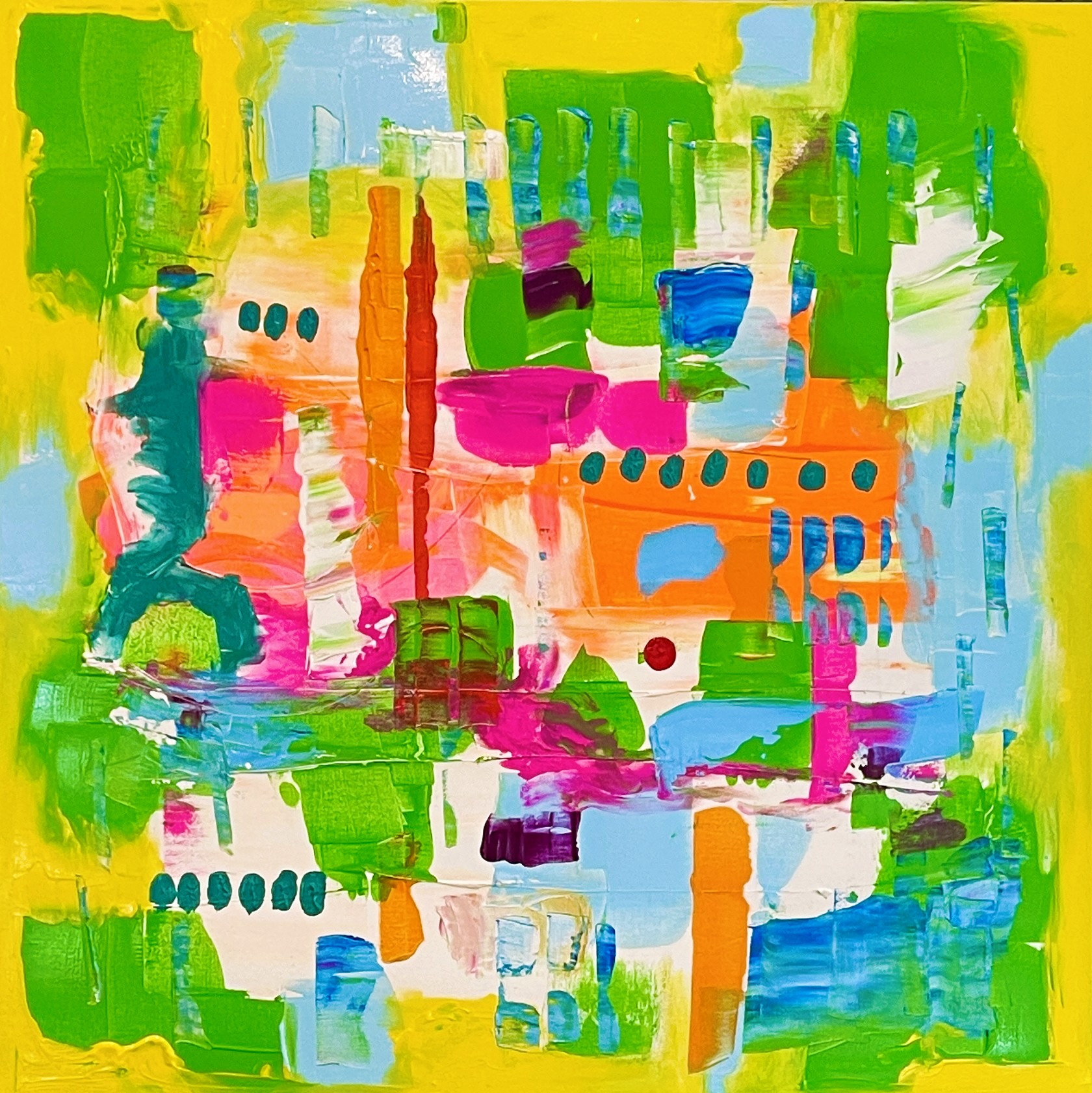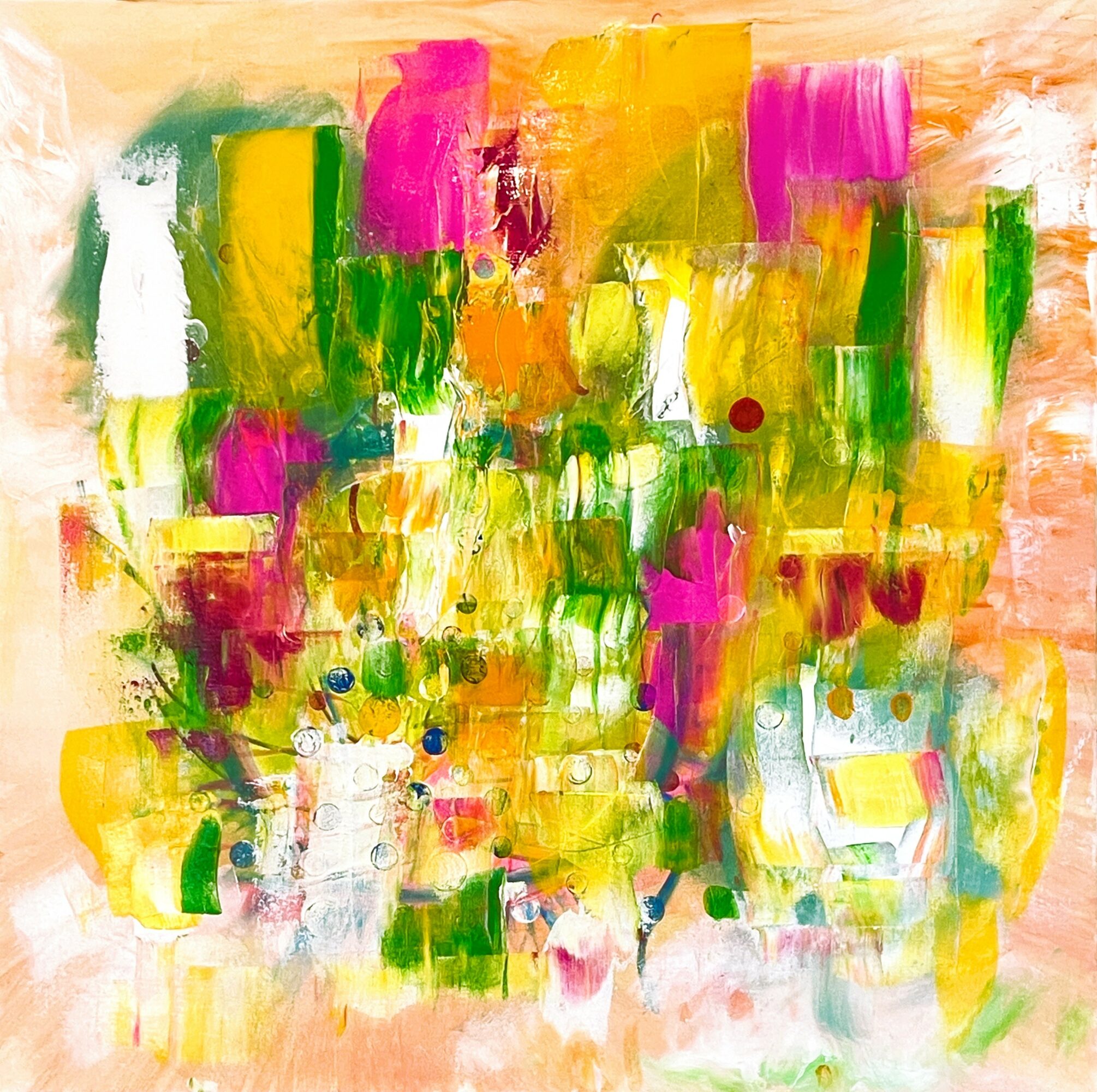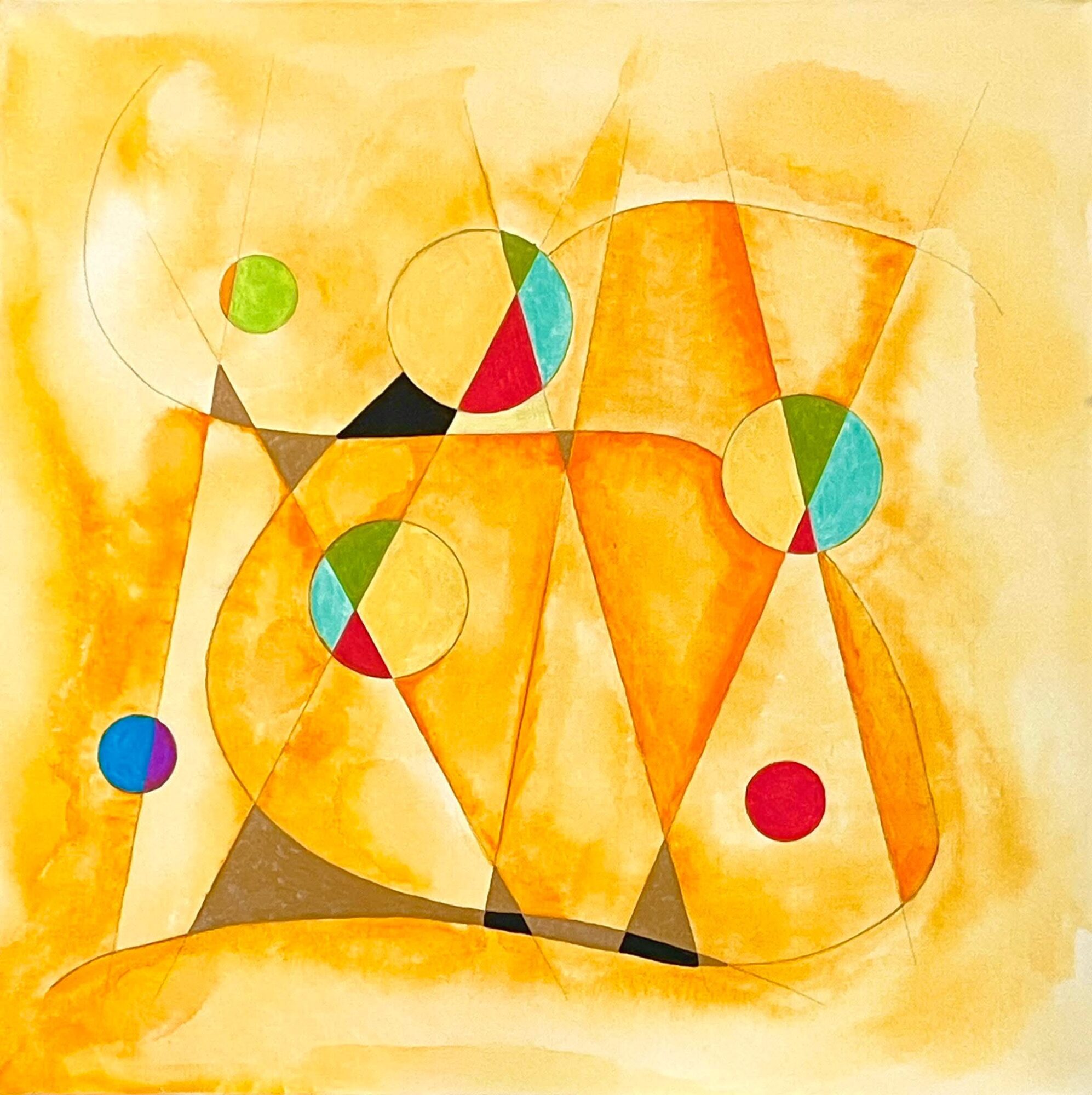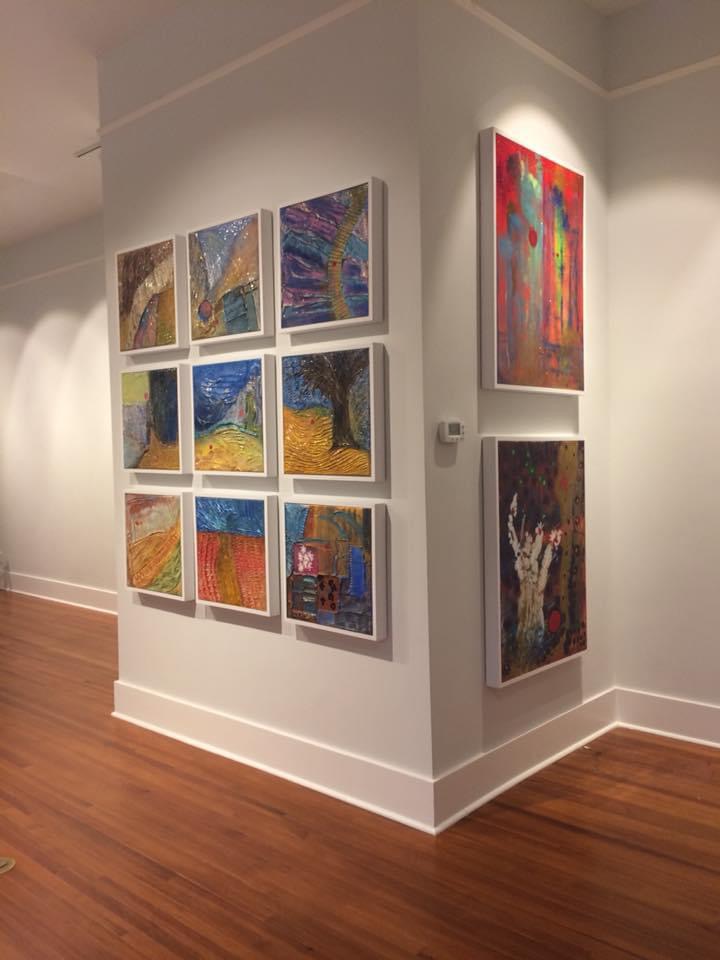
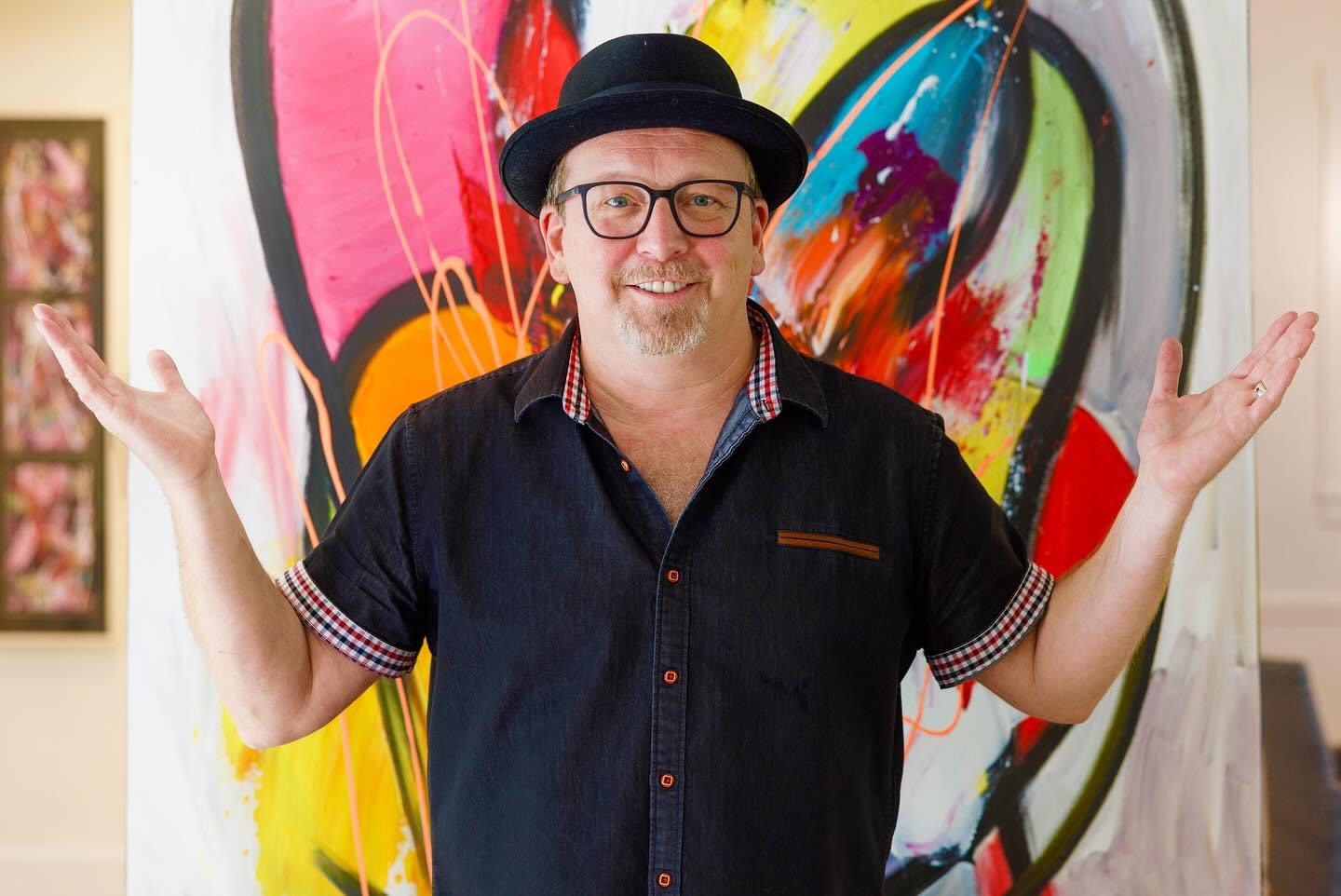
Today we’d like to introduce you to L. Robert Stanfield.
Hi L. Robert, thanks for sharing your story with us. To start, maybe you can tell our readers some of your backstory.
It started with a natural curiosity for creativity and a strong desire to express the world, as I see it, through imagery. As a boy, I spent hours and hours exploring and experimenting with art; the act of creating gave me purpose and direction. It also brought recognition, in the form of a Georgia Governor’s Honors Award when I was 16, that helped open the door to a scholarship at the Savannah College of Art and Design. There, I studied visual arts, illustration, historic preservation, interior design, graphic design, sculpture and painting―all of it expanding my creative vision of what art can be. During my time in Savannah, I also worked on major film productions, like “Glory” and “1969,” that explored storytelling through motion, light, and composition. All of these skills have influenced the way I approach mixed media painting and visual narrative.
My path eventually led me to Hilton Head Island. In 2000, I created an after-school arts academy and began teaching, which gave me the opportunity to share what I had learned. Teaching also allowed me to encourage young artists to believe in their own voices and to see art as both a discipline and a way of understanding the world. I’ve also encouraged creativity for adults by leading many workshops based on “The Artist’s Way” by Julia Cameron.
All of this enhanced my own creativity, and I steadily built a body of work that reflects my experiences, faith, and love of the Lowcountry landscape. Eventually, the call to create became stronger than anything else, and I put one of Julia Cameron’s main teachings: “Leap, and the net will appear.” In other words, I decided to devote myself to being a fulltime working artist. From that point forward, my focus has been on producing art and sharing it with the world. That has involved everything from participating in exhibits to working on commission to supporting organizations such as MD Anderson Cancer Center and Mirasol Health in Bluffton.
Encouraging and supporting other artists, of all ages, continues to be extremely important to me. It will be as long as I believe that art has the power to inspire, inform, enlighten, heal, and bring happiness to others.
Alright, so let’s dig a little deeper into the story – has it been an easy path overall and if not, what were the challenges you’ve had to overcome?
Very few artists, in my experience, have a smooth road to success. Being an artist comes with challenges, both professional and personal. There are times when the path feels uncertain, when recognition seems to vanish, when you have to keep believing in what your work even when progress grinds to a standstill.
For me, some of the biggest challenges were personal. Losing my father to suicide was one of the most difficult experiences of my life. It left a deep mark on me, and it was also a turning point. That loss made me look inward and ask: <i>How do I want to live my life? What kind of person do I want to be?</i> Those questions pushed me to grow, to be a better person, and to use my work and my life to encourage others. Many people carry burdens that aren’t visible, and sometimes they just need someone to remind them that there is still light within them.
Emotion is energy. Energy creates light. It is up to us how we use that energy to move forward. I pour my love, joy, grief, and sadness into painting.
My art and my journey are about sharing that message. If my work or my story can help someone hold on, see hope, or believe in themselves a little more, then it means something far beyond the canvas.
My challenges and my responses to those challenges shaped who I am today, and they continue to remind me why creating—and helping others find their own light—matters so much.
Thanks for sharing that. So, maybe next you can tell us a bit more about your work?
There was a time when I questioned whether art was practical, sustainable, or even necessary. Creativity isn’t always seen as a “real path,” and choosing it requires courage. Yet, deep down, I knew art wasn’t just something I did—it is who I am.
My journey has been one of faith, resilience, and relentless growth. I didn’t have a perfect blueprint. I had long nights, self-doubts, unfinished canvases, and moments when giving up felt easier than pushing forward. But every setback shaped my vision. Every time a door closed on me, I knocked on another one.
What transformed everything for me was understanding that art isn’t just about aesthetics; it’s about community impact and personal healing. It’s about telling stories that might otherwise go unheard. It’s about turning pain into beauty, struggle into color, and experience into connection. Once I stopped chasing validation and started pursuing purpose, everything changed.
Again, it wasn’t always a smooth road. I worked regular jobs while building my portfolio. I showed up to events where few people knew my name. I shared work that didn’t always receive recognition. And from that, I learned that consistency builds credibility, growth builds confidence, and preparation finds opportunity. To every creative reading this: Your path doesn’t have to look like anyone else’s. Comparison is the thief of authenticity. The very thing that makes you different is the thing that will set you apart. Protect it. Develop it. Believe in it.
I’m still growing, learning, experimenting―and, yes, struggling. But today, I stand confident in this truth: When you commit fully to your calling, doors open in ways you never imagined.
To South Carolina Voyager, thank you for creating space for artists like me to share our stories. Platforms that highlight local voices don’t just showcase talent but also build community.
How do you think about luck?
Luck is a tempting word. It wraps years of uncertainty, discipline, rejection, and persistence into something that sounds effortless. From the outside, it can look like chance: the right collector at the right show, the right introduction, the right moment of visibility. And yes, moments like that happen.
What people call “luck,” however, is often preparation meeting opportunity. How many of my experiments failed? How many of my ideas had to be torn down or abandoned? How many times did I feel like recognition would never come? A lot! That’s why you start with baby steps: small canvases, small risks, small improvements. For me, at least, progress hasn’t come in dramatic breakthroughs; it has come just from showing up every day and trying to move forward. Baby steps build confidence, skill, and momentum. Forward is forward, no matter the size of the step.
So, luck? Yes, it has probably helped me in little, unpredictable ways. The keys, though, are discipline, resilience, faith in the process, and the courage to keep taking those small steps—those have meant much more to me than luck.
Contact Info:
- Website: www.LRobert.net
- Instagram: https://www.instagram.com/LRobertartist
- Facebook: https://www.facebook.com/LRobertgallery
- Linkedin: https://www.linkedin.com/in/lrobertart?
??????????