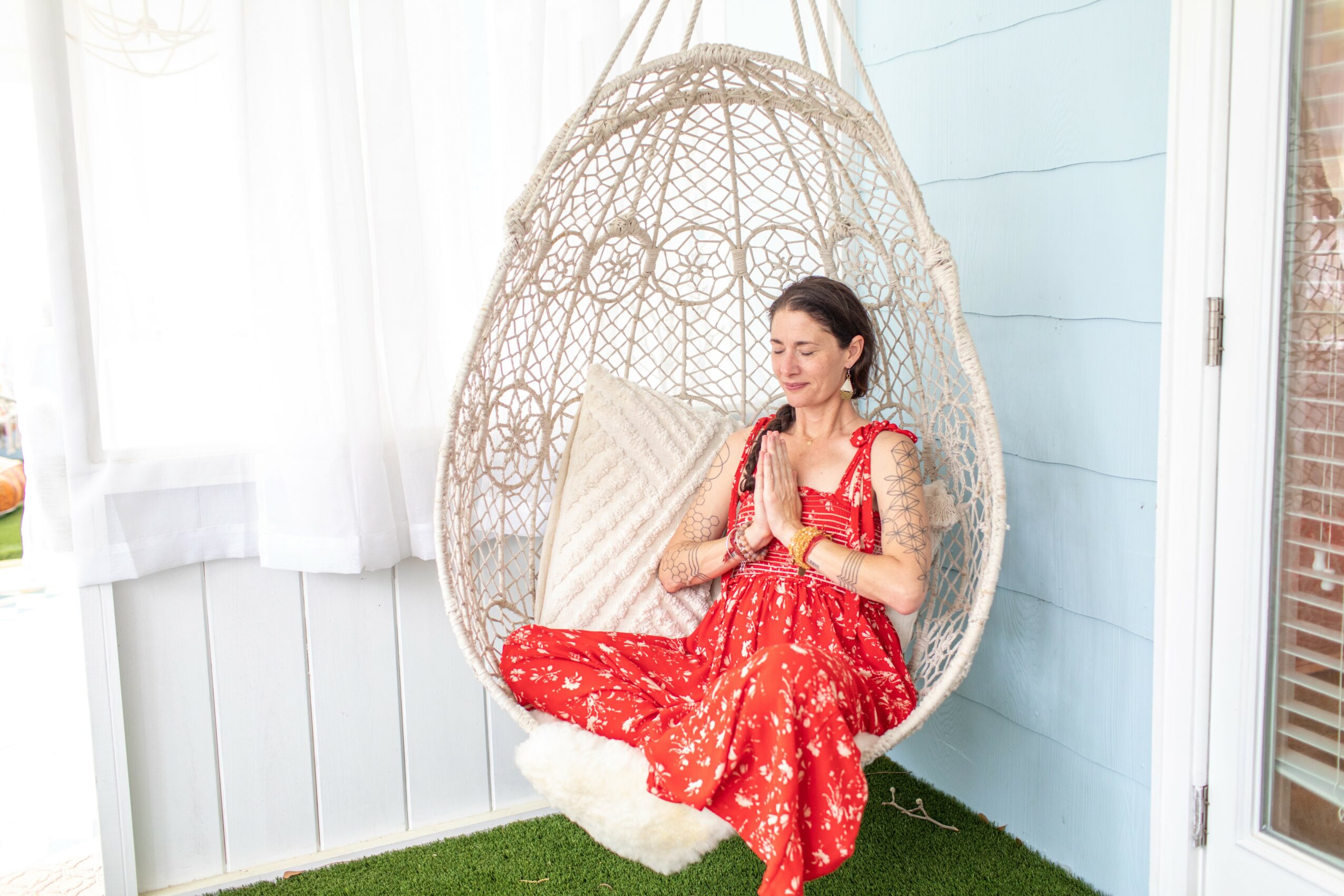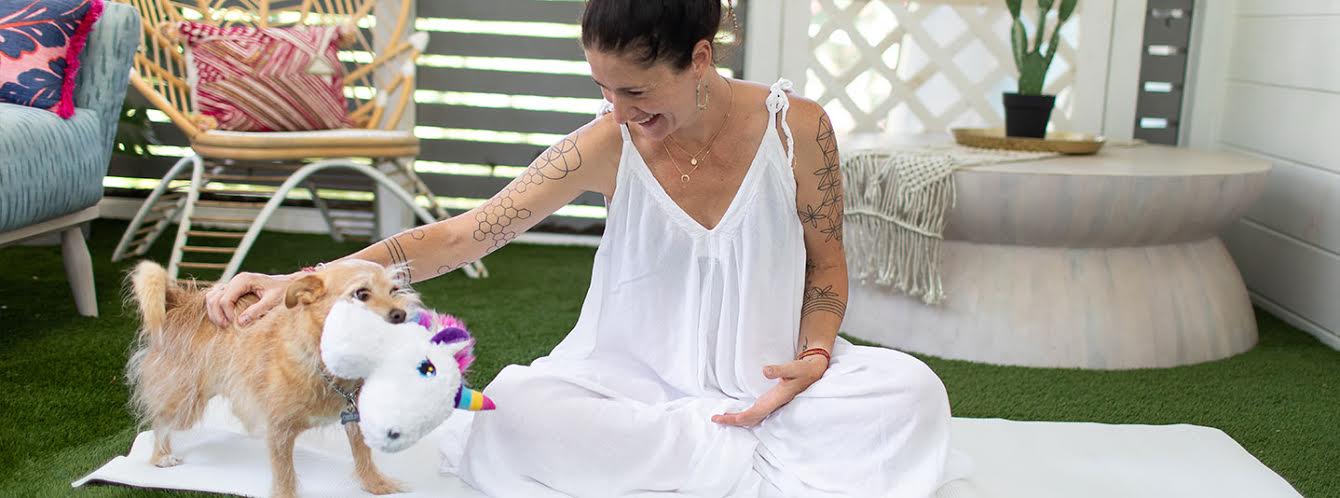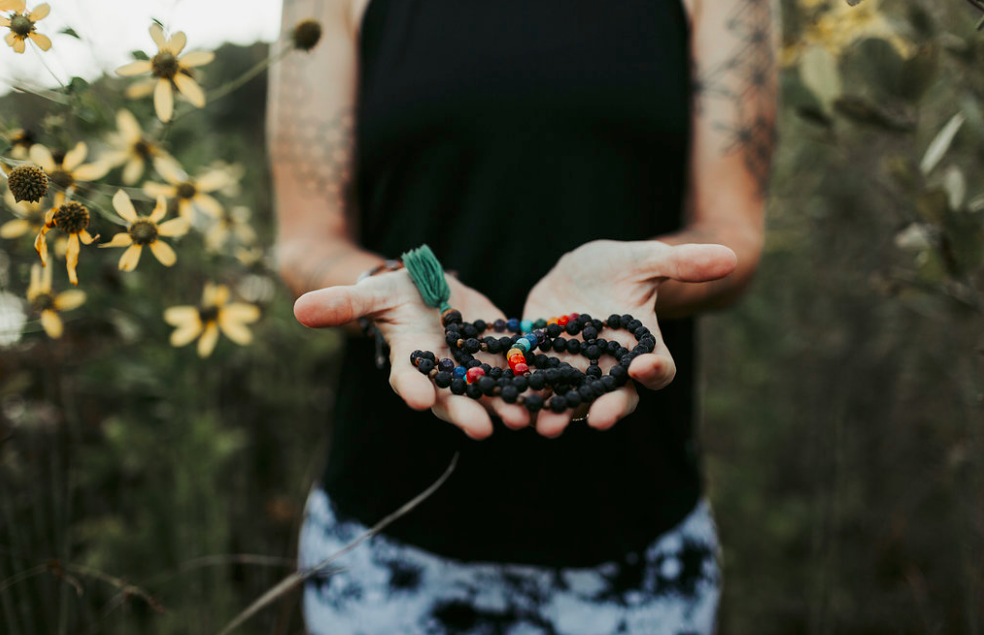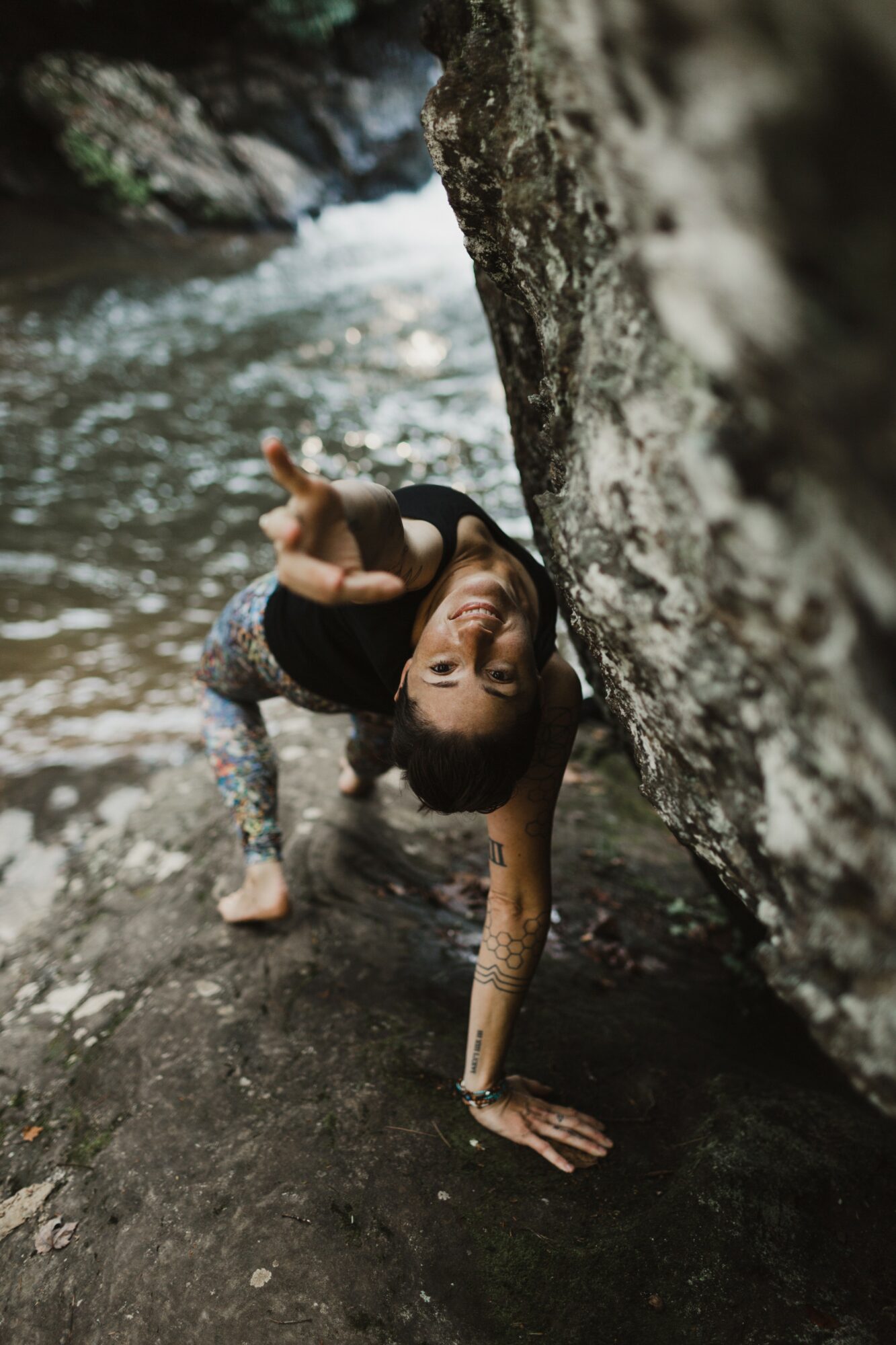
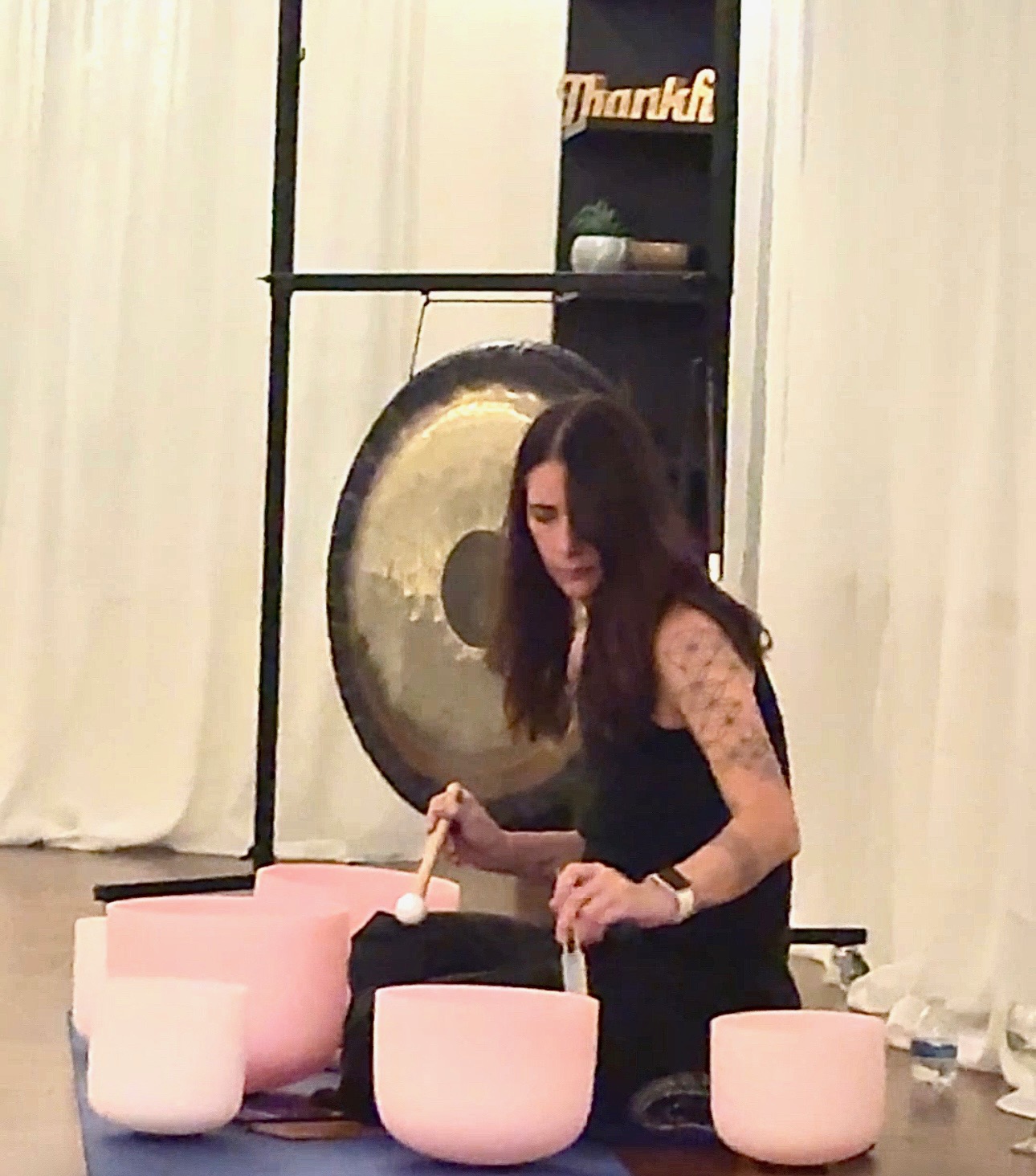
Today we’d like to introduce you to Akasha Searcey.
Alright, so thank you so much for sharing your story and insight with our readers. To kick things off, can you tell us a bit about how you got started?
My story actually begins with anthropology, archaeology, and a dream of becoming the female Indiana Jones.
I studied Anthropology in college and worked for the U.S. Forest Service as an archaeologist. After spending a summer traveling throughout Europe right out of high school, I was fascinated by culture, history, science, and the stories of how human beings have lived. I was convinced that was the direction my life would take.
Then, while I was in college, a friend introduced me to yoga.
What started as a physical practice quickly became something much bigger. I had spent years wanting to explore the world, and suddenly I discovered this enormous landscape within myself. Yoga, meditation, breathwork, and eventually sound and other contemplative practices gave me tools for understanding not only how we move through the world, but why we think, feel, react, and behave the way we do.
After college, I moved to New Mexico and began postgraduate studies while continuing to go deeper into my practice. At one point I was struggling with whether I was supposed to pursue anthropology or follow this growing pull toward yoga. A teacher gave me a piece of advice that has stayed with me ever since: You did what you did, and you got what you got. If you want something different, do something different.
In other words: make a choice, pay attention to the response, adjust, and keep moving.
That philosophy has shaped much of my life.
Yoga eventually became my career, and over the years my work expanded from teaching classes into teacher training, meditation, breathwork, sound therapy, retreats, workshops, writing, wellness coaching, and creating experiences designed to help people connect more deeply with themselves. What has remained consistent is my fascination with human potential. Anthropology taught me to study people from the outside; yoga taught me how to explore the human experience from the inside.
Alright, so let’s dig a little deeper into the story – has it been an easy path overall and if not, what were the challenges you’ve had to overcome?
life gave me an opportunity to discover whether I actually believed all the things I had been teaching.
At the end of 2018, my husband passed away. I spent much of 2019 working, traveling, and learning how to live with grief. Then COVID arrived, my yoga studio business was lost, and both of my dogs passed away. All of that happened within twenty-nine months.
At one point, I realized that almost the entire life I had known was in ashes.
And yet, every day—in hospitals, on airplanes, in unfamiliar places, and eventually in the quiet of a completely different life—I practiced. I moved. I meditated. I breathed. I kept coming home to myself.
Those practices didn’t make the circumstances disappear, and they didn’t prevent grief. They gave me a way to stay present inside of it.
Can you tell our readers more about what you do and what you think sets you apart from others?
I’ve been practicing and teaching yoga for more than three decades, and over the years that work has naturally expanded into meditation, breathwork, sound therapy, yoga philosophy, teacher education, retreats, workshops, wellness coaching, writing, and conscious living. While those may look like different modalities, to me they are all different doorways into the same conversation: How do we become more present, more aware, and more intentional about the way we experience our lives?
I’m probably best known for creating experiences that blend ancient practices with modern, accessible ways of understanding them. I love the philosophy and history behind these traditions, but I’m equally interested in what happens when you take those teachings off the yoga mat or meditation cushion and apply them to relationships, grief, change, work, creativity, and everyday life.
Sound has also become a significant part of my work. For more than a decade, I’ve explored sound as a therapeutic and meditative tool, creating immersive sound experiences.
Whether I’m leading a sound journey, teaching yoga, facilitating a retreat, or training teachers, I’m always interested in creating an environment where people can slow down enough to actually hear themselves again.
Education is another part of my work that I deeply value. I’ve developed and led yoga teacher trainings and spent years mentoring teachers. I love helping someone move beyond memorizing poses or scripts and begin understanding why they are teaching what they’re teaching. When people understand the philosophy, energetics, anatomy, history, and intention behind a practice, they can make it their own and teach from a much more authentic place.
What I’m most proud of, though, isn’t a particular training, retreat, class, or accomplishment. It’s the longevity and integrity of the work.
I’ve been doing this long enough to watch the wellness industry change many times. Trends come and go. What continues to interest me is what actually helps people.
I also think my life experience has changed the way I teach. I’ve experienced profound love, loss, grief, reinvention, entrepreneurship, success, failure, and starting over. The practices I share aren’t things I’ve only studied—they are practices I’ve had to rely on when my own life became difficult.
That has given me tremendous respect for meeting people where they are.
I don’t believe our practices should become another way to perfect ourselves. I’m much more interested in helping people become curious about themselves. What are you carrying? What patterns keep repeating? What does your body know that your mind keeps overriding? What happens when you become quiet enough to listen?
Perhaps what sets my work apart is that I’m comfortable living at the intersection of the practical and the mystical. My early background in anthropology and science still influences the way I think, while decades of yoga, meditation, breath, sound, and contemplative practice have taught me that not everything meaningful can be understood intellectually.
I don’t ask people to believe what I believe. I invite them to explore.
Try the practice. Pay attention. Get curious. Notice what changes.
After all these years, I still think of myself as an explorer. I’m just as interested in what it means to be human as I was when I first studied anthropology—the excavation has simply moved inward.
Is there a quality that you most attribute to your success?
Curiosity.
I think curiosity has been one of the greatest drivers of my life and, ultimately, my success.
I’ve never been particularly interested in accepting “this is just the way it is” as an answer. I want to know why. I want to understand how something works, what exists underneath it, and what might happen if I approach it differently. That curiosity originally led me to anthropology and archaeology, and later into yoga, meditation, breathwork, sound, philosophy, and the study of human consciousness.
But curiosity has also been incredibly important during the difficult chapters of my life.
When something isn’t working, I try not to stay stuck in “Why is this happening to me?” for too long. Eventually, I want to ask, “What is this showing me? What can I do differently? What haven’t I considered yet?”
That shift changes everything.
Curiosity creates space where fear can sometimes close it. It allows me to change direction without automatically seeing the change as failure. It lets me remain a student, even after more than three decades of teaching. And it reminds me that I don’t have to know exactly where something is going before I’m willing to take the next step.
I think resilience grows from that same place. Some of the biggest transitions in my life required me to become curious about who I might be when the life I had planned was no longer available to me.
Success, for me, has never been about creating one perfect path and staying on it. It’s been about remaining awake and engaged with my life—asking questions, listening to the answers, adjusting when necessary, and being willing to explore what comes next.
I’m still fascinated by possibility.
I hope I always am.
Contact Info:
- Website: https://akashasearcey.com/
- Instagram: https://www.instagram.com/akashasearcey
- Facebook: https://www.facebook.com/akasha.searcey/
- Youtube: https://www.youtube.com/channel/UCb3GyA5DDKJrnhNcXpHv6Ng