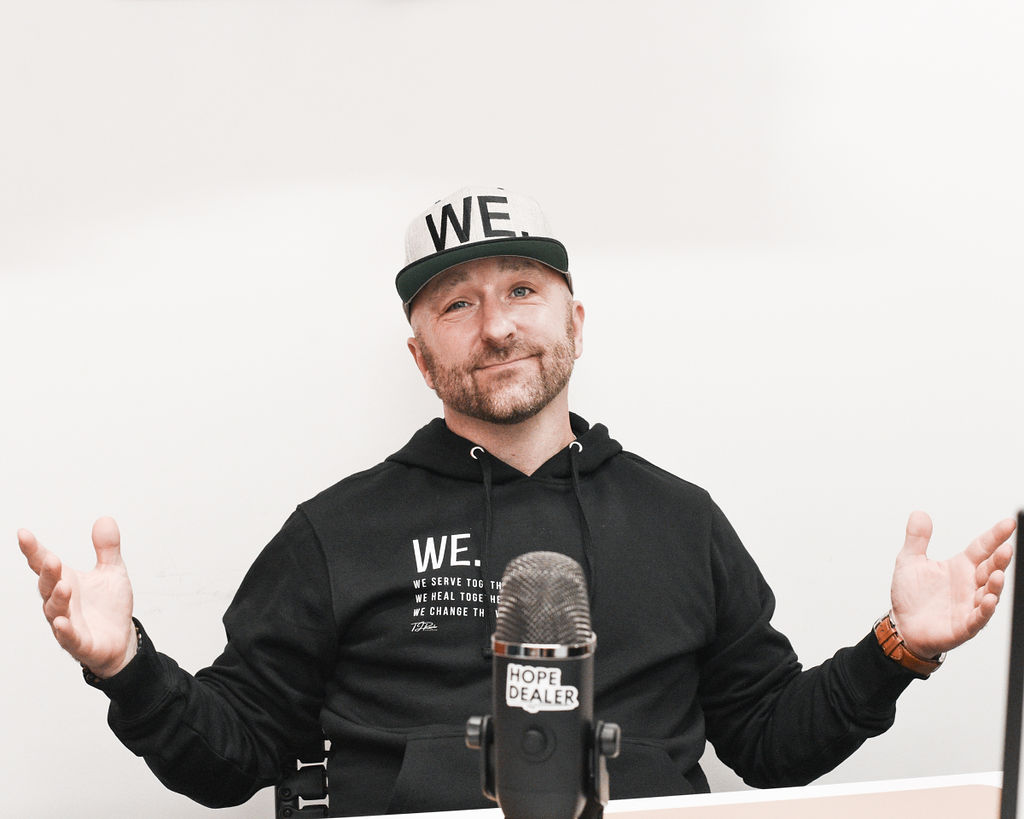
Today we’d like to introduce you to TJ Rumler.
Hi TJ, we’re thrilled to have a chance to learn your story today. So, before we get into specifics, maybe you can briefly walk us through how you got to where you are today?
My path to this work has definitely not been a straight line, but looking back, there is a pretty clear thread running through all of it: I have always been interested in people, what shapes us, and what helps us grow.
I am an Army veteran and served in Iraq, and that experience became one part of a much larger journey of trying to understand trauma, resilience, relationships, and the ways our environments affect who we become. Eventually, that journey led me to social work and clinical practice.
As a therapist, I became especially interested in trauma, neuroscience, relationships, and human development. But I also started noticing something beyond the therapy room. Many of the things we understand about people clinically have enormous implications for schools, nonprofits, workplaces, youth programs, and communities. How we respond to stress matters. Whether people feel safe and connected matters. The relationships we build matter. And sometimes organizations have access to really good information without having enough help translating that information into what people actually do on Monday morning.
That realization is a big part of how TJ Rumler Consulting grew.
It started fairly organically. I was working full-time while doing trainings, speaking engagements, and consulting on the side. Organizations began inviting me to help their teams better understand trauma, resilience, restorative practices, mental health, relationships, and how those ideas show up in everyday interactions. Over time, the work continued to grow, largely through relationships and referrals.
What I discovered is that I really love standing at the intersection of clinical knowledge and real-world practice. I enjoy taking ideas that can sometimes feel complicated or academic and helping people say, “Okay, I understand this now. What do we actually do differently because we know it?”
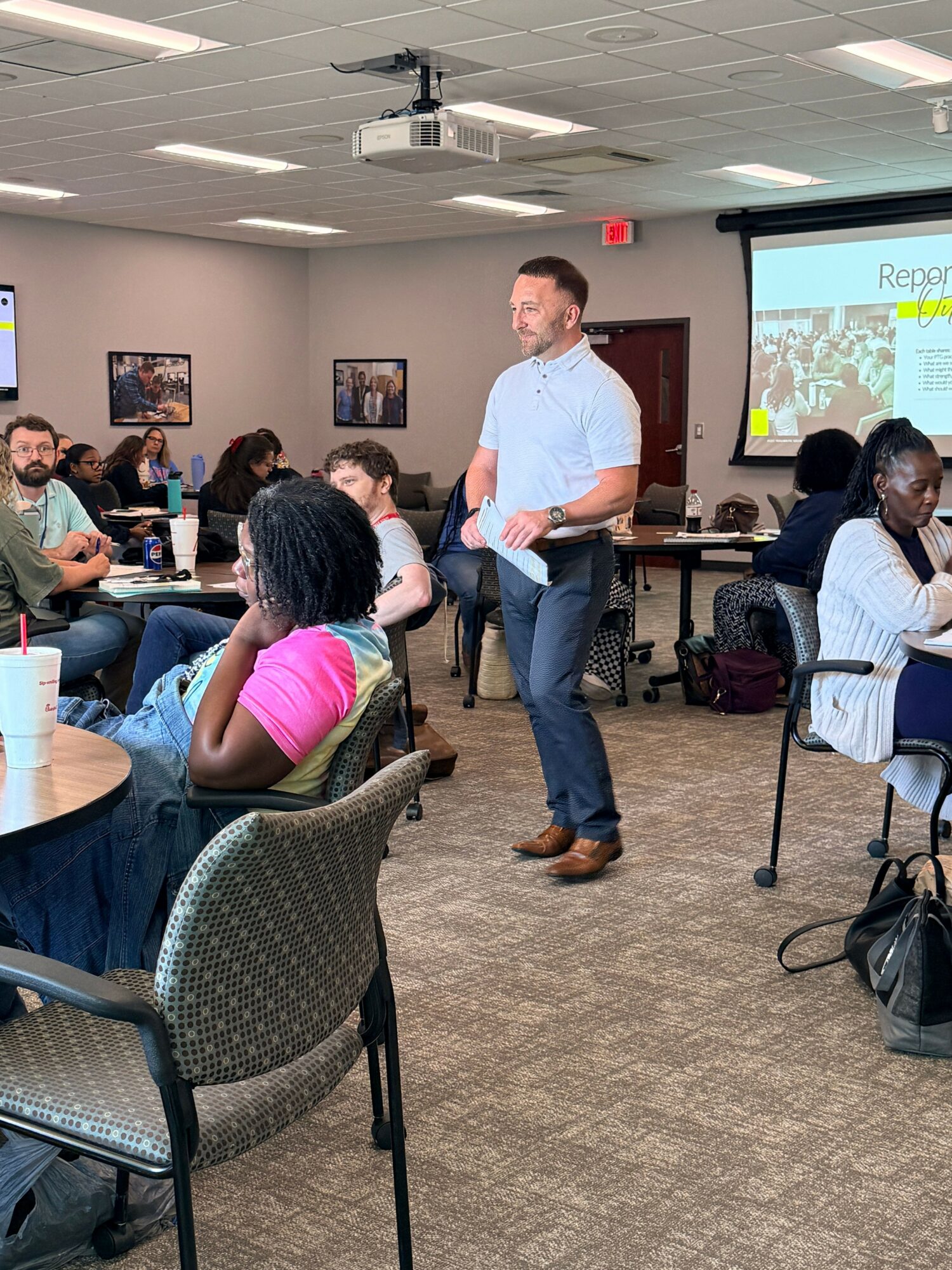
Today, TJ Rumler Consulting works primarily with schools, nonprofits, youth-serving organizations, and community partners through professional development, training, consultation, and speaking. At the same time, I continue to practice as a therapist because staying connected to people directly keeps the work grounded.
The philosophy underneath all of it is pretty simple: people make more sense when we understand them in context. Behavior has a story. Healing happens in relationships. Resilience can be developed. And whether we are talking about a therapy office, a classroom, a leadership team, or an entire organization, we tend to do better when people feel seen, supported, challenged, and connected.
So while the business has grown quite a bit from where it started, the goal really has not changed. We are trying to help people understand humans better and then build relationships, practices, and systems that reflect that understanding.
Would you say it’s been a smooth road, and if not what are some of the biggest challenges you’ve faced along the way?
It definitely has not been a perfectly smooth road, although some of the biggest challenges have been less about one major obstacle and more about learning how to grow into a role I never really expected to have.
For a long time, TJ Rumler Consulting existed alongside full-time clinical work. I loved the consulting, training, and speaking, but there were only so many hours in a week. That meant there were opportunities I could not pursue, ideas I could not fully develop, and parts of the business that stayed in the “when I have time” category much longer than I wanted.
One of the biggest transitions has been learning that being good at the work and building a sustainable business around the work are two different skill sets. I was trained to be a social worker and therapist, not necessarily an entrepreneur. Things like pricing, marketing, systems, contracts, financial planning, and deciding where to invest limited time and resources have all required learning.
There has also been a personal challenge around visibility. My natural instinct is to focus on the work and let the work speak for itself. But eventually I realized that if people do not know what we offer, who we serve, or how we can help, then the people and organizations who might benefit from the work may never find us. Learning to talk about the business without feeling like I am constantly “selling” has been part of the growth process.
And probably the biggest challenge now is figuring out how to grow without losing what made the work meaningful in the first place. I want the business to be financially sustainable, but I also want to remain accessible to schools, nonprofits, community organizations, and people who may not always have large budgets. I do not want growth to come at the expense of relationships, quality, or mission.
So there have absolutely been challenges, but most of them have also forced me to get clearer about what I value, what kind of organization I want to build, and what success actually means to me.
Great, so let’s talk business. Can you tell our readers more about what you do and what you think sets you apart from others?
TJ Rumler Consulting helps schools, nonprofits, healthcare organizations, youth-serving programs, and community organizations better understand people and turn that understanding into practical change.
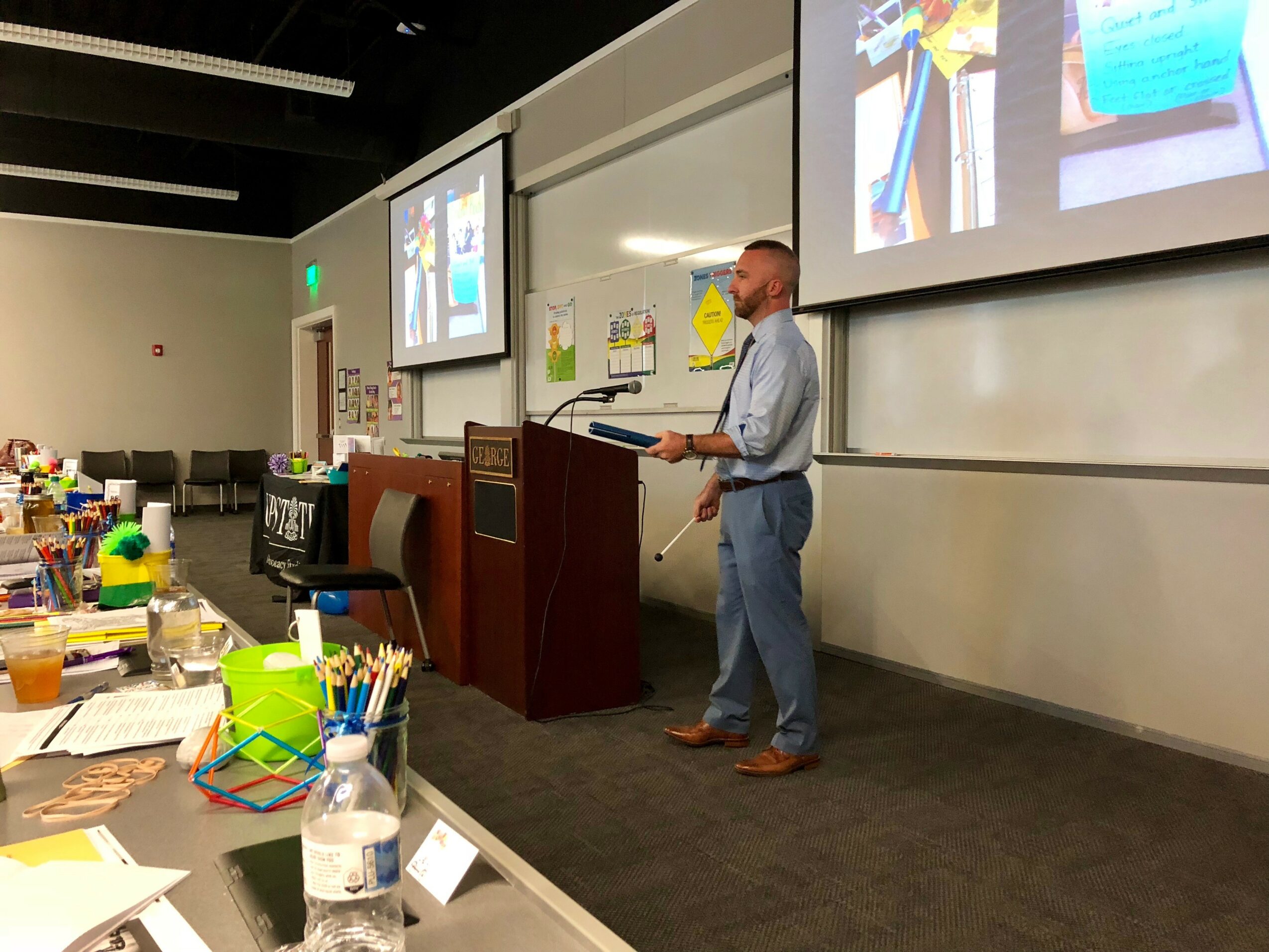
A lot of our work sits at the intersection of trauma-informed care, mental health, resilience, restorative practices, relationships, leadership, and human development. We provide professional development, workshops, consultation, keynote speaking, facilitated conversations, and other learning experiences designed around the needs of the organization.
One thing that sets us apart is that I do not want people to leave a training with twenty pages of notes and no idea what to do differently tomorrow.
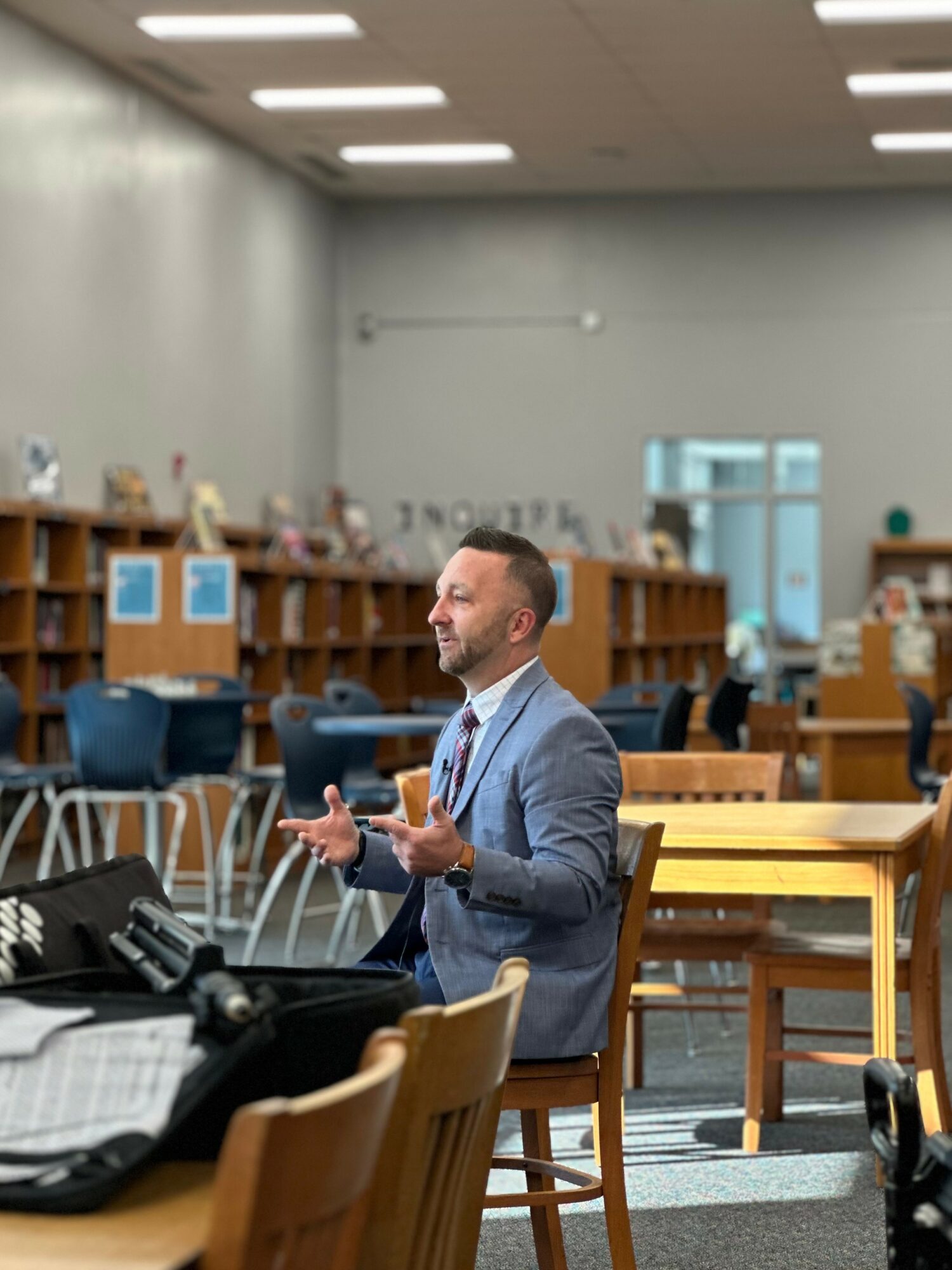
There is a tremendous amount of research available about trauma, the brain, relationships, stress, belonging, and resilience. Our job is to help translate that research into something useful. What does this mean for the teacher trying to respond to a student who has shut down? For the supervisor navigating conflict on a team? For the youth worker trying to hold both compassion and accountability? For an organization trying to create an environment where people can actually thrive?
That practical translation is probably what we are becoming best known for.
We also try hard not to approach organizations with a deficit mindset. We are not coming in assuming people do not care or that an organization is broken and needs an outside expert to fix it. Most of the people we work with are already doing incredibly difficult work and bringing tremendous strengths to it. Our role is to create space to learn together, examine what the research tells us, practice new skills, and build on what is already working.
That also means our trainings are highly relational and interactive. We use storytelling, discussion, reflection, case examples, neuroscience, activities, and sometimes a little humor or pop culture to make complex ideas easier to understand and remember. Whenever possible, the experience is customized to the actual challenges and goals of the organization rather than delivering the exact same presentation everywhere we go.
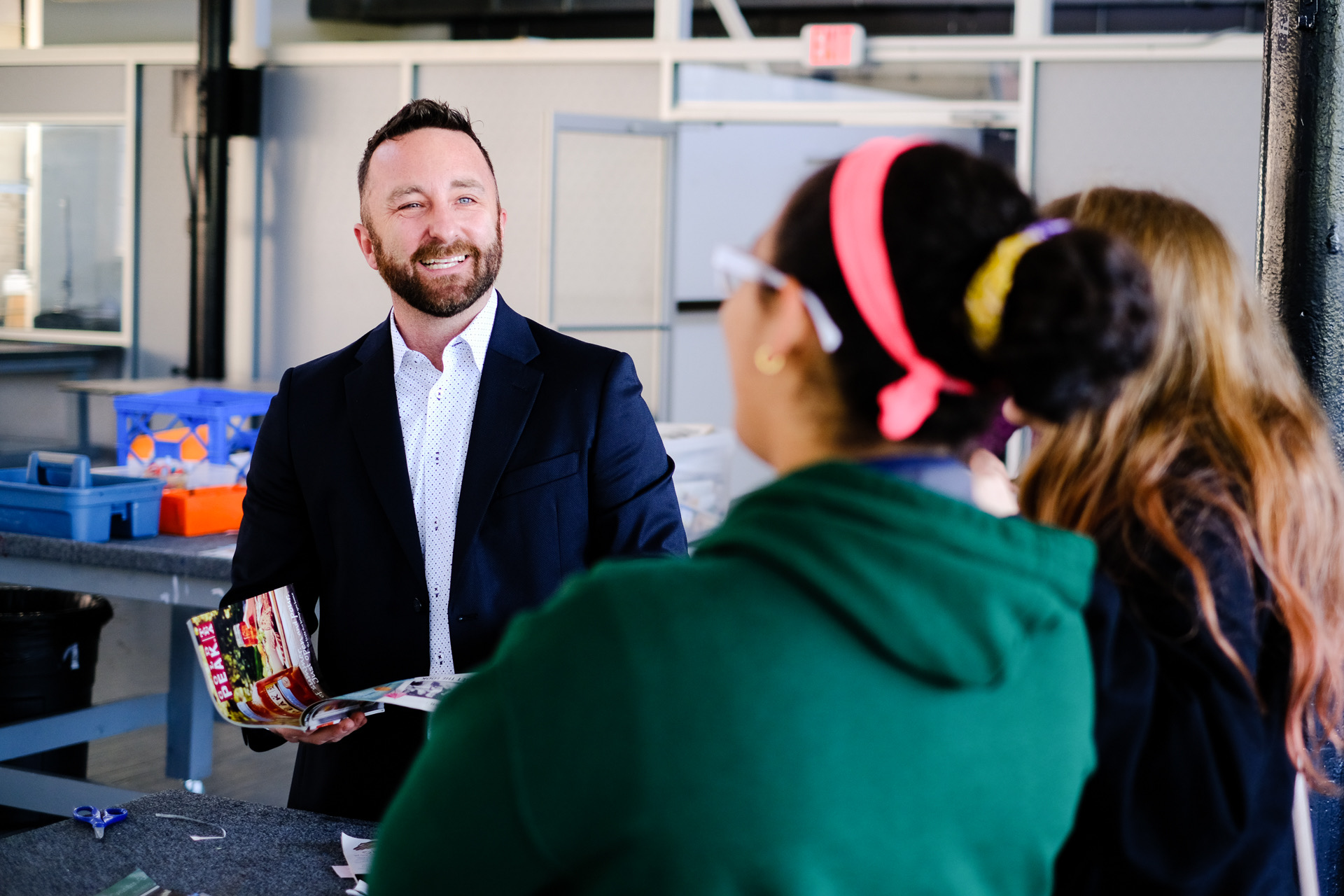
I am especially proud of the relationships we have built. Much of our growth has happened because someone attended a training, saw me speak, or worked with us directly and then invited us into another space. To me, that kind of trust means more than simply getting another contract.
I am also proud that we are building the company in a way that keeps community impact at the center. I want schools, nonprofits, community organizations, and youth-serving programs to have access to high-quality training and support, including organizations that may not always have the largest professional development budgets.
Ultimately, the goal is not simply to teach people more about trauma or mental health. It is to help organizations understand humans better and then ask a harder question: If we know this about people, what should we do differently because of it?
That is where I think real change starts.
Is there a quality that you most attribute to your success?
Curiosity has probably been the most important quality in my success.
A lot of my work begins with resisting the urge to assume we already understand what is happening. Whether I am sitting with a therapy client, working with a group of educators, facilitating a leadership team, or trying to grow a business, I have learned that better questions usually lead to better outcomes.
Curiosity is what moves us from “What is wrong with this person?” to “What might have happened, and what are they communicating?” It helps us look beyond behavior, challenge our own assumptions, and understand people in context.
It has also shaped how I approach my own growth. I genuinely enjoy learning. I am constantly reading, studying research, listening to people with different experiences, and asking how ideas from neuroscience, psychology, relationships, leadership, education, and even other fields might connect.
And I think curiosity helps keep me humble. The goal is never to walk into a room believing I have all the answers. Some of the best work happens when we bring what we know, listen carefully to what others know, and figure something out together.
So if I had to choose one characteristic, it would be curiosity: the willingness to keep asking questions, keep learning, and remain open to seeing people and problems differently than I did before.
Contact Info:
- Website: https://tjrumler.com/
- Instagram: https://www.instagram.com/tjrumlerconsulting
- Facebook: https://www.facebook.com/103652102474852
- LinkedIn: https://www.linkedin.com/company/tjrumlerconsulting/?viewAsMember=true
- Youtube: https://www.youtube.com/channel/UCMKGAqkGn4tXwFNf_ohc3uA