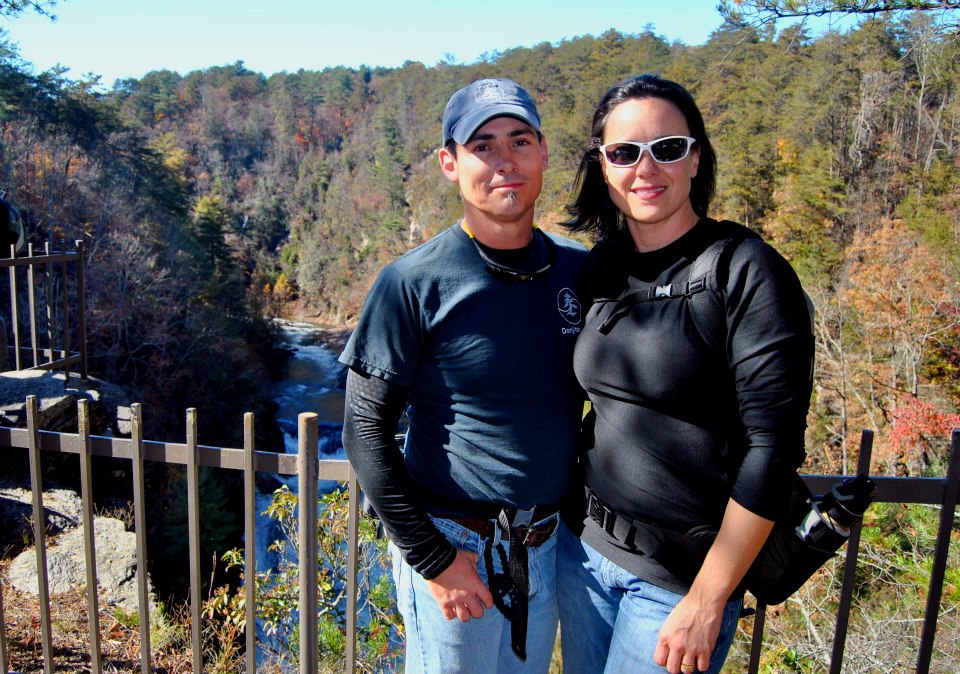
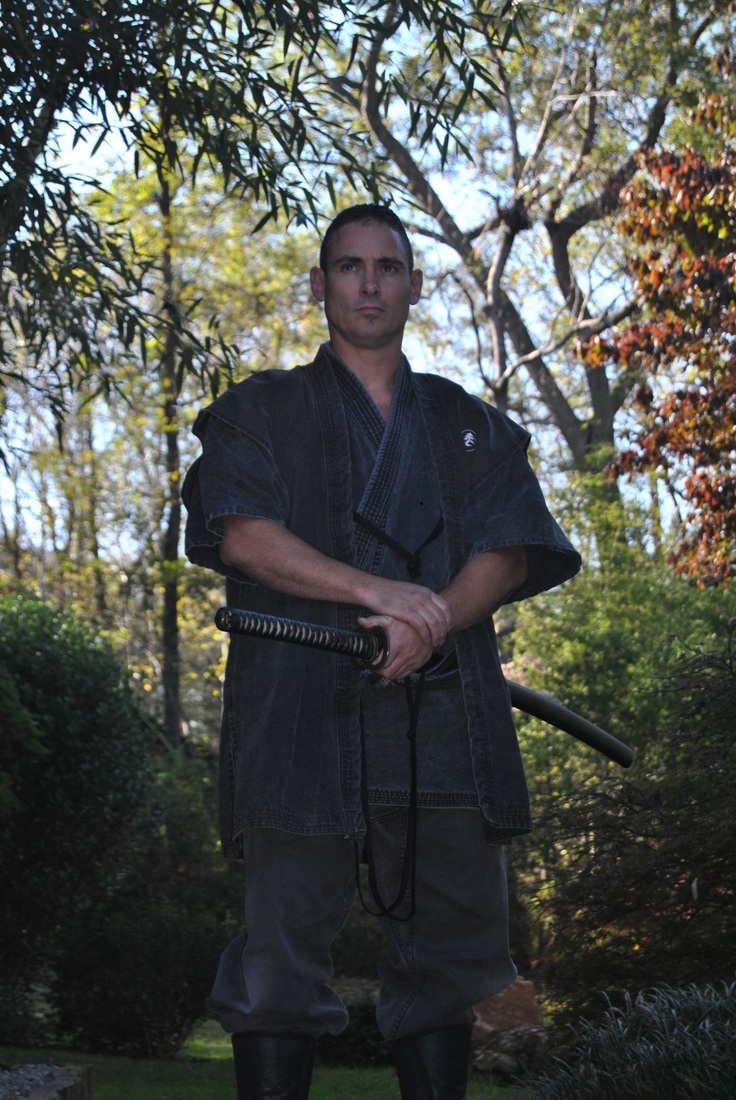
Today we’d like to introduce you to Don Ogle.
Hi Don, we’re thrilled to have a chance to learn your story today. So, before we get into specifics, maybe you can briefly walk us through how you got to where you are today?
I began training in martial arts in 1980, when I was a young man looking for discipline, direction, and a deeper understanding of myself. I was never interested in competition — I wanted something deeper and more real. Over time, my study of martial arts showed me that many systems had gaps and weren’t truly suited for self‑defense. Real‑world violence doesn’t follow rules, and I wanted a method that prepared people for reality, not just tradition.
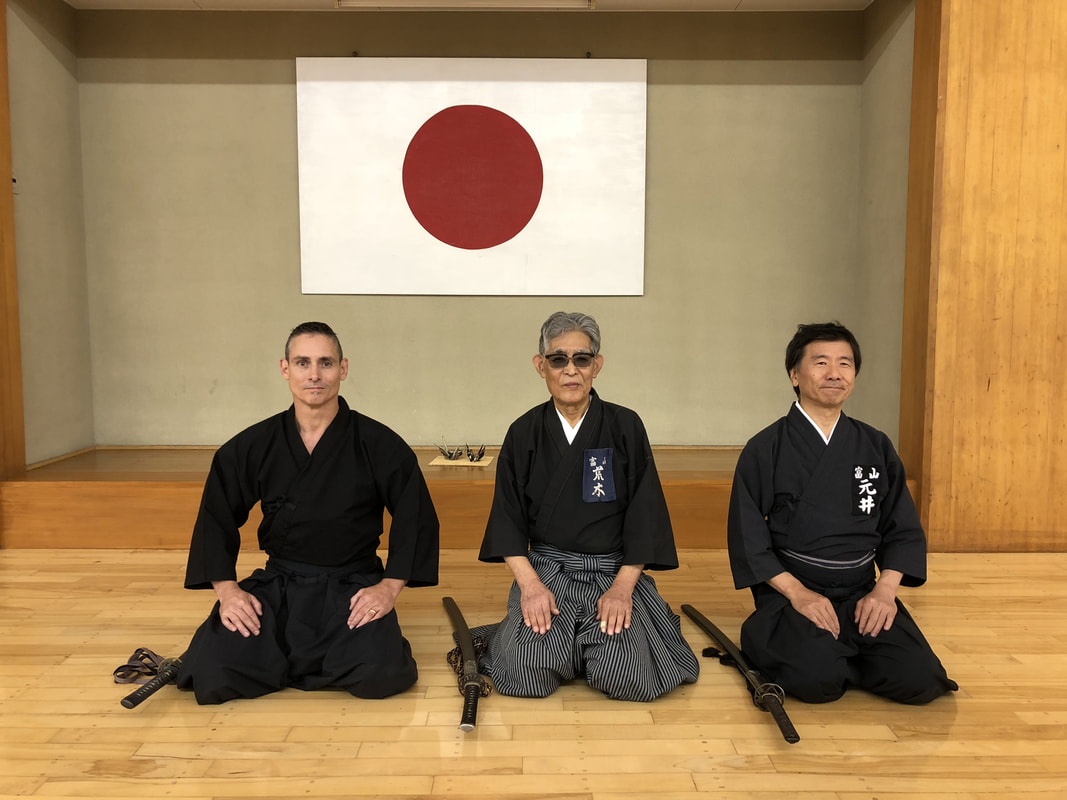
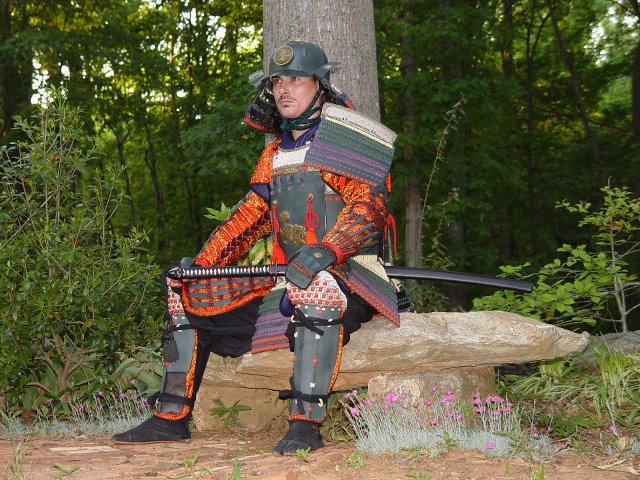
In 1993, I founded Donjitsu Do. I’m 58 now, and the dojo has remained exactly what I intended it to be — a private, traditional school focused on practical self‑defense, personal responsibility, and the mindset of budo. Donjitsu Do blends the philosophies of the samurai with the intelligence‑driven approach of the ninja, creating a system built for clarity, adaptability, and survival.
For more than three decades, I’ve kept the dojo small, disciplined, and personal. Students who train here learn more than techniques; they learn awareness, resilience, and who they are when things get difficult. That’s my story, and that’s the heart of my dojo.
I’m sure it wasn’t obstacle-free, but would you say the journey has been fairly smooth so far?
One of the biggest challenges I faced was building a system that wasn’t based on competition, belts, or trophies. Most people come from martial arts schools where rank and awards are the focus, and explaining a deeper, more serious approach took time and patience. I never wanted a sport‑driven school — I wanted something real, something that prepared people for the kind of violence that doesn’t follow rules.
Running a private dojo brings its own obstacles. I keep the school small and selective, which means I turn away far more people than I accept. That can be difficult, but protecting the culture, standards, and seriousness of the training is more important than filling classes. My students understand this. They rarely talk about their training outside the dojo because what we do isn’t for show, social media, or bragging rights. It’s personal, disciplined, and meant to be lived, not advertised.
Another challenge has been staying true to traditional budo in a world that constantly wants shortcuts. Real self‑defense requires discipline, consistency, and honesty — qualities not everyone is ready for. But the students who commit become stronger, more aware, and more capable than they ever expected. Those challenges are exactly what keep the dojo authentic, focused, and aligned with its purpose.
Alright, so let’s switch gears a bit and talk business. What should we know about your work?
My creative work is expressed through the dojo itself. Donjitsu Do is a system I built from the ground up — every technique, principle, and training method shaped with intention, discipline, and respect for traditional budo. I don’t follow commercial trends or trophy‑driven models; the art I teach is designed for clarity, survival, and real‑world self‑defense.
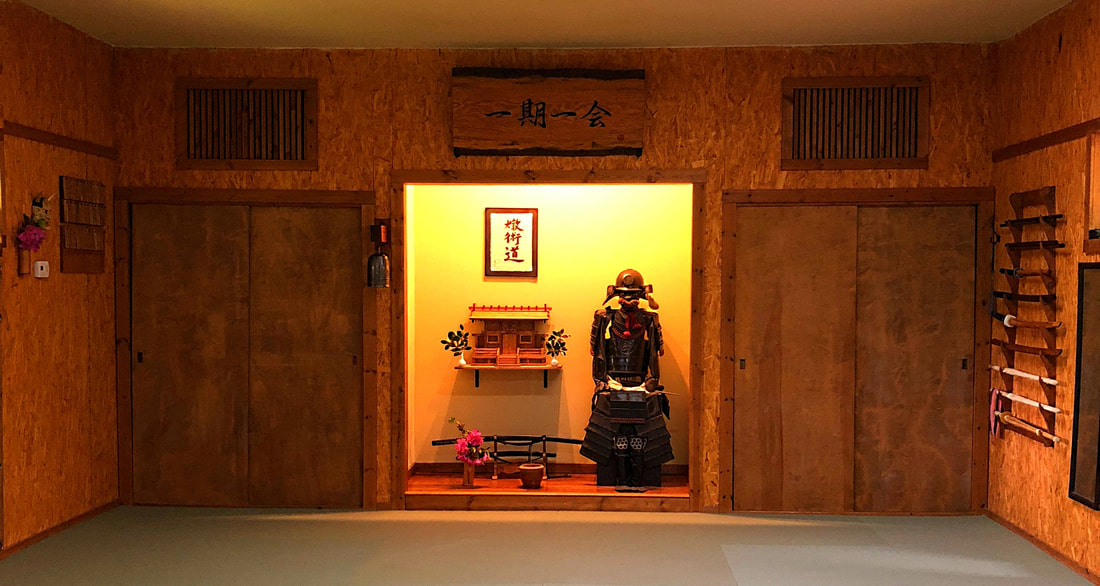
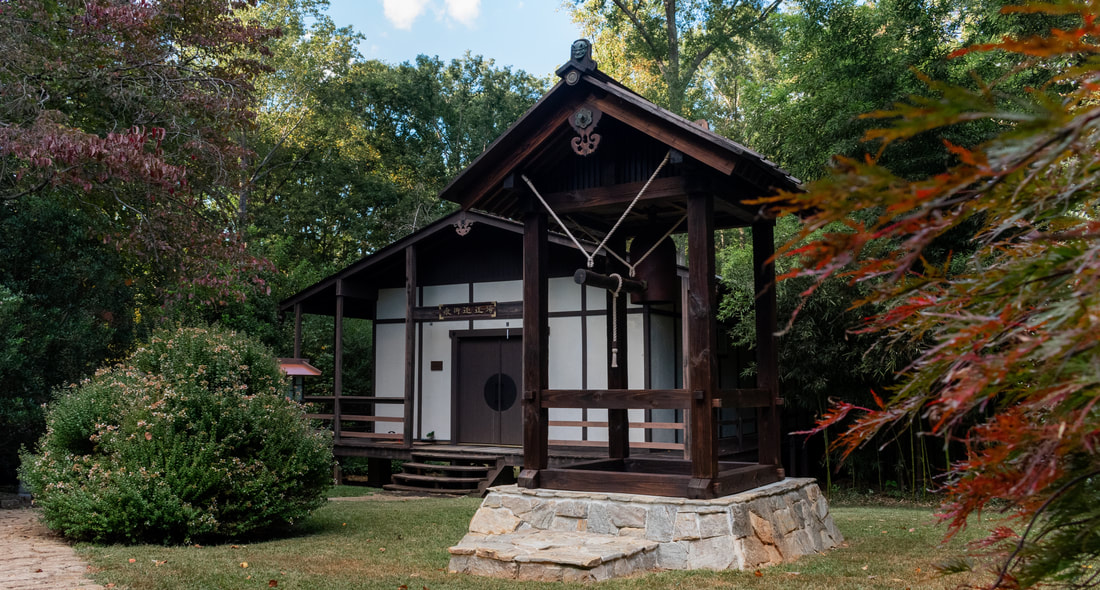
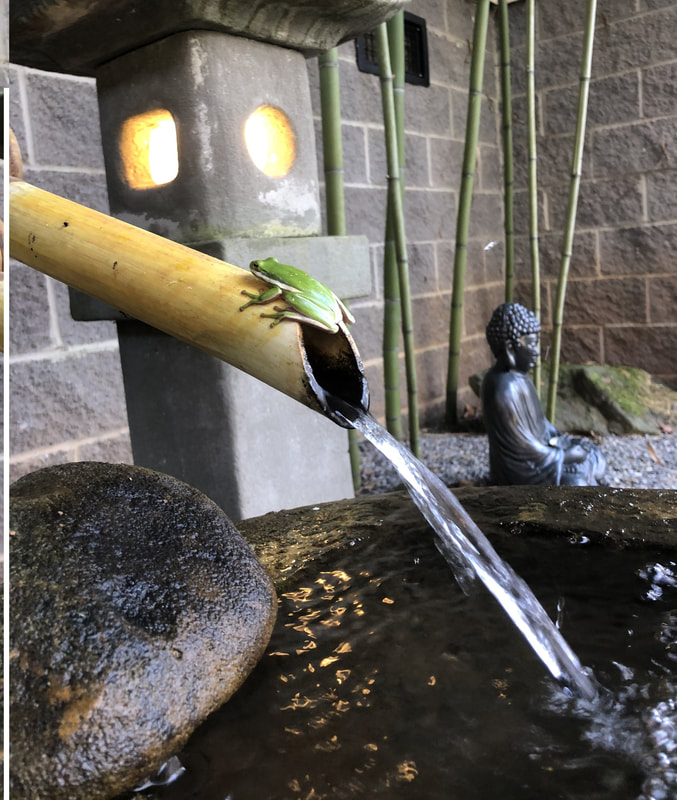
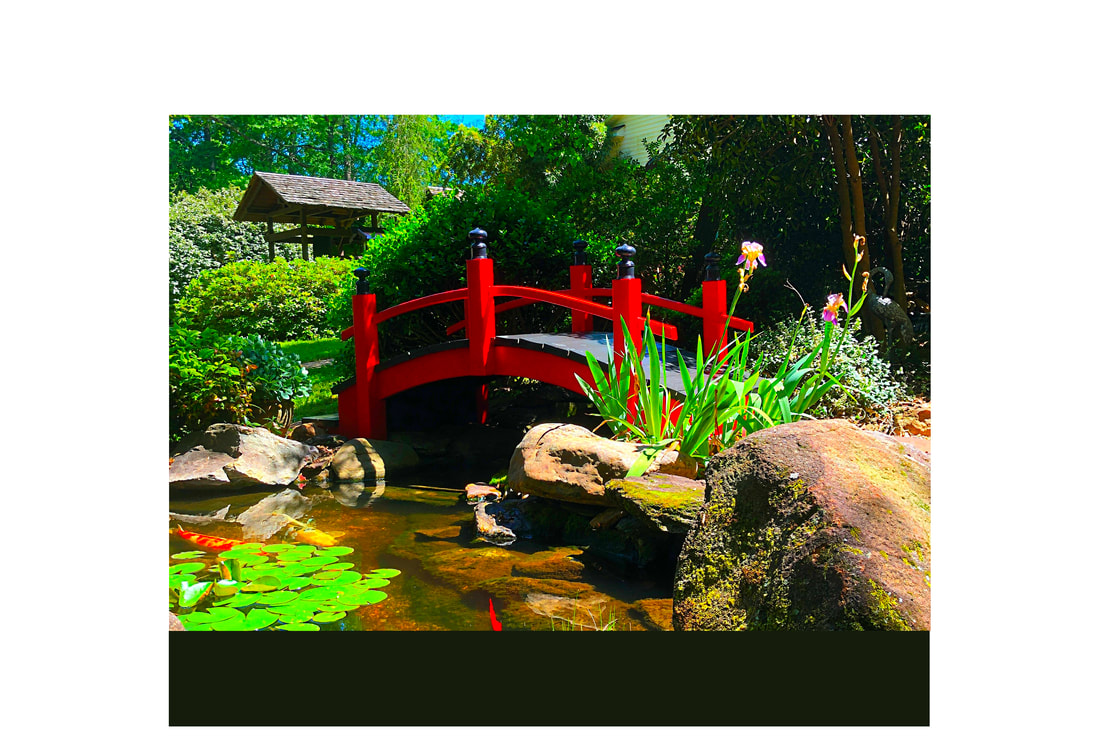
Part of that creative work has been building a traditional dojo environment, including a Japanese‑inspired garden that reflects the values of the school. I wanted a place that felt authentic, disciplined, and grounded — a place my students could be proud of. The dojo and garden together create a space that encourages focus, humility, and respect for the training.
Developing Donjitsu Do has been a lifelong artistic process. The culture, the standards, and the seriousness of the training are all part of that creation. Nothing here is accidental — the structure of the school, the way classes are taught, and the expectations placed on students are all crafted with purpose.
The dojo is not just a place to train; it’s a living piece of art shaped over decades. My work as a martial artist is creative in the truest sense: I’ve built a system and a school that help people understand themselves, face difficulty with awareness, and develop strength that goes far beyond technique. Donjitsu Do is my art, and the dojo is where that art lives.
Is there something surprising that you feel even people who know you might not know about?
Something that often surprises people who know my dojo or my martial arts work is how much of my life is spent creating art. I’ve been making my own pieces for many years, quietly and privately, long before anyone outside the dojo ever saw them. It was actually the support and encouragement of my students that pushed me to take that work seriously and turn it into a second business: Garden Echoes of Japan.
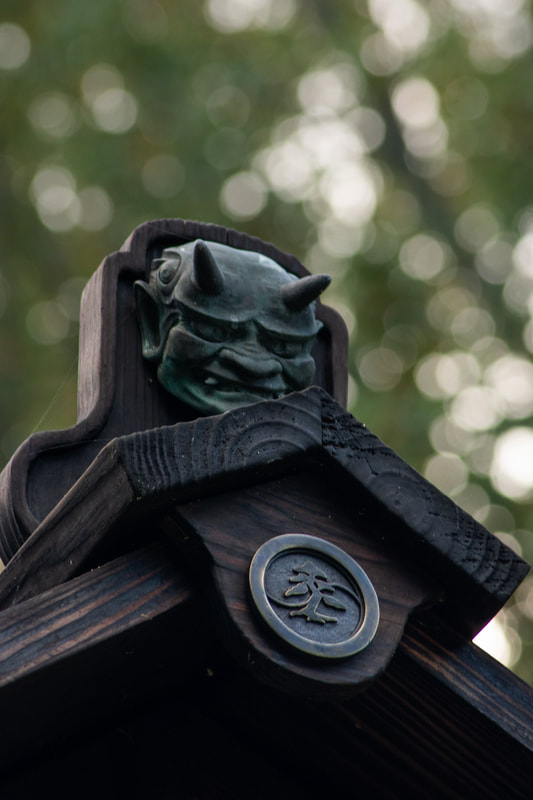
For me, the craft is personal. I cast metal, carve wood, design traditional hardware, and build Japanese‑inspired garden elements that feel like they belong in a temple or an old garden in Kyoto. Nothing I make is mass‑produced. Every piece is shaped slowly and intentionally, with the same mindset I expect from my students — breathe, focus, and let the work reveal itself.
Most people don’t expect that connection between the dojo and the art, but they come from the same place in my life. The dojo taught me discipline, awareness, and how to build something that lasts. The craft taught me patience, precision, and how to create beauty through effort. Both paths have shaped who I am. Whether it’s a student learning a technique or a garden bell ringing in someone’s home, the work is meaningful — and that’s what ties it all together.
Contact Info:
- Website: https://www.donjitsudodojo.com/