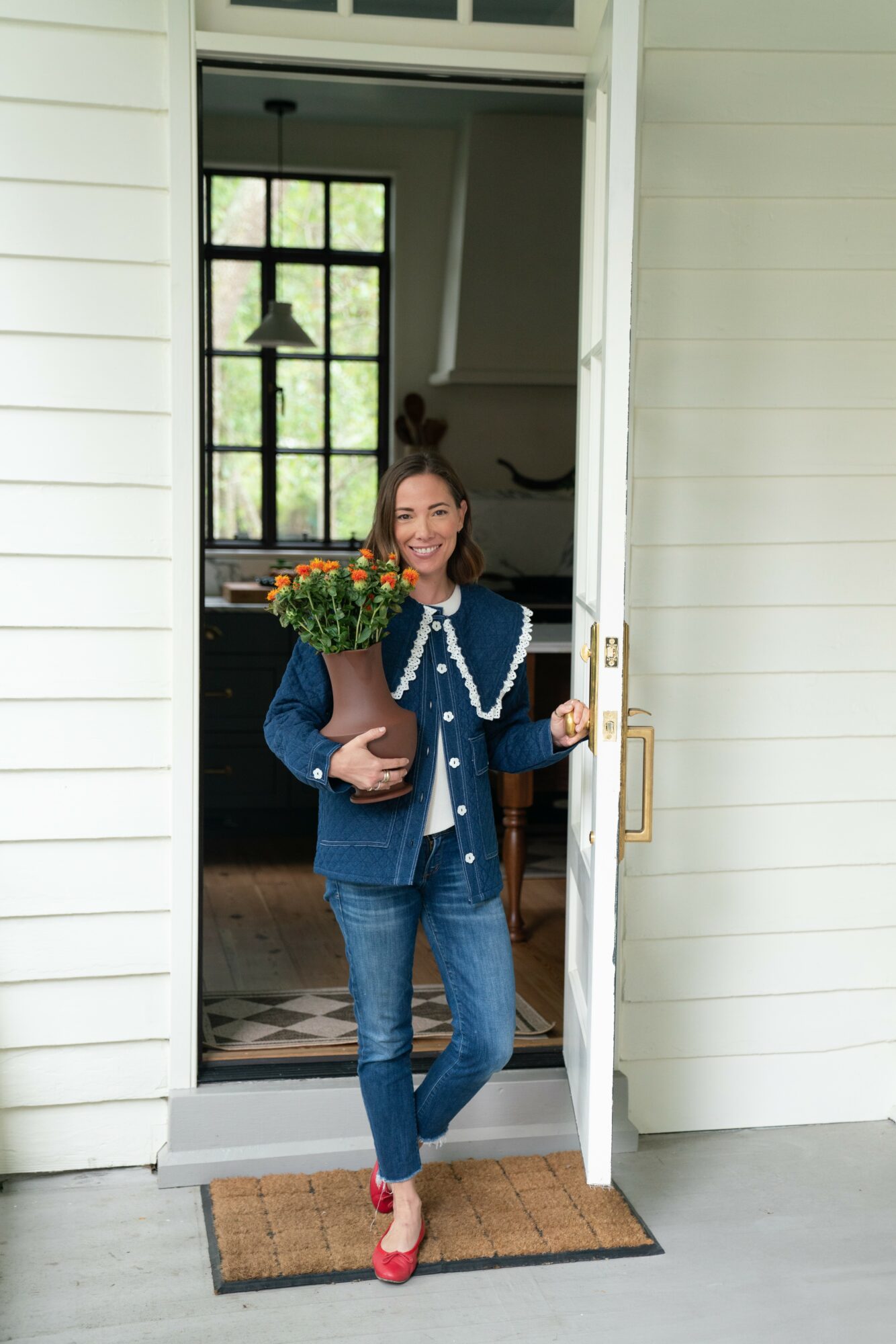
Today we’d like to introduce you to Emily Sanford.
Hi emily, can you start by introducing yourself? We’d love to learn more about how you got to where you are today?
I came to interiors somewhat indirectly. I spent over a decade in fashion in New York, working in brand and communications, and that experience really shaped how I think about design. I was constantly observing how a point of view gets expressed across every layer, not just in a single moment, but in the full identity.
My time working at Tibi was especially formative. I’ve always thought of Amy Smilovic as a true authority on proportion, she has even built an entire framework around it (get her book if you don’t already have it!). I had a front row seat to that way of thinking for years. The brand was in a period of transition, moving away from a more expected, feminine identity that defined much of the contemporary market at the time. There was a real rigor in how everything was considered, scale, proportion, color, and how a woman actually lives in her clothes day to day. Whether she is running up subway stairs, on the sidelines of a soccer game, or in a boardroom, the clothing had to work. Being part of that process felt like a kind of masterclass, and it has stayed with me.
I came to interiors somewhat indirectly. I spent over a decade in fashion in New York, working in brand and communications, and that experience really shaped how I think about design. I was constantly observing how a point of view gets expressed across every layer, not just in a single moment, but in the full identity.
My time working at Tibi was especially formative. I’ve always thought of Amy Smilovic as a true authority on proportion, she has even built an entire framework around it (get her book if you don’t already have it!). I had a front row seat to that way of thinking for years. The brand was in a period of transition, moving away from a more expected, feminine identity that defined much of the contemporary market at the time. There was a real rigor in how everything was considered, scale, proportion, color, and how a woman actually lives in her clothes day to day. Whether she is running up subway stairs, on the sidelines of a soccer game, or in a boardroom, the clothing had to work. Being part of that process felt like a kind of masterclass, and it has stayed with me.
I took a lot of those learnings into a personal endeavor when we moved out of the city and bought a dutch colonial farmhouse. That experience shifted everything. It forced me to think about how spaces are actually used, not just how they look. That balance between utility and atmosphere became really important to me. I’ve never believed that comfort and style are at odds, whether in fashion or at home. The goal is always to create spaces that feel purposeful and authentic, and that genuinely support the way people live.
We moved to South Carolina during Covid, which offered an unexpected (in the best way possible) reset for my career. I spent the better of a year researching and building relationships with vendors and immersing myself in construction. I wanted to understand the process fully and to be fluent on a job site, not just conceptually but practically.
I try to create spaces that feel grounded and intuitive, where materials, proportion, and the interplay of color and light are doing most of the work. I’m always adjusting, adding a bit of tension, softening something else, trying to find that balance where a space has a point of view without feeling overly done. The spaces I love most have a quiet narrative to them. You can’t always name what it is, but you feel it the moment you walk in. That’s what I’m always chasing.
I’m about four years into this career pivot, and I’ve learned a lot along the way. I feel so lucky to work on homes rich in history in a place whose fabric is woven with it.
Can you talk to us a bit about the challenges and lessons you’ve learned along the way. Looking back would you say it’s been easy or smooth in retrospect?
Not entirely. Starting over in a new field, in a new city, without an existing client base or local reputation is humbling in ways you don’t fully anticipate. Fashion gave me a strong creative foundation, but the business of interior design, managing contractors, navigating procurement, understanding how a project actually moves from concept to installation, required building an entirely new fluency from scratch. The early years involved a lot of learning in real time. There were projects where I had to figure things out as I went, and moments where the gap between my creative instincts and my practical experience was more visible than I would have liked.
What kept me grounded was returning to what I knew: a strong point of view, an instinct for proportion and restraint, and a genuine belief that the process matters as much as the outcome. That through-line from fashion gave me confidence even when the practical side felt uncertain.
Can you tell our readers more about what you do and what you think sets you apart from others?
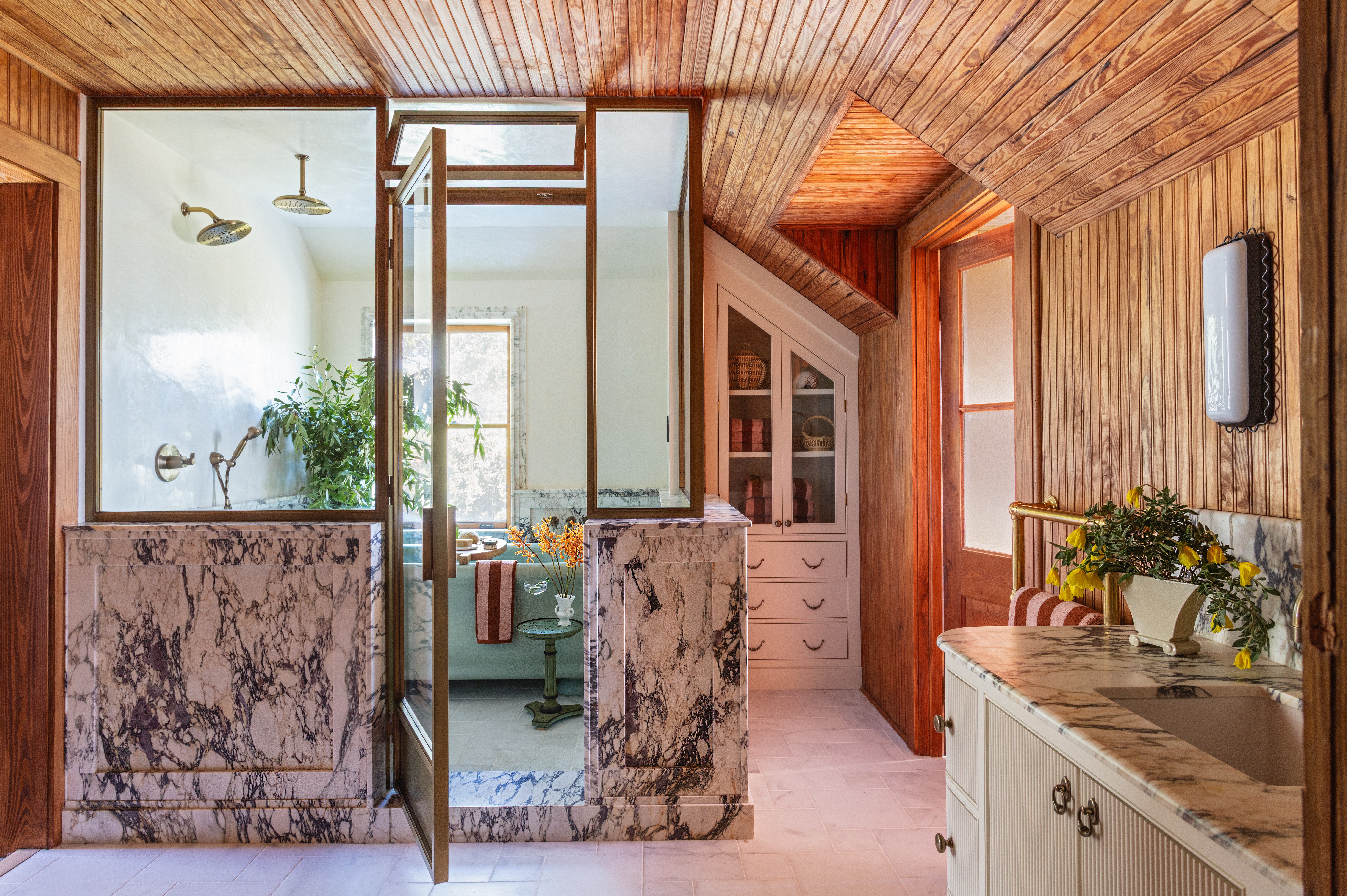
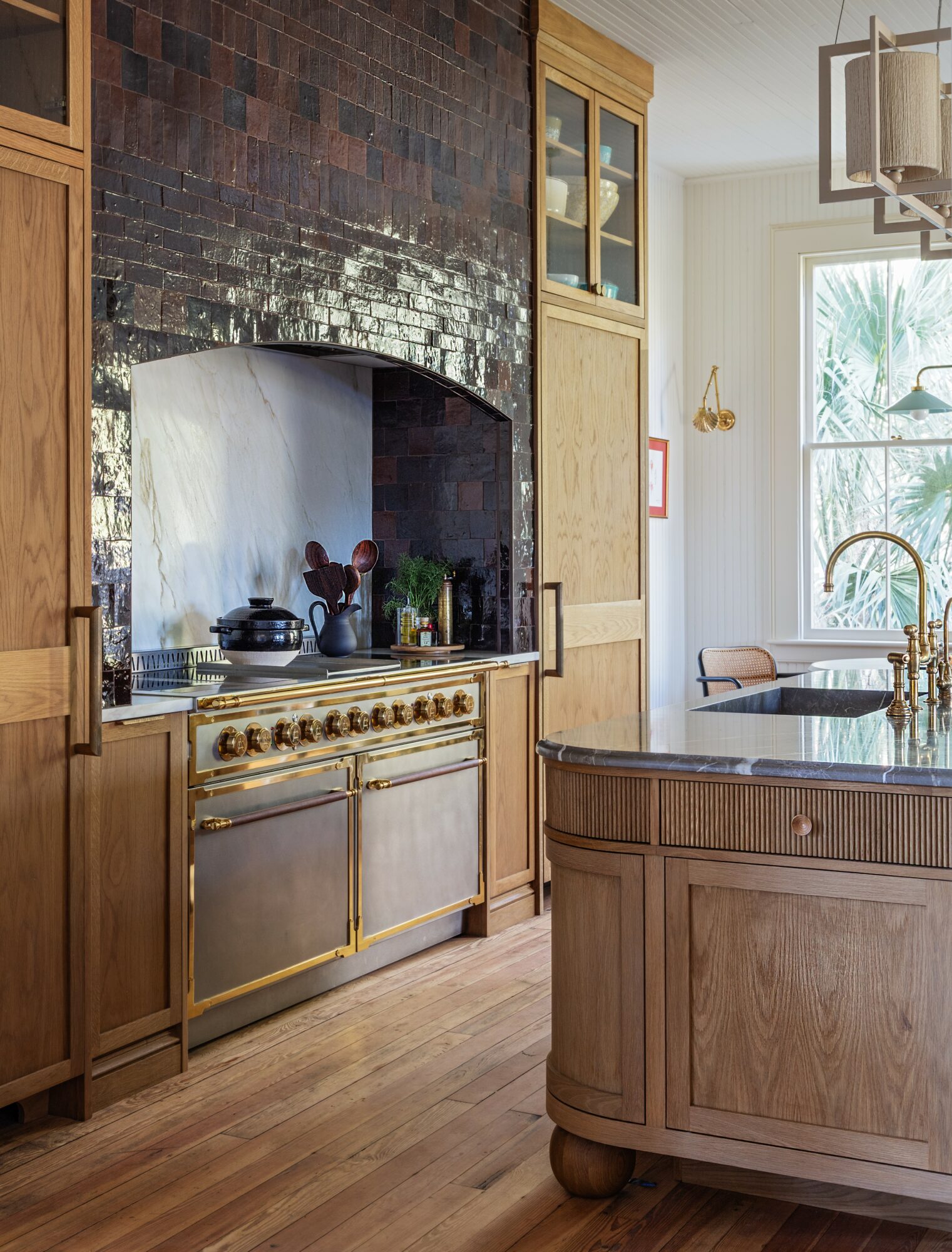
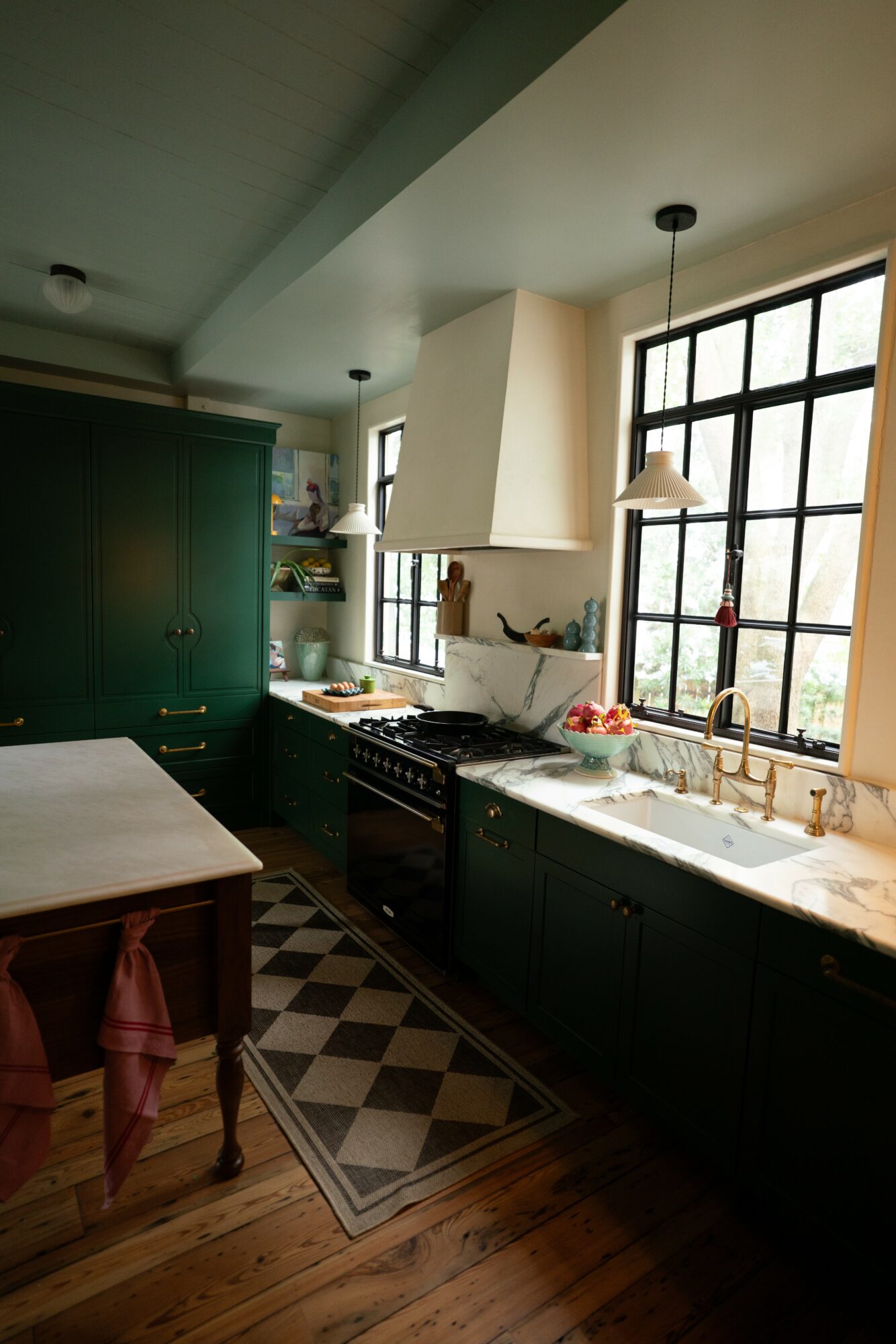
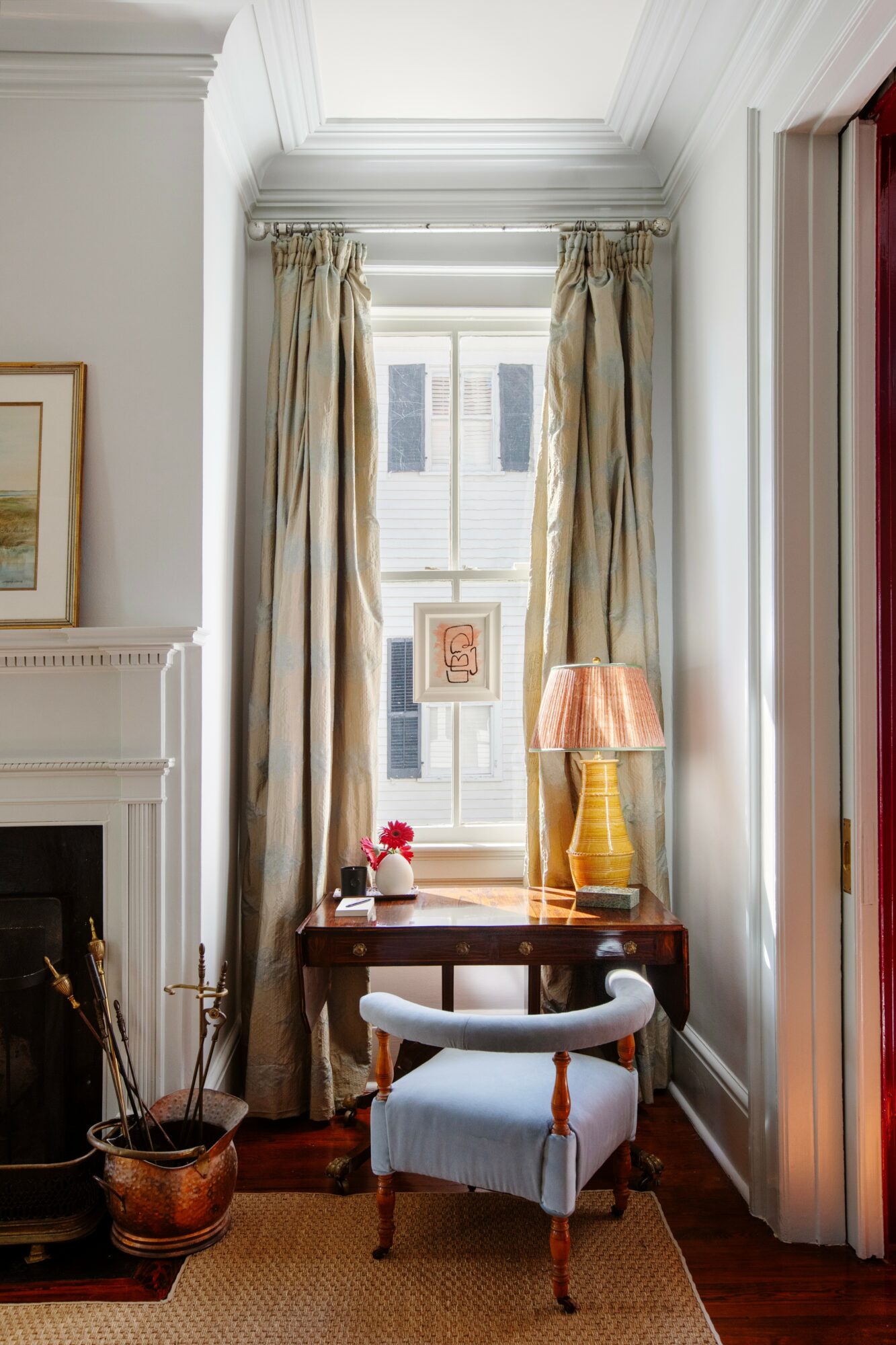
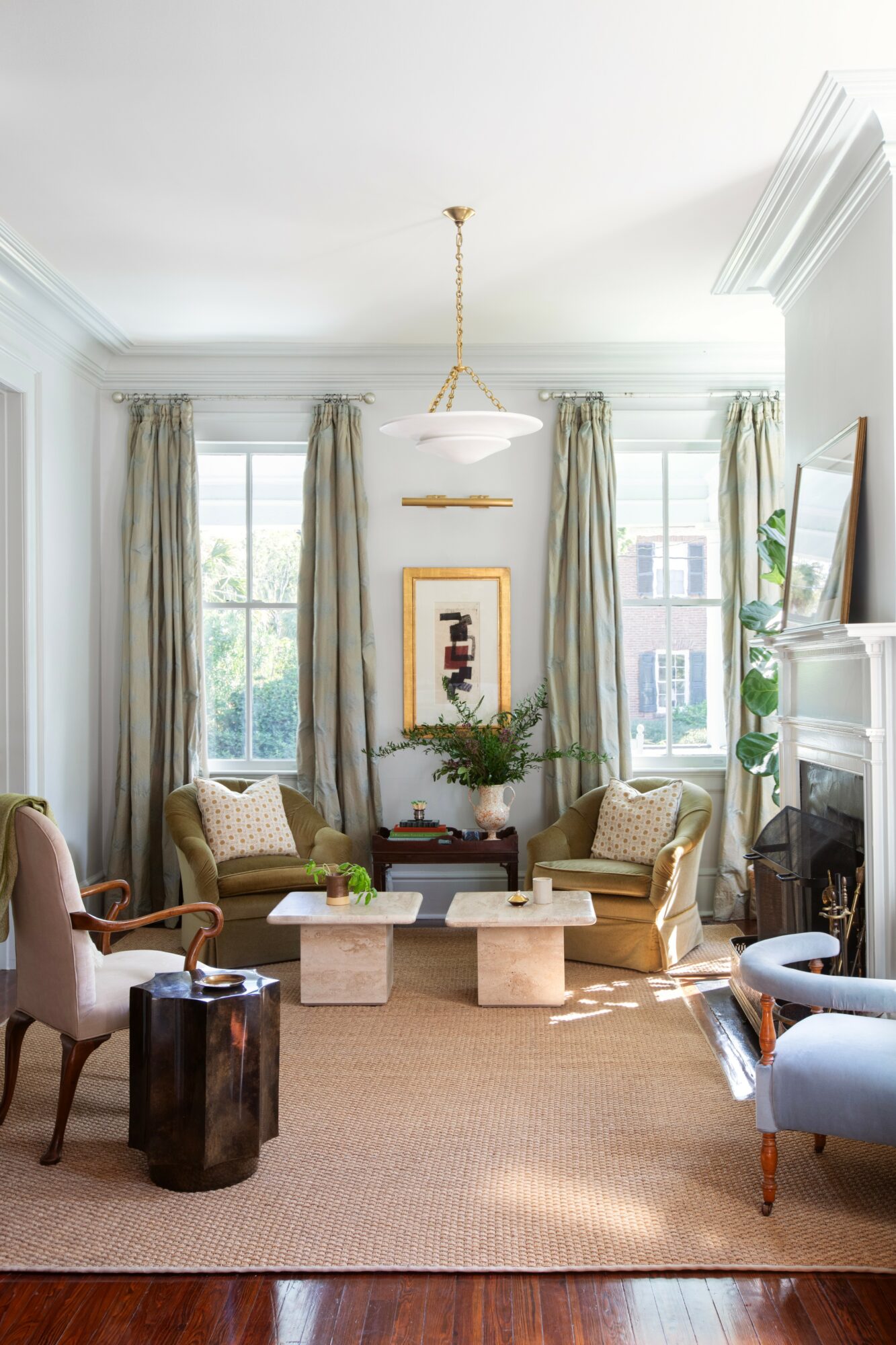
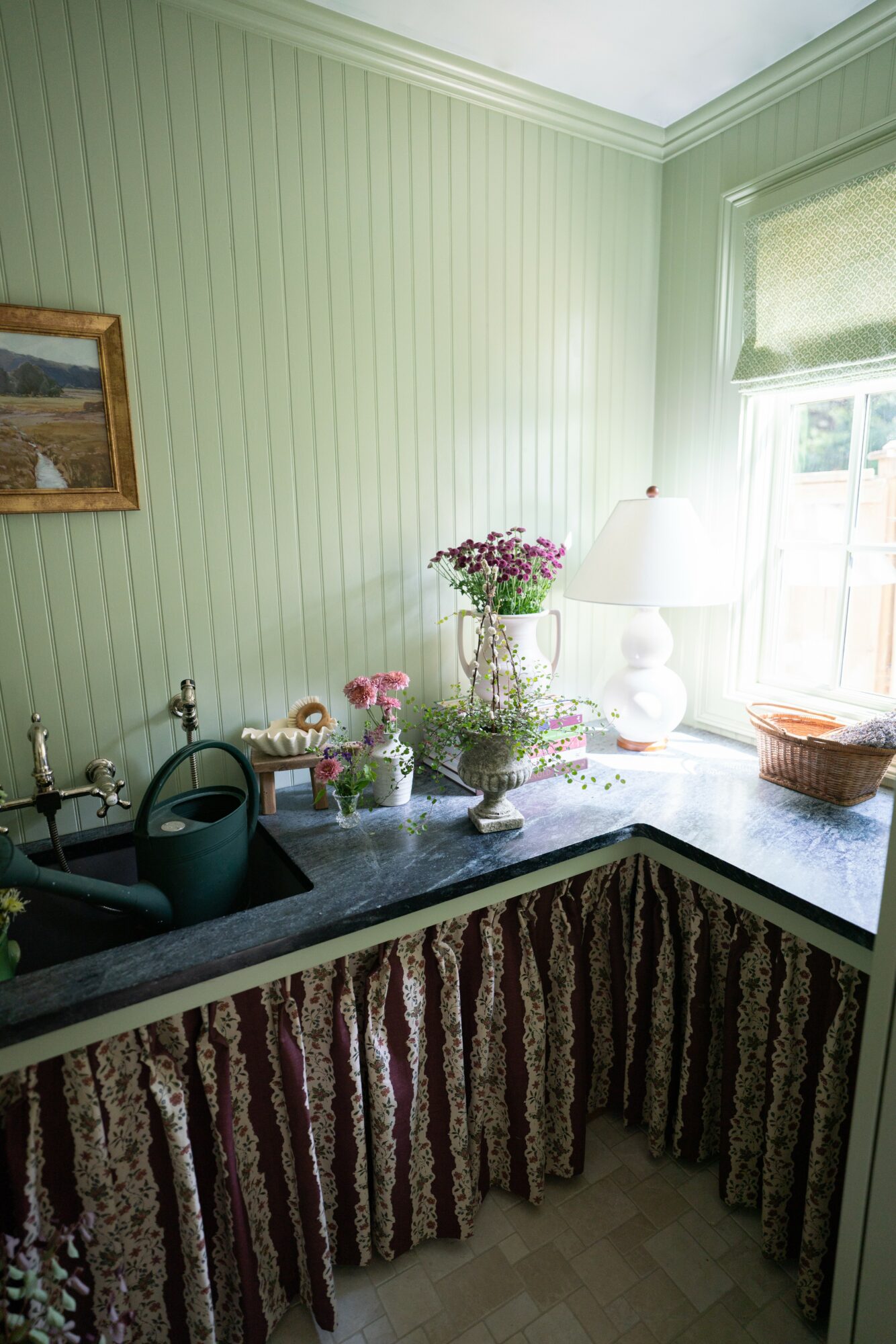
Sanford Collective is a full-service residential interior design studio, which means I stay with a project from the earliest stages of planning all the way through final installation and styling. My work spans historic renovations and thoughtful additions, particularly in Charleston’s South of Broad, the Old Village, and on Sullivan’s Island, as well as decorating and furnishings projects.
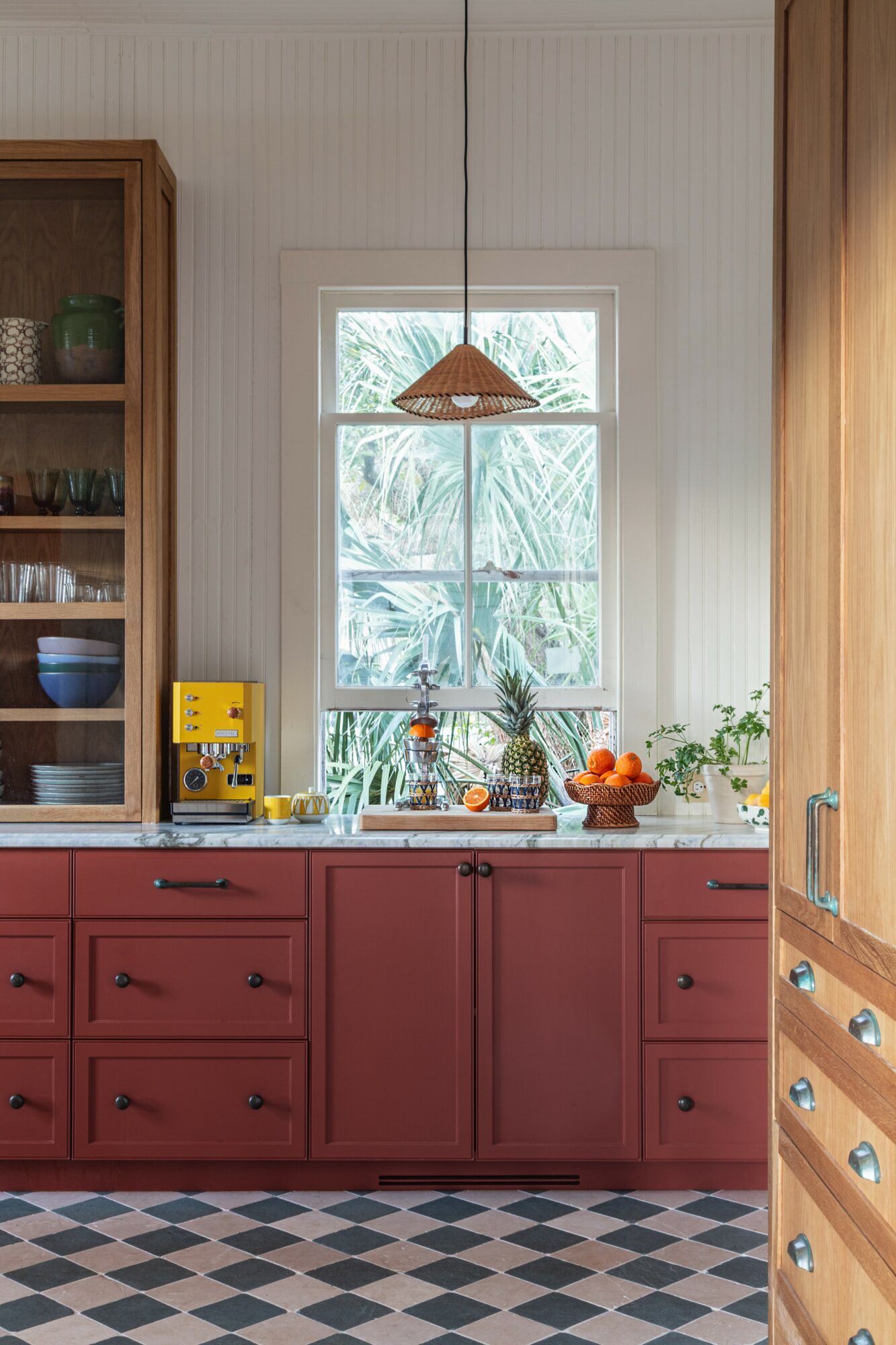
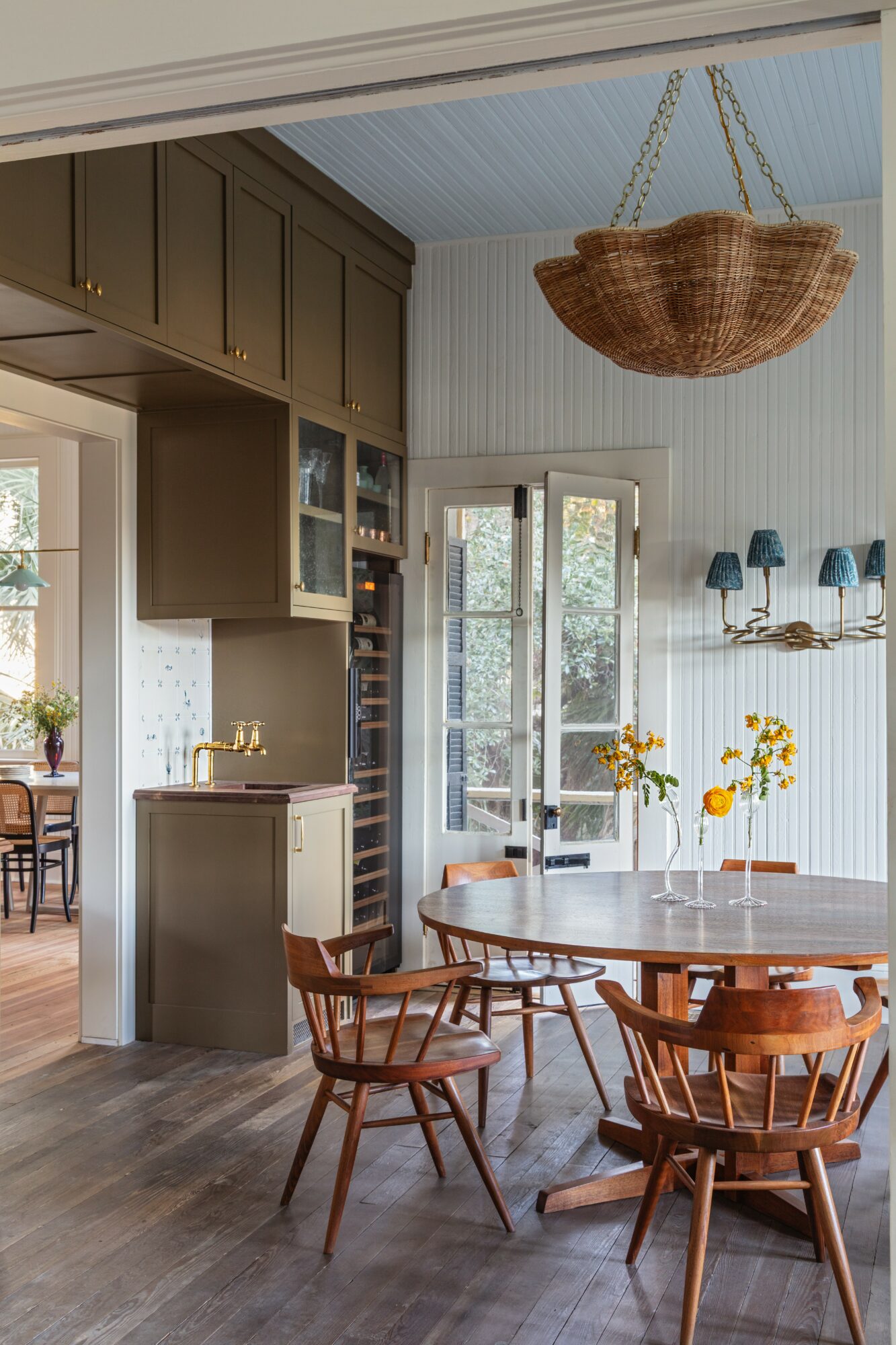
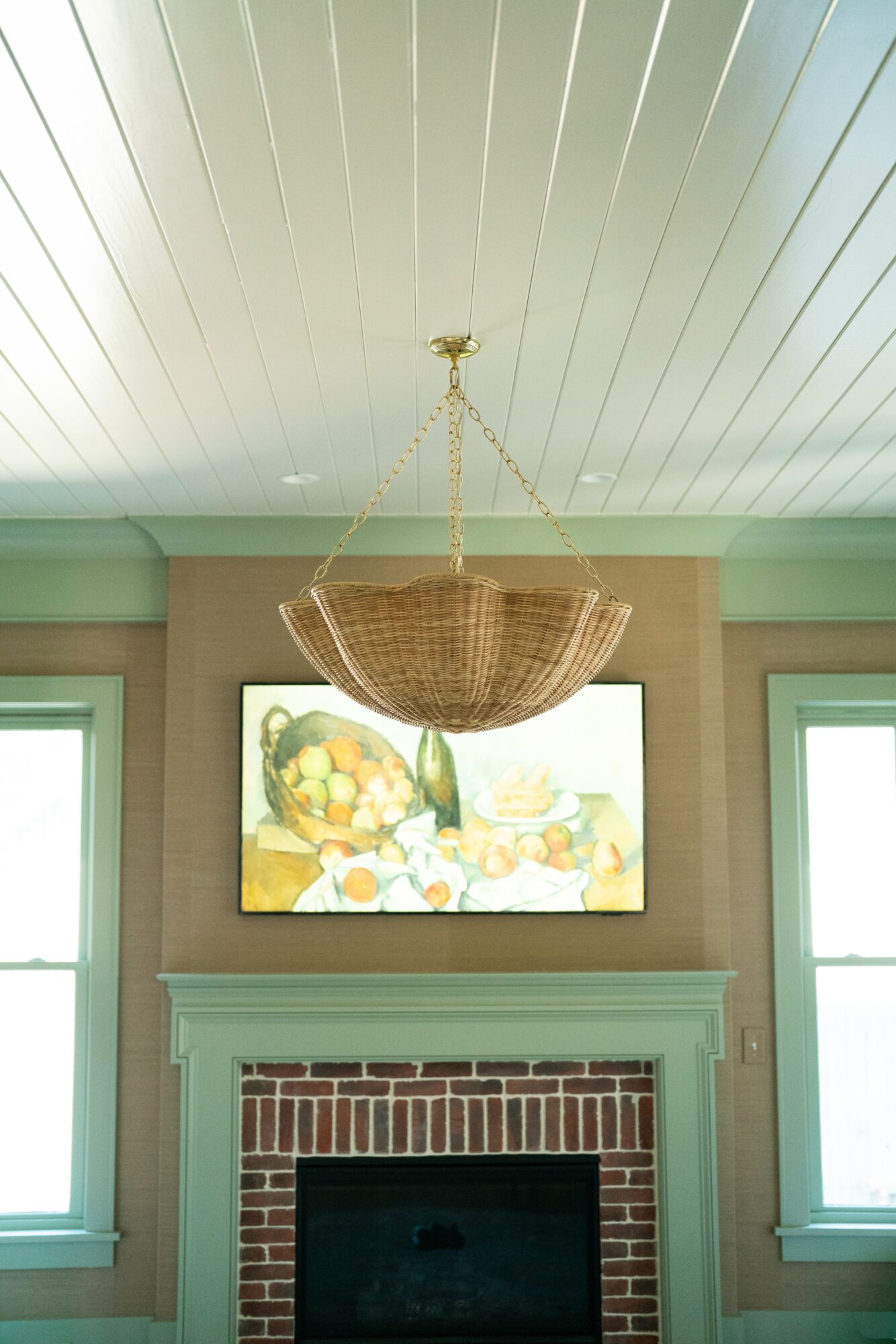
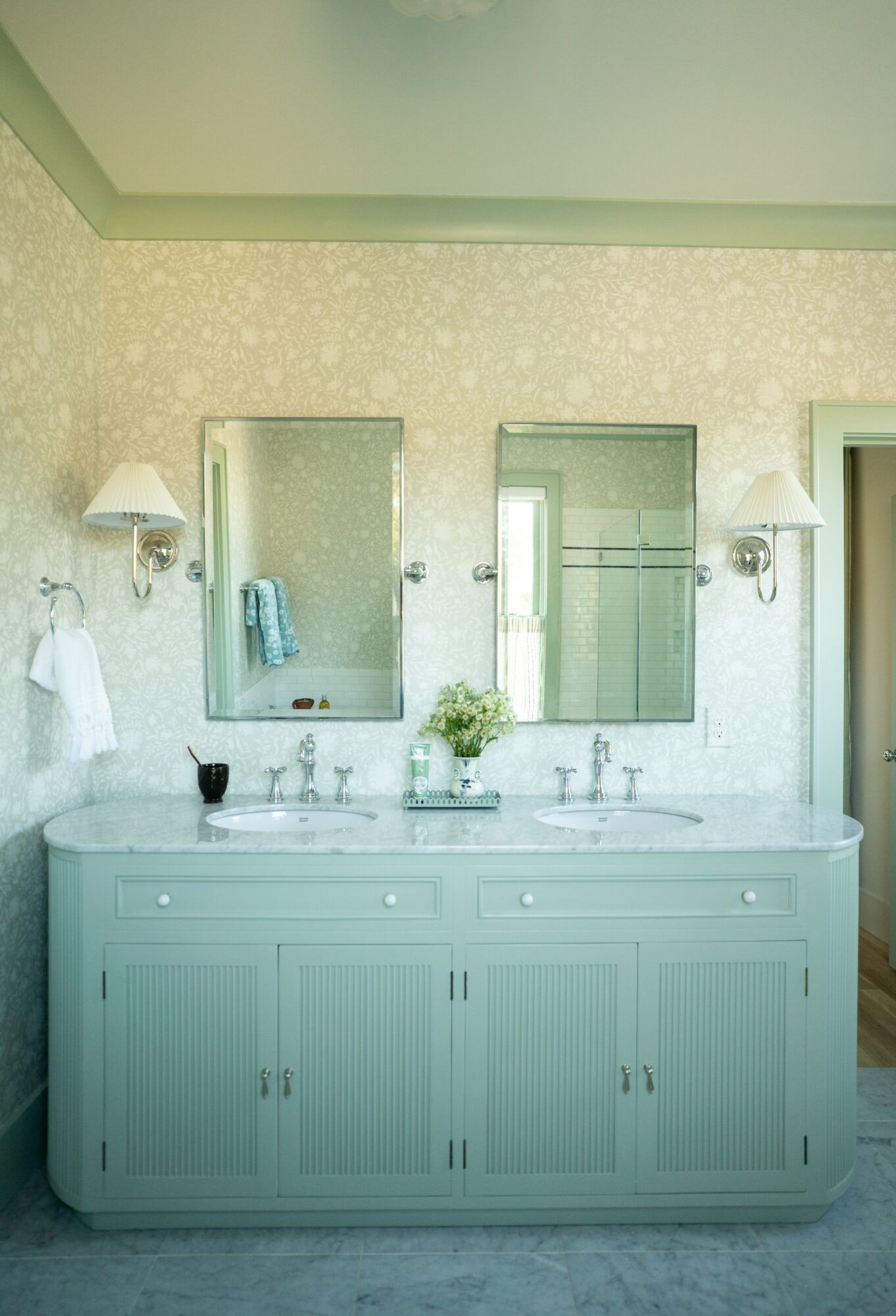
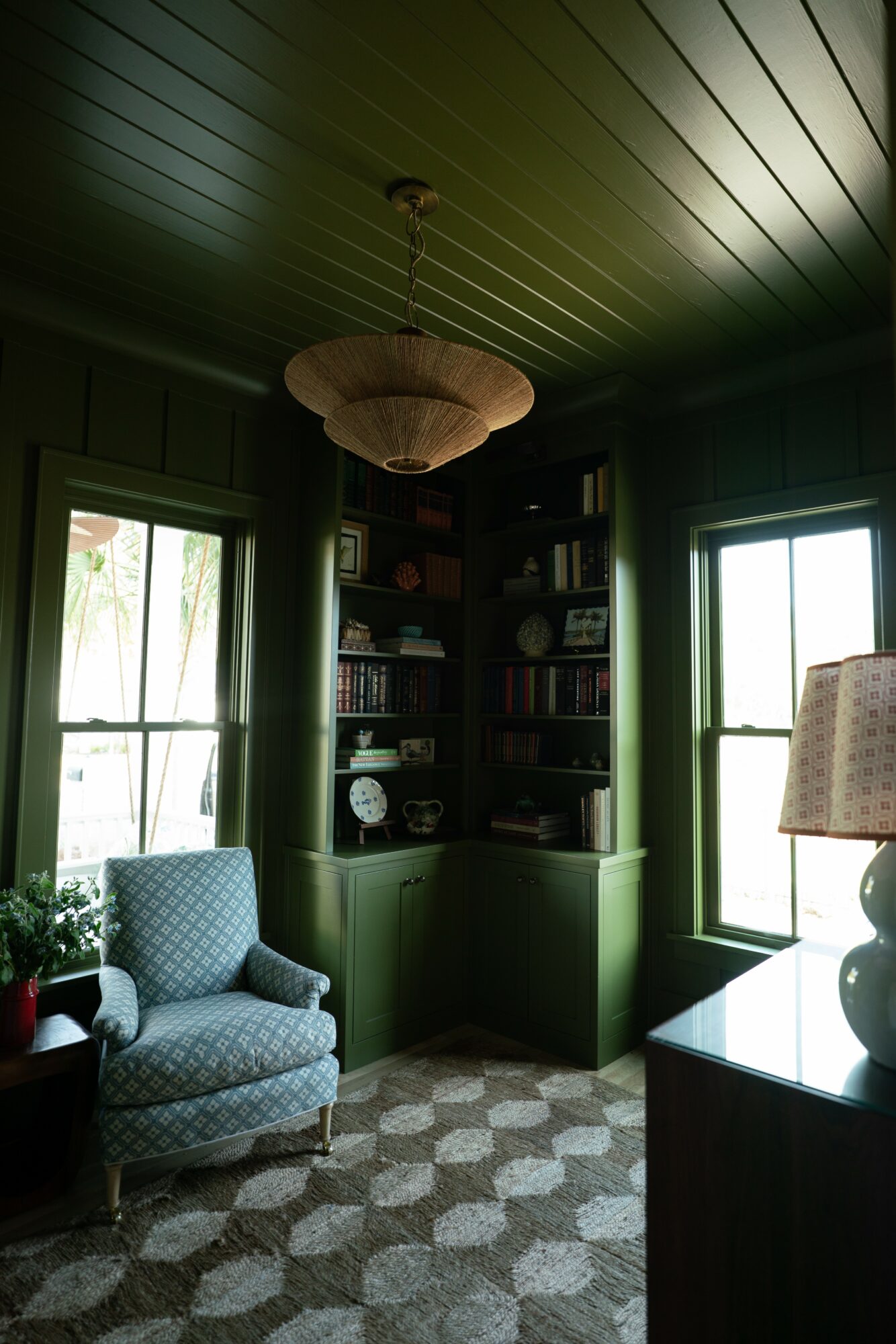
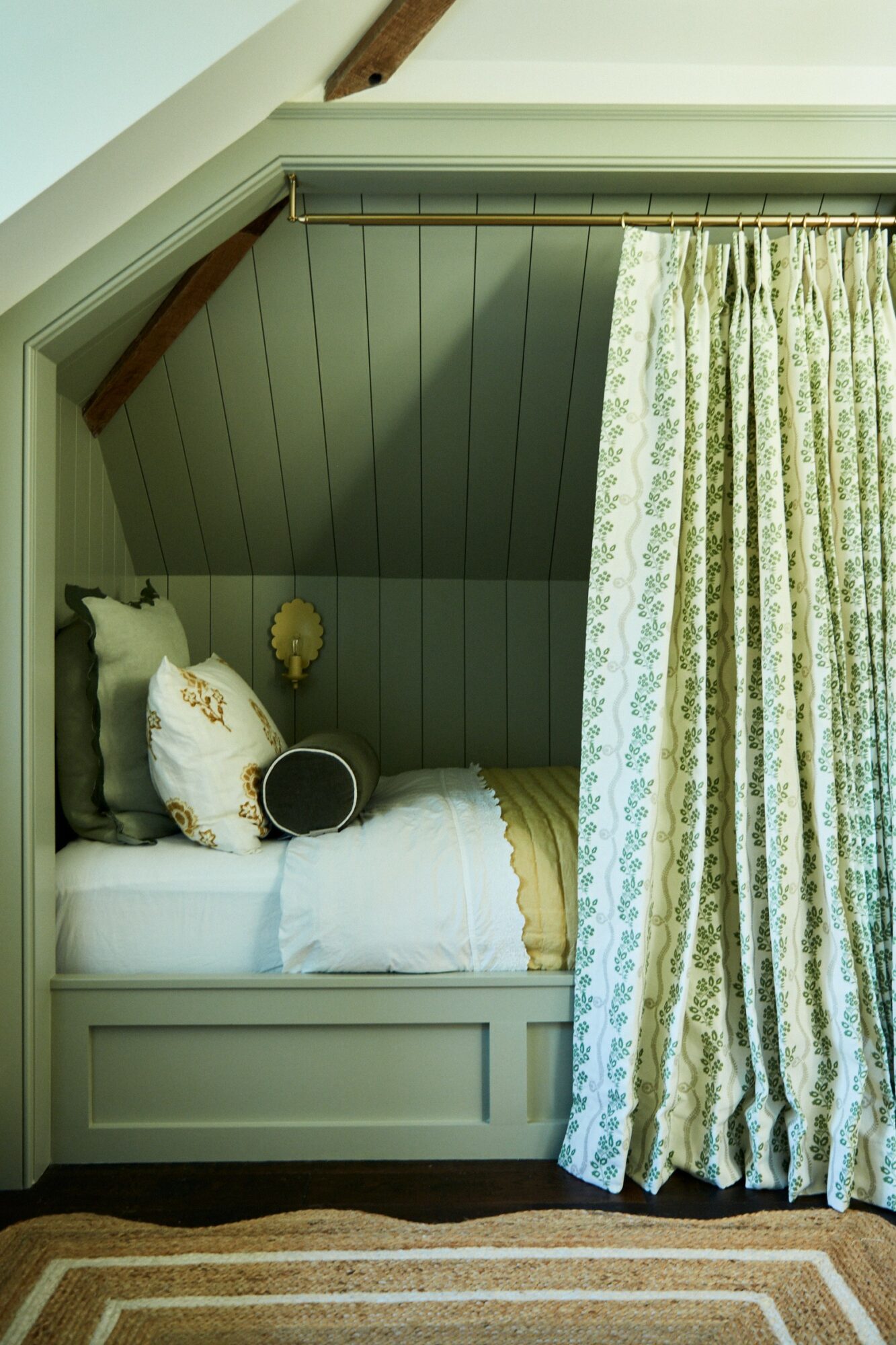
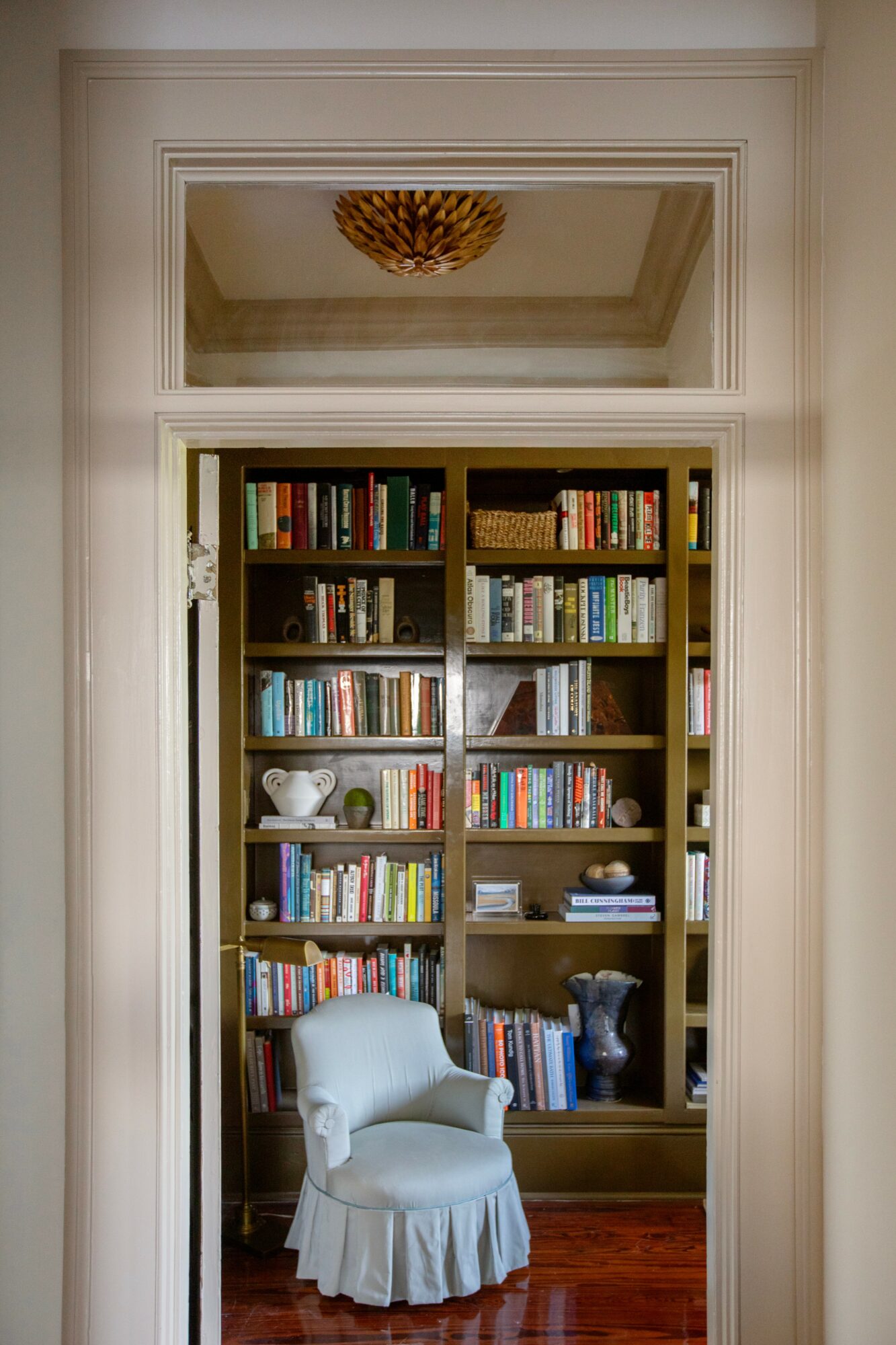
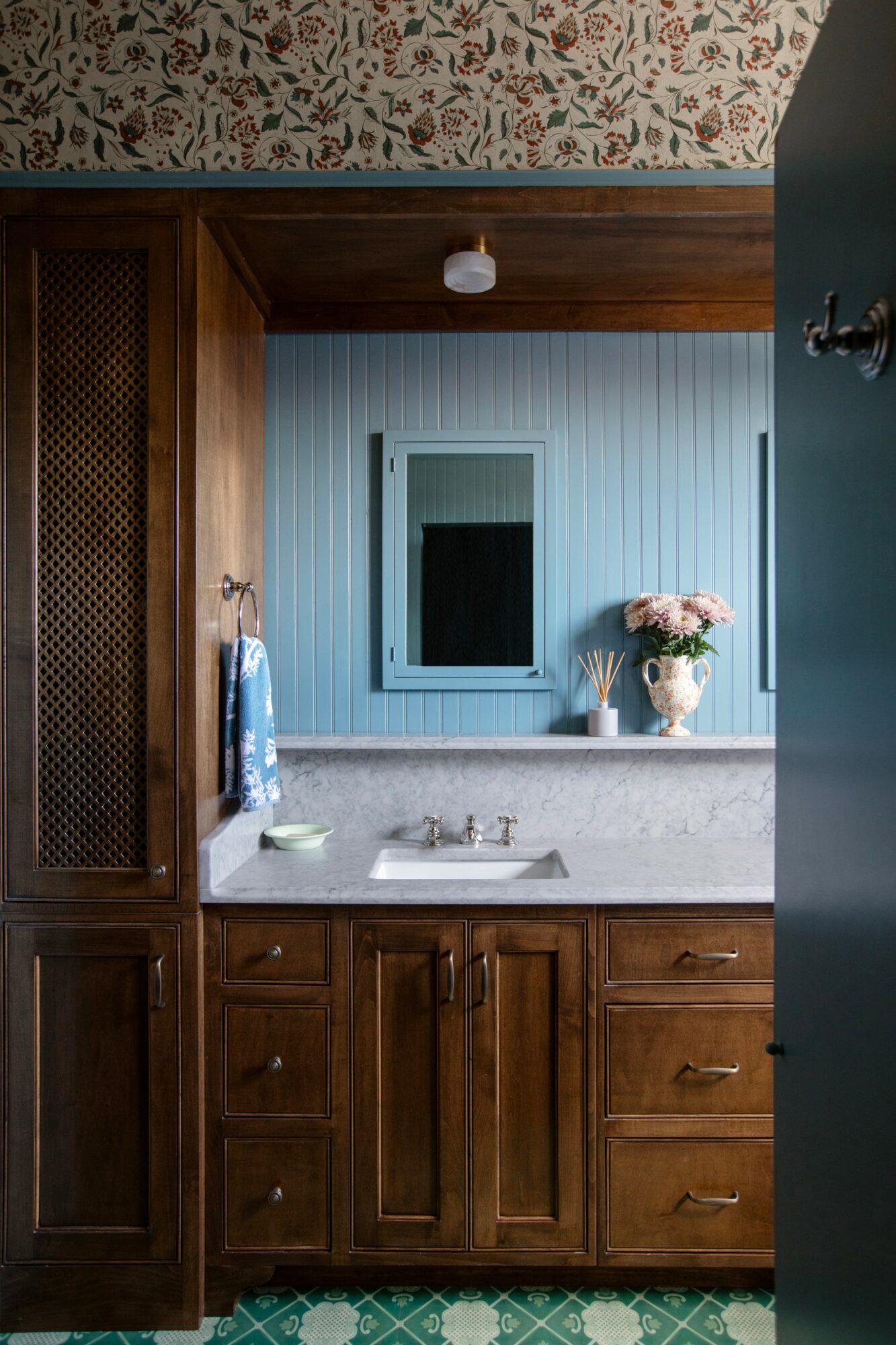
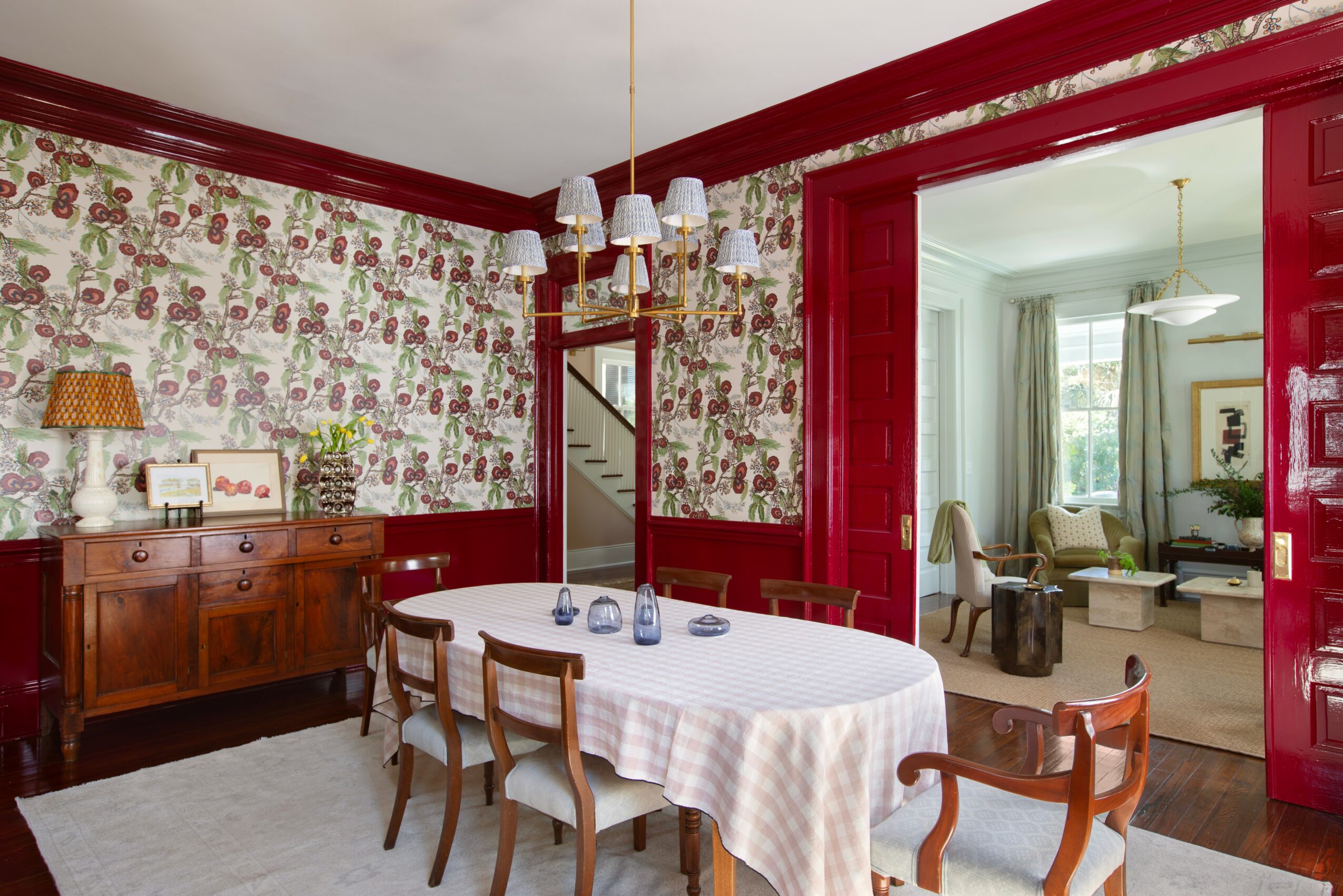
What I’m most proud of, and what I hear most from clients, is that the spaces feel personal in a way that’s hard to name but immediately felt. The interiors I create have a quality of having accumulated over time: layered rooms with a lived-in character, where color and pattern feel like they found their way there rather than arriving all at once. The result is a home that feels collected rather than decorated, personal rather than prescribed.
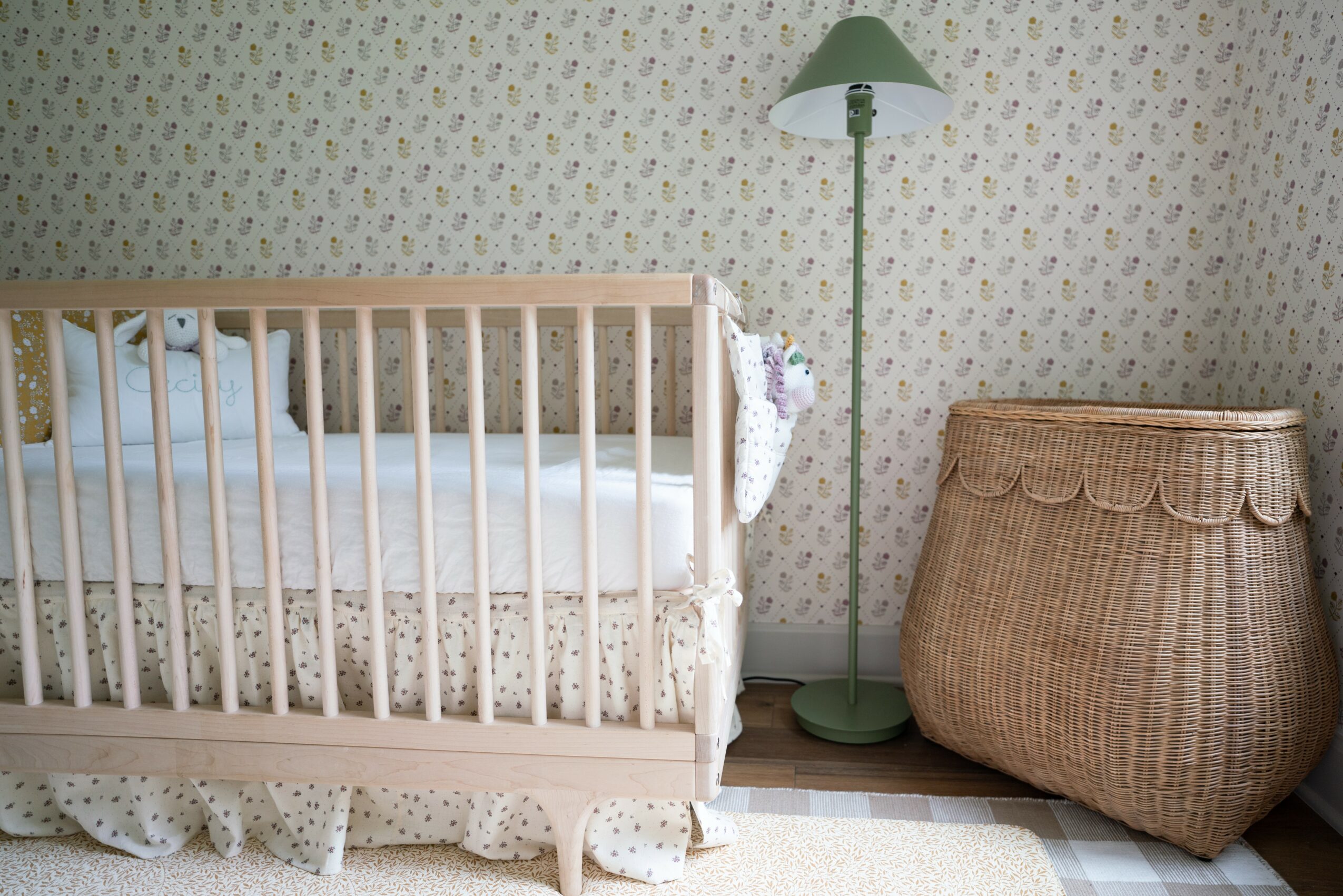
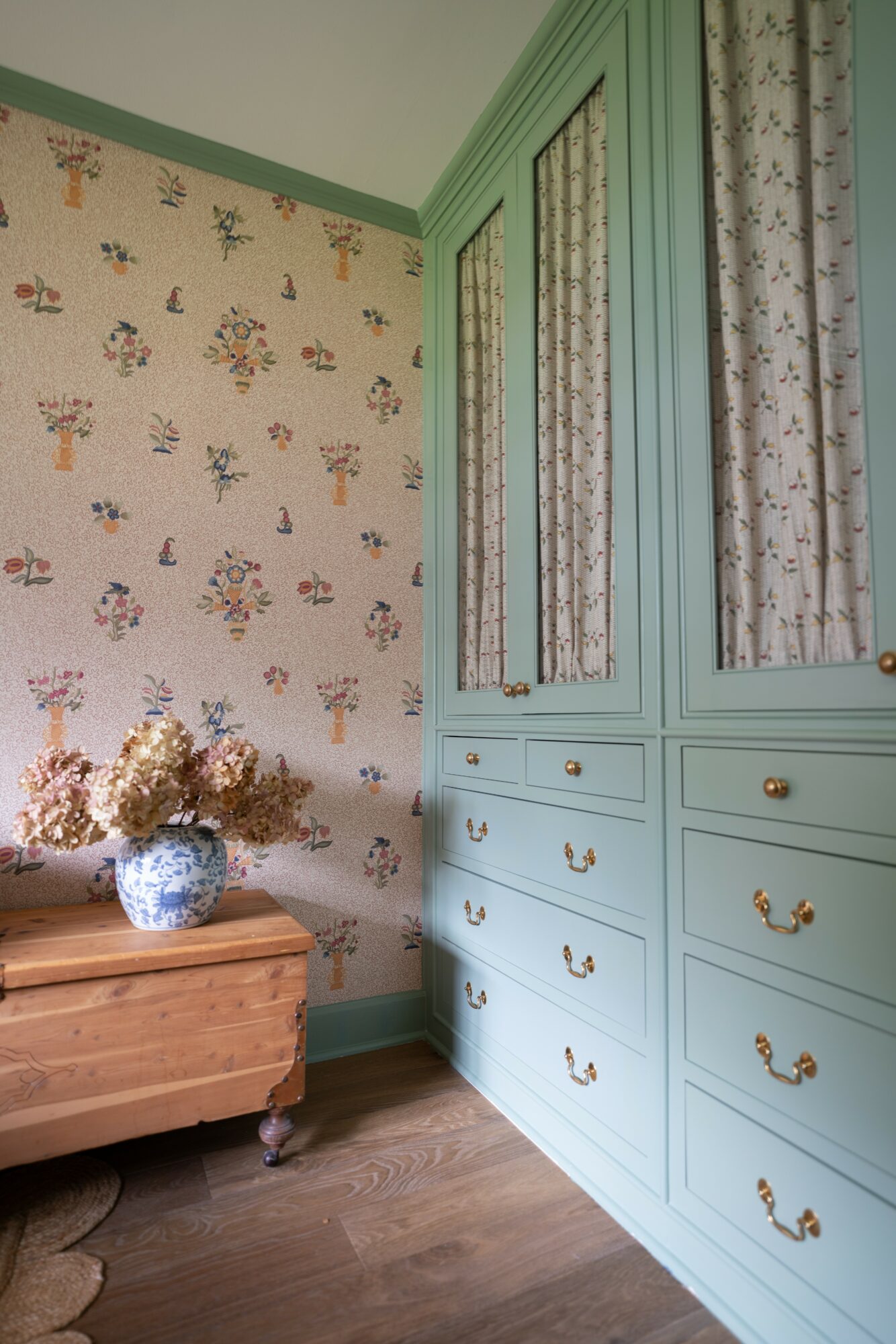
I approach every project with a strong creative point of view. Not a predetermined aesthetic repeated from job to job, but a vision built from scratch around the architecture, the location, and the people living there. I’m drawn to unexpected combinations: the wallpaper pattern that shouldn’t work but does, the paint color that makes a room feel like it was always meant to be that way, the material pairing that feels considered rather than safe.
Over the years I’ve also cultivated a trusted network of architects, contractors, craftspeople, and specialty trades who share my commitment to quality and detail. Clients benefit from those relationships from the earliest stages of planning through final installation. I’m also a member of the AD PRO Directory, Architectural Digest’s vetted network of leading interior designers and architects.
Alright so before we go can you talk to us a bit about how people can work with you, collaborate with you or support you?
The best starting point is a conversation. Prospective clients can reach out through the studio’s website at sanfordcollective.com or find us on Instagram at @sanfordcollectiveinteriors. From there, we’ll schedule a call to learn about the project, talk through goals and timing, and determine whether we’re the right fit for each other. That last part matters to me. I’m selective about the projects I take on, and I think that selectivity makes me a better partner to the clients I do work with.
Whether it’s a historic renovation, a full gut renovation, or a ground-up build, the earlier we can work together, the better the result.
On the collaborator side, some of my most rewarding work has come through partnerships with architects and contractors who bring the same level of care to a project that I do. The work is genuinely better when everyone at the table, designer, architect, contractor, is invested not just in delivering a beautiful result, but in the experience of the people who will actually live there
Pricing:
- all of this can be found on our process and investment guide when potential clients submit an inquiry!
Contact Info:
- Website: https://www.sanfordcollective.com/
- Instagram: https://www.instagram.com/sanfordcollectiveinteriors/
- Facebook: https://www.facebook.com/SanfordCollective/
- Other: info@sanfordcollective.com