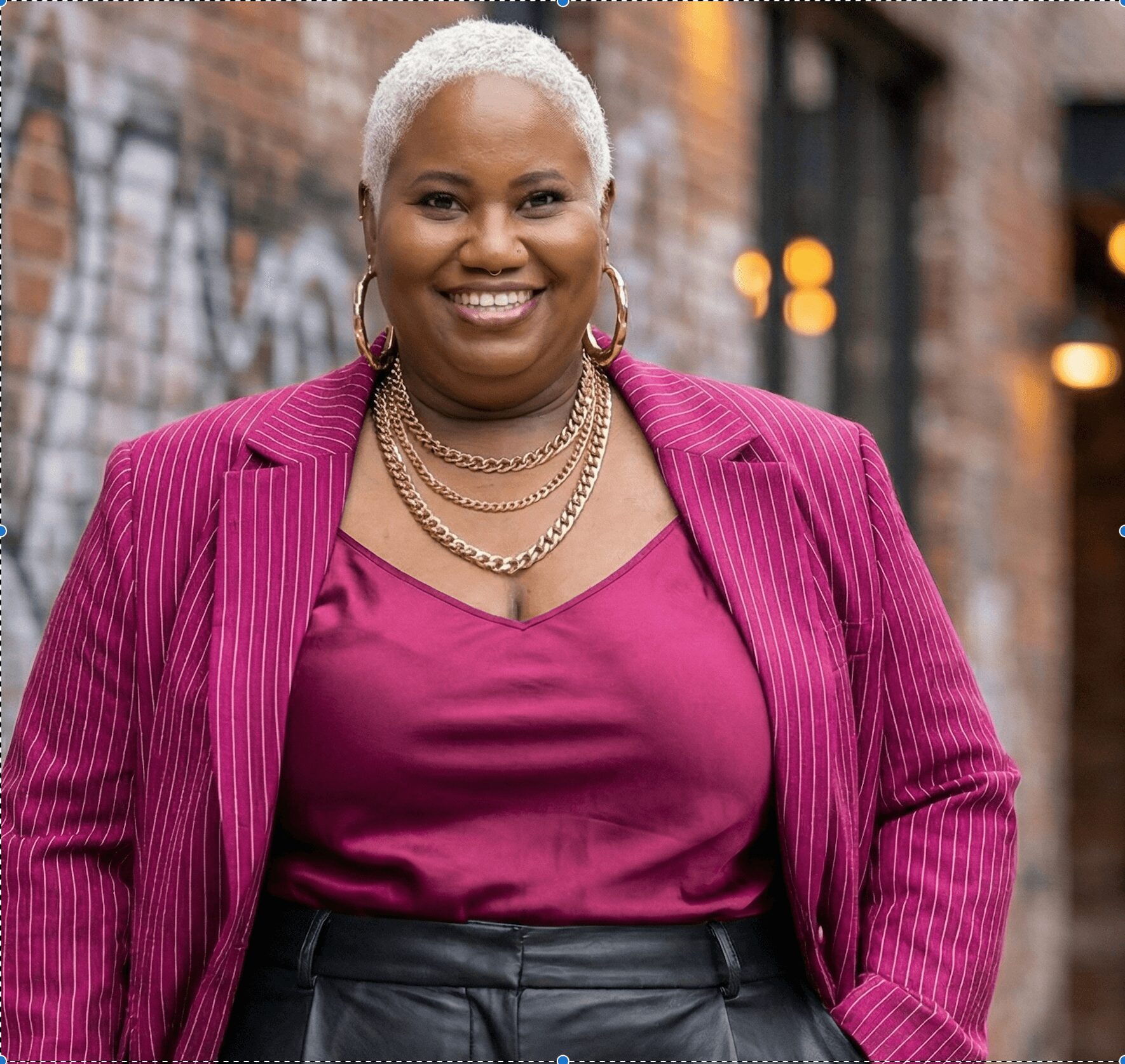
Today we’d like to introduce you to Shennice Cleckley.
Hi Shennice, please kick things off for us with an introduction to yourself and your story.
I always say that God planted a “Seed of Defiance” in me at birth. Throughout my life, that single seed has manifested in three distinct ways: In business, that defiance is called resilience. In ministry, it’s called testimony. And in technology, it’s called disruption.
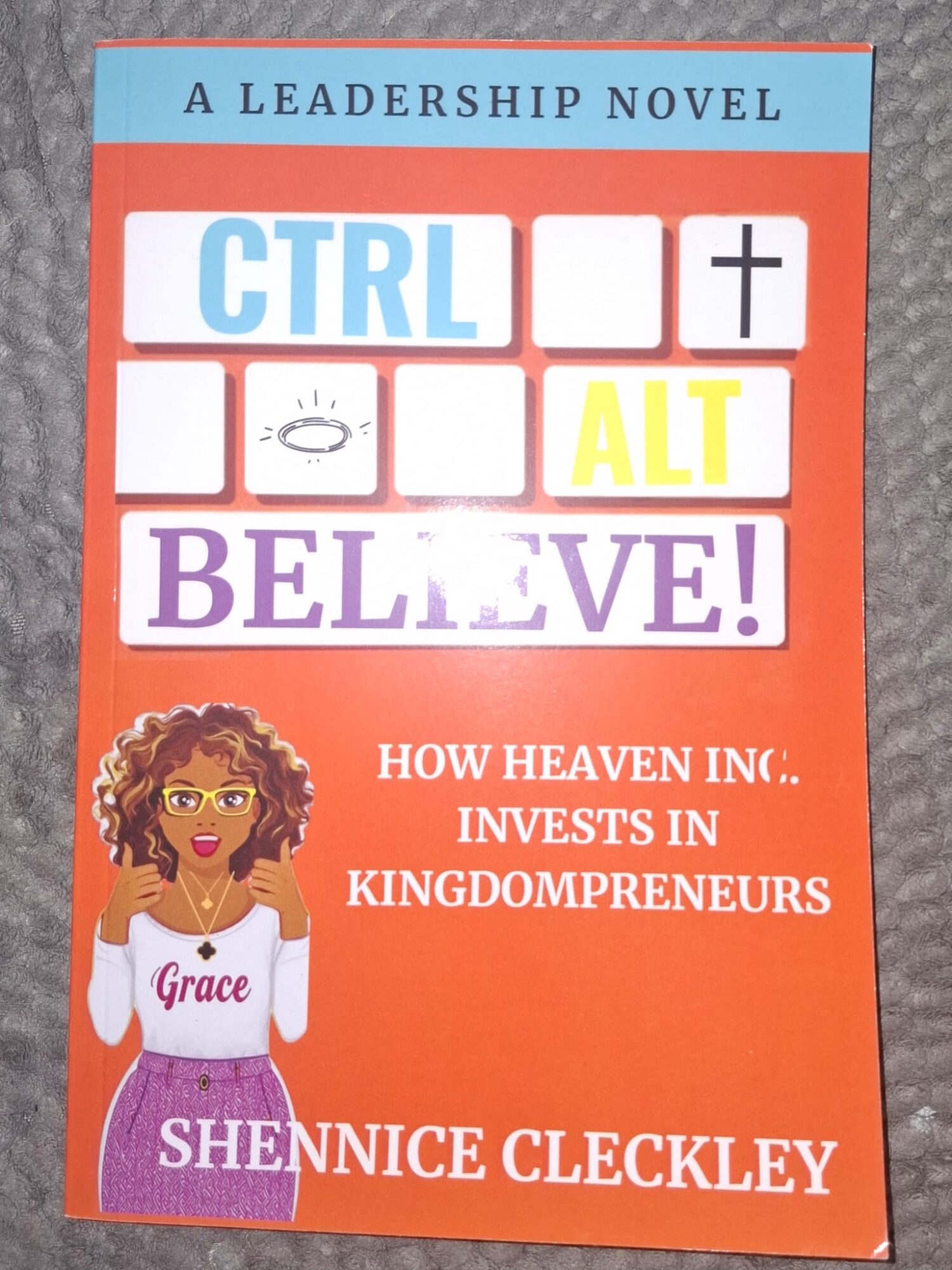
My journey hasn’t been a straight line; it has been a beautiful, complex intersection of faith, business, and tech. I am a wife, a mother, a caregiver, a trauma and bankruptcy survivor, and an author of seven books. For years, I operated as the designated “fixer” for everyone around me. But as I grew, I realized my true calling wasn’t just to fix immediate crises—it was to build sustainable systems. Today, I serve as the Executive Director of Grace In Action CDC, the Executive Pastor at Overwhelming Grace Ministries, and an Executive Strategist at Melanin Innovations. My entire mission now is to honor God by loving people, and building disruptive systems that move our community from needing crisis relief to achieving lasting economic stability.
We all face challenges, but looking back would you describe it as a relatively smooth road?
It has been anything but smooth. I have survived profound, world-shattering traumas, including rape and bankruptcy. When you go through things that are designed to break you, you have a choice: let it destroy you, or use it as the blueprint to build something unbreakable.
One of the biggest professional and personal struggles I’ve faced—and one I still work on—is the “Curse of the Highly Capable.” When you are a high-performing woman who knows how to solve big problems, people are trained to view you as an endless resource. Learning how to put down the weight of everyone else’s trauma, how to delegate, and how to embrace rest as a requirement rather than a reward has been my greatest hurdle. But those struggles gave me a massive “soft spot” for the people I fight for today: working mothers trying to find harmony, and BIPOC entrepreneurs trying to build their God-given dreams without burning out.
As you know, we’re big fans of Grace In Action CDC/Melanin Innovations. For our readers who might not be as familiar what can you tell them about the brand?
I actually lead an ecosystem of disruption, primarily through two organizations: Grace In Action CDC and Melanin Innovations.
At my core, I am a builder of systems. Whether in advocacy, business, or the church, I build systems that help people honor God and achieve stability.
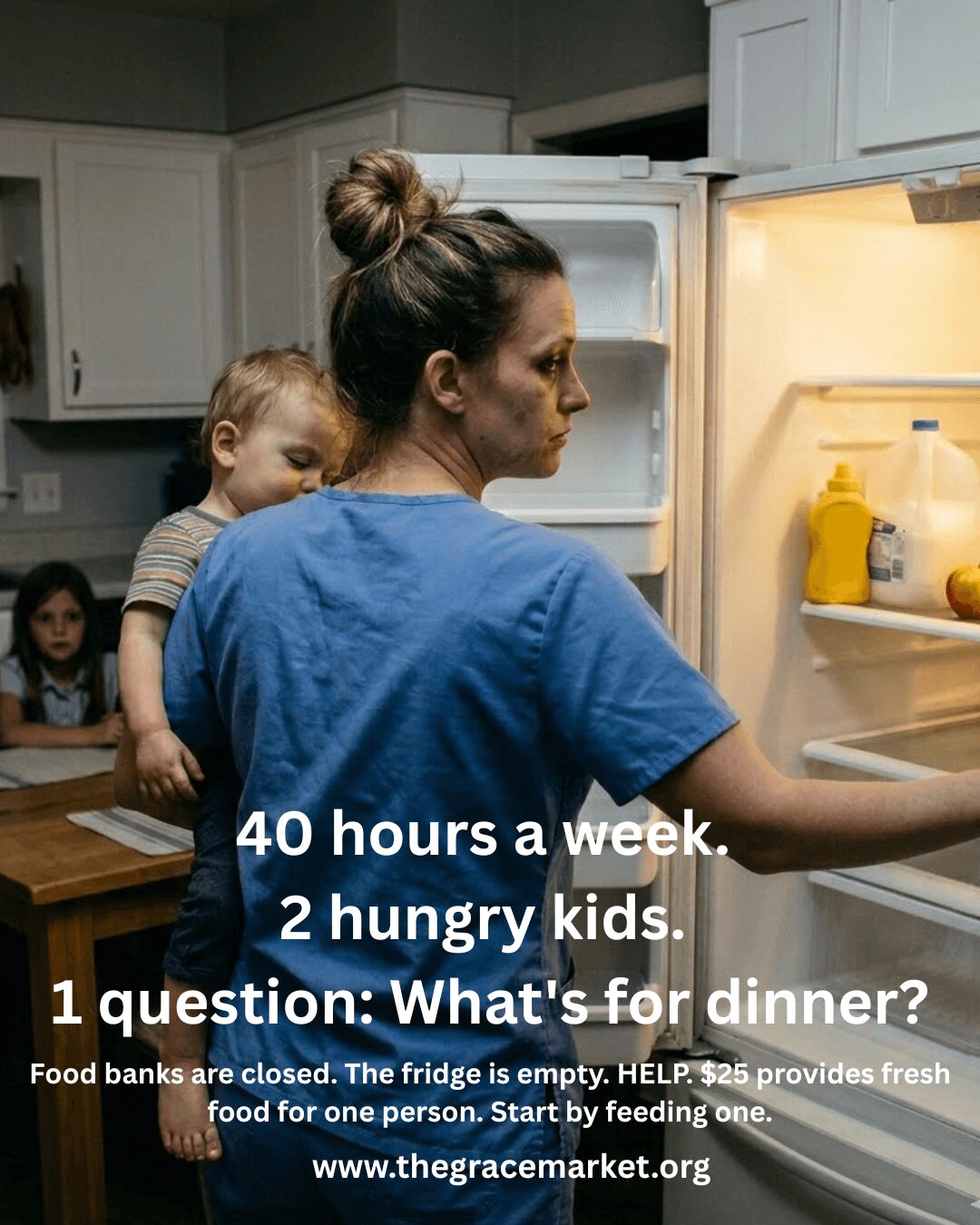
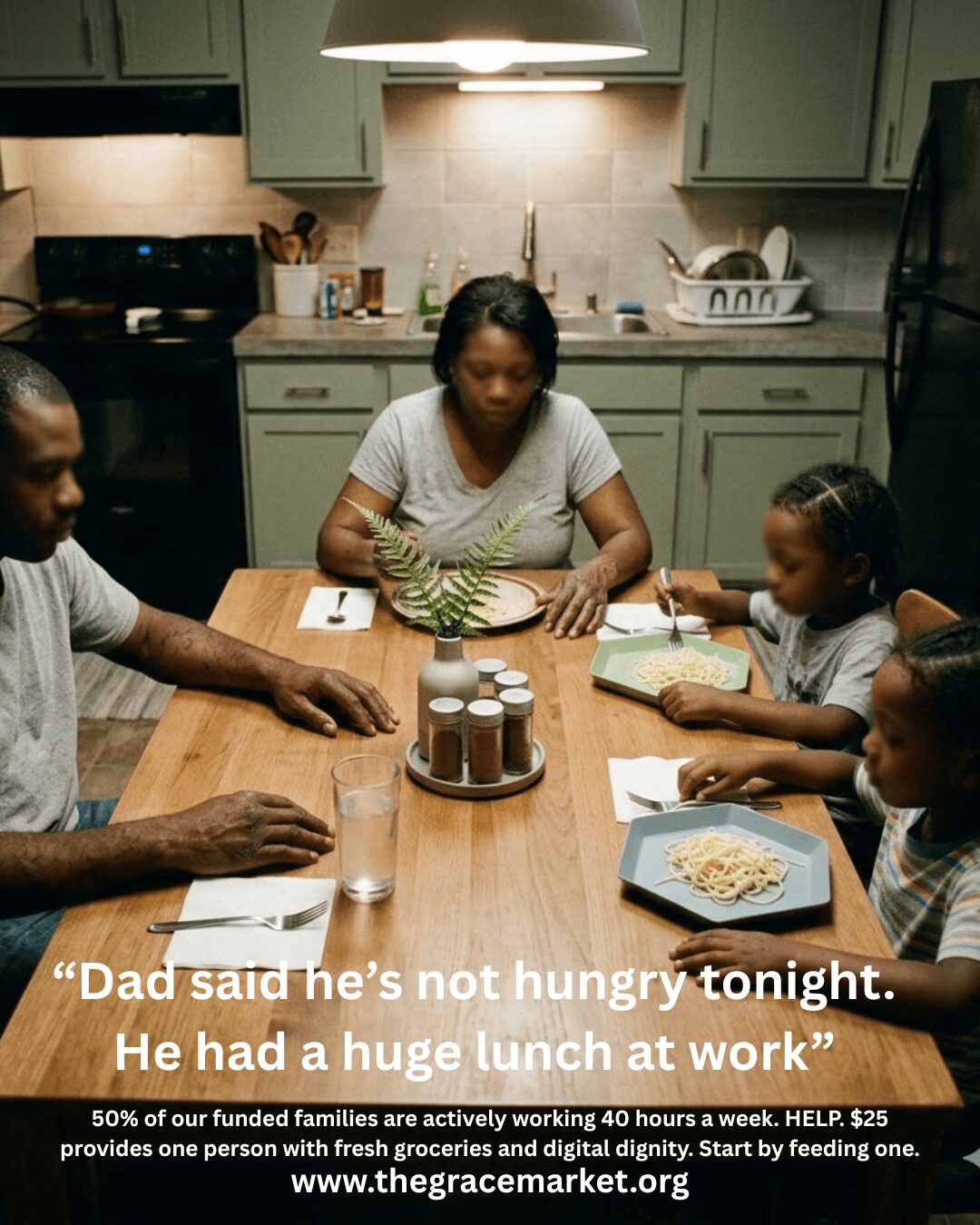
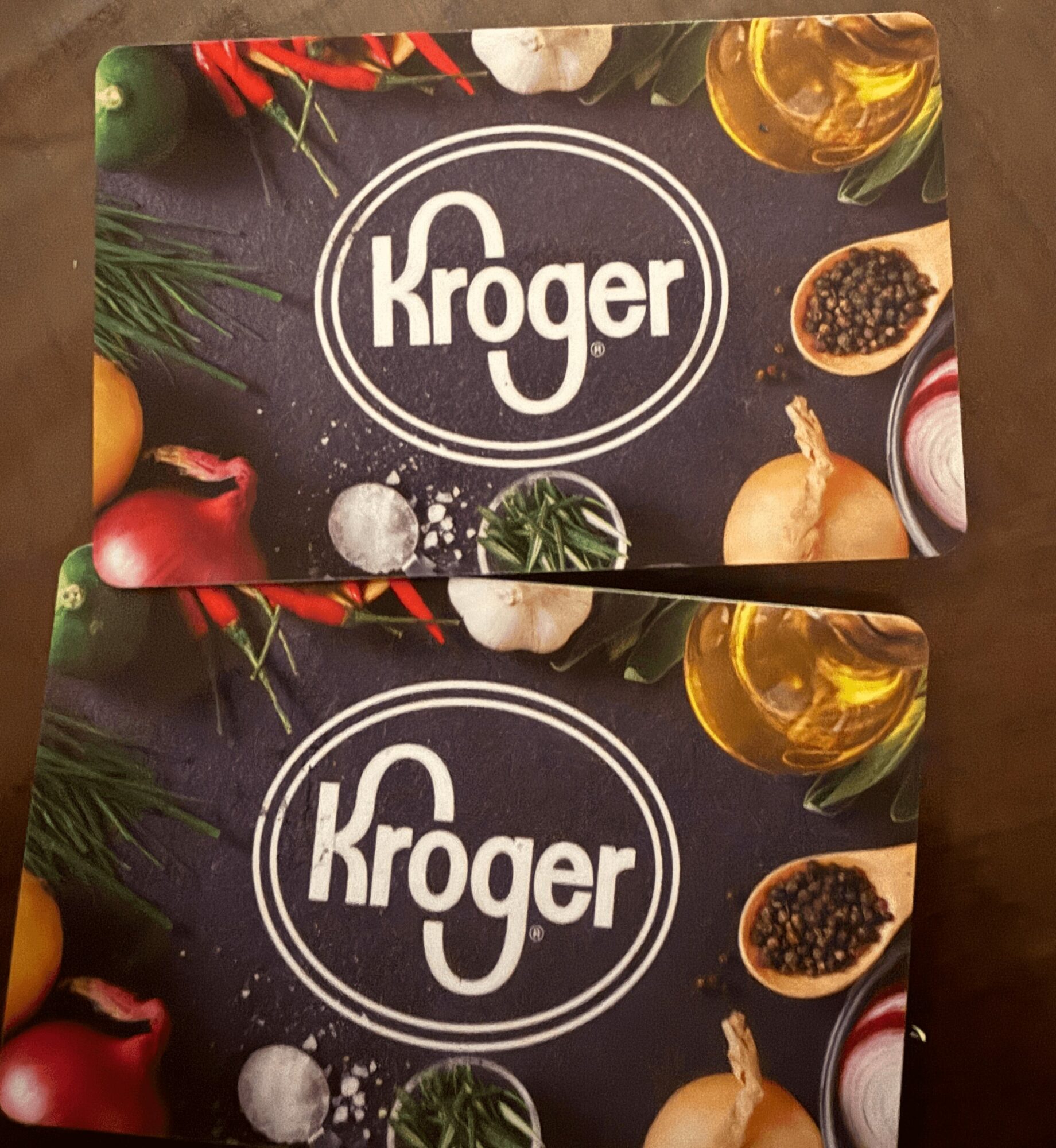
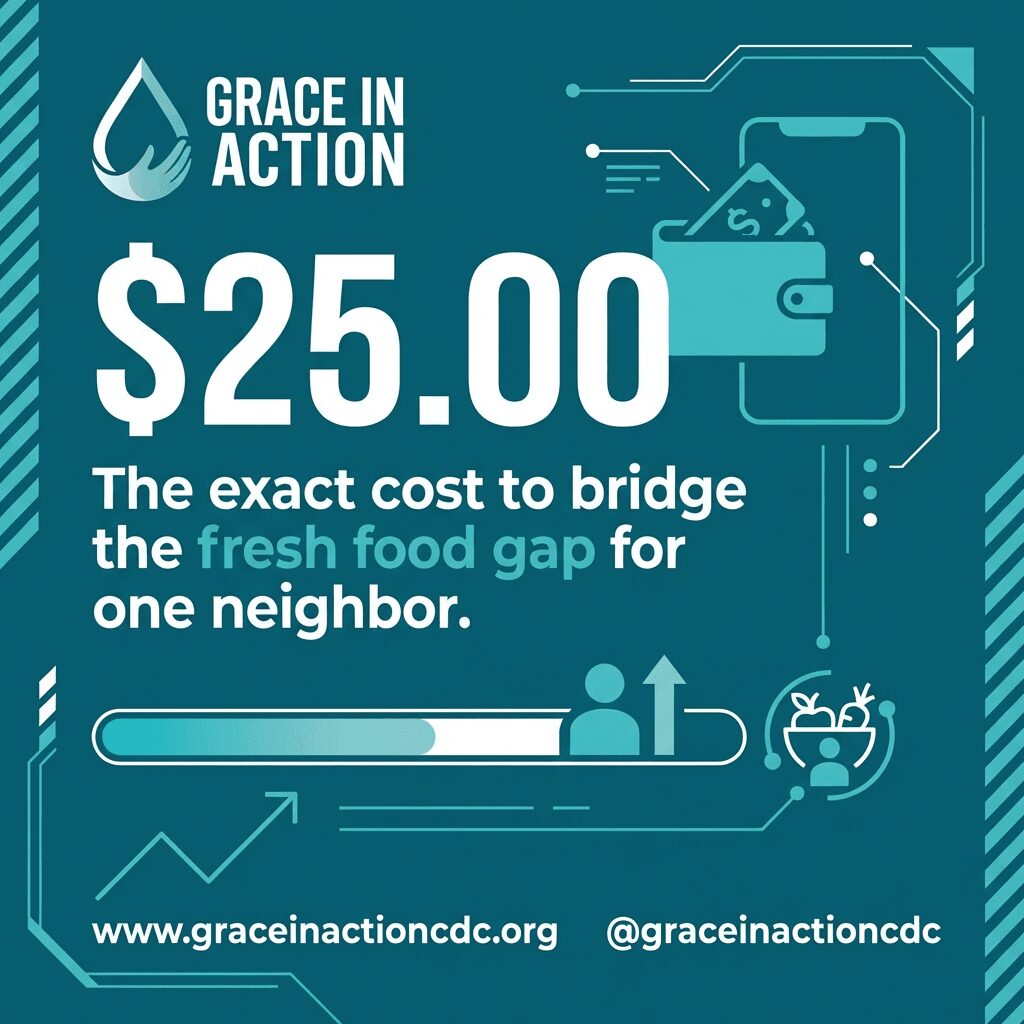
Through Grace In Action CDC, we specialize in what I call the ‘Digital Dignity’ model. We are completely disrupting how we feed the ALICE (Asset Limited, Income Constrained, Employed) population. Instead of forcing working families to stand in long food bank lines, we bypass the traditional philanthropic ‘logistics tax’ by using digital grocery grants. We instantly stabilize households, giving them the dignity to shop for fresh food at their local grocery stores, which also keeps 100% of the financial stimulus directly in our local economy.
Through Melanin Innovations, I specialize in Artificial Intelligence strategy and tech equity for Christian and BIPOC business owners. I am known as a ‘Master Translator.’ I take the massive, intimidating world of enterprise AI and break it down into bite-sized, actionable pieces. I don’t just teach people how to use AI as a search engine; I help them build independent strategies and automate their back-office operations so they can scale their God-given dreams without burning out.
What sets me apart is that I refuse to compartmentalize my identity. I live unapologetically at the exact intersection of faith, business, and technology. What makes my approach different is the duality: I am a highly logical AI executive who sits at tables with policymakers and billionaires, but I am also an empathetic pastor who knows how to ‘sit Shiva’ and hold space with you when your life falls apart. Also, I firmly believe that executives do not have to be cold and gray! I rarely wear black, my favorite color is sparkles, I love rocking beautiful false nails, and I am a cheesy Hallmark movie and romance novel fanatic. I bring my whole, vibrant self to every room I enter.
Brand-wise, I am most proud of the fact that we don’t just hand out band-aids; we build sustainable infrastructure. We move underestimated people from needing crisis relief to achieving lasting economic mobility.
What I want your readers to know about my offerings is that whether you are an overwhelmed mother needing resources to feed your kids, or a burnt-out founder needing AI to get your time back, my mission is the same: to restore your dignity, give you practical tools to succeed, and remind you that you don’t have to carry the weight of the world alone.
In terms of your work and the industry, what are some of the changes you are expecting to see over the next five to ten years?
1. The End of the Philanthropic ‘Logistics Tax’
In the nonprofit and community care sector, the days of forcing working-class families to stand in line for hours at a food bank just to receive a pre-packed box of canned goods are ending. We are shifting rapidly toward ‘Digital Dignity.’ Over the next decade, the industry will pivot away from expensive, paternalistic warehouse logistics and move toward direct, cloud-based interventions. Using digital wallets to empower families to shop for their own fresh food at local grocery stores will become the gold standard. It instantly restores human dignity while simultaneously keeping the financial stimulus in the local economy.
2. The New Digital Divide: AI Literacy
In the small business and tech sector, Artificial Intelligence is about to shift from a ‘cool novelty’ to mandatory baseline infrastructure. Right now, most people are just using AI like a fancy search engine. But within the next five years, the shift will be toward independent ‘AI Agents’—custom-trained digital employees that run back-office operations.
The biggest trend—and my biggest warning—is that the new digital divide won’t be about who has Wi-Fi or a laptop; it will be about who has AI literacy. If we do not aggressively upskill BIPOC, Christian, and underestimated entrepreneurs in AI strategy right now, they will be economically displaced by automation. But if we do teach them how to leverage these tools, AI will be the greatest equalizer and wealth-building mechanism of our time.
Ultimately, the next decade will require us to be highly technological in our systems, but deeply human in our connections. The more automated the world gets, the more people will desperately need safe, authentic sanctuaries where they are seen and valued—which is exactly the ecosystem we are building.
Contact Info:
- Website: https://www.graceinactioncdc.org
- Instagram: https://www.instagram.com/iamshennicec
- LinkedIn: https://www.linkedin.com/in/shennicecleckley
- Other: https://www.shennicecleckley.com