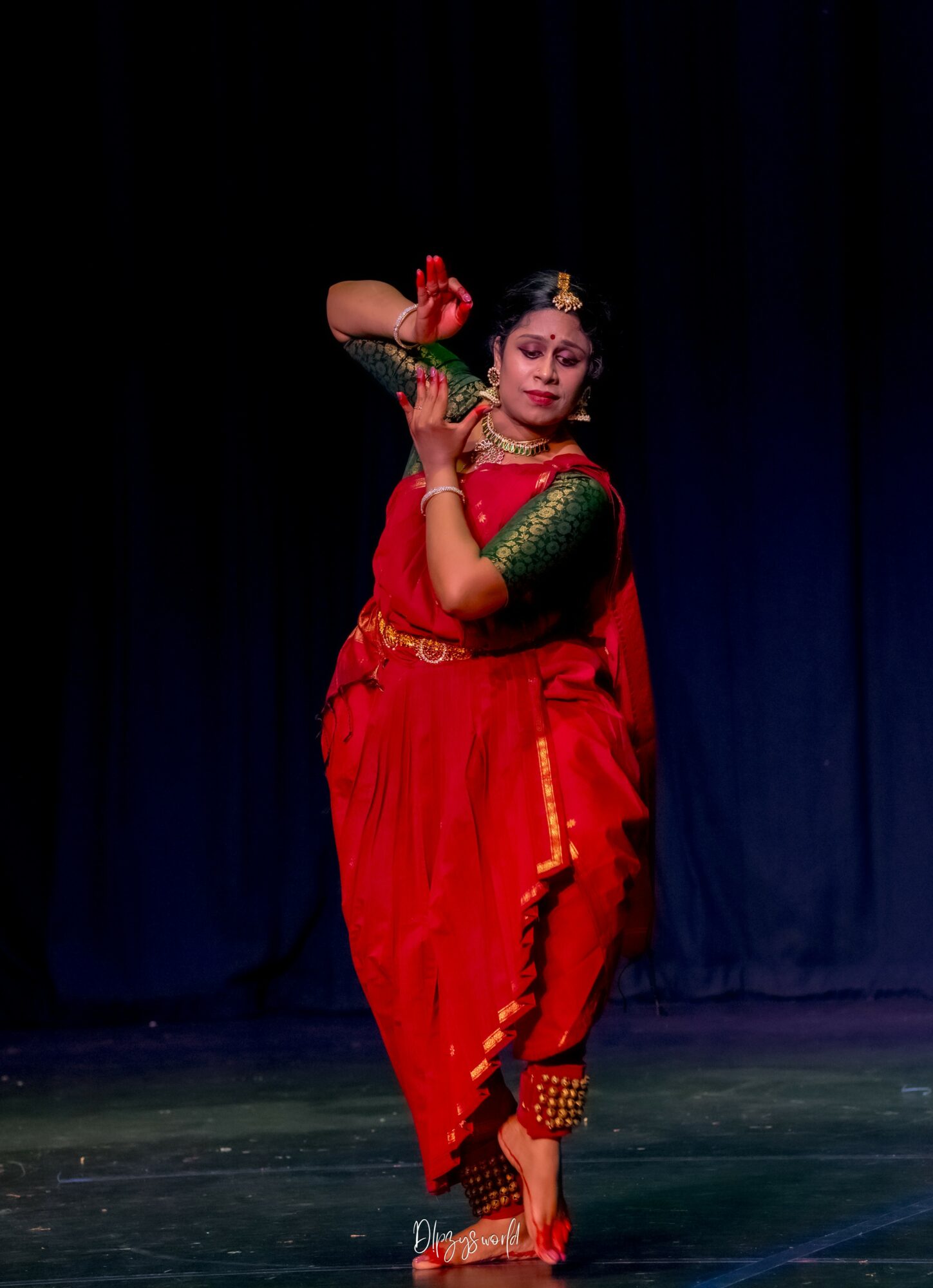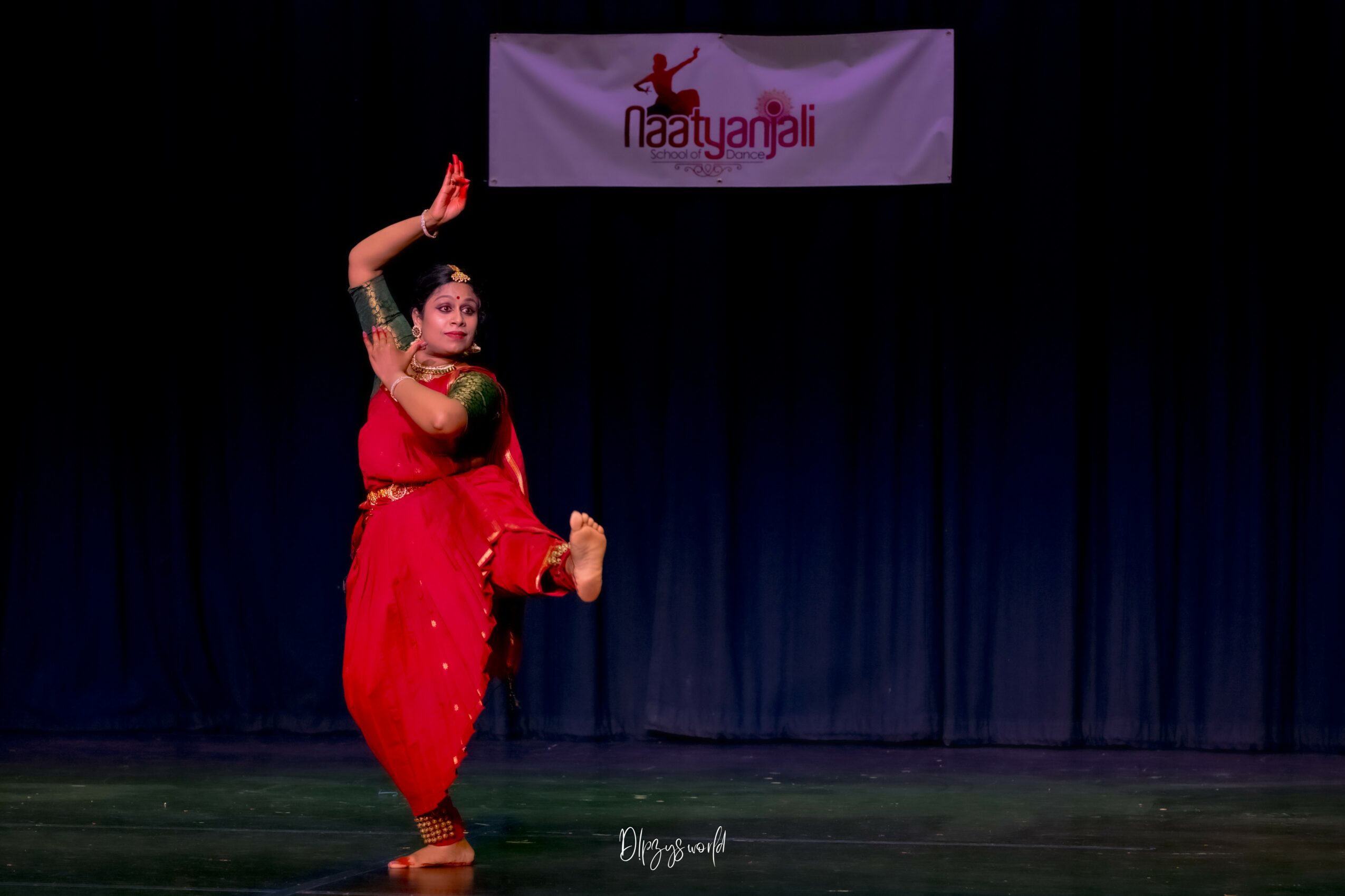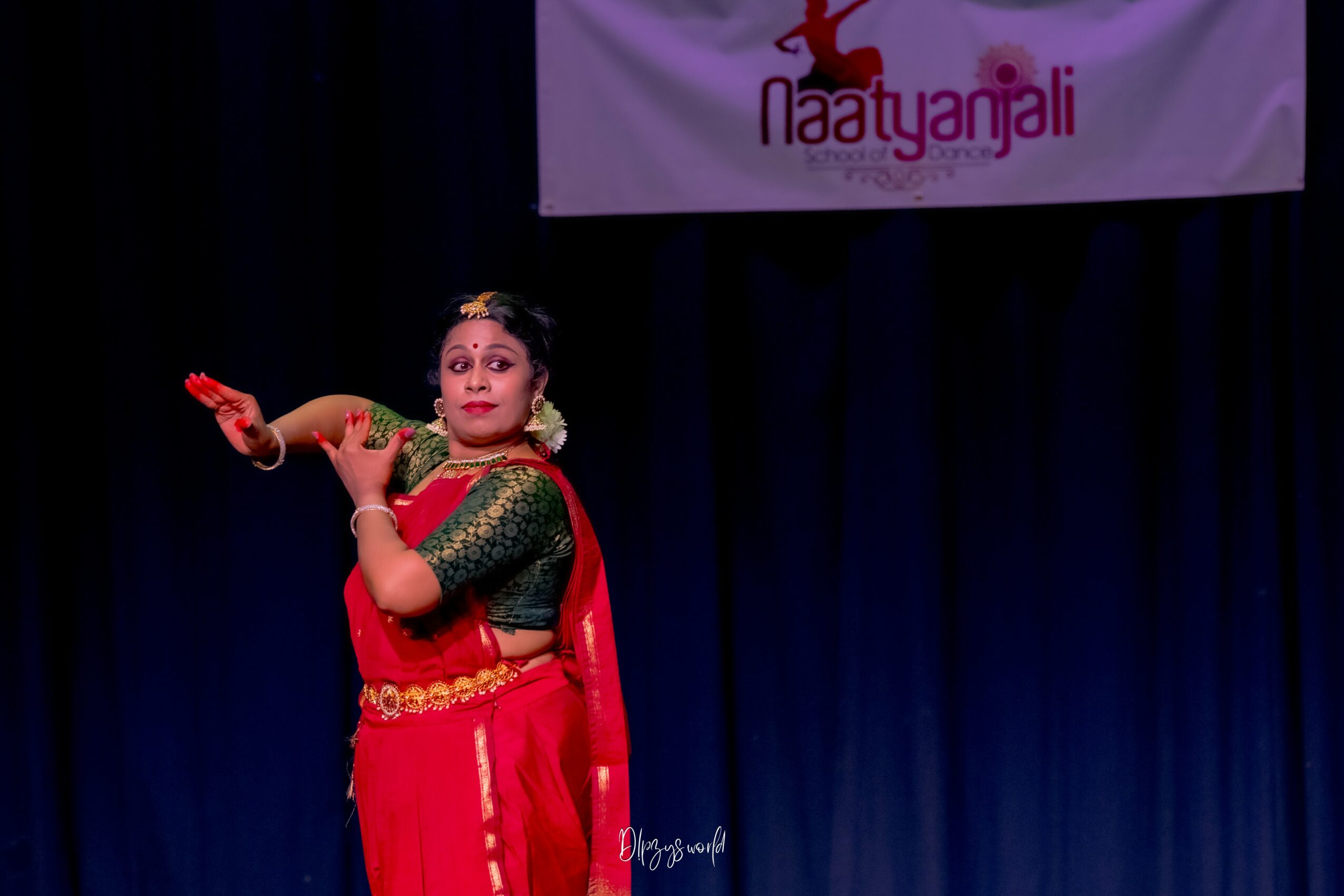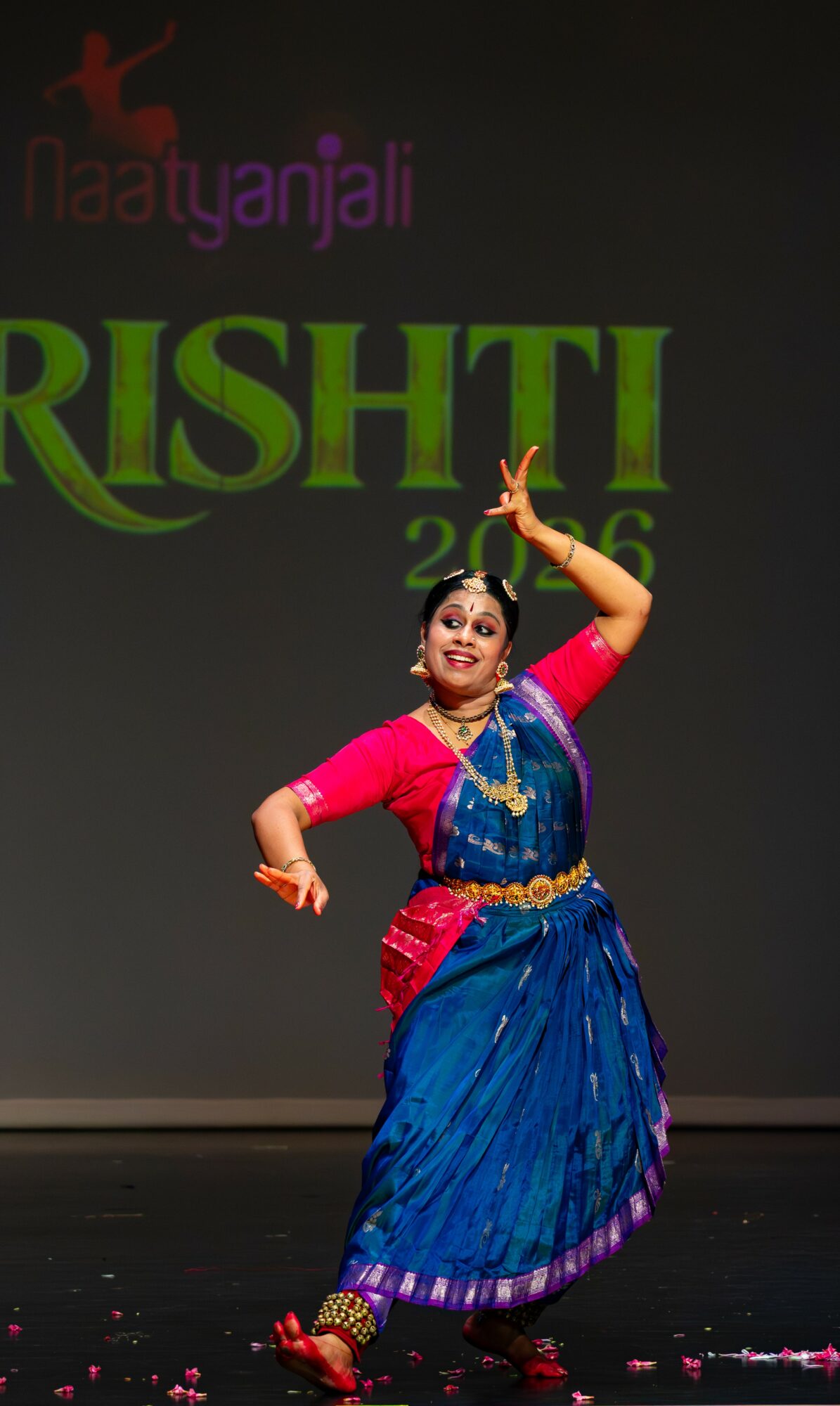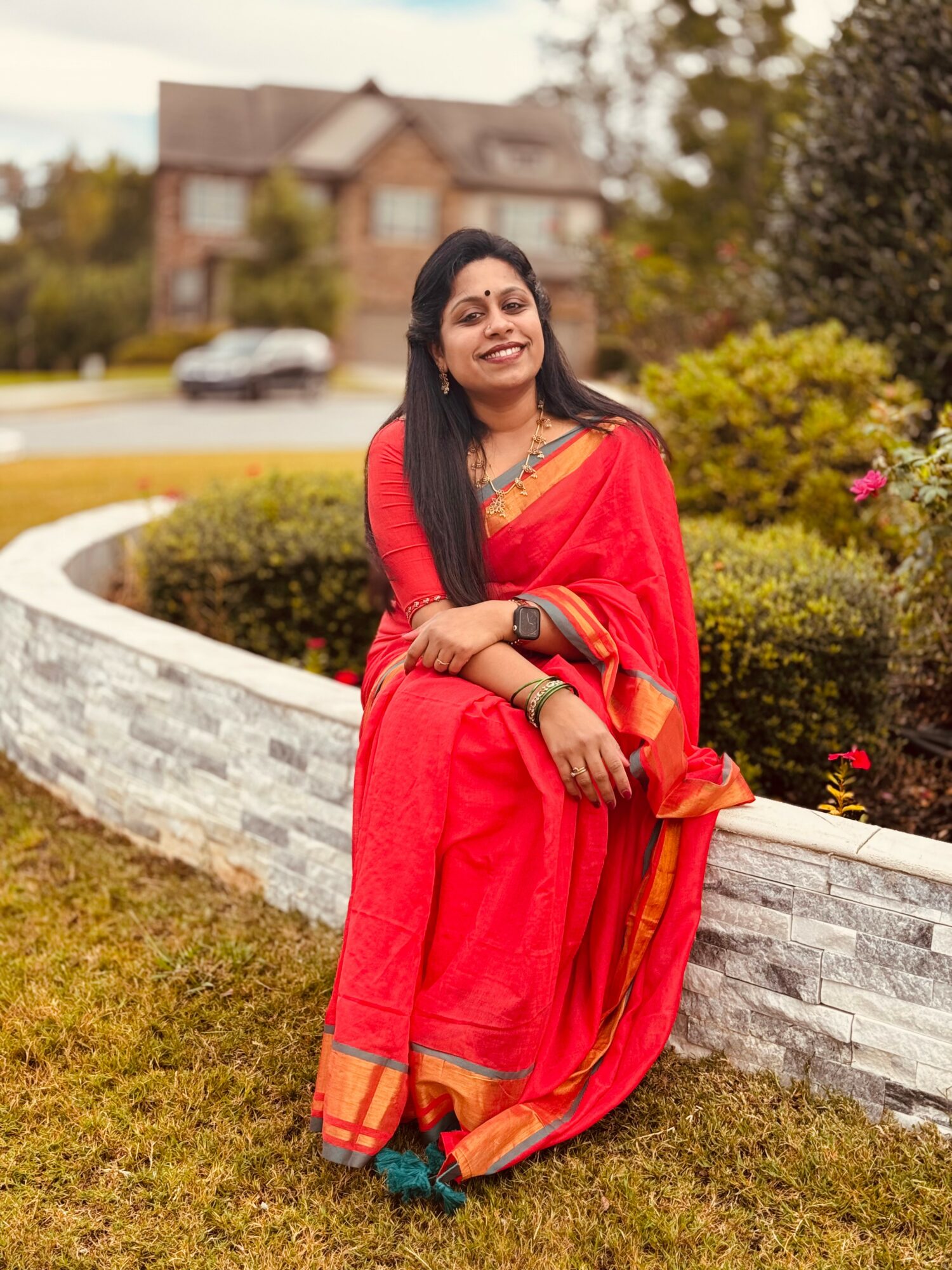
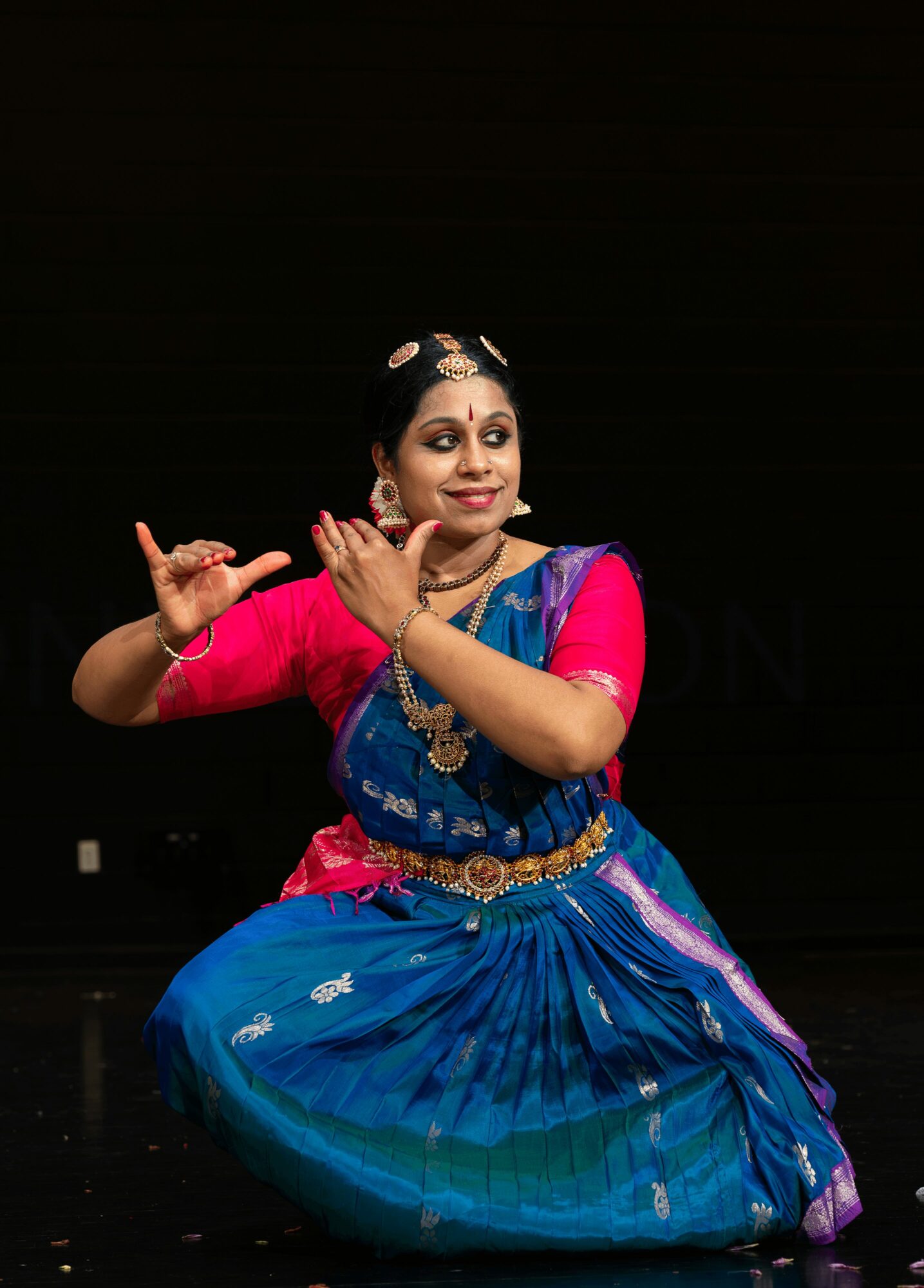
Today we’d like to introduce you to Rugmini Sreejith.
Rugmini, we appreciate you taking the time to share your story with us today. Where does your story begin?
Classical dance entered my life long before I was old enough to understand what a dream truly was. People often say we must “walk toward our dreams,” but in my case, I feel I unknowingly walked into mine from the age of four. Every small step I took eventually led me to the world of classical dance.
I was born and raised in a middle-class family in Kerala, India. My parents were government employees raising three daughters, and like many Indian parents, they enrolled us in music and dance classes simply because they believed children should learn the arts alongside academics. At that age, I knew nothing about the vast, sacred universe of classical dance or Carnatic music. I only knew I enjoyed moving to rhythm.
But somewhere along the way, dance quietly became a part of my inner world.
From my very first teacher, Prasanna Teacher, to every guru who guided me afterward, each one drew me deeper into the mesmerising emotional language of dance. What began as a childhood activity slowly transformed into something far more intimate. At first, I chose dance unknowingly. Later, dance chose me too.
By the time I reached fifth grade, I continued my training at “Nayanam,” a well-known dance institution in Thiruvananthapuram,Kerala. Those years shaped not only my technique, but also my emotional relationship with art.
I first stepped onto a stage in seventh grade. I still remember standing before a hall filled with people. As I performed, something shifted inside me. It felt as though the path ahead of my life suddenly became visible. After the performance, many praised my dancing, but they also asked, “Why didn’t you smile while dancing?” Looking back now, I think it was because I was overwhelmed – not by fear, but by the intensity of discovering something that already felt larger than myself.
As I entered high school, academics slowly began to take over my life. Like most middle-class Indian families, ours also believed education and career had to come first. Dance gradually moved into the background. Yet it never truly left me. It would return unexpectedly – like rain arriving in the middle of a harsh summer – through school youth festivals, group performances, college programs, and cultural events. No matter how far I moved from it, dance always found its way back to me.
When I insisted on pursuing dance seriously during my degree years, my family opposed the idea. In India, especially then, many parents did not believe artistic careers could provide stability or security for their children. So I followed a more conventional academic path, completing my BSc in Biotechnology and MSc in Microbiology.
Ironically, it was only after marriage that I was finally able to return to dance with complete focus. In many ways, I believe that pause gave me greater maturity and hunger as an artist. In Dubai, I had the opportunity to continue my training at “Kairali,” the dance institution led by Asha Sharath, a well known Indian actor & dancer. Those years rekindled a dream that had remained quietly alive within me.
When I later moved from Dubai to the United States, I arrived carrying not just suitcases, but a deeply personal promise.
As a child, my own artistic journey had been interrupted by circumstance, expectation, and distance from opportunity. I did not want children growing up away from India to experience that same incompleteness. I wanted them to have a space where they could learn classical dance with authenticity, perform ‘Arangettam’ (Performances) with pride, and remain emotionally connected to their roots – even while growing up thousands of miles away from home.
That dream began very modestly in Philadelphia with just three students.
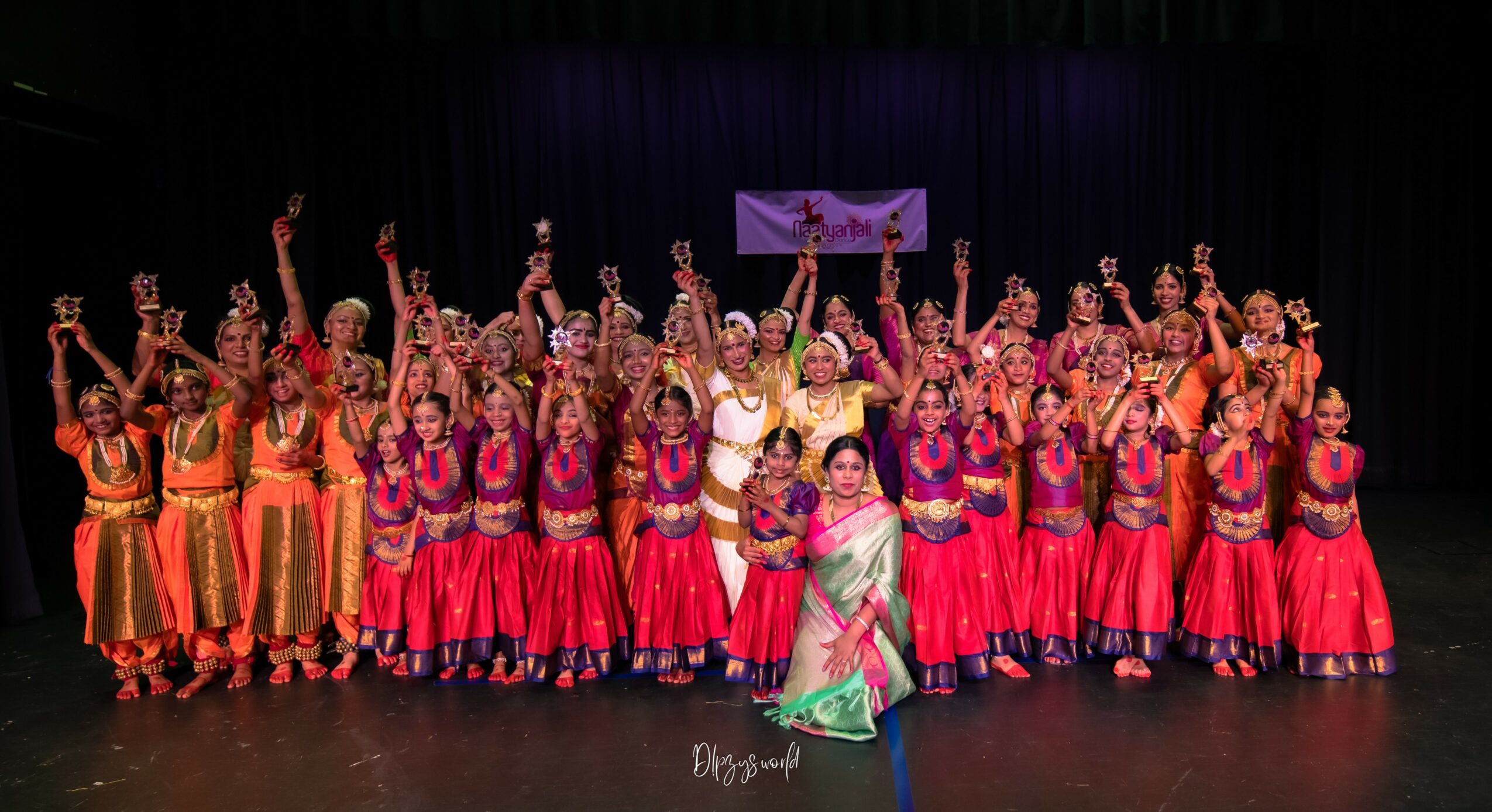
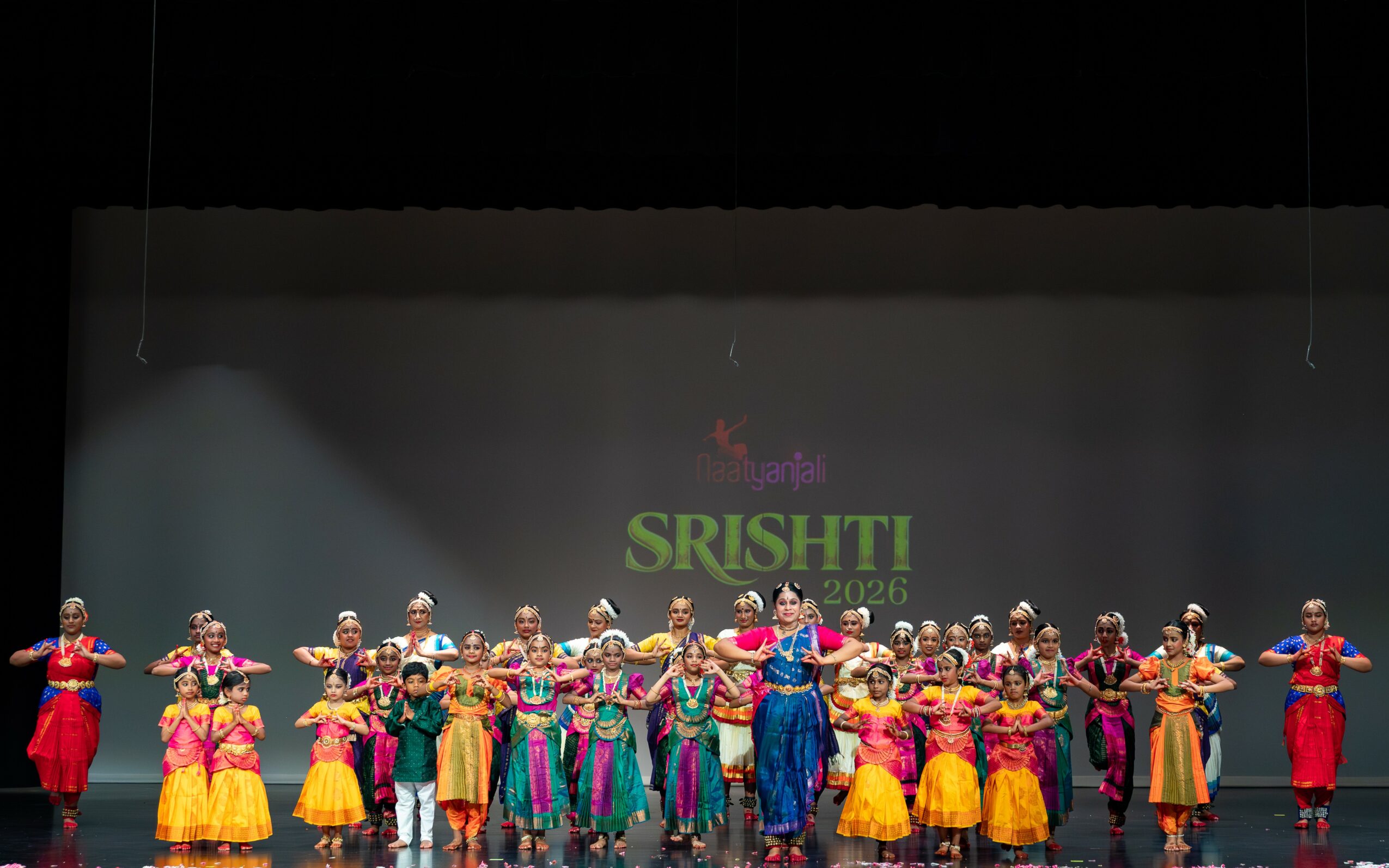
Today, in North Carolina, that small beginning has grown into “Naatyanjali,” a dance academy with more than forty students. Every child who walks into the classroom carries a story of migration, identity, and belonging. For many of them, dance becomes more than performance – it becomes a bridge to language, culture, memory, and self-confidence.
My vision is to continue building an academy where children across America can learn classical dance through both online and offline training, and where even those who had to discontinue their artistic journey can find their way back to it again – just as I did.
Even amidst teaching and running the academy, I remain a student myself. I continue advanced training in Mohiniyattam under Dr. Kalamandalam Dhanusha Sanyal and Kalamandalam Chithra, both of whom carry forward the lyrical Kerala Kalamandalam tradition, while my Bharatanatyam studies continue under Dr. K. Nirmala Nagarajan, another visionary in the field of classical dance.
Because for me, dance has never been a destination.
It is a lifelong pilgrimage – one that began with the hesitant footsteps of a little girl in Kerala, and today continues through every child who enters my classroom carrying rhythm in their heart.
Would you say it’s been a smooth road, and if not what are some of the biggest challenges you’ve faced along the way?
if you ask me whether this has been a smooth road, the answer is a resounding no. The journey has been full of unexpected turns, but every hurdle has shaped where I am today.
As an immigrant, I originally came to the USA as a dependent on my husband’s visa. My very first challenge in starting my dance school was simply the waiting game; I had to wait until my visa status changed to an H4 EAD work visa . Eventually, I was able to start the school in Malvern, Pennsylvania. After almost a year of hard work, we were finally planning our first recital for March 2020.
Then, everything unraveled. Suddenly, my husband’s visa was denied, and we were told we had to travel back to India in just two weeks. On top of this overwhelming news, I was three months pregnant with my second baby.
It would have been easy to give up, but I refused to lose hope. I immediately talked to the auditorium management to advance our date, and I managed to rent about 30 costumes from different dance schools. Against all odds, we successfully held our very first Naatyanjali recital on March 8, 2020. Two days later, on March 10, we were on a flight back to India.
We moved back with the hopeful wish that we would return to the US in six months. But suddenly, the world changed. COVID-19 hit, and we found ourselves stuck in India for almost two years. During that time, I kept my passion alive by taking online classes for a few kids, though not as a full-time endeavor.
Finally, in October 2022, we returned to the US and settled in Connecticut. I slowly restarted my classes and began to rebuild. However, just 6 or 7 months later, my husband’s project changed, and we were compelled to uproot once again and travel to Charlotte.
It was yet another restart. We registered the dance school in Indian Land, South Carolina in October 2023. It began slowly, with just 3 or 4 kids joining the class. But we persevered. My students and I began performing on different stages in and out of Charlotte, steadily building our presence.
All that resilience paid off. In May 2025, we proudly held our Annual Recital at the Mathew’s Community Center, North Carolina with 40 students. Now, in 2026, our school is beautifully developing, and we have grown to a student count of 45 and done our second recital at Indian Land High school, South Carolina
The road was certainly not smooth, but looking at my students today, every struggle along the way was entirely worth it.
Thanks – so what else should our readers know about your work and what you’re currently focused on?
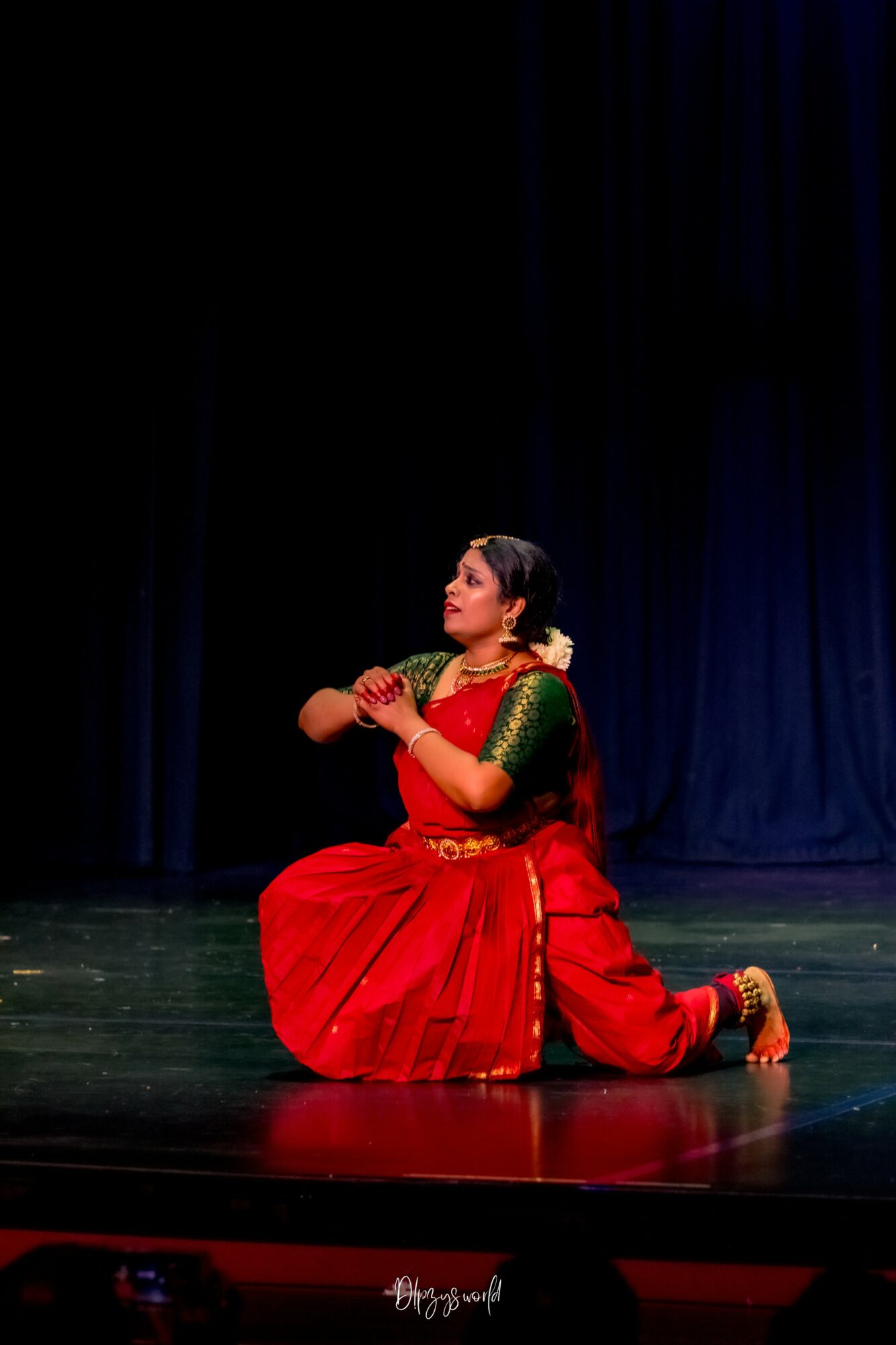
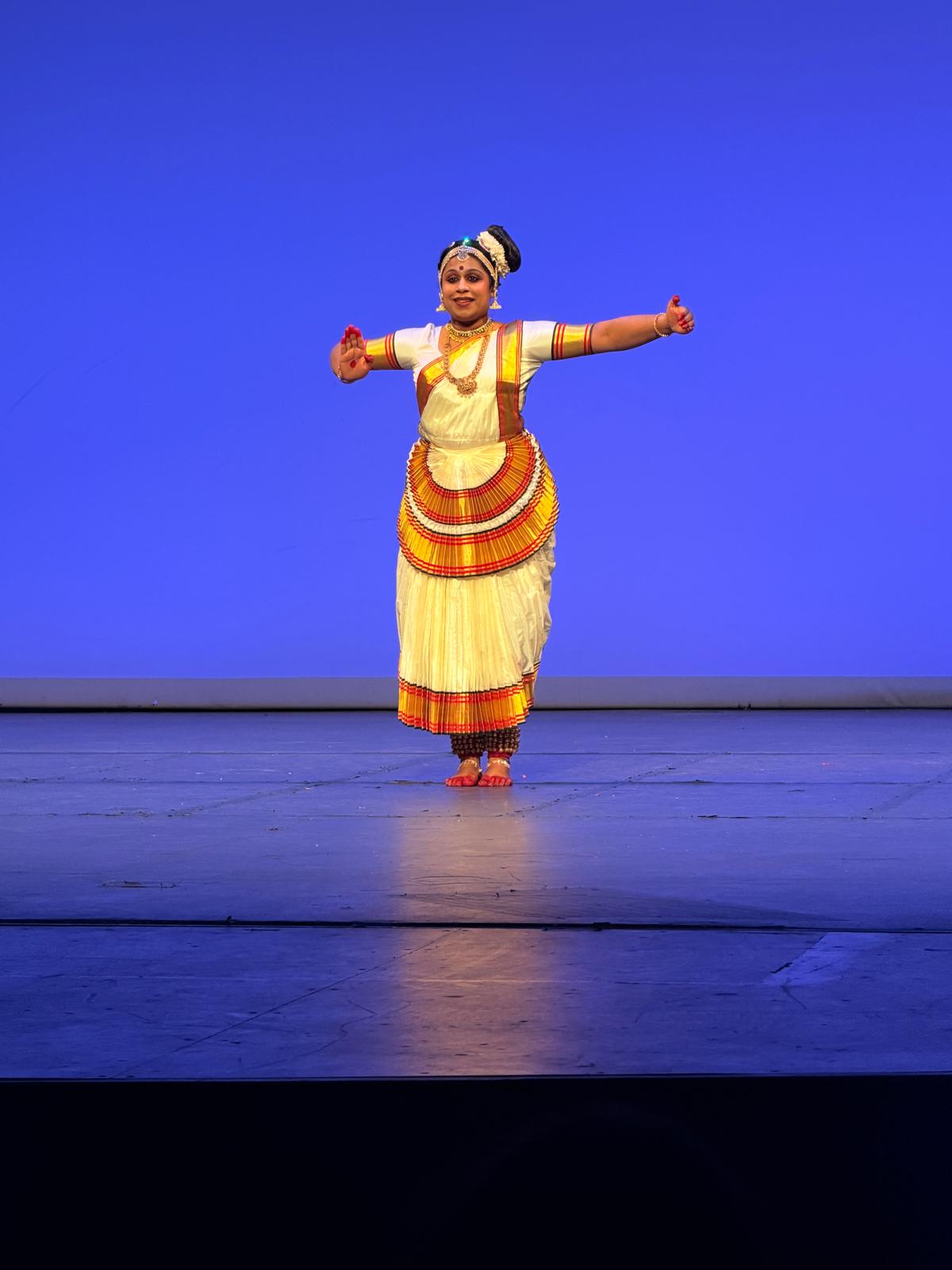
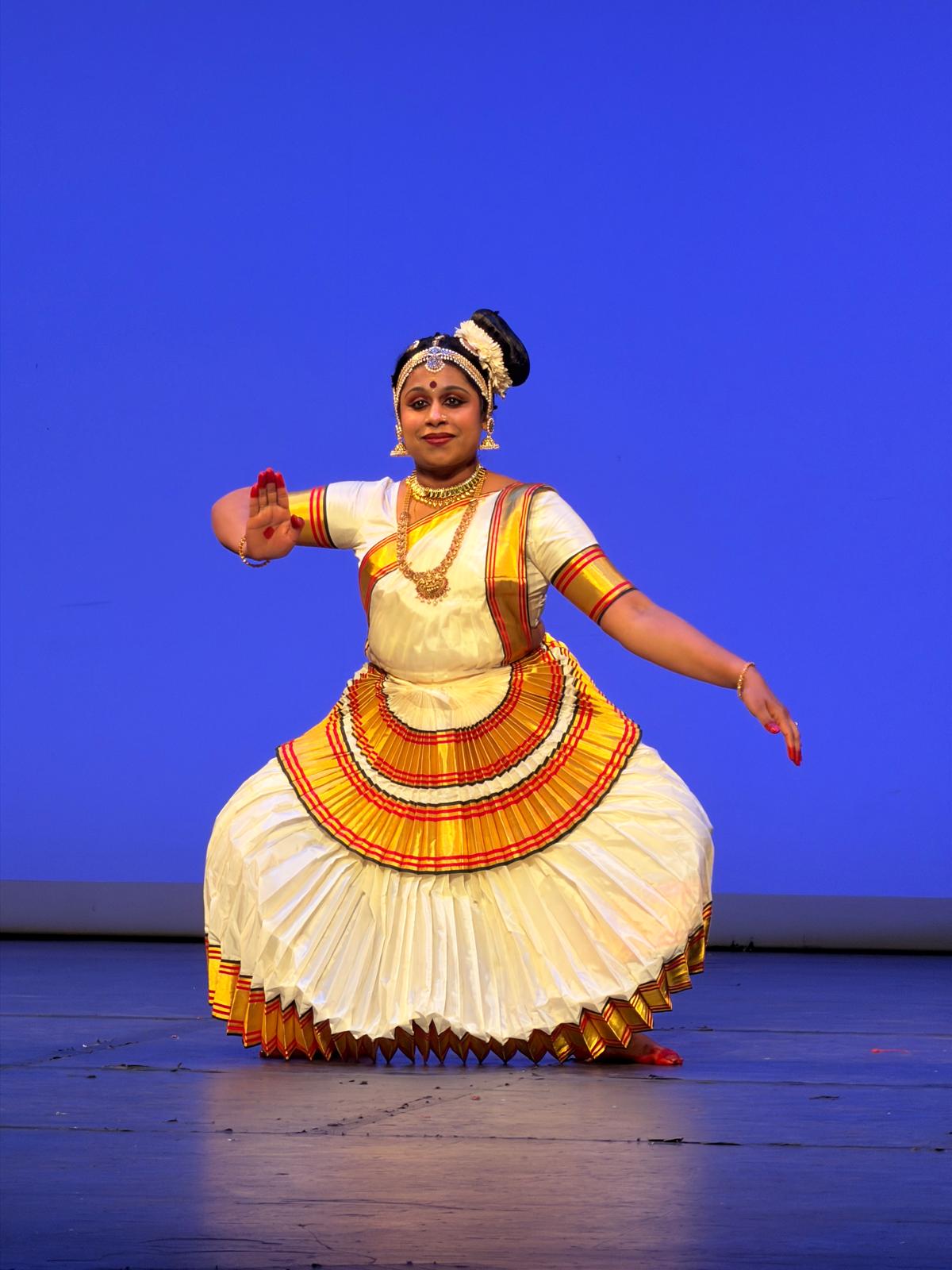
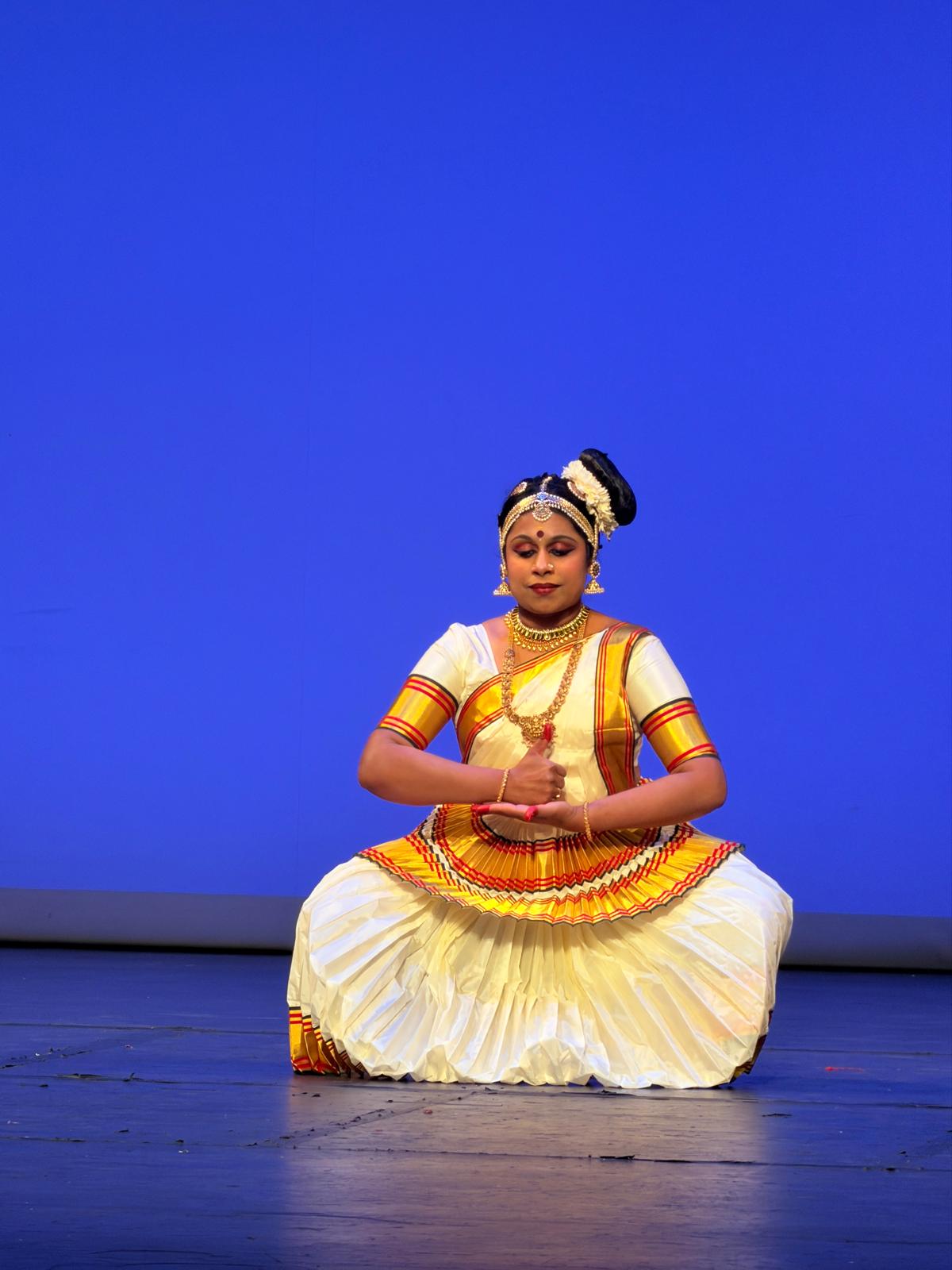
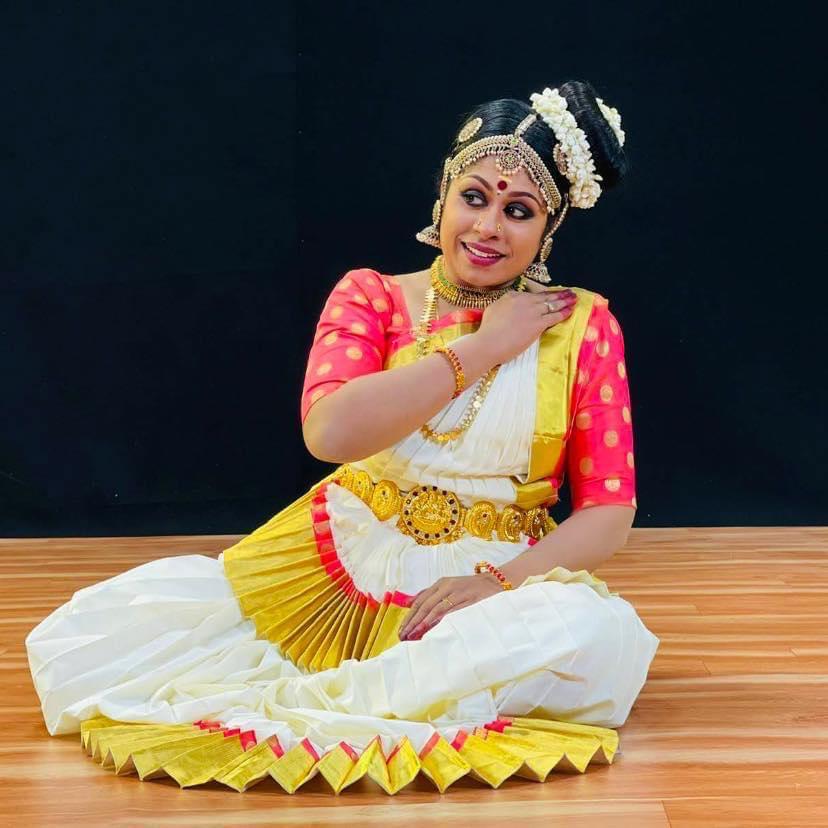
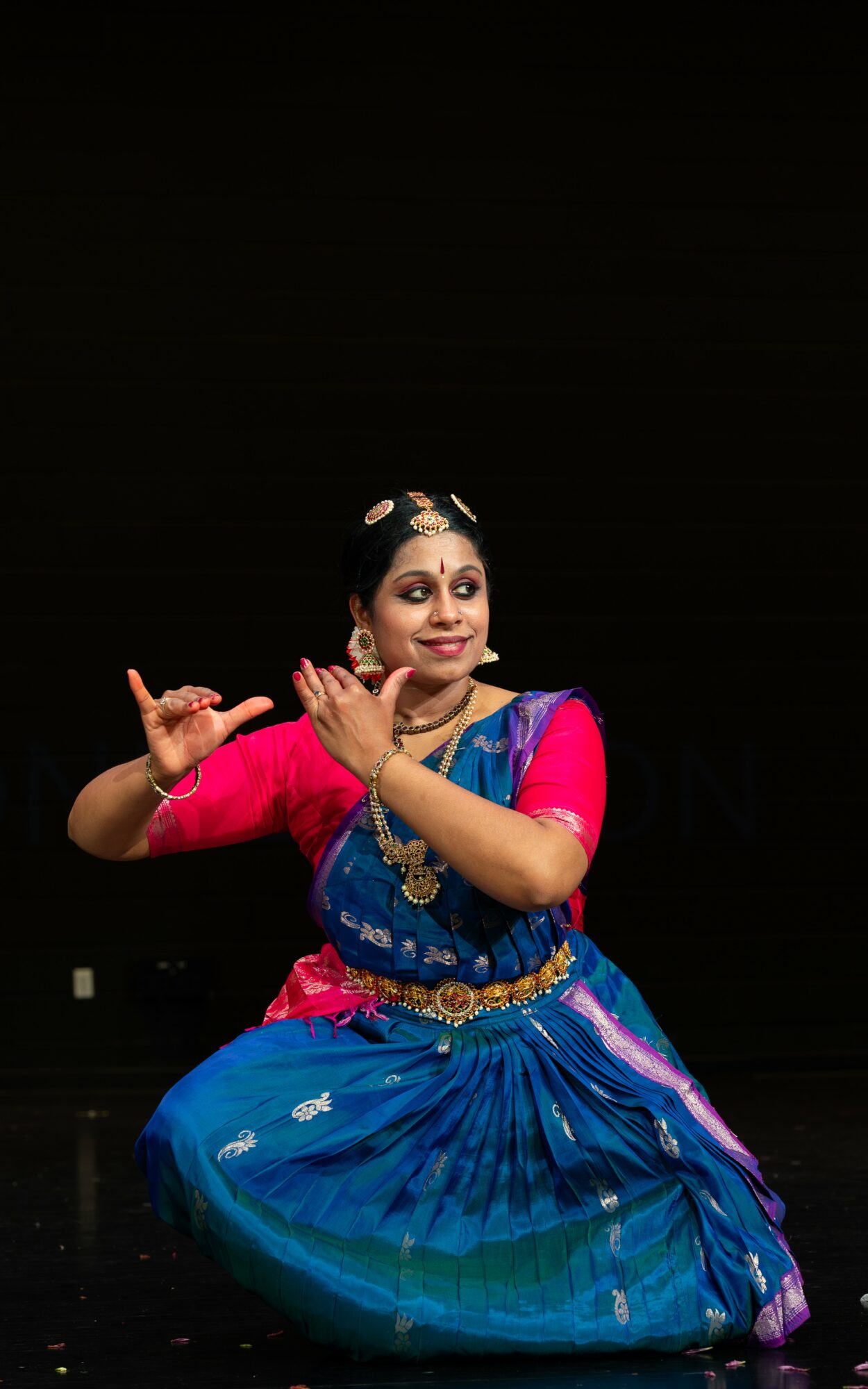
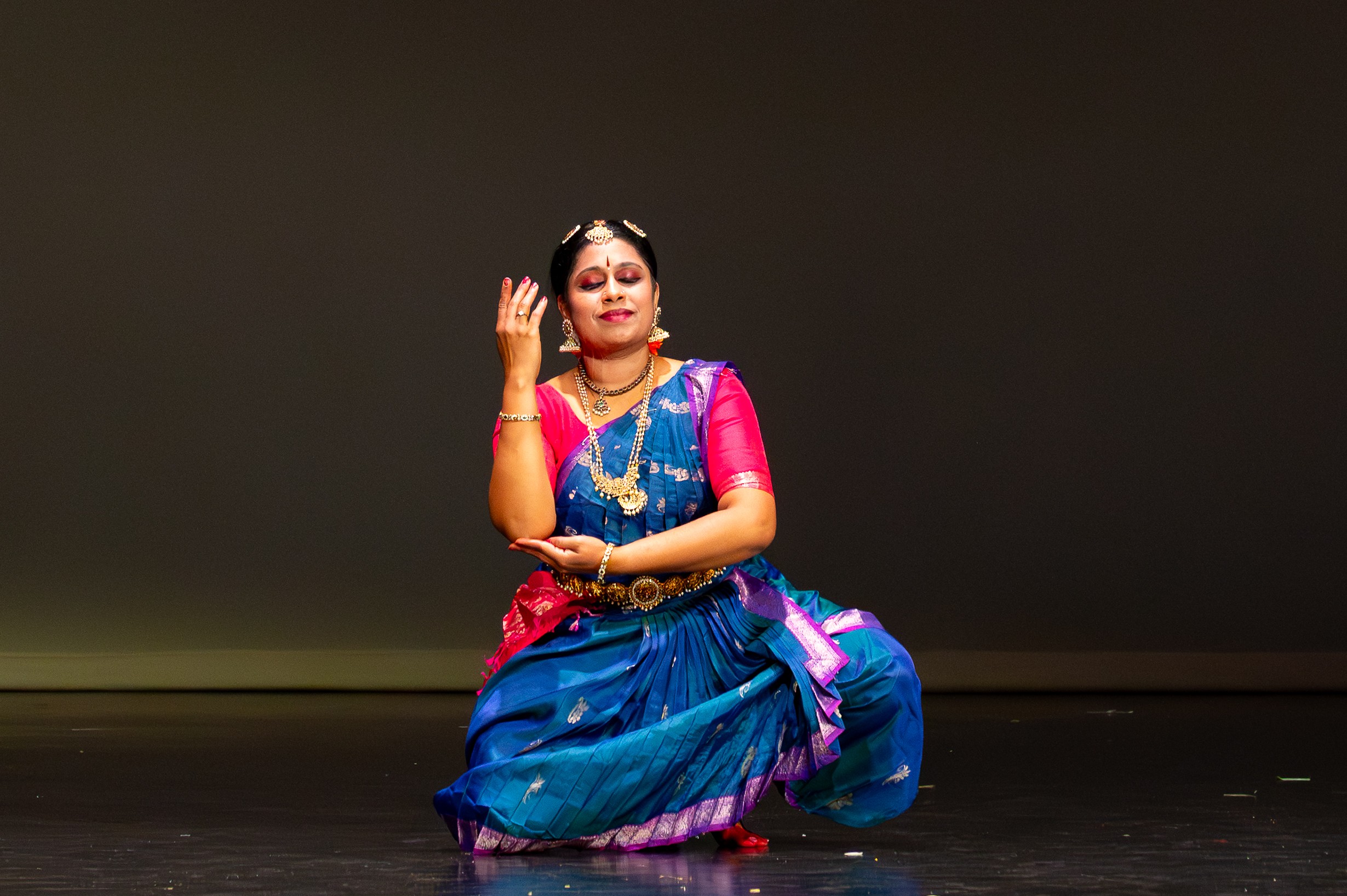
At my dance school, I specialise in teaching two beautiful classical Indian art forms: Bharatanatyam, which originates from Tamil Nadu, and Mohiniyattam, which comes from Kerala in South India. I’ve been learning and practicing both since I was very young, which has given me a deep, personal connection to the dances. These days, I’m mostly known as a Mohiniyattam dancer.
When I look at my achievements, I’m incredibly proud of both my personal journey and my students’ growth. On a personal level, I’ve had the honor of performing at some wonderful events, including the International Spring Festival in Philadelphia, the Charlotte Nrithya Sangamam in 2025, and the Swathi Tirunal Sangeetholsavam, Charlotte. I’ve also loved sharing our art locally at the Greater Charlotte Asian Festival, hosted by the India Association of Charlotte, the Odissi Odyssey conference organized by UNC Charlotte, and even for Selwyn Elementary School’s International Day.
But honestly, watching my students succeed is just as rewarding. Within just two years of learning, they are already stepping out and performing on various stages around Charlotte. A significant milestone this Spring is the induction of several of my middle school students into the National Honor Society for Dance Arts (NHSDA), University of North Carolina.
What makes you happy?
As a teacher, my main takeaway is that I always want to be genuine and present with my students. I make it a point to spend time on the basic steps and really get to know each student individually. By understanding their unique strengths and weaknesses, I can better support them with the right techniques. For me, the most important thing is helping them build a strong, solid foundation to grow from. Ultimately, what brings me the most happiness is the entire creative process—learning new choreographies, passing that knowledge on to my students, and putting together new performances.
Contact Info:
- Website: https://www.naatyanjali.com/
- Instagram: https://www.instagram.com/naatyanjali_scd/
- Facebook: https://www.facebook.com/profile.php?id=100093669515560