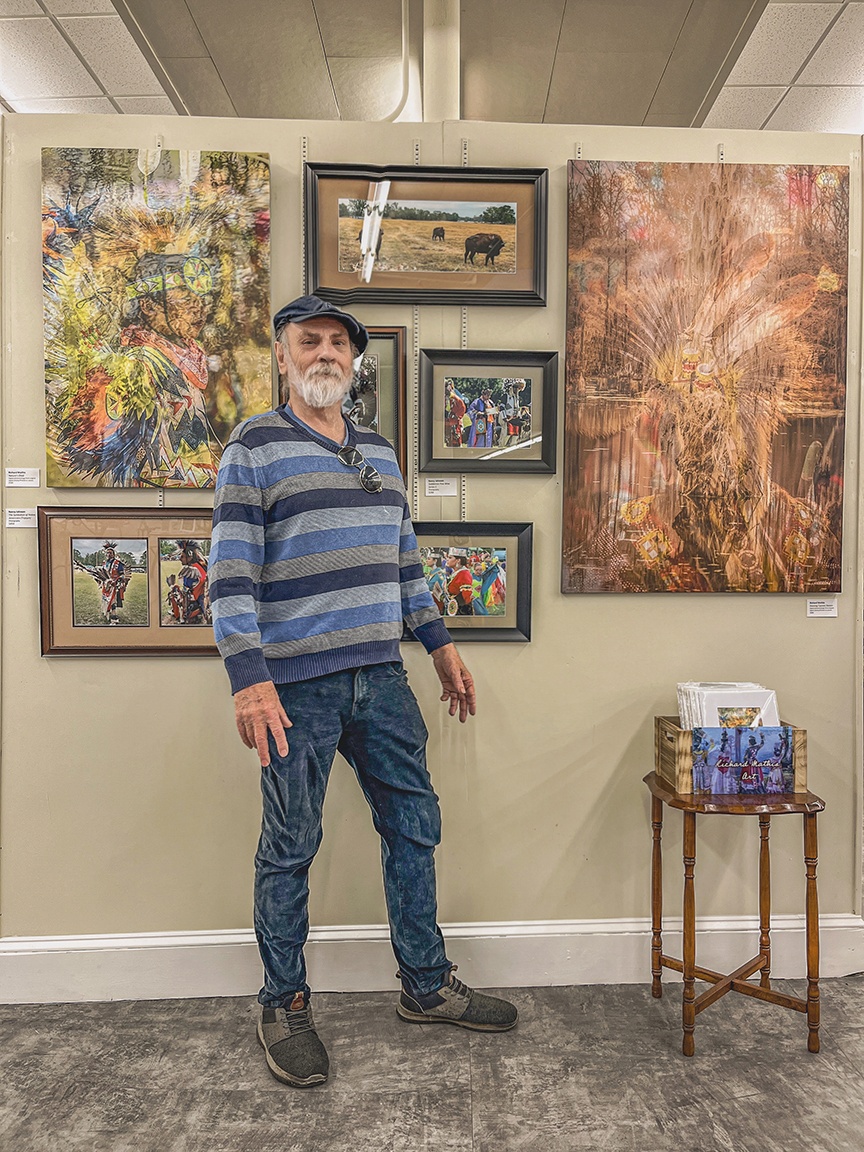
Today we’d like to introduce you to Richard Mathis.
Alright, so thank you so much for sharing your story and insight with our readers. To kick things off, can you tell us a bit about how you got started?
My path into fine art photography has been anything but traditional. Before fully committing myself to art, I spent more than four decades working as a psychologist, consultant, and clinical director in North Carolina. Much of that work involved helping people navigate trauma, identity, addiction, and human struggle. Looking back, I realize those years deeply shaped the way I now approach visual art. I became fascinated not only with what people reveal outwardly, but with the layers beneath experience — memory, history, culture, and emotion.
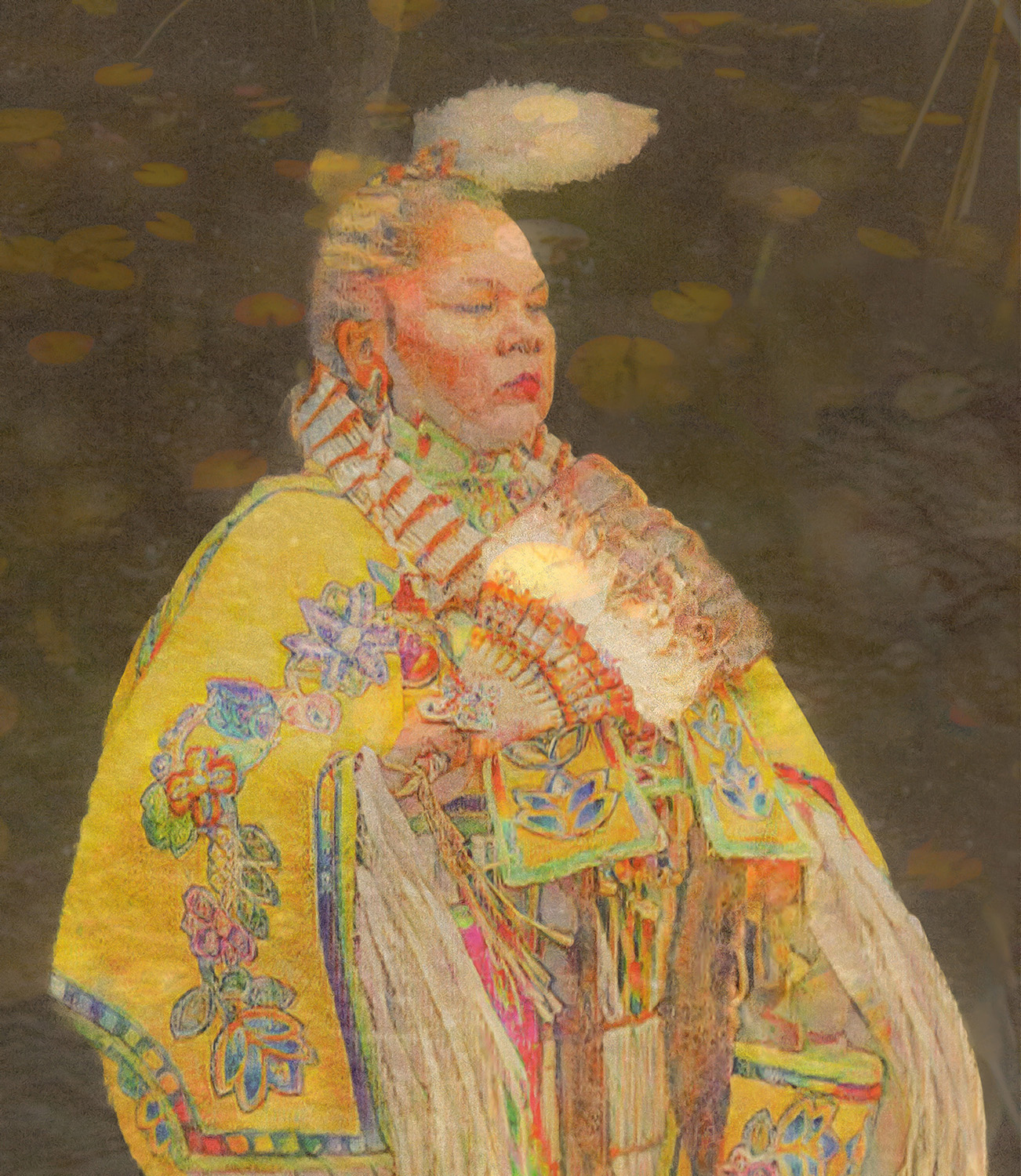
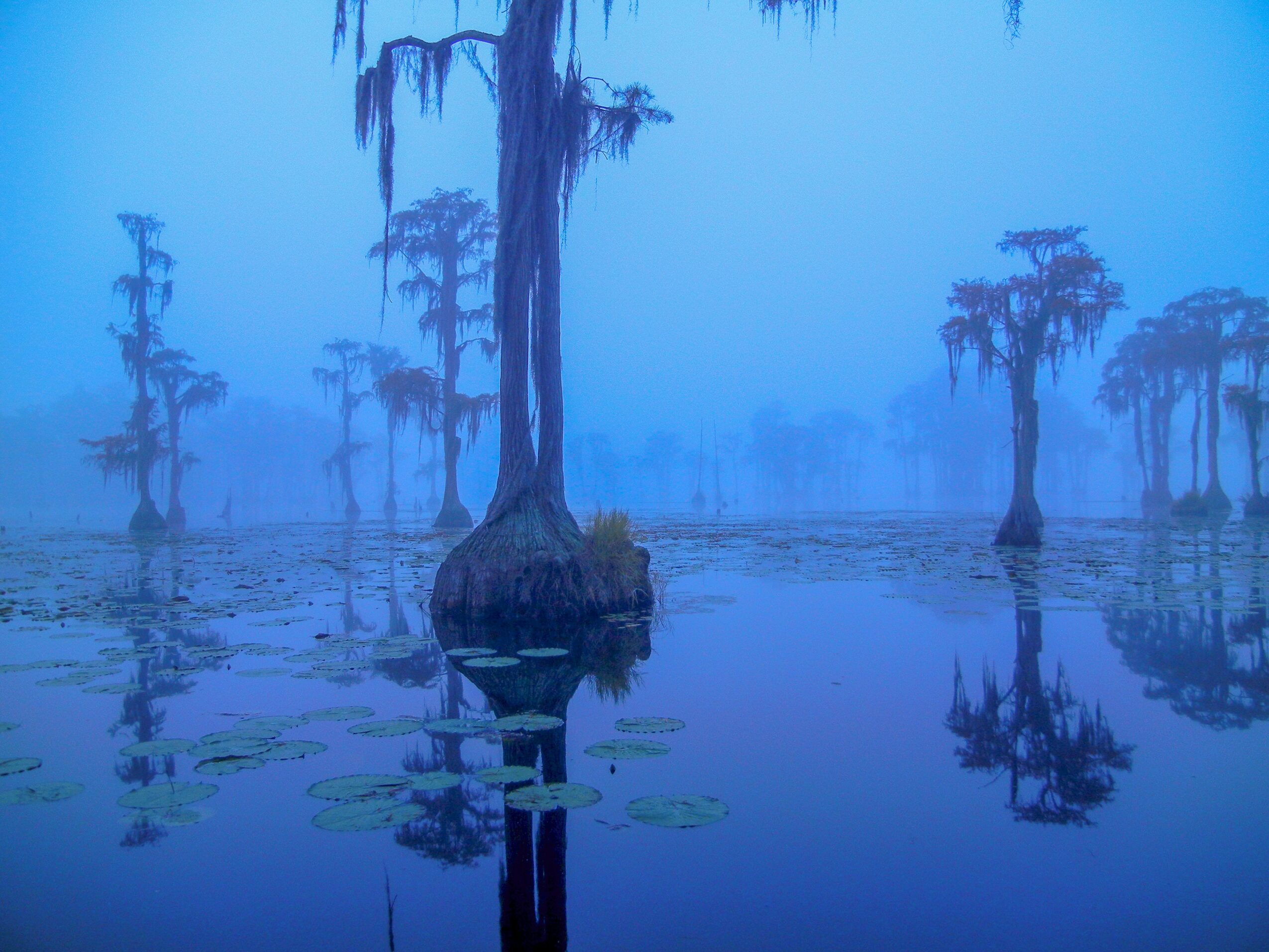
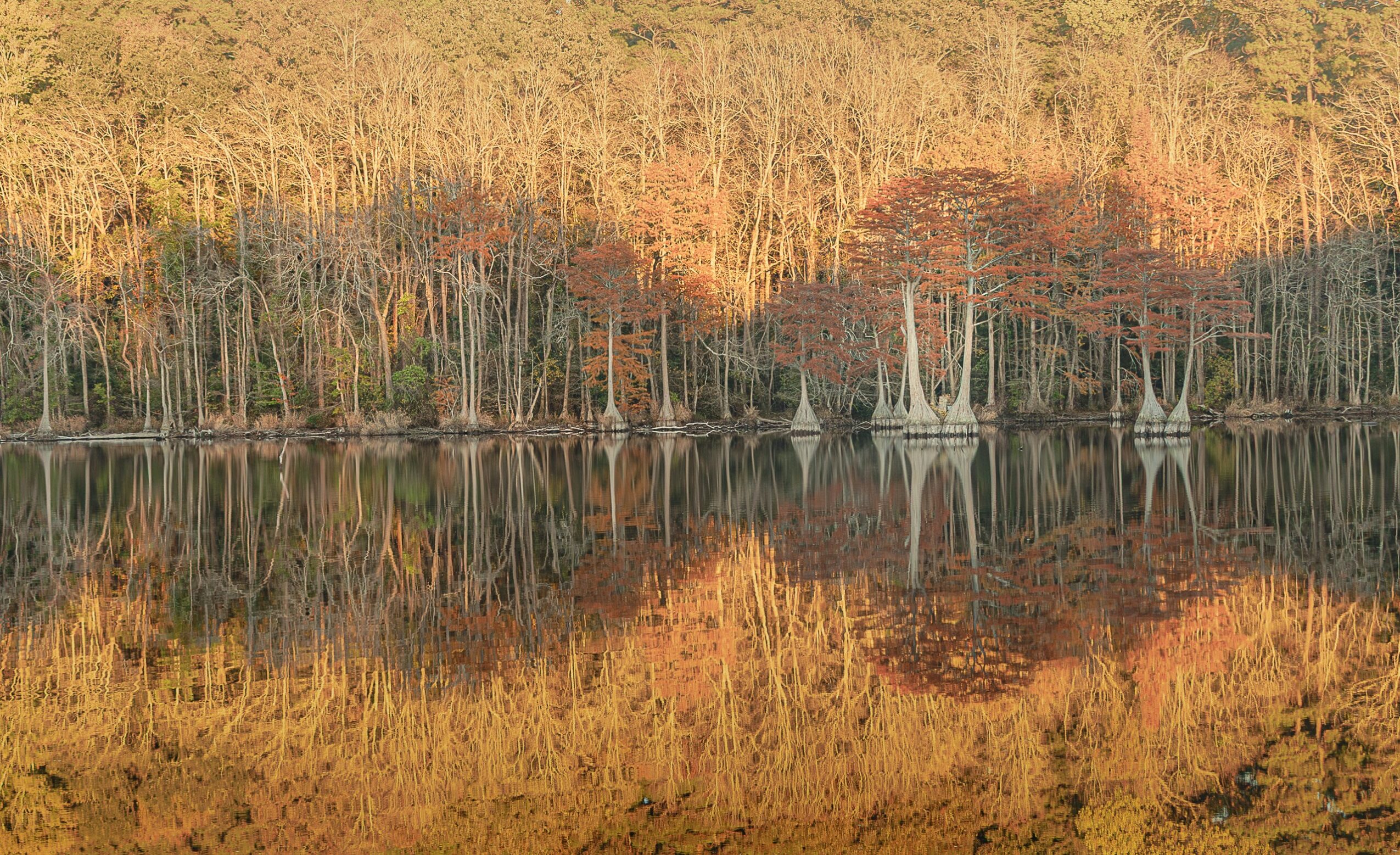
Photography gradually became the place where those interests converged. What began as a love for the camera evolved into a larger creative practice that combines photography, digital painting, and layered imagery in what I describe as “fusion art.” Rather than treating photographs as simple documentation, I use them as raw material for constructing images that exist somewhere between observation and remembrance. My background in psychology continues to influence this process, particularly my interest in how identity and memory are layered over time.
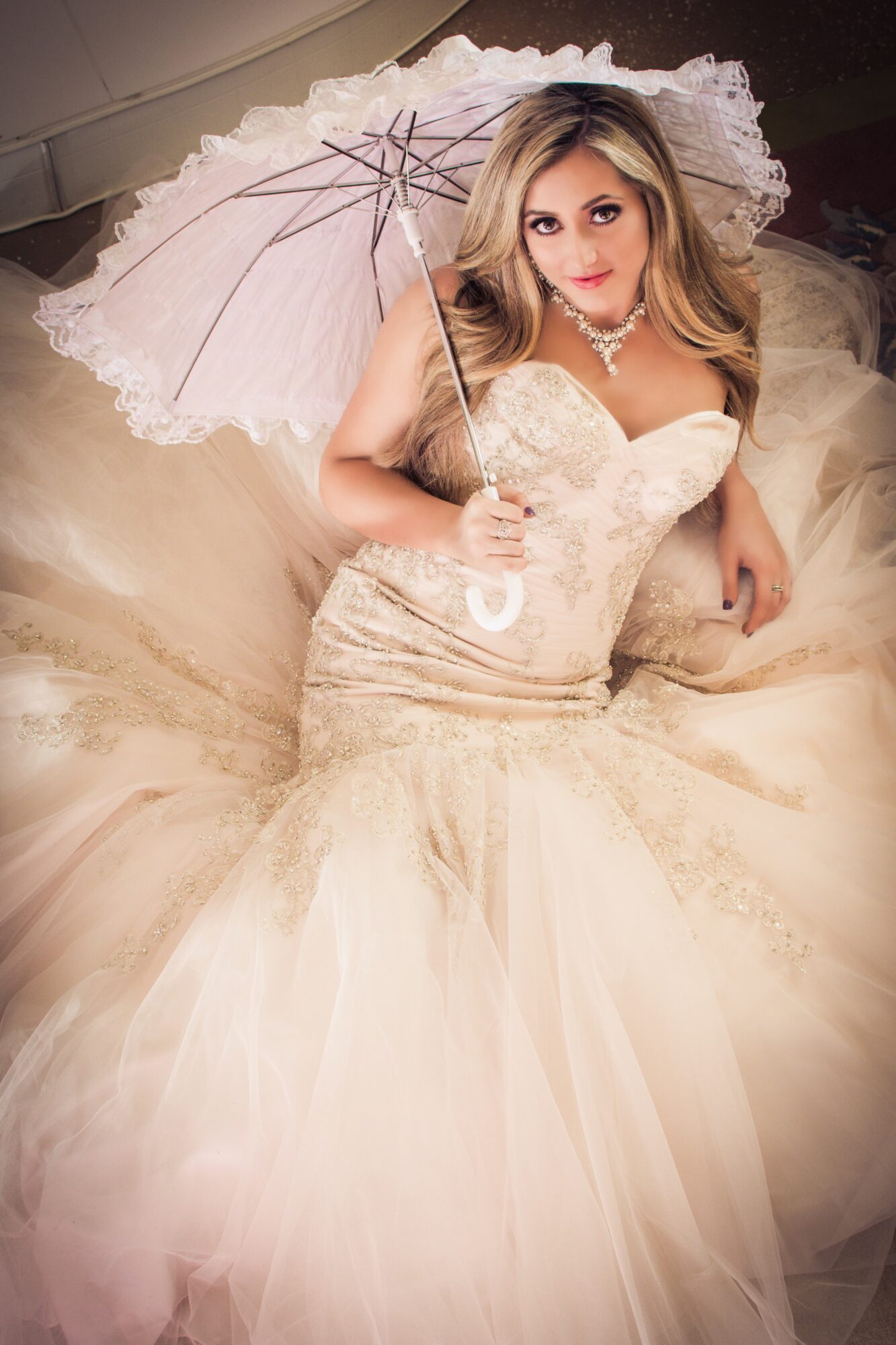
Much of my recent work focuses on the American South, Native themes, landscapes, and portraiture. Over the years I’ve had work exhibited in museums and galleries, including a solo exhibition at the North Carolina Museum of Natural Sciences, and one of my portraits was acquired by the Smithsonian’s National Museum of the American Indian.
At this stage in life, my artistic journey feels less like a career change and more like a culmination — a bringing together of everything that came before. My goal is to create images that carry emotional depth and a sense of lived experience, while also honoring the people, land, and stories that continue to inspire me.
We all face challenges, but looking back would you describe it as a relatively smooth road?
Here is a response that stays honest, reflective, and aligned with the trajectory of your life and work:
No, it definitely has not been a smooth road, although I think the struggles have ultimately shaped both my life and my work.
One challenge was beginning an art career later in life and without formal artistic training. I spent most of my professional life in psychology and public service, so entering the fine art world required starting over in many ways — learning not only technique and technology, but also how galleries, exhibitions, and the art market function. There were plenty of moments of self-doubt along the way.
Health has also been a significant challenge. I was diagnosed with Parkinson’s disease several years ago, and that has forced me to adapt physically and creatively. Some days are harder than others. But in an unexpected way, it has also deepened my sense of urgency and purpose as an artist. It has made me more aware of time, memory, fragility, and the importance of creating meaningful work while I can.
Another challenge has been trying to create work that does not fit neatly into conventional categories. My “fusion art” combines photography, digital painting, and layered imagery, which sometimes places it between traditional photography and contemporary mixed media. Building recognition for work that crosses boundaries can take time.
At the same time, many of the difficulties became part of the foundation of the work itself. My years as a psychologist exposed me to the complexity of human experience, and my personal struggles have reinforced my desire to create art that carries emotional honesty, cultural respect, and a sense of lived experience. In many ways, the road itself became the subject.
As you know, we’re big fans of you and your work. For our readers who might not be as familiar what can you tell them about what you do?
No, it has not been a smooth road, although I believe the struggles have profoundly shaped both my life and my work.
One challenge was beginning a serious art career later in life and without formal artistic training. My professional background was in psychology and public service, not the art world, so I essentially had to reinvent myself creatively while learning new technologies, artistic techniques, and the realities of galleries, exhibitions, and marketing fine art. There were certainly moments of uncertainty and self-doubt along the way.
Health has also been a major challenge. I was diagnosed with Parkinson’s disease several years ago, and that experience has forced me to adapt both physically and creatively. Some days are more difficult than others. Yet in an unexpected way, the diagnosis also intensified my commitment to creating meaningful work. It deepened my awareness of time, memory, fragility, and the importance of using art to say something genuine while I still can.
Another obstacle has been creating work that does not fit neatly into traditional categories. My “fusion art” combines photography, digital painting, and layered imagery, existing somewhere between photography and contemporary mixed media. Work that crosses boundaries can sometimes take longer to find acceptance and understanding within the art world.
At the same time, many of these struggles became part of the foundation of the work itself. My years as a psychologist gave me insight into identity, memory, and human complexity, while my personal experiences taught me resilience and perspective. Together, those influences continue to shape my desire to create images that carry emotional honesty, cultural respect, and a sense of lived experience. In many ways, the journey itself became part of the art.
What are your plans for the future?
At this stage of my life, my primary focus is on continuing to grow and refine my work as an artist while building a lasting body of work that has both emotional and cultural resonance. I feel a strong sense of momentum creatively right now, and I want to continue pushing my “fusion art” approach further — especially the blending of photography, digital painting, portraiture, and layered storytelling.
One area I am especially excited about is expanding my environmental portrait work and continuing projects connected to Native communities and the American South. Much of my work explores themes of identity, memory, heritage, and the relationship between people and the land, and I hope to deepen those explorations through future exhibitions and collaborative projects.
I am also working toward strengthening my presence in galleries and museums while continuing to develop a more unified and curated portfolio. In many ways, I see this period not as slowing down, but as entering a new creative chapter with greater clarity about what I want my work to say and represent.
Beyond exhibitions and recognition, what matters most to me is creating work that endures — images that people feel emotionally connected to and that preserve something meaningful about culture, memory, and human experience. I think the biggest change is that art is no longer something secondary in my life; it has become central to how I see the world and how I want to spend the years ahead.
Contact Info:
- Website: www.richardmathis.cp,
- Instagram: https://www.instagram.com/mathisphotography/
- Facebook: https://www.facebook.com/richardmathisphotography