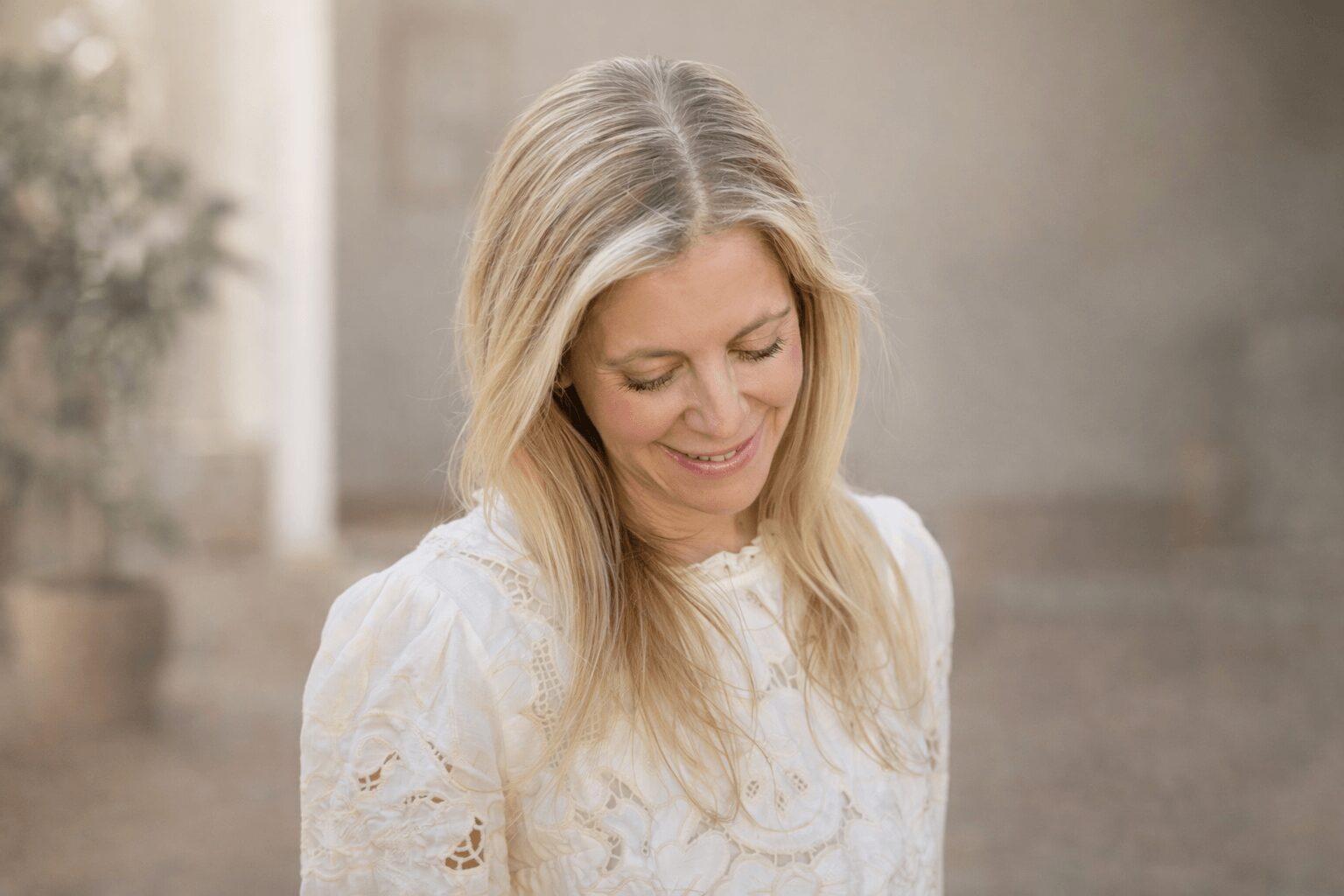
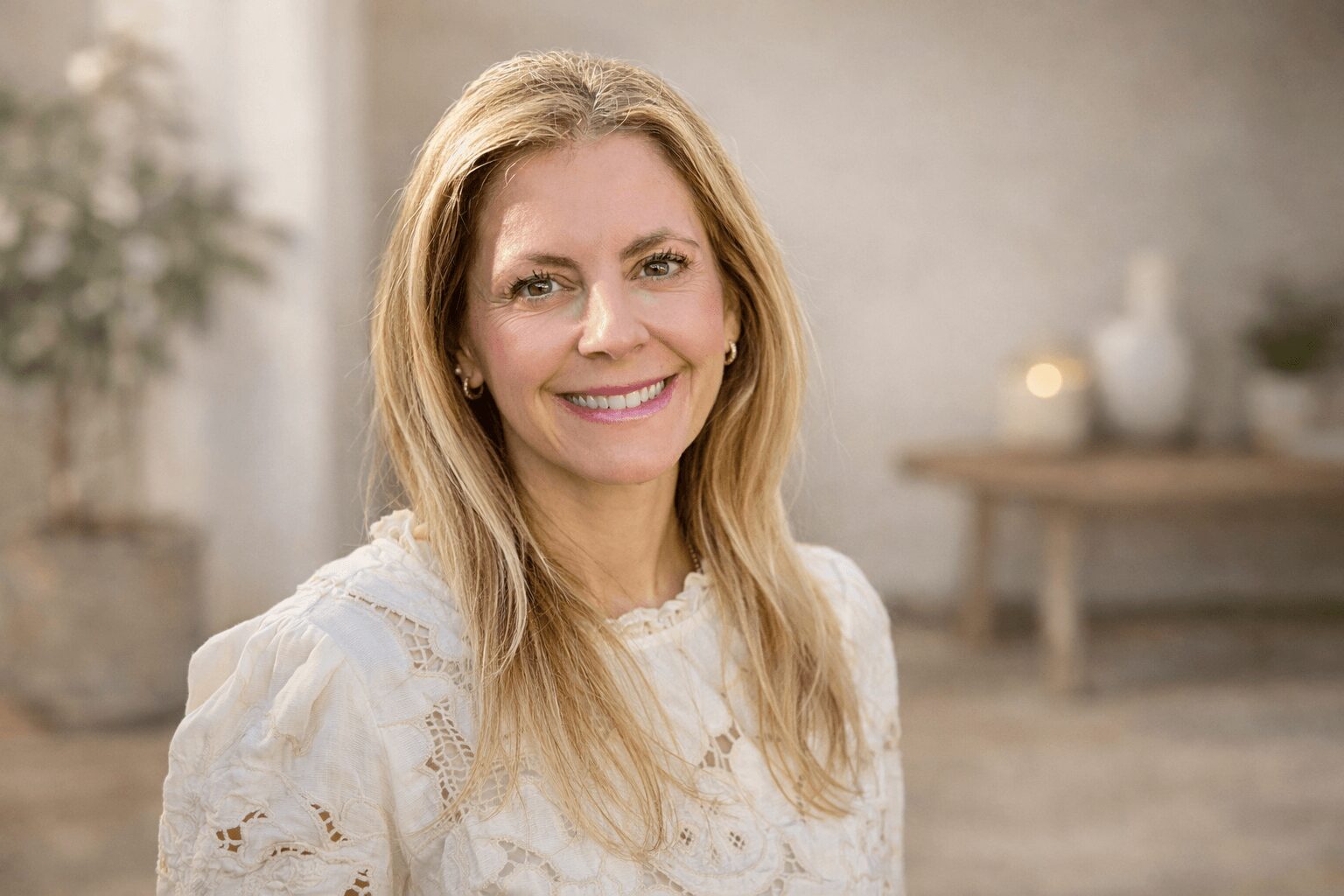
Today we’d like to introduce you to Laura.
Laura, we appreciate you taking the time to share your story with us today. Where does your story begin?
I was born and raised in Argentina and later moved to Mexico, where I spent over a decade building a career in advertising. Living in different countries shaped how I understand identity, belonging, and the quiet ways women learn to adapt.
From the outside, my life looked successful. But over time, I started to feel disconnected from myself and knew something needed to shift.
After moving to Greenville, I found myself at a turning point. Motherhood—especially raising my children without family nearby—was beautiful and humbling. It pushed me to slow down, to let go of who I thought I was supposed to be, and to meet myself with more honesty and compassion.
That experience led me to go back to school and earn my Master’s in Mental Health Counseling from Northwestern University, graduating with academic recognition. Today, I run a private practice, Regarding You, here in Greenville, where I work with women and couples, with a special focus on anxiety, trauma, and postpartum mood disorders. In my work, we slow things down and look at what’s really happening underneath—how stress lives in the body, how much gets carried in the day-to-day of motherhood, and how those patterns begin to play out in relationships.
At the heart of my work is helping them understand themselves more deeply, soften the parts shaped by survival, and begin to live with greater clarity, intention, and self-trust.
Would you say it’s been a smooth road, and if not what are some of the biggest challenges you’ve faced along the way?
It definitely hasn’t been a smooth road.
Internally, one of the biggest challenges was learning to separate my worth from achievement. For a long time, I relied on doing well, being productive, and meeting expectations as a way to feel grounded. Letting go of that—and learning to trust myself in a deeper, quieter way—has been ongoing work.
There was also the internal shift of allowing myself to start over. Changing careers later in life, especially while raising young children, brought up a lot of doubt and vulnerability. I had to learn how to stay with the uncertainty instead of trying to rush past it.
Externally, building a life and career in different countries came with its own challenges. Moving, adapting to new cultures, and raising children without family nearby required a lot of resilience and flexibility. Going back to school while navigating motherhood was also a full season—emotionally, and logistically.
Starting my own practice came with a different kind of challenge. There’s the practical side of building something from the ground up, but also the emotional side of putting yourself out there and trusting that the work will find the people it’s meant to reach.
Looking back, I can see how each of these experiences shaped me. They’ve allowed me to show up with more empathy, more patience, and a deeper respect for how hard change can be—and how possible it is, even when it doesn’t feel that way at first.
As you know, we’re big fans of Regarding You. For our readers who might not be as familiar what can you tell them about the brand?
I’m the founder of Regarding You, a private practice based in Greenville, where I offer therapy in English and Spanish, working with women and couples navigating anxiety, trauma, and postpartum mood disorders. I offer in-person and online sessions, which allows me to support clients in a way that fits into their real lives.
Much of my work centers around women who are high-functioning on the outside but feel overwhelmed, disconnected, or stuck on the inside—especially mothers carrying the invisible weight of the mental load.
What sets my work apart is the pace and the depth. I’m not focused on quick fixes or surface-level solutions. Instead, I create space for clients to slow down and really understand what’s happening underneath—their emotional patterns, their nervous system, and the parts of them that developed to cope and protect. In trauma work, that often means moving gently, helping the body feel safer before asking it to process anything it’s not ready for.
With couples, my work is grounded in an emotionally focused lens. I help partners step out of the same repeating cycles and begin to understand what’s happening underneath the conflict—so they can start to reach for each other in ways that feel more honest, vulnerable, and connecting.
I also bring culturally attuned lens to my work. Having lived in different countries and worked with diverse communities, I’m especially mindful of how culture, identity, and family dynamics shape the way we experience ourselves and our relationships.
Brand-wise, I’m most proud of creating a space that feels human and approachable. Therapy can feel very intimidating, and I care deeply about making it feel like a place where people can show up as they are—without pressure to have it all figured out. My goal is for clients to feel understood, not analyzed.
At the heart of it, my work is about helping people reconnect with themselves in a way that feels honest and sustainable—and from there, begin to relate to their lives and relationships with more clarity and intention.
Do you have any advice for those looking to network or find a mentor?
For me, networking has never really been about “networking” in the traditional sense—it’s been about relationships.
What has worked best is reaching out in a genuine way, especially to people whose work I respect. Not with an agenda, but with curiosity. Some of the most meaningful connections I’ve built started with a simple message or a coffee where I was just open about where I was in my journey.
Finding mentors has been similar. I’ve been drawn to people who feel experienced and human—those who are not only knowledgeable, but also grounded in how they show up. Supervision and consultation spaces have been incredibly important for me, especially as I’ve grown in my work with couples and trauma.
I also think it’s important to give yourself permission to be new. There can be a lot of pressure to “have it all figured out,” but some of the best learning has come from being honest about what I don’t know and staying open to feedback.
Over time, I’ve learned that the right connections tend to grow from shared values and consistency—not from trying to impress, but from showing up as you are.
Contact Info:
- Website: https://www.regardingyou.org
- LinkedIn: https://www.linkedin.com/in/laura-condenanza
- Other: laura@regardingyou.org