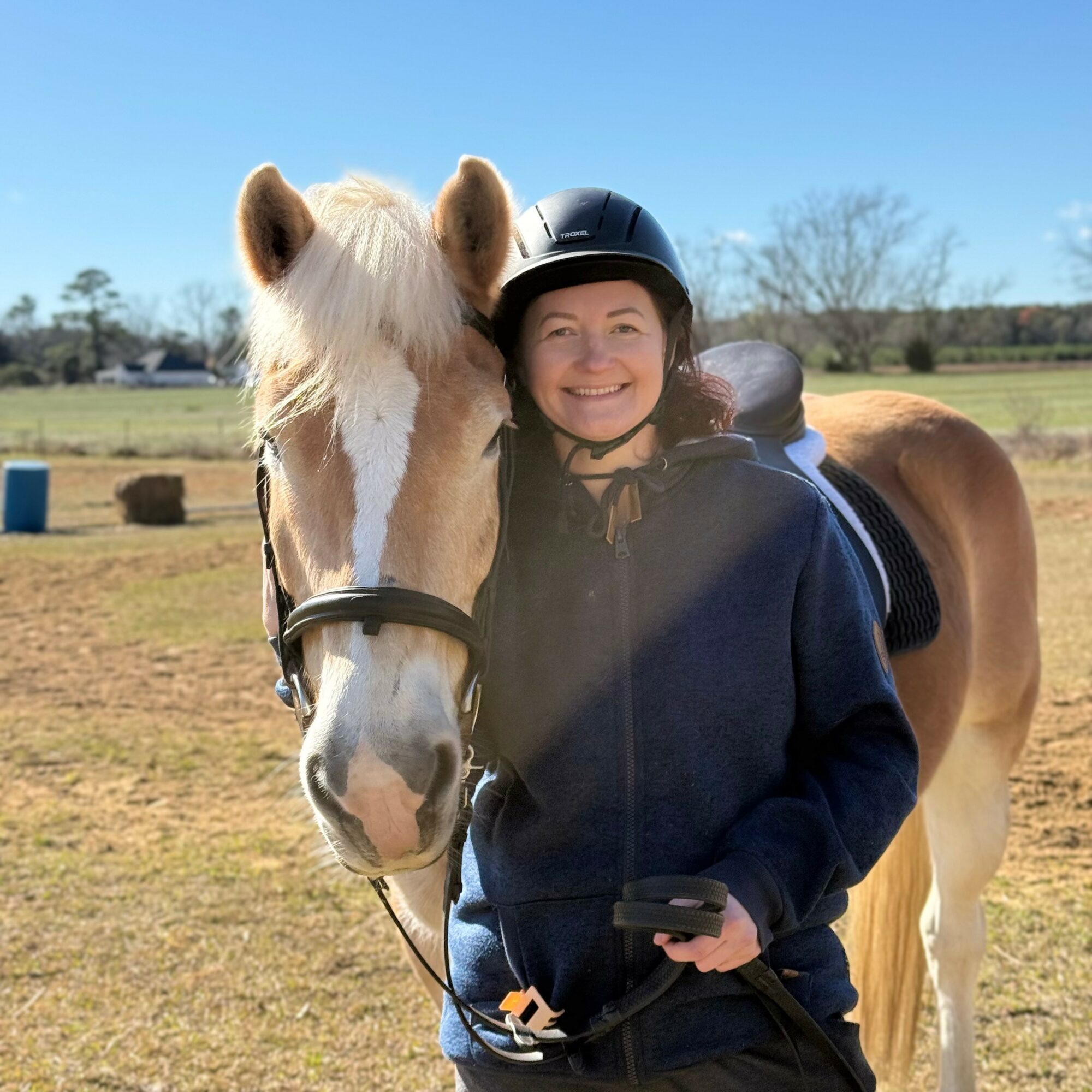
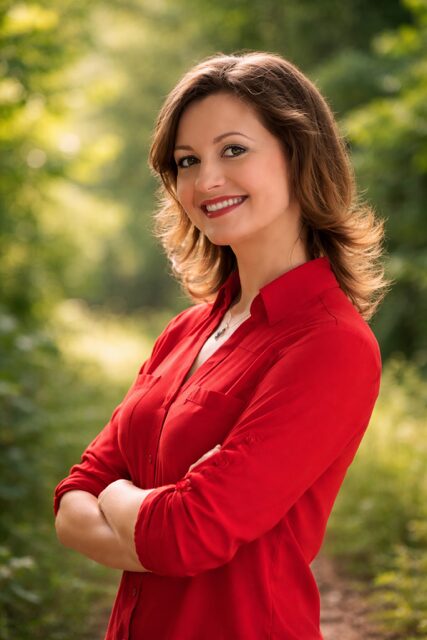
Today we’d like to introduce you to Oksana Chabot.
Hi Oksana, can you start by introducing yourself? We’d love to learn more about how you got to where you are today?
I was born in Russia and moved to the United States as a teenager, which meant learning how to adapt quickly—new language, new culture, new identity. But even before that transition, my early life shaped me in ways I’m still uncovering today.
I grew up in a home impacted by alcoholism and domestic violence. It was unpredictable, and at times, overwhelming. As a child, I learned how to read the room, how to stay small, how to navigate emotions that didn’t feel safe to express. But there was also an escape—something that, looking back, became one of the most defining influences in my life.
I would spend time at friends’ and neighbors’ dachas. A dacha is a small countryside home, often very simple, surrounded by nature—gardens, trees, fresh air. It’s where families go to slow down, grow their own food, gather, and just be. For me, those spaces felt like a completely different world. There was a sense of calm, of warmth, of safety that I didn’t always feel at home. Without realizing it at the time, those environments were regulating my nervous system. They gave me a glimpse of what it feels like to exhale.
Years later, after moving to the U.S., I found my way into the mental health field and became a therapist and addiction counselor. I genuinely loved the work and believed in it deeply. But over time, I started noticing something that deeply unsettled me.
Clients who were making real progress… just stopped showing up.
At first, I thought it was resistance or avoidance. But the truth was much more painful—many of them simply couldn’t afford to continue. Co-pays were too high, coverage was inconsistent, and healing became a luxury instead of something accessible. At the same time, I kept seeing how limited the traditional model could be. You can do incredible work in a 50-minute session, but if someone walks back into an environment that keeps their nervous system in survival mode, progress is incredibly hard to sustain.
That realization stayed with me.
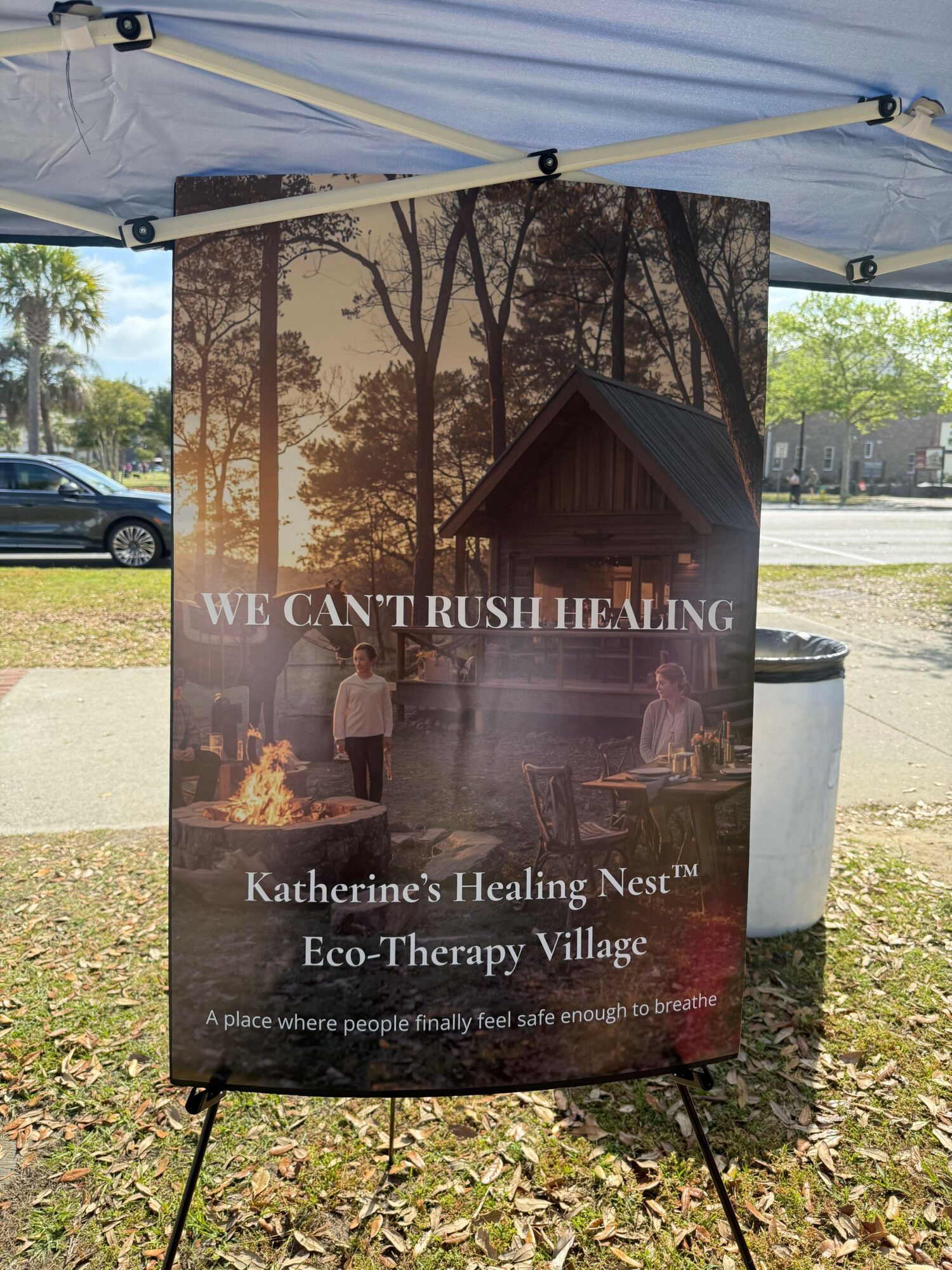
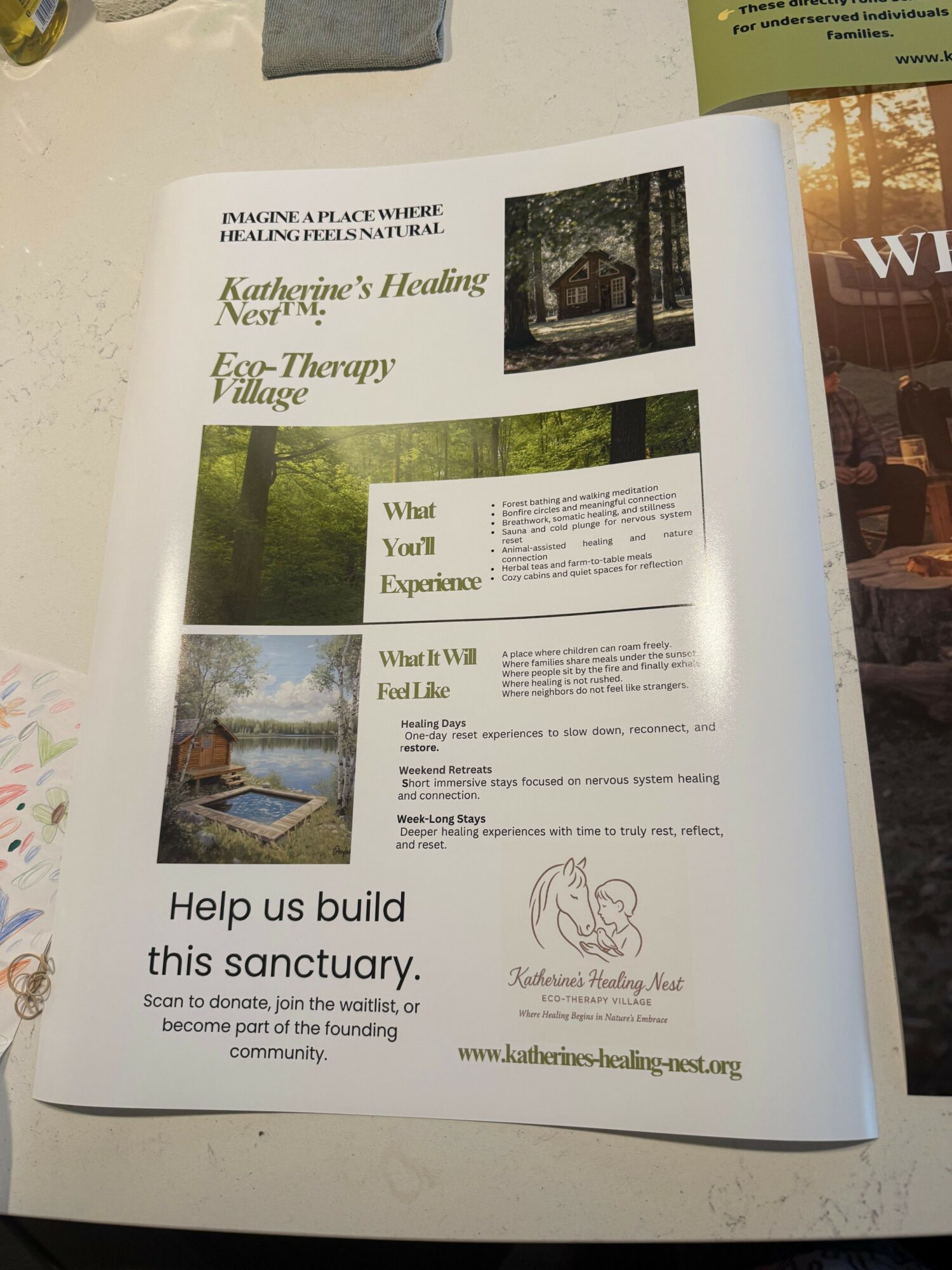
Then one day, during a breathwork experience, I had a very clear vision—almost like something clicked into place. I saw a space in nature where people could slow down, feel safe, and reconnect with themselves and others. A place that didn’t feel clinical or rushed, but instead felt like a home. There were trees, animals, warmth, community… and a sense of exhale.
That vision became the foundation for Katherine’s Healing Nest.
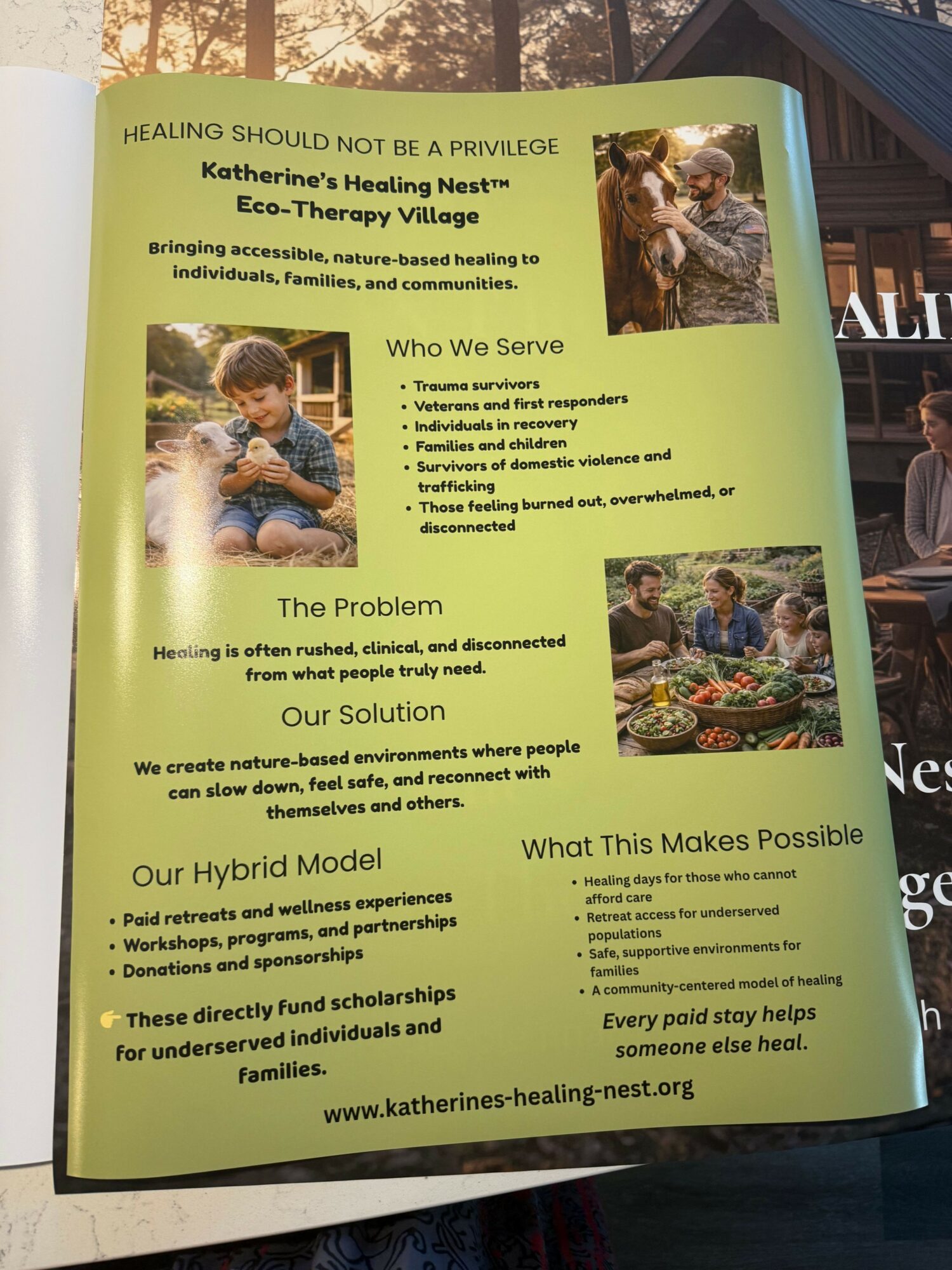
In many ways, it feels like I’m returning to what helped me survive as a child—but now, with intention, structure, and the ability to offer it to others. Today, I’m working on bringing that vision to life—an eco-therapy village designed to support healing in a way that aligns with how our nervous systems actually work. It’s a hybrid model that includes retreats, community experiences, and opportunities for those who otherwise wouldn’t have access to care.
My journey hasn’t been linear, but every step—from my childhood, to immigration, to clinical work, to the moments of frustration and insight—has led me here. And at this point, it feels less like a career path and more like a calling I can’t ignore.
Can you talk to us a bit about the challenges and lessons you’ve learned along the way. Looking back would you say it’s been easy or smooth in retrospect?
Not at all—it hasn’t been a smooth road, and in many ways, that’s what shaped both me and the vision I’m building today.
Some of the challenges started early. Growing up in an environment impacted by addiction and instability meant I had to learn resilience before I even understood what that word meant. Later, immigrating to the U.S. as a teenager came with its own set of struggles.
Professionally, the path also hasn’t been linear. Becoming a therapist was deeply meaningful, but it also came with moments of disillusionment. I found myself sitting with clients who were doing the work, showing up, making progress—and then disappearing, not because they didn’t care, but because they simply couldn’t afford to continue. Watching that happen over and over again was incredibly frustrating and, at times, heartbreaking. It forced me to confront a reality I couldn’t ignore: the current system often makes healing difficult to access for the very people who need it most.
On a personal level, life has asked a lot of me. My husband is currently battling stage 4 cancer, and I’m also a mother to two young children. There are days where everything feels incredibly heavy—where I’m holding space for my family, my clients, and this vision all at once. That experience has deepened my understanding of what people truly need in moments of overwhelm and pain.
Sometimes, it’s not more pressure. It’s not more expectations.
It’s simply a place to breathe… and to let go.
That’s a big part of what continues to drive me forward.
Building something like Katherine’s Healing Nest has brought a whole new layer of challenges. Stepping into the role of a founder—especially in a space that doesn’t fit neatly into traditional models—means constantly navigating uncertainty. There are financial hurdles, questions about how to structure something so big and unconventional, and moments where the vision feels clear but the path forward doesn’t.
There have also been internal struggles—self-doubt, fear of whether I’m “doing enough,” and the weight of holding a vision that feels bigger than me at times. When you’re trying to create something that challenges the way things have always been done, it can feel isolating.
But through all of it, one thing has remained consistent: every challenge has clarified *why* this work matters. If anything, the roadblocks have reinforced that this isn’t just an idea—it’s a response to real gaps, real pain, and real needs that I’ve witnessed firsthand.
So no, it hasn’t been smooth. But it’s been deeply meaningful. And I’ve learned to trust that even the hardest moments are shaping something that has the potential to give others what so many of us are searching for—a place where, even for a moment, we can finally exhale.
Can you tell our readers more about what you do and what you think sets you apart from others?
I’m a trauma-informed family therapist and addiction counselor, and my work centers around helping individuals and families move from survival mode into a place where they can actually begin to heal. I specialize in working with trauma, anxiety, and substance use, and I integrate approaches like EMDR, EFT (tapping), somatic work, and nervous system regulation. At the core of everything I do is the belief that healing doesn’t happen through pressure—it happens when people feel safe enough to open, process, and reconnect with themselves.
Over time, I’ve become known for the way I blend clinical work with a more holistic, human-centered approach. I don’t just focus on symptoms—I look at the environment, the body, the relationships, and the deeper story someone is carrying. I also bring in elements that are often missing in traditional settings, like nature-based practices, mindfulness, and experiential work that helps clients feel, not just think.
At the same time, my work has expanded beyond the therapy room. I’m the founder of Katherine’s Healing Nest, an eco-therapy village designed to reimagine how healing is offered. The idea is simple but powerful: create environments where people don’t feel rushed, judged, or reduced to a diagnosis—but instead feel grounded, supported, and connected.
What I’m most proud of is that I didn’t ignore what I was seeing. It would have been easier to stay within the traditional system, but I couldn’t unsee the gaps—the clients who couldn’t afford care, the limitations of short sessions, the way environment impacts healing in such a profound way. Choosing to step outside of that and build something new hasn’t been easy, but it feels deeply aligned with my purpose.
What sets me apart is that I don’t see healing as something that happens in isolation or within rigid structures. I see it as something that requires the right conditions—safety, connection, time, and environment. My work is about creating those conditions, whether that’s in a therapy session, a group setting, or eventually within the larger vision of Katherine’s Healing Nest.
Ultimately, I’m not just focused on helping individuals heal—I’m focused on changing the way we think about healing altogether.
What matters most to you?
What matters most to me is creating spaces where people feel safe enough to be fully human—without judgment, without pressure, and without having to hide parts of themselves.
That matters to me because I know what it feels like to grow up in an environment where safety wasn’t always there. I know what it’s like to carry emotions you don’t have space to express, and how deeply that impacts the nervous system, relationships, and sense of self. And I also know—through my own experiences and through my work—that when someone finally feels safe, even just a little, everything begins to shift.
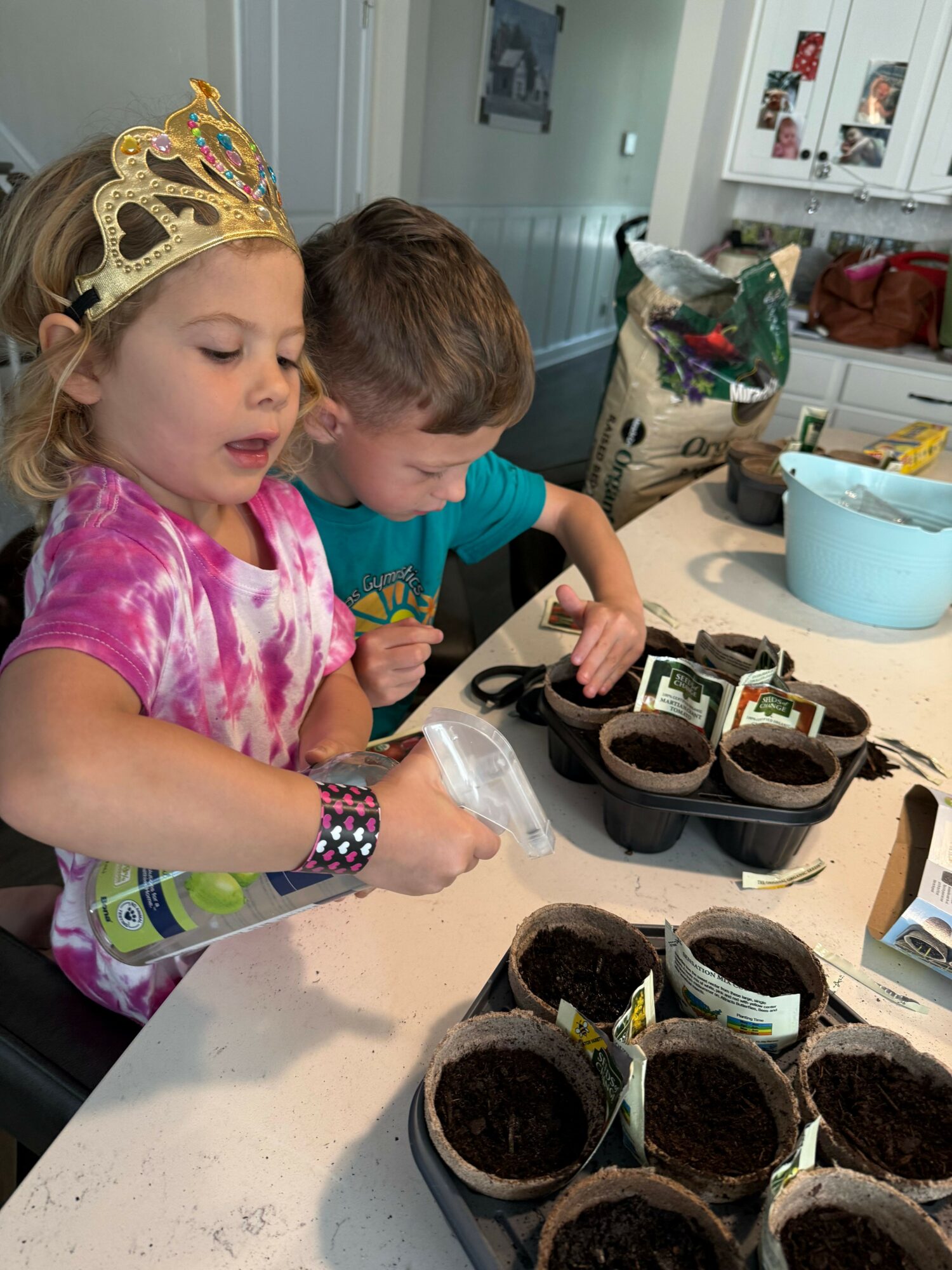
Today, that value shows up in every part of my life. As a therapist, it means creating a space where my clients don’t feel rushed or reduced to a diagnosis, but truly seen and supported. As a mother of two young children, it means being intentional about the kind of emotional environment I’m creating for them—one where they feel secure, heard, and free to be themselves. And as a wife, especially while my husband is battling stage 4 cancer, it means slowing down and being present in ways that really matter.
It’s also at the heart of Katherine’s Healing Nest. The vision isn’t just about offering services—it’s about creating a place where people can come as they are, take a breath, and begin to let go of what they’ve been carrying for so long.
At the end of the day, what matters most to me is helping people experience that sense of “I’m okay to be here as I am.” Because from that place, real healing becomes possible.
I can’t do it alone though. This vision is bigger than me, and I need people who believe that it takes a village to build the Village and join me in making this vision a reality and create a real positive change for the generations ahead.
Contact Info:
- Website: https://www.katherines-healing-nest.org
- Instagram: https://www.instagram.com/oksana.chabot/
- Facebook: https://www.facebook.com/oksana.chabot/
- LinkedIn: https://www.linkedin.com/in/oksana-chabot-aaa5633b9/