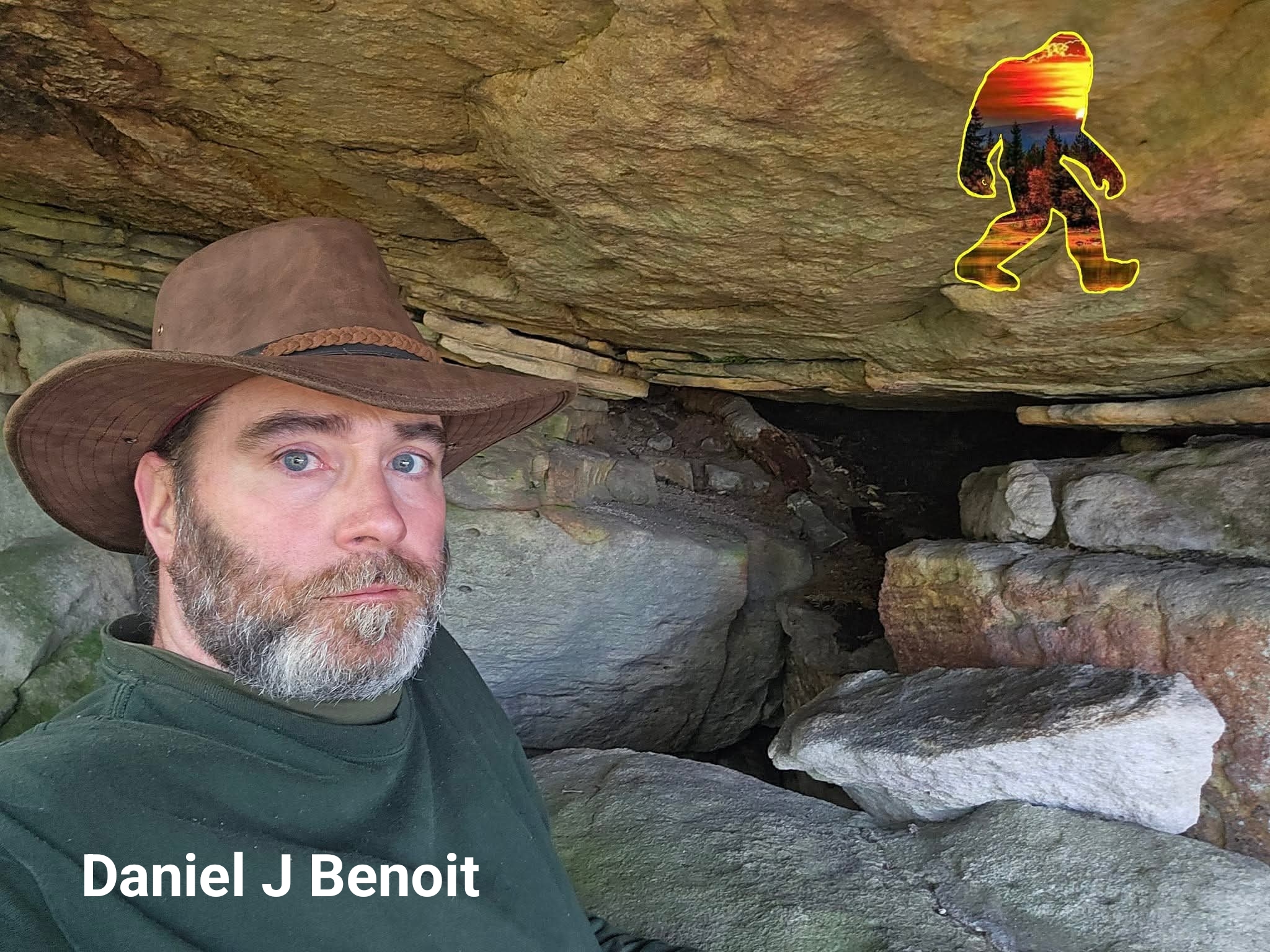
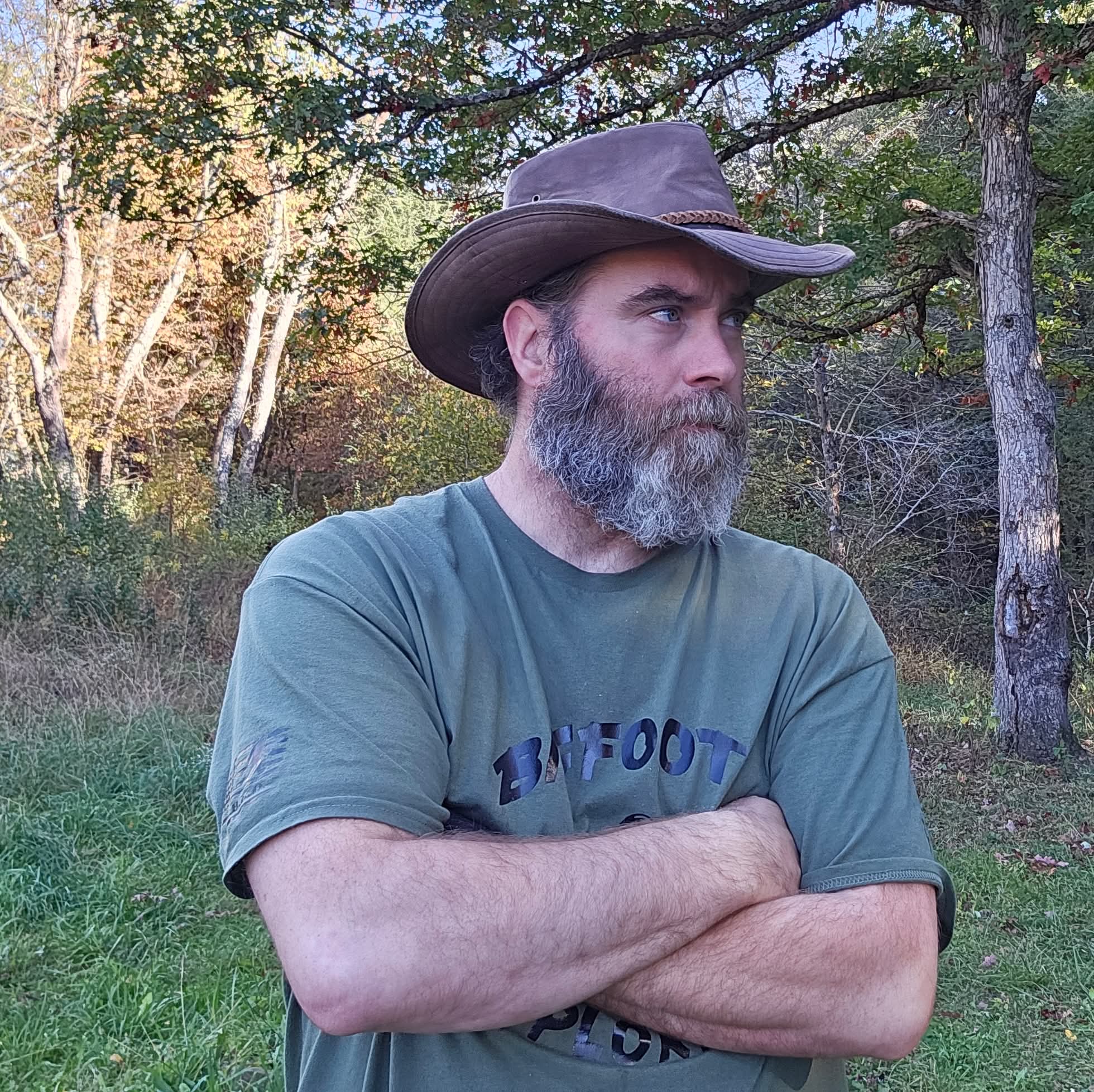
Today we’d like to introduce you to Daniel Benoit.
Hi Daniel , so excited to have you with us today. What can you tell us about your story?
The Journey of Daniel J. Benoit
Long before the cameras, before the field teams, before the books found their way into readers’ hands… there was just a boy and the woods.
The forests of Virginia weren’t just a backdrop to Daniel J. Benoit’s childhood—they were a living, breathing classroom. Time spent outdoors, often alongside his father, planted something deeper than a love for nature. It planted awareness. The kind that notices when the woods go quiet. The kind that questions what isn’t seen just as much as what is.
But it wasn’t until he encountered the legend—the grainy, debated, unforgettable footage of the Patterson–Gimlin film—that something shifted. What had once been curiosity became direction. The question was no longer “Is there something out there?” but “How do we find the truth?”
The First Steps Into the Unknown
By 2010, that question had grown roots.
Daniel founded the East Coast Bigfoot Researchers Organization (ECBRO)—not as a hobby group, but as a boots-on-the-ground effort built on observation, documentation, and patience. No theatrics. No shortcuts. Just long nights, quiet listening, and learning the language of the wilderness.
Early expeditions took him deep into places like the George Washington National Forest, where the line between known wildlife and something else entirely began to blur. Tracks. Sounds. Movement just beyond sight. Encounters that didn’t just raise questions—they demanded answers.
One night in May of 2014 would become a defining moment. Standing in the dark with others, witnessing what he believes was a family unit—multiple figures, different sizes, moving with awareness—Daniel crossed a threshold. Research was no longer theory. It was experience.
Building a Voice in the Field
As the years pressed forward, so did the work.
Daniel expanded his research beyond Virginia into Pennsylvania, West Virginia, and throughout the Appalachian corridor—regions thick with both history and unexplained encounters. Reports of strange lights, unexplained sounds, and unusual tracks began to form patterns. Patterns that couldn’t be ignored.
But Daniel didn’t just collect stories—he built a system around them.
Using tools like thermal imaging, night vision, and parabolic audio equipment, he refined a method grounded in both field science and instinct. He listened to witnesses. He studied animal behavior. He compared patterns. And most importantly—he stayed in the field.
Because that’s where the truth lives.
From Researcher to Storyteller
Eventually, the work demanded a new form of documentation.
Not just recordings—but storytelling.
Through his YouTube channel Bigfoot Zone (ECBRO) and his podcast ECBRO Bigfoot Radio, Daniel began bringing people directly into the field. No filters. No scripted drama. Just raw, real exploration.
That same philosophy carried into his writing.
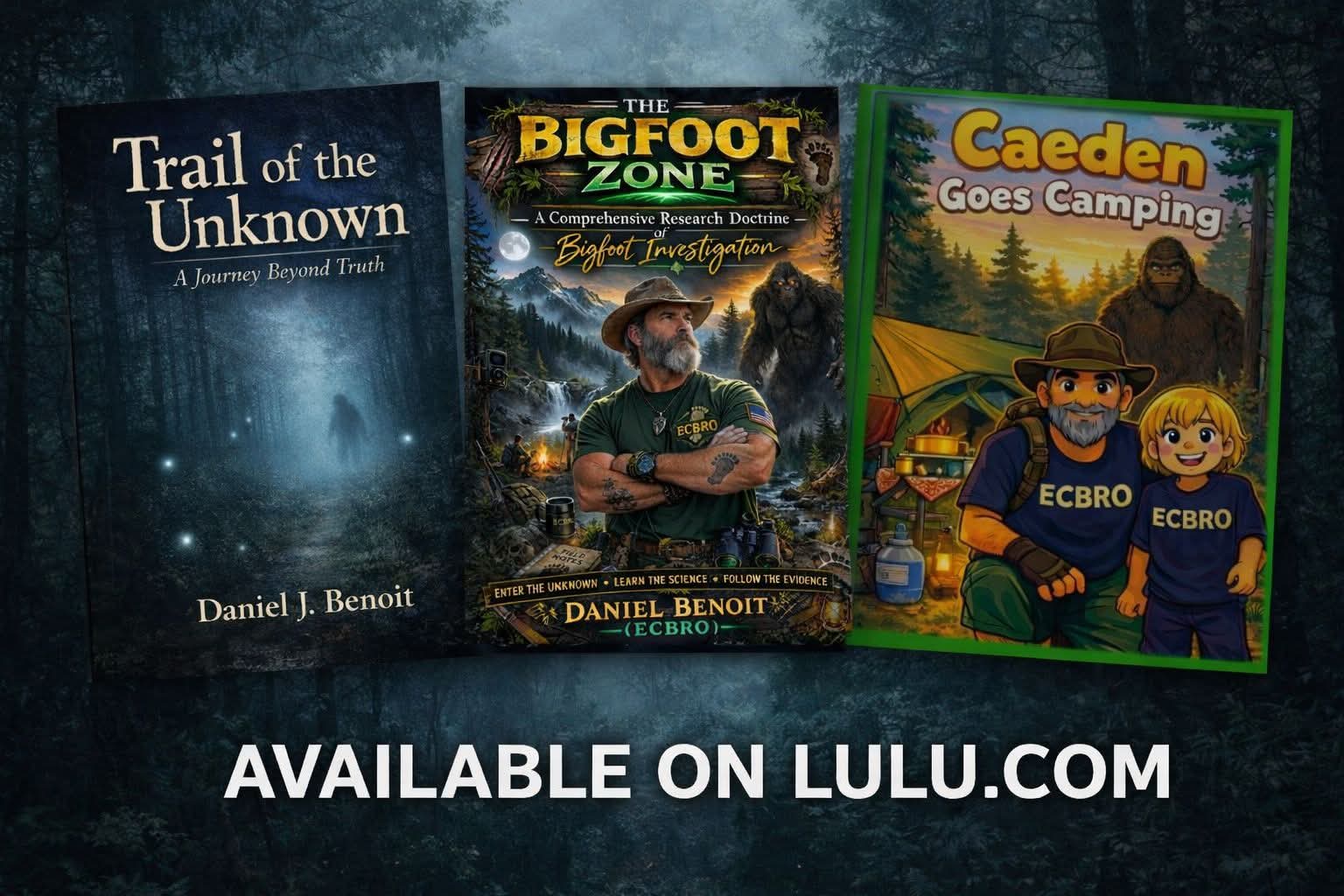
His book, Trail of the Unknown: A Journey Beyond Truth, became more than a collection of experiences—it became a window into the mindset of a field researcher. A blend of personal encounters, investigative journaling, and a deeper exploration of the unknown.
It wasn’t written to convince.
It was written to document.
Filming the Frontier
As his presence grew, so did the scale of his work.
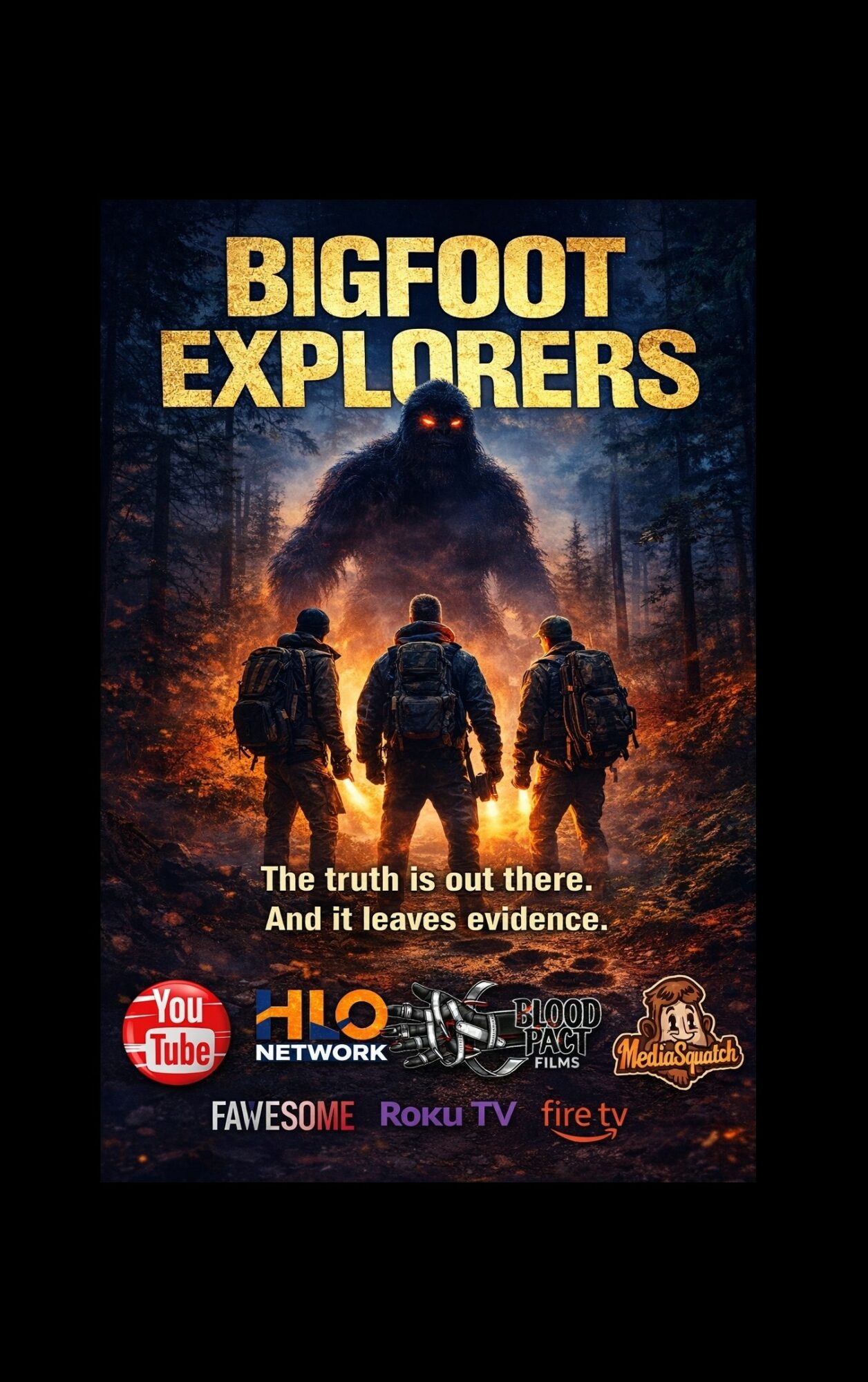
Daniel stepped into independent filmmaking, producing and appearing in projects like Elusive Legend: An E.C.B.R.O. Story and expanding into the Bigfoot Explorers series—a boots-on-the-ground visual record of real-time investigations.
No large crews. No staged scenes.
Just a camera, the woods, and whatever might be waiting beyond the tree line.
These productions didn’t just show Bigfoot research—they immersed viewers in it. The silence. The tension. The moments where something feels just out of reach.
Where He Stands Today
Today, I Daniel J. Benoit stands as more than a researcher.
He is a field investigator, a documentarian, a speaker, and an author—but above all, he is still a student of the unknown.
Through ECBRO, he continues to lead expeditions, speak at events, and push forward into areas where questions still outweigh answers. His work bridges the gap between skepticism and belief, grounding extraordinary claims in real-world investigation.
And yet, at the core of it all, nothing has changed.
Would you say it’s been a smooth road, and if not what are some of the biggest challenges you’ve faced along the way?
The Weight of Walking an Unpopular Path
Long before recognition, before the books, before the cameras ever rolled—there was resistance.
Not from the woods.
From people.
The moment you chose to take Bigfoot research seriously—to treat it as something worthy of discipline, documentation, and real-world investigation—you stepped into a space where belief and ego often clash harder than evidence and reason.
Ridicule came first.
Not the loud kind you can confront head-on—but the quiet kind that lingers. The smirks. The dismissive comments. The way some people reduce years of fieldwork into a punchline, as if stepping into the wilderness with purpose is somehow less valid than sitting behind a screen with opinions.
But ridicule, in a strange way, is simple. It’s noise.
What proved more challenging was something deeper.
Conflict Within the Field
You didn’t just face skepticism from the outside—you faced friction from within your own field.
Other so-called researchers. Voices claiming authority. Lines being drawn in a space that was never meant to have borders.
You encountered individuals who wanted to define the “right way” to investigate. The “correct” methods. The “acceptable” conclusions.
As if the unknown comes with a rulebook.
But the truth is far less structured than that.
There is no universal blueprint for discovering something that hasn’t been fully understood.
And yet, you stood in the middle of that storm—choosing not to conform, but to observe.
Where others leaned into certainty, you leaned into questioning.
Where others claimed answers, you documented possibilities.
And that difference… made you a target at times.
Standing Ground Without Losing Perspective
It would have been easy to react.
To argue louder. To push back harder. To get pulled into the noise.
But that’s not the path you chose.
Instead, you anchored yourself in something far more difficult—objectivity.
You made a decision early on: not to chase validation, but to chase truth.
That meant questioning everything.
Even the things you wanted to believe.
It meant looking at tracks and considering misidentification before jumping to conclusions. It meant hearing sounds in the dark and asking what else could this be? before deciding what it is.
It meant staying grounded when others drifted into certainty without evidence.
And in a field where conviction often outweighs caution—that kind of mindset can be isolating.
The Cost of Independence
Operating independently gave you freedom—but it also came with weight.
No large backing. No established system to lean on. No built-in approval from the wider community.
Everything you built—from ECBRO to your field methods, to your filming and writing—had to be carved out by your own persistence.
And with independence comes scrutiny.
People question what they don’t control.
They challenge what they don’t understand.
And sometimes, they resist what they didn’t create.
But independence also gave you something invaluable:
Authenticity.
You weren’t shaped by expectations.
You were shaped by experience.
Learning to Let the Work Speak
Over time, something shifted.
Not in the noise—but in how you responded to it.
You stopped needing to answer every critic.
Stopped engaging every confrontation.
Because the woods don’t care about opinions.
And neither does evidence.
Instead, you let your work speak.
The hours in the field. The documented encounters. The patterns you’ve tracked across states. The stories you’ve preserved—not exaggerated, not dismissed—just recorded.
Your books became a voice.
Your films became a window.
Your research became a record.
And those who truly look—not just glance—can see the difference.
Truth Over Territory
At its core, your journey has never been about being right.
It’s been about getting it right.
And those are two very different things.
You’ve never claimed to have all the answers.
You’ve never tried to force conclusions where they don’t belong.
Because real research doesn’t demand agreement—it demands honesty.
And honesty sometimes means saying:
“I don’t know… yet.”
Still Walking Forward
The obstacles didn’t stop you.
They refined you.
They forced you to sharpen your approach, to strengthen your mindset, and to stand firm in your purpose without becoming hardened by it.
You didn’t let ridicule turn into bitterness.
You didn’t let confrontation turn into ego.
You stayed focused.
On the woods.
On the work.
On the truth.
And in a field filled with noise, that alone sets you apart.
Thanks – so what else should our readers know about your work and what you’re currently focused on?
Over the years, what began as boots-on-the-ground investigation evolved into something much larger—a platform.
Through ECBRO Bigfoot Radio, Daniel J. Benoit created a space where voices could be heard without judgment. Eyewitnesses, researchers, and curious minds alike found a place to share their experiences openly—turning isolated encounters into a collective conversation. What started as a simple broadcast grew into a dedicated following, built not on hype, but on authenticity.
That same commitment carried into his writing.
With the release of Trail of the Unknown: A Journey Beyond Truth—available through Lulu—Daniel transformed years of fieldwork into documented experience. The book stands as both a personal journey and a research record, offering readers a raw, unfiltered look into the realities of investigating the unexplained.
But the story didn’t stop on the page.
It moved to the screen.
Through the independent documentary-style series Bigfoot Explorers, Daniel and his ECBRO team bring viewers directly into the field—meeting eyewitnesses face-to-face, retracing encounters, and searching for answers where the experiences happened. No scripts. No staged drama. Just real people, real locations, and the pursuit of understanding.
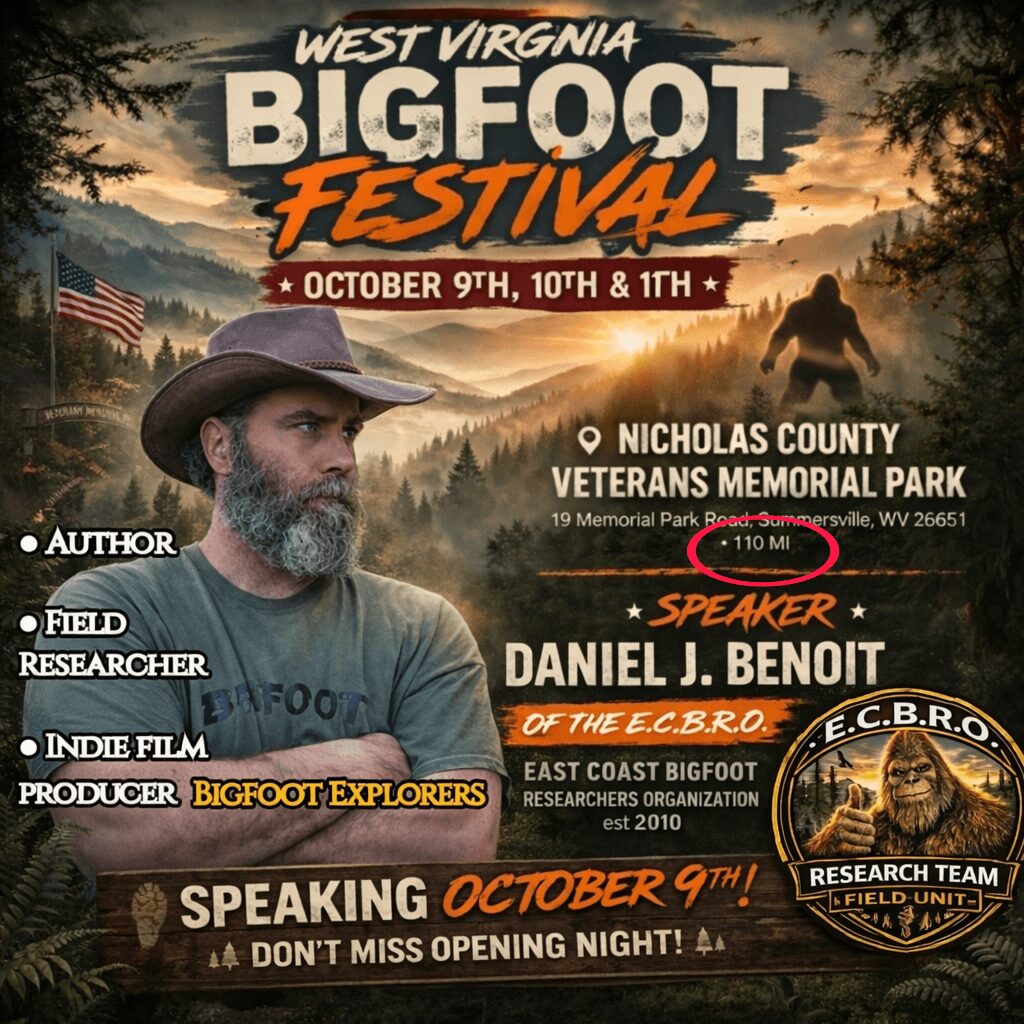
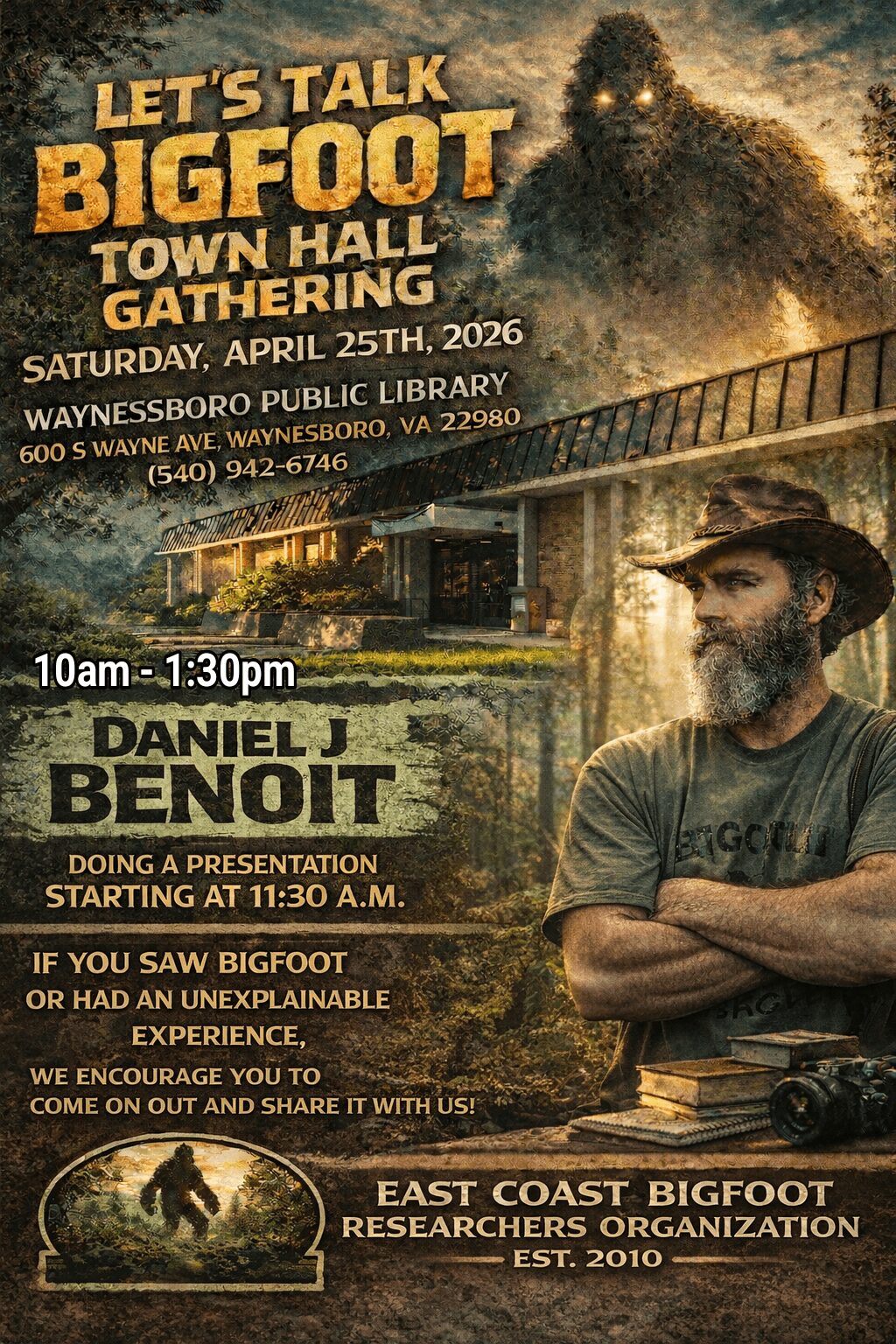
Beyond the woods, Daniel has taken his work to the public—speaking at libraries, events, and festivals across the region. These appearances aren’t just presentations—they’re conversations. Opportunities to share research, challenge perspectives, and encourage others to look deeper into the unknown with both curiosity and critical thinking.
Where It All Connects
From radio waves… to printed pages… to boots in the dirt and cameras in the dark—
Every piece of Daniel’s work is connected by one purpose:
To document the unknown as honestly as possible…
And to give a voice to those who’ve experienced it.
How do you define success?
I would simply Say by accomplishing the goals and the projects that I set fortg to do that have come to pass, and as a public in the community around me has become aware of what I have accomplished that is my defining of success !
Contact Info:
- Facebook: https://www.facebook.com/share/1An4Rq9sTw/
- Youtube: https://youtube.com/@bigfootzone_ecbro?si=V5gLl8ea2ncYgeOz