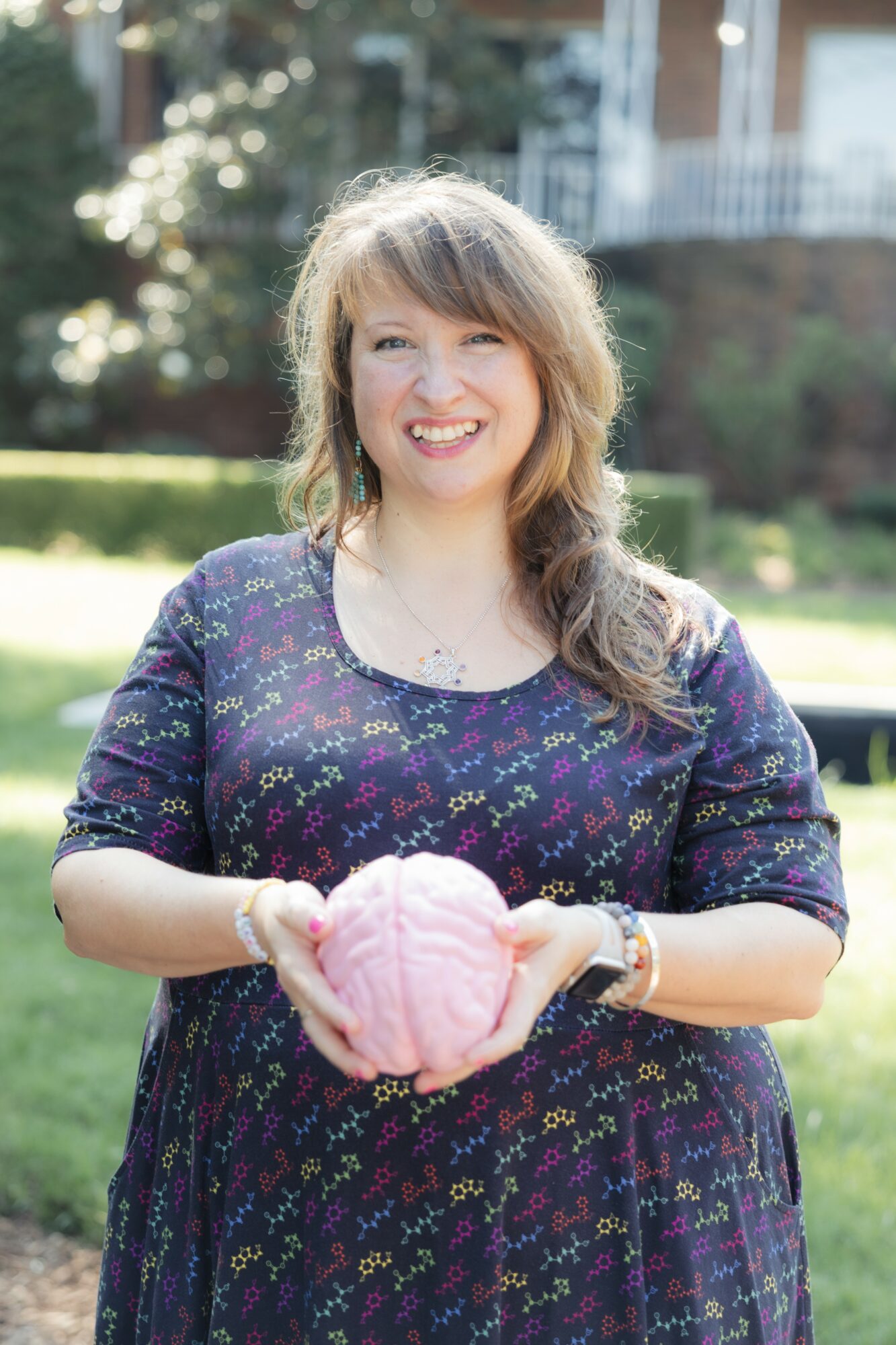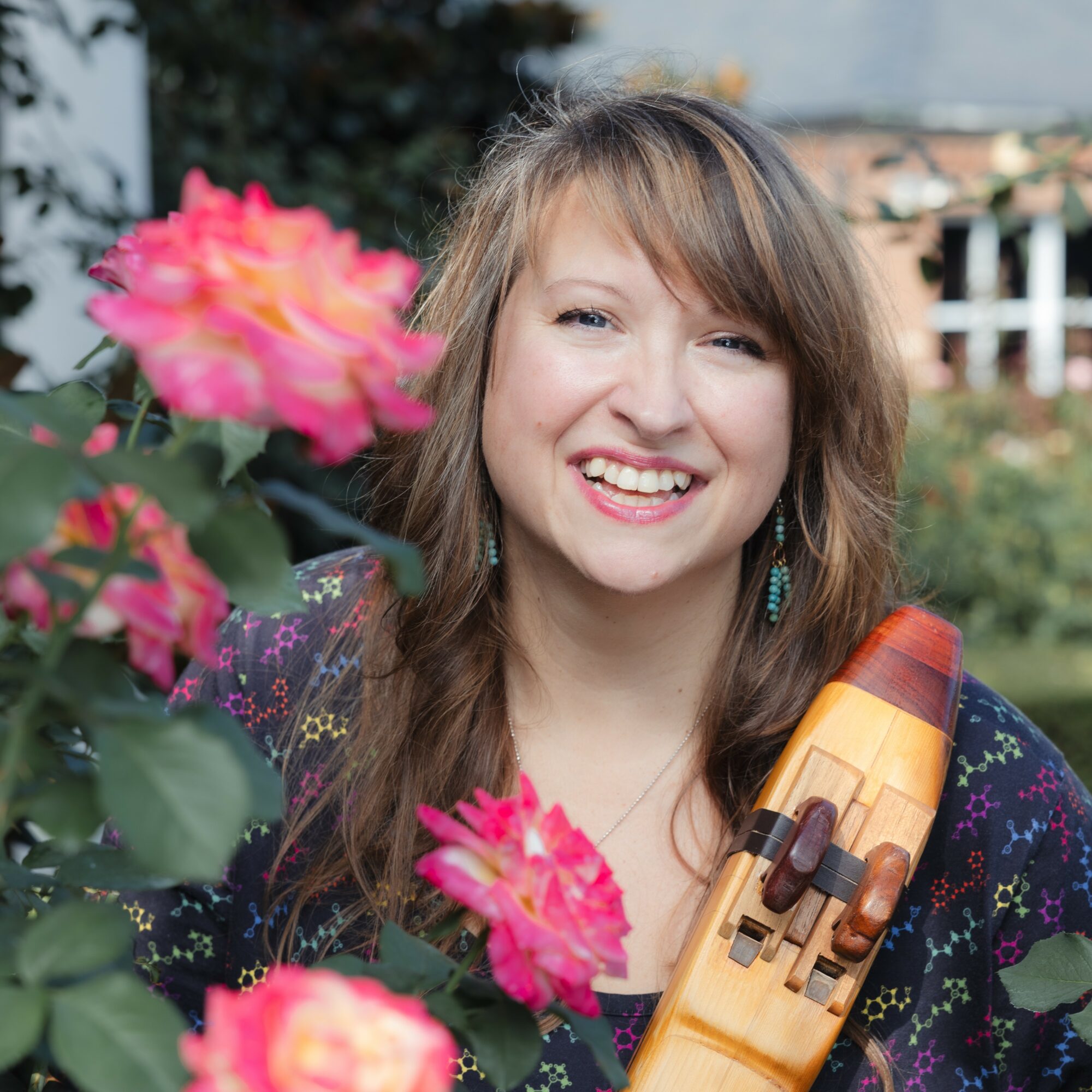
Today we’d like to introduce you to Alison Hughey.
Hi Alison, thanks for joining us today. We’d love for you to start by introducing yourself.
Music has always been a source of joy and connection in my life. My extended family would often sing together at gatherings, and my ‘Grandmama’ often made up her own songs for fun.
As I get older, it became a refuge from anxiety. I played favorite songs and albums on repeat, often swinging on the front porch to the beat. I didn’t realize it at the time, but listening to familiar, preferred music while rhythmically rocking was a way of self-regulating through my adolescent struggles. I became a flutist with my middle school band and immersed myself in practicing. The connections I developed in this group helped me build friendships, while my dedicated practice helped me excel. I chose to major in flute performance at Converse College, but didn’t realize until later in life that playing a wind instrument also helped me manage anxiety.
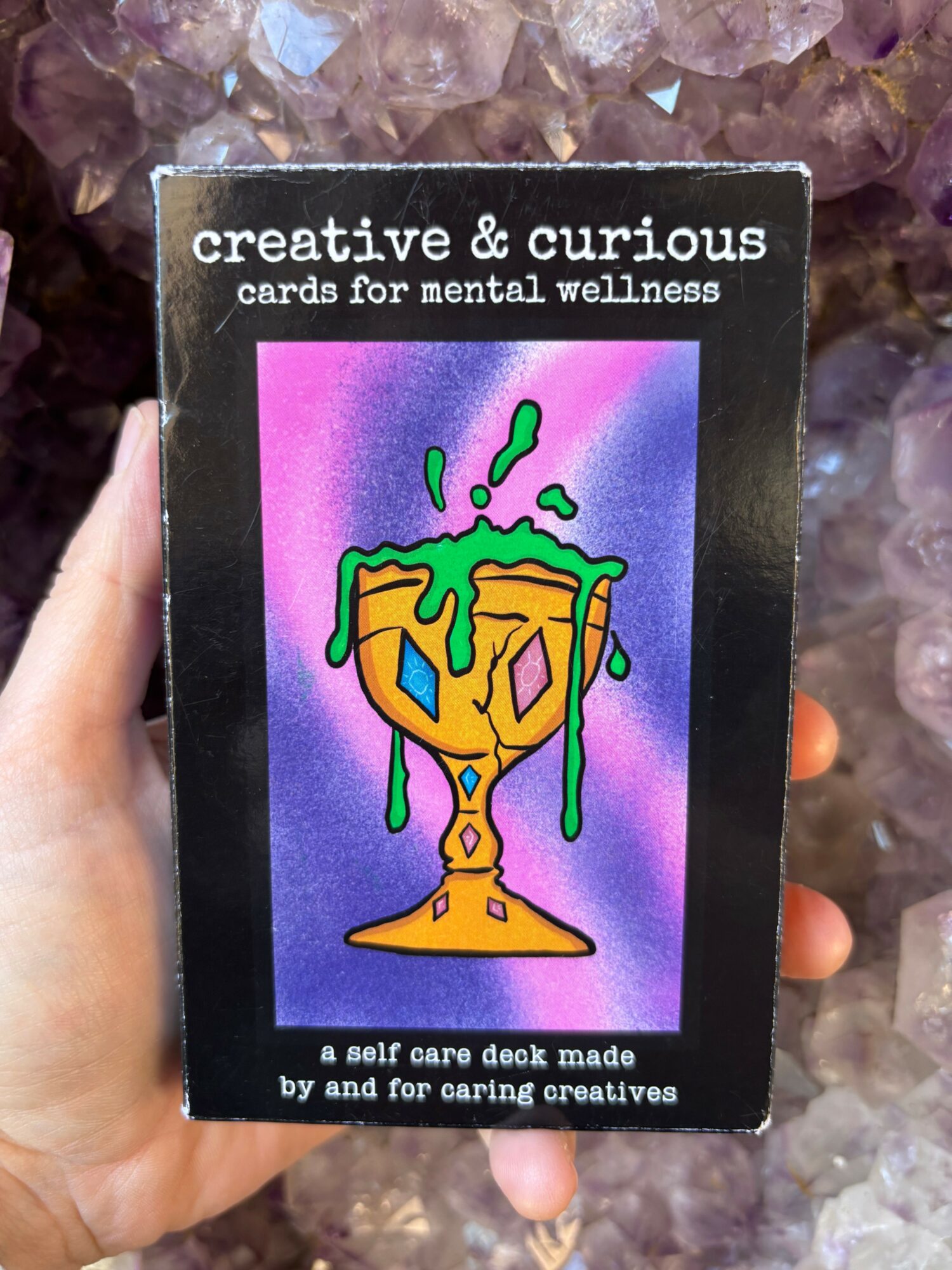
A few years after my graduation, a back injury led to several months of unexplained pain. I found myself using music and rhythm to cope with the physical and mental pain of this time. During this period, I was fortunate to connect with a helpful physical therapist, and one of the first music therapy students at Converse College (Amy Gower, MT-BC). It was a lightbulb moment for me, as I didn’t know music therapy was a career path! I returned to Converse the next year to complete this degree program, and have now been a board certified music therapist for 16 years. I’ve worked with many types of clients, serving toddlers to centenarians in settings from hospitals to retreats. After working in senior care for ten years, I chose to start Carolina Music Therapy, my private practice, in 2018. Since then, I have continued to work with older adults in long term care in addition to children, teens and adults in community settings. Since 2020, I’ve been especially interested in empowering people to use music for everyday mental wellness. I’m grateful to share these tools via my card deck (Creative and Curious), corporate wellness, music festivals, retreats, and now via Solbird Sessions on SCETV!
I’m sure it wasn’t obstacle-free, but would you say the journey has been fairly smooth so far?
2020 presented many challenges for all of us. It was especially difficult for my path as a music therapist primarily serving older adults in long term care settings who were at higher risk for COVID and serious related complications. I was able to shift to offer sessions via Zoom. Residents responded with much more receptivity than I expected, but it was challenging to not be able to truly co-create music in real time. This time also presented increased challenges with my own mental health. My symptoms of anxiety and depression increased with the uncertainty of life and my business. I started to lean into using creativity with intention for my own mental health, and sharing those experiences with others online. This challenge pointed me towards new directions of sharing resources and the importance of using those strategies in my own life. I realized that while most of us turn to music in times of struggle or joy, many folks don’t realize how impactful it truly can be when done with intention.
As you know, we’re big fans of Carolina Music Therapy . For our readers who might not be as familiar what can you tell them about the brand?
Carolina Music Therapy swaps the stiff corporate lectures for a high-energy, evidence-based approach to professional development. Our interactive corporate wellness facilitation uses tools like HealthRhythms® drumming circles, songwriting, and Neurologic Music Therapy to harmonize your team. We specialize in breaking down silos and mitigating burnout by turning high-stress offices into synchronized ensembles. Whether through rhythmic team building retreats or creative self-care workshops, we provide “edutainment” to boost morale, spark innovation, and help your staff find a collective pulse—proving that when your team finds its groove, the business follows suit.
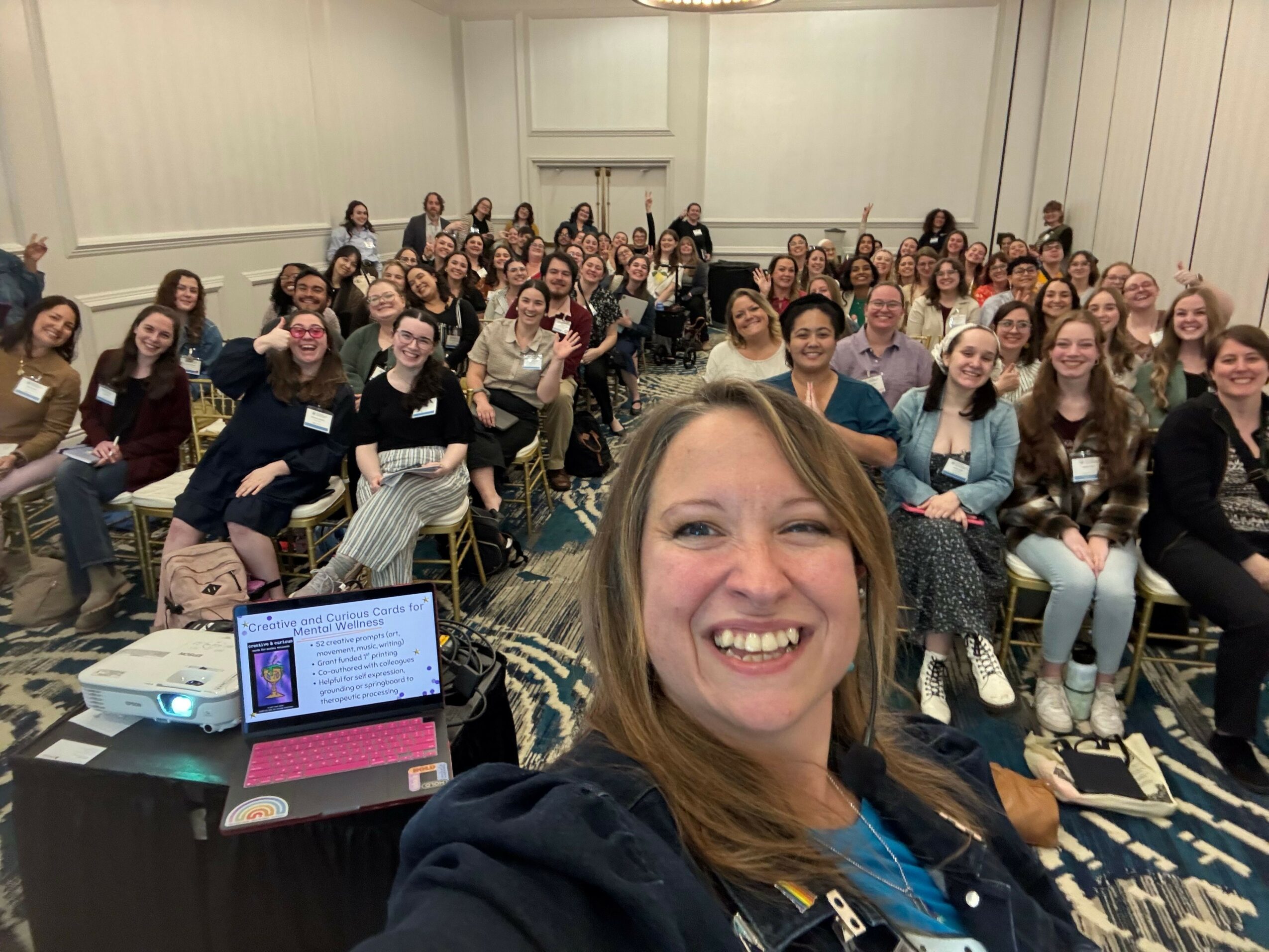
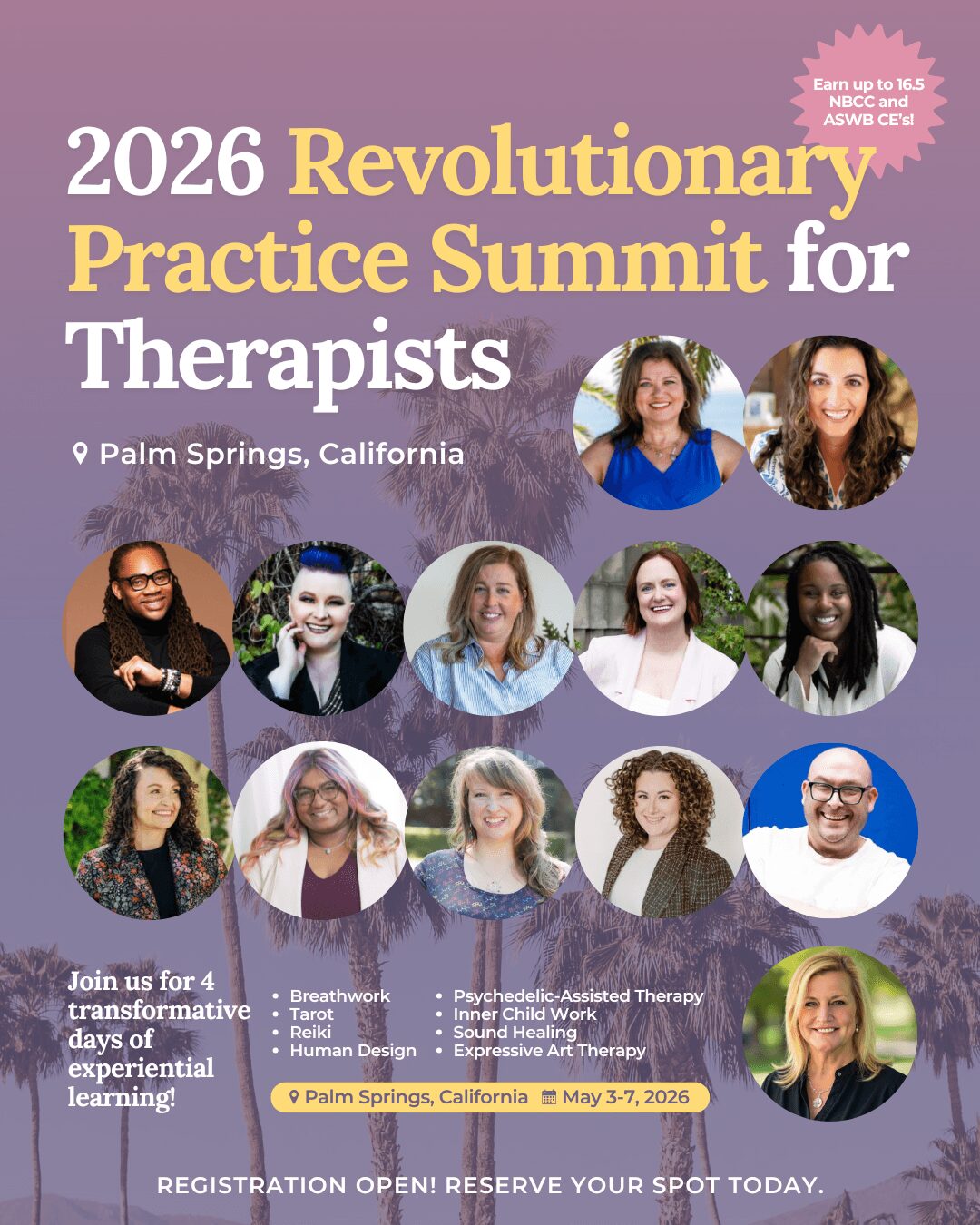
I bring a similar energy to continuing education trainings, such as the upcoming Revolutionary Practice Summit. While music therapists have extensive requirements for our training, certification and recertification, other therapists can benefit from using music in their practice (even if they aren’t musicians). I’m excited to share evidence-based strategies through memorable experientials at this event!
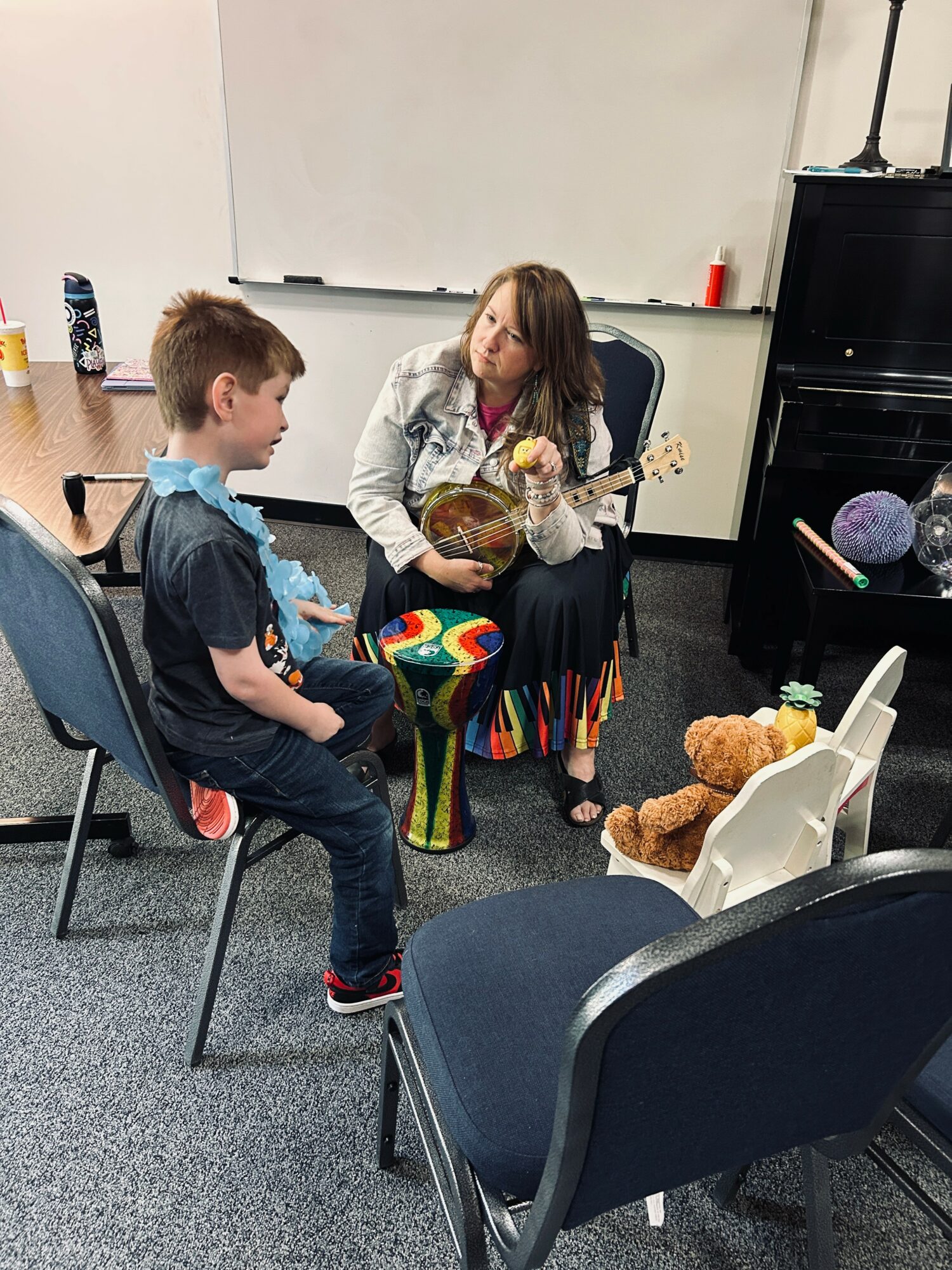
Clinical music therapy is where the real “soul-work” happens. We don’t just provide a soundtrack; we use evidence-based, Neurologic Music Therapy informed practice to help clients work towards individualized goals, whether they’re navigating neurodiversity, recovering from a stroke, or managing mental health. From rhythmic auditory stimulation that gets bodies moving to songwriting that gives a voice to the complex stuff, we turn clinical goals into creative breakthroughs. It’s professional, it’s science-backed, and it’s fun. Services for individuals and groups are provided in the Upstate, SC area on site at long term care communities, in partnership with non-profits such as Premier Arts Collective to serve community programs such as Julie Valentine Center, and at the music therapy clinic at Converse University.
What quality or characteristic do you feel is most important to your success?
Music is a mutual friend for nearly all of us. However, I often encounter misconceptions about what music therapy entails as a music therapist working in Upstate, SC. Larger metro areas such as Charlotte, NC and Columbia, SC have many music therapists who work in hospitals. Most people in our area haven’t encountered a music therapist, and sometimes think we just play music for people or play “relaxing” music.
My ability to meet people where they are with describing my work and take chances on building a private practice have been essential to my success. Our mutual friend music has many layers and many forms of benefit, even for those who don’t consider themselves musicians. As a music therapist, I’m passionate about exploring those possibilities of music and empowering folks to tune in!
Contact Info:
- Website: https://www.carolinamusictherapy.com
- Instagram: https://www.instagram.com/carolinamusictherapy
- Facebook: https://www.facebook.com/carolinamusictherapy
- LinkedIn: https://www.linkedin.com/in/alisondhughey/
- Youtube: https://www.youtube.com/@Composeyourselfcare
- Other: https://counselingcomm.kartra.com/page/alison