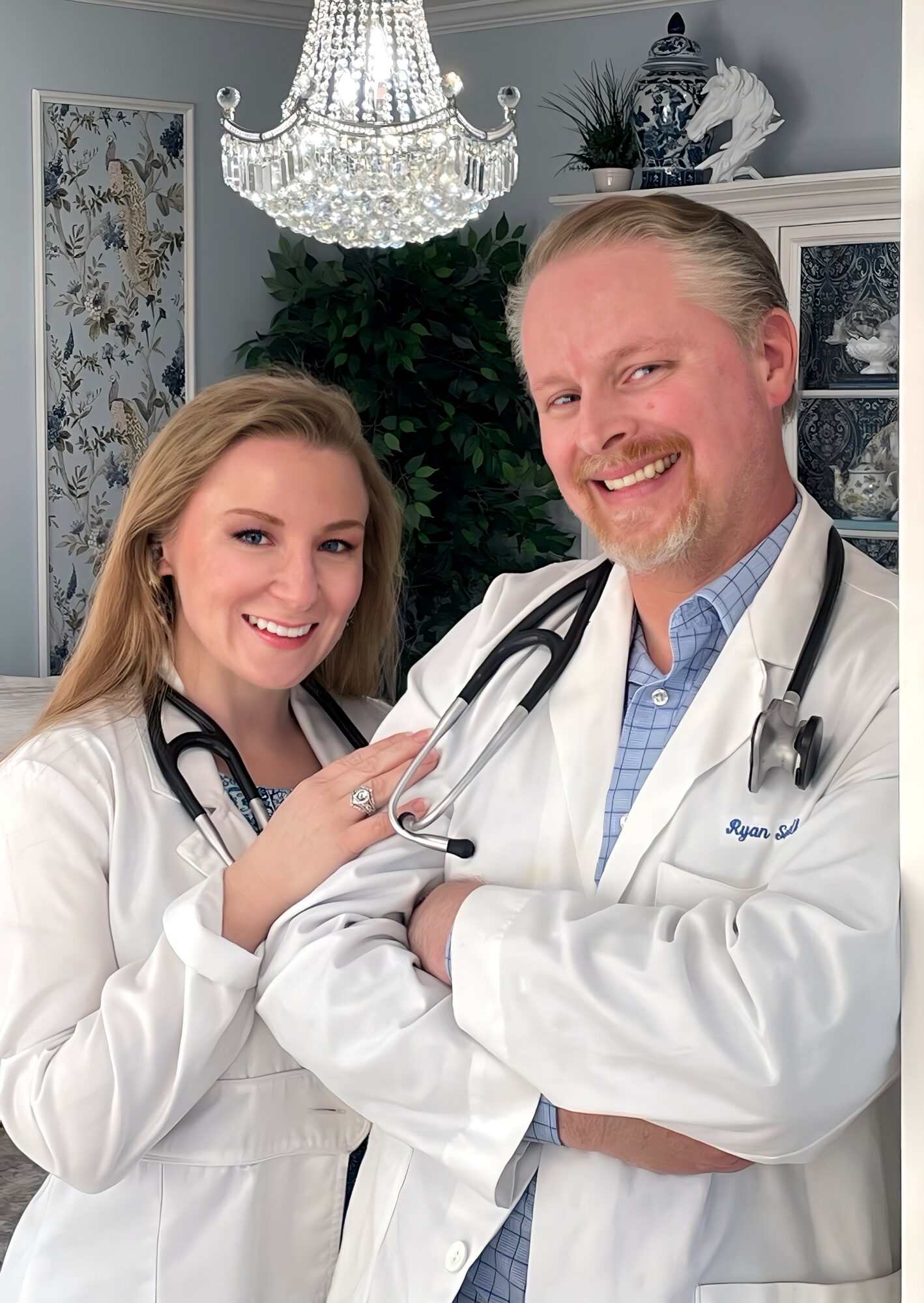
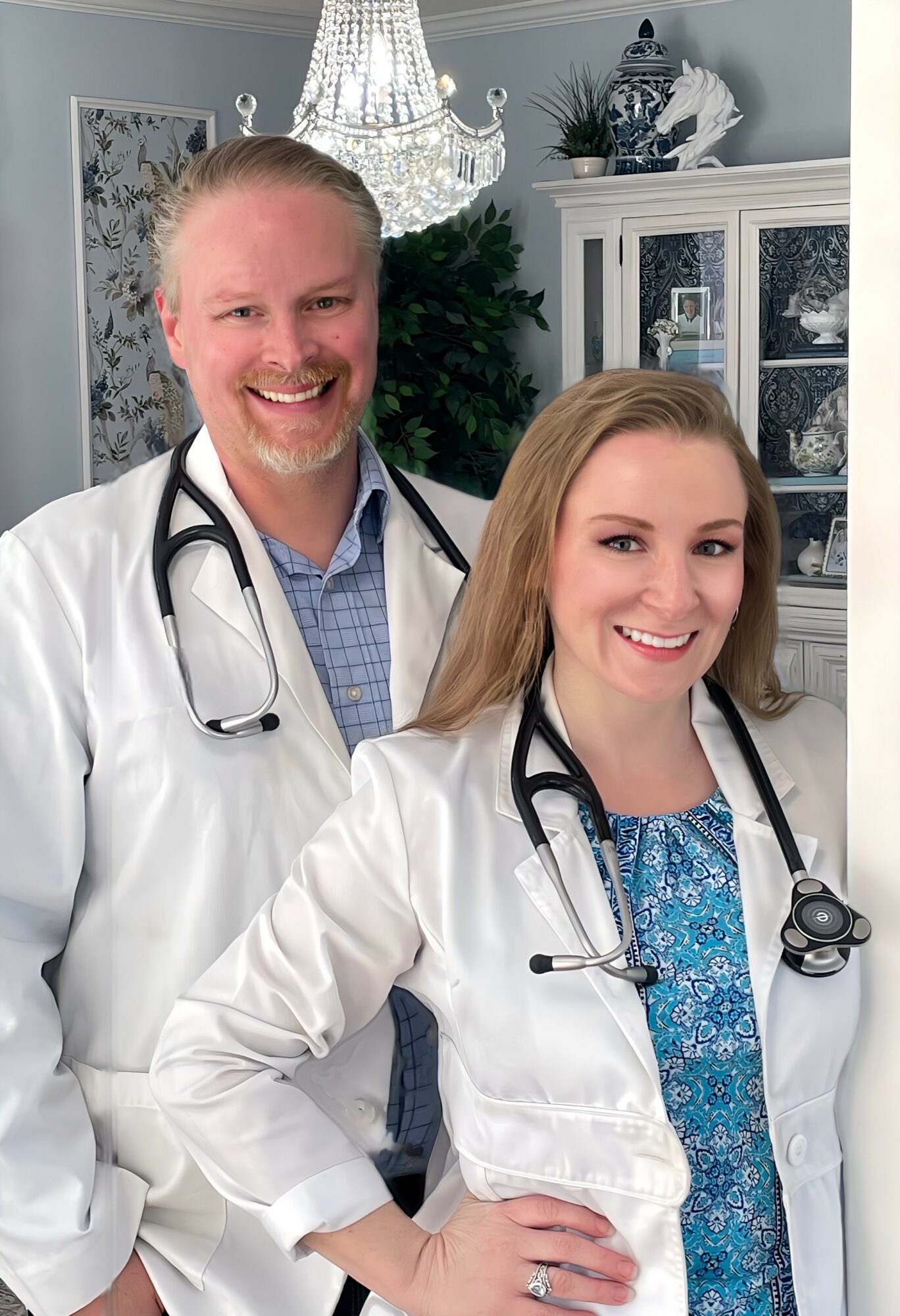
Today we’d like to introduce you to Ryan Seidl.
Ryan, we appreciate you taking the time to share your story with us today. Where does your story begin?
It was never our intent nor part of our plan to own a business. My wife Tjuana and I made the decision to leave our offices in rural South Carolina in early 2024, putting our financial security at risk, in the hopes of finding a way to provide high quality, compassionate care to patients since we were unable to do that with how hospital systems are now managed. A larger hospital system had assumed the management of our offices and the changes implemented ran counter to the value we place on patient care. We value the medical relationship with our patients, which requires time and understanding of our patient’s health goals. Time is the consistent commodity cut by larger healthcare systems that push conveyor belt medicine (move ’em in and move ’em out) and pride profit over people. We had no financial safety net at the time but believed that we would be led as what our next step would be.
Within two weeks of Tjuana leaving her job, we were both at a simultaneous job interview and met a gentleman who valued our passion and compassion for our patients. He would later contact Tjuana and offer her an opportunity to open a practice with her as the owner and him as the CEO; I would later come on board when the practice became solvent. Due to a non-compete clause Tjuana had signed with her previous employer, we were unable to re-locate back to the rural area and the patients we had grown to love and treat as family. The investor assured us that he would meet the business expenses over the course of the first year while we grew the business and hopefully recovered some of our former patients.
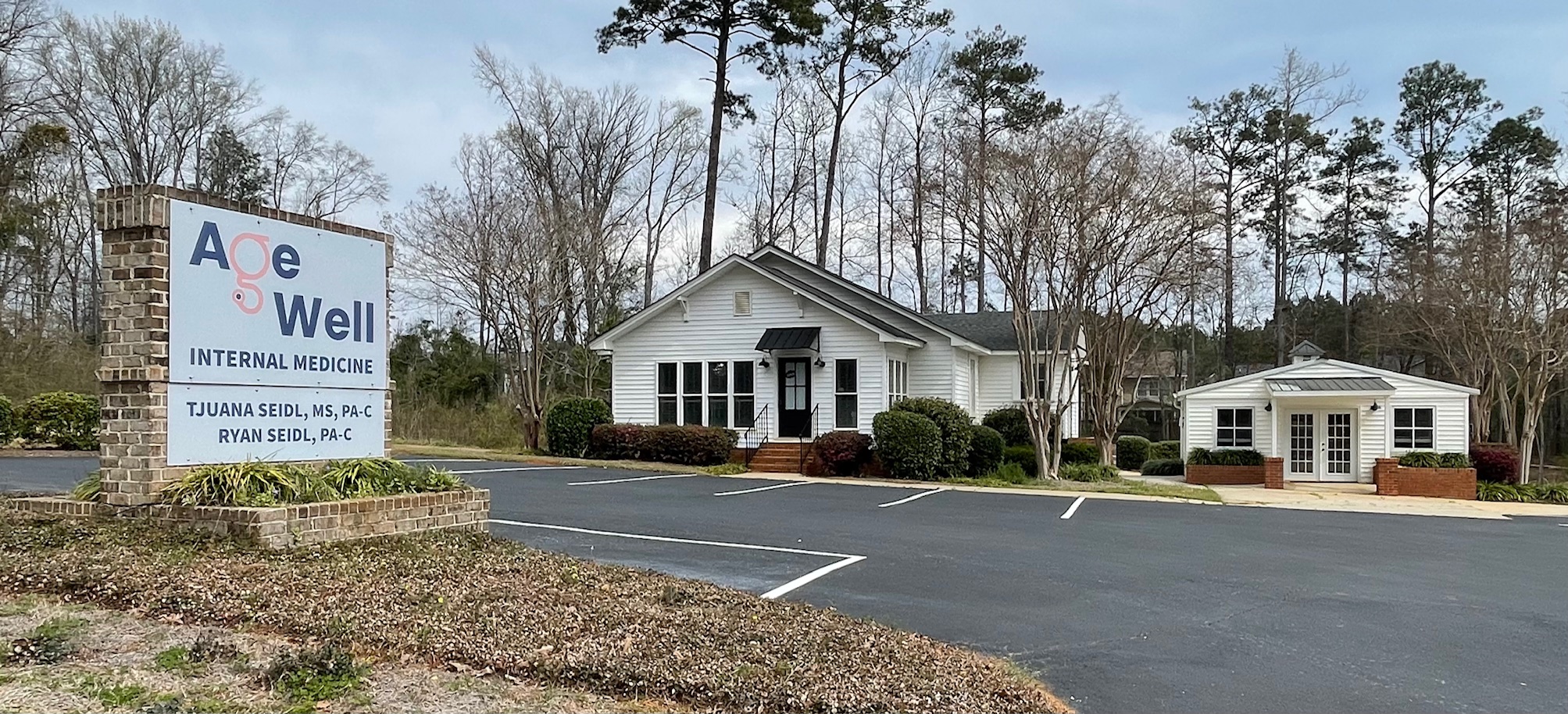
Over the next 6 months, Tjuana and the investor would scout locations for the possible practice until 468 Old Cherokee Road availed itself to us and immediately met the vision we had for an Internal Medicine office. Initially the investor desired the office to be a Medicare only clinic but we had a strong desire to recover former patients who had reached out to us and reported on declining responsiveness and care in our former offices, which proved to be a fortuitous decision. Due to the increase shifted our focus to Internal Medicine where we would be on managing acute and complicated chronic care for adults (patients older than 18). As physician assistants it is required that we have a supervising physician to legally practice and our investor located one that was willing to work with us.
Once the rental contract was signed in November 2024, we had to wait to assume control of the location as renovations were made at the office. Finally in January 2025, we put sweat equity into the business by personally going to the office and working through the night to paint rooms, build and install furniture and create an aesthetic that would be more patient centered. The goal was to create an environment where patients felt they were entering their medical home; even the exam rooms were reimagined to help patients feel welcomed and facilitate conversation. We officially opened February 18th with the belief that a receptionist and medical assistant would be available, however they were not. We were pleased at the number of patients we had for the opening day but we definitely encountered challenges with prescriptions unable to be sent due to technical issues. However, the evening of opening day, the supervising physician tempered our enthusiasm by making the decision to limit Tjuana’s ability to practice as she had been for the prior 7 years, which would substantially impact Age Well’s ability to meet patient’s needs independently; in addition to this, the physician refused to sign as my Supervising Physician which again would negatively impact Age Well’s ability to grow. This led the practice to having to find a new supervising physician as well as new EMR not connected to the supervising physician.
Within a month of opening, the uncertain financial future for Age Well was further complicated by the investor reporting that there was a lack of funds and meeting essential costs would be severely reduced. We struggled with whether to shift to concierge medicine in an effort to immediately attain the funds necessary to keep the business afloat but we did not want to abandon our initial desire to serve income impoverished patients. Without additional staffing from Day One, I came on board as the de facto receptionist and medical assistant until a supervising physician could be secured. We had been assured that once credentialed with an insurance payor that the in-network status would reflect coverage from the day we opened so that we could be reimbursed for our services. Unfortunately this information would prove false, and in one payor’s case 27 visits would go unpaid since we were considered out of network. We have pushed through onerous and archaic credentialing process with insurance companies throughout the entire year of 2025 and the beginning of 2026. Of note, we finally received positive notification that as of last Friday, February 27th, we have finally been accepted by one of the largest payors in the state, signaling the conclusion to a process that was begun over 9 months ago.
The initial contract signed with the investor had assured that 6 weeks after opening that a salary would be provided to Tjuana. To this date a year later, neither of us has drawn a salary. We persisted forward by borrowing from family, cashing in retirement, incurring credit card debt, all while being requested to handle more day to day business expenses by the investor. By September ’25, failed assurances and an untenable proposal by the investor led us to make the decision to part ways with him since being affiliated with him was proving to be more detrimental than beneficial to our progress. Unfortunately the original website was held under his personal account and went down two weeks after our parting without any notification from him. We managed to slowly create our own website despite neither one of us having any type of computer programming experience and within the last two weeks it is finally functional. Due to this parting of ways, we attempted to find sources of funding since we no longer had an investor but the adage of “it takes money to make money” is most assuredly a true statement, even to get a small business loan. We have temporarily sustained the cost of the practice with our parents’ generous financial support.
While it may appear that we are a cautionary tale of assuming too much financial risk, I can assure you that the risk and uncertainty has been worth it. We take humble pride in what we have created and enjoy seeing our patients, but the best part is that I get to work with my best friend every day helping each other achieve our dreams. Each month we add more patients and saw over 130 patients last month; there would have possibly been more if we did not have to manipulate our schedules so one of us is up at the reception desk to greet patients. We have not had the funds to advertise and yet we continue to grow because patients recognize our true passion and love for medicine. According to their testimonials they also feel inspired in our welcoming, comfortable office, including our 4 themed exam rooms: Briar Rose, Jasmine, Sherwood Forest, and (coming soon) Ariel.
Our mission statement is “Medicine is our passion, optimal health is our goal, and showing love and compassion for all people is our ministry” but our mantra is “if you take care of God’s people, He will take care of you”; He has certainly provided for us in miraculous ways this past year. Every hardship, every setback has allowed us to learn some hard lessons but offered the opportunity for spiritual growth and deepened faith. We deeply feel that our patients are definitely worth every hardship and deserve the most excellent effort we can give, and we hope that God is given glory for all that we endure. Ultimately, we are so thankful to be able to offer heartfelt healthcare to patients in a loving environment, something that we feel shouldn’t be a luxury to some but rather a right to all.
We all face challenges, but looking back would you describe it as a relatively smooth road?
As mentioned in the previous journey the obstacles we have faced have been primarily financial. The business license alone before we ever opened the doors was $7500 because of determined “impact of road use” on a currently high-traffic road. After being assured that the business expenses for the first year would be supplied and that NOT being the case, we slowly assumed business costs over the year, which includes rent, utilities, internet, liability insurance, business license renewal, EMR program, professional email for the business, website domain cost, billing team expenses, as well as outsourcing our receptionist who lives in the Philippines (but she’s worth every dime because she is a phenomenal asset to us). With neither of us earning an income for over a year, we have met personal challenges like being unable to financially support our daughter as she got married last summer and barely being able to pay our own monthly mortgage. I had to defer student loans and watched the amount owed climb above $200k, and Tjuana has had to borrow a substantial amount of money from her retired mother just to pay basic bills.
We personally try to take care of all office work ourselves; I manage all of the landscaping around the business property as well as serve as office manager while Tjuana manages the inside janitorial work and handles all the decorating and ordering supplies for the office. Without staff, both Tjuana and I have learned how to manage prior authorizations, referrals, disability applications, FMLA forms and all other paperwork patients request; these are jobs that usually an MA or nurse would take care of while we are seeing patients, so it has greatly increased our mental workload aside from the medical aspect of the business.
As the year progressed, we started having to create and implement policies to protect our viability. No shows for appointments are managed in larger healthcare systems by overbooking providers to account for the 30% cancellation or no-show rate. In our small practice, a no-show can be devastating as we typically schedule for longer appointments (30 or 60 minutes). Our policy is that if a patient fails to no-show for 4 consecutive appointments then he/she will be dismissed from the practice. We have also had to implement a new telehealth co-pay policy due to almost a 50% no-payment rate; unfortunately this has led to over $500 in unpaid telehealth co-pay fees. In reaction to this, we will be sending the links before the visit and failure to pay will result in the visit being cancelled. Another inconvenience is that I personally have to create payment links for patients from our business account and send them via email or text to the patient, which becomes a time consuming effort. We also had to create a general $30 no-show/cancellation charge for failure to cancel/re-schedule in-office visits within 24 hours due to the vast amount of money lost due to poor patient communication.
And perhaps the greatest struggle over this past year has been the credentialing process with insurances and the determination for when we are considered in-network. The process can take up to 3 months for each insurance entity, and that’s only if there are no mistakes on the application. In our case there was one date wrong on one of our applications to a large payor and it postponed the process by 9 months. There is also no appeal process once the date is determined; this fact alone has results in almost 3 months of work not being reimbursed. This has led to a drastic loss of income not only for the business but has made it impossible for us to personally draw any type of salary; this redundantly long credentialing process is the primary reason most individually-owned healthcare offices fail within the first year (during COVID they had some providers credentialed within 10 days). We are still working out a fair and equitable solution that we can present to patients in an attempt to be partially compensated for services and care we provided that is not being covered by their insurance. The quandary with that is that many patients are paying 3x more than they did for insurance 5 years ago, hence they are reluctant to pay for any additional out-of-pocket expenses. We sympathize with this struggle but also must meet our own expenses so we can continue to serve them. At this point, any compensation that we receive from insurances and patients alike would be to repay debts we have incurred over the past year with little to use moving forward with the business.
Alright, so let’s switch gears a bit and talk business. What should we know?
Our practice is one in which patients are not treated as a number, but family. We believe healthcare should be personal, compassionate, and uniquely tailored to each patient. Our patient-focused approach means listening attentively and thinking creatively to help patients thrive. Our reputation among our current patients is one in which they know that we will truly listen to them and do everything possible to enhance their health, all the while making the them feel at ease and comfortable bringing their questions and concerns to us; we certainly have the type of reputation that money cannot buy, but rather forged through years of small moments spent making each patient feel loved and cared for.
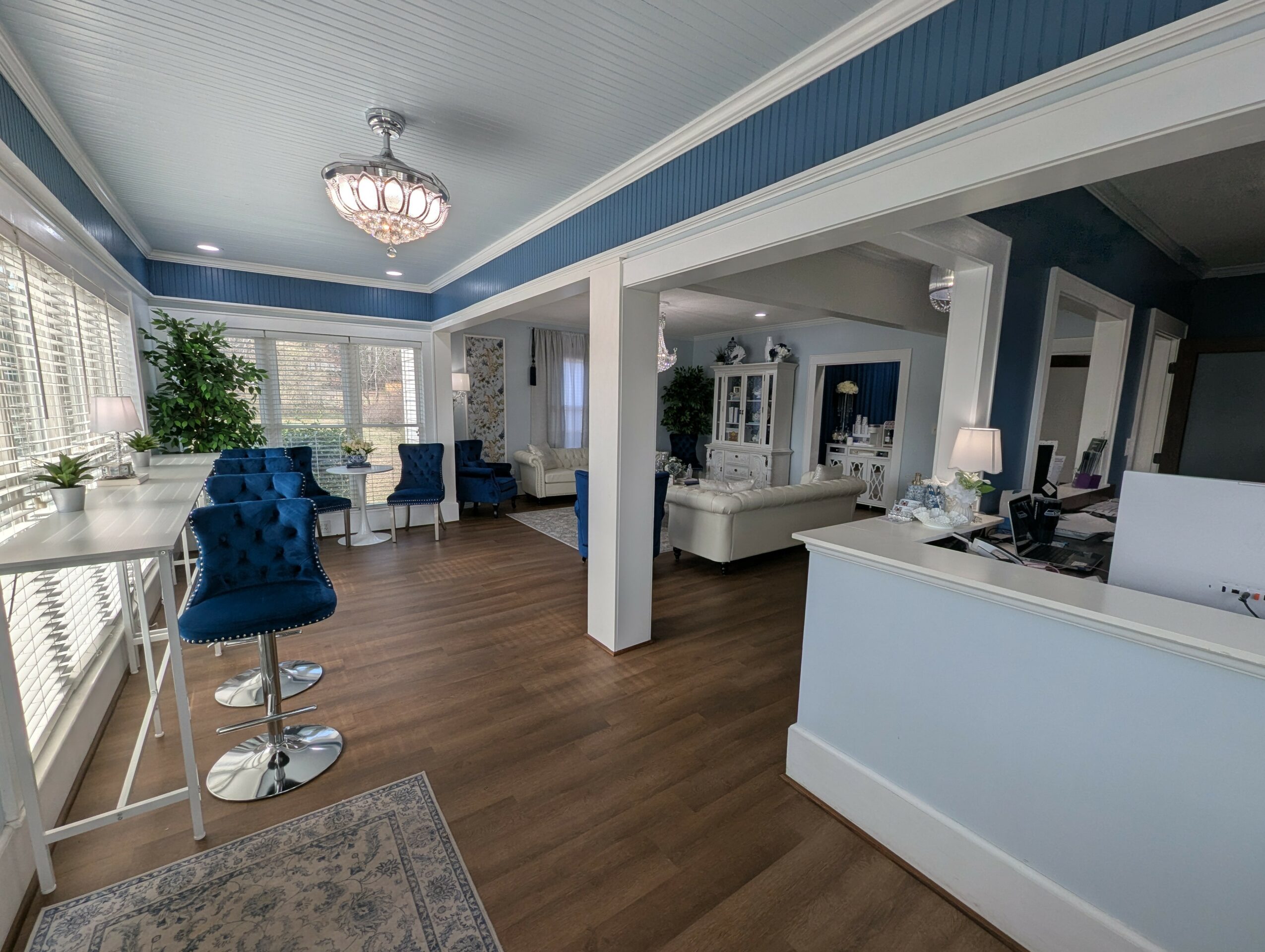
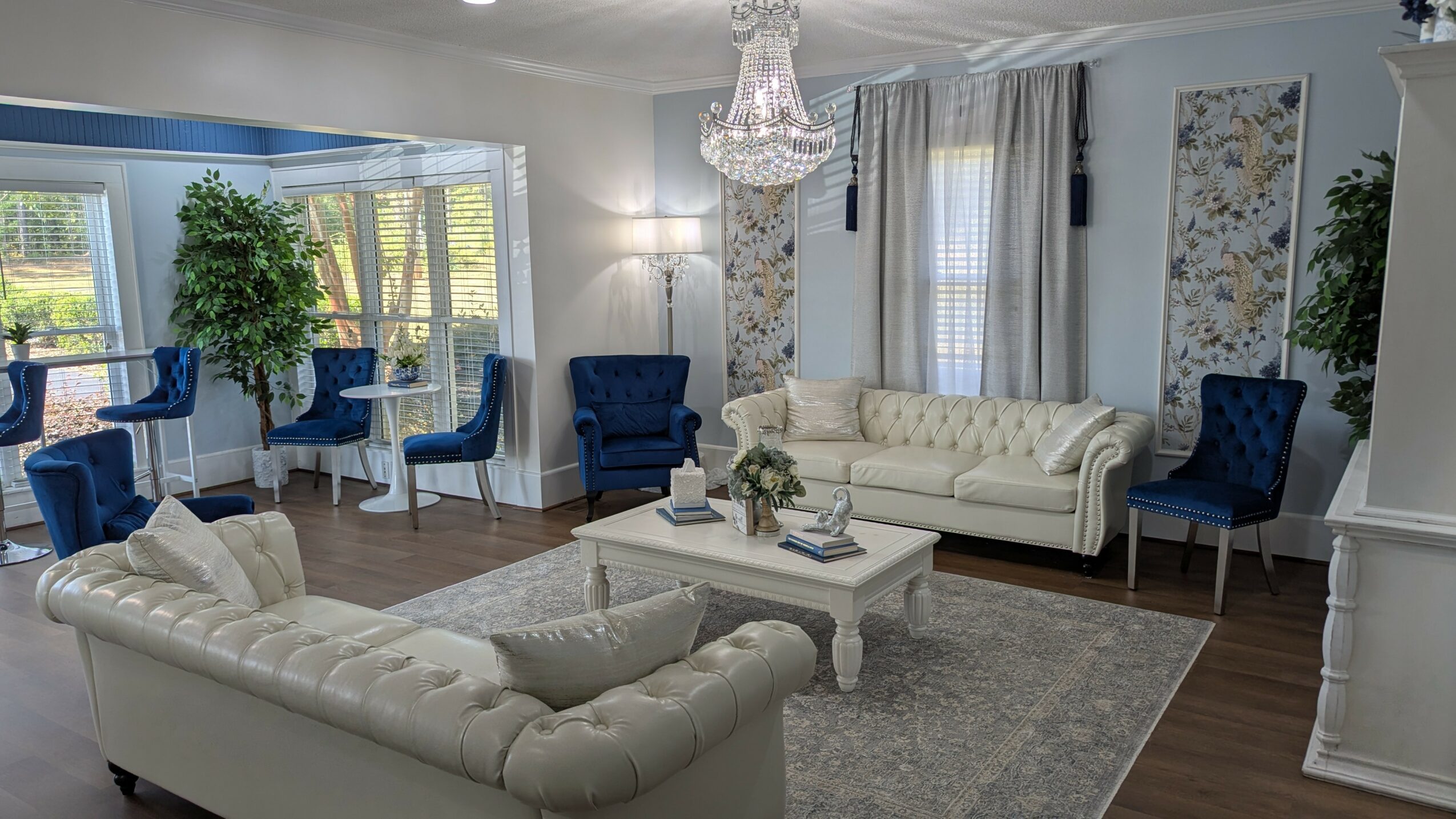
Apart from how we personally make patients feel, we have also focused our attention to how the patient’s environment makes them feel. Our waiting room is set to feel more like a living room, with the inspiration coming from Tjuana’s mother’s and grandmother’s living rooms. Our exam rooms are not white and sterile boxes, but each room is inspired by Disney characters (adult-style), with each room giving throw-back hints to the character’s movies. However, it is not necessary to know the character or the movie to enjoy each room’s aesthetic because each room provides a space of inspiration, comfort and calmness, which we have found greatly enhances the patient experience. Many patients have said that they feel better simply by physically being with us in our office, which speaks to the success of our reimagined healthcare office.
We are most proud of the quality care that we give to patients. We believe exceptional healthcare starts with genuine connection and heartfelt concern, without being number driven and financially focused. We strive to utilize our experience in treating patients from rural, small town medical offices to create an intimate, personal atmosphere within our clinic to provide patients with a true “medical home.”
As far as our services, we do offer telehealth visits so patient don’t have to drive a long distance for every visit or have to come physically into the office if they are sick. We also have more affordable self-pay visits for patients without insurance or in the case a patient finds it cheaper to pay out-of-pocket for healthcare services; every self-pay visit is $100, no matter the length of time spent with the patient or the complexity of the visit.
Alright so before we go can you talk to us a bit about how people can work with you, collaborate with you or support you?
People are welcome to stop by our office and see what we’re all about… and maybe even get a grand tour of our exam rooms. We are finding that word-of-mouth is a huge way for the public to know we’re open and ready to serve them, so just talking about us or getting business cards to hand out would be a huge help. Considering that we have not had any funding to advertise or promote ourselves, any type of verbal promotion is appreciated.
Pricing:
- $100 self-pay visits
- All other visits are billed through insurance and prices are comparable to other internal medicine offices in our area
Contact Info:
- Website: https://www.agewellsc.org
- Instagram: https://www.instagram.com/agewellsc/
- Facebook: https://www.facebook.com/agewellsc