Today we’d like to introduce you to Sandra Leagon.
Alright, so thank you so much for sharing your story and insight with our readers. To kick things off, can you tell us a bit about how you got started?
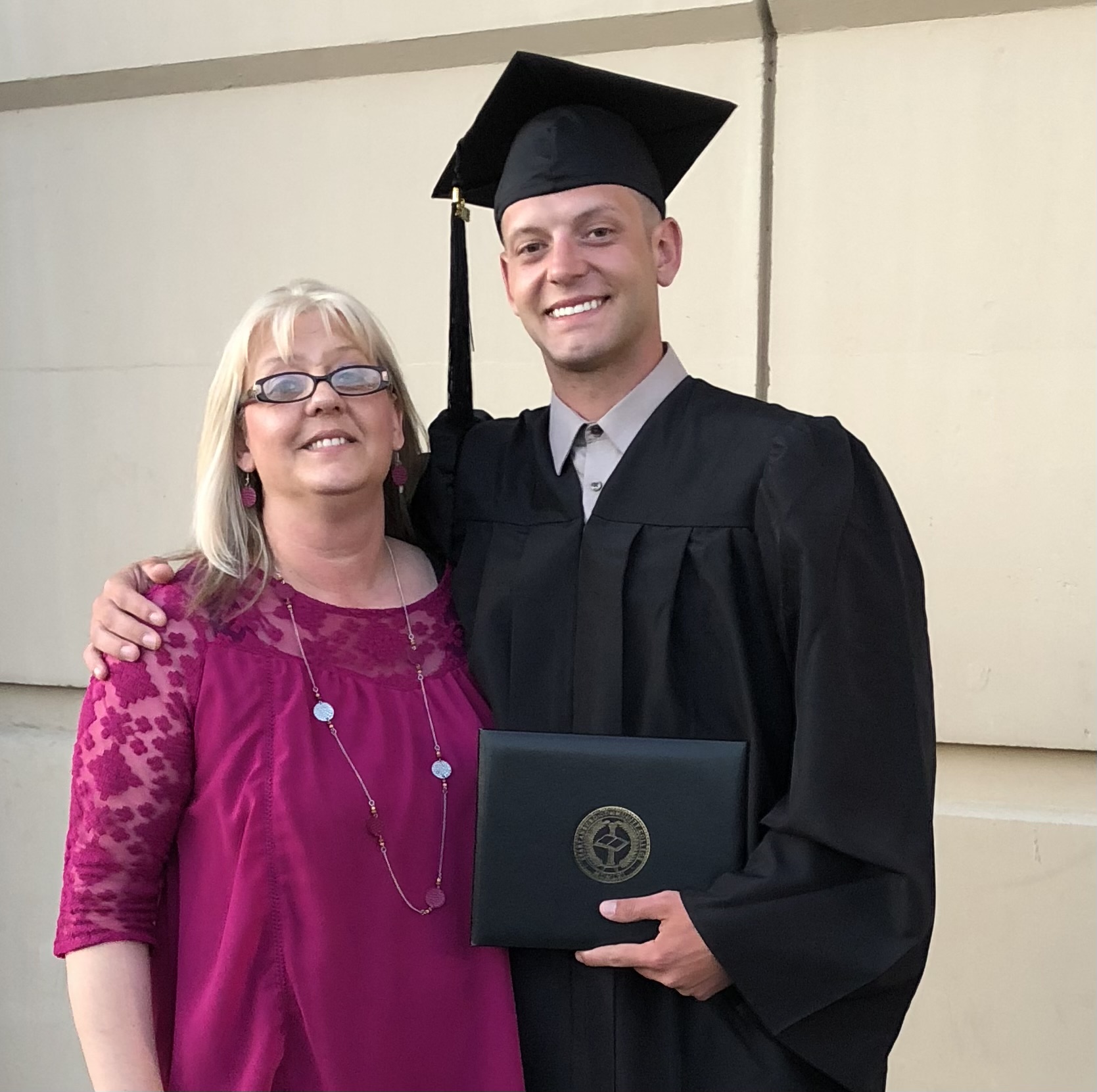
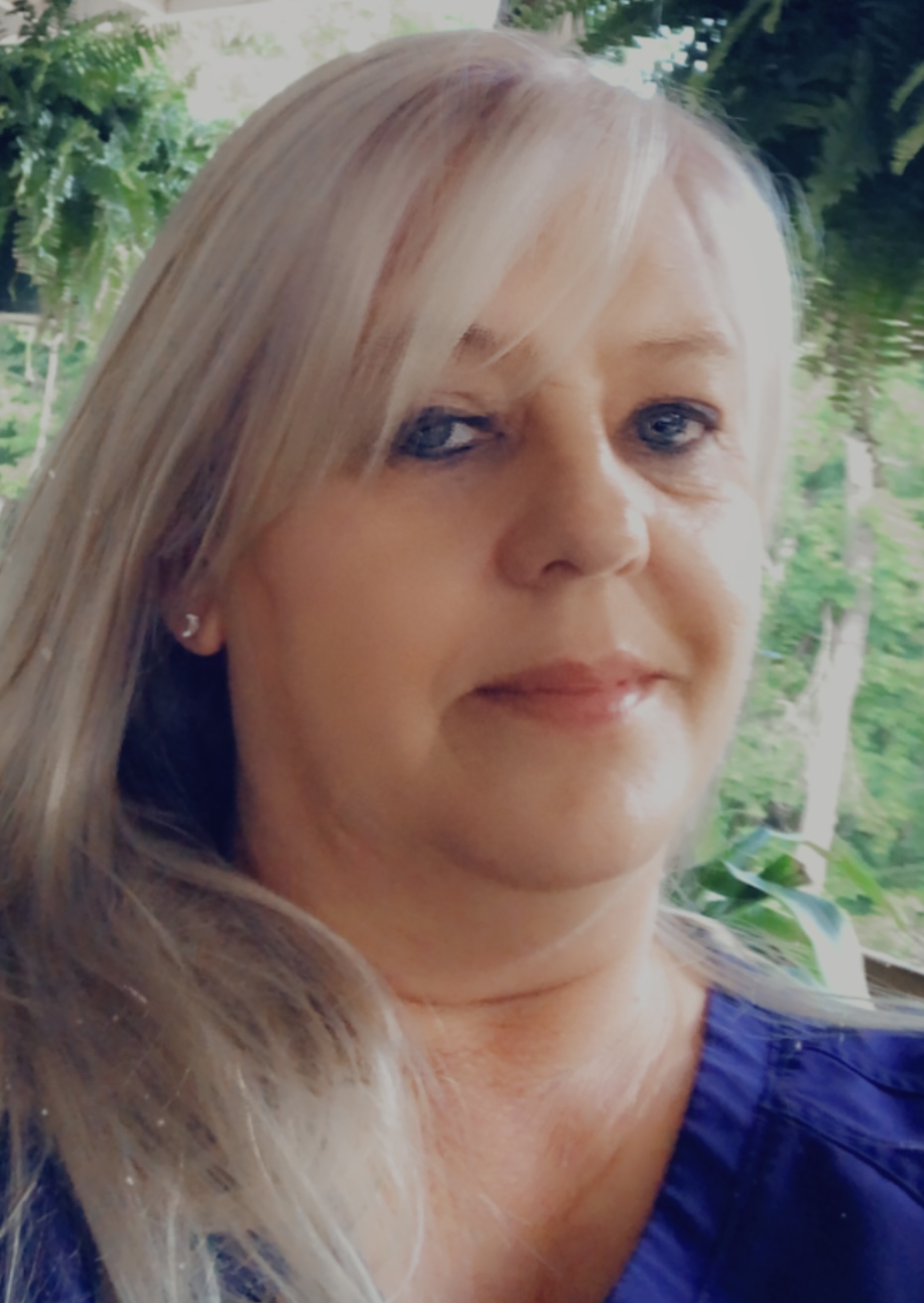
My name is Sandra Leagon, I was born and raised in Germany. I moved to the US in 1991. 6 months after my son Ryan was born. This story is really about him and why I am where I am today. I’m not a professional speaker or an expert, but I am something far more personal: I’m a mother. A grieving mother.
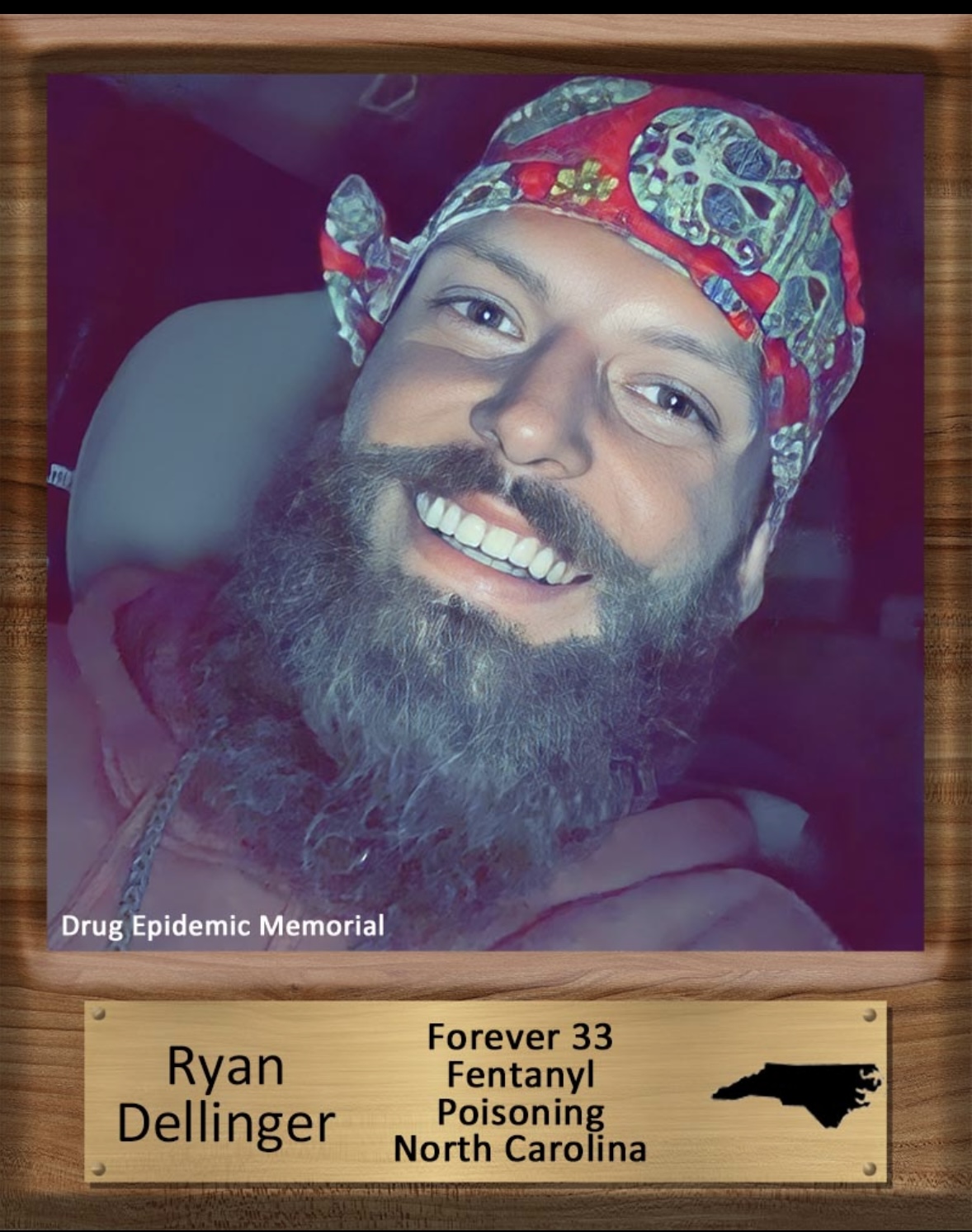
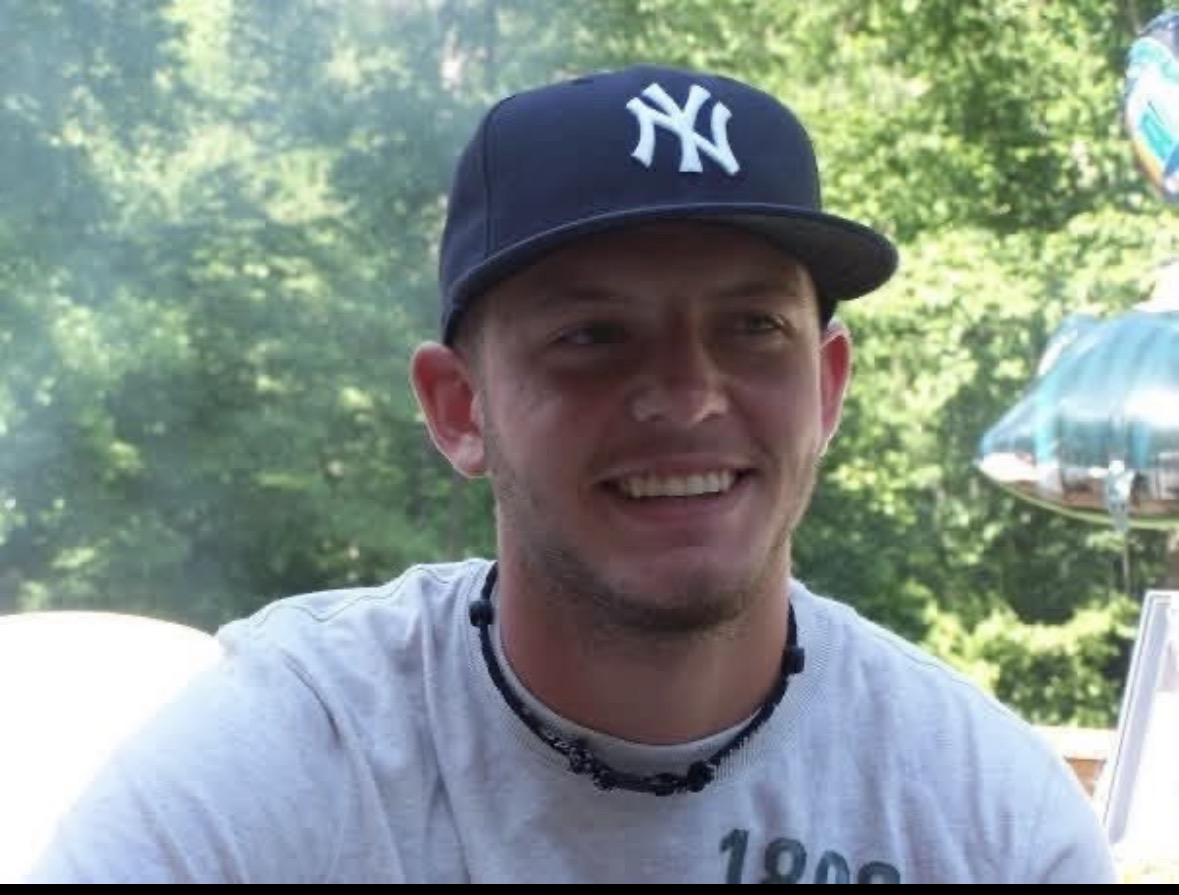
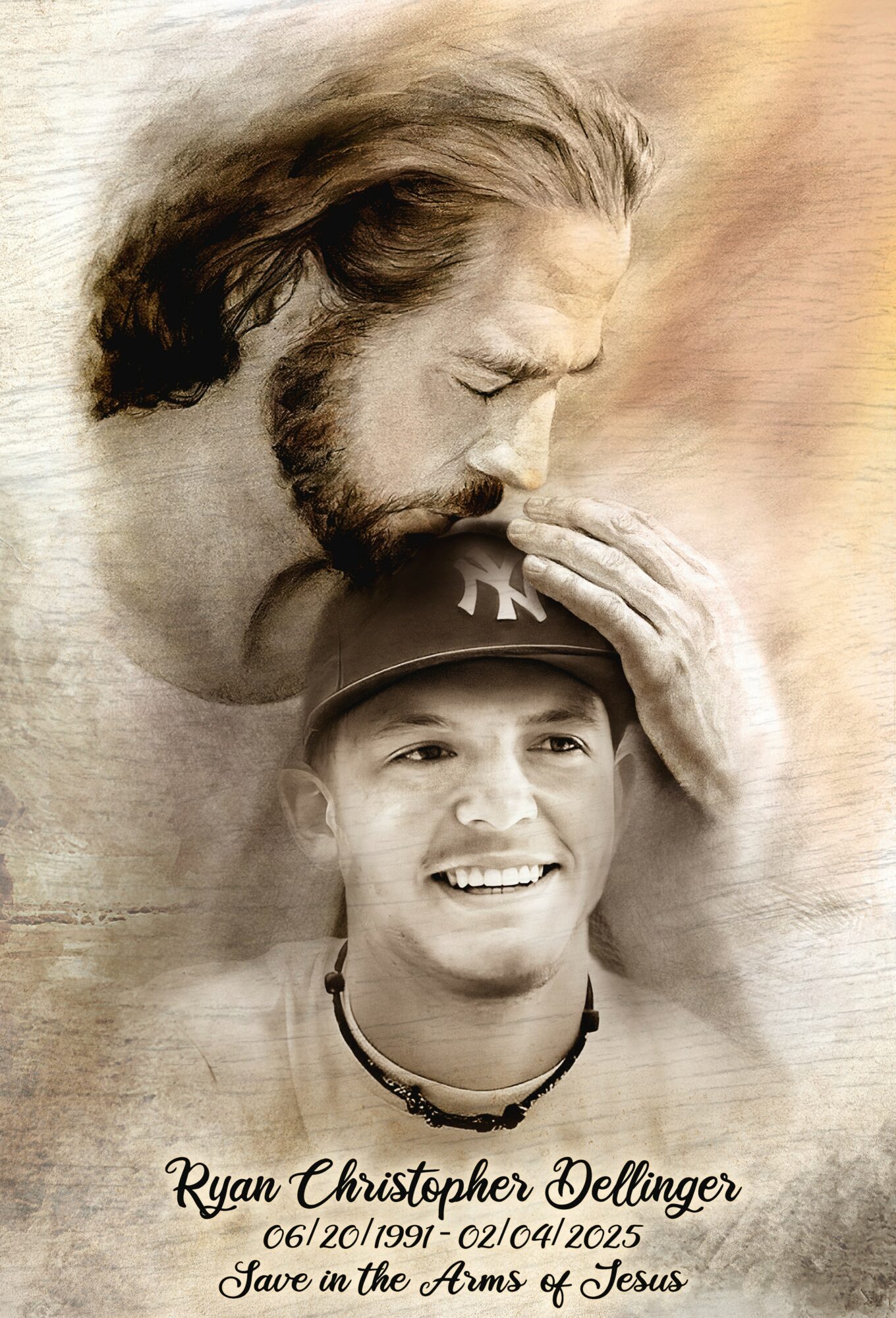
My son, Ryan Christopher Dellinger, lost his life to fentanyl poisoning on February 4th, 2025, at just 33 years old. When people hear the word “drug overdose” they often picture a stranger. But Ryan was not a stranger — he was my son. He was a bright, loving, funny young man. He had dreams. He had a family who loved him fiercely. He mattered.
Ryan’s struggle didn’t define him, but it was part of his journey. And like so many families, we spent years trying to hold him up, to find help, to keep hope alive. There were relapses, there were clean days, and there were prayers whispered in the dark when I didn’t know if he’d make it through the night.
Then came the call no parent should ever get.
Fentanyl didn’t give Ryan a second chance. It didn’t give me one either.
He didn’t intend to die that day. He wasn’t trying to end his life. He was poisoned—plain and simple. And that is what fentanyl is doing to thousands of people across this country. Silently. Quickly. Without warning. It’s not just drug use anymore—it’s Russian roulette with every pill, every hit, every relapse.
But my message today isn’t just about grief. It’s about awareness, and about what must change.
• Fentanyl poisoning is not just a personal tragedy—it’s a public health crisis.
• Families like mine need access to real support—not after a death, but long before it.
• Education needs to start earlier, and it needs to be honest—kids and parents need to know what fentanyl is and how it’s being hidden in counterfeit pills.
• Grief support for families who have lost loved ones is almost non-existent—and yet we are left to pick up the pieces alone.
I don’t want another parent to stand where I’m standing—trying to put a face to a number, trying to speak when your heart is shattered.
Ryan deserved more time. He deserved better chances. He deserved a system that saw his life as worth saving every step of the way.
And while I can’t bring my son back, I can make sure his story is told—and I can beg you to act with urgency.
Because this isn’t slowing down. It’s accelerating. And it is robbing families like mine every single day.
If Ryan’s life, and even his death, can help save someone else—then I will keep speaking. I will keep showing up. Because my love for him didn’t die in February.
Thank you for hearing me, and for seeing Ryan—not just as a name, or a number—but as someone who mattered.
Please, let his story be a reason for change.
This is why Stacey Blanton and I started “The Fentanyl Effect”. The Cherokee County Commission on Alcohol and Drug Abuse asked us to join their community partner program.
Would you say it’s been a smooth road, and if not what are some of the biggest challenges you’ve faced along the way?
Drug addiction has a stigma attached. It’s a hush hush subject. Who wants to talk about their child being in active addiction? It should be openly spoken about. Nobody should be shamed,
The stigma has to stop.
Alright, so let’s switch gears a bit and talk business. What should we know about your work?
Cherokee County Commission on Alcohol and Drug Abuse invited Stacey Blanton and myself to be community partners after both of us lost our sons to Fentanyl overdose/poisoning.
The grief of losing my son made me want to share my story about my son’s opioid addiction. It’s important for me to speak about what parents have to endure during their child’s active addiction and if they have lost a loved one, I want to be there for them to talk about our grief. I believe the stigma about drug addiction needs to stop. We as parents should not be ashamed, and our children don’t need to be ashamed either. It is ok to talk about it. It is necessary. We started “The Fentanyl Effect” in partnership with the Cherokee County Commission on Alcohol and Drug Abuse. We just got started but we will be the voices for our sons and others who can no longer speak for themselves.
Do you have recommendations for books, apps, blogs, etc?
I read a lot about drug addiction and the necessary help, that most states and/or communities are lacking.