Today we’d like to introduce you to Halsey Institute Of Contemporary Art.
Hi Halsey Institute of, so excited to have you on the platform. So before we get into questions about your work-life, maybe you can bring our readers up to speed on your story and how you got to where you are today?
The Halsey Institute of Contemporary Art was originally named the Halsey Gallery in honor of William Halsey, a celebrated Charleston native and modernist painter whose work was shown at major institutions, including the Museum of Modern Art, the Whitney Museum of American Art, the Art Institute of Chicago, and the Metropolitan Museum of Art, among others. In 1964, Halsey became the first artist to teach a studio art course at the College of Charleston, where he remained on the faculty for twenty years. When he retired in 1984, the Studio Art faculty voted to name the gallery after him in recognition of his lasting impact on both the College and Charleston’s arts community. William Halsey passed away in 1999.
Halsey’s wife, Corrie McCallum, was also a respected artist and an influential educator who played a vital role in shaping Charleston’s visual arts landscape. Alongside her own extensive body of work, McCallum was the first artist to teach printmaking at the College of Charleston. She also helped lead the Gibbes Museum of Art’s first comprehensive art appreciation program for students in Charleston County public schools. Over the course of her career, she held teaching and education positions at institutions including the Telfair Museums in Savannah, the Gibbes Museum of Art, the College of Charleston, and Newberry College in South Carolina. A lifelong advocate for the visual arts, McCallum remained deeply engaged in arts education until her death in 2009.
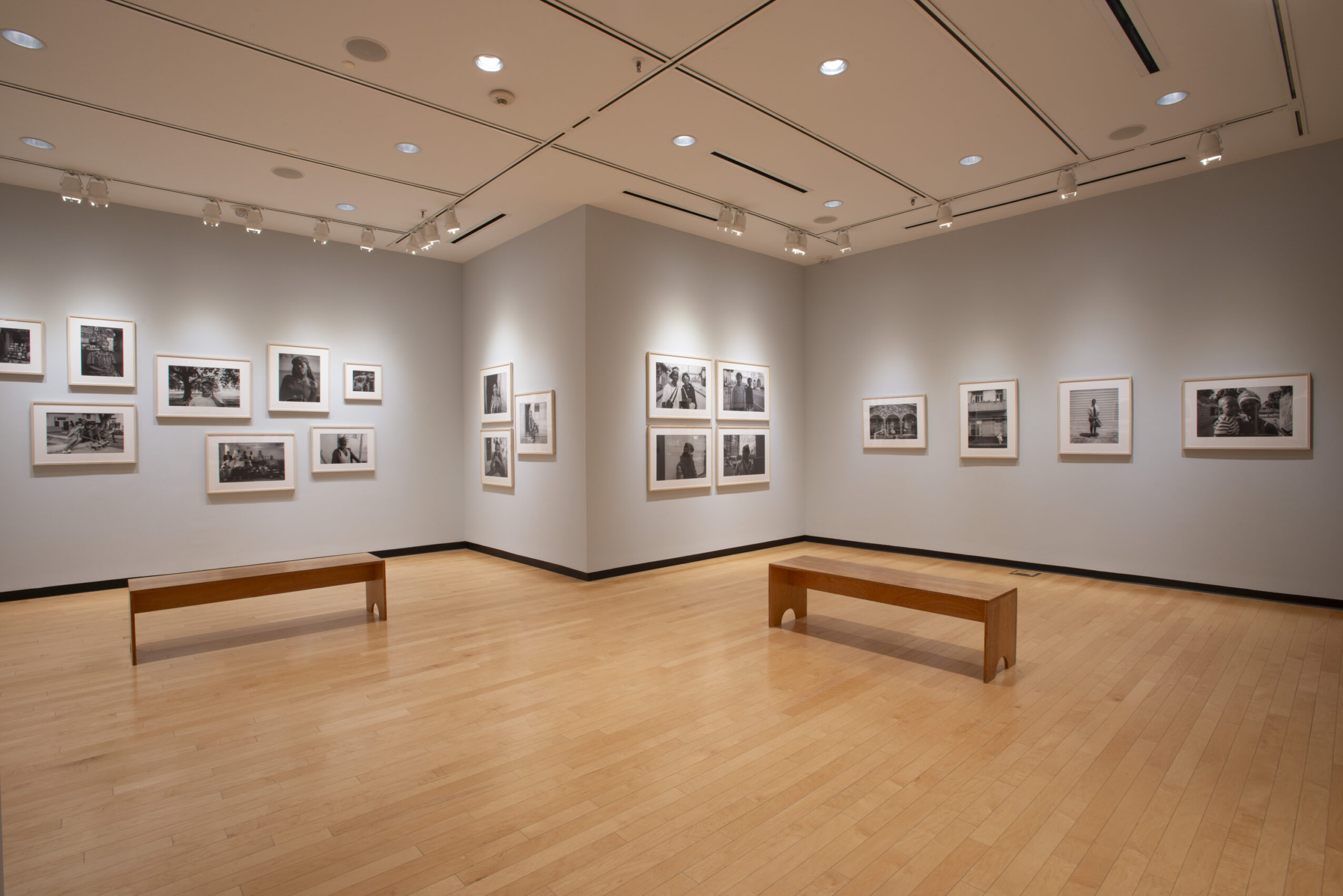
Since 1984, the gallery bearing the Halsey name has presented hundreds of exhibitions by regional, national, and international artists. In 2005, the gallery became the Halsey Institute of Contemporary Art, a name change that better reflects its programming scope. In 2010, the Halsey Institute relocated to a state-of-the-art museum space located within the Cato Center for the Arts. Conceived as a non-collecting contemporary art institution, the Halsey Institute remains an important cultural resource for the City of Charleston, the State of South Carolina, and the surrounding region. Each year, the Institute presents three to five exhibitions featuring ambitious contemporary work by emerging and mid-career artists, all supported by robust educational programming.
Alright, so let’s dig a little deeper into the story – has it been an easy path overall and if not, what were the challenges you’ve had to overcome?
Our biggest challenge is making people aware that, though we are located on the College of Charleston campus, we are open to the public.
Appreciate you sharing that. What else should we know about what you do?
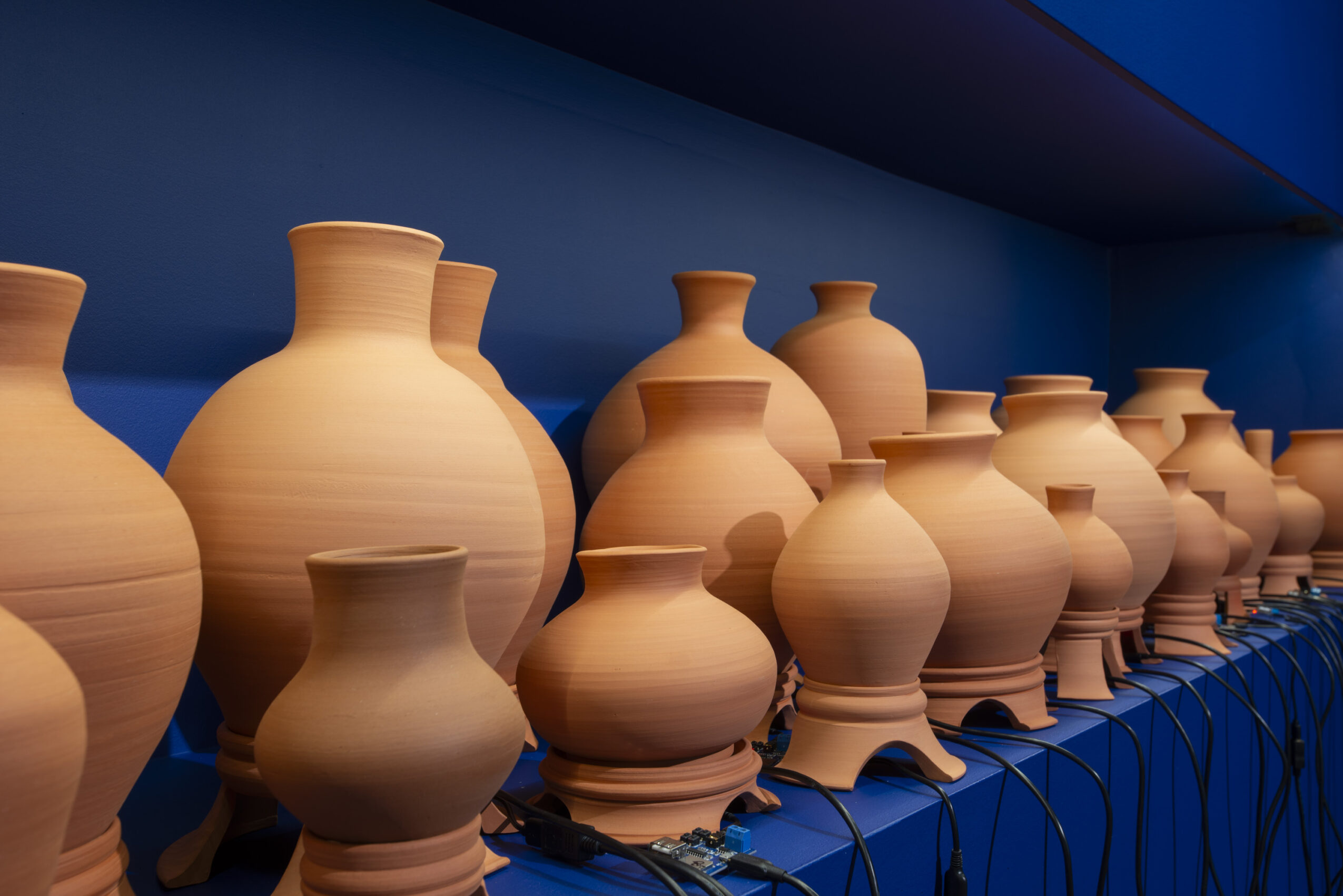
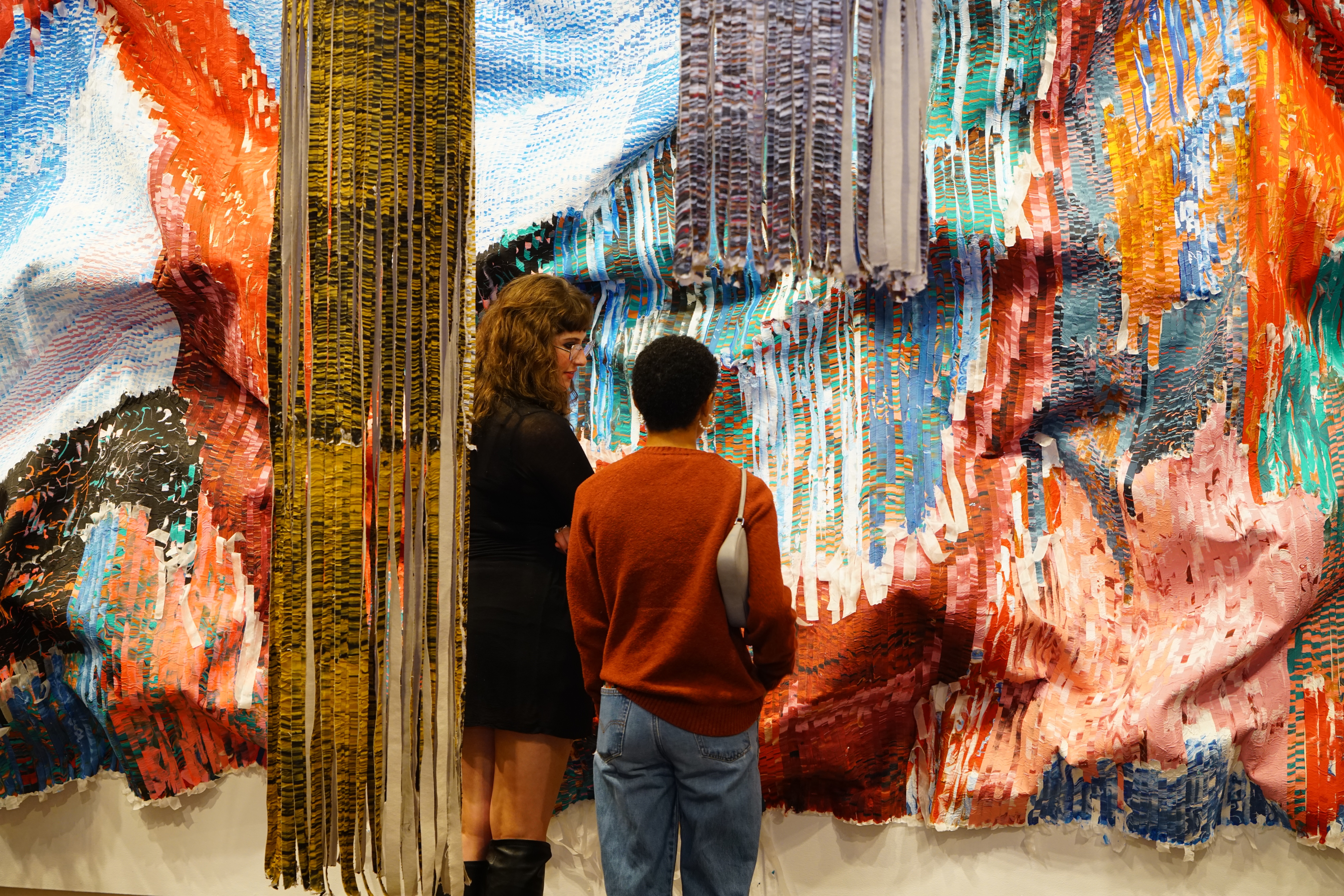
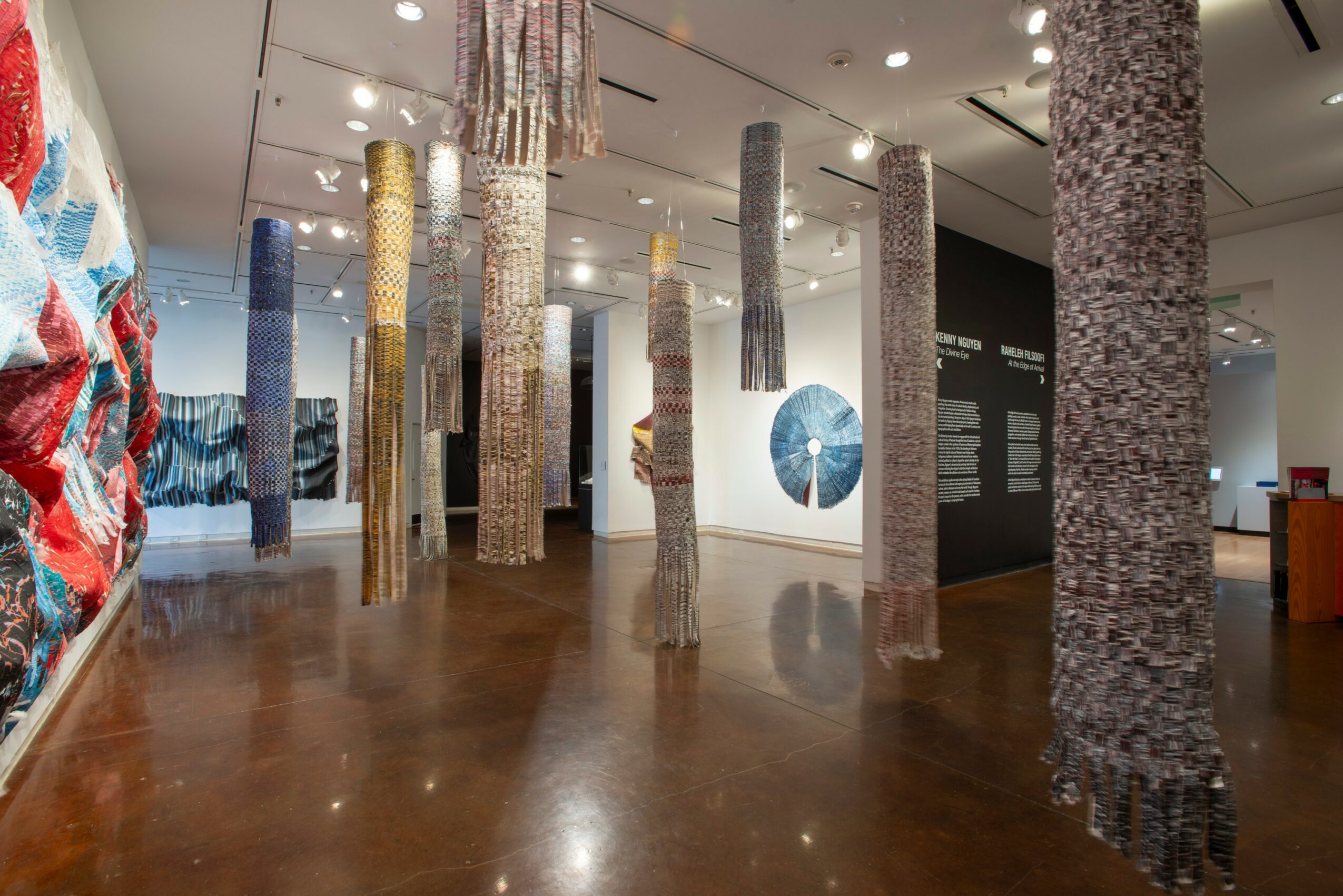
What we do best is create a multidisciplinary laboratory for the production, presentation, and interpretation of contemporary art. With offering 3-5 exhibitions per year, we specialize in working closely with innovative artists from around the world and situating their work within broader historical, social, and cultural contexts. Because we are part of an academic institution, we draw on the intellectual energy around us—collaborating with faculty and international colleagues as guest curators, consultants, and advisors—to shape ambitious, research-driven exhibitions.
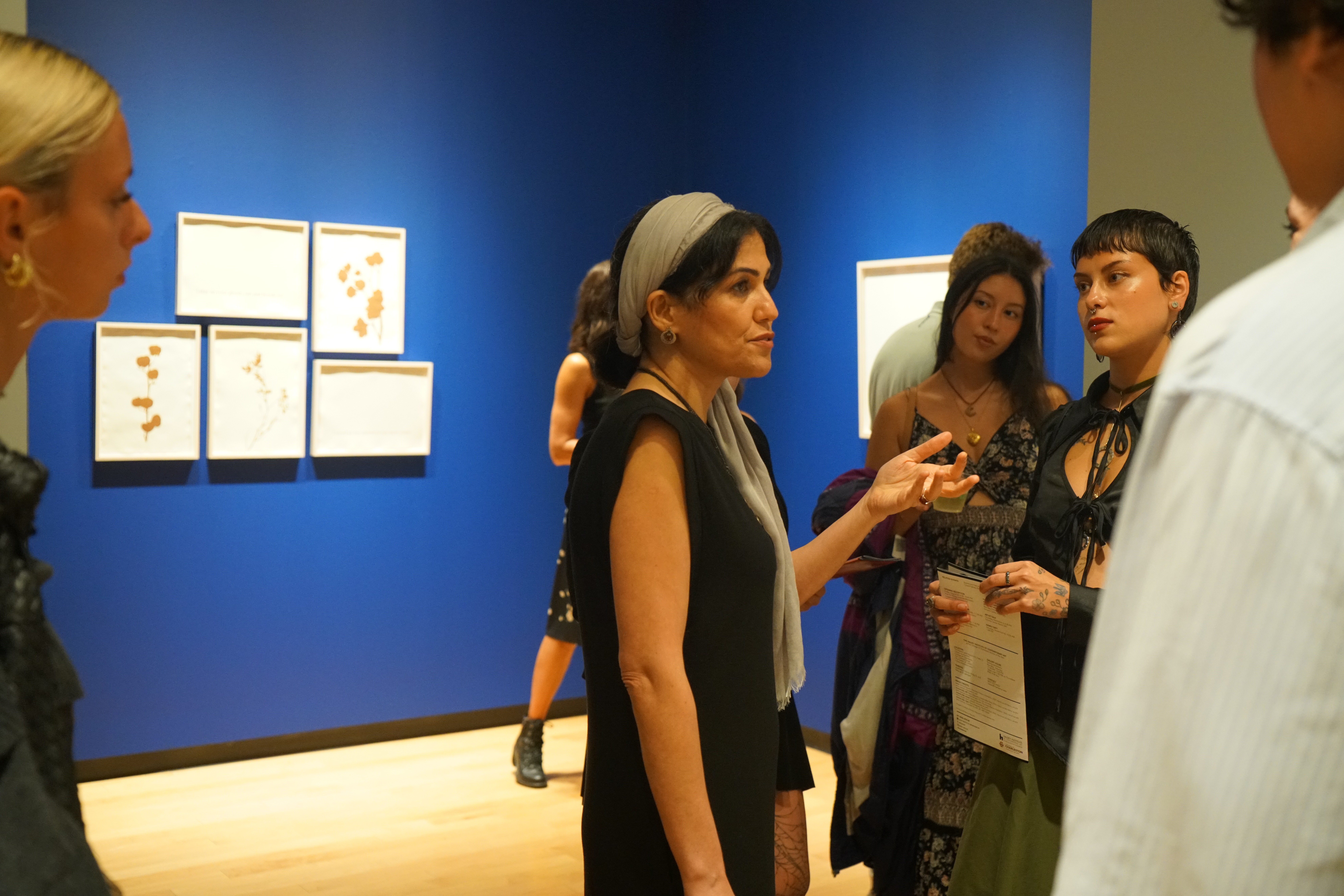
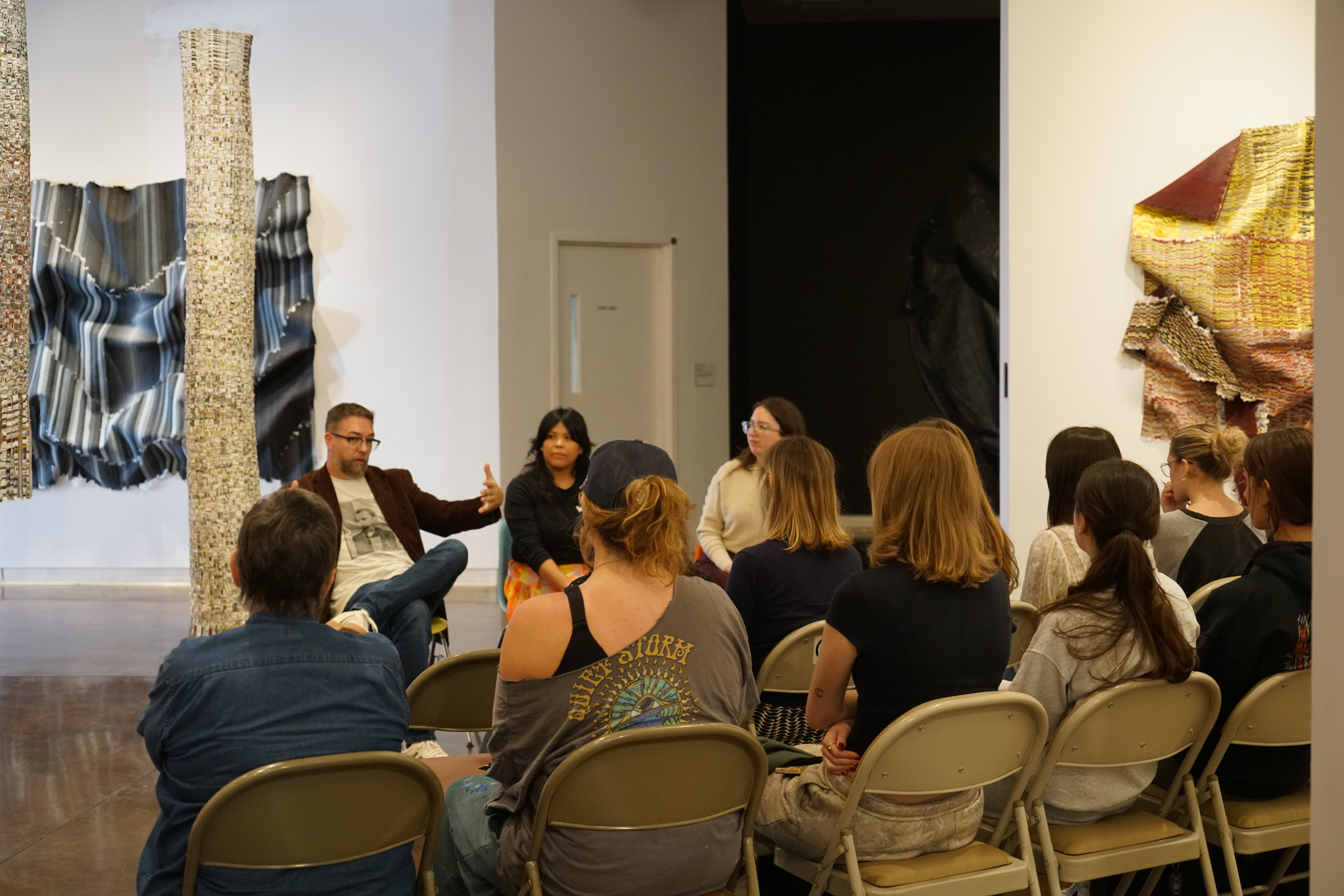
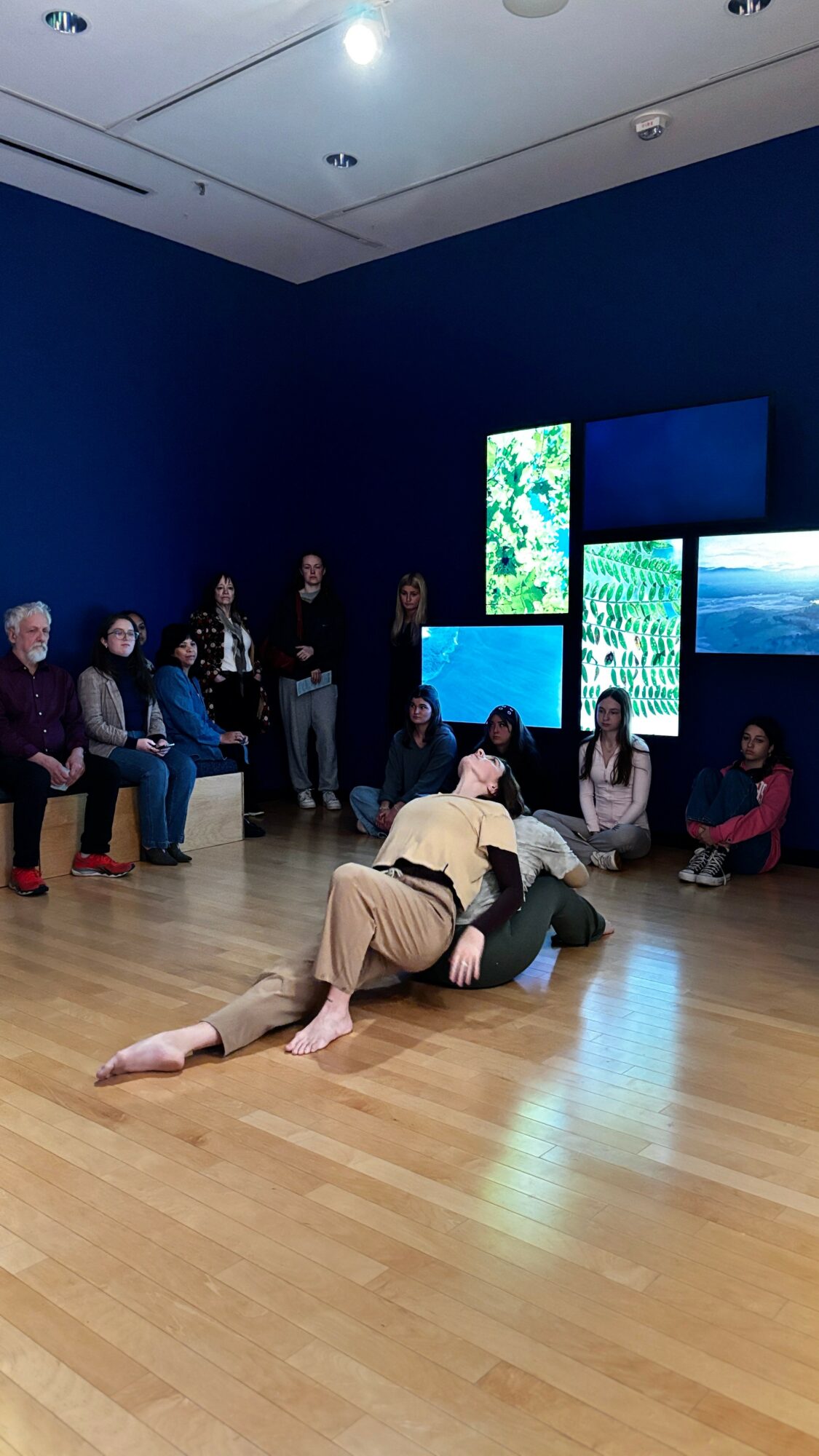
One of the things we are most proud of is our role as a site of learning at multiple levels. The Halsey serves as a space for experiential learning for College of Charleston students, offering hands-on engagement with contemporary art and exhibition-making, while also functioning as a place of ongoing exploration and dialogue for the wider community. What sets us apart is this dual commitment: we bridge the rigor of an academic environment with the openness of a public contemporary art space, creating meaningful encounters between adventurous artists and diverse audiences.
What sets us apart from other art museums is that, with the support of our members, donors, and foundations, we are able to offer our exhibitions and all related programming absolutely free of charge.
Pricing:
- Free
Contact Info:
- Website: https://halsey.charleston.edu/
- Instagram: https://www.instagram.com/halsey_institute
- Facebook: https://www.facebook.com/halseyinstitute